How to Remove Fungus from Clothes: 8 Effective Methods for All Fabrics
To remove fungus from clothes, start by soaking the affected garment in a suitable cleaning solution for at least 30 to 60 minutes or longer for severe cases. Next, wash the clothes thoroughly with a detergent that targets mildew and rinse well to prevent residue. Dry the clothes completely and store them in a dry place to stop fungus growth. Following these steps effectively helps eliminate fungus and prevents it from returning.
This advice is for homeowners, renters, and anyone dealing with mold or fungus on fabrics of any kind. You will learn practical methods to identify fungus on different clothing types and choose the right cleaning agents for each fabric, ensuring your clothes come out fresh and safe.
Key Takeaways
- Soak stubborn mold stains for 8 hours or overnight to break down fungal growth deeply embedded in fabric.
- Use a diluted bleach solution for white and colorfast fabrics, soaking for 15 to 30 minutes before rinsing thoroughly.
- Test rubbing alcohol on a hidden area of upholstery to avoid damage before applying it to fungus spots.
- Keep soaked clothes in clean water and avoid leaving them wet in a closed space to prevent new mold growth within 24 to 48 hours.
- Dry clothes completely, especially thick seams and waistbands, to prevent fungal regrowth in damp areas.
- Maintain humidity levels below 60% in storage areas using a dehumidifier to reduce fungus chances on stored garments.
1. How to Remove Fungus from Clothes Step-by-Step
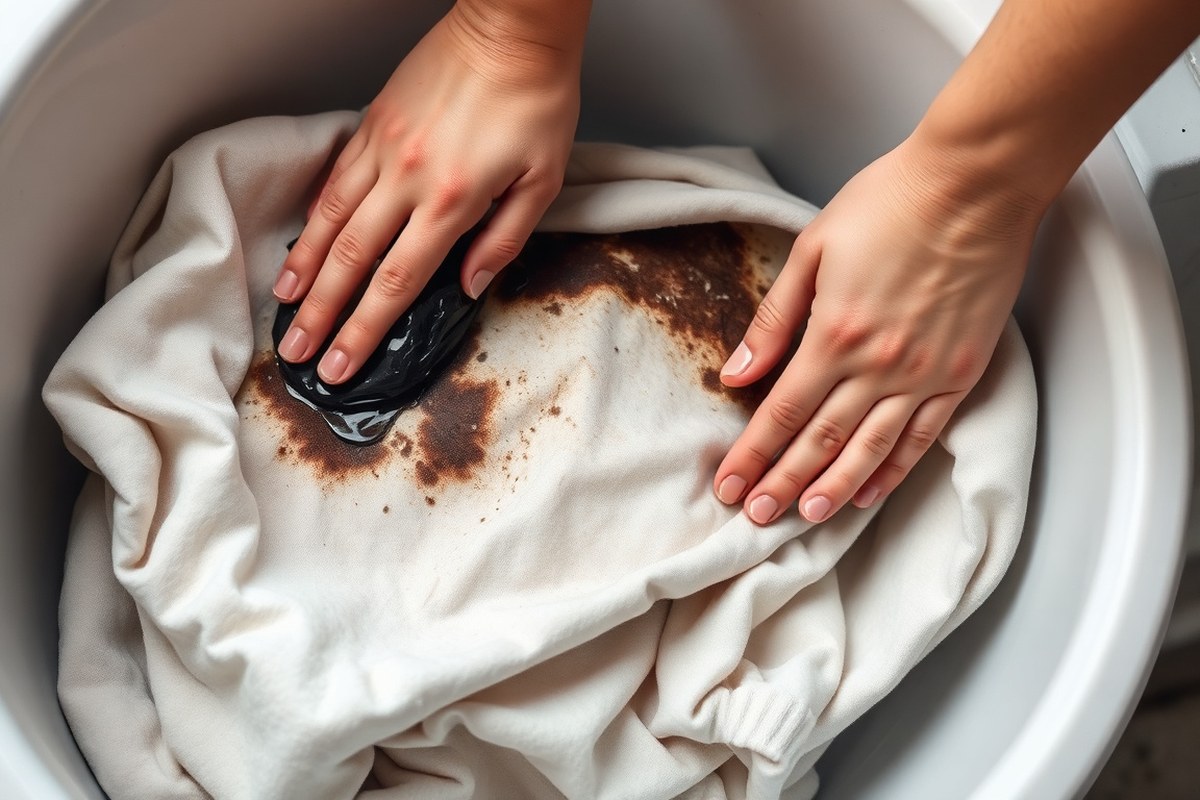
Removing fungus from clothes requires careful steps to clean and disinfect the fabric without spreading spores or causing damage. Start by removing loose mold outdoors, soak to loosen stains and spores, then wash the garment thoroughly using effective cleaning agents. Proper drying completes the process to prevent fungus from returning.
Brushing Off Loose Mold Spores Safely
Before washing, it’s essential to brush off any dry, loose mold spores from your clothes. Doing this outdoors avoids spreading spores inside your home and reduces the risk of inhaling them. Use a soft-bristled brush to gently remove surface mold without rubbing it deeper into the fabric.
Wear a mask and gloves as a precaution while brushing off spores. Keep the garment contained or bagged immediately afterward to minimize further spread. This first step lowers the fungal load and prepares the clothes for soaking and washing.
Soaking and Pre-Treating the Fungus Stains
Soaking is critical for loosening fungus stains and killing spores embedded in the fabric. Use white vinegar for soaking, applying it directly or diluting as needed. Vinegar is effective because its acidity disrupts mold growth without harsh chemicals.
- Fill a basin or sink with enough white vinegar to submerge the garment completely.
- Place the clothes in the vinegar, ensuring they are fully soaked.
- Soak for at least one hour, or up to overnight for heavy mold growth, but avoid overnight soaking on delicate or non-bleachable fabric.
- Use a stain remover or liquid detergent to pre-treat visible fungus spots if vinegar alone isn’t enough.
- Rinse briefly after soaking to remove loosened spores before washing.
This soaking step may cost just a few dollars for vinegar and takes between one hour and overnight. It helps break down stains and reduces the risk of spreading spores during washing.
Washing and Drying for Full Fungus Removal
After soaking and pre-treating, wash the garment separately to prevent contamination. Use hot water if the fabric can handle it; temperatures above 130°F (54°C) kill most mold spores. Add oxygen bleach or Borax to the wash for extra cleaning power without damaging colors or fabrics.
Dry your clothes completely to stop fungus from returning. Hanging outside in direct sunlight works best because UV rays kill spores and the fresh air speeds drying. Avoid using damp areas or indoors where moisture can linger.
- Place soaked clothes in the washing machine separately from other laundry.
- Select hot water if the fabric label permits (at least 130°F or 54°C).
- Add oxygen bleach powder or a cup of Borax along with your usual detergent.
- Run a full wash and rinse cycle.
- Immediately hang clothes outside in the sun or use a dryer on high heat if fabric care allows.
- Ensure clothes are fully dry before storing to prevent mold regrowth.
Successful washing and drying restore clothes to a fresh, fungus-free state, free of stains and musty odours. Failing to dry thoroughly or washing with cold water can leave spores alive, allowing fungus to return.
2. Identifying Fungus and Mold on Different Clothing Types
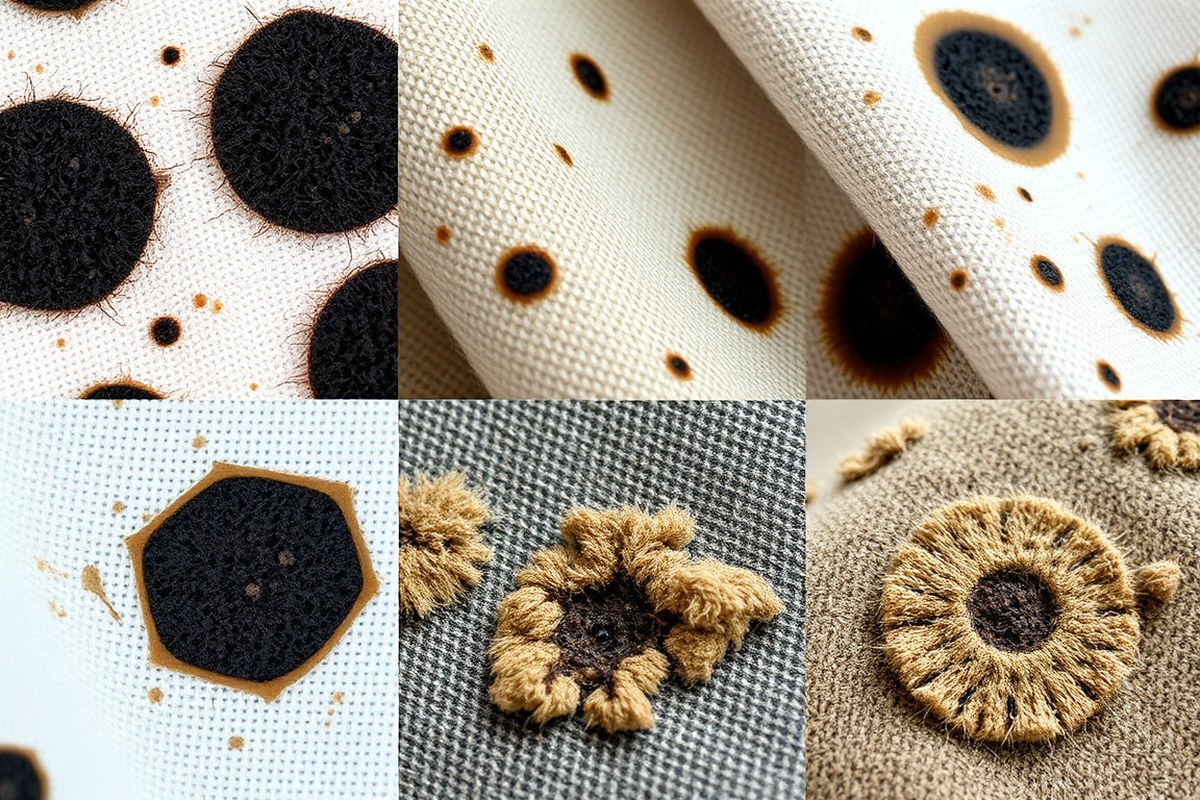
Fungus, mold, and mildew on clothes often appear similar but differ in appearance, scent, and severity. Visual cues help identify the problem on varying fabrics before deciding on treatment. Mold usually shows as fuzzy, thick, or velvety patches in dark green, black, or even brown hues, mainly on natural fabrics like cotton or wool. Mildew tends to look powdery or dusty, often white, yellow, or gray, mainly on synthetic blends or lighter materials. Fungus growth can cause irregular spots or discolorations, sometimes mistaken for dirt, ink, or dye but often with subtle fuzzy edges.
Smell is a strong indicator to differentiate between mold and mildew. Mold gives off a sharp, pungent “rotten” smell, signaling advanced fungal growth requiring deep disinfection. Mildew smells damp like wet cardboard or a damp dog, indicating an early stage and medium severity that needs prompt treatment. A stale or sweaty scent usually signals dried perspiration and skin oils, a low-level issue that regular washing can handle.
| Scent Profile | Likely Cause | Severity |
|---|---|---|
| Stale/Sweaty | Dried perspiration and skin oils | Low (Standard Wash) |
| Damp Dog/Wet Cardboard | Early stage mildew growth | Medium (Needs Treatment) |
| Sharp, Pungent “Rotten” Smell | Advanced fungal growth/Mold | High (Deep Disinfection) |
Severity assessment includes inspecting the texture and spread of fungal growth. Light fungus typically appears as small, scattered spots or slight odors without fabric damage. Medium-level mildew shows clustered powdery or fuzzy spots causing a stronger musty smell but limited fabric weakening. High severity mold damages the fabric, making it feel brittle or soft in affected areas and requires immediate removal or disposal to prevent larger contamination. Organic fabrics like cotton or wool are more vulnerable because mold can eat through fibers, while synthetic fabrics might resist structural damage but hold stains and odors longer.
Different fabrics require specific visual checks. For delicate materials such as silk or wool, inspect in bright light for subtle discolorations or texture changes rather than heavy spots which are rare but more serious. White clothes often reveal mold as black or dark stains, and bleach treatment can be suitable here. Colored clothing may show faded or dull blotches with greenish or brownish tones that need gentle care to avoid bleaching.
Always check seams, collars, cuffs, and underarm areas, as moisture collects there, encouraging fungal growth. In severe cases, spores may spread to adjacent garments in storage, so examine neighboring clothes and laundry areas for early warning signs. This visual and scent evaluation helps decide whether to try light treatment methods or move directly to stronger cleaning agents or even discard the item if irreparable.
Check the care label carefully before treating fungus; some delicate fabrics like wool or silk cannot tolerate bleach or harsh chemicals without damage.
3. Choosing the Right Cleaning Agents for Every Fabric
To remove fungus from clothes effectively, you need to select cleaning agents that kill mold while preserving the fabric’s integrity. Natural cleaners like vinegar and baking soda work well on most fabrics and carry low risk of damage. Chemical disinfectants such as bleach offer powerful fungal eradication but pose higher risks especially on delicate or colored fabrics. Always avoid mixing bleach with vinegar due to harmful chemical reactions.
Natural Cleaners: Vinegar, Baking Soda, and Peroxide
White vinegar is a popular natural disinfectant against mold spores and odors. It works on cotton, synthetics, and even some delicates without harsh bleaching effects. Baking soda complements vinegar by absorbing moisture and odors, making it a gentle option for routine mold removal. Hydrogen peroxide acts as a mild bleach alternative, effective on whites and colorfast fabrics, but it can cause fading if used excessively or on sensitive fabrics. These agents are safe to use with hot water and detergent for most washable garments.
Use about 1 cup of white vinegar in the washing machine during the rinse cycle or create a soak solution of one part vinegar to four parts water for 30 minutes before washing. Baking soda can be added at half a cup per load or sprinkled on damp areas before laundering. Hydrogen peroxide should be tested on an inconspicuous spot first and used in a diluted form (3%) to treat stained or moldy areas. Avoid mixing vinegar and peroxide as this can degrade their effectiveness.
Chemical Disinfectants: Bleach and Specialty Mildew Removers
| Disinfectant | Best Use Case | Primary Strength | Caution |
|---|---|---|---|
| Chlorine Bleach | White cottons/linens | Total spore eradication | Can yellow or weaken fabrics |
| Commercial Mildew Removers | Heavy-duty synthetics | Specialized antifungal formulas | Strong fumes |
| Enzymatic Cleaners | Organic stains and odors | Breaks down fungal proteins | May require longer soak times |
| Isopropyl Alcohol | Spot treatment/Delicates | Fast sterilization/evaporation | Flammable; check stability |
Chlorine bleach is highly effective for white cottons and linens where total mold spore eradication is needed. However, it damages many fabrics by weakening fibers and causing yellowing, so avoid it on colored, delicate, or synthetic textiles. Commercial mildew removers suit tough synthetic fabrics but require good ventilation due to strong odors. Enzymatic cleaners are gentle and target fungal proteins but need longer treatment times. Isopropyl alcohol is good for spot cleaning mold on delicates but must be handled with care due to flammability.
Never combine bleach with vinegar or baking soda as this can release toxic gases. Always perform spot testing on hidden areas before using chemical disinfectants on colored or sensitive fabrics.
Safe Agents for Delicate and Colored Fabrics
Delicate or natural fiber garments like silk, wool, and handmade clothes need the mildest treatment to avoid damage. Vinegar and baking soda are usually safe starting points for these fabrics. Using bleach, oxygen bleach, or harsh chemicals risks fiber breakdown, discoloration, or shrinkage, especially on silks and wools that do not tolerate high heat or scrubbing.
| Fabric or Item | Risk Level | Safer First Step |
|---|---|---|
| Cotton shirts | Lower | Wash separately with detergent |
| Towels | Lower | Wash warm if label allows |
| Bedding | Lower to medium | Wash based on care label |
| Polyester blends | Medium | Use gentle cleaner and avoid high heat |
| Denim | Medium | Test color before stronger cleaners |
| Wool | High | Avoid bleach, hot water, and hard scrubbing |
| Silk | High | Use professional cleaning |
| Leather or suede | High | Avoid soaking and machine wash |
To treat delicate fabrics at home, start by soaking in a solution of white vinegar diluted with water or sprinkle baking soda on affected areas before gentle hand washing with a pH-neutral detergent. Avoid machine drying, high temperatures, or chlorine bleach. For valuable items like silk or leather, professional cleaning is the safest approach to avoid irreversible damage.
4. Protective Gear and Safety Precautions When Cleaning Fungus
Wearing the right protective gear can help you avoid health risks from mold spores when cleaning fungus from clothes. Mold spores can irritate your skin, eyes, and respiratory system. At a minimum, wear a mask rated N95 or higher to block inhaling spores. Use rubber or latex gloves to protect your hands. People with sensitive skin or allergies should use disposable coveralls or wear old clothing that can be washed separately after cleaning.
Choose a well-ventilated area to work in. Ideally, clean moldy clothes outside or in a room with open windows and a fan that blows air outside. This prevents spores from spreading indoors. Avoid confined or poorly ventilated areas where spores can accumulate. Working indoors calls for turning on exhaust fans and keeping doors open to boost airflow.
Handle moldy garments carefully to minimize spore release. Don’t shake or aggressively scrub moldy clothes before treating them. Place suspected items into large plastic bags to contain spores during transport or before cleaning. After cleaning, dispose of any used gloves, masks, and cleaning materials in sealed bags. Wash your hands thoroughly immediately after the process.
- Wear an N95 or higher-rated mask to block spores.
- Use rubber or latex gloves to avoid skin contact.
- Work outside or in a well-ventilated room with fans.
- Handle moldy clothes gently; avoid shaking or beating.
- Seal moldy clothes in plastic bags for transport.
- Dispose of single-use protective gear in sealed bags.
- Wash hands well after handling moldy textiles.
Properly disposing of moldy garments depends on how severe the infestation is. Small mold patches can often be cleaned, but large or persistent fungal growth, or clothes that give off musty odors after cleaning, might need to be discarded. Keep in mind that mold spores can linger in fabrics even after washing, which can cause recurring issues. Experiencing allergic reactions or respiratory problems during or after cleaning means you must stop right away and seek professional advice.
Good results include clothes free of visible mold and odors, and no recurring growth after drying and storage. Avoid doing this cleanup in sealed rooms or spaces without airflow, as this can worsen exposure. Protective gear and careful handling help you manage fungal contamination safely and reduce health risks as you restore your clothing.
5. Cleaning Methods Tailored to Fabric Types and Colors
Cleaning fungus from clothes requires different approaches depending on the fabric type and color. Cotton and linen tolerate warm water and stronger cleaners, while delicate fabrics need gentle care with lukewarm water. Synthetic and blended fabrics fall somewhere in between, needing specific temperature and chemical precautions to avoid damage while effectively removing mold.
Removing Fungus from Cotton and Linen
Cotton and linen fabrics are durable and can handle warmer water temperatures and more intense cleaning agents. These natural fibers tend to hold moisture longer, promoting mold growth if not cleaned properly. Using warm water (around 104°F to 113°F) combined with bleach or mold-killing detergents works best to remove fungus without harming the fabric. Follow these steps to clean mold from cotton or linen clothes:
- Check the care label to confirm the garment can be washed with warm water and bleach.
- Pre-treat moldy areas with a mixture of one part bleach to five parts water or a specialized mold remover.
- Let the solution sit for 10 to 15 minutes, but avoid prolonged soaking to prevent weakening the fibers.
- Wash the clothing in warm water (104°F to 113°F) using a strong detergent formulated for mold removal.
- Rinse thoroughly to remove all cleaning agents.
- Air dry in direct sunlight if possible, as UV rays help kill residual spores.
Strong cleaners like bleach effectively remove mold on cotton, but avoid excess soaking to prevent fabric damage and avoid bleach on colored clothing unless it is colour-safe bleach.
Treatment for Delicate Fabrics Like Silk and Wool
Silk, wool, and other delicate fabrics require careful handling since they can be damaged by heat and harsh chemicals. These materials should only be washed in lukewarm water (around 85°F to 95°F) with mild detergents that do not contain bleach. Avoid scrubbing to prevent weakening or felting the fibers. Here’s how to safely remove fungus from delicate garments:
- Read the care label to confirm the fabric is washable and not dry-clean only.
- Mix a gentle detergent suitable for delicates in lukewarm water.
- Submerge the garment and gently agitate it by hand for 5 to 10 minutes without scrubbing.
- Rinse with cool, clean water until no soap remains.
- Press the water out gently; avoid wringing.
- Lay flat to dry away from direct sunlight or heat sources.
Avoid bleach and hot water on delicate fabrics, heat can shrink or distort silk and wool, and bleach can cause permanent damage.
Handling Synthetics and Mixed Fabric Garments
Synthetic and blended fabrics, such as polyester or cotton-polyester blends, usually tolerate warm water but can be sensitive to some chemicals. Use warm water up to 113°F and choose detergents without bleach unless the label allows it for colorfastness. For these fabrics, follow this cleaning method:
- Review the garment’s care instructions to determine maximum water temperature and chemical restrictions.
- Pre-treat mold spots with a mold-specific detergent safe for synthetic blends.
- Wash the item in warm water (up to 113°F) with a detergent designed for synthetic or mixed fabrics.
- Rinse thoroughly to ensure all cleaning agents are removed.
- Dry according to label instructions, typically by air drying or tumble drying on low heat.
Some synthetic blends may shrink or deform under high heat; always stick to the manufacturer’s recommended washing temperature and avoid bleach unless the care label permits.
6. Drying and Storage Practices to Prevent Fungus Regrowth
Drying clothes thoroughly is key to stopping mold spores from growing after cleaning. Mold thrives in damp environments, so ensuring your clothes reach complete dryness before storage is essential. Air drying in direct sunlight is one of the best methods because the sun’s ultraviolet rays kill mold spores and reduce moisture quickly. If using a dryer, select a high heat setting appropriate for the fabric type; heat above 140°F helps kill spores and evaporate moisture. After drying, using a steam iron on warm to hot settings gives a final pass to eliminate any leftover dampness inside the fabric fibers.
Proper storage conditions reduce humidity and prevent moisture buildup that fosters mold regrowth. Avoid plastic bins or airtight containers unless you are absolutely sure the clothes are 100% dry, because trapped moisture can accelerate fungal growth. Cardboard boxes should also be avoided; the organic material absorbs moisture and acts as food for fungus. Instead, opt for breathable options like canvas bags, which allow air circulation while keeping dust off your clothes. Cedar chests work well too, as cedar naturally absorbs moisture and repels insects, which helps maintain a dry, mold-resistant environment.
Maintaining a clean and dry storage area is equally important. Humidity levels above 60% encourage mold growth, so keep your closet or storage space well-ventilated and use moisture absorbers like silica gel packets or moisture-absorbing products designed for storage. Regularly inspect stored clothes and the environment for signs of moisture or mold, especially in damp climates or during seasons with high humidity.
- Ensure clothes are thoroughly dry by air drying in sunlight or using a high-heat dryer cycle.
- Use a steam iron on warm to hot settings for a final moisture elimination pass.
- Avoid storing clothes in plastic bins or cardboard boxes unless completely dry.
- Store clothes in breathable containers like canvas bags or cedar chests.
- Keep storage areas well-ventilated and humidity below 60%.
- Use moisture absorbers in storage to reduce dampness.
- Inspect clothes and storage spaces regularly for signs of mold or moisture.
Swimsuits require special attention since their exposure to water and sweat puts them at a higher risk of mold growth. Do not dry them with heat that can set mildew stains; instead, air dry thoroughly and inspect carefully before storing. Repeat cleaning and drying if mildew remains. Choosing the right drying and storage practices can prevent mold from returning and keep your clothes fresh for longer.
7. How to Tell If Fungus Is Fully Removed from Clothes
After treating clothes for fungus, you’ll want to check carefully to ensure the fungus is fully removed. One key sign that fungus remains is any visible discoloration or fuzzy growth on the fabric, especially in seams, folds, or under collars. Lingering musty or sour odors also indicate fungal residue, even if the spots seem gone. Fungus can leave behind stains that don’t disappear with washing, as well as spores that resist regular detergent.
To spot leftover fungus correctly, use a good checklist. Examine clothes in a well-lit area for any visible spots or discoloration. Smell the fabric closely; a persistent moldy or vinegar-like odor means some fungal elements remain. Feel the cloth for any slimy or brittle patches, since fungus can damage fibers, causing fabric weakness or rough texture.
Upon detecting signs of fungus, repeat the treatment steps. A common and effective way to further kill fungi and neutralize odors is soaking clothes in a vinegar solution. Add 1, 2 cups of white vinegar with laundry detergent to the washing machine for a full wash cycle. Alternatively, pre-soaking clothes for 30 to 60 minutes in a mixture of half vinegar and half water before washing can deepen fungal penetration. Adding half a cup of baking soda to the wash helps remove odor and loosen any mold residue that detergent misses.
Sun drying is critical after washing. The sun’s UV rays help kill remaining fungal spores, and fresh air removes musty odors. Hang clothes in direct sunlight for several hours until completely dry, avoiding folding or storing while still damp, which promotes fungus regrowth. For delicate fabrics that cannot tolerate harsh washing or sunlight, use specialized mild antifungal laundry additives or air-dry near a window with a fan for improved airflow.
The cost of repeating fungal treatments varies depending on supplies but remains low. Vinegar costs a few dollars per gallon, and baking soda is inexpensive, often under $1 per box. Allow extra time for soaking and extended drying, usually adding one to two days to the cleaning process. When fungus spots and odors remain after several treatments, consult a professional cleaner, especially for valuable or delicate clothes. Persistent fungus could indicate deep fabric damage or contamination that household methods cannot fully resolve.
Good results show no visible stains or fuzzy growth, no musty or sour odors, and a soft, intact fabric texture. Clothes feel fresh and look clean under close inspection. Avoid putting clothes away until they are bone dry and aired out, as partial moisture invites fungus to return. The more you catch and treat fungus early, the less likely it will cause lasting stains or fiber damage that require expert restoration.
8. Common Mistakes and How to Avoid Them When Removing Fungus
Mixing cleaning chemicals often causes more harm than good when trying to remove fungus from clothes. Some combinations, like bleach and ammonia, release toxic gases that pose serious health risks. Even less dangerous mixes can damage fabric fibers, leading to weakened or discolored garments. Using one recommended cleaning agent at a time, based on fabric type, reduces these risks and ensures more effective fungus removal.
Over-soaking clothes worsens mold issues because excessive moisture weakens fibers and creates an environment where fungus thrives. Clothes should be damp but not soaking before treatment. Using too much water or leaving garments wet for extended periods encourages mold growth, so limiting soaking time to 15, 30 minutes is best. After cleaning, drying clothes thoroughly and quickly at a temperature suitable for the fabric helps prevent fungus from returning. Avoid drying fabrics in humid or poorly ventilated spaces, which slow drying and support mold growth.
Cross-contamination happens when fungus spores spread from infected to healthy clothes during handling or washing. To prevent this, keep infected garments separate in sealed bags before washing. Use hot water cycles (at least 140°F) if the fabric allows, and clean your washing machine regularly with a suitable disinfectant. Avoid mixing heavily soiled items with clean laundry, and sanitize laundry baskets or hampers to limit spore spread.
- Never mix bleach with ammonia or vinegar to avoid toxic fumes and fabric damage.
- Limit soaking to less than 30 minutes to prevent fiber weakening and mold spread.
- Dry clothes in a well-ventilated area or in a dryer set to an appropriate temperature.
- Separate fungus-infected clothes from other laundry in sealed bags or containers before washing.
- Use washing cycles with temperatures at or above 140°F for disinfecting, when fabric care allows.
- Routinely disinfect washing machines and laundry areas to prevent spore buildup.
- Check fabric care labels to avoid cleaning agents that may stain or weaken sensitive materials.
Avoid leaving clothes damp for more than a few hours after washing to stop mold from growing back.
Ignoring fabric care instructions during fungal treatment can cause irreparable damage. For example, rubbing alcohol may remove mold but can also harm delicate fabrics like silk or wool. Always test cleaning agents on a hidden area first, and choose gentle solutions designed for the specific material. Following product labels and expert guidelines ensures your clothes remain intact while effectively eliminating fungus.
Step-by-Step Action Plan to Remove Fungus from Clothes
Follow this plan to tackle fungus on your clothes effectively and prevent it from returning.
- Before you start: Gather protective gloves, a mask, fabric-appropriate cleaning agents, and a soft brush to avoid skin contact and protect respiratory health.
- Day 1: Identify the fungus spots on each clothing item and sort clothes by fabric type and color to choose suitable cleaning methods.
- Day 1: Pretreat fungus spots with a mixture of water and either vinegar or a fabric-safe fungicide; let it sit for 30 minutes.
- Day 1: Wash clothes according to fabric type with the recommended cleaning agent and hottest safe water temperature; check that visible spots have faded after washing.
- Day 1-2: Dry clothes completely in direct sunlight or use a dryer on the setting safe for the fabric; check for any lingering odor or discoloration that might indicate fungus remains.
- Week 1: Store cleaned clothes in a dry, well-ventilated area using moisture absorbers if needed to prevent regrowth.
- Week 2: Reinspect previously affected clothing; repeat washing and drying if any fungus spots or smells persist.
- Ongoing: Maintain regular laundry hygiene by avoiding damp storage and cleaning closely after exposure to moisture or sweat.
Frequently Asked Questions
Can Fungus on Clothes Cause Health Problems?
Yes, fungus on clothes can trigger allergies or skin irritation. Keep clothes dry and clean to minimize health risks.
Is It Safe to Use Bleach on All Fabrics to Remove Fungus?
No, bleach is effective for whites but can damage colored or delicate fabrics. Always check care labels first.
How Long Should Clothes Be Soaked to Remove Fungus?
Soak clothes for at least 30 minutes in an antifungal solution. Longer soaking may be needed for severe growth.
Can Frozen Temperatures Kill Fungus on Clothes?
Freezing may slow fungal growth but doesn’t fully eliminate it. Washing and proper drying are needed afterward.
Why Does Fungus Come Back After Cleaning Clothes?
Fungus often returns if clothes aren’t completely dry or stored properly. Ensure full drying and breathable storage.
Does Sunlight Help Kill Fungus on Clothing?
Yes, sunlight’s UV rays help kill fungus and reduce odors. Dry clothes outside when possible.
The Bottom Line
Removing fungus from clothes requires careful attention to fabric type and proper cleaning agents, along with thorough drying and storage. Acting quickly at the first sign of fungus and using the right methods keeps your clothing safe and fungus-free. Start today by checking your clothes for any spots and sorting them to prepare for targeted cleaning.