How to Get Rid of Mold on Clothes: 8 Proven Methods That Work
To get rid of mold on clothes, start by treating the affected areas with vinegar or a commercial stain remover, then wash in hot water. Soaking moldy clothing for at least 8 hours before washing helps break down spores and remove odors. You need to dry your clothes thoroughly and control humidity to stop mold from returning. This process suits anyone dealing with moldy fabrics, whether in closets, laundry rooms, or storage spaces.
This article breaks down step-by-step methods and matches mold removal techniques to fabric types, so you can restore your garments safely and effectively. It also covers safety tips and long-term prevention to help protect your clothing from future mold growth.
Key Takeaways
- Soak moldy clothes in vinegar or a mold-cleaning detergent for at least 8 hours before washing.
- Wash mold-infested fabrics in hot water with vinegar to kill about 80% of mold spores and remove odors.
- Apply a commercial stain remover or a 1:4 hydrogen peroxide-to-water mix directly to mold spots for 15 minutes before washing.
- Keep closet humidity below 50% using a dehumidifier to prevent mold growth on stored clothes.
- Dry clothes fully, paying extra attention to seams and thick areas, to prevent mold developing within 24 to 48 hours.
- Wear protective gloves, a KN95 mask, and glasses when handling moldy clothing to avoid exposure to spores.
1. How to Remove Mold from Clothes Step-by-Step
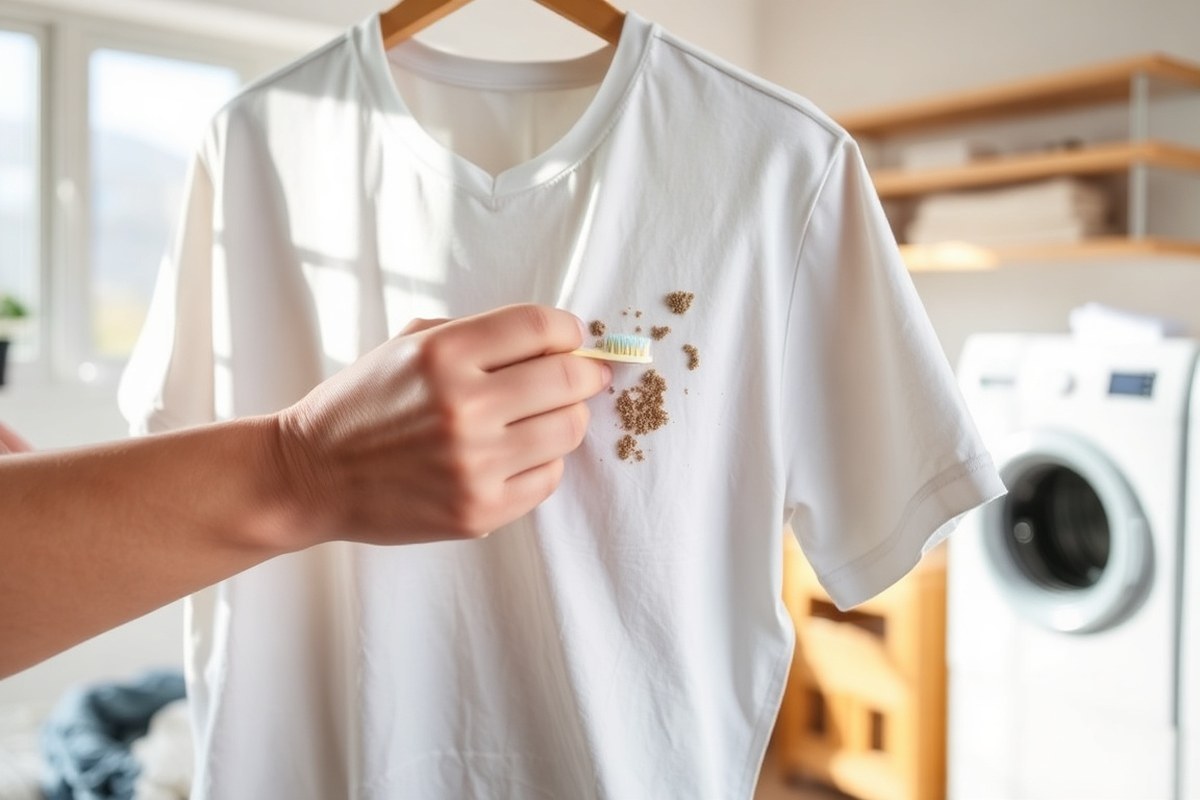
Removing mold from clothes requires careful steps to safely clean the fabric and eliminate stains and odors. You begin by preparing the garment and treating surface mold. Next, select the right cleaning agents based on the fabric type. Finally, wash the clothes properly to kill mold spores and dry them well to prevent mold from coming back.
Preparing Clothes for Treatment
Start by identifying visible mold spots and the smell. Mold usually appears as black, green, or white fuzzy patches with a musty odor. Before applying cleaners, brush off loose mold outdoors to avoid spreading spores inside. Use a soft brush to gently remove surface mold without damaging the fabric. Check the garment’s care label for washing instructions and test any cleaning solution on a hidden area to prevent discoloration or damage.
Letting clothes dry completely outside after brushing helps loosen the mold. Avoid shaking or banging the fabric as that spreads spores. Handling moldy clothes gently and in a well-ventilated area limits exposure and cross-contamination.
Applying Mold Removal Solutions
Choose the cleaning agent based on fabric type and color. White cotton and bleach-safe fabrics respond well to chlorine or oxygen bleach, which kills spores and removes stains. For colored or delicate fabrics, use gentler options like white vinegar, baking soda, borax, or hydrogen peroxide to avoid fading or weakening fibers.
Mix one cup of white vinegar with warm water and soak the garment for at least one to two hours before washing to kill about 80% of mold spores and reduce odors. Baking soda acts as a mild abrasive and deodorizer; sprinkle it on the stain or add a half cup to soaking water. Borax and hydrogen peroxide can be dissolved in water for a similar soak. Avoid bleach on silk, wool, or synthetic colors, or perform a patch test first to check for damage.
- Brush off loose mold outdoors using a soft brush.
- Test cleaning solution on a hidden fabric spot.
- Soak garment in warm water mixed with vinegar or other chosen solution for 1-2 hours.
- Gently scrub moldy areas with a soft brush or cloth to lift stubborn stains.
- Rinse garment with clean water after soaking and scrubbing.
Washing and Drying Moldy Clothes
Wash moldy clothes separately to prevent spores from contaminating other laundry. Set your machine to the hottest water temperature safe for the fabric, as hot water loosens mold particles and kills them. Add your regular detergent and an additional cup of white vinegar or a mold-killing laundry additive for best results.
After washing, dry clothes outside in direct sunlight if possible. Sunlight further kills mold spores and helps remove odors. If drying indoors, use a dryer on a hot setting or a well-ventilated room to prevent dampness, which encourages mold growth. Ensure clothes are fully dry before storing to stop mold from returning.
2. Which Mold Removal Method Works Best for Your Fabric?
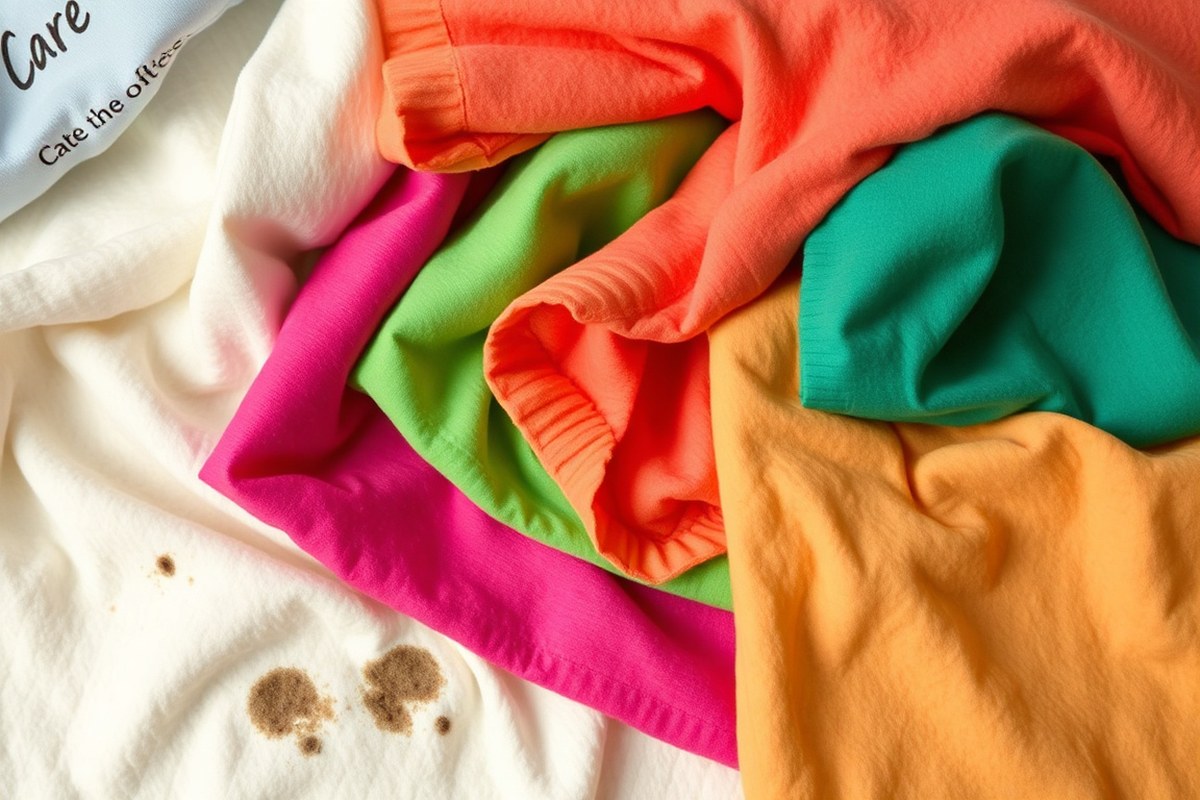
Choosing the right mold removal method depends on your fabric’s type, colorfastness, and how bad the mold is. Delicate fabrics need gentler treatments to prevent damage, while durable cotton allows stronger options like chlorine bleach. Colorfastness guides whether you can safely use oxygen bleach or if natural remedies are better. Understanding these differences helps remove mold effectively without ruining your clothes.
Safe Methods for Cotton and Durable Fabrics
White cotton can handle chlorine bleach because it won’t remove color, making it excellent for tough mold stains. For colored cotton fabrics, oxygen bleach is the better choice. It uses hydrogen peroxide to break down mold and odors without stripping dyes, unlike chlorine bleach. Borax is another effective option for both white and colored cotton, especially if you want a commercial-free approach. Using borax involves dissolving a half cup in a gallon of warm water and soaking the fabric for 30 minutes before washing.
| Fabric Type | Recommended Method | Why | Usage Tips |
|---|---|---|---|
| White Cotton | Chlorine Bleach | Does not affect the white color | Dilute properly, soak 5, 10 min, then rinse |
| Colored Cotton | Oxygen Bleach or Borax | Color-safe, effective stain removal | Use warm water, soak 30 min, avoid longer to prevent fading |
| Heavy-Duty Fabrics (Denim, Canvas) | Chlorine Bleach or Borax | Durable fibers tolerate strong cleaning | Test small area first to check colorfastness |
Choosing the correct method here allows thorough mold removal without weakening the fabric. Overuse of chlorine bleach can cause yellowing or weakening if left too long. Oxygen bleach is milder but still effective when used as directed.
Always test bleach products on an inconspicuous patch before full application to avoid irreversible damage.
Removing Mold from Delicate and Sensitive Fabrics
Fabrics such as wool, silk, leather, lace, and linen require very gentle cleaning. Avoid chlorine and oxygen bleach as these can cause fading or fiber damage. Instead, start with natural treatments like white vinegar or baking soda, which are less likely to weaken or discolor the fabric. A vinegar wash can kill up to 82% of mold species and remove the musty smell while being safe for colors.
For spot treatment, spraying a 1:4 diluted mix of 3% hydrogen peroxide and water helps break down mold stains without harsh chemicals. Using a dry bar of Fels-Naptha soap directly on mold spots before washing also works well on these fabrics. Always hand wash delicate items or use a gentle cycle with cold water and air dry them promptly to prevent mold’s return.
| Fabric Type | Safe Mold Removal Method | Reason | Care Tips |
|---|---|---|---|
| Wool | Vinegar, Baking Soda, Mild Detergents | Prevents fiber weakening and color loss | Hand wash, cold water, air dry flat |
| Silk | Vinegar, Baking Soda, 1:4 H₂O₂ Solution | Delicate fibers damaged by bleach | Spot clean, avoid soaking, dry in shade |
| Leather | Specialized leather cleaners, avoid water/bleach | Water and bleach cause cracking and discoloration | Consult leather care professional |
| Synthetics | Vinegar, Baking Soda, Mild Detergents | Generally colorfast but avoid harsh bleach | Gentle wash, avoid high heat drying |
Delicate fabrics require extra care to avoid permanent damage. Using harsh chemicals often leads to fading or fabric weakening. Start mild and repeat treatments if mold persists.
Natural vs Chemical Treatments Compared
Natural treatments like vinegar, baking soda, and diluted hydrogen peroxide offer gentle, affordable ways to remove mold from many fabrics. Vinegar excels at killing mold spores and neutralizing odor with no risk to colors. Baking soda is a great deodorizer and mild abrasive that lifts mold without bleaching. Hydrogen peroxide, when diluted, helps break down mold stains without strong chemicals.
Commercial detergents with mold-fighting enzymes can supplement these natural approaches, especially for heavy mold or stubborn odors. Chemicals like chlorine bleach do powerful mold removal on whites but risk color loss and fiber damage. Oxygen bleach strikes a middle ground, safer for colors but still chemically effective. Natural methods usually take longer and may require repeated treatments to fully clear heavy mold.
| Treatment | Effectiveness | Fabric Suitability | Pros | Cons |
|---|---|---|---|---|
| Vinegar | Moderate (kills ~82% mold species) | Safe for most colors and delicate fabrics | Natural, odor removing, inexpensive | Strong smell, may require repeat |
| Baking Soda | Moderate (odor neutralizing, mild mold removal) | Safe for most fabrics | Mild, deodorizes, natural | Less effective on deep stains alone |
| Hydrogen Peroxide (3%) | Good for spot treatment | Safe diluted on silk, synthetics | Breaks down stains and odors | May bleach if too concentrated |
| Chlorine Bleach | Very high on white cotton | Only white, durable fabrics | Powerful mold and stain remover | Color stripping, fiber weakening |
| Oxygen Bleach | High, color-safe | Colored cotton, some synthetics (avoid wool, silk) | Effective without dye damage | Not for delicate natural fibers |
Choosing between these depends on fabric and how stubborn the mold is. Natural methods are best for delicate or colored clothes, while chemical options work on sturdy whites and heavy stains.
3. How Long Does Mold Take to Grow and How to Prevent It?
Mold can start growing on damp clothes within 24 to 48 hours if moisture is left unchecked. This rapid development happens because mold spores find a perfect environment on wet surfaces, where they multiply quickly. Even clothes that feel nearly dry may retain moisture in thicker seams or waistbands, providing enough dampness for mold to form, especially if stored in enclosed spaces without airflow.
The key factor supporting mold growth is humidity. Mold generally cannot grow below about 50% relative humidity, according to dehumidifier manufacturers and environmental sources. When closet or storage area humidity rises above this threshold, the risk of mold growth on clothes increases significantly. High humidity combined with poor ventilation creates a warm, moist setting that mold thrives in.
Proper drying of clothes is critical to stop mold before it starts. Always dry clothes thoroughly before storing them. Sunlight drying is ideal because ultraviolet rays inhibit mold spores, making the environment less hospitable. Machine drying must ensure the fabric is completely dry, especially around thick parts of the garment. Avoid leaving wet clothes sitting in washing machines more than two hours, as this creates ideal mold conditions, a warm, damp, and airless space. If outdoor drying isn’t possible, use a well-ventilated space with a fan or a heated drying rack to speed drying.
Storage conditions also affect mold prevention. Store only fully dry clothes in closets or drawers that maintain humidity below 50%. Using a dehumidifier in damp basements or closets helps regulate moisture. Alternatively, placing moisture-absorbing desiccant packs in storage areas keeps humidity down. Avoid packing clothes tightly together, as this traps air and moisture pockets, encouraging mold growth. Keeping storage spaces clean, dry, and well-ventilated reduces the chance mold will develop on stored clothing.
Routine moisture control is essential. Check your wardrobe and storage areas periodically for signs of dampness or mold and address any moisture issues promptly. Adding ventilation by opening windows or using exhaust fans helps reduce humidity levels indoors. Frequent cleaning of your living space prevents dust and spores from settling on clothes, lowering the risk mold will start.
Following these steps, thorough drying, humidity control below 50%, proper ventilation, and thoughtful storage, creates an environment where mold cannot easily grow. These prevention measures can save you time and money by avoiding mold removal treatments and preserving your clothes’ condition longer. Keeping moisture out and air flowing are the best defenses against mold on clothing.
4. Safety Measures When Handling Moldy Clothing
Mold spores can cause respiratory problems and skin irritation, so protecting yourself is essential when handling moldy clothes. Wear personal protective equipment including a KN95 mask, non-porous gloves, and safety goggles to avoid inhaling spores and prevent skin contact. Using this gear minimizes your risk of exposure during the removal process.
Set up your washing or cleaning area in a well-ventilated space, such as near an open window or outside if possible, to disperse airborne spores. Keep moldy clothes separate from other laundry since mixing them can spread spores to clean fabrics. Launder moldy items alone to reduce cross-contamination.
- Wear a KN95 mask, gloves, and goggles before touching moldy clothes
- Use a well-ventilated area, preferably outdoors or near open windows
- Keep moldy laundry isolated from other clothes until washed
- Prepare a cleaning area with disposable covers or plastic to catch spores
- Clean surfaces with a disinfectant after handling moldy fabrics
- Wash hands thoroughly with soap and water after handling mold
- Dispose of gloves and mask if heavily contaminated
Before cleaning, lay down disposable plastic sheeting or old towels to catch falling spores. After handling moldy clothes, disinfect the area with a solution that kills mold, such as a diluted bleach solution (1 cup bleach per gallon of water) or an EPA-registered mold remover. Avoid mixing bleach with ammonia or other cleaners, which can produce hazardous fumes.
Wash your hands with warm, soapy water immediately after working with moldy fabrics to remove spores. If mold contamination is severe or you have mold-related health issues, consult a professional cleaner or mold remediation expert to handle the garments safely. Attempting removal without proper protection or procedures can prolong mold exposure and worsen health effects.
5. How to Dry Clothes to Stop Mold Returning
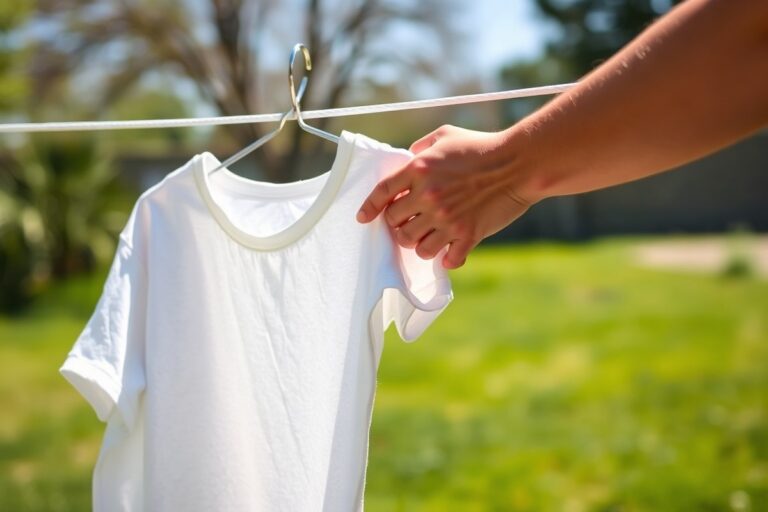
Sunlight is generally better than machine drying for preventing mold on clothes because its ultraviolet rays help kill any remaining mold spores after washing. Hanging your clothes outside in direct sunlight for several hours not only dries them thoroughly but also reduces mold risk. Aim to leave clothes in the sun until they are completely dry, which often takes around 4 to 6 hours depending on the weather. Sun drying is best for sturdy fabrics like cotton and denim, but delicate materials may require gentler drying methods to avoid damage.
Using a clothes dryer is an effective alternative that eliminates moisture quickly, typically drying a full load in 30 to 60 minutes. The tumbling action combined with warm air ensures mold spores do not survive. For daily convenience or bad weather, machine drying is practical and speeds up the process. Set your dryer to a high heat setting suitable for the fabric type and run a full drying cycle until the clothes feel dry to the touch. Avoid stopping the cycle early as any retained moisture encourages mold growth.
Indoor drying requires extra attention to avoid moisture accumulation. Place drying racks near a heat source or in a well-ventilated room. Opening windows or using fans can move air and speed drying times. Maintaining indoor humidity between 30% and 50% helps keep clothes dry and reduces mold potential. A portable dehumidifier, costing between $150 and $300, can control excess moisture in damp climates or poorly ventilated spaces effectively.
Specialized products support mold prevention during drying. Adding EC3 laundry additive to your wash helps inhibit mold and bacteria buildup within the washing machine, which can transfer back onto clothes. After drying, ensure clothes are completely dry before folding or storing to avoid trapped moisture that feeds mold. Always remove clothes promptly from both the washer and dryer to discourage mold growth.
Never leave damp clothes sitting in piles or inside the washing machine after the cycle ends, as prolonged moisture encourages mold growth.
6. Recognizing Mold Damage and When to Call Professionals
Permanent mold damage on clothing is usually visible as dark, stubborn stains that do not fade after cleaning. You can tell if mold stains are gone by examining the fabric under bright light and smelling for any musty odour. When discoloration stays even after several washes with bleach or vinegar, it’s likely the stains won’t come out. Also, if the fabric still smells moldy after drying completely, this can indicate residual mold. In these cases, you should assess the fabric’s strength carefully because mold can weaken fibers, causing thinning, holes, or fraying. Fabric integrity is compromised when you notice soft spots, weakened threads, or sections that tear easily under gentle stretching. It is safest to stop attempting further home treatments once you see these signs to avoid damaging the material more.
Mold can burrow into natural fibers like cotton and wool more deeply than synthetic materials, increasing the risk of permanent damage. Professional cleaning by a reputable dry cleaner can remove mold spores and odors from clothes that still maintain structural integrity but have stubborn stains. Dry cleaners use special solvents and high-temperature pressing methods not available at home. The cost for professional mold removal typically ranges from $10 to $30 per garment depending on size and soil level. However, very heavy mold infestations or severe fabric deterioration may be beyond professional repair. You should inform the cleaner that the clothes have mold so they apply the appropriate treatment and take precautions to protect other items.
Keeping clothes with heavy mold damage is generally unsafe, not only because of the fabric damage but due to health risks from mold spores that can trigger allergies or respiratory issues. Clothes that continue to smell strongly of mold or have visible mold growth after cleaning protocols should be considered for disposal. Disposal guidelines recommend sealing such garments in plastic bags before discarding to minimize spore spread. You may want to check local waste management rules for guidelines on disposing of mold-contaminated textiles, as some areas prohibit throwing moldy items into regular trash due to health risks.
A practical damage recognition checklist includes verifying whether stains lighten or disappear after treatment, checking for odor removal, inspecting fabric for thinning or holes, and testing fabric stretch and strength. Stains that won’t budge, lingering odors, or damaged fabric suggest professional cleaning or safe disposal is the best option. This approach prevents further damage to your clothing and reduces health risks associated with mold exposure. For valuable or favorite pieces, a professional cleaner offers the best chance of preservation. For heavily infested or weakened items, replacement is often the safest choice.
7. Comparing Common Mold Cleaning Products and Their Effectiveness
Mold removal products vary in their effectiveness, safety, and best uses depending on the fabric and mold severity. Vinegar and natural substances work well for mild mold but don’t always kill spores fully. Chlorine and oxygen bleach provide stronger results but require caution on delicate fabrics. Commercial mold sprays offer convenience but can be costly and have mixed results compared to household options.
Vinegar and Natural Alternatives
White vinegar is a weak acid that can kill about 82% of mold species on fabric surfaces by disrupting their cell membranes. It is safe for most clothing except silk and some synthetics. Use it by soaking the moldy area in white vinegar for an hour, then washing as usual in warm water. Baking soda acts as a mild abrasive and deodorizer but does not kill mold spores effectively by itself. Borax has antifungal properties and can improve mold removal when dissolved in warm water for a pre-soak of 30 minutes before washing.
These natural agents are affordable, white vinegar costs about $0.20 per cup and borax $0.30 for a half-cup dose per load. They work best on light to moderate mold and mildew stains on cotton, polyester blends, or denim. Heavy mold infestations usually require stronger disinfectants.
Bleach Types and Uses
Chlorine bleach is a powerful disinfectant that kills mold spores and bacteria on fabrics. It works best on white cotton or colorfast fabrics because it can fade or weaken colors. Use a dilution of about ¾ cup of bleach per gallon of water, soak for up to 15 minutes, then wash immediately on the hottest water setting safe for the fabric. Avoid soaking too long or using on wool, silk, or spandex.
Oxygen bleach is a gentler alternative that contains sodium percarbonate. It whitens and disinfects without weakening fabrics or fading colors. Use oxygen bleach as a pre-soak by dissolving a cup in warm water for 1 hour, then wash normally. It works for most fabrics, including colors, and is less harsh than chlorine bleach but may require longer soaking for tough mold.
Commercial Mold Products Overview
Commercial mold and mildew sprays often combine surfactants with disinfectants like phenolics or quaternary ammonium compounds. These products are formulated to kill mold spores and remove stains in one step. Their convenience can save time, but prices usually range from $8 to $15 per bottle. Effectiveness varies and some may require follow-up washing.
Mold stain removers and laundry additives come as powders, liquids, or sprays. Most require pre-treatment of affected areas, followed by machine washing. Their chemical strength can suit delicate fabrics more safely than bleach but may lack full spore kill unless combined with hot water washing and sun drying.
| Product | How It Works | Safety on Fabrics | Best Use | Typical Cost |
|---|---|---|---|---|
| White Vinegar | Acidic, disrupts mold cell membranes | Safe on most, avoid silk & synthetic | Light mold, deodorizing, pre-soak | ~$0.20/cup |
| Baking Soda | Mild abrasive, deodorizes | Safe on most | Mild stains, odor control | ~$0.10 per use |
| Borax | Antifungal, boosts cleaning | Safe on cotton, check delicates | Pre-soak heavy mold | ~$0.30 per pre-soak dose |
| Chlorine Bleach | Disinfects, kills spores | Only white/colorfast fabrics | Heavy mold, whites | ~$0.15 per gallon dilution |
| Oxygen Bleach | Releases oxygen, whitens & disinfects | Safe on most colors & fabrics | Moderate mold, colored fabrics | ~$0.50 per pre-soak |
| Commercial Mold Sprays | Various disinfectants & cleaners | Varies, read label | Convenient spot treatment | $8, $15 per bottle |
This comparison helps choose the proper product based on fabric type and mold severity. Pre-soaking with vinegar, borax, or oxygen bleach followed by a hot wash and sun drying often yields good results for most household mold issues. Use chlorine bleach only on suitable fabrics to avoid damage. Commercial sprays may offer convenience but consider their cost and label instructions carefully.
8. How to Store Clothes to Prevent Future Mold Growth
Store clothes completely dry before putting them away to prevent mold growth. Any moisture left in fabric creates an environment mold loves. After drying, use a warm steam iron to give clothes a final pass; the heat will remove residual dampness trapped in fibers.
Maintaining low humidity in closets and storage rooms is essential. Keep humidity below 60% to discourage mold spores from settling on your clothes. You can monitor this using an inexpensive hygrometer, available for about $10 to $20. For humidity control, open windows regularly to encourage air exchange or install exhaust fans in damp areas like basements or laundry rooms. In humid climates or homes with persistent moisture issues, an air purifier with a HEPA filter can capture airborne mold spores, reducing contamination risk.
Clothes should be stored in breathable containers such as cotton storage bags. These allow airflow, preventing moisture buildup without trapping damp air. Avoid plastic bags or airtight containers unless you add moisture absorbers. Silica gel packets or specialized moisture absorbers for closets can cost between $5 and $15 and help keep the environment dry, especially in poorly ventilated or damp spaces.
Avoid overcrowding clothes in your wardrobe or storage boxes. Overpacked spaces restrict air circulation, creating pockets of humidity where mold can thrive. Folding clothes loosely or hanging them with space between garments allows for better airflow.
- Keep humidity under 60% using hygrometers and ventilation.
- Store fully dry clothes, finished with a warm steam iron.
- Use cotton or breathable storage bags to allow airflow.
- Add moisture absorbers like silica gel in damp storage spaces.
- Avoid overcrowding closets to improve air circulation.
- Use exhaust fans or air purifiers in humid or mold-prone rooms.
Never store clothes damp or folded tightly in plastic; trapped moisture leads to mold within days.
In spaces subject to high moisture, consider periodic checks of stored clothing and replace moisture absorbers regularly to maintain effectiveness. These steps create a stable, dry environment where mold struggles to grow, helping protect your clothes long term.
Step-by-Step Action Plan to Remove and Prevent Mold on Clothes
Follow these steps to effectively tackle mold on your clothes and keep it from coming back.
- Before you start: Isolate moldy clothes from other laundry to stop spores from spreading. Put them in a sealed bag or bin.
- Day 1: Brush off visible mold outside with a soft brush to remove loose spores safely. You’ll see less powdery residue on the fabric afterward.
- Day 1: Soak clothes in a mixture of detergent and hot water (check fabric care first) for an hour. The fabric should start smelling fresher and look less spotted.
- Day 1: Wash moldy clothes using a mold-killing detergent or add 1 cup of white vinegar or ½ cup of baking soda, depending on fabric care. The fabric should appear clean and free of mold stains.
- Day 1: Dry clothes completely in direct sunlight or a hot dryer cycle. Clothes must feel fully dry with no damp spots to prevent mold from returning.
- After washing: Inspect clothes for any stains or damage. If mold remains or fabric is damaged, consider professional cleaning or replacement.
- Ongoing: Store clean clothes in a cool, dry place with good air circulation. Use moisture absorbers or silica packs if your storage space tends to be humid.
Frequently Asked Questions
Can Mold on Clothes Cause Health Problems?
Mold on clothes can cause allergic reactions and respiratory issues, especially for sensitive individuals. Handling moldy clothes carefully and cleaning them promptly reduces these health risks.
Does Vinegar Damage Clothes When Used to Remove Mold?
Vinegar is safe for most fabrics and helps kill mold spores without damaging clothes. Avoid using it on delicate fabrics like silk or acetate to prevent potential damage.
Can Mold on Clothes Be Removed After Multiple Washings?
Mold can become harder to remove after repeated washings if it has deeply penetrated fibers. Using specialized mold laundry additives early improves the chances of complete removal.
Is It Necessary to Use Commercial Mold Removers for All Clothes?
Not all clothes need commercial mold removers; washing with hot water and vinegar often works well. Reserve commercial products for stubborn or heavy mold stains when basic methods fail.
Can Moldy Clothes Be Dried Indoors Without Risking Mold Return?
Drying clothes indoors can risk mold returning if humidity stays high and airflow is poor. Using a dehumidifier and fans helps prevent mold growth during indoor drying.
Are There Specific Fabrics More Prone to Mold Growth?
Natural fibers like cotton and wool are more prone to mold due to their moisture retention. Synthetic fabrics dry faster and are less likely to develop mold.
Final Thoughts
Removing mold from clothes requires clear steps and consistent prevention. Target spores early, clean safely, and dry garments thoroughly. Start by isolating moldy items and washing them promptly to protect your entire wardrobe.