Can You Put Sneakers in the Washing Machine? A Complete Guide That Works
You can put many sneakers in the washing machine safely if you follow specific steps, but avoid machine washing leather or suede shoes. Using cold water and a gentle cycle protects the shoe materials while getting them clean without damage. Proper preparation, detergent choices, and drying methods significantly improve results and shoe longevity.
This advice suits sneaker owners who want clear, practical tips on safely cleaning their shoes in the washing machine. You will learn how to identify which sneakers to machine wash, prepare them correctly, pick the right washing settings, and dry them properly afterward.
Key Takeaways
- Never machine wash leather or suede sneakers to avoid damage to materials.
- Remove shoelaces and insoles before washing to improve cleanliness and prevent tangling.
- Place sneakers in a secured pillowcase or dedicated shoe washing bag to protect both shoes and machine.
- Use cold water or a maximum of 30 degrees Celsius on a delicate cycle for best cleaning results.
- Choose mild detergents formulated for delicate fabrics to prevent material breakdown.
- Air dry sneakers by stuffing them with paper towels and letting them dry for at least 24 hours.
Can You Put Sneakers in the Washing Machine Safely?

You can safely wash many sneakers in a washing machine, but whether a specific pair can go in depends largely on the materials and manufacturer instructions. Sneakers made from canvas, nylon, cotton, or polyester often tolerate a gentle cycle well, especially when properly prepared. This preparation usually means removing loose dirt, placing them in a mesh laundry bag or pillowcase, and washing them alongside towels to cushion them during the spin cycle. The shoes should be securely enclosed to prevent damage both to the sneakers and the machine itself.
Not all sneakers are machine washable though. Leather and suede shoes, for example, should never go in the machine because water and agitation can cause permanent damage like warping, stains, or loss of texture. Even some brands specifically advise against machine washing their sneakers to preserve materials and structure. For instance, Nike and New Balance recommend hand washing, while Vans suggests only cold, gentle cycles for certain canvas-only styles. Ignoring these warnings might ruin your shoes or void any warranties.
Manufacturers warn against machine washing due to potential risks such as weakening adhesives, fading colors, and damaging delicate fabrics or cushioning inside the shoes. Also, bulky sneakers can strain your washing machine, causing mechanical problems if not protected by a bag or pillowcase. It’s also important to separate laces and insoles for separate cleaning or placement inside the bag. After washing, air drying for at least 24 hours is essential to maintain shape and avoid mold growth.
The key to safely machine washing sneakers is first to check the care label or manufacturer guidance. Then, follow specific steps: remove excess dirt, separate laces, use a mesh bag or pillowcase, add towels to balance the load, select a cold water, gentle cycle, and avoid harsh detergents or bleach. This approach reduces wear and tear on the shoes and the washer, delivering a cleaner pair without damage or deformation.
Which Sneakers Are Safe or Unsafe for Machine Washing?

Most sneakers made from materials like canvas, nylon, polyester, and cotton are generally safe for machine washing. These fabrics handle water and detergent well without significant damage. The soft, breathable nature of these materials means they can be refreshed effectively in a washing machine if you prepare them properly and use gentle wash settings.
On the flip side, sneakers made with leather, suede, or vinyl should never go in the washing machine. These materials are sensitive to water and agitation, which can cause warping, cracking, or fading. Washing machines can also loosen or damage delicate adhesive bonds found in these shoe types. Even well-known brands like Nike advise against machine washing, as it can shorten the life of the sneaker.
Sneakers from brands such as Vans, which typically have canvas uppers, are usually machine washable, making them an easy category to clean this way. Athletic shoes made for running or training that have textile uppers and rubber soles can often be washed safely too. However, specialized sneakers with unique construction or embellishments may require hand cleaning instead. The following table clarifies which sneaker materials and types are safe or unsafe for washing machines alongside typical brand examples:
| Material/Sneaker Type | Machine Washing Safety | Brand Examples |
|---|---|---|
| Canvas, Nylon, Polyester, Cotton | Safe | Vans, Converse, many running shoes |
| Leather | Unsafe – damages texture and structure | Nike Leather Models, Dress Sneakers |
| Suede | Unsafe – water spots and warping | Vans Suede Models, Loafers |
| Vinyl or Patent Leather | Unsafe – surface peel and cracking | Fashion Sneakers with Vinyl Accents |
| Textile Athletic Shoes with Rubber Soles | Safe with careful prep and gentle wash | Most Running or Cross-Training Shoes |
Always remove shoelaces and insoles before machine washing to achieve the best clean and avoid damage.
Following these material guidelines helps prevent permanent damage while allowing you to use your washing machine effectively. Keep in mind that even with machine-washable sneakers, preparation like removing laces and adding padding around shoes inside the drum is key. Machine washing those that are unsafe can ruin both your sneaker and washing machine. Choose your cleaning method based on the specific materials and manufacturer recommendations for your shoes.
How to Prepare Sneakers Properly Before Machine Washing
Preparing your sneakers properly before machine washing helps prevent damage and improves cleaning results. Start by removing removable parts and addressing stains or odors. Use protective laundry bags and add padding in the washer to shield your shoes and machine.
Removing Laces and Insoles
Take out the laces and insoles before washing to avoid tangling and uneven cleaning. Laces can get caught or fray in the machine, while insoles may absorb excess water or lose shape. Separating these parts also allows you to clean them more thoroughly or treat stains individually.
Remove the laces by pulling them out fully. Gently lift out the insoles without bending or folding them to maintain their structure. You can wash laces separately inside a small mesh bag, and insoles can be hand-cleaned or placed in the same mesh bag if the material can tolerate machine washing.
Pre-Treating Stains and Odors
Treat visible stains and odors before washing to improve the cleaning outcome. Use mild household cleaners such as a small amount of liquid detergent or a mixture of equal parts white vinegar and water. Baking soda also works well to neutralize odors when sprinkled inside sneakers.
Apply your chosen cleaner directly to the affected areas and let it sit for 10 to 15 minutes. For odors, sprinkle baking soda inside the shoes and leave it overnight before brushing it off. Avoid harsh chemicals or bleach as these can damage sneaker materials and adhesives.
Using Protective Washing Bags
Place your sneakers, laces, and insoles inside mesh laundry bags or pillowcases before washing. These bags reduce the impact of the drum, prevent marks on both the shoes and the washing machine, and keep all parts together. Without a bag, sneakers can bang around heavily and cause damage or noise.
Choose bags made specifically for shoes or fine mesh laundry bags. Insert all removed parts into the same bag for convenience. Secure the bag’s opening tightly to avoid any item slipping out during the wash cycle.
Adding Padding in Washer
Adding old towels or similar padding inside the washing machine provides cushioning that limits the sneakers’ movement and banging. This extra padding protects your shoes from harsh impacts and reduces noise during the cycle.
Use two to three old towels around the laundry bag containing the sneakers. Make sure the washer is not overloaded to ensure proper water flow and cleaning effectiveness. The towels also help balance the load evenly inside the drum.
- Brush off any dried dirt or mud from your sneakers to avoid clogging washing machine filters.
- Remove the laces and insoles carefully and set them aside.
- Pre-treat stains by applying a small amount of mild detergent or a vinegar-water solution to the affected spots.
- Sprinkle baking soda inside your sneakers if odor removal is needed; let it sit overnight then shake out the excess.
- Place your sneakers, laces, and insoles into a mesh laundry bag or pillowcase and secure it tightly.
- Put the bag inside the washing machine along with two or three old towels as padding.
- Choose your washing settings and start the machine according to recommended guidelines for sneakers.
Best Washing Machine Settings for Cleaning Sneakers
Set your washing machine to a gentle cycle, also labeled as delicate or hand wash. This setting causes less tumbling and reduces wear and tear on your sneakers and the machine drum. Use cold water to avoid shrinking or damaging the fabric. Warm water is acceptable for sturdier materials like canvas, but cold is safer overall.
Choose a gentle or no-spin setting on your washing machine to prevent your sneakers from distorting and to reduce strain on the appliance. Hot water should be avoided as it can damage the glue holding your shoes and cause colors to fade. Use only a small quantity of mild liquid detergent or a pod made for cold water, because powder detergents might not dissolve completely and could leave deposits on your shoes.
Adding a rinse cycle extension can help remove leftover soap that might irritate your skin or degrade the shoe fabric. Skip bleach, harsh chemicals, and fabric softeners since they can damage colours and materials. Use a mesh laundry bag to protect your shoes from rubbing too hard against the drum or other laundry, especially if you wash other items at the same time.
- Cycle: Gentle or delicate to minimize fabric stress
- Water temperature: Cold for most sneakers; warm acceptable for canvas
- Spin speed: Slow or off to protect shoe structure
- Detergent: Mild liquid detergent or pods, avoiding powders
- Rinse: Use extra rinse to clear detergent thoroughly
- Bleach and fabric softener: Avoid completely
- Protection: Place in mesh laundry bag during wash
Before placing your sneakers in the washer, remove any tough stains by scrubbing the soles with a toothbrush dipped in warm soapy water, then rinse thoroughly. This step prevents excess dirt from spreading inside your washing machine and affecting the cleaning process. Always check your sneakers’ care labels to see if machine washing is appropriate for the materials used.
Safe Detergents and Laundry Practices for Machine Washing Sneakers
Use a mild liquid detergent that’s free of bleach and fabric softeners. Harsh chemicals can damage sneaker materials, especially mesh and canvas, and may cause colors to fade. Avoid powdered detergents that don’t dissolve well in cold water, as this can leave residue on your shoes. Liquid detergents designed for delicate fabrics or sportswear often strike the right balance between cleaning power and gentleness without risking your sneakers or the washing machine.
Washing sneakers alone or with laundry that has similar washing and drying needs protects both your shoes and other items. Towels can work as cushioning inside the machine, reducing noise and impact as your shoes tumble. However, avoid mixing sneakers with delicate clothing, heavily soiled items, or garments prone to lint transfer because these can either damage your shoes or reduce washing effectiveness.
Limit the load to one or two pairs of sneakers at a time. Overloading the machine causes shoes to bang against each other and the drum, potentially damaging stitching or soles. Giving each pair room in the drum helps the detergent rinse and water circulate properly, resulting in a more thorough clean without excess wear.
- Check the sneakers for loose dirt and wipe them down with a damp cloth before loading.
- Remove your insoles and laces; wash insoles separately by hand to avoid waterlogging and long drying times.
- Place each pair inside a mesh laundry bag or pillowcase to protect them and the machine.
- Add a few towels around the shoes for cushioning and smaller loads.
- Use cold water and a gentle or delicate cycle to minimize material stress.
- Skip fabric softeners, bleach, and any detergent with whitening agents.
Always check your shoe manufacturer’s instructions before machine washing to avoid voiding warranties or causing irreparable damage.
Running sneakers through these carefully chosen laundry practices improves cleaning results while preserving the shoe’s appearance and structure. It also reduces the risk of damage to your washing machine’s drum or pump, which can occur when hard sneaker soles hit the interior repeatedly. Following these steps typically adds just a couple of minutes to your laundry time but pays off in extending the life of your sneakers and your appliance.
How to Dry Sneakers Safely After Washing
The safest way to dry sneakers after washing is by air drying them, avoiding the use of a dryer or any direct heat source. Heat above about 86°F can soften the glue holding the shoes together, causing damage. Allow your sneakers to dry naturally, which usually takes at least 8 to 24 hours, often longer.
Stuffing Sneakers to Retain Shape
Inserting paper towels or clean cloth inside your sneakers helps keep their shape while absorbing excess moisture. Use white paper towels instead of newspaper to avoid color transfer onto your sneaker fabric. This step supports the shoe’s structure and speeds drying by drawing out water.
Stuffing also prevents the sneakers from collapsing or warping as they dry, which is especially useful for shoes with soft uppers or delicate materials. Refresh the paper towels every few hours if needed to maintain absorbency.
Ideal Drying Locations
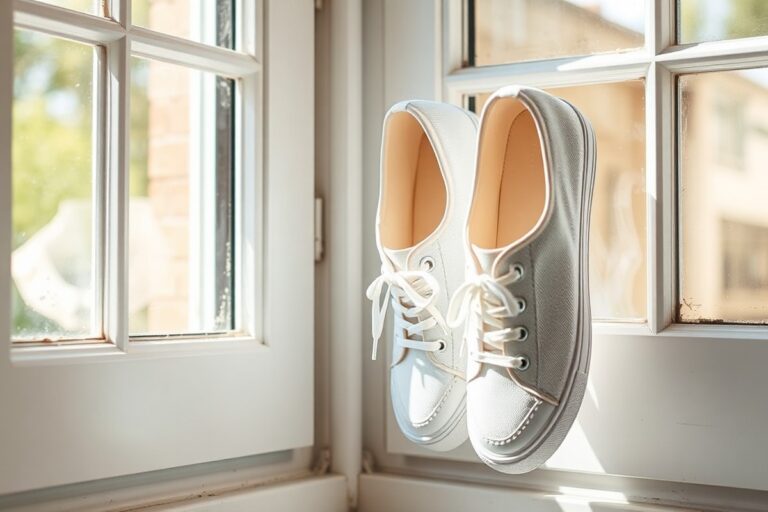
Place stuffed sneakers in a well-ventilated area that stays cool and dry. Avoid direct sunlight, radiators, or heaters, as they can warp plastics or soften adhesives. A shaded spot indoors or a breezy place away from heat works best.
Good airflow shortens drying time and prevents odor buildup. You can set the shoes near a fan on low speed to help circulate air, but don’t direct hot air at them. Drying can take anywhere from overnight to multiple days depending on conditions and shoe materials.
Why Avoid Heat Drying
High heat from dryers or other sources damages sneakers by melting glue and deforming parts like plastic midsoles and soles. The rubber soles can shrink and the shoe shape can change, leading to poor fit and performance.
The adhesives holding the shoe’s components become soft above roughly 86°F, causing the shoe to come apart prematurely. This is why manufacturers and experts universally recommend against tumble drying footwear. Along with structural damage, dryers can cause colors to fade or materials such as leather or suede to warp, permanently reducing your shoes’ lifespan and appearance. Follow these steps to dry your sneakers safely after washing:
- Remove excess water by gently squeezing or patting with a towel.
- Stuff the inside with white paper towels or clean cloth to absorb moisture and support shape.
- Place the sneakers upright in a cool, well-ventilated area out of direct sunlight and heat.
- Rotate or replace the paper towels every few hours to promote drying.
- Allow the shoes to dry at least 8 to 24 hours, or longer for thicker or layered materials.
- Check for complete dryness by feeling the interior and outsole before wearing.
Common Mistakes When Machine Washing Sneakers and How to Fix Them
One common mistake when machine washing sneakers is using hot water, which can cause the glue holding your shoes together to weaken, crack, or melt. Since many sneakers rely on glue for structural support, this can lead to parts separating or the sole coming off entirely. Always use cold water to keep the glue intact and stop colors from fading or bleeding. Cold water helps keep fabric fibers closed, trapping dye inside and preserving the sneaker’s original color.
Another frequent problem is running the washing machine on a high spin speed or aggressive cycle. This can damage both the sneakers and your machine. The harsh motion may cause the sneakers to bang against the drum, loosening glue and damaging the shoe fabric or sole. It can also put extra wear on the washing machine’s drum and suspension, potentially leading to costly repairs. Protect your washing machine and sneakers by following these key steps:
- Remove laces and insoles before washing to reduce tangling and damage
- Place sneakers in a mesh laundry bag or pillowcase to cushion impacts inside the machine
- Choose a gentle or delicate cycle with cold water and a slow spin speed
- Use a small amount of mild detergent designed for delicate fabrics
- Avoid bleach or harsh chemicals that can weaken adhesives and fade colors
- Do not overload the washer; wash sneakers separately or with small loads to prevent excessive banging
- Air dry sneakers away from direct heat and sunlight to prevent warping and further glue damage
Failing to prepare sneakers properly or selecting the wrong wash settings risks permanent damage. Excessive agitation and heat mainly cause glue failure and color fading. Damaged sneakers may end up costing you money to repair or replace. On the other hand, careful steps that limit shoe movement and use cold water protect the glue, fabric, and colors while also reducing strain on your washing machine’s parts.
Washing sneakers frequently can eventually wear down materials and adhesives, so keep machine washing to occasional cleaning only. For delicate or expensive sneakers, hand washing may be a safer route. Always choose the method that balances cleanliness with the longevity of your shoes and your machine.
Alternative Methods for Cleaning Sneakers by Hand
Hand washing is the best option for sneakers made of delicate materials, those with glued parts, or styles not marked as machine washable. It avoids damage from a machine’s agitation and heat, giving you more control over cleaning without risk. Using gentle cleaning agents and careful scrubbing keeps your sneakers fresh without compromising their shape or fabric.
Gathering Cleaning Supplies
Start by collecting a few basic items. Mild detergent is important because harsh soaps can break down sneaker materials. A soft-bristle toothbrush helps reach small crevices without scratching. A clean cloth is useful for wiping and drying. You might also want a small bowl or container for mixing the cleaning solution.
Choose detergent labeled safe for delicate fabrics or mild enough for baby clothes. Avoid bleach or strong chemicals, which can discolor or weaken the sneaker. Warm water around 90°F (32°C) works well to activate the detergent without shrinking or warping the shoes.
Cleaning Process
Cleaning sneakers by hand involves applying detergent, scrubbing, rinsing, and drying carefully to preserve their look and structure.
- Remove the laces and insoles; set them aside for separate cleaning.
- Mix a small amount (about one teaspoon) of mild detergent with warm water in a bowl.
- Dip the toothbrush or cloth into the soapy water, then gently scrub the sneaker surface, focusing on dirtier areas.
- Rinse the cloth or toothbrush often to avoid spreading grime.
- Wipe away soap suds using a clean damp cloth to prevent residue.
- Dry the sneakers by stuffing them with paper towels to absorb moisture and maintain shape.
- Let shoes air dry in a well-ventilated room at room temperature; avoid direct heat or sunlight which can warp or fade materials.
Do not soak sneakers in water, as this can loosen glue and cause damage to certain materials.
Treating Stubborn Stains
Stubborn stains need pre-treatment before scrubbing. Apply a small amount of detergent directly onto the spot and let it sit for 5 to 10 minutes. For water-based stains like mud, this softens dried dirt. For oily stains, a bit of baking soda sprinkled on the spot and gently rubbed can help absorb grease.
Use the toothbrush to work the detergent or baking soda into the stain with light circular motions. Avoid aggressive scrubbing, particularly on mesh or suede, to prevent fraying or discoloration. Rinse the treated area carefully with a damp cloth afterward to remove leftover cleaning agents.
Test any stain treatment on a hidden part of the sneaker first to check for colourfastness or fabric reaction.
Step-by-Step Action Plan for Machine Washing Sneakers
Follow these steps to safely clean your sneakers in a washing machine while protecting their material and shape.
- Before you start: Remove the laces and insoles and brush off loose dirt. This helps prevent tangling and lets water reach all surfaces.
- Spot clean: Treat visible stains with a gentle detergent or sneaker cleaner. Confirm stains lighten before washing.
- Load sneakers: Place shoes inside a mesh laundry bag or pillowcase. Add towels to balance the load and reduce banging, ensuring the machine stays quiet.
- Choose settings: Select cold water and a gentle cycle. Use a mild detergent that does not contain bleach or harsh chemicals.
- Run the wash: Start the machine and check periodically if your settings allow. The shoes should come out visibly cleaner without damage.
- Dry correctly: Air dry sneakers away from direct sunlight or heat sources. Stuff shoes with paper towels to retain shape and replace them if damp.
- Reassemble: Once fully dry, reinstall insoles and lace up. Look for any remaining spots and clean by hand if needed.
Frequently Asked Questions
Can I Wash All Types of Sneakers in the Washing Machine?
No, only sneakers made from canvas, mesh, knit, and other durable fabrics are usually safe. Avoid leather, suede, and delicate materials to prevent damage.
Is It Okay to Wash Sneaker Laces in the Washing Machine?
Yes, you should wash laces separately to avoid tangling and ensure thorough cleaning. Putting them in a mesh bag can help protect them during the cycle.
Should I Remove Insoles Before Putting Sneakers in the Washing Machine?
It’s best to remove insoles so they dry properly and don’t retain moisture, which can cause odors or damage. Wash insoles separately by hand if possible.
How Can I Protect My Washing Machine from Damage Caused by Sneakers?
Place sneakers in a pillowcase or a mesh laundry bag and wash them with towels to cushion impact and prevent banging inside the machine.
Can Sneakers Be Machine Dried After Washing?
No, avoid machine drying sneakers as heat can warp or damage materials. Air dry your sneakers in a well-ventilated area for about 24 hours.
How Often Can I Safely Wash My Sneakers in a Washing Machine?
Limit machine washing to occasional cleaning only, as frequent cycles can weaken materials and adhesives over time.
Key Points to Remember
Using a washing machine to clean sneakers can be safe when done carefully with proper preparation, settings, and drying methods. This keeps your shoes looking fresh without risking damage. Start by removing laces and using a mesh bag to protect your sneakers during the wash cycle.