Does Cold Water Shrink Clothes? What Actually Happens and How to Prevent It
Cold water generally does not shrink clothes if you use the right wash settings and detergents. Shrinkage mostly happens from heat exposure, especially during drying, rather than cold water washing itself. This information is especially useful for anyone trying to protect their clothes from shrinking while keeping energy use and fabric care in mind.
You will learn why fabrics shrink, how different fiber types react to water temperature, and practical tips to avoid shrinkage. Understanding how to wash and dry your clothes properly can save you money and keep your wardrobe looking its best.
Key Takeaways
- Cold water washing typically prevents shrinkage, especially for high-cotton garments.
- Heat exposure during drying is the primary cause of fabric shrinkage, not the water temperature alone.
- Wool sweaters should be washed on a cold “wool” cycle with lanolin detergent to reduce shrinkage risk.
- Wash black cotton t-shirts inside-out in cold water with pH-neutral detergent to maintain size and color.
- Synthetic fibers like polyester and nylon show almost no shrinkage below 100°C, so cold water works well.
- Cold water may not fully dissolve detergent in winter when tap water temperature drops below 20°C.
Does Cold Water Shrink Clothes or Not?

Cold water does not cause clothes to shrink. This idea is a common misconception that likely comes from past experiences with harsh water conditions or confusion about how heat affects fabrics. Historical use of hard, untreated water, full of minerals, may have contributed to fabric damage that looked like shrinkage, but the water temperature itself was not the direct cause.
The truth is that cold water is actually better at preserving the size and shape of clothing. Hot or warm water is more likely to cause fabrics to shrink, fade, or wrinkle due to the heat relaxing the fibers and allowing them to contract. Cold water keeps fibers intact by avoiding the heat that triggers this contraction. Washing clothes in cold water around 60°F (15°C) prevents fiber damage caused by heat and reduces the chance of shrinking altogether.
Because cold water protects fabrics, many laundry experts recommend it as a safe option for most clothing, especially items made from cotton or blends. Using cold water also helps save energy, as heating water accounts for a significant portion of laundry energy use. To avoid shrinkage, the most important step after washing in cold water is to avoid heat during drying. Heat from dryers causes fabrics to contract more quickly and can alter garment construction, which is typically the main driver of shrinkage.
Cold water washing saves delicate materials and avoids the stress that heat puts on fibers. Although shrinkage may still occasionally occur, it is usually the result of heat exposure in the dryer or the mechanical action of washing machines, not the cold water itself. To keep your clothes from shrinking, wash in cold water and dry by laying garments flat or choosing an air-dry method instead of high heat.
Understanding that cold water itself does not shrink clothes clarifies a common laundry question. Clothes washed in cold water retain their size well, which is why cold water cycles are often recommended for preserving clothing, saving energy, and reducing the risk of shrinking. Just remember that heat from drying is the bigger risk and to adjust your laundry routine accordingly for long-lasting wardrobe care.
What Actually Causes Clothes to Shrink
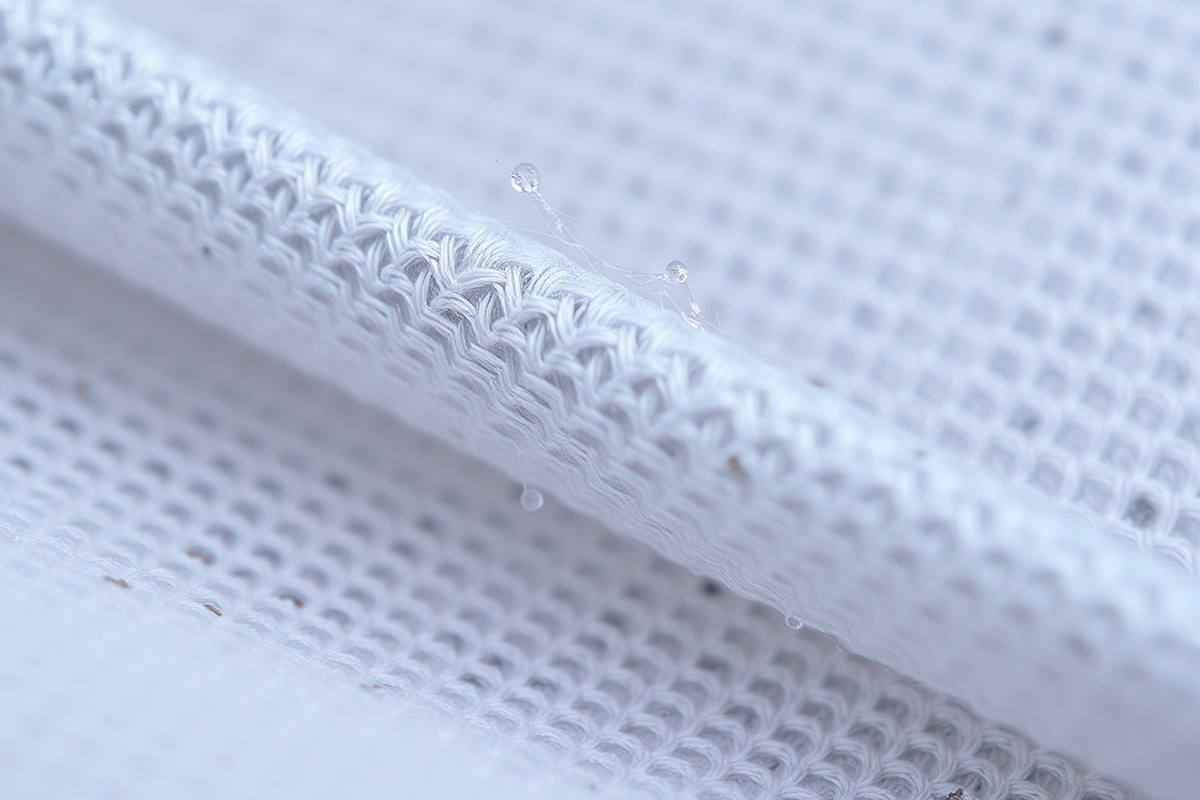
Shrinkage in clothes occurs mainly because of heat, agitation, and drying processes that affect fabric fibers at the microscopic level. Natural fibers such as cotton, wool, and linen absorb water and swell when washed. When exposed to heat and mechanical action, these fibers contract as they dry, pulling the fabric tighter and causing the garment to shrink.
Heat is the primary factor that causes fibers to shrink. Washing clothes in hot water or drying them on high heat causes the fibers to lose their original length and tension. This contraction can permanently alter the appearance and fit of the garment. The drying stage, where heat and tumbling act together, is particularly impactful because it removes the moisture that keeps fibers expanded during washing.
Mechanical agitation from washing machines or dryers also plays a role. Aggressive washing with high agitation settings or long wash cycles can distort the fabric’s weave or knit structure. This tension, combined with heat, makes fibers move closer together. Overly vigorous spinning and tumbling during drying can tighten fibers further, increasing shrinkage risk.
Fabric softeners and detergents, although designed to clean and soften, sometimes contribute to shrinkage even in cold water. Certain chemical ingredients can affect fiber flexibility or loosen fiber bonds, making the fabric more susceptible to shrinking during agitation or drying. The choice of detergent and washing technique matters as much as temperature.
Cold water washing reduces the risk because it limits fiber swelling and contraction. It doesn’t cause the fibers to relax and pull together as much as hot water does. Cold water also lessens the effects of chemical reactions from detergents. However, cold water alone doesn’t eliminate shrinkage if drying is done on high heat or agitation is excessive. One must combine gentle washing, cold water, and careful drying to prevent fabric distortion effectively.
For different fabrics, the extent of shrinkage varies. Natural fibers shrink more readily under heat and agitation, while synthetic fibers like polyester are less affected by temperature changes but can still shrink if dried on high heat. Blended fabrics vary by their dominant fiber content.
Always check fabric care labels and choose cold water washes with gentle agitation settings, then dry on low heat or air dry to reduce shrinkage risk. Avoid using fabric softeners that might weaken fibers.
How Fiber Types Affect Shrinkage Risks
Different fabric fibers react to cold water washing in unique ways, which affects whether they shrink. Natural fibers like cotton and wool have higher shrinkage potential because their structures can contract when exposed to moisture, even in cold water. Synthetic fibers tend to shrink very little under cold water due to their thermoplastic properties, which resist dimensional changes at temperatures below 100°C (212°F). Blended fabrics’ shrinkage risk depends on the proportion of natural versus synthetic fibers and the fabric’s finish.
Cotton, linen, rayon, and wool naturally swell and contract with moisture changes. Without heat, the fibers won’t collapse as much, so cold water helps minimize shrinkage but doesn’t completely eliminate it. Fabrics that are not pre-shrunk, or those with loose weaves, will shrink more. Wool is especially prone to felting and shrinking if agitated, even in cold water, so gentle cycles are ideal. Synthetics, such as polyester and nylon, allow the garment to keep its size because their fibers stay stable when washed below 100°C.
| Fabric Type | Shrinkage Risk in Cold Water | Reason |
|---|---|---|
| Cotton | Moderate | Natural fibers swell and contract but cold water limits fiber collapse |
| Wool | High | Fibers felt and contract, even at low temperatures without gentle washing |
| Polyester & Nylon (Synthetic) | Near Zero | Thermoplastic fibers resist shrinkage below 100°C (212°F) |
| Linen | Moderate | Similar to cotton, natural fiber with some contraction potential |
| Rayon | Moderate | Natural cellulose-based fiber that may shrink unless pre-treated |
| Blends (Natural/Synthetic) | Varies | Shrinkage depends on fiber mix and fabric treatment |
Cold water washing reduces the likelihood of fabrics shrinking by avoiding fiber tightening triggered by heat. For cotton and other natural fibers, expect some slight shrinkage if the fabric isn’t pre-shrunk or tightly woven. Wool needs careful handling with cold water to prevent felting, as mechanical agitation combined with moisture can still cause damage. Polyester and nylon resist shrinking under cold water because they maintain their shape until heated above their melting points, which are much higher than typical washing temperatures.
To reduce shrinkage risks in your laundry, pay attention to fiber types on clothing labels. Use cold water and gentle cycles for wool and delicate natural fibers, and choose cold water for synthetics to maintain size and colour. Pre-shrunk or lab-tested fabric blends usually fare well in cold water, but extra care is needed with heavy natural fiber garments. Always consider fabric finishes and weave tightness since they also affect how much shrinking occurs even without heat.
How Water Temperature Influences Fabric Fibers
Water temperature affects fabric fibers by influencing their physical structure. Hot water causes fibers like cotton or wool to constrict and tighten, similar to how heat makes materials contract in a sauna. This tightening effect leads to shrinkage because the fibers pull closer together, reducing the overall size of the garment. Cold water, however, lacks the heat energy to cause this contraction, so fibers generally remain stable and maintain their original dimensions.
Hot water causes fabric fibers to loosen their tension, letting the strands shift position. As the fibers cool during drying, they settle into a tighter shape, which makes garments look smaller. This happens most with natural materials like wool and cotton. For instance, a wool sweater can shrink a lot after a hot wash since wool reacts strongly to heat, while cotton may shrink too but usually not as much.
Cold water washes preserve the fiber’s integrity by preventing this heat-induced contraction. Fibers remain flexible without tightening, which reduces the risk of shrinkage. This is why cold water is often recommended for washing delicate or natural fabrics, it helps maintain the garment’s size and shape over time. The gentler treatment costs nothing extra besides using less energy to heat the water, which also benefits the environment and may prolong the fabric’s usable life.
Besides shrinking, hot water can also damage fabric fibers by breaking down the materials faster. Over time, this accelerates wear and tear, causing clothes to lose their softness and fit. Cold water washing minimizes this damage because fibers face less stress from heat. Despite the cleaning efficiency of warm or hot water in eliminating heavy soils, the trade-off often includes higher risk of altering the fabric’s texture and potential shrinkage.
Mechanical agitation during washing also influences shrinkage. Hot water combined with vigorous washing cycles increases the likelihood that fibers will entangle and contract more tightly. In contrast, washing in cold water with gentle cycles reduces fiber agitation, helping garments retain their shape. However, drying practices play a significant role as well, using high heat in dryers can continue the shrinking process even after a cold or warm wash.
Choosing cold water for washes, especially for natural fibers and delicates, lets you avoid the heat that triggers fiber contraction. Maintaining a cool wash within the 60°F to 80°F range usually prevents the swelling and shrinking found in hotter water above 120°F. This approach protects the fabric, keeps your clothes fitting well, and reduces overall wear, helping you get more life from your wardrobe without needing to rely on potentially risky high-temperature washes.
Machine Settings That Prevent Shrinkage in Cold Water Washes
Setting your washing machine properly is key to preventing shrinkage when washing clothes in cold water. Choosing the right water temperature, agitation cycle, and spin speed can protect your garments from damage while saving energy and preserving fabric integrity.
Selecting Cold Water Temperatures Correctly
The ideal cold water temperature for washing clothes is between 20 and 25°C (68 to 77°F). This range is cool enough to minimize fiber contraction that can lead to shrinkage, yet warm enough to clean effectively. Using water colder than 20°C may reduce detergent effectiveness, requiring longer cycle times or repeated washing.
Setting your machine to a cold water wash within this range also helps maintain clothes color, reducing fading and bleeding. This is especially important for dark and brightly colored fabrics. Most modern machines have a preset “cold” option that falls safely within this temperature range.
Choosing Low Agitation Cycles
High agitation increases friction between fibers, which can cause shrinkage and wear, especially in delicate or loosely woven fabrics. Front-load machines generally have lower agitation compared to top-load models, making them better choices for shrinkage-sensitive items. When selecting a cycle, choose one labelled “gentle,” “delicate,” or “wool.” These cycles use slower drum motion and fewer twists per minute to protect fabrics.
- Gentle or delicate cycle recommended for knits, wools, and delicate fabrics
- Front-load washers preferred for lower agitation
- Avoid heavy-duty/aggressive cycles for shrink-prone items
- Use detergent formulated for the cycle type to improve cleaning
- Cold water setting combined with gentle agitation reduces shrink risk
Excessive agitation in top-load washers can increase fabric shrinkage even in cold water.
Adjusting Spin Speeds for Delicates
Spin speed directly impacts how much mechanical stress your clothes endure. High spin speeds (above 800 rpm) can distort fabric shapes and cause shrinkage, especially for loosely woven fabrics like gauze or voile. Reducing spin speed to 400 rpm works best for these delicate items.
For knits, wool sweaters, and other stretchable fabrics, keep the spin speed around or below 600 rpm. This balance removes enough water to minimize drying time while reducing the chance of shrinking or misshaping the garment.
Many machines allow manual spin speed adjustment on delicate or wool cycles. Use this feature to fine-tune settings based on fabric type.
Load Size and Timing Considerations
Overloading the washing machine increases friction as clothes rub against each other, which can increase shrinkage and wear. Follow your machine’s load size recommendations for the cycle type, usually around 50, 75% of full capacity, to ensure proper agitation and rinsing.
Shorter wash cycles reduce time clothes spend under mechanical stress. Most cold water cycles last between 30 and 45 minutes. Avoid extended washes unless the clothes are heavily soiled.
- Load machine to 50, 75% capacity for optimal washing action
- Choose shorter cycles (30, 45 minutes) to limit wear
- Use cold water setting consistently to maintain stable fabric dimensions
- Separate heavy and delicate items to reduce friction
- For wool or special fabrics, select specific machine cycles designed for them
Best Practices for Washing and Drying Different Fabrics
Washing and drying practices vary by fabric type to minimize shrinkage. Following fabric-specific guidelines ensures your clothes keep their size and shape after laundry.
Cotton and Denim Care Steps
Cotton and denim are prone to shrinkage, especially when exposed to heat during drying. Washing these fabrics in cold water helps preserve their dimensions and color. Avoid high agitation settings that stress fibers.
- Turn garments inside out to protect the surface and reduce fading.
- Place clothes in the washing machine without overloading for even cleaning.
- Use cold water and a gentle cycle to maintain fiber integrity.
- Apply mild detergent suitable for cotton fabrics, avoid bleach unless specified.
- Rinse thoroughly to remove all detergent residues.
- Remove garments promptly to avoid wrinkles and fiber stress.
- Opt for air drying or tumble dry on low heat to minimize shrinkage risk.
Wool and Protein Fiber Handling
Wool and other protein fibers require extra care. They can shrink or distort easily if agitated or dried improperly. Cold water washing with no agitation and drying flat prevents these problems.
- Check garment labels for any specific instructions before washing.
- Hand wash or use a machine’s wool or delicate cycle with cold water only.
- Apply a gentle wool detergent designed to protect protein fibers.
- Avoid wringing or twisting to prevent stretching.
- Rinse in cold water carefully to remove detergent completely.
- Lay the garment flat on a clean towel, reshape, and allow to air dry away from direct sunlight or heat sources.
Synthetic and Stretch Fabric Instructions
Synthetic fibers like polyester and stretchy fabrics such as spandex are less likely to shrink but can lose shape if washed or dried incorrectly. Cold water and low heat settings are safest for these materials.
- Sort these fabrics separately or with similar items to avoid damage.
- Use cold water and the gentle or synthetic cycle on the washing machine.
- Select mild detergent to protect elastic fibers.
- Avoid fabric softeners that can break down synthetic fibers over time.
- Dry on low heat or air dry to preserve shape and elasticity.
Drying Tips to Prevent Shrinkage
Proper drying is key to preventing shrinkage after washing. High heat causes fibers, particularly natural ones, to contract and lose size. Air drying or low-heat tumble drying reduces this risk.
- Remove excess water gently by pressing or rolling in a towel for delicates.
- Choose low heat or air fluff settings on tumble dryers for most fabrics.
- Use drying racks or hang garments to dry naturally for sensitive fabrics.
- Keep wool away from direct sunlight to avoid shrinking or bleaching.
- Avoid overdrying, which strains fibers and increases shrinkage.
Myths About Cold Water Laundry and Shrinkage Explained
Cold water does not cause clothes to shrink, despite what some people believe. Fabric shrinkage generally happens because heat and agitation cause fibers to contract, tighten or felttogether. Cold water lacks the heat necessary to trigger those changes. Washing clothes in water below 80°F typically prevents the fiber movement that leads to shrinkage. You won’t get effective shrinking by using cold water alone.
The myth that cold water shrinks clothes likely comes from confusion about what actually causes shrinkage. People often assume that any washing process could change garment size. Yet, cold water washing mainly removes dirt and oils without affecting the fabric structure. Shrinkage issues are more common when using a hot water wash or high-heat drying cycles, which stress fibers. Some may have experienced clothes shrinking after a wash and incorrectly attributed it to cold water because the fabric wasn’t pre-washed or combined with other damaging factors.
Many believe that cold water might shrink clothes because of how garments feel after drying. Clothes can feel stiffer or tighter if left damp too long before drying or if dried improperly. Also, certain fabrics such as wool or cotton can tighten when exposed to moisture changes, but this usually happens during drying, not the cold wash itself. Avoiding high heat during drying matters more to stop shrinkage than cold water washing.
Understanding this helps you manage fabrics better. To avoid shrinkage, wash delicate or natural fiber items in cold water on gentle cycles to minimize agitation. Afterward, air-dry or tumble dry low instead of using high heat. This method controls the main shrinkage factors, heat and mechanical stress, without risking fabric damage. If shrinking is what you want, cold water washing won’t work because it lacks sufficient energy to reshape fibers.
Cold water also offers other benefits like saving energy and preserving color and fabric lifespan. So washing in cold water is generally safer for your clothes. It is true that shrinkage depends on fiber type, fabric construction, and drying method far more than water temperature alone.
Some laundry experts recommend cold water washes for these reasons. So when you hear cold water causes shrinkage, consider the actual causes: often it’s heat or drying, not the wash temperature. Cold water alone does not shrink clothes but helps protect them from the damaging effects of heat and aggressive washing.
How to Restore or Prevent Shrunk Clothes After Washing
Restoring shrunken clothes involves careful soaking and gentle stretching to return fibers to their original dimensions. Preventing future shrinkage centers on avoiding heat during washing and drying. These actions help maintain your garments’ fit and appearance without costly replacements.
Soaking and Gentle Stretching Methods
One effective way to restore shrunken clothes is to soak them in lukewarm water mixed with a small amount of hair conditioner. The conditioner softens the fibers, making them easier to stretch back to size. Use about two tablespoons of hair conditioner per quart of water for best results.
After soaking for roughly 30 minutes, gently squeeze out excess water without wringing. Lay the garment flat on a clean towel and start stretching it slowly and evenly. Focus on lengthening the fabric horizontally and vertically by a few inches, but avoid overstretching to prevent distortion.
Using Damp Towels and Air Drying
After stretching, place the garment on a dry towel and roll it up to blot out more water without twisting. Then reshape the piece flat on another dry towel and let it air dry at room temperature. Air drying eliminates heat exposure that could cause the fabric to shrink again.
Air drying is particularly important for natural fibers like cotton and wool, which react strongly to heat. Keep the garment away from direct sunlight and heaters to avoid uneven drying or color fading.
- Soak shrunken garment in lukewarm water with 2 tablespoons hair conditioner per quart
- Submerge garment for 30 minutes, then gently remove excess water
- Stretch garment evenly on a flat surface while damp
- Roll garment in dry towel to blot moisture, then lay flat to air dry
- Avoid direct heat or sunlight during drying
Never dry shrunken clothes in a hot dryer, as this can make the fibers contract further and ruin your restoration efforts.
Avoiding High Heat in Future Washing
Prevent future shrinkage by washing clothes in cold water and using gentle or delicate machine cycles. Cold water does not cause fibers to contract as hot water does, and gentler cycles reduce agitation that can stress the fabric. For drying, opt for air drying or low heat settings only.
Always check the care label before laundering. Fabrics like cotton and wool have a higher shrink risk and benefit most from cooler water and air drying, while synthetic blends often tolerate slightly warmer temperatures without shrinkage.
Professional Alteration Options
If DIY methods do not restore the original fit, consider professional tailoring. A skilled tailor can alter the garment by carefully cutting and resewing seams to adjust size without sacrificing style or comfort. This option might cost between $15 and $50 depending on the garment and extent of alteration needed.
Professional alterations are a practical choice for expensive or favorite clothing items where maintaining the look and structure is important. Tailors can also provide advice on ongoing garment care to reduce future shrinkage risks.
Step-by-Step Action Plan to Avoid Shrinking Clothes in Cold Water
Follow these steps to keep your clothes from shrinking during laundry while using cold water.
- Before Your First Wash: Check garment labels for fiber content and care instructions to tailor your approach and confirm cold water use is safe.
- Day 1: Use cold water with a gentle cycle on your washing machine to minimize agitation, which helps preserve fabric size and shape.
- After Washing: Remove clothes promptly to reduce wrinkles and lay flat or hang to dry instead of machine drying for sensitive fabrics.
- Week 1: For cotton or wool items, consider air drying in a shaded area to prevent heat from shrinking fibers further.
- Week 2: Use a fabric conditioner or specific detergents designed for delicate fabrics as recommended on labels to maintain softness and minimize shrinkage risk.
- Month 1: Monitor your clothes’ fit after laundry cycles, adjusting machine settings to even gentler options if you notice shrinking.
- Ongoing: Avoid heavy machine drying and always follow care instructions closely to keep clothes looking their best.
Frequently Asked Questions
Can Freezing Clothes Cause Them to Shrink?
Freezing clothes does not cause shrinkage since temperature changes from cold water to freezing have different effects than heat. Shrinkage mainly happens due to heat and agitation in washing or drying, not from cold or freezing conditions.
Does Cold Water Affect the Color Fading of Clothes?
Cold water helps preserve fabric color better than warm or hot water. Lower temperatures reduce dye loss and fading, keeping your clothes looking newer for longer.
Can Cold Water Damage Delicate Fabrics Like Silk or Wool?
Cold water is gentler on delicate fabrics like silk or wool, reducing the risk of damage or shrinkage. Using cold water with appropriate detergents helps maintain fabric integrity and softness.
Why Do Some Clothes Feel Stiffer After Washing in Cold Water?
Clothes may feel stiffer after cold water washing due to less detergent dissolving or mineral deposits in the water. Using quality detergent formulated for cold water can improve softness and rinsing.
Is It Safe to Wash All Fabric Types in Cold Water?
Most fabrics can be safely washed in cold water, but some heavy or oily stains may require warmer water. Check care instructions to balance stain removal needs with fabric protection.
Does Washing in Cold Water Use Less Energy and Affect Clothes?
Washing in cold water saves energy and is less harsh on fabrics than warm water. It extends clothing life while reducing utility costs.
The Bottom Line
Cold water generally does not cause clothes to shrink, especially when coupled with proper machine settings and drying methods. The key factors are fiber type and minimizing heat exposure after washing. Start by reading care labels carefully and adjusting your washing routine accordingly to keep your clothes fitting well and lasting longer.