How to Strip Towels: Complete Step-by-Step Guide for Soft, Absorbent Results
How to strip towels means using a deep-cleaning soak to remove built-up detergent, fabric softener, minerals, and grime from towel fibers. This process restores softness and absorbency, especially for cotton towels that tend to accumulate residues over time. Stripping towels works best if done regularly, depending on how often you use them and the type of towel you own.
This information is for homeowners and renters who want to maintain fresh, plush towels without buying new ones often. You will find practical advice on when to strip towels, what materials to use, how to do it safely at home, and tips for handling different towel fabrics and colors to keep them soft and absorbent.
Key Takeaways
- Strip bath towels every 3-6 months depending on use to maintain softness and absorbency.
- Gym towels need stripping every 1-2 weeks due to frequent heavy use and sweat buildup.
- Soak towels fully submerged in hot water for 4-5 hours with the right cleaning agents to break down residues.
- Separate towels by color and fabric type before stripping to prevent damage and color bleeding.
- Leave enough space in the tub for water to circulate freely around each towel during soaking.
- Use hot water at least 140°F (60°C) or a sanitize/steam cycle for effective residue removal.
What Does It Mean to Strip Towels and Why It’s Important
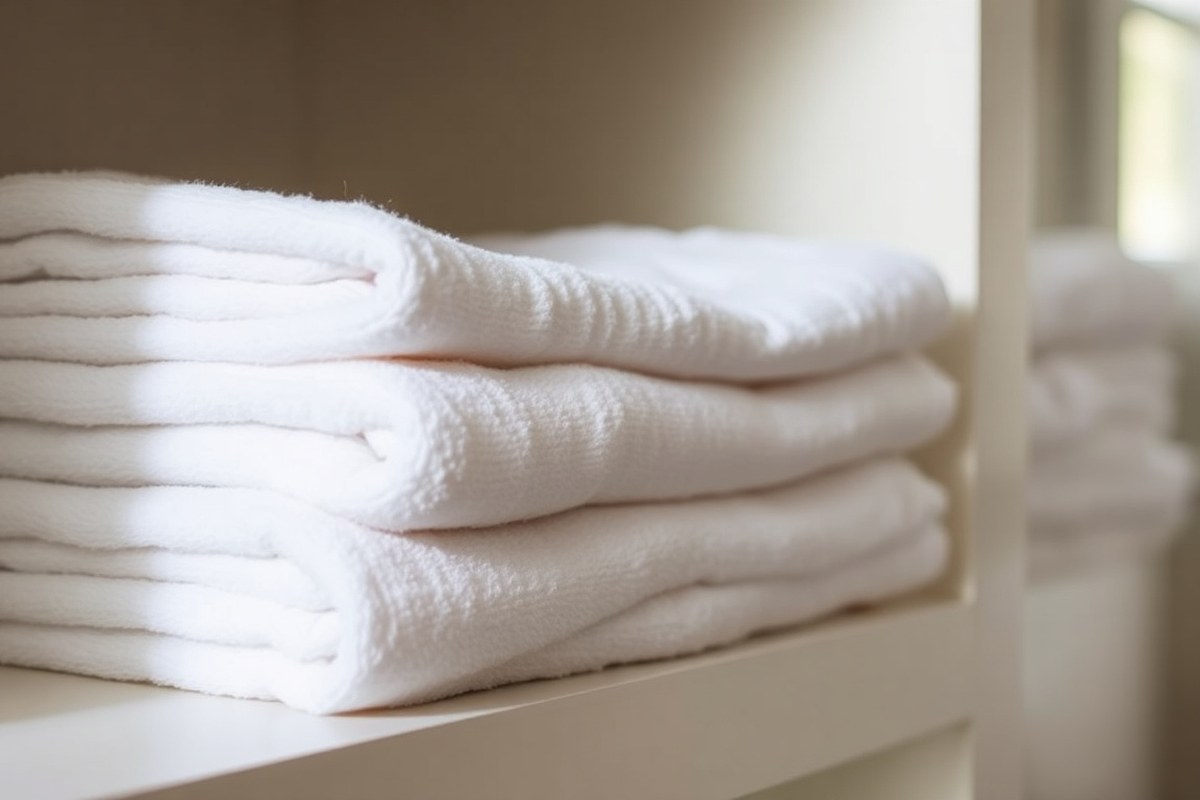
Stripping towels means thoroughly removing built-up residues that accumulate over time and wash cycles. This process targets things like detergent buildup, fabric softener films, body oils, and minerals left by hard water. These factors cause towels to feel stiff and lose their absorbency. Stripping restores those qualities by deep-cleaning the towel fibers to their near-original state.
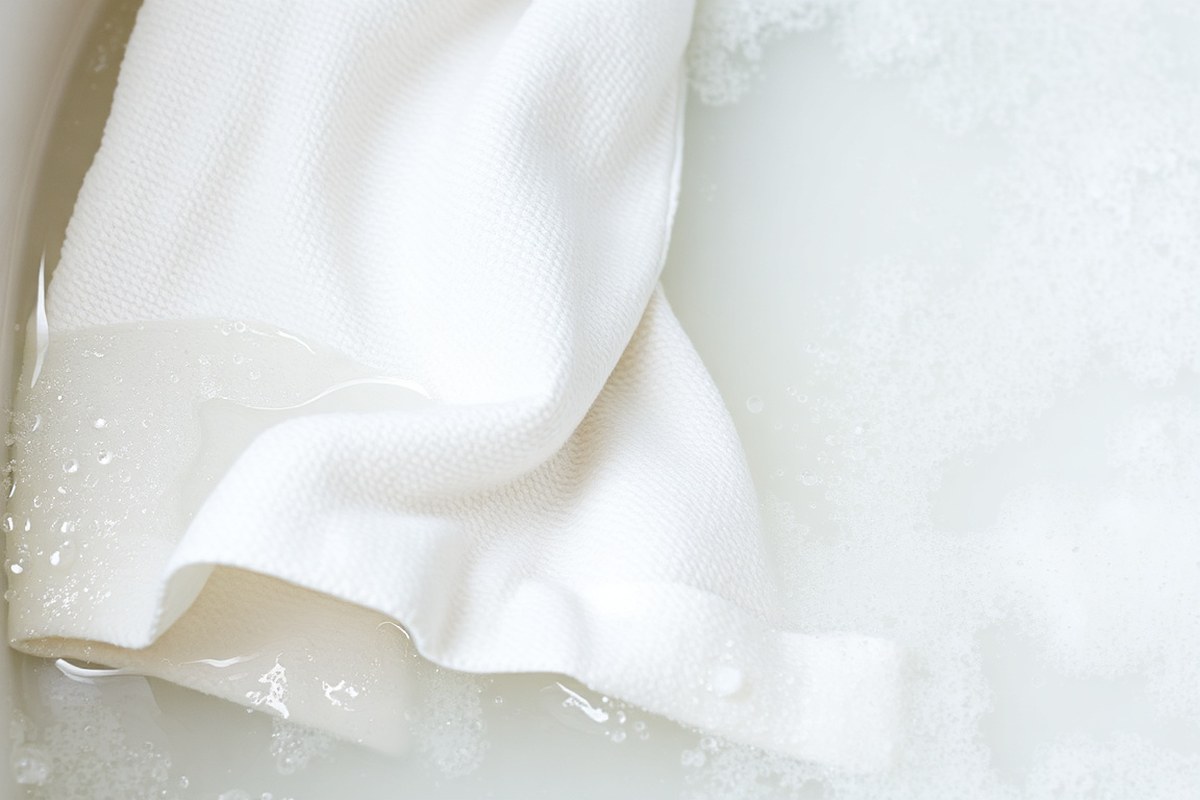
The process often involves soaking towels in very hot water combined with substances such as baking soda, vinegar, or laundry stripping products designed to break down stubborn residues. Towels must be completely submerged and soaked for several hours, five hours is a common timeframe, to allow the cleaning agents to work through the fibers. During this soaking, the water may foam or change color, which is normal and shows built-up grime being released into the water.
This deep clean differs from a typical wash by targeting layers of dirt and residues that standard detergent cycles cannot fully remove. Detergent residues can accumulate from using too much detergent or washing in hard water. Fabric softeners coat towel fibers and block absorption, while body oils cling after each use. Over time, this buildup fills in the towel loops, making towels less fluffy and less able to soak up water quickly.
Successfully stripped towels feel much softer and regain their original plushness. They should also dry somewhat faster due to improved absorbency. The softening effect comes from clearing away residues rather than adding any conditioning agents. The process costs little beyond the price of household products like vinegar and baking soda and a bit of patience for soaking time.
Variations depend on towel material and usage. Heavy-use gym towels may need stripping every week or two, while bath towels generally require it every three to six months. Towels that are colored or delicate may need gentler methods to avoid damage, though basic stripping is usually suited to cotton towels and washcloths. Stripping might not restore towels beyond a certain level if fibers are worn or overused.
How Often Should You Strip Towels Based on Type and Usage

Stripping towels should be done based on how often you use them and their fabric type. Most towels don’t need frequent stripping if washed properly with the right amount of detergent and without fabric softener. Towels used daily or in humid environments may need stripping every few months, while lightly used towels can last six months or more between stripping sessions.
Materials like 100% cotton tolerate occasional stripping well, but delicate fabrics such as bamboo or microfiber require less frequent stripping to avoid damage. Check your towel’s care label to confirm washing instructions and limit stripping to only when towels feel stiff, smell musty, or have lost absorbency. Proper stripping helps remove detergent buildup, oils, and minerals that normal washing misses.
Your usage habits are a major factor. Towels used by multiple family members or exposed to sweat and lotions will accumulate residues faster and need more frequent stripping. In contrast, guest towels or rarely used hand towels often don’t need stripping as often. Assess how your towels feel and smell to decide when to strip rather than following a strict calendar.
A practical decision rule is to strip towels after 10 to 15 washes if you notice softness or absorbency fading. Separate towels by color and fabric type to avoid dye transfer and fabric damage. Avoid overcrowding the stripping tub to let water and cleaning agents circulate freely. Use the hottest water safe for the towel fiber to maximize cleaning effectiveness.
Reducing the detergent amount for routine washing can delay the buildup that forces frequent stripping. Also, avoid fabric softeners since they coat fibers and reduce absorbency. Alternating between regular washes and stripping ensures towels stay fresh but prevents the fabric wear caused by too much hot water and detergents. Towels stripped too often may lose their softness sooner.
Always check your towels for fabric type and care instructions before stripping; treating delicate or blended fabrics like cotton can shorten their lifespan.
Essential Materials and Safe Alternatives for Stripping Towels
To strip towels effectively, you need a few key ingredients: borax, washing soda, laundry detergent, white vinegar, and baking soda. Borax and washing soda tackle tough buildup, while vinegar and baking soda offer gentler alternatives for more sensitive fabrics. Choosing the right materials depends on your towels’ condition and your preference for chemical strength versus natural options.
Borax and Washing Soda: Powerful Buildup Removers
Borax and washing soda are the primary agents used in the most common and effective towel stripping method. Borax (sodium borate) softens water and boosts detergent’s power, which helps dissolve mineral deposits and residue from fabric softeners. Washing soda (sodium carbonate) is a stronger alkaline agent than baking soda, raising water pH to loosen dirt and buildup more aggressively.
Due to their chemical strength, borax and washing soda work best on heavily used or dingy towels suffering from hard water deposits and detergent buildup. Use a typical recipe of ¼ cup borax, ¼ cup washing soda, and ½ cup detergent in a bathtub or large basin filled with hot water (around 140°F). Stir the mixture well to fully dissolve the powders before adding towels.
- Borax and washing soda effectively break down mineral and detergent residues.
- Use hot water for best results with these ingredients.
- Suitable for whites, bath towels, kitchen towels, and older fabrics.
- Not recommended for delicate or colored towels as the alkaline mix may cause fading or damage.
- Doing multiple strips may be necessary for very heavy buildup.
- Available at most grocery or home stores, generally costing $5 to $8 per box.
The higher pH of washing soda compared to baking soda enables stronger cleaning power but requires careful handling and thorough rinsing to avoid fabric harm. This method is not a bleaching agent but should restore softness and absorbency when done right.
Baking Soda and Vinegar: Gentler, Chemical-Free Options
Vinegar and baking soda offer a milder towel stripping method ideal for delicate fabrics, colors, or light buildup. Vinegar contains acetic acid, which helps dissolve residue and break down mineral deposits gently. Baking soda, or sodium bicarbonate, acts as a mild abrasive and odor neutralizer but has a lower pH than washing soda.
To use this approach, add 1 cup white vinegar and 1 cup baking soda to a washing machine drum or soak basin filled with warm water. Towels soak in this solution for 1 to 2 hours, then proceed with a cold rinse cycle to remove leftover residue. Avoid mixing vinegar with washing soda or borax simultaneously since the acid-base reaction reduces effectiveness.
- Better for colored or delicate towels due to less harsh chemicals.
- Eco-friendly, inexpensive, and widely available ingredients.
- Less effective at removing heavy mineral deposits or detergent buildup.
- Requires thorough rinsing to prevent baking soda residue.
- Safe for frequent use without risk of fabric damage.
- Cost per use is low, about $0.10 to $0.30 for vinegar and baking soda combined.
This gentler method may not fully restore very dingy towels but works well for regular maintenance and towels with moderate buildup.
What Not to Use: Ingredients That Can Harm Towels
Avoid using household bleach, ammonia, or fabric softeners when stripping towels. Bleach can weaken fabric fibers and cause yellowing or holes over time. Ammonia’s harsh chemicals may damage towel yarns and irritate skin. Fabric softeners leave residues that reduce absorbency and interfere with stripping efforts.
Highly acidic or overly alkaline substances beyond recommended borax and washing soda levels can degrade towel quality. Overusing laundry detergent during stripping also causes stiffness rather than softness.
- Household bleach can weaken and discolor towels.
- Ammonia can damage towel fibers and create irritants.
- Fabric softeners add buildup that prevents stripping.
- Excess detergent causes towel stiffness and residue.
- Mismatched chemical mixtures (like vinegar with washing soda) reduce effectiveness.
Stick to proven ingredient combinations and follow recommended proportions and rinsing steps carefully to protect your towels from damage during stripping.
Step-by-Step Process for Stripping Towels at Home
To strip towels effectively, soak them in a hot water and cleaning solution mixture for several hours, then run them through a complete hot wash cycle without detergent. Use water around 130°F (54°C) to help break down build-up and residues. Stir the towels occasionally during soaking and rinse thoroughly before drying.
Preparing Towels and Setting Up the Soak
Start by washing your towels in your usual way with detergent. This initial wash removes surface dirt and prepares fibers for deeper cleaning. Use hot water during this wash if your machine allows.
For soaking, use a clean bathtub, large bucket, or basin that can hold all your towels fully submerged in water. Fill the tub with hot water, ideally near 130°F (54°C), which is usually the hottest tap water setting. The water temperature is important because it helps dissolve residues like detergent, fabric softener, and minerals.
Mixing and Adding the Stripping Solution
Prepare a stripping solution by combining washing powder and borax in the hot water. A common ratio is 1/4 cup of washing powder and 1/4 cup of borax per gallon of water. Stir the mixture well to make sure powders dissolve fully.
Once mixed, add your towels slowly to the water, making sure each towel is completely submerged to expose all fibers to the solution. Avoid piling towels on top of each other since that reduces the soak’s effectiveness.
Soaking, Stirring, and Timing the Process
Let the towels soak for a minimum of three hours, with longer durations, like overnight, providing better results. Stir or turn the towels every 30 to 45 minutes to stop them from sticking together and ensure the solution covers all areas evenly.
The water will darken as residues lift from the towels, this is a sign the stripping is working. Avoid extended soaking beyond overnight as this may weaken towel fibers.
Rinsing Towels Thoroughly After Soaking
Drain the dirty soaking water and squeeze excess liquid from the towels. Rinse towels thoroughly in clean, cool water until no suds or residue are visible. Failure to rinse well can leave behind residues that stiffen towels and reduce absorbency.
You can rinse them by hand or run a rinse cycle in your washing machine without detergent. Make sure to repeat rinsing if water still shows signs of residue after the first rinse.
Final Wash and Drying Instructions
Place the rinsed towels into your washing machine. Run a complete wash cycle using the hottest water temperature available (around 130°F or 54°C) without adding detergent or fabric softener. This final wash removes any leftover stripping solution and resets the towel fibers.
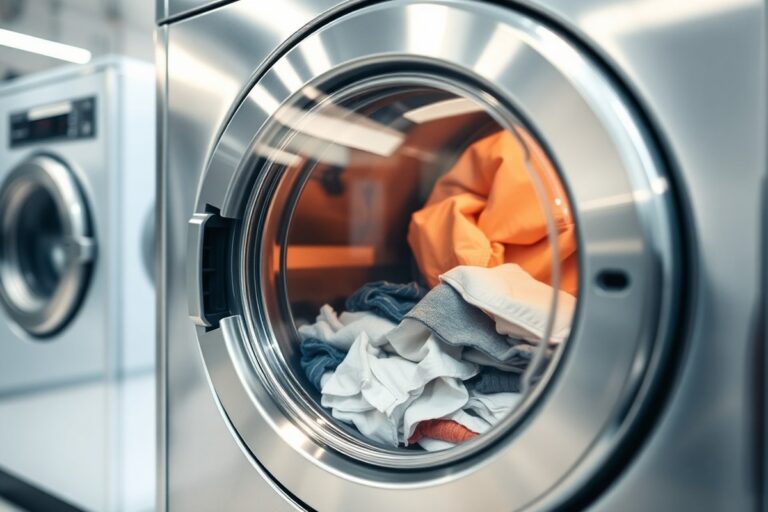
For drying, avoid direct sunlight which can weaken cotton fibers. Choose a low heat setting if using a dryer and dry only two to three towels per cycle to provide room for tumbling. Alternatively, air dry towels in a well-ventilated area and shake each out before hanging to restore fluffiness.
- Wash towels as usual in hot water to remove surface dirt.
- Fill a tub or large basin with hot water (about 130°F/54°C).
- Add 1/4 cup washing powder and 1/4 cup borax per gallon of water; dissolve fully.
- Submerge towels fully in the solution, ensuring even coverage.
- Soak towels for at least 3 hours or overnight, stirring every 30-45 minutes.
- Drain soaking water and rinse towels thoroughly until water is clear.
- Run a hot water wash cycle on towels without detergent or softener.
- Dry towels on low heat or air dry away from direct sunlight, shaking out before hanging.
How to Strip Colored or Delicate Towels Without Damage
Stripping colored or delicate towels requires careful handling to avoid fading, bleeding, or fabric damage. Unlike white towels, which can withstand stronger detergents and hotter water, colored and printed towels need gentler methods to preserve their appearance. Using high heat or harsh chemicals risks ruining the color and weakening the fibers, while improper sorting can cause color transfer.
To safely strip colored or printed towels, choose a mild detergent labeled for colored fabrics, which helps remove buildup without stripping dyes. Avoid chlorine bleach or strong oxygen-based bleach products. Fill your washing machine or a bathtub with warm water, around 90 to 100°F (32 to 38°C), instead of hot water to reduce the chance of bleeding. Add about ¼ cup of the mild detergent and soak the towels for 4 to 6 hours, occasionally stirring to loosen grime. Follow with multiple thorough rinses to fully remove residue.
Towels with prints, embroidery, or delicate fibers like microfiber should not be soaked for long periods, and you should watch for signs of color fading or fabric damage. For microfiber towels, a quick soak in cool water with a gentle detergent and a 30-minute soak is usually best. Always check the towel’s care label; towels that require cold water wash or specify “do not bleach” should not be stripped at all.
Delicate towels, like silk or certain high-thread-count fabrics, generally should not be stripped due to the risk of damage. Instead, perform a normal gentle cycle with a detergent designed for delicate fabrics and ensure frequent rinsing to prevent residue buildup. For mixed loads, always separate towels by color and fabric type to avoid dye transfer and damage during the stripping or washing process.
Good results mean towels regain softness and absorbency without loss of color vibrancy or fabric strength. Towels should not feel stiff or look faded after the process. Notice any fading or weakening of fibers? Stop the stripping process right away and switch back to gentler washing techniques.
Always test a small, hidden section of colored or delicate towel before fully stripping to check for any adverse effect on color or fabric.
Common Mistakes in Towel Stripping and How to Fix Them
One frequent mistake when stripping towels is using water that’s too hot or a washing cycle that’s too short. Hot water helps dissolve detergent residue and oils trapped in fabric, but if it’s below 130°F or used for less than one hour, buildup might not fully release. Running multiple stripping loads too quickly without thorough rinsing can also leave residues behind.
Overcrowding the tub or washing machine is another common error. Packing too many towels in one load prevents proper agitation and water penetration. Complete stripping in smaller batches to let water and stripping agents reach all fibers evenly. For example, if you have a dozen towels, split them into two or three loads rather than one large wash.
Incorrect ingredient ratios contribute to ineffective stripping. Using too little washing soda, borax, or detergent won’t break down residue, while too much can leave harsh chemicals in the fabric. Follow the recipe exactly, usually about 1/4 cup each of washing soda, borax, and laundry detergent per gallon of water.
- Use water between 130°F and 140°F and soak towels for at least one hour.
- Strip towels in small loads to avoid overcrowding, usually 4 to 6 towels per batch.
- Measure stripping ingredients carefully; avoid guessing or reducing amounts.
- Rinse towels thoroughly after stripping to remove loosened buildup and chemicals.
- Avoid frequent stripping; do it only when towels feel stiff, sticky, or smell musty.
- Do not rely solely on fabric softeners, they can cause residue buildup if used excessively.
- Check towels after each step to ensure softness and odor removal before drying.
If towels still feel stiff or smell after stripping, deeper issues like mildew or mineral buildup could be involved. Consider adding a vinegar rinse cycle or soaking towels in a water-vinegar mix before stripping. Persistent odors might also warrant professional carpet or upholstery cleaners if towels have been contaminated.
The buildup causing stiffness and odors typically returns when towels are washed often with fabric softeners or in hard water. Minimizing fabric softener use and switching to a water softening agent or detergent designed for hard water reduces residue formation. Properly drying towels on medium heat also prevents a musty smell from lingering moisture.
How Fabric Softeners and Hard Water Affect Towels and Stripping Results
Fabric softener is a common cause of towel buildup that reduces absorbency and softness. It coats towel fibers with a thin layer of residue that feels smooth but blocks moisture absorption. Over repeated washes, this residue accumulates, making towels stiff or less fluffy. Hard water contributes another type of buildup: minerals like calcium and magnesium deposit into the fabric alongside detergent residue. These minerals harden towels further and trap grime inside fibers.
Stripping towels effectively removes these layers of detergent, fabric softener, and mineral deposits. Using hot water during the stripping process helps dissolve residues that cold water alone can’t break down. Many stripping methods include soaking towels in a solution with products designed to break down oils, fabric softeners, and mineral deposits. This deep cleaning restores absorbency and softness by clearing the buildup embedded in fibers.
After stripping, it’s best to avoid fabric softeners to prevent new residue layers. Instead, stick to a good-quality detergent that focuses on removing dirt without leaving excess residue. For households with hard water, consider adding water softener additives during regular washes or using liquid detergent formulas that tackle mineral buildup. Omitting dryer sheets and fabric softeners supports longer-lasting towel absorbency and softness.
Removing mineral deposits during stripping matters because these minerals prevent towels from drying efficiently and cause rough texture. Stripping also removes detergent residue, which can trap bacterial odors. Towels that were previously stiff and showed fading or lack of absorbency should feel softer and soak up water better after a proper stripping cycle.
Expect stripping to take at least an hour of soaking in hot water with detergent or a specific stripping product. Doing this once every few months works well for most towels, especially if you typically use fabric softeners or have hard water. Towels used more heavily, such as gym towels, might need more frequent stripping to maintain quality. Ignoring buildup leads to towels that dry slowly, smell musty, or lose their plush feel.
Best Practices for Rinsing, Drying, and Maintaining Towels After Stripping
After stripping your towels, rinsing, drying, and ongoing care are important for keeping them soft and absorbent. Proper rinsing removes leftover residue, drying protects fibers from damage, and smart laundering habits prevent buildup. Maintaining these steps helps your towels stay fresh and comfortable over time.
Rinsing Thoroughly to Remove Residue
Rinse your towels well after stripping to remove all cleaning solutions and loosened residue from the fibers. Use cool or warm water and rinse multiple times until the water runs clear. Avoid overloading the washing machine to allow the towels enough room to move freely, which helps rinse out contaminants more effectively.
Adding a cup of white vinegar during the rinse cycle can help break down any leftover detergent or mineral deposits. Vinegar acts as a natural fabric softener and residue remover without leaving buildup. Skip fabric softeners as they can coat fibers and reduce absorbency over time.
Never skip the final rinse; leftover residue can make towels stiff and less absorbent.
Drying Towels for Maximum Softness and Longevity
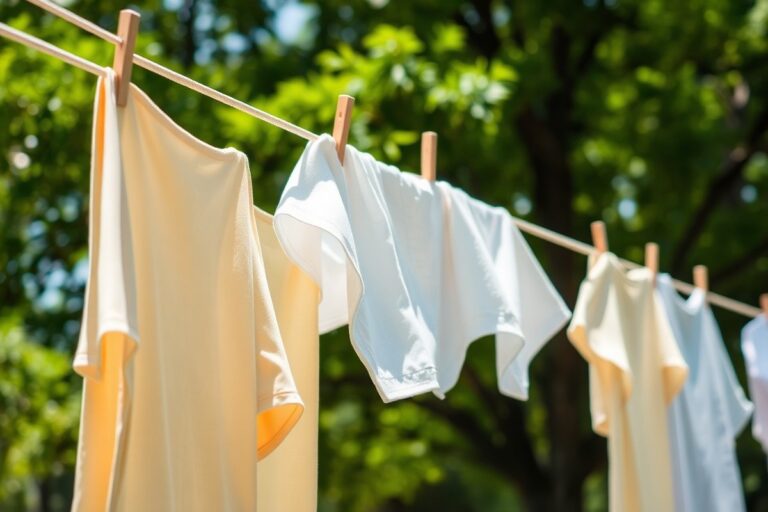
Dry towels on a medium heat setting or line-dry them outside when possible. High heat can weaken fabric fibers and reduce towel lifespan. To help maintain softness, remove towels from the dryer as soon as they are dry to prevent overdrying, which makes them feel rough.
If you use a dryer, tossing in dryer balls helps fluff the fibers and keep towels plush without using chemical softeners. When line-drying, shake each towel to fluff fibers before hanging and again before folding or storage.
Regular Care Tips to Prevent Future Buildup
Keeping your towels soft and absorbent requires consistent washing and smart storage habits after stripping. Always wash towels separately from other laundry items to avoid cross-contamination with dirt or debris. Use a mild detergent and reduce the amount to avoid excessive soap residue. Here is a checklist to maintain towel quality long-term:
- Use mild detergent, avoiding heavy or scented formulas
- Wash towels in warm water, not hot, to protect fibers
- Skip fabric softeners and dryer sheets entirely
- Do not overfill the washing machine; towels need room to move
- Add white vinegar occasionally in rinse cycles to break down buildup
- Store towels in a dry, well-ventilated area to prevent musty odors
- Strip towels periodically based on frequency of use and water hardness
Following these tips after stripping towels will sustain their softness and absorbency, making your towels feel fresh and perform better with each use.
Step-by-Step Action Plan for Stripping Towels
Follow these steps to remove buildup and restore your towels’ softness and absorbency effectively.
- Before You Start: Gather washing soda, laundry detergent, and bleach-free oxygen cleaner to ensure safe stripping without damaging towels.
- Step 1: Soak towels in hot water mixed with stripping agents for 4 hours. You’ll notice the water turning cloudy, indicating dirt and residues are lifting off.
- Step 2: Run towels through a complete wash cycle with detergent only, using hot water to rinse remaining residues away.
- Step 3: Inspect towels for softness and absorbency. If towels still feel stiff or repel water, repeat the soaking step once more.
- Step 4: Rinse towels thoroughly with an extra spin cycle to remove all chemicals, preventing future buildup.
- Step 5: Dry towels in a well-ventilated area or tumble dry at a low to medium heat setting to avoid fiber damage.
- After 2 Weeks of Use: Avoid fabric softeners and consider adding a water softener if you have hard water, to keep towels in good condition longer.
Frequently Asked Questions
Can I Strip Towels with a Washing Machine Instead of a Tub?
Stripping towels in a washing machine is less effective than soaking in a tub because it requires full submersion and longer soaking time for residue removal. Use a tub or large bucket to ensure towels stay fully soaked and allow the stripping agents to work properly.
How Do I Know If My Towels Need Stripping Besides Stiffness?
Towels that don’t absorb water well or smell musty after washing often need stripping. Checking for reduced absorbency and lingering odors helps identify when to strip towels before stiffness becomes noticeable.
Can I Strip Towels with Bleach to Speed Up the Process?
Bleach is not recommended for stripping towels because it can weaken fibers and fade colors. Stick to milder methods like baking soda and vinegar to safely remove buildup without damaging the towels.
Is It Necessary to Strip New Towels Before First Use?
New towels usually don’t require stripping before first use but washing them to remove manufacturing residues is a good idea. Strip only if towels feel stiff or absorbed less after several washes.
Can I Use Hot Water to Strip Towels in a Washing Machine?
Hot water helps dissolve residues but won’t work without soaking towels fully in a tub. Overheating in machines can damage fibers. Soak towels in hot water in a tub for five hours to strip effectively.
How Should I Dispose of the Water After Stripping Towels?
Dispose of the stripping water down the drain as normal household wastewater. It contains dissolved residues and detergents but nothing harmful if you follow local wastewater guidelines.
The Bottom Line
Stripping towels can bring back their original softness and absorbency, improving your laundry experience. Start by identifying buildup signs and use the right materials for stripping safely. The next step is to set up your soaking process with a trusted detergent and washing soda mix to see quick, effective results in your towels.