How to Clean White Canvas Trainers: 8 Proven Methods That Work
Cleaning white canvas trainers effectively involves gentle scrubbing with mild detergent, using soft brushes, and avoiding harsh chemicals that can damage the fabric. Proper rinsing and careful drying are essential to keep them looking fresh and avoid yellowing. This approach works well whether your trainers have light dirt or stubborn stains.
This advice suits anyone new to shoe care or looking to keep their white canvas trainers bright over time. You’ll find straightforward, step-by-step techniques, plus tips on household solutions and stain removal to maintain your shoes without special products.
Key Takeaways
- Use a soft-bristled brush and mild detergent to scrub white canvas trainers by hand gently.
- Rinse shoes thoroughly with clean water to remove detergent residue and prevent fabric damage.
- Dry trainers in indirect sunlight for 3-4 hours to avoid yellowing and fabric weakening.
- Submerge heavily soiled trainers in a cleaning solution for 30 minutes to 2 hours before scrubbing.
- Let cleaning products soak on stains for 5 to 15 minutes before wiping to improve effectiveness.
- Use household ingredients like baking soda and vinegar for safe, effective stain removal on canvas.
1. How to Clean White Canvas Trainers by Hand Step-by-Step

Cleaning white canvas trainers by hand works best with simple household ingredients and careful scrubbing. You’ll remove dirt without harming the fabric by using a baking soda and vinegar paste, applying it gently, then rinsing and drying with care.
Gathering Cleaning Materials and Tools
Prepare your area and supplies before you start. You’ll need common items that won’t damage your trainers or your hands.
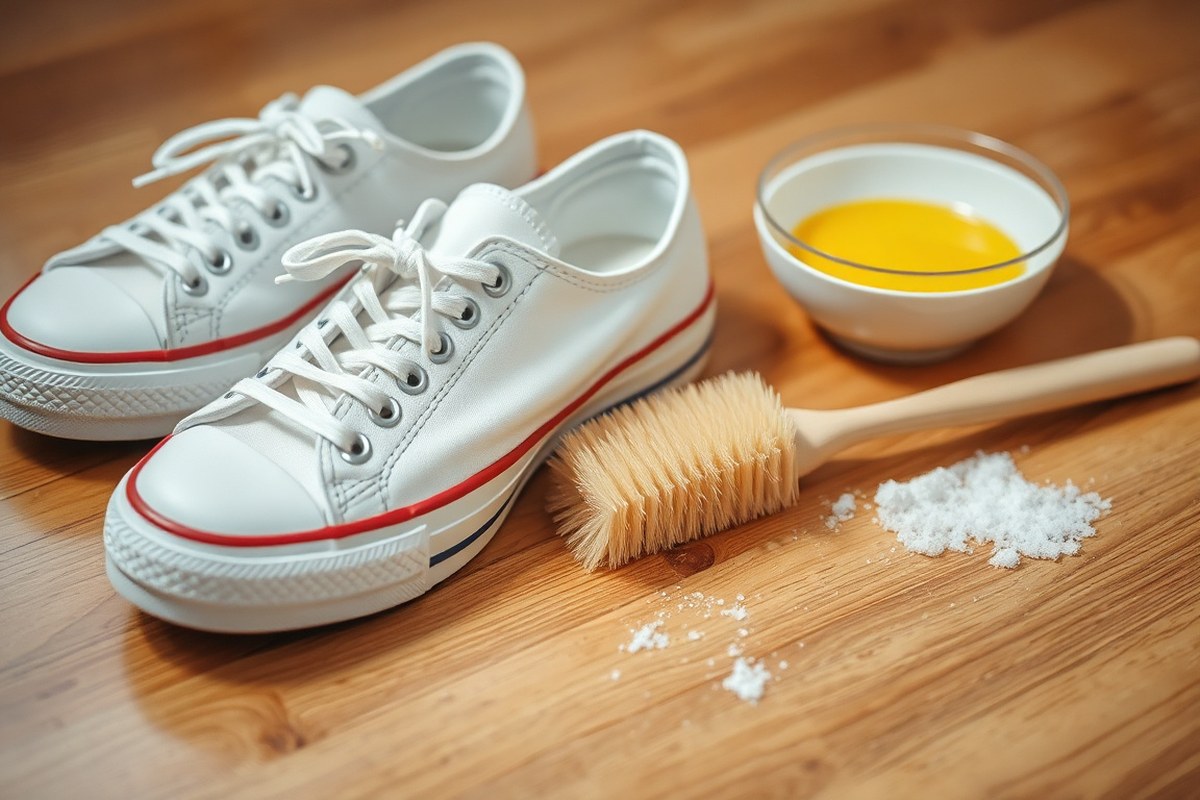
Collect these materials: 1 tablespoon baking soda, 2 tablespoons white distilled vinegar, warm water, an old toothbrush or small soft brush, a small bowl for mixing, a clean cloth or sponge, and paper towels. Optionally, wear rubber gloves to protect your skin. Avoid harsh brushes or abrasive tools, which can fray the canvas.
Making a Baking Soda and Vinegar Cleaning Paste
Mixing the right paste is key. The baking soda gently scrubs, while vinegar dissolves dirt and kills bacteria without yellowing the white canvas.
Start by placing 1 tablespoon of baking soda in the bowl. Add 2 tablespoons of white vinegar. The mixture will fizz initially, this reaction helps break down stains. Stir gently while adding small amounts of warm water, about a teaspoon at a time, until the paste spreads easily but isn’t runny. A foamy texture is normal. The entire paste can be made within 2 to 3 minutes and used immediately for best results.
Scrubbing the Canvas with Proper Technique
Apply the paste to your trainers carefully, then scrub to lift dirt while avoiding damage. Too hard a scrub can wear down the fibers.
Use your old toothbrush to dip into the paste. Work the paste in circular motions over the canvas in small sections. Focus on moderately dirty areas with visible stains for about 2 to 3 minutes per section. Let the paste sit on the canvas for 10 minutes to loosen dirt and grime but don’t let it dry completely. Light dirt may only need gentle scrubbing, while stains require firmer but controlled scrubbing. Avoid soaking seams or glued areas.
- Remove the shoelaces to clean separately and expose the full canvas surface.
- Dip the toothbrush into the baking soda and vinegar paste.
- Apply the paste evenly over stained or dirty canvas areas using circular motions.
- Scrub gently but thoroughly for 2 to 3 minutes on each section.
- Allow the paste to rest on the canvas for 10 minutes, keeping it moist but not dry.
- Use a clean damp cloth to spot-check paste distribution before rinsing.
Rinsing Thoroughly Without Soaking
Proper rinsing removes the paste and lifted dirt without saturating the shoes, which can distort their shape and weaken glue. Use a clean, damp cloth or sponge and wipe the canvas gently to remove the paste. Rinse the cloth in warm water frequently, then continue wiping until no residue remains. Avoid submerging trainers in water or using running taps, which risks soaking the inner layers. A damp cloth rinse takes about 5 to 7 minutes and reduces drying time compared to full water submersion.
Drying Your Trainers Naturally
Dry trainers in a way that prevents shrinking, warping, or yellowing. Avoid heat sources that can damage fabric or glue.
Stuff your trainers loosely with paper towels or a clean cloth to maintain their shape. Place them in a well-ventilated spot away from direct sunlight and heaters. Air drying typically takes 12 to 24 hours depending on climate. Check periodically to replace damp paper towels and avoid moisture buildup. Do not use a dryer or direct sunlight as this can cause canvas yellowing or cracks in rubber soles.
2. What Household Solutions Work Best to Clean White Canvas Shoes?

Several household ingredients work well for cleaning white canvas shoes, each with distinct benefits and drawbacks. Baking soda, white vinegar, dish soap, hydrogen peroxide, and bleach can all help brighten your trainers, but using them correctly and safely is key. Choosing the right cleaner depends on your shoes’ condition, the types of stains, and the fabric’s sensitivity.
Baking Soda: Safe Whitening and Stain Removal
Baking soda serves as a mild abrasive that lifts dirt and brightens your white canvas shoes without relying on harsh chemicals. It also deodorizes gently, helping keep the fabric looking fresh. Mix one tablespoon of baking soda with two tablespoons of water and a little white vinegar to create a paste. Apply the paste with a soft brush or cloth, scrubbing gently in circular motions. Leave the mixture on the shoes for about 30 minutes, rinse off with lukewarm water, and let the trainers dry naturally.
This method costs very little, baking soda and vinegar are inexpensive, available in most kitchens, and non-toxic. It suits routine cleaning or light stains but might not fully remove deep or set-in marks. Overuse or aggressive scrubbing with baking soda can dull the canvas texture, so apply it sparingly and avoid harsh brushes.
White Vinegar: Natural Stain Fighter and Brightener
White vinegar is a mild acid that helps break down tough stains and disinfect canvas shoes. Mixing white vinegar with baking soda creates a fizzing action that also lifts dirt effectively. Combine equal parts white vinegar and water in a spray bottle or bowl. Lightly spray or dab the solution on stained areas, then scrub gently with a soft brush or toothbrush. Let the shoes dry in a well-ventilated area, away from direct sun.
White vinegar is affordable and safe, making it a good alternative if your shoes show marks like grass, light mud, or sweat. However, vinegar’s acidity can weaken fabric if used excessively or left on too long, so rinse the shoes after treatment to avoid residue build-up or colour fading.
Dish Soap Versus Commercial Cleaners: When to Use Each
Dish soap is excellent for breaking down grease and everyday grime on white canvas trainers. Its grease-cutting power makes it easy to remove food stains, oils, and dust without harsh chemicals. Use a few drops of liquid dish soap with warm water and apply it with a soft cloth or sponge. Gently scrub and rinse with clean water. This method is low-cost, widely accessible, and typically safe for frequent use.
Commercial shoe cleaners offer stronger formulations designed specifically for various materials, including canvas. These products can be more effective on stubborn grime or large-area cleaning but usually come at a higher cost and may contain chemicals that need careful handling. Reserve commercial cleaners when household solutions can’t fully remove dirt or deep stains. Always check product labels to confirm suitability for white canvas and perform a spot test to prevent discoloration.
Hydrogen Peroxide and Bleach: Powerful but Risky Options
Hydrogen peroxide is a mild bleach that brightens white canvas and targets tough stains like yellowing or mold. It can be mixed with baking soda and dish soap (for instance, one tablespoon of Dawn dish soap with two tablespoons of hydrogen peroxide) to create a potent cleaning paste. Apply it sparingly with a brush, let it sit for about 30 minutes, then rinse thoroughly to avoid fabric weakening.
Bleach, specifically diluted household bleach, can whiten canvas but carries significant risks of fabric damage, yellowing, and fibre weakening. When using bleach, make sure to dilute it heavily with about one part bleach to five parts water, and apply it only to small, hidden sections first. Avoid using bleach regularly. Using too much or not diluting it properly can ruin your trainers permanently.
Both hydrogen peroxide and bleach require good ventilation during use and protective gloves to guard your skin. These solutions come with safety warnings and should be used with caution only when other household cleaners are insufficient.
What to Avoid on White Canvas
Avoid harsh abrasive cleaners that can damage canvas fibers or alter texture, such as scouring powders or stiff wire brushes. Gel toothpaste or coloured soaps might leave stains or residue, so always opt for plain, non-gel white toothpaste or transparent dish soap. Never use hot water, it can set stains and shrink canvas. Strong chemicals like undiluted bleach pose risks of fabric weakening and should only be used in controlled, minimal amounts.
Stick to gentle scrubbing tools like soft brushes and microfiber cloths to protect your trainers’ surface. Overcleaning or soaking your canvas shoes can also degrade the fabric and adhesives, shortening their lifespan.
Test any new cleaning solution on a small hidden area of your trainer before applying it everywhere to avoid unexpected damage or discoloration.
3. Cleaning White Canvas Shoelaces: Detailed Procedures
Cleaning your white canvas shoelaces properly helps maintain their bright look and prevents dirt buildup that affects your trainers’ appearance. Soaking them in the right solution for about 5 minutes, using gentle yet effective cleaners like baking soda or diluted bleach, followed by thorough rinsing and air drying flat, provides the best cleaning results without damaging the fabric.
Removing and Inspecting the Shoelaces
Start by carefully removing the shoelaces to avoid stretching or fraying. This also lets you clean each lace thoroughly and check for any damage or deep stains that need special attention. Cleaning laces separately reduces wear on the canvas and ensures even cleaning.
Before soaking, spread out the laces and examine them closely. Notice any stubborn spots or tears. Small rips may worsen with soaking, so consider replacing laces if they are heavily worn.
Soaking Laces in Baking Soda or Bleach Solution
Prepare a soaking solution based on your stain severity. For general cleaning, mix 4 tablespoons of baking soda with 1/4 cup of warm water to form a paste. For tough whitening, dilute bleach by mixing 1 part bleach with 5 parts water. Avoid undiluted bleach to prevent fabric weakening.
Soak the laces for about 5 minutes. Avoid soaking longer to prevent damage or yellowing. For baking soda, apply the paste directly on stains before soaking if necessary.
- Fill a small bowl with your chosen cleaning solution.
- Submerge the shoelaces fully, pressing them gently under the surface.
- Let them soak for 5 minutes without agitation to prevent tangling.
- For stubborn stains, gently rub the paste into the lace fibers before or after soaking.
- Remove laces from the solution and prepare to rinse immediately.
Rinsing and Drying Tips to Avoid Damage
Rinse laces thoroughly with cold water to remove all traces of cleaning agents. Residual bleach or baking soda can cause fabric damage or stiffness if not rinsed well. Air dry your laces flat on a clean towel, away from direct sunlight or heat sources to avoid shrinking or yellowing.
Machine washing laces is possible if they are placed inside a mesh laundry bag. However, hand cleaning and air drying extend lace lifespan and preserve appearance better. Clean your shoelaces every 3 to 4 weeks depending on wear and dirt exposure to keep them bright.
4. Can I Use a Washing Machine to Clean White Canvas Trainers?
Machine washing white canvas trainers is a popular way to save time and get them clean, but not all canvas shoes are safe to put in a washing machine. Check the manufacturer’s label or website first, shoes with glued or delicate parts, leather trims, or certain decorations may not tolerate machine washing well. If your white canvas trainers look sturdy and the label says machine washable, you can proceed carefully.
Before washing, remove the shoelaces and any loose dirt with a soft brush or cloth. Take out the insoles if possible, as they can get damaged or retain too much water. Place the shoes inside a mesh laundry bag or pillowcase to protect them and reduce banging against the washer drum. Add a few old towels to the load to balance the machine and soften the impact during the spin cycle.
Use a mild or color-safe detergent without bleach or fabric softeners. These additives can weaken the canvas fibers or cause yellowing. Set the washing machine to a normal or gentle cycle with cold water. Hot or warm water may cause the trainers to shrink or the glue to loosen. The cold wash keeps the canvas intact and helps avoid fading or damage.
Once the cycle finishes, do not put your trainers in the dryer. Instead, air dry them naturally to prevent warping and protect the shoe shape. Stuff the insides with crumpled white paper towels or clean rags to absorb moisture and maintain form. Avoid direct sunlight or heat sources like radiators, which can cause discoloration or shrinkage. Let them dry completely, this can take 12 to 24 hours depending on humidity and airflow.
Machine washing offers a quick cleaning method, but it carries risks like weakening glue bonds, rough agitation causing tears, or yellowing from high heat and harsh chemicals. For heavily soiled or expensive white canvas trainers, hand washing is safer. Still, for most casual canvas shoes, following these steps carefully keeps them clean and fresh.
5. How to Remove Tough Stains from White Canvas Trainers
Start by letting mud or dirt fully dry on your white canvas trainers before attempting to clean. Dry dirt flakes off more easily than wet muck, reducing the risk of spreading stains. Once dry, gently brush off loose dirt with a soft-bristled brush or an old toothbrush. For ground-in dirt or grass stains, apply a small amount of liquid laundry detergent directly to the spot. Use a toothbrush dipped in soapy water to scrub gently in a circular motion, focusing on the stained area. Rinse with a damp cloth and repeat if necessary. This method targets the dirt embedded within the canvas fibers without harsh chemicals.
Oil and grease stains require a slightly different approach. Products such as Tide or Arm & Hammer detergents are effective for breaking down grease. Dab a tiny amount of detergent onto the stain and work it in gently with a soft brush. Let it sit for 5 to 10 minutes to break down the oil. Next, rinse the area under lukewarm water or blot with a damp cloth. Avoid rubbing aggressively, as this can spread the stain or damage the fabric. Treat oily spots promptly because old grease is harder to remove.
White vinegar works well as a home remedy for mild mildew or mold on canvas trainers. Mix equal parts white vinegar and water in a spray bottle, then lightly spray the affected area. Let it sit for 10 minutes to kill mold spores and break down stains. Wipe off with a clean, damp cloth and allow the shoes to air dry completely in a well-ventilated area away from direct sunlight. Vinegar is a natural disinfectant and deodorizer, making it a good first step before trying stronger chemicals.
Nail polish remover, containing acetone, can be used cautiously to lift particularly stubborn stains like ink or scuffs. Dab a cotton ball lightly with the remover and blot the stained area briefly. Do this in a well-ventilated space and test on a hidden part of the canvas first because acetone can lighten or damage some fabrics. Avoid soaking the shoes and never apply nail polish remover to large areas. This technique is best reserved for small, difficult spots.
You should consider professional cleaning if stains have penetrated deeply or cover a large surface area. Professionals have access to specialized cleaning agents and equipment that maintain the shoe’s shape and finish better than home methods. Also, persistent mold or mildew might require treatment that goes beyond what household remedies can safely achieve. Expect professional cleaning to cost around $20 to $50 depending on the extent of the work and location.
Always test cleaning methods on a small, inconspicuous area of your shoe first to avoid accidental damage or color changes.
6. Cleaning and Whitening Rubber Soles on White Canvas Trainers
Rubber soles on white canvas trainers often accumulate dirt and scuffs that need targeted cleaning without damaging the fabric. The right cleaning agents for rubber soles include mild dish soap mixed with warm water or a paste made from baking soda and water. These are gentle enough to remove grime without causing discoloration or damage to the canvas.
A magic eraser can effectively lift scuffs and stubborn stains from rubber soles, but test it on a small area first to ensure it does not affect nearby canvas. Use gentle pressure, it works by abrasion, so scrubbing too hard might wear the sole or leave marks. Avoid direct scrubbing of the canvas fabric with the eraser to prevent damage or transferring dirt.
Keeping dirt from transferring back onto the canvas is essential during sole cleaning. Use a stiff brush or an old toothbrush to scrub the sole separately. When wiping or rinsing, keep the sole angled away from the fabric to prevent dirty water from splashing onto it. Also, cleaning soles before touching the canvas helps maintain the shoe’s pristine condition.
Rubber soles can turn yellow from age or sun exposure. To brighten them, make a paste using baking soda and white vinegar or choose a sole whitening product. Allow the paste to rest on the soles for 10 to 15 minutes before gently scrubbing with a soft brush and rinsing well. Stay away from strong chemicals such as bleach, as they may increase yellowing or harm the rubber.
Tools that work best for rubber sole cleaning include a soft or medium-bristled brush, a magic eraser, microfiber cloths, and small containers for mixing cleaning solutions. Brushes help reach textured parts of the sole, while microfiber cloths ensure thorough wiping without scratching.
- Use mild soap and warm water solution for general cleaning
- Apply baking soda paste for whitening and tough stains
- Test magic eraser on a small sole area before full use
- Scrub soles separately with toothbrush or soft brush
- Angle soles away from fabric while rinsing to avoid splashing
- Avoid harsh chemicals that can yellow or damage rubber
- Dry soles thoroughly after cleaning to prevent mold
Follow these steps to clean rubber soles without harming your white canvas trainers: first, remove loose dirt by tapping soles together or brushing them off. Next, dip your brush in the soap and water mixture, scrubbing the rubber gently. For yellowing, apply baking soda paste with a brush and leave it to work before rinsing. Use a magic eraser carefully to tackle scuffs, avoiding contact with the canvas fabric. Finally, wipe the soles down with a damp microfiber cloth and air dry in a shaded area to maintain brightness and prevent damage.
7. Proper Drying and Aftercare for White Canvas Trainers
Dry your white canvas trainers indoors to avoid yellowing and damage from sunlight. Direct sun exposure breaks down the fabric and dyes in the canvas, which leads to fading and yellow stains. Instead, place your shoes in a well-ventilated room near an open window or a fan to speed up air circulation without exposing them to harsh UV rays. Position the shoes on a clean, dry surface and rotate them every few hours for even drying.
After cleaning, stuff the trainers with white paper towels or a clean rag. This absorbs moisture from inside the shoe while preserving the shoe’s shape. Avoid colored paper, as any dye transfer can stain the white canvas. Keep the stuffing loose enough to allow airflow but firm enough to prevent the shoes from collapsing. This helps the shoes dry faster and retain their structure, reducing the risk of creases or misshapes.
Use a gentle drying method; do not place your shoes near heaters, dryers, or use a hairdryer. Excess heat can warp the sole, weaken adhesives, and encourage yellowing. Air drying at room temperature takes longer, usually 12 to 24 hours, but greatly preserves the shoe’s appearance and durability.
After your trainers are fully dry, consider applying a waterproof or protective spray designed for canvas materials. These products usually cost between $8 and $20 per bottle and can be found at most shoe stores or online. Apply the spray in a well-ventilated area using several light coats to avoid saturating the fabric. Allow the protective layer to dry completely before wearing to create a barrier against dirt and moisture.
Apply waterproof sprays every 4 to 6 weeks if you wear your white canvas trainers frequently or after each deep cleaning if less often. This routine helps maintain the fabric’s resistance to stains and water absorption, keeping your shoes looking fresh longer. Wipe your shoes gently after each wear to remove loose dirt preventing buildup.
Keeping your white canvas trainers in a cool, dry place when not in use is essential. Store them away from direct light and damp areas to minimize discoloration and odor buildup. Regular care and proper drying techniques together ensure your trainers stay bright, maintain their shape, and avoid unpleasant smells or fabric damage.
8. Common Cleaning Mistakes and How to Avoid Them
White canvas trainers often yellow after cleaning because of using harsh chemicals like chlorine bleach or improper rinsing. Chlorine bleach reacts with the fabric and can leave a yellow tint, especially if applied too concentrated or left on too long. Use a diluted, non-chlorine bleach alternative and rinse thoroughly with cool water to prevent this. Over-soaking the shoes not only causes yellowing but also weakens the canvas fibers, which might lead to shrinking or misshaping of your trainers.
Using strong household cleaners or scrubbing too hard can damage the fabric, causing fraying or thinning spots on the canvas. Shoes with mesh or delicate weaves need extra care; avoid bleach and abrasive brushes. Instead, gently clean with mild soap and a soft brush to preserve the material.
Over-soaking is harmful because water saturates the glue and canvas, leading to weaker shoes and potential odor problems. Limit soaking time to about 10 to 15 minutes for spot treatments, then move to gentle scrubbing and rinsing. After cleaning, air dry your trainers in a shaded area at room temperature to avoid yellowing and fabric warping. Prevent bleach stains or weakened fabric by following these steps:
- Dilute bleach to at most a 1:5 ratio with water and never apply directly.
- Test any product on a small hidden area before full application.
- Use mild detergents or soap instead of harsh chemicals for regular cleaning.
- Limit soaking time and rinse thoroughly to remove cleaning residues.
- Avoid machine washing frequently, as it stresses the fabric and seams.
- Air dry away from direct sunlight or heat sources.
- Use soft brushes or cloths and avoid stiff or wire brushes on canvas or mesh.
Using undiluted bleach or leaving it on too long can ruin your white trainers’ canvas, causing yellowing or holes, always dilute and rinse well.When cleaning has caused yellowing or fabric damage, restore your shoes carefully. To reduce yellowing, soak the affected areas briefly in a solution of water and a non-chlorine oxygen-based whitening agent, then rinse well. For fabric weak spots, avoid further harsh cleaning and consider applying a fabric protector spray once clean and dry to reinforce the material. Minor stains can also be hidden by using white fabric markers made specifically for sneaker touch-up. Shrinking or deforming can happen; reshape the trainers while damp by stuffing them with paper towels or shoe trees to help them regain form as they dry.
Step-by-Step Action Plan
Follow these steps to keep your white canvas trainers looking clean and fresh with simple, effective care.
- Before cleaning: Remove the shoelaces and brush off loose dirt. This prevents grinding dirt into the fabric during washing.
- Day 1: Clean the canvas by hand with a gentle detergent solution and a soft brush. Rinse carefully to avoid soaking the fabric and check for stubborn stains.
- After cleaning: Spot-treat any tough stains using a paste made from baking soda and water or a mild stain remover safe for fabric. Gently scrub the area and rinse off.
- Day 2: Wash the shoelaces separately in warm soapy water. Rinse and let them air dry completely to prevent shrinking.
- Within 24 hours after washing: Dry your trainers at room temperature in a well-ventilated area away from direct sunlight or heat sources to avoid warping or yellowing.
- After drying: Clean and whiten rubber soles using a paste of baking soda and water or a gentle household cleaner. Scrub with a toothbrush and rinse off residue.
- Weekly or biweekly: Brush off dirt and spot-clean small marks promptly to reduce the need for deep cleaning.
- Monthly: Check for any discoloration or wear and apply a fabric protector spray designed for canvas to help repel stains next time.
Frequently Asked Questions
Can I Use Bleach Regularly on White Canvas Trainers Without Damage?
Regular bleach use can weaken canvas fibers and cause yellowing. Instead, use a baking soda and hydrogen peroxide mix for whitening without damage.
What Should I Avoid When Cleaning White Canvas Trainers?
Avoid harsh chemicals and scrubbing too hard to prevent fabric damage. Stick to gentle cleaners and soft brushes for best results.
How Often Should I Clean My White Canvas Trainers to Keep Them Bright?
Clean them after every 3-4 wears or when visibly dirty to maintain brightness. Regular care stops dirt from settling and discoloring the fabric.
Is It Necessary to Protect White Canvas Trainers After Cleaning?
Yes, apply a fabric protector spray to repel dirt and stains longer. This helps keep your trainers looking clean and reduces cleaning frequency.
Can I Clean White Canvas Trainers If They Have Colored Logos or Accents?
Yes, but test cleaners on a small, hidden area first to avoid color fading. Use mild soap and avoid bleach which can strip colors.
Will Cleaning White Canvas Trainers Remove Odors Completely?
Cleaning helps reduce odors, but thorough drying and occasional deodorizing powders are needed for best results. Remove insoles to air out inside fully.
Key Points to Remember
Keeping your white canvas trainers clean requires careful handling and regular attention to stains and drying. Using mild cleaning agents and avoiding harsh methods helps maintain their look without damage. Try spot-treating stains as soon as you notice them to make deep cleaning less frequent. Start today by brushing off dirt and prepping your trainers for a gentle cleaning session.