How to Get Yellow Pit Stains Out of White Shirts: 8 Proven Methods That Work
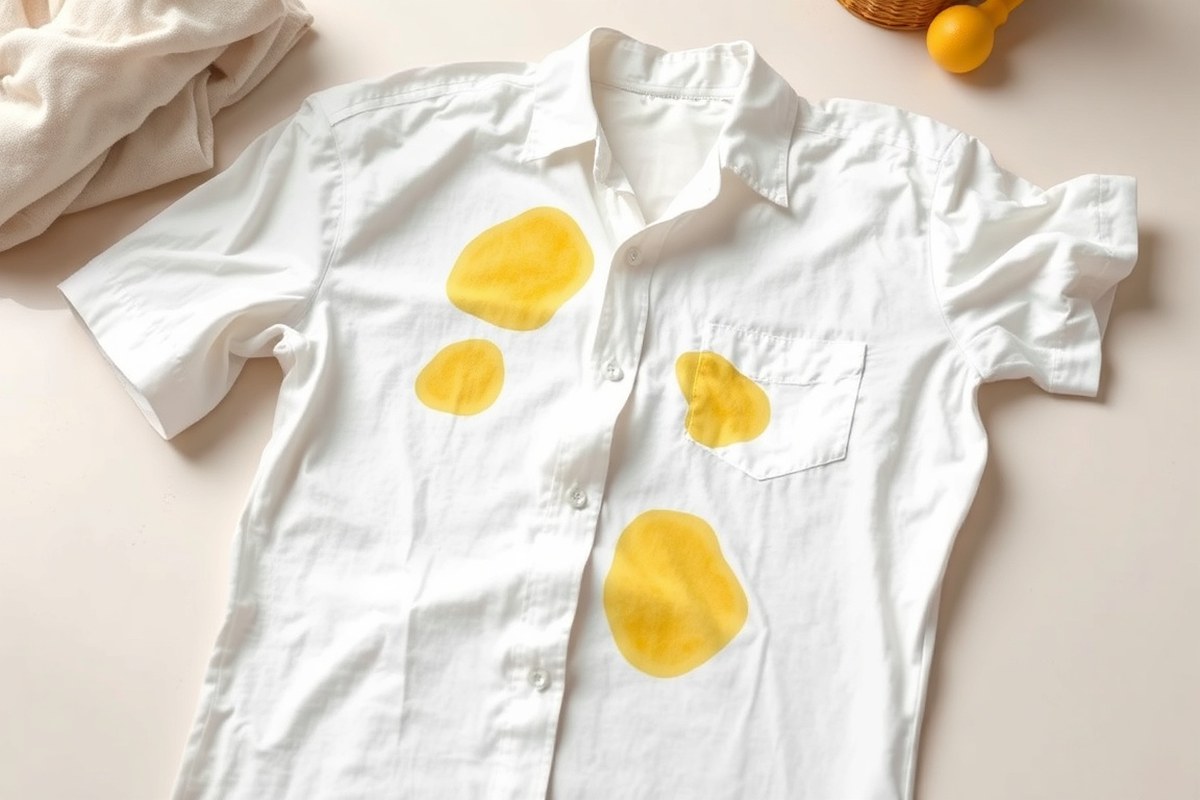
To get yellow pit stains out of white shirts, treat the stains with stain remover or a vinegar soak, then wash them in warm water. For tougher stains, let the garment soak for several hours or overnight before laundering. These methods effectively break down stain residues without damaging fabric.
This advice is for anyone dealing with embarrassing sweat stains on their favorite white shirts. You’ll find proven stain removal techniques, tips on soaking times, and safe washing practices to help restore your shirts’ bright white look.
Key Takeaways
- Put a stain remover on the underarm stain and wait 20 minutes before laundering.
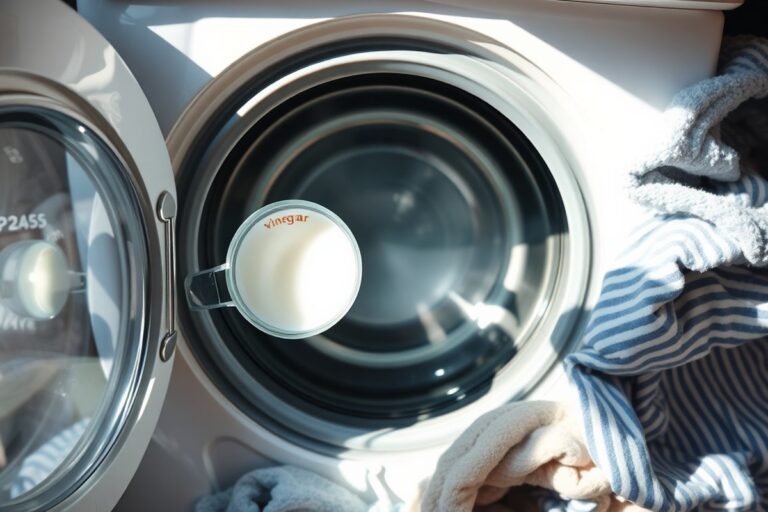
- Soak white shirts in a vinegar-water solution (1 part vinegar to 3 parts water) for 20 to 30 minutes to loosen stains.
- Use a hydrogen peroxide and mild dish soap mix to treat stubborn pit stains, allowing it to sit for 20 minutes before washing.
- For severe stains, soak your shirt for 8 hours or overnight to improve stain removal results.
- Wash white shirts in warm water and use washing settings suited for stain removal without harming fabric.
- Check deodorants for aluminum content, as aluminum compounds often cause yellow pit stains to form.
1. Effective Steps to Remove Yellow Pit Stains from White Shirts

Removing yellow pit stains from white shirts requires a focused approach that combines proper preparation, treatment, and washing to get the best results. These stains come from the mixture of sweat, deodorant, and fabric fibers, and addressing them quickly helps prevent permanent discoloration. You need a stain remover suitable for whites, such as Raise Stain Remover or a homemade paste with baking soda and hydrogen peroxide, then follow with washing in the correct temperature to lift the stains effectively without damaging the shirt. Follow these practical steps to remove yellow pit stains safely and efficiently:
- Identify and Prepare: Check the stained areas carefully before you start. Use gloves if you have sensitive skin or if you’re handling stronger stain removers.
- Apply Stain Remover: Apply Raise Stain Remover directly onto the yellow pit stains. Work the product gently into the fabric fibers with your fingers or a soft brush. Let it sit for 20 minutes without letting it dry out.
- Soak for Stubborn Stains: Combine baking soda, hydrogen peroxide, and water in equal amounts to form a paste. Spread the paste over the yellow pit stains and let the shirt sit in cold water for 20 to 30 minutes prior to washing.
- Wash Properly: Wash the shirt in warm water (not hot) on a normal cycle using a detergent formulated for whites. Avoid chlorine bleach, as it can worsen yellowing. Instead, use an oxygen-based bleach if needed.
- Avoid Drying Before Stain Removal: Never dry the shirt in the dryer or hang it to dry before the stain is fully gone. Heat can set the stain permanently, making future removal harder.
- Repeat if Needed: Inspect the shirt after washing. 2 | When stains persist, apply the treatment once more and wash the shirt again before drying.
These steps usually cost very little beyond the price of stain remover or common household ingredients. The stain remover typically costs under $10, while baking soda and hydrogen peroxide are common and inexpensive pantry items. Good results will be clear, white fabric with no yellow marks, though old or set-in stains might require additional treatments or professional cleaning. Avoid harsher chemicals like chlorine bleach to prevent fabric damage and worsening the stain.
2. Why Yellow Pit Stains Form on White Shirts

Yellow pit stains appear on white shirts due to a chemical reaction involving sweat, deodorant, and the fabric itself. Sweat alone is mostly water and salt, which doesn’t cause the yellow color. Instead, the cause is a reaction between proteins in your sweat, especially urea and ammonia, and ingredients in antiperspirants like aluminum compounds. When these substances mix on your fabric and are exposed to heat, they form yellow iron-oxide compounds, resulting in those stubborn stains.
The yellow stains turn permanent because this chemical reaction bonds tightly with the white cotton or polyester fibers in your shirt. When stains stay untreated, the pigments settle deep into the threads, making simple washing ineffective. The longer the stains sit, especially in warm, damp conditions, the harder they become to remove. Time is a deciding factor in stain permanence. For example, washing stained shirts within 24 to 48 hours can prevent the reaction from fully setting, but waiting weeks may require harsher chemical treatments or bleaching, which can damage fabric.
Deodorant does contribute directly to yellow stains. Many deodorants and antiperspirants contain aluminum zirconium compounds that block sweat glands. When mixed with sweat, these compounds create the yellow discoloration. The type of deodorant you use matters too. Spray deodorants might leave less residue than solid sticks or roll-ons, but all can interact with sweat to cause staining. Avoiding heavy application or choosing aluminum-free deodorants can reduce this risk, although aluminum-free products may be less effective at blocking sweat.
Other factors accelerate stain formation. Hard water, which contains minerals like calcium and magnesium, can interact with deodorant and sweat, intensifying the yellow color. Heat from body temperature or drying in a hot dryer speeds up the chemical reaction, making stains more likely to set permanently. Wearing white shirts in hot weather or during exercise increases sweat and heat exposure, raising your chance of stains. Frequent washing helps, but only if done with stain-appropriate detergents and under correct water temperatures.
Avoid drying white shirts with pit stains in a hot dryer, since heat can set the stains permanently and make them nearly impossible to remove.
3. Comparing Popular Home Remedies for Yellow Pit Stains
Baking soda, white vinegar, and hydrogen peroxide all can help tackle yellow pit stains on white shirts, but they work best in different situations. Baking soda forms a gentle paste good for light stains, while vinegar acts as a mild deodorizer. Hydrogen peroxide is the strongest of the three and best for tough or set-in stains, though it requires caution with delicate fabrics. Combining these ingredients properly yields better results than using any one alone.
Baking Soda Benefits and Limits
Baking soda works by lifting stains and deodorizing fabric through mild abrasion and pH balance. Making a paste with baking soda and water allows it to sit on the stain for about an hour before washing away. This method costs just pennies per use and poses very little risk of damaging cotton shirts.
Use baking soda paste to treat light yellow stains or deodorize shirts that smell bad but don’t have heavy discoloration. For example, mix three tablespoons of baking soda with one tablespoon of water to form a paste. Apply directly to the pit stains, let sit for 60 minutes, then wash as usual. Avoid using baking soda paste on delicate fabrics like silk or wool, as the abrasion could cause damage.
How Vinegar Works on Stains
White vinegar’s mild acidity makes it effective at breaking down some yellow stains, especially fresh or mild deodorant marks. It also neutralizes odors, making it a dual-action option. Typical use involves soaking the stained area in white vinegar for 30 minutes, followed by a normal wash cycle.
For treatment, soak the underarm area in undiluted white vinegar or apply with a spray bottle for about half an hour. White vinegar costs around $1 to $2 per quart and is widely available. Vinegar works best for mild deodorant stains but may not fully remove older, set-in stains. Be cautious using vinegar on fabrics like acetate or rayon, which vinegar can weaken.
Hydrogen Peroxide: Strengths and Risks
Hydrogen peroxide acts as a gentle bleach that can dissolve stubborn yellow stains, particularly older ones. A popular DIY stain remover combines 3% hydrogen peroxide with baking soda and water in a 1:2 ratio, creating a paste. You should spread this mixture on the stain for roughly 20 minutes before laundering.
This method costs slightly more because hydrogen peroxide costs about $2 to $3 per 16-ounce bottle but often removes stains that baking soda or vinegar can’t. However, hydrogen peroxide can weaken or discolor some fabrics, so test an inconspicuous area first and avoid using on dark or delicate fibers without professional advice.
| Method | Key Ingredient | Best For | Time |
|---|---|---|---|
| Baking soda paste | Baking soda | Light stains | 1 hr |
| Vinegar soak | White vinegar | Mild deodorant stains | 30 mins |
| Hydrogen peroxide mix | Hydrogen peroxide | Tough, set-in stains | 20 mins |
| Lemon and salt (for context) | Citric acid | Eco-friendly brightening | 2 hrs in sun |
This table highlights that baking soda suits light stains with minimal effort and risk. Vinegar is more for mild deodorant stains, especially fresh ones. Hydrogen peroxide targets tough or old yellow pit stains that don’t respond to gentler treatments.
4. Safe Use of Commercial Stain Removers on White Shirts
Commercial stain removers offer a more reliable and targeted approach to removing yellow pit stains from white shirts than many DIY solutions. Products containing oxygen bleach or enzyme cleaners work by breaking down the organic compounds and deodorant residues that cause yellowing, without damaging fabric like traditional chlorine bleach can. Oxygen bleach is safe for white shirts and gently lifts stains while preserving the shirt’s color and fibers. Enzyme-based cleaners target the proteins and oils that typical detergent may not fully remove, making them particularly effective on pit stains.
When choosing a commercial product, look for one specifically formulated for stain removal with oxygen bleach or enzymes. Avoid chlorine bleach, as it can cause yellowing or weaken fabric over time, especially on areas with heavy deodorant buildup. Enzyme cleaners usually work best on fresh or lightly set-in stains but can still improve older stains. For safe and effective results, follow the product instructions carefully, paying close attention to applying, soaking, and rinsing steps.
- Select a stain remover labeled as oxygen bleach or containing enzymes designed for protein and oil stains. Oxygen bleach products often cost around $5 to $15 for a bottle, while enzyme cleaners may be in the same range.
- Test the product on a small inconspicuous area of the shirt to check for any discoloration or damage before full use.
- Apply the remover directly to the yellow pit stains according to the instructions, usually a small amount (about one teaspoon) per stain area is enough.
- Let soak for 15 to 30 minutes. Some enzyme cleaners recommend longer soaking at room temperature or with warm water (not over 104°F) to activate enzymes without harming fibers.
- Gently rub the stained area with your fingers or a soft brush to help loosen the stain but avoid aggressive scrubbing which can damage the shirt.
- Rinse thoroughly with cool or lukewarm water to remove the remover and loosened stain residues. Avoid hot water rinsing until washing, which can set stains if the remover isn’t completely removed.
- Wash the shirt according to care instructions, using a detergent combined with oxygen bleach if possible. Avoid chlorine bleach and fabric softeners that may leave residue.
- Inspect after washing and air dry. If yellow stains persist, repeat the treatment once, but limit it to prevent fabric wear.
Good results look like a visibly lighter or completely removed yellow stain without any fabric discoloration or weakening. Overuse of commercial removers or not rinsing well can cause yellowing or fiber damage, so follow directions carefully. Using oxygen bleach and enzyme cleaners together can provide a more complete breakdown of stains for cleaner white shirts without harsh chemicals or bleaching risks.
5. How Water Temperature and Washing Settings Affect Pit Stain Removal
Choosing the right water temperature is key when washing white shirts with yellow pit stains. Cold water is generally safest because it helps prevent the stain from setting in further. Using hot or warm water can sometimes cause the yellow stain to fix itself permanently in the fabric. The American Cleaning Institute and Tide both advise making sure any stains are fully treated and removed before using warm or hot water cycles.
Start by pre-treating the stained areas with a gentle stain remover or a homemade solution like a 1:1 mix of fresh lemon juice and warm water. Warm water can help to activate the lemon juice without setting the stain. For aspirin treatments, dissolve two crushed aspirins in half a cup of hot water before applying. After treating your shirt, rinse with cold water to prevent heat from setting any residues. Always avoid washing stained shirts directly in hot water without pre-treatment, as this can permanently embed the stain.
The washing machine’s settings also impact stain removal success. Choose a gentle or normal wash cycle with cold water to reduce fabric damage and avoid excessive heat that encourages stain setting. Avoid heavy agitation cycles, which can spread or worsen stains. After washing, inspect your shirt thoroughly before drying.
Drying has a important effect on yellow pit stains. High heat from a dryer can set any remaining stain permanently, making it nearly impossible to remove later. Air dry your shirt or use a low-heat setting and check the stain before fully drying. If the stain remains visible after washing, repeat the treatment and wash cycle before applying heat. This step prevents lock-in of the yellow marks and preserves the brightness of your white shirts.
Never put your white shirt with pit stains into a hot dryer until you confirm the stain is completely gone, or you risk setting it permanently.
6. Preventing Yellow Pit Stains on New and Favorite White Shirts
Preventing yellow pit stains on your white shirts starts with a combination of fabric choices, deodorant habits, and wearing and washing methods. Using breathable fabrics, selecting the right antiperspirant or deodorant, and adding protective layers can stop stains before they form. Consistent laundry care that avoids residue buildup also plays a key role.
Choose the Right Deodorant
Yellow stains under the arms usually result from sweat interacting with aluminum in antiperspirants. Choosing deodorants without aluminum or natural options that don’t stop sweating can help limit these stains. Make sure to let the deodorant dry fully before dressing to avoid wet spots soaking into your shirt.
Applying a heavy layer won’t stop sweat any better and often leads to excess product buildup, which contributes to stains. This balance is especially important if you sweat a lot, you may want to alternate deodorant types or apply sparingly on high-sweat days.
Wear Protective Undershirts
Undershirts act as a shield, absorbing sweat and deodorant before either reaches your white shirt. A breathable, inexpensive cotton undershirt can drastically reduce yellow pit staining by catching sweat and product residue, making cleanup easier.
For those who sweat heavily, consider specialized sweat guards or undershirts with moisture-wicking fabrics. These options keep your outer white shirts cleaner by managing moisture better than standard cotton. Replace undershirts regularly to avoid transferring stains back onto your white shirts.
- Choose undershirts made from breathable fabrics like cotton or moisture-wicking blends
- Use inexpensive undershirts that can be replaced when needed
- Ensure undershirts fit well to avoid bunching under dress shirts
- Wear sweat guards or disposable underarm liners for extra protection on heavy-sweat days
- Change undershirts daily to prevent buildup of sweat and deodorant residue
Though undershirts add a layer of clothing, they save your favorite white shirts from stains and extend their wear life.
Laundry Habits to Avoid Stains
Wearing shirts multiple times without washing allows sweat and deodorant residues to build up, increasing the chance of yellow stains. Always wash white shirts promptly after use and follow the fabric care label instructions to avoid damaging fibers.
Using warm water (around 104°F to 140°F) during washing helps break down sweat residues more effectively without harming cotton or linen fabrics. Avoid fabric softeners, as they can leave residues that attract dirt and sweat. Pre-treat armpits with a gentle stain remover or a paste of baking soda and water before laundering for best results. Here are key laundry tips to keep yellow stains at bay:
- Wash white shirts after each wear to prevent residue buildup
- Use warm water according to fabric care guidelines
- Pre-treat underarm areas before washing
- Avoid fabric softeners and bleach unless safe for the fabric
- Air dry when possible to avoid heat setting stains
Following these laundry practices helps keep your white shirts stain-free, extending their freshness and wearability.
7. Treating Fresh Versus Old or Set-In Yellow Pit Stains
The approach to removing yellow pit stains depends largely on the age of the stain and the fabric involved. Fresh stains respond well to quick pretreatment and a short soak, while set-in stains require longer soaking times and patient, repeated treatments. The fabric type also dictates the intensity of the method you should use to avoid damage.
Quick Steps for Fresh Stains
Fresh yellow pit stains are easier to treat because they haven’t bonded deeply with the fabric fibers. Acting quickly limits discoloration and reduces the number of treatments needed. Use cool or warm water as hot water can sometimes set the stain further, especially on protein-based stains like sweat.
- Rinse the stained area immediately in cool water to flush out excess sweat and deodorant residue.
- Apply a small amount of gentle liquid detergent or a stain remover directly on the stain.
- Gently rub the fabric together or use a soft brush to work the detergent into the fibers.
- Let the shirt soak in cool or warm water for at least 20 minutes to loosen the stain.
- Wash the shirt on a normal cycle using your usual detergent and avoid hot water settings.
- Check the stain before drying; air dry if any stain remains to avoid heat-setting it.
Soaking and Treatment for Older Stains
Set-in yellow pit stains require more time and a multi-step approach. Oxygen-based bleach soaks are often the most effective and safe for most white shirts, especially cotton blends. Dry cleaning usually does not remove sweat stains well, so rely on targeted soaking instead. Fabric type affects how long you can soak with oxygen bleach, delicates need shorter times or diluted solutions to avoid damage.
For older stains, plan to soak your shirt in a solution of oxygen bleach powder and warm water for 4 to 6 hours or overnight. This long soak helps break down the proteins and minerals causing discoloration. Make sure the water temperature follows the oxygen bleach label instructions, typically around 100°F (38°C), and never use chlorine bleach unless specified safe for your fabric.
When to Repeat or Try Stronger Methods
Sometimes a single treatment won’t completely remove old or stubborn stains. Patience matters, and repeating the oxygen bleach soak process 2 or 3 times can improve results without harming the fabric. Air dry between treatments to avoid heat-setting any residual stain.
If multiple treatments fail, stronger stain removers specifically designed for sweat or protein-based stains might help, but use caution. Test these products on a small, hidden area first to check for colorfastness or damage. At this point, consulting a professional cleaner could be the safest option for delicate or expensive shirts.
8. Common Mistakes When Removing Pit Stains and How to Fix Them
Using hot water to treat yellow pit stains may seem like a good idea, but it often makes the stains set deeper into the fabric. Hot water can cause the protein and deodorant residues in the stains to bond more strongly with the fibers, making them harder to remove later. Instead, start with cold or warm water for soaking or washing, as this helps loosen the stains without setting them.
Drying white shirts with pit stains in the dryer before fully removing the stains often locks the discoloration in place. The heat from the dryer can make stains permanent by further bonding stain particles to fibers. Air-dry your shirt after treating stains to avoid this problem. Only use the dryer once the stains have visibly faded or disappeared.
Mistakes also happen when mixing stain removal products incorrectly. Combining bleach with ammonia-based cleaners, for example, can release dangerous fumes. To prevent this risk, use one product at a time and rinse thoroughly before applying another. Also, test any new stain remover on a small hidden area of the shirt to check for colourfastness and fabric damage. This test only takes a few minutes but helps avoid ruining your shirt with harsh chemicals.
- Avoid using hot water on pit stains; use cold or warm water instead
- Never dry shirts with pit stains in the dryer before treatment; air dry only
- Do not mix different cleaning products together
- Test stain removers on an inconspicuous area first
- Follow product instructions precisely, including timing and rinsing steps
- Pre-treat stains promptly, but carefully, to avoid fixing them further
- Use gentle motions when scrubbing to prevent fabric wear
Always test stain removers on a hidden area before full use to ensure your white shirt won’t discolor or weaken.
Following these steps usually costs only the price of a stain remover or household supplies like baking soda, and a little extra time for careful treatment. Good results look like visibly lighter or gone stains after washing and drying, with fabric still feeling soft and intact. If stains remain or darken, you may have used the wrong water temperature, dried too soon, or mixed products incorrectly. Correcting those mistakes helps keep your white shirts bright and wearable longer.
Step-by-Step Action Plan to Remove Yellow Pit Stains
Follow these clear steps to tackle yellow pit stains on your white shirts effectively. Each phase builds on the last, ensuring better results.
- Before you start: Check the shirt’s care label to avoid damage during cleaning.
- Day 1: Treat fresh stains immediately by gently rubbing a mixture of liquid detergent and water into the stain, then let it sit for 15 minutes. The stain should appear lighter before washing.
- Day 2: For yellow pit stains, apply a paste of baking soda and water to the affected area. Leave it for 30 minutes; the paste will dry and pull the stain outward.
- Washing time: Wash in warm water with a detergent designed for whites, using the longest cycle safe for the fabric. The stains should noticeably fade after washing.
- After washing: Check the stain before drying; if it remains, avoid the dryer and repeat the treatment to prevent setting the stain.
- Once dry: Use a commercial enzyme-based stain remover on stubborn stains, following the product directions carefully to avoid discoloration.
- Weekly maintenance: Prevent new stains by applying an aluminum-free deodorant and washing white shirts promptly after use.
- Monthly check: Inspect white shirts for any developing stains and treat them early to keep shirts looking fresh.
Frequently Asked Questions
Can I Use Bleach to Remove Yellow Pit Stains from White Shirts?
Bleach can remove yellow stains but may weaken fabric over time. Use oxygen-based bleach for safer, gentler cleaning on white shirts.
Are Yellow Pit Stains Caused Only by Sweat or Deodorant Too?
Both sweat and antiperspirant ingredients like aluminum compounds create yellow pit stains. Reducing deodorant buildup helps prevent stains.
Will Vinegar Alone Remove Old Yellow Pit Stains from White Shirts?
Vinegar can help break down stains but may not fully remove older yellow pit stains. Combine it with baking soda for better results.
Does the Type of Fabric Affect How Easily Pit Stains Can Be Removed?
Yes, natural fibers like cotton may stain differently than synthetic blends. Treatment effectiveness depends on fabric type and stain set time.
Is It Safe to Soak White Shirts Overnight in Stain Remover Solutions?
Soaking overnight is usually safe for whites with durable fabrics. Avoid soaking if the shirt has delicate material or special finishes.
How Often Should I Treat Yellow Pit Stains to Keep White Shirts Looking Fresh?
Treat yellow stains promptly after wearing and before washing. Regular prompt care prevents stains from setting in permanently.
Key Points to Remember
Removing yellow pit stains requires prompt action and the right treatment, but the payoff is well worth it for your white shirts. Start by treating stains as soon as you notice them and choose methods suited to your fabric’s care instructions. Your next step is to gather your cleaning supplies today and commit to this plan before washing your next stained shirt.