Can You Wash Silk in the Washing Machine? Simple Steps for Safe Care
To safely wash silk in a washing machine, select a delicate or silk cycle, use cold water under 80°F (27°C), and apply a gentle detergent made for silk fabrics. Keep the machine load light and choose the shortest spin cycle available to reduce wear on your silk garment.
This advice is for anyone who owns silk clothing or household textiles and wants to clean them at home without risking harm. Following these steps helps maintain silk’s softness, color, and strength while saving you time and money on professional cleaning.
Key Takeaways
- Always check your silk item’s care label for washing recommendations before machine washing.
- Use cool water below 86°F (30°C) to prevent silk from shrinking or losing color.
- Select the gentlest cycle with the shortest spin time to avoid stressing silk fibers.
- Use a pH-neutral, enzyme-free delicate detergent specifically formulated for silk fabrics.
- Avoid mixing silk with heavy or rough items like jeans to prevent abrasion.
- Limit wash cycles to 10, 15 minutes to minimize exposure to water and detergent.
Can You Safely Machine Wash Silk Garments?

It is safe to wash some silk garments in the washing machine, but only after carefully checking the care label on each item. The care label provides the primary decision rule: if the tag specifies “hand wash only” or “dry clean only,” machine washing should be avoided. For silk items labeled as “machine washable” or bearing a symbol indicating machine wash, you can proceed with machine washing using the gentlest settings. This distinction matters because silk varies in weave and finish, and some delicate types are prone to damage from agitation, temperature, or detergents used in machines.
Silk items suitable for machine washing often include silk pillowcases, sheets, scarves, and some washable silk blouses. These items usually feature stable dyes and a construction that withstands gentle machine cycles. Avoid machine washing structured or heavily embellished silk garments, as these can lose shape or sustain damage under even a delicate cycle. Before washing, test your silk for colorfastness by dabbing a damp white cloth on a hidden spot; no color should transfer. This step prevents ruined dyes or discoloration during the wash.
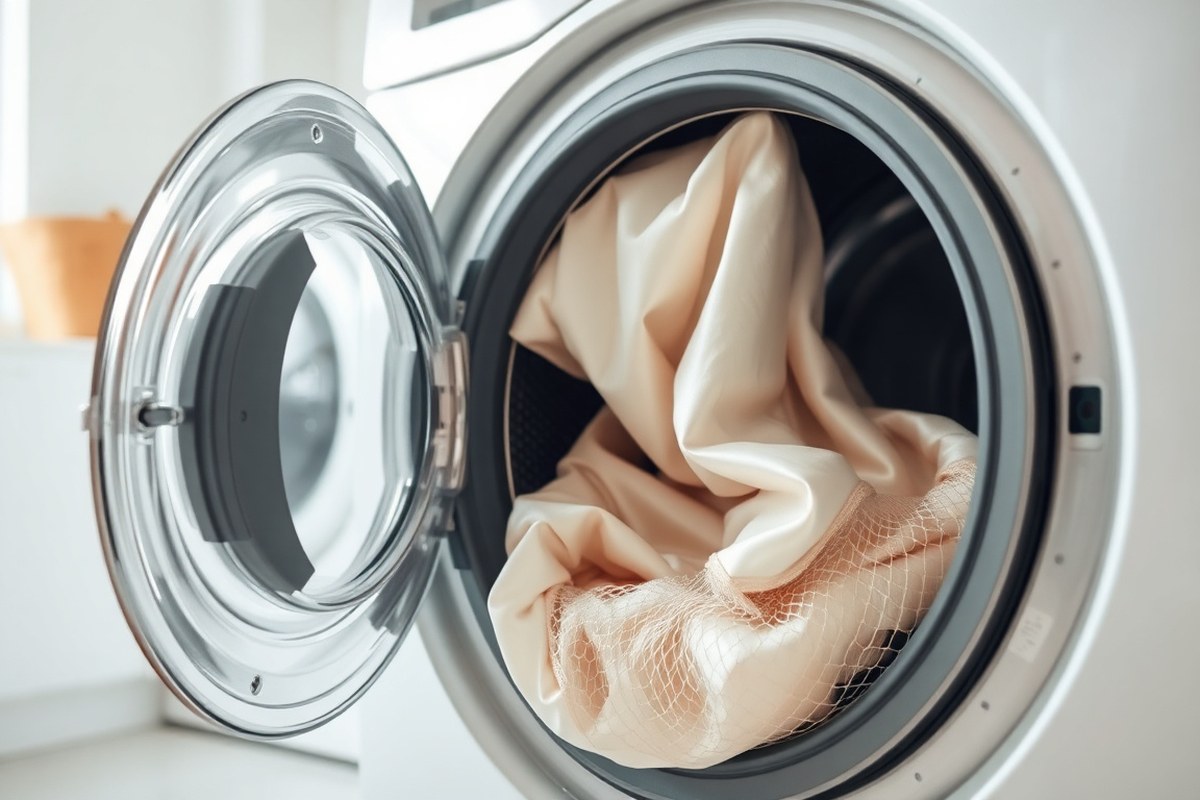
The care label also helps you assess which washing approach to choose. A garment without a label or with ambiguous instructions generally warrants hand washing to minimize risk. When the label permits machine washing, select the gentlest cycle your machine offers, use cold water below 80°F (27°C), and add a mild, pH-neutral detergent designed for delicate fabrics. Using a mesh laundry bag further protects silk during the spin cycle, which should be the shortest or turned off if possible. Employing less detergent than usual is key to prevent residue buildup and fiber stress.
Machine washing silk can save time and money compared to dry cleaning or hand washing, especially for larger items like bedsheets or pillowcases. However, machine washing demands strict adherence to label instructions and washing settings to avoid shrinking, weakening, or dulling silk fibers. Poorly managed machine washes might lead to visible wear, such as pilling, color fading, or fabric distortion.
To decide whether to machine wash or hand wash your silk, follow this checklist: first, verify the care label specifically allows machine washing; second, confirm the silk is colorfast; third, ensure the piece is free from embellishments or structural details. If all these points align, proceed with machine washing on a delicate cycle, cold water, minimal detergent, and use a mesh bag for protection. Otherwise, hand washing remains the safer option for preserving your silk’s quality and longevity.
Preparing Silk for the Washing Machine
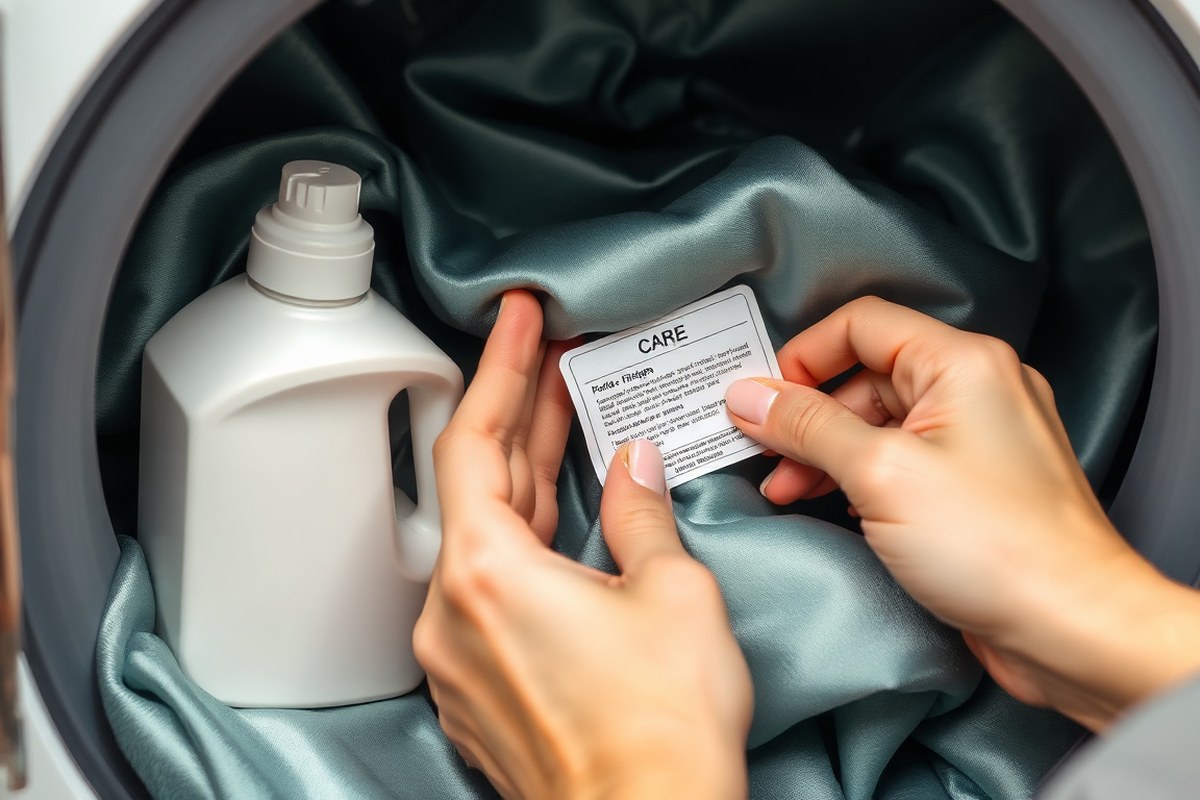
Before machine washing silk, proper preparation is important to protect the fabric and maintain its appearance. This includes reading care labels, checking the colorfastness, treating stains carefully, and preparing garments correctly for the wash. Following these steps helps reduce risks like color bleeding, fabric damage, or wrinkles.
Checking Care Label Instructions
The care label provides specific guidance on whether your silk garment can safely go in the washing machine. Some silk fabrics like silk georgette or heavily dyed items may require hand washing or dry cleaning only. Check for symbols indicating machine washability and recommended water temperatures. The label also indicates if a delicate or silk cycle should be used and warns against tumble drying or bleaching.
Ignoring care label instructions can cause irreversible damage such as shrinkage, color loss, or fabric weakening. Only machine wash silk if the label explicitly allows it, typically recommending cold water below 80°F (27°C) and a gentle cycle.
Testing Colorfastness Safely
Silk dyes may bleed or fade during washing, so testing colorfastness first protects your garment and others in the wash. Use a hidden area such as an inside seam or hem for the test. Dampen a white cloth or cotton swab with cold water and gently rub it on the test spot. If any color transfers to the cloth, the fabric is not colorfast and should be hand washed or dry cleaned instead.
Another method is to soak a small section of fabric in cold water with a gentle detergent for 10 minutes and observe any color change. Avoid adding other clothing if colors bleed. This test takes only a few minutes and helps you avoid ruining your silk.
Pre-Treating Stains Without Damage
Treat stains on silk before washing to improve cleaning results and prevent setting. Always use mild products such as a few drops of gentle detergent or a silk-safe stain remover. Avoid harsh chemicals, bleach, and abrasive scrubbing, which can damage the delicate fibers and alter the fabric’s sheen.
Apply the pre-treatment directly to the stain and gently blot with a clean, damp cloth. Let it sit for 5 to 10 minutes but do not let the pre-treatment dry on the silk. For protein-based stains like sweat, use cool water only since hot water can set stains on silk. Rinse the treated area with cold water before machine washing.
Always test any stain remover on a hidden area first to avoid discoloration or fabric damage.
Preparing Garments for the Wash Cycle
Preparation for machine washing includes securing garments and avoiding damage during the cycle. Fasten all buttons, hooks, and zippers to keep the fabric from catching or stretching. Turn silk items inside out to protect the outer surface, especially for printed or delicate weaves.
Place silk garments in a mesh laundry bag to prevent tangling and abrasion with other items and the machine drum. Avoid mixing silk with heavy or rough fabrics like denim or towels that can cause snags. Washing silk alone or with other delicate items reduces risk of damage and color transfer.
Use the gentlest machine settings with cold water below 80°F (27°C). Promptly remove silk from the machine after the cycle to prevent wrinkles and a musty odor from developing in damp fabric.
- Read the garment’s care label for washing instructions.
- Test colorfastness using a damp white cloth on a hidden area.
- Apply gentle pre-treatment to stains and rinse with cold water.
- Fasten buttons, zippers, and hooks securely.
- Turn the silk garment inside out.
- Place the garment in a mesh laundry bag.
- Load the machine with only silk or other delicates.
- Set the machine to delicate or silk cycle using cold water below 80°F (27°C).
Choosing Washing Machine Settings for Silk
Choosing the right washing machine settings for silk is key to protecting its delicate fibers. Use cold or cool water, ideally below 90°F (32°C), because hot water causes shrinking, stiffening, and color loss. Select a gentle or delicate cycle to limit agitation and mechanical stress, which can damage silk’s smooth texture.
The spin speed should be the lowest possible setting to reduce twisting and stretching. A high spin speed creates friction that may lead to snags or distortion. Wash silk items in small, separated loads, preferably alone or with other delicates to avoid rubbing against rougher fabrics. Placing silk in a mesh laundry bag offers extra protection against tangling and snagging, especially for pieces with embroidery or embellishments.
| Washer Setting | Safer Starting Point | Why It Matters For Silk |
|---|---|---|
| Cycle type | Gentle or delicate | Lowers mechanical stress and prevents fiber breakage |
| Water temperature | Cold or cool (under 90°F / 32°C) | Avoids heat stress that causes shrinking and fading |
| Spin speed | Lowest practical setting | Reduces twisting, stretching, and friction damage |
| Load size | Small, separated load | Prevents friction against rough fabrics |
| Add-ons (extra rinse, pre-wash) | Off, unless label allows | Avoids extra mechanical force or chemical exposure |
Machine wash silk on the delicate cycle using cold water and the lowest spin speed your machine offers. Separate silk from heavy or abrasive items to minimize friction. Use only mild, silk-safe detergents and skip extra rinse or agitation features that might add stress to the fabric.
For silk with decorative elements such as zippers or embroidery, washing alone or within a mesh bag reduces the risk of snagging. Keep the load small for optimal cleaning while minimizing rubbing. Following these guidelines helps preserve the fabric’s sheen, softness, and shape.
Detergents and Additives Safe for Washing Silk
Choose a mild, pH-neutral detergent designed for delicate fabrics when washing silk in a machine. Such detergents protect silk fibers from damage and help preserve the fabric’s natural sheen and color. Avoid harsh chemical detergents, enzyme-based formulas, bleach, and fabric softeners. Bleach can yellow silk and weaken its fibers, while fabric softeners and dryer sheets may coat the fabric, reducing its softness and shine.
Use only a small amount of detergent to prevent residue buildup on silk. Typically, 1 to 2 teaspoons (about 5 to 10 ml) of liquid detergent is enough for a small load. Powder detergents are less recommended because they may not dissolve completely and leave white spots. Pour the detergent into the washing machine’s detergent drawer rather than directly onto the silk garment to avoid stains or concentrated exposure.
- Pick a detergent labeled as pH-neutral and free of enzymes.
- Never use bleach or fabric softener on silk.
- Measure detergent carefully, use only 5 to 10 ml for a delicate cycle.
- Choose liquid detergent over powder to prevent residue.
- Pour detergent into the machine’s dispenser, not directly on silk.
- Skip dryer sheets or any chemical additives during the wash.
Using enzyme-free detergents is preferable because enzymes designed to break down protein stains can damage silk, which is a protein fiber. The pH-neutral aspect ensures the detergent won’t be too acidic or alkaline, which can weaken silk threads or cause fading. Stains on silk respond better to gentle treatment rather than aggressive chemicals. Overuse of detergent can make rinsing difficult and leave silk feeling stiff or rough.
Mild, specialized detergents for silk usually cost between $5 and $15 for a small bottle, making them an affordable choice for preserving expensive silk garments. Not using the recommended detergent or additives increases the risk of pilling, fading, or fabric weakening, which defeats the purpose of machine washing delicate silk items at home.
Step-by-Step Guide to Machine Washing Silk
Machine washing silk requires careful handling to avoid damage. Using a mesh laundry bag, cold water, and a gentle detergent on a delicate cycle helps protect the fabric. Follow the correct order of loading, washing, and removing silk to maintain its softness and shape.
Placing Silk in a Mesh Laundry Bag
Start by placing your silk garment inside a mesh laundry bag. This prevents the fabric from snagging or stretching due to agitation from the washer or contact with other clothes. Avoid mixing heavy items like jeans that can rub against silk and cause wear. A mesh bag adds an essential layer of protection, reducing friction and potential tears.
Use a bag sized to fit the garment comfortably without overcrowding. This ensures the silk has room to move gently in the wash cycle.
Selecting Detergent and Adding to Machine
Choose a mild detergent specifically designed for delicates or silk. Detergents labeled silk wash, baby shampoo, or no-rinse cleansers work best. Use about 1 to 2 capfuls or the amount recommended on the product label for your load size. Avoid bleach or strong detergents that can weaken silk fibers.
Add the detergent to the machine’s appropriate compartment before starting the cycle. This ensures it mixes well with water and evenly cleans the fabric.
Starting the Wash Cycle
Set your washing machine to the gentlest cycle with cold water, ideally below 80°F (27°C). The short, delicate cycle should last about 15 to 30 minutes to reduce exposure to agitation. You can wash silk alone or with other lightweight delicates placed inside a mesh bag to protect all items.
Lower water temperatures preserve silk’s natural proteins and prevent shrinkage. Avoid spin cycles over 400 RPM, which can cause creases or damage the fibers.
- Place the mesh bag with silk into the washing machine drum.
- Pour the measured mild detergent into the detergent compartment.
- Select the delicate or gentle cycle with cold water.
- Choose a short wash time, ideally 15 to 30 minutes.
- Disable or set the spin speed to low (no more than 400 RPM).
- Start the washing machine.
Never wash silk with heavy fabrics or items with zippers or buttons, which can snag the silk inside the machine.
Removing and Handling Wet Silk
Once the wash cycle finishes, promptly remove the silk garment from the mesh bag to prevent wrinkles. Avoid wringing or stretching the wet fabric. Instead, gently press between two clean towels to absorb excess water.
Place the silk on a flat surface or hang it somewhere shaded to air dry. Take the silk out of the washer right away to prevent wrinkles or damage. Treat wet silk gently to keep its soft feel and proper form.
How to Dry Silk After Machine Washing
Never tumble dry silk, as the high heat and tumbling action can cause shrinkage, distort the fabric, and dull its natural sheen. Silk is a delicate material that reacts poorly to heat, so drying it carefully helps maintain its texture and shape.
Laying silk flat to dry is usually better than hanging because it reduces stress on the fibers that can stretch the garment out of shape. Hanging silk, especially when wet, may cause the fabric to develop unwanted wrinkles or lose its drape, while flat drying helps preserve its smooth surface.
Dry silk in a cool, well-ventilated area, avoiding direct sunlight. Sunlight can fade the silk’s colors and weaken the fabric over time. In humid environments, use a dehumidifier or fan to speed evaporation, but never apply heat directly. When air circulation is poor, bring the silk indoors to stop musty smells or mildew.
Silk bedding and pillowcases need gentle care too. These larger items take longer to dry, so spreading them out flat on a clean, dry surface ensures even drying without excessive wrinkling. Provide enough space to flip the items now and then for better airflow. Avoid hanging silk sheets or pillowcases as they may stretch unevenly under their own weight.
- After washing, press silk gently between towels to remove excess water without wringing.
- Place silk flat on a clean, dry towel or drying rack to dry naturally.
- Keep silk away from direct heat sources like radiators or sunlight to prevent fading and damage.
- In humid weather, increase air circulation with fans or open windows.
- For silk bedding, dry in a single layer and flip occasionally.
- Avoid hanging heavy silk items to prevent stretching and wrinkles.
- Allow 6 to 8 hours for smaller silk garments and up to 24 hours for thicker silk bedding to fully dry.
Proper drying prevents silk shrinkage and helps maintain its smooth texture and vibrant colors. Handling silk with care after the wash means fewer wrinkles and a longer lifespan. Using these drying steps helps keep your silk items looking their best without the damage caused by heat or improper techniques.
Common Mistakes When Washing Silk in Machines
One common mistake with machine washing silk is using hot water. Hot water causes silk fibers to shrink and can make the fabric lose its natural sheen or become stiff. It may also cause colors to bleed or fade. To avoid this, always use cold or lukewarm water below 85°F (30°C). This temperature keeps the fibers intact and reduces damage.
Another frequent error is overloading the washing machine. When silk is washed with heavy or bulky clothes like denim or towels, it can stretch or lose its shape due to friction and uneven agitation. Wash silk alone or with other delicate fabrics to prevent this problem.
- Use cold or lukewarm water to prevent shrinking and color loss
- Wash silk separately or with other lightweight, delicate items
- Choose a gentle cycle with minimal agitation
- Avoid harsh detergents; use a mild silk-safe detergent instead
- Do not machine dry silk; air dry flat or hang in shade
- Remove silk promptly from the washer to prevent wrinkles
- Do not iron silk with high heat; use a low-temperature setting or steam carefully
Wrinkles and shrinking can result from leaving silk wet and crumpled in the machine. Removing your silk garment as soon as the cycle finishes helps avoid stubborn wrinkles. If shrinkage occurs despite precautions, gently stretching the damp fabric back to shape and air drying flat may restore some size. Avoid heated drying methods as they worsen shrinkage and dull the fabric.
High temperatures used for washing, drying, or ironing silk are the main factors that degrade its quality. Heat damages silk’s protein fibers, causing them to become brittle and lose their lustrous appearance. To maintain your silk’s texture and color, keep all contact with heat as low and brief as possible throughout the cleaning process.
When to Hand Wash or Dry Clean Instead of Machines
Machine washing silk is not always a safe choice. Hand washing and professional dry cleaning protect delicate fibers and details that machines might damage. Use these methods when the fabric or construction calls for extra care.
Silk Types Unsuitable for Machine Wash
Some silk fabrics should never go in a washing machine. Heavily textured silks, such as dupioni or raw silk, have rougher surfaces and uneven threads that can snag or lose shape in mechanical agitation. Delicate finishes like metallic threads, embroidery, or embellishments also make machine washing risky. These details can fray or detach with tumbling or spinning.
Silk garments with linings or bonded layers require care beyond what a gentle machine cycle can offer. Their multiple fabrics and construction make wet cleaning without professional knowledge likely to cause shrinkage, puckering, or distortion.
Indicators for Choosing Dry Cleaning
Labels reading “dry clean only” should be followed exactly. These instructions appear on garments made with unsure dyes, complex cuts, or structured tailoring that wet cleaning, especially machine washing, could harm. Dry cleaning uses solvents and controlled processes that preserve shape, color, and fiber integrity.
Serious stains or heavy soil also merit a trip to the dry cleaner. Home treatment risks setting stains or weakening fibers, while professionals use targeted methods that remove dirt safely. Silk suits, gowns with inner linings, and items with delicate trims often fall into this category.
Benefits of Hand Washing Silk
Hand washing lets you control water temperature, soap concentration, and agitation, reducing the risk of damage. Use cold or lukewarm water (around 80°F or 27°C) and a mild detergent suited for silk. Gently swish the item without wringing to maintain the fabric’s softness and sheen.
Hand washing is a practical middle ground when a label allows water but warns against machine cycles. It’s less expensive and simpler than dry cleaning, typically costing just a few minutes and a small amount of special detergent. The method helps you inspect the fabric closely for loose threads or stains before rinsing.
Evaluating Care Labels and Fabric Construction
Care labels offer the most reliable guidance for cleaning silk. Clear instructions to machine wash on a gentle or delicate cycle mean simpler fabrics without embellishments are likely safe in the machine. Ambiguous or restrictive labels, such as “hand wash only” or “dry clean recommended”, should be respected to avoid costly mistakes.
Assess the garment’s construction to back up label directions. Intricate designs, pleats, beads, or buttons demand gentler handling. The thickness and smoothness of the fabric also influence your decision. Thin, smooth charmeuse silk can handle a machine better than thick or nubby varieties, which usually do better with hand washing or dry cleaning.
Always follow the care label’s instructions first, then consider fabric texture and details before deciding on machine washing silk.
Step-by-Step Action Plan for Machine Washing Silk
Follow this plan to safely wash your silk garments in the washing machine while protecting their quality.
- Before you start: Check the care labels on your silk items to confirm they allow machine washing and avoid any with heavy embellishments or weak seams.
- Preparation phase: Turn silk garments inside out and place them in a mesh laundry bag to reduce friction and fabric damage during the wash.
- Loading the machine: Add only a few silk pieces at once to prevent overcrowding, which can cause tangling and stretching.
- Choosing settings: Set the washing machine to a delicate or hand-wash cycle with cold water and a slow spin speed to minimize stress on the fabric.
- Detergent use: Use a mild, pH-neutral detergent specifically formulated for silk or delicate fabrics, avoiding bleach or fabric softeners.
- Washing: Start the wash cycle and check that the machine runs quietly and gently without sudden movements or overload alarms.
- After washing: Remove the silk items immediately, reshape them gently, and lay flat on a clean towel to air dry away from direct sunlight or heat sources.
- Ongoing care: Inspect your silk after each wash for signs of damage and switch to hand washing or professional dry cleaning if you notice fading, shrinking, or weakened fibers.
Frequently Asked Questions
Is It Safe to Machine Wash Silk Pillowcases Regularly?
Yes, washing silk pillowcases in a mesh bag on a gentle cycle with cold water keeps them safe. Using less detergent prevents damage and keeps the fabric smooth and shiny.
How Long Should Silk Stay in the Washing Machine Cycle?
Use the shortest gentle cycle available, usually around 15-30 minutes, to limit fabric exposure. Longer cycles increase the risk of wear or damage to silk fibers.
Can I Wash Silk Mixed with Other Fabrics in the Machine?
It’s better to wash silk separately to avoid snagging or color transfer. Mixing with rough or heavy fabrics can damage the delicate silk fibers during the cycle.
Should I Use Fabric Softener When Machine Washing Silk?
Avoid fabric softeners, which can coat silk fibers and reduce their natural sheen. Use a gentle detergent designed for delicates instead for best results.
What Water Temperature Is Best for Washing Silk in a Machine?
Always use cold water below 80°F (27°C). Higher temperatures can shrink silk and weaken fibers. Cold water preserves silk’s texture and color.
Can I Spin Dry Silk in the Washing Machine?
Use the shortest, gentlest spin cycle or skip spinning entirely to prevent stretching. Too much spinning can distort silk’s shape and cause wrinkles.
Final Thoughts
Machine washing silk is possible if done carefully with the right settings and gentle detergents. Always treat silk garments with caution and limit machine washing to pieces labeled safe for it. Start by washing on a delicate cycle with minimal agitation to protect your silk’s texture. Try washing one less valuable item first to gain confidence before handling your more treasured silk pieces.