Do You Wash Leather Jackets? Complete Guide with Proven Care Methods
You can wash leather jackets carefully without causing damage, especially if the leather is 100% genuine. Using gentle methods and proper conditioning keeps your jacket looking good and lasting longer. This advice suits leather jacket owners, fashion enthusiasts, and anyone new to leather garment care seeking safe cleaning tips.
This article offers clear guidance on how to clean different leather types, when to condition, and how to remove stains or odors. It also explains how to handle the jacket’s lining and when professional help is necessary for tough cleaning tasks.
Key Takeaways
- Only wash sturdy, 100% genuine leather jackets with mild methods to prevent damage.
- Condition your leather jacket every 6 to 12 months, more frequently if you wear it often.
- Soft or thin leather needs gentler care compared to tough cowhide or lambskin jackets.
- Use a clean, white microfiber cloth when wiping leather to avoid dye transfer.
- Leather cleaning solutions are affordable and last for years, making them a good investment.
- Dry jackets naturally for at least 24 hours before storing or wearing again.
Can You Wash Leather Jackets Without Damage?
You can wash leather jackets, but doing so safely requires careful handling to avoid damage. Genuine leather should never go in a washing machine because the agitation, heat, and water amount can make the leather crack, stiffen, or damage the seams. Instead, hand washing with mild soap and water or using a professional leather cleaning service is the best choice. Washing leather jackets is a delicate process because leather is porous and sensitive to water. Excessive moisture can saturate the leather, causing it to lose its natural oils and flexibility.
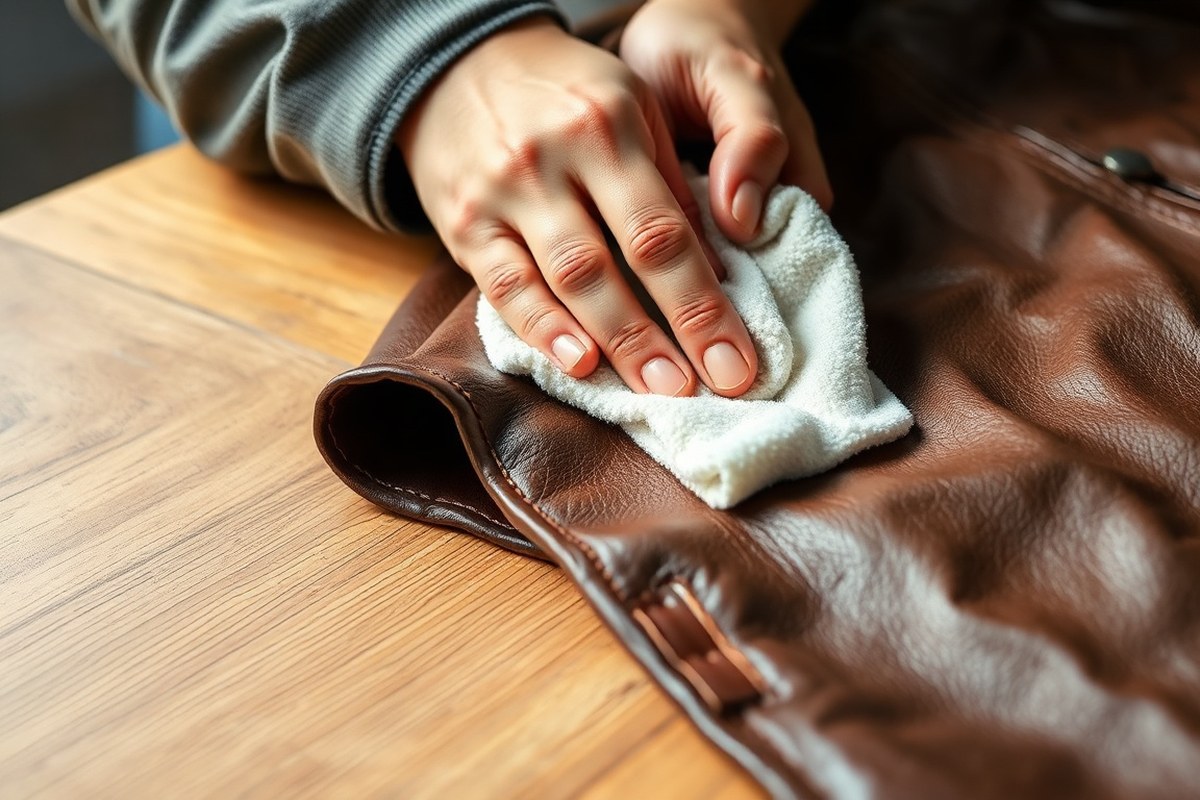
To clean a leather jacket at home, use warm water mixed with a small amount of mild baby soap or a dedicated leather cleaner. Always test the solution on a hidden spot first to make sure it won’t discolor or harm the leather. Use a soft cloth or a soft-bristled brush to gently remove dirt or stains. Avoid soaking the leather; apply just enough solution to lightly clean the surface. After cleaning, air dry the jacket at room temperature away from direct sunlight or heat sources. Heat speeds up drying and can cause the leather to become brittle or crack.
Water and soap won’t ruin your leather jacket if used cautiously, but too much water or harsh chemicals will. Avoid chemical cleaners not specifically designed for leather, as they can strip the leather’s protective finish. When your jacket gets too wet during cleaning, blot off the extra moisture right away using a dry cloth and let it air dry naturally. This helps prevent water stains and damage.
Considering how easily water can harm leather means you should clean your jacket only when necessary, not too often. Cleaning it rarely keeps the leather looking its best. In cases of tough stains, odors, or significant dirt buildup, professional leather cleaning is safer and often more effective, though it typically costs from $50 to $150 depending on the service and location.
Faux leather offers more flexibility with cleaning; it can sometimes tolerate gentle machine washing on a cold, delicate cycle. However, genuine leather does not handle machine washing at all. Cleaning at home or selecting professional care, using gentle, controlled methods helps keep the leather soft, colorful, and long-lasting.
How Different Types of Leather Affect Cleaning Methods
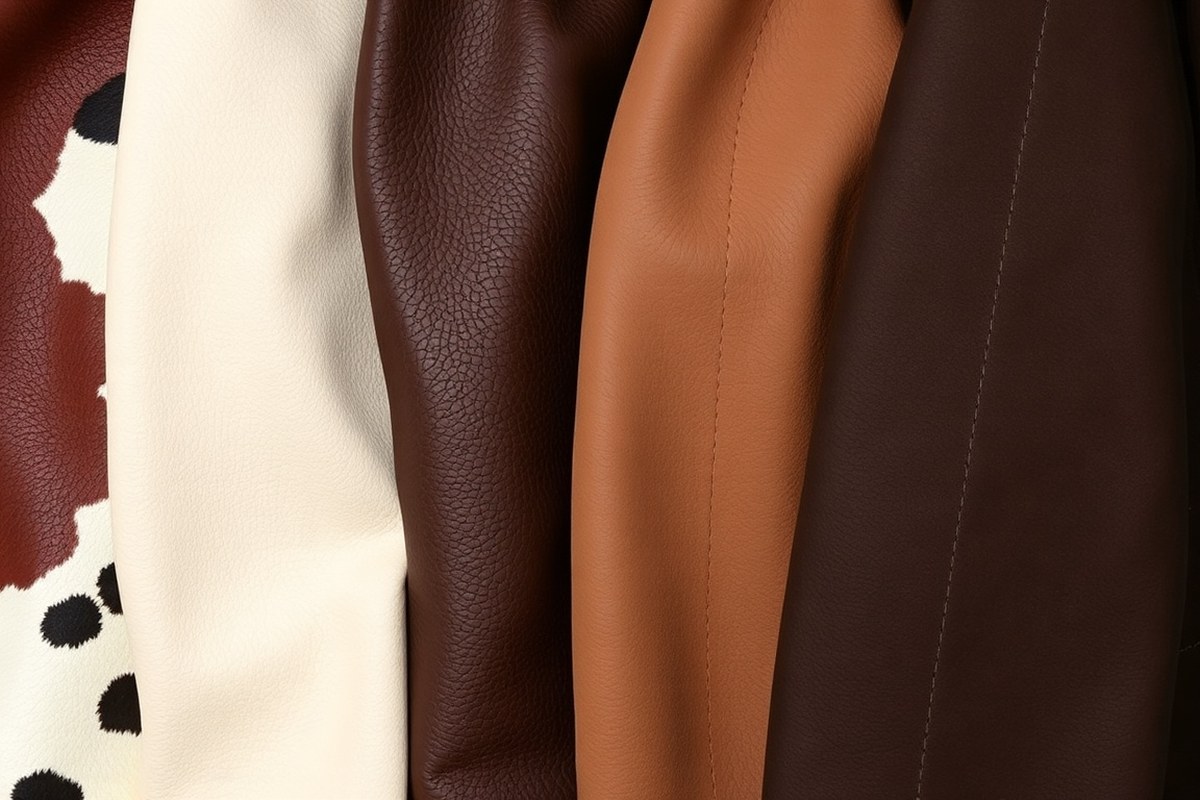
The cleaning approach depends greatly on the leather type of your jacket. Popular options are smooth finished leather, suede, nubuck, and softer varieties such as lambskin. Smooth leather tolerates gentle soap and water better than suede or nubuck, which are fragile and easily damaged by moisture. Knowing these distinctions prevents damage and supports the right care for each leather kind.
Smooth and full-grain leathers tolerate gentle hand washing with water plus a few drops of mild dish soap or leather cleaner. Use a damp microfiber cloth to wipe away surface dirt and avoid soaking the jacket. Soft or textured leathers like lambskin, and especially suede or nubuck, should never be soaked or hand washed. These need dry cleaning methods or specialized suede brushes and cleaners. Using water or regular soap on suede can cause discoloration and stiffen the material.
The following table breaks down popular leather types, how well they tolerate water, and the best cleaning practices along with products you should avoid:
| Leather Type | Water Tolerance | Recommended Cleaning Method | Products/Methods to Avoid |
|---|---|---|---|
| Smooth Finished Leather | Moderate – can withstand light hand washing | Damp microfiber cloth with mild dish soap or leather cleaner | Soaking in water, harsh detergents, machine washing |
| Full-Grain Leather | Moderate – similar to smooth leather | Spot clean with gentle soap and water, condition regularly | Excessive water immersion, strong chemicals |
| Suede | Low – very sensitive to water | Use a suede brush regularly; spot clean with suede-specific cleaner | Water, household soaps, rubbing or scrubbing |
| Nubuck | Low – sensitive but slightly more durable than suede | Dry brush and suede-safe cleaning products | Water, typical leather cleaners, soaking |
| Soft/Thin Leather (e.g., Lambskin) | Low – delicate and water-sensitive | Professional cleaning recommended; gentle wiping if needed | Hand washing, water saturation, rough handling |
Delicate leathers like lambskin are generally not suitable for hand washing. Attempting to wash these at home can cause stretching, color loss, and surface damage. For these, it’s safer to rely on professional cleaners with experience in leather care. For suede jackets, dusting and brushing regularly with a suede brush is the best way to keep them clean without risking water damage.
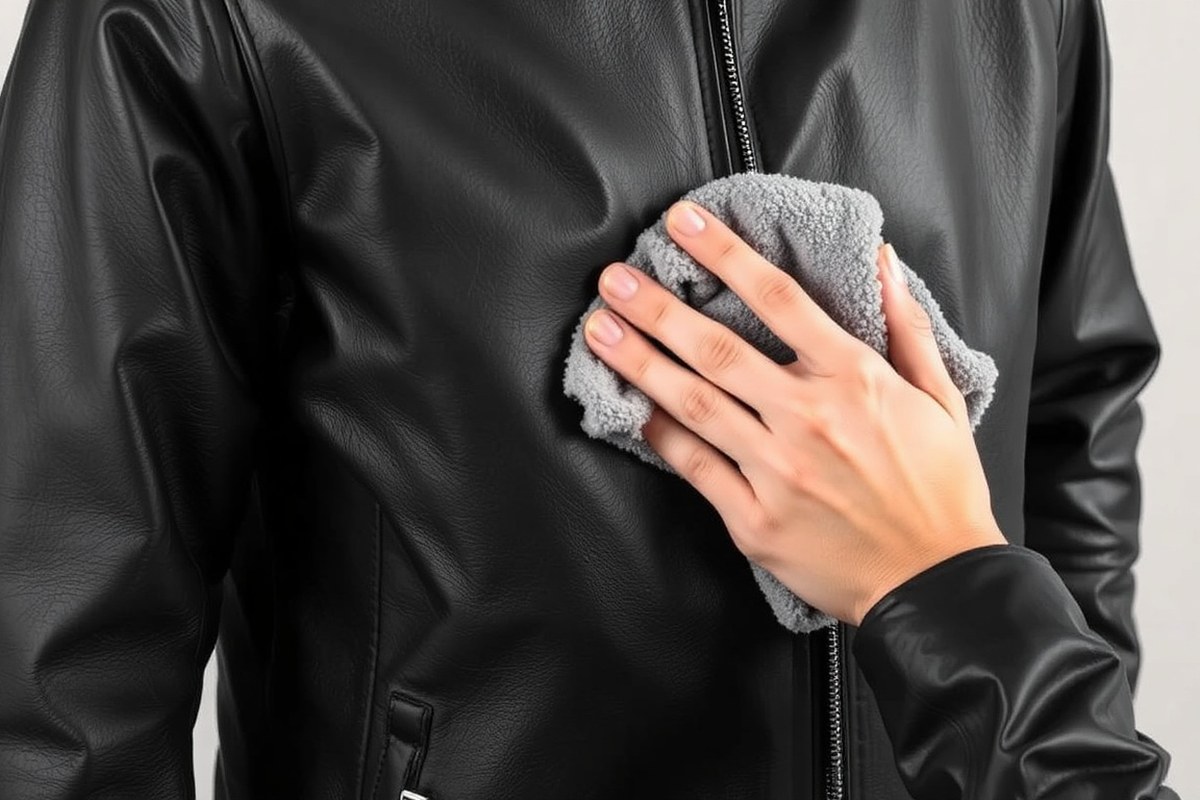
Use only clean white or natural-colored microfiber cloths when wiping leather to avoid dye transfer that can stain your jacket.
Always try to identify the leather type before you begin cleaning. When in doubt, use the gentlest approach possible and choose products specifically designed for leather maintenance. Avoid household cleaning products unless labeled safe for your leather type. Regular conditioning after cleaning maintains flexibility and appearance, but this process varies by leather kind, so adjust accordingly for the best results.
When and How Often Should You Clean and Condition Leather Jackets?
You should clean and condition your leather jacket based on how often you wear it, the weather conditions, and how you store it. Regular light cleaning after each wear, monthly spot checks, and a deep clean with conditioning every 3 to 6 months will keep the jacket in good shape. Climate factors like humidity or exposure to sweat and rain may require more frequent care.
After Each Wear Care
After wearing your leather jacket, wipe off any dust or surface dirt with a dry, soft cloth. This simple step prevents dirt buildup that can dull the leather’s finish. Make sure to air out the jacket before storing it to allow moisture and odors to dissipate. Avoid folding or stuffing it in cramped spaces; hang it on a padded hanger to maintain its shape and prevent creases.
Monthly Spot Cleaning
Once a month, inspect your jacket closely for stains and areas where oils might accumulate, such as the collar, cuffs, and seams. Use a barely damp cloth to gently blot any spots instead of rubbing, which can damage the surface. Apply a specialized leather spot cleaner if necessary, following product instructions carefully. Paying attention to these trouble spots helps keep the jacket looking fresh between deep cleanings.
Deep Clean and Conditioning Schedule
A full deep clean combined with conditioning should be done every 3 to 6 months. This timeline suits jackets you wear regularly, especially if you encounter sweat, rain, or dirt often. The deep clean removes oils and grime that surface wipes cannot reach. Conditioning immediately after cleaning replenishes the leather’s moisture, preventing drying and cracking. For leather types like cowhide or lambskin used frequently, condition every 3 to 6 months; less frequent wearers can condition once a year. Apply a small amount of conditioner to a soft, lint-free cloth and rub it in gently using circular motions. Overconditioning can make the leather sticky, so stick to this schedule for the best results.
Seasonal and Storage Preparation
Before putting your leather jacket away for the season, clean and condition it thoroughly. This helps stop the leather from drying and cracking while it’s not being worn. Hang the jacket on a padded hanger and keep it in a cool, dry spot, away from sunlight or heat that can cause fading and damage. For those in humid areas, using a breathable garment bag can lower moisture and prevent mildew. These precautions ready your jacket for storage and preserve its condition until you wear it again.
Step-by-Step Guide to Hand Washing Your Leather Jacket Safely
Hand washing your leather jacket is the safest way to clean it without causing damage. This method uses gentle products and techniques that protect the leather’s texture and colour while removing dirt and oils. Proper hand washing also ensures the leather does not soak or become stiff after drying.
Gathering Materials and Tools
You need soft cleaning tools and mild, leather-safe products to hand wash your jacket effectively. Avoid harsh detergents, abrasive brushes, or anything that may scratch or strip the leather’s finish. Using the right supplies lets you clean without risking dryness or discoloration. Prepare these items before you start:
- Soft, lint-free cloths or sponges (avoid rough or scouring pads)
- Mild leather cleaner or a small amount of mild, pH-balanced soap (like baby shampoo)
- Two bowls: one for clean water, one for the diluted cleaner
- Leather conditioner suitable for your jacket’s leather type
- Towel or absorbent cloth for drying
- A space with good air circulation and away from direct sunlight or heat
Pre-Cleaning: Dust and Spot Treatment
Before washing, remove surface dust and test cleaning products on an inconspicuous area first, such as inside a pocket or under a lapel. This helps avoid unexpected damage or colour changes. Lightly wiping away dust prevents it from grinding into the leather during cleaning.
If you notice spots or stains, gently dab them with a slightly damp cloth rather than scrubbing vigorously. For minor odors, spot cleaning or deodorizing methods are better suited than full washing.
Gentle Cleaning Procedure
Use a very mild cleaning solution to wipe your jacket carefully without soaking the leather or causing uneven patches. The goal is a light, even clean that preserves natural oils. Follow these steps to hand wash your leather jacket safely:
- Mix a few drops of mild leather cleaner or a tiny bit of baby shampoo in about 1 cup (240 ml) of lukewarm water to create a gentle cleaning solution.
- Dip a soft cloth or sponge into the solution, then wring it out thoroughly so it’s moist but not dripping.
- Wipe down the jacket in sections, moving gently across seams and avoiding excessive water on any spot.
- Rinse the cloth in plain water, wring well, and wipe over the jacket again to remove soap residue.
- Use a dry, soft towel to blot off any moisture on the surface without rubbing.
Do not immerse the jacket or use a lot of liquid. Excess water can cause saturation, which risks stiffening, shrinking, or damage to dyes.
Drying and Conditioning Post-Wash
Proper drying prevents leather from cracking or becoming stiff. Lay the jacket flat on a dry towel in a well-ventilated room away from direct heat or sunlight. Avoid hang drying because the weight of the wet jacket can stretch the leather out of shape.
Once the leather feels dry to the touch, apply a thin layer of leather conditioner with a clean, soft cloth. Conditioning restores moisture lost during washing and helps maintain suppleness. Follow the conditioner’s instructions, usually letting it absorb for several hours before wearing or storing the jacket.
How to Remove Tough Stains and Odors from Leather Jackets
Removing tough stains like oil, ink, and sweat from a leather jacket requires careful techniques to avoid damaging the material. For oil or grease stains, sprinkle baking soda, cornstarch, or baby powder directly on the affected area and let it sit for several hours to absorb the oil. Afterward, gently brush off the powder with a soft cloth. This method helps lift oil without soaking the leather, which can cause stiffness or discoloration. When the stain won’t come out, gently dab a small amount of acetone-free nail polish remover on a cotton swab and blot the spot. Test on a hidden area first to make sure the color won’t fade.
Ink stains are more challenging and require precision. Dab a cotton swab with rubbing alcohol and gently blot the ink mark, avoiding rubbing or spreading it. Alcohol can dry the leather, so apply this treatment sparingly and follow up with a leather conditioner to restore moisture. When the ink stain resists cleaning, it’s best to seek a professional’s help because strong solvents might damage the leather finish.
For sweat odors, superficial cleaning with a mild, non-detergent soap diluted in lukewarm water can help. Lightly dampen a cloth and wipe the leather’s surface, then use a dry towel to remove excess moisture. Never soak the jacket or let water penetrate deeply, especially around seams. To freshen odors without risking damage, you can also place the jacket in a well-ventilated area out of direct sunlight, or use specially formulated leather deodorizers. Avoid household cleaners containing harsh chemicals like bleach or ammonia, as these can strip away natural oils and lead to cracks.
Homemade cleaners like diluted vinegar or baking soda solutions should be used with caution, as they may alter leather’s color or texture. Rely on products formulated specifically for leather whenever possible. These cleaners are designed to break down stains gently while maintaining leather’s protective finish. After stain removal, apply a leather conditioner to replenish oils and keep the jacket soft and supple.
Always test any cleaner on a hidden area of your leather jacket to ensure it doesn’t cause discoloration or damage before treating visible stains.
Cleaning and Caring for the Lining Inside Leather Jackets
Cleaning the inside lining of a leather jacket requires gentle methods that avoid harming the leather exterior or jacket structure. The lining can sometimes be washed independently using mild soap and water, but it’s important to avoid harsh chemicals and excess moisture. Proper drying techniques and occasional professional cleanings ensure the lining remains fresh without compromising the jacket’s integrity.
Spot Cleaning the Lining
Spot cleaning is the safest way to refresh the lining without risking damage to the leather outside. Small stains or spills on the lining should be addressed quickly using a mild soap solution to prevent setting and odor buildup. Using a soft cloth minimizes friction that could weaken the fabric or push moisture through to the leather.
Use a mixture of lukewarm water and a gentle soap, such as a mild detergent or the same soap solution used for the leather exterior. Avoid bleach, ammonia, or any strong chemicals that might weaken the lining fabric or damage the leather from the inside.
Hand Washing the Lining
Hand washing the lining is possible if the jacket design allows easy access or partial removal of the lining. Apply a mild soap solution sparingly to avoid wetting the leather. This method suits jackets with fabric linings that are sturdy enough to withstand light washing but delicate enough to need careful treatment.
- Turn the jacket inside out or open any lining zippers if available.
- Mix lukewarm water with a small amount of mild soap or detergent.
- Dip a soft cloth into the solution and wring out excess water to prevent soaking.
- Gently dab and wipe small areas of the lining, avoiding the leather sections.
- Rinse the cloth with clean water, wring it dry, and use it to remove any soap residue from the lining.
- Pat the lining dry with a clean towel to absorb moisture.
- Allow the jacket to air dry fully in a well-ventilated area, away from direct sunlight or heat sources.
Cleaning agents safe for the lining include mild detergents and wool or silk-specific soaps, depending on the fabric. Avoid washing machines or submerging the jacket, since excess water can penetrate the leather and cause stiffness or damage.
Drying and Odor Removal
Dry the lining naturally by hanging the jacket in a cool, shaded, and well-ventilated area. Avoid any form of direct heat such as hair dryers, heaters, or sunlight, since these can dry out and crack the leather exterior. A closet hanger works well as it supports the jacket’s shape while allowing airflow.
For odor removal, occasionally air out the jacket and use fabric-safe fresheners inside the lining or place odor-absorbing sachets in pockets. Deep-set odors or mold require professional cleaning to prevent damage to both lining and leather.
Preventing Future Lining Stains
Regular maintenance helps reduce lining stains and keeps the jacket fresh. Wearing clean clothes underneath, avoiding eating or drinking while wearing the jacket, and promptly addressing spills protect the lining. Letting the jacket air out occasionally helps prevent buildup of sweat and odors.
Professional cleaning every 1 to 2 years is advisable for jackets worn frequently. This ensures both the leather and lining remain in good condition without the risks of home cleaning mishaps.
Drying and Conditioning After Cleaning: Best Practices
Proper drying is essential after cleaning your leather jacket to avoid damage such as cracking or stiffness. Once washed or wiped down, hang your jacket immediately on a padded or wooden hanger. This helps maintain the jacket’s shape and prevents dimples, especially in the shoulders. Place the hanger in a well-ventilated area away from direct sunlight and heat sources like radiators or hairdryers. Air drying typically takes anywhere from several hours up to 24 hours, depending on humidity and room temperature. Avoid any artificial heat because leather materials can become dry and brittle, leading to permanent damage.
Exposure to brief light rain usually won’t harm your leather jacket. After getting slightly wet, allow it to air dry naturally using the same method. When the jacket completely dries, it’s the right time to apply leather conditioner. Conditioning restores the essential oils leather loses during cleaning and drying, keeping it supple and preventing cracks. For conditioning, apply a small amount, about a dime-sized drop, of a quality leather conditioner to a clean, dry cloth. Rub the conditioner gently into the leather in thin, even circular motions, covering the entire surface evenly.
After applying conditioner, let the jacket air dry once again in the same cool, shaded place. Do not use heat to speed up this process, as it can negate the benefits of conditioning. Conditioning should happen every few months or immediately after any deep cleaning or exposure to moisture. This routine will maintain the leather’s flexibility and durability. Conditioning cannot fully fix extreme dryness or cracks but can significantly improve mild dryness if done regularly.
Leather jackets that dry out lose their natural oils, leading to stiffness and cracking. Proper drying combined with conditioning reverses early-stage dryness but prevents future damage better than repair. If you notice flaking or deep cracks, professional leather care services may be required. For everyday care after cleaning, always air dry your jacket away from light and heat, then apply conditioner carefully. This approach protects your leather jacket’s look and feel, preserving its longevity and comfort.
When to Choose Professional Cleaning for Your Leather Jacket
Professional cleaning for your leather jacket becomes necessary when you face stubborn stains that resist specialized leather cleaners or when damage extends beyond surface grime to include scratches, tears, or discoloration. Avoid DIY methods if your jacket shows signs of cracking, deep stains, or if the leather feels stiff and brittle, as improper cleaning can make these issues worse. Expert repair handles not only cleaning but also conditioning and restoration, preserving your jacket’s texture and color.
Look for a cleaner who specializes exclusively in leather care, rather than a general dry cleaner. Specialty leather cleaners have the right tools, products, and experience tailored for delicate leather fibers. Confirm their expertise by asking about the types of leather they service and requesting examples of previous work. Costs vary but expect to spend between $50 and $150 depending on the jacket’s condition and the treatment complexity. Professional cleaning usually takes from a few days to a week, so plan accordingly.
When deciding whether to take your leather jacket to a professional, consider the expense of replacing or irreparably damaging a costly item. High-quality jackets can retain value and appearance longer with professional upkeep. For lighter dirt or occasional freshening, a DIY approach with a vetted leather cleaner suffices; for major stains or long-term damage, professional service is worth the investment.
The process professionals follow includes evaluating the jacket’s leather type, applying specialized cleaners that won’t strip natural oils, and using conditioners to restore softness and water resistance. They also address internal linings carefully, which helps maintain the jacket’s overall shape and comfort. Expect results that look refreshed but still natural, without the dryness or stiffness caused by improper at-home cleaning.
Always address spills on leather immediately to prevent permanent stains that even professionals may struggle to remove later.
Step-by-Step Action Plan for Cleaning and Maintaining Your Leather Jacket
Follow this plan to keep your leather jacket clean, conditioned, and looking great without causing damage.
- Before You Start: Check your jacket’s care label and identify the leather type to choose the best cleaning method.
- Day 1: Test any cleaning product on a hidden area to ensure it doesn’t discolor or harm the leather.
- Week 1: Gently spot-clean any small stains with a damp cloth and mild soap, then let the jacket air dry away from direct heat.
- Week 2: Apply a leather conditioner to the entire jacket to keep the leather supple; wait for it to absorb fully (usually 15-30 minutes).
- Monthly: Check and clean the lining using a fabric-safe cleaner or gentle vacuuming to avoid dirt buildup.
- Quarterly: Inspect the jacket for tough stains or odors and target them with specialized leather cleaners or spot treatments as needed.
- Every 6 Months: Consider having your leather jacket professionally cleaned if it has stubborn grime, strong odors, or if the leather feels dry and cracked.
- After Cleaning: Always air dry your jacket at room temperature, then reapply conditioner to maintain softness and longevity.
Frequently Asked Questions
Can You Put a Leather Jacket in the Washing Machine?
No, machine washing is too harsh and can damage the leather’s texture or cause shrinking. Always hand wash gently or use professional cleaning services.
Is It Safe to Use Vinegar on Leather Jackets?
Yes, warm water mixed with vinegar in equal parts can safely clean leather and remove odors. Test on a small area first to avoid discoloration.
Can You Use Regular Soap to Wash a Leather Jacket?
Mild soap is fine for hand washing, but harsh soaps should be avoided. Specialized leather cleaners are recommended for the best care.
How Do You Dry a Leather Jacket After Washing?
Air dry your jacket away from direct heat or sunlight to prevent drying out and cracking. Never use a dryer or heater.
Can Leather Jackets Be Damaged by Over-Conditioning?
Yes, over-conditioning can lead to a sticky surface or attract dirt. Condition only after cleaning and as needed to keep leather supple.
Does the Type of Leather Affect How You Wash a Jacket?
Yes, soft or thin leather needs more delicate care, while sturdy leather can handle mild cleaning methods better. Suede jackets require special attention.
The Bottom Line
You can clean your leather jacket safely at home by understanding its leather type and using gentle, tested methods. Regular conditioning keeps the material in good shape and prevents damage. Next time you notice a stain or your jacket feels dry, apply the right cleaner or conditioner promptly to extend its lifespan and keep it looking sharp.