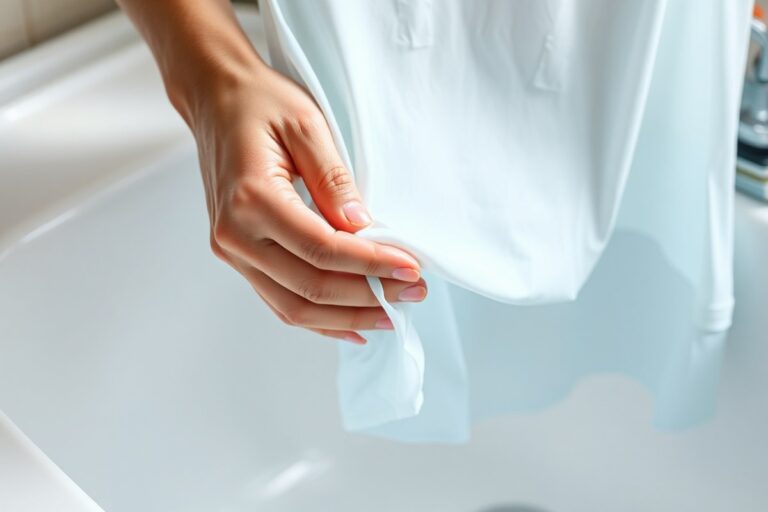
How Can You Remove Mildew from Fabric: 8 Proven Methods That Work
Removing mildew from fabric requires addressing both the visible stains and the odor with safe cleaning practices tailored to your fabric type. Using methods like vinegar soaks, baking soda treatments, and proper drying techniques will help you restore and protect your clothes and linens effectively.
This information is designed for homeowners and renters facing mildew on various fabrics. You’ll learn practical, proven ways to clean mildew safely, choose suitable treatments, and prevent it from coming back, ensuring your fabric stays fresh and damage-free.
Key Takeaways
- Always check fabric care labels before applying any cleaning solution or bleach to avoid damage.
- Use a vinegar and water soak (equal parts) for 30 minutes to tackle stubborn mildew smells before washing.
- For white cotton and linen, soak mildew spots in a diluted bleach solution (1/4 cup bleach per 3/4 cup water) if allowed.
- Treat mildew stains by working liquid detergent into the spot and letting it sit for 15 minutes to loosen mold.
- Wash clothes in water heated to at least 140°F (60°C) to kill mold spores effectively.
- Ensure clothes, especially thick areas like cuffs and waistbands, are completely dry before storing to prevent mildew growth.
1. How to Remove Mildew from Fabric Safely

Removing mildew from fabric safely requires both eliminating visible growth and addressing the musty odor. Mildew is an early stage of fungal growth that appears as light spotting and can cause unpleasant smells. It’s important to treat mildew promptly because visible mold indicates more serious contamination that might not be fully removed by home methods alone. Effective removal depends on selecting the right cleaning steps based on the fabric type, using appropriate soaking and washing, and ensuring thorough drying to prevent recurrence.
Use a step-by-step approach focused on gently breaking down mildew, washing away spores, and drying fabric completely without causing damage or shrinkage. Certain ingredients like vinegar and baking soda help remove odor and mildew residue better than detergent alone. Avoid fabric softeners during treatment since they can lock in dirt. Use the hottest water safe for the specific fabric to kill spores and loosen mildew particles. Lastly, dry the fabric thoroughly in fresh air or a heated dryer depending on the fabric’s tolerance.
- Inspect the fabric for visible mildew spots. When you notice mold, handle the item carefully to avoid spreading spores. Wear gloves and work outside if possible.
- Prepare a soaking solution suitable for your fabric: use white vinegar or oxygen bleach for colored fabrics; a diluted chlorine bleach soak is an option for white cotton or linen if the care label permits. Soak for 10 to 15 minutes to break down mildew.
- Gently brush away loosened mildew outdoors after soaking. Avoid harsh scrubbing on delicate fabrics to prevent damage.
- Wash the fabric using the hottest water safe for the material as indicated on its label. Add standard detergent but avoid overloading or adding fabric softeners. Include an extra rinse to help remove spores and residues.
- Check for remaining odor or stains before drying. Should the mildew scent remain, repeat the vinegar soak or washing process before drying.
- Dry the fabric thoroughly in direct sunlight or a heated dryer according to the fabric’s instructions. Sunlight aids in reducing odor but can fade bright or dark colors, so use caution.
- Wring out excess water after washing to speed drying and prevent mildew from returning during the drying phase.
Mildew can be completely removed from most washable fabrics when these steps are followed carefully. Persistent stains or mold growth beyond surface mildew may require professional cleaning. Use this method within a timely window from spotting mildew for the best results and always check fabric care labels before applying any soaking or heat treatments.
2. Choosing the Right Cleaning Method by Fabric Type

Selecting the right cleaning method depends on your fabric type and color fastness to protect the fibers and avoid spreading mildew. Cotton and other sturdy fabrics tolerate stronger treatments like bleach or hot water washing, while delicate fabrics like silk, wool, or certain synthetics require gentler care to prevent damage. Always check the care label before choosing a cleaning agent or temperature.
For white cotton and linen, chlorine bleach can effectively remove mildew if the label approves it. A common approach is soaking the fabric in 1/4 cup of bleach mixed with 3/4 cup of water for 10 to 15 minutes, then rinsing thoroughly. Oxygen bleach, which is color-safe, is a better option for washable colored fabrics to avoid fading. Vinegar works as a milder alternative that disinfects without the harshness of bleach.
Delicate fabrics need special attention. Use cold water and mild detergents, avoiding chlorine bleach or high heat. A soak in a vinegar-water solution (1 cup white vinegar per gallon of warm or cool water) for an hour can help lift mildew odors and spores without risking color loss or fabric weakening. After soaking, wash on a gentle cycle and air dry.
| Fabric Type | Recommended Cleaning Agent/Method | Water Temperature | Bleach Safety | Duration |
|---|---|---|---|---|
| White Cotton/Linen | Chlorine bleach (1/4 cup bleach per 3/4 cup water) | Warm to hot (follow label) | Only if label allows | Soak 10-15 minutes, then rinse |
| Colored Cotton/Synthetics | Oxygen bleach or vinegar solution | Warm or as label directs | Use oxygen bleach only; no chlorine bleach | Follow product instructions |
| Delicate Fabrics (Silk, Wool) | Mild detergent; vinegar soak (1 cup per gallon) | Cold or cool water | No bleach | Soak 1 hour, wash gently |
| Machine-Washable, Colorfast | Hot water wash per label; oxygen bleach | Highest temperature allowed by label | Oxygen bleach safe | Normal wash cycle |
Wash machine-safe items at the highest temperature recommended on the care label to kill mildew spores effectively. After treatment, drying fully in sunlight or a warm dryer can help remove residual mildew odors and prevent regrowth. Avoid fabric softeners or dryer sheets on mildew-affected clothes, as they can trap moisture and worsen odor.
Always spot-test cleaning solutions on a hidden part of the fabric to avoid unexpected damage or discoloration.
3. Using Vinegar, Baking Soda, and Other Natural Remedies
Natural cleaning agents like vinegar and baking soda effectively remove mildew stains and odors because they neutralize odors and kill mildew-causing bacteria without harsh chemicals. Vinegar’s acidity breaks down mildew, while baking soda’s alkalinity absorbs lingering smells. Lemon juice and hydrogen peroxide offer antiseptic and deodorizing properties, providing safe alternatives depending on the fabric and severity of the mildew problem.
White Vinegar for Mildew Removal
White vinegar contains acetic acid, which breaks down mildew stains and inhibits mold growth. It works as a natural disinfectant and deodorizer that eliminates the musty smell mildew leaves behind. To remove mildew stains, soak the affected fabric in a solution of one part white vinegar and one part water for about 30 minutes before washing. For stronger odors, soak for up to an hour using hot water with one cup of vinegar.
Vinegar also acts as a natural fabric softener, replacing chemical softeners that can trap mildew smells in fibers. Adding one cup of plain white vinegar to your washing machine during the rinse cycle aids in thoroughly neutralizing mildew odors while keeping garments fresh. Avoid using vinegar on delicate fabrics like silk or acetate, as the acid can damage them.
Baking Soda to Neutralize Odors
Baking soda is naturally alkaline, which helps neutralize acidic odors caused by mildew. It absorbs and freshens smells that remain after vinegar treatment loosens the mildew’s hold on the fabric. For mildewed laundry, add half a cup of baking soda directly to the washing machine drum along with your detergent. This method helps eliminate stubborn odors, leaving garments smelling clean without chemical fragrances.
For persistent smell, make a paste by mixing baking soda with a small amount of water or lemon juice, then apply it directly to the stained area. Let it sit for 15 to 30 minutes before washing as usual. You can also sprinkle baking soda inside storage areas or closets to help prevent mildew odors from returning.
Lemon Juice and Hydrogen Peroxide Applications
Lemon juice is a gentle natural alternative that adds a refreshing scent and contains mild acidic properties to break down mildew stains. Create a paste by mixing lemon juice with salt and applying it to stained areas, then leave it out in sunlight for 15 to 30 minutes before laundering. Lemon juice is safe for most washable fabrics but avoid prolonged exposure to direct sunlight on colored fabrics to prevent fading.
Hydrogen peroxide is an antimicrobial agent that can kill mildew and its odor effectively. Use a 3% hydrogen peroxide solution, applying it directly to mildew stains and letting it sit for about 10 minutes before washing. Test on a small hidden area first, as hydrogen peroxide can bleach or weaken some fabrics. It’s a strong alternative when vinegar or lemon juice doesn’t fully remove mildew odors or stains.
4. How Heat and Sunlight Affect Mildew on Clothes
Heat and sunlight play important roles in tackling mildew on clothes by killing spores and reducing odors, but they work best when combined with thorough cleaning. Heat from washing machines, dryers, and irons can help kill mold spores if applied correctly, while ultraviolet rays from sunlight break down spores and freshen fabrics. Using heat improperly, however, risks damaging sensitive fabrics.
How Heat Kills Mildew During Washing and Drying
Washing clothes in hot water helps kill mold spores because most fungi cannot survive temperatures above 130°F (54°C). Hot water also loosens spores and dirt from fabric fibers, making them easier to remove. After washing, drying clothes completely in a dryer or on a heated rack helps kill any remaining mildew and stops growth by removing moisture. Here are heat-related tips to reduce mildew on washable fabrics:
- Use the highest wash temperature safe for the fabric, usually 130°F or above.
- Dry clothes fully in a hot dryer cycle for at least 30 minutes to kill spores and remove moisture.
- Avoid overloading the washer or dryer to ensure adequate heat and water flow.
- Consider using a detergent with enzymes designed to break down mold odor compounds.
- Iron clothes on the appropriate setting to apply direct heat if the fabric can tolerate it.
- Do not rely only on heat, wash first to physically remove spores.
Heat alone will not fully remove mold embedded deep in fabrics. It must be paired with thorough washing for proper mildew removal. Overheating or excessive drying cycles can damage delicate fabrics, so follow care labels carefully.
Sunlight’s Role in Killing Mold and Reducing Odors
Sunlight kills mold and mildew via ultraviolet (UV) radiation, which breaks down mold spores and degrades the volatile organic compounds (VOCs) responsible for the musty smell. Placing clothes outside in direct sunlight for several hours can refresh fabrics and reduce odors.
For best results, spread clothes thinly on a drying rack or hang them on a line in full sun. UV radiation works at the surface level, so sunlight mainly inhibits surface spores and odor rather than deep mold. Sunlight also dries clothes quickly, preventing new mildew growth.
Sunlight is especially useful for items that cannot tolerate high heat from washing and drying, such as certain synthetic or delicate fabrics. However, prolonged exposure to sunlight may fade colors or weaken fibers, so limit exposure to several hours and avoid direct sun on brightly colored or delicate clothing.
Managing Heat for Sensitive Fabrics
Some fabrics like silk, wool, and certain synthetics can be damaged by high heat during washing, drying, or ironing. Heat can cause shrinkage, fading, or fiber weakening. When removing mildew from these sensitive fabrics, use lower temperatures and rely more on washing techniques and sunlight than heat alone. Consider these precautions with delicate fabrics:
- Wash in warm or cold water with added mildew-fighting agents like vinegar.
- Air dry in indirect sunlight rather than using a hot dryer cycle.
- If ironing is necessary, use the lowest heat setting and a pressing cloth.
- Repeat washing or spot cleaning rather than relying on heat to kill spores.
Delicate fabrics need more gentle care, but a combination of thorough washing and sunlight exposure can still reduce mildew and odors effectively.
Steps to Use Heat and Sunlight Effectively on Mildew
- Wash clothes using the hottest water safe for the fabric, adding detergent or natural remedies known to combat mold odors.
- Dry clothes thoroughly in a dryer on a high heat setting or hang them outside in full sunlight.
- For stubborn odors, iron the fabric on a safe setting or expose it to sunlight for a few more hours.
- Repeat the process if any mildew smell remains, focusing on drying and airing the fabric completely.
Combining cleaning, heat, and sunlight ensures the best mildew removal and smell elimination. Leaving clothes damp or stored in shade encourages mildew regrowth, so follow these steps carefully.
5. When and How to Pre-Treat Mildew Stains Before Washing
Pre-treating mildew stains before washing helps break down and remove tough mold residues effectively. Using liquid detergent, soaking treatments, or oxygen bleach boosts stain removal and reduces musty odors. Correct application and timing make a noticeable difference in results.
Applying Detergent and Scrubbing
Liquid laundry detergent works well for loosening mildew stains when applied directly to the fabric. It helps dissolve mold and lifts spores from the fibers, preparing the fabric for a thorough wash cycle. For best results, focus on working the detergent into the stained areas and give it time to act.
Light scrubbing can help, but avoid damaging delicate fibers. Let the detergent sit for 15 minutes to break down the mildew before washing. This simple step improves the effectiveness of your wash without needing harsh chemicals.
- Apply a small amount of liquid detergent directly onto the mildew stain.
- Gently rub the detergent into the fabric with your fingers or a soft brush.
- Allow the treated area to sit for about 15 minutes at room temperature.
- Prepare the washing machine or hand wash as appropriate for the fabric type.
Don’t let detergent dry on fabric; always proceed to washing within 15 minutes to avoid setting any residue.
Soaking in Vinegar or Borax Solutions
Soaking mildew-infested garments in vinegar or borax solutions softens the mold and kills spores. White vinegar is a natural mildew killer but works best combined with other cleaning steps. Borax, a mineral-based cleaner, boosts mildew removal and deodorizes. Use soaking only on machine-washable fabrics and avoid prolonged soaking on delicate items.
Make a soaking solution by mixing one cup of borax or one cup of white vinegar with a gallon of warm water. Let the fabric soak for 15 to 30 minutes to loosen mildew. Short soaking times prevent damage and still help eliminate stains and odors.
- Mix one cup of white vinegar or borax into one gallon of warm water in a basin.
- Submerge the mildew-stained fabric fully in the solution.
- Allow it to soak for 15 to 30 minutes, checking occasionally.
- Drain the solution and immediately wash the fabric with detergent in warm water.
- Dry the fabric outside in sunlight if possible to prevent mildew return.
Do not soak delicate or dry-clean-only fabrics in vinegar or borax solutions; consult a professional cleaner instead.
Using Oxygen Bleach for Whites and Colorfast Fabrics
Oxygen bleach is effective on white and colorfast fabrics because it removes mildew stains without the harsh effects of chlorine bleach. It also deodorizes and brightens fabrics safely. Spot-treating with a 3% hydrogen peroxide solution helps as an alternative for small mildew spots.
Apply oxygen bleach directly for stubborn stains or add half a cup to your wash load on a second cycle for thorough cleaning. Hydrogen peroxide can be dabbed on spots, left to sit 10 minutes, rinsed, and then washed normally.
- Sprinkle or apply oxygen bleach as directed on the product label to the mildew stain.
- Let it sit undisturbed for about 15 minutes.
- For spot-treating, apply 3% hydrogen peroxide to the fabric, wait 10 minutes, then rinse.
- Wash the fabric on a regular or disinfecting cycle afterward using your preferred detergent.
- Allow the fabric to dry in the sun to maximize mildew removal effects.
Test oxygen bleach on a hidden area first to confirm colorfastness, especially on colored fabrics.
6. Proper Washing and Rinsing Techniques to Eliminate Mildew
Washing mildew-affected fabric requires careful attention to temperature, additives, and washing loads. Use the hottest water safe for the fabric based on the care label, as heat helps kill mildew spores. For example, cotton can usually handle hot water (around 130°F or 54°C), while delicate fabrics need cooler settings to prevent damage.
Start by brushing off any visible mold outside to avoid spreading spores indoors. Then soak the fabric briefly to loosen mildew, and wash it separately from other laundry. Mildew spores can transfer and cause odors or stains on non-affected items, so keeping loads separate ensures better cleaning and protects the rest of your wash.
Additives like distilled white vinegar are effective at breaking down mildew odors. Use 1 to 2 cups of vinegar directly in the washer’s detergent cup or diluted with water before washing. Vinegar helps kill mildew and neutralize smells without harsh chemicals. Avoid fabric softeners when dealing with mildew since they can leave residue that traps odors instead of removing them.
- Brush mold off clothes outdoors before washing
- Wash mildew-affected fabric separately to prevent cross-contamination
- Use the hottest water temperature that the fabric can handle safely
- Add 1 to 2 cups of white vinegar during the wash cycle instead of fabric softener
- Use a gentle detergent suitable for your fabric type
- Rinse thoroughly to remove all residues
- Dry clothes completely after washing to prevent mildew return
For stubborn mildew odors, wash once with vinegar and warm to hot water, then run a second wash with regular detergent to remove loosened spores and residues. Thorough rinsing is key to prevent leftover vinegar or detergent from causing new smells or irritation. Dry garments fully in sunlight or a hot dryer to kill any remaining mildew cells.
Costs mainly involve vinegar, which is inexpensive (a quart costs just a few dollars), and the additional water and electricity to run extra wash and dry cycles. Spending slightly more time and effort on proper washing and rinsing is worth it to protect fabric quality and avoid persistent mildew odors or stains. Avoid skipping separate washing or using fabric softeners, as these create conditions mildew can thrive in despite the wash.
7. Drying, Post-Care, and Preventing Mildew Odor from Returning
Proper drying is critical after removing mildew from fabric because moisture left in the fibers allows mildew spores to survive and multiply. Damp conditions encourage mildew to regrow and cause persistent musty odors that can be difficult to remove later. To prevent this, you must ensure your fabric is completely dry before storing it.
For sturdy fabrics like towels or cotton clothes, hang them outside on a clothesline if possible, exposing them to direct sunlight. Sunlight helps kill remaining mildew spores and naturally deodorizes fabrics. Lay the fabric flat if it’s heavy or may lose shape when hung. In cooler or humid conditions, use a well-ventilated indoor drying rack near a dehumidifier or fan. Avoid folding or storing any fabric that feels even slightly damp.
Delicate fabrics that cannot be soaked or exposed to harsh treatments should be gently pressed with a dry cloth or paper towels after washing until they feel touch dry. Then, air-dry them flat in a room with good air circulation. Avoid heat dryers for delicate items unless the care label specifically allows it, as excess heat can damage fibers.
Once fabric is dry, proper storage helps prevent mildew and odors from returning. Store clothes in a breathable environment, like cotton garment bags or open shelving, rather than airtight plastic containers, which trap moisture. Adding moisture absorbers such as silica gel packets or activated charcoal in closets or drawers reduces humidity. Keeping closet doors slightly open improves air flow, lowering mildew risk. These small steps help keep fabric fresh.
To manage persistent mildew odors in laundry areas, consider using odor-neutralizing sprays designed for mold and mildew. These sprays can freshen the air instantly and work alongside thorough drying and good storage to keep rooms smelling clean. Maintaining these routines after every wash helps stop mildew spores from settling back on your fabrics, protecting both your clothes and your living space.
8. When to Discard Fabric and When to Call a Professional
Determining when mildew damage on fabric is beyond home cleaning depends on the extent of visible mold growth, the fabric’s condition, and any health risks involved. Large or deeply embedded mildew on thick or layered fabrics, or damage such as holes or thinning, usually means it’s best to throw the item away. Persistent musty odors after multiple cleaning attempts signal that mold spores remain embedded, reducing the chances of full remediation. Continued exposure to moldy fabric can trigger allergic reactions, respiratory issues, or skin irritation, especially for sensitive individuals or those with asthma.
Handling clothes that exhibit widespread mold requires caution, including wearing gloves and a mask during cleaning to reduce health risks. Professional mold remediation should be consulted when mildew in fabrics is part of a larger mold problem in your home. Mold growth tied to leaks, poor ventilation, or water damage needs an expert to find and fix the source, as spores can spread and cause structural damage as well as health hazards. Professionals use specialized treatments and containment methods to safely remove mold beyond simple surface cleaning.
For deciding whether to keep or discard moldy fabric, use a practical test: after attempting mild cleaning with vinegar or approved detergents and thorough drying in sunlight or at temperatures above 130°F for at least 30 minutes, check for stubborn stains, texture changes, and lingering odors. Should the fabric keep deep stains, feel fragile, or smell musty after cleaning, it’s not safe or worth trying to save it. At this point, disposal is recommended.
Calling professionals becomes necessary when fabric-based mold is part of a systemic home mold issue or if the items are valuable and hard to replace, such as upholstery or heirlooms. Remediation experts can assess contamination levels and advise on specialized cleaning or disposal. They also inspect potential moisture sources like leaky pipes or roof damage so you can prevent future infestations.
Wear protective gloves and a mask when handling moldy fabric to avoid exposure to spores that can cause allergic or respiratory problems.
Step-by-Step Action Plan to Remove Mildew from Fabric
Follow these clear steps to tackle mildew on your clothes and linens, ensuring you remove it safely and prevent its return.
- Before washing: Check fabric care labels to select the safest cleaning method for your material.
- Pre-treatment phase: Apply a natural solution like white vinegar or a baking soda paste to the mildew stain. Let it sit for at least 30 minutes to loosen the spores.
- Washing day: Wash the fabric in the hottest water safe for the material, using a detergent with mildew-fighting properties. Check that the stain and odor are gone after washing.
- Drying immediately: Dry the fabric thoroughly, preferably in direct sunlight when possible, as UV rays help kill remaining mildew spores.
- Post-care: Store clothes in a dry, well-ventilated area and avoid leaving damp fabric in baskets to prevent mildew from returning.
- Spot check: After drying, inspect the fabric for any lingering smell or discoloration; if present, repeat the washing and drying steps before use.
- If stains persist: Consider consulting a professional cleaner or evaluate if the item’s fabric might be better discarded to avoid health risks.
Frequently Asked Questions
How to Remove Mildew from Fabric with Vinegar?
Vinegar breaks down mildew and neutralizes musty smells. Soak fabric in equal parts white vinegar and water for 30 minutes before washing to remove mildew effectively.
How to Get Mould Out of a Fabric Sofa?
Clean fabric sofa mold by gently scrubbing the affected spots with a mixture of vinegar and water. Avoid soaking to prevent water damage, and dry it thoroughly in sunlight to kill remaining spores.
Does Dawn Dish Soap Kill Mold?
Dawn dish soap can remove dirt and grease but does not kill mold or mildew effectively. Use stronger antifungal cleaners or vinegar-based solutions for mold removal on fabric.
What Does Mildew Smell Like on Clothes?
Mildew smells sour, damp, and musty on clothes, similar to a damp basement. This odor comes from mold spores growing in moist fabric.
Can You Bleach Mildew Stains on Colored Fabrics?
Bleach can remove mildew stains but may fade or damage colors. Test on a small area first or opt for oxygen-based cleaners for colored fabrics.
Is It Safe to Dry Mildew-Infested Clothes in a Dryer?
Drying in heat can kill mildew, but clothes should be washed first. Avoid drying untreated mildewed fabric as heat can set the stain and smell.
Wrapping Up
Removing mildew from fabric requires proper pre-treatment, effective washing, and thorough drying. Take action today by identifying the right cleaning method for your fabric and treating mildew stains promptly to protect your clothes and keep them fresh. Keep fabrics dry and well-ventilated to avoid future mildew issues.