Do Cold Water Shrink Clothes? What Actually Happens to Fabrics
Cold water does not typically cause clothes to shrink. Shrinkage mainly happens due to heat and agitation during washing and drying. Washing your garments in cold water helps protect the fabric’s size and shape by minimizing fiber contraction and stress.
This article is for anyone who wants to avoid shrinking clothes while saving energy and maintaining quality. You’ll learn what really causes shrinkage, how different fabrics respond to cold water, and practical tips to keep laundry looking its best.
Key Takeaways
- Wash cotton clothes in cold water (around 20°C) with pH-neutral detergent to reduce shrinkage risk.
- Synthetic fibers like polyester and nylon shrink very little in cold water due to their thermoplastic nature.
- Use a gentle or “wool” cycle with cold water and lanolin detergent for wool to avoid felting and shrinking.
- Avoid hot water when washing garments prone to shrinkage, especially cotton and wool blends.
- Pre-soak smelly gym clothes in cold water with oxygen bleach and citric acid to clean without heat.
- Cold water may not dissolve detergent well in winter, so adjust detergent type or settings accordingly.
Does Washing Clothes in Cold Water Cause Shrinkage?
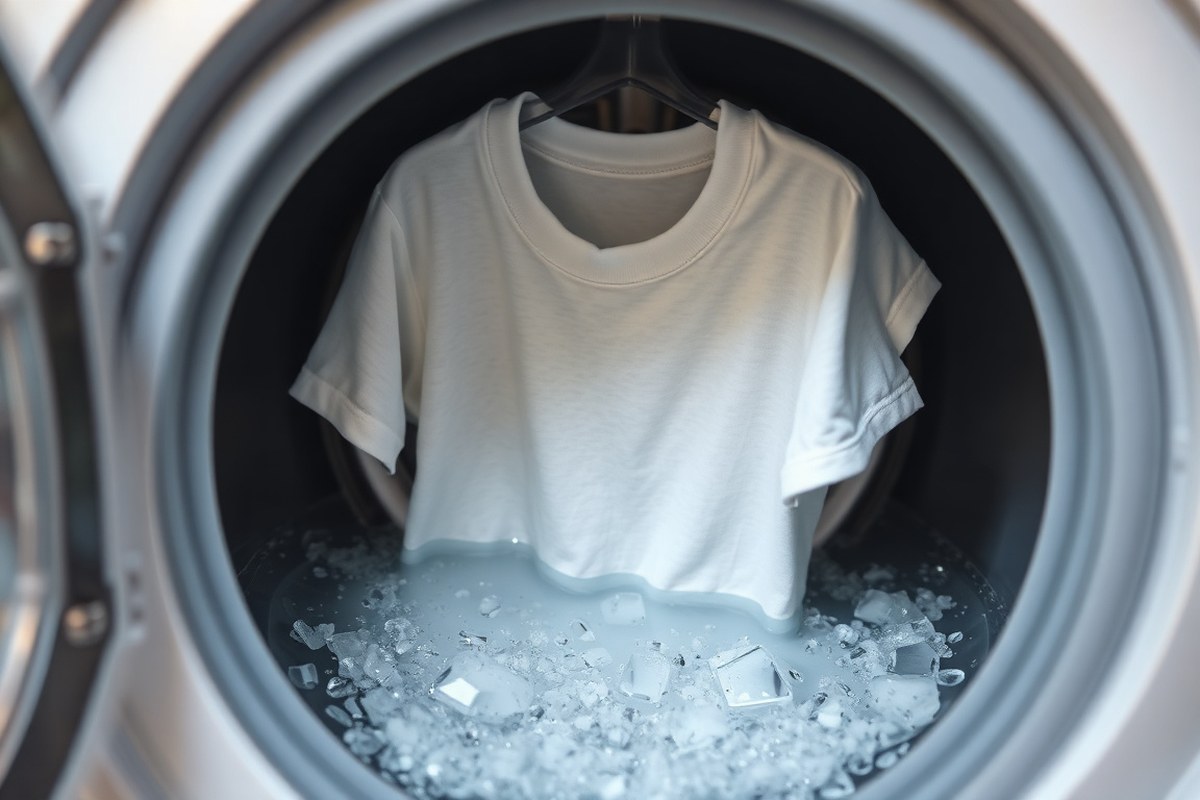
Cold water does not physically shrink clothes. Shrinkage happens when fibers, often natural ones like cotton or wool, contract due to heat exposure. Washing in cold water avoids this because cold temperatures, typically below 80°F (27°C), do not cause the fibers to tighten up. This means the risk of shrinkage from cold water alone is very low.
Research confirms that warm or hot water, generally heated above 100°F (38°C), is the main culprit behind fabric shrinkage. When clothing is washed in hot water, the heat relaxes the fiber’s molecular structure, allowing it to contract when dried, creating the shrink effect. Cold water washing avoids this molecular change, helping garments keep their original size and shape better.
The confusion around cold water causing shrinkage could come from past laundry habits or misunderstandings. In some older washing methods, hard water containing minerals affected fabric texture, possibly giving the impression that cold water caused shrinkage. Also, since many people notice shrinkage after using hot water or dryers, cold water is often suggested as the safer alternative. This association might have led to the myth that cold water itself could shrink clothes.
How you wash clothes is important. Using cold water for machine washing is gentler on fabrics and safer for colors and sizes. However, cold water washing alone won’t prevent all shrinkage, drying methods and fabric type also play major roles. To keep clothes from shrinking, wash in cold water and skip the hot dryer cycles, which are far more likely to cause issues.
Cold water is about 90% effective at preventing shrinkage for common materials like cotton, polyester blends, and synthetics. It’s ideal for everyday laundry, costing no extra since most modern machines have a cold cycle setting. For sensitive items, cold washing maintains size without risking damage. Warm or hot water remains a better choice only when sanitizing is necessary, although it comes with shrinkage risks.
What Actually Causes Clothes to Shrink During Washing?
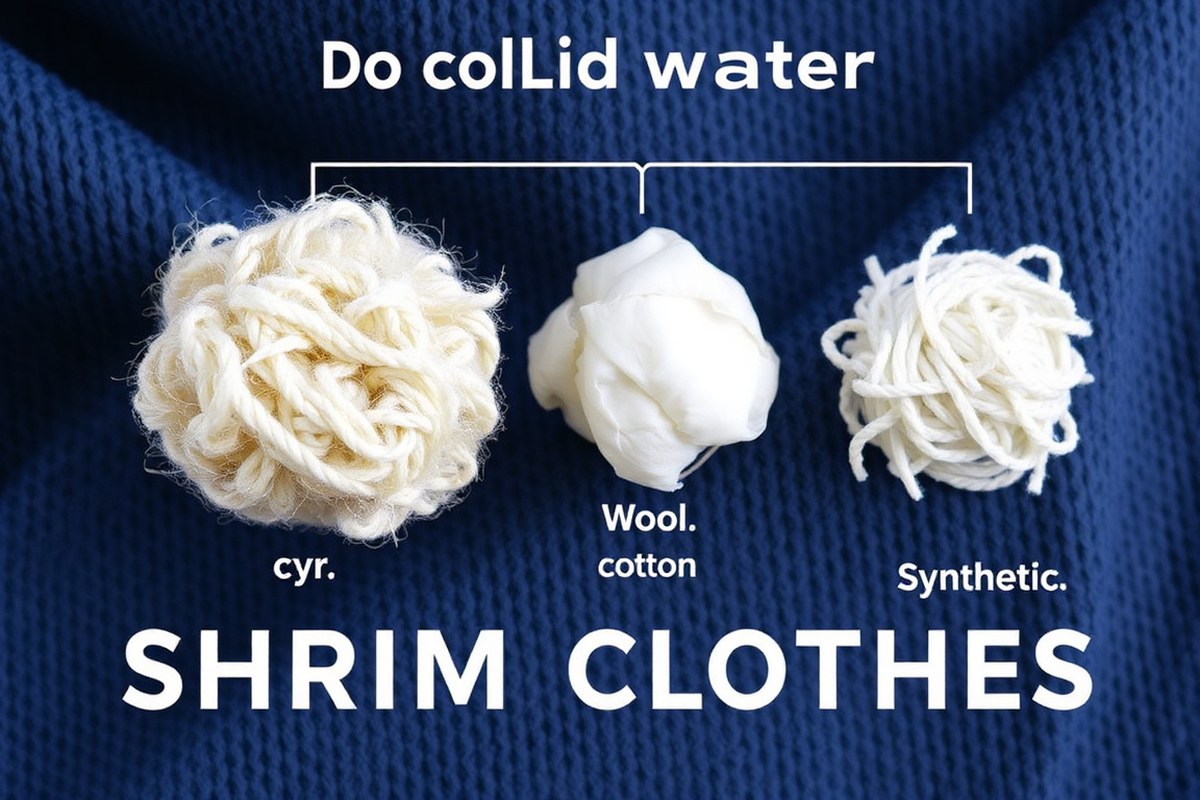
Clothes shrink mainly because of heat, mechanical agitation, and the type of fibers they are made from. Heat, particularly from drying, relaxes and tightens fabric fibers causing them to contract. Washing water temperature affects fibers less than drying heat does, but hot water can still encourage shrinking especially on natural fibers like cotton. Mechanical agitation from the washer physically stresses the fabric, which can break down and realign fibers, making them occupy less space and resulting in shrinkage.
During washing, mechanical action tends to be the primary cause of shrinkage in fibers like rayon, where studies show about 83% of shrinkage results from agitation. Heat from washing water below about 100°F (38°C) typically doesn’t cause thermoplastic synthetic fibers such as polyester and nylon to shrink because they maintain their shape under these temperatures. However, drying at high heat, usually above 120°F (49°C), can cause these fibers to shrink by warping or contracting at the molecular level.
Fiber type plays a large role in shrinkage sensitivity. Natural fibers like cotton, wool, and linen absorb water and swell when wet. When heat or agitation then changes their structure, these fibers tend to contract and lock into a smaller shape. Wool is particularly susceptible to shrinkage from the combination of heat and agitation because of tiny scales on the fibers that interlock and mat during washing. In contrast, synthetic fibers are resistant because they don’t absorb water and maintain their shape better under heat and agitation.
The way fibers react to washing and drying means that washing in cold water significantly reduces heat-related shrinkage risk. Cold water helps fibers keep their original size by avoiding the thermal relaxation that hot water or dryer heat triggers. Mechanical agitation can still cause some shrinkage, but choosing gentle wash cycles reduces this effect. Following fabric care labels and air drying or tumble drying on low heat further prevents shrinkage by minimizing heat and mechanical stress after washing.
Always check garment care labels for washing and drying temperature recommendations to prevent unwanted shrinkage, especially on natural fibers like cotton and wool.
How Different Fabrics React to Cold Water Washing
Cold water washing rarely causes significant shrinkage and is generally safer for preserving various fabric types. Wool, cotton, and synthetic fabrics each respond differently to cold water, so following fabric-specific care steps will help maintain your clothes’ shape and feel. Understanding these subtle reactions lets you choose the right washing method for your garments.
Wool and Protein Fibers Care in Cold Water
Wool and other protein fibers like silk are sensitive to temperature changes and agitation, which can cause them to shrink. Cold water helps prevent shrinkage by avoiding the heat that tightens wool fibers. However, improper handling during washing, such as harsh scrubbing or excessive spinning, can still damage the fabric integrity.
To protect wool’s texture and size, always use cold water combined with gentle washing techniques. Hand washing or a machine’s delicate cycle with minimal agitation is best. Avoid fabric softeners that may affect the protein structure.
- Sort wool items separately to prevent friction with rough fabrics.
- Fill a basin with cold water and add a small amount of wool-safe detergent.
- Gently submerge the garment and let it soak for about 10 minutes without rubbing.
- Rinse carefully in cold water to avoid stretching or felting the fibers.
- Press out water gently, never wring the fabric.
- Lay flat on a towel to air dry, reshaping the garment while damp.
Cotton and Cellulose Fibers with Cold Washing
Cotton and other cellulose fibers like linen generally handle cold water well and show minimal shrinkage compared to heat washing. Cold water helps maintain the fabric’s dimensional stability, especially for items that have been pre-shrunk. However, cotton garments without pre-shrinking may still shrink slightly, roughly 1 to 3 percent, if exposed to strong agitation or if dried on high heat afterward.
Use the gentle cycle with cold water, avoid fabric softeners and bleach, and opt for air drying or low heat settings to protect cotton items. Checking labels allows you to assess any special care instructions or blend percentages that influence shrinkage risk.
- Read the garment label for recommendations on washing and drying.
- Choose cold water and a gentle or normal cycle on your washing machine.
- Use a mild detergent without bleach or fabric softener.
- Wash similar colors and fabric types together.
- Remove items promptly after washing to reduce wrinkles.
- Air dry cotton clothes or tumble dry on a low heat setting.
Cold Water Effects on Synthetic and Blended Fabrics
Synthetics such as polyester, nylon, and spandex are resistant to shrinking in cold water due to their fiber structure. Cold water preserves their elasticity and shape, even with frequent washing. Blended fabrics containing synthetic and natural fibers also benefit from cold water, which helps balance the differing responses to temperature and agitation.
Using cold water for synthetics reduces the risk of color fading and fabric wear. Avoid high-heat drying to prevent potential damage from heat rather than water. Cold water washing suits activewear, daily wear, and items that need regular cleaning without shrinkage concerns.
- Separate synthetic garments from heavily soiled or abrasive fabrics.
- Set the machine on a cold water cycle with a gentle spin.
- Use a detergent formulated for synthetics or general cold-water washing.
- Choose short wash cycles to minimize fiber stress.
- Opt for air drying or tumble dry on a low setting to maintain shape.
Recommended Detergents for Each Fabric Type
Detergent choice influences shrinkage risks and fabric longevity in cold water washing. Wool and delicate protein fibers require detergents with enzymes removed and pH balanced to protect the fibers. Cotton and linens do well with mild, biodegradable detergents without bleach or harsh chemicals. Synthetics benefit from detergents that prevent buildup yet maintain fabric breathability.
Some detergents are specifically formulated for cold water, improving cleaning efficiency while preserving colors and fiber integrity. Checking product labels ensures compatibility with fabric type and washing temperature.
- Select a wool-specific detergent for protein fibers to avoid damage.
- Use a mild, free-and-clear detergent for cotton and linens to reduce shrinkage risk.
- Choose detergents labeled effective in cold water for synthetics and blended fabrics.
- Avoid detergents with bleach, optical brighteners, or fabric softeners for delicate items.
- Consider eco-friendly detergents formulated for cold water use to protect fabric and skin.
Optimal Washing Machine Settings to Prevent Shrinkage in Cold Water
To minimize shrinkage when washing clothes in cold water, use a wash temperature between 20°C and 25°C, keep agitation low, and select spin speeds appropriate to the fabric type. Setting your washing machine to these parameters protects fibers from mechanical stress that causes shrinking.
Setting Temperature Correctly on Your Washer
Set the water temperature to cold, specifically between 20°C and 25°C. Cold water reduces the likelihood of shrinking by limiting heat exposure that can relax and distort fibers. Most modern machines label this setting as “Cold” or provide precise temperature adjustments.
Maintaining the temperature towards the lower end of this range is especially important for delicate fabrics like wool or silk. Avoid any warm or hot cycles, since temperatures above 30°C can increase shrink risk even if the wash time is short.
Choosing the Right Cycle and Agitation Level
Low agitation cycles help prevent shrinkage by reducing friction and stretching. Aggressive agitation can twist and compress fibers, leading to distortion and shrinkage after washing.
Delicate or wool cycles often use slower drum movements and pauses to lessen fiber stress. Selecting these cycles ensures your clothes are handled gently during the wash.
- Use gentle or delicate cycles for knits and wool
- Avoid heavy or normal cycles with high agitation
- Do not overload the washer to allow free movement
- Check your machine’s manual for specific cycle settings
- For hand wash cycles, expect minimal agitation by design
- Wash shorter cycles if time allows to limit fabric stress
Lower agitation reduces tangling and stretching, which are common contributors to unwanted shrinking.
Recommended Spin Speeds by Fabric Type
Spin speed should be kept low to moderate to prevent mechanical damage. For knitted fabrics, keep spin speeds at or below 600 rpm. Wools require an even gentler approach, with 400 rpm or less being ideal.
For very loosely woven fabrics such as gauze or voile, avoid spinning faster than 400 rpm to prevent mechanical distortion. Higher spins can compress fabric too much and cause fibers to contract, appearing as shrinkage.
Some machines allow manual spin speed adjustments. Choose the lowest effective speed that removes sufficient water while protecting fabric.
Front-Load vs Top-Load Impact on Fabric Care
Front-load machines are generally better for washing clothes in cold water without shrinking them. They use tumbling action rather than an agitator, resulting in gentler fabric handling and less friction.
Top-load washers with agitators create more mechanical stress on clothes due to vigorous motion, raising shrinkage risk. Front-load machines also provide more consistent cold temperature settings. While front-load models may cost more upfront, they tend to use less water, energy, and protect clothes longer, making them a practical choice for delicate and shrink-sensitive fabrics.
Detergents and Additives: Influence on Cold Water Shrinkage
Detergents and additives influence the shrinkage risk of clothes washed in cold water by interacting with fabric fibers in different ways. Enzyme detergents, for example, are effective at breaking down protein-based stains but may be too harsh for delicate fabrics such as silk, lace, or wool. Using enzyme detergents on these materials can weaken fibers and increase shrinkage risk even in cold water. Choosing mild, non-enzyme detergents for delicate items helps maintain fabric integrity.
The pH level of detergents also affects fabric health. Detergents with a neutral to slightly alkaline pH (around 7 to 9) are usually safe for most fabrics and reduce fiber damage. Highly alkaline detergents can open up fibers more, possibly contributing to shrinkage. Enzyme activity also depends on pH; most enzymes work best between pH 7 and 11, so balancing cleaning power with fabric care matters.
Fabric softeners aim to keep clothes feeling soft and reduce static, but they may deposit residues that build up over time. This buildup can stiffen fibers and lead to a gradual shrinking effect, particularly when fabric softeners are overused or incorrectly rinsed off. Some delicate fabrics respond poorly to softeners, so it’s best to test on a small area or skip softeners for sensitive items.
| Additive or Factor | Effect on Shrinkage Risk | Tip for Cold Water Washing |
|---|---|---|
| Enzyme Detergents | May weaken delicate fibers, increasing shrinkage risk | Use non-enzyme detergents on delicate fabrics like silk and wool |
| Detergent pH (7, 9) | Minimizes fiber damage and limits shrinkage potential | Choose detergents with neutral or slightly alkaline pH |
| Fabric Softeners | Can leave residue that stiffens fabrics and causes shrinking over time | Use sparingly, avoid on delicate or heavily textured fabrics |
| Cold Water | Gentle on fibers, reduces shrinkage and fading | Wash delicate items in cold water only |
Using cold water alone won’t completely prevent shrinking, but the type of detergent and additives you choose can make a noticeable difference. Non-enzyme detergents minimize fiber damage, while careful use of fabric softeners helps avoid residue buildup. Keep the water cold to maintain garment shape and color over multiple wash cycles.
Tip: Always read fabric care labels and test detergents or softeners on a hidden patch when washing delicate clothes in cold water to spot any adverse shrinking or texture changes early.
Preventing Shrinkage: Practical Steps for Cold Water Laundry
You can avoid shrinking clothes when washing in cold water by carefully preparing your laundry, selecting the right settings and detergents, using gentle drying methods, and storing garments properly. Turning clothes inside out and handling delicate fabrics with extra care also help preserve size and shape.
Sorting and Preparing Clothes Before Washing
Sorting your laundry properly prevents unwanted friction and damage that can lead to shrinking and wear. Turning dark-colored clothes inside out before washing protects their prints and colors. Delicate fabrics like wool need gentle handling to keep their form intact.
Separate heavy fabrics like denim and cotton from lighter and more delicate pieces to avoid excessive agitation. Check care labels for any special instructions, especially on delicate garments. Making these preparations reduces stress on the fibers during washing, helping clothes maintain their original size.
Choosing Proper Washing Cycles and Detergents
Using the right washing machine settings and detergents can significantly help prevent shrinkage. Select a gentle or delicate cycle to minimize agitation, which is a common cause of shrinking. A cold water setting keeps the temperature low, preserving the fit and prints of your clothes.
Choose detergents formulated for cold water and sensitive fabrics. These detergents are designed to clean effectively without requiring warm water, avoiding heat-related fiber contraction. Avoid harsh chemicals or bleach unless the garment’s care label permits their use, as these can weaken fibers and promote shrinkage.
Drying Methods to Preserve Size and Shape
How you dry clothes plays a big role in preventing shrinkage. High heat from dryers causes many fabrics to shrink. For most items, air drying or flat drying is best, especially for delicate and wool fabrics. This method avoids heat stress and reduces distortion.
For heavier materials like denim, using a low heat or air fluff setting in the dryer is safer than high heat but take clothes out promptly to avoid overdrying. Always reshape garments while damp to maintain their form before drying fully. Avoid wringing or twisting wet clothes, as this can stretch and distort fibers.
Storage Tips to Maintain Fabric Integrity
Proper storage keeps washed clothes ready to wear without shape loss. Fold or hang garments according to fabric type, hang shirts and dresses to avoid wrinkles and fold knits and wool to prevent stretching. Store clothes in a cool, dry place to protect fibers from moisture and mildew.
Keep storage areas clean and avoid overcrowding, which can crush fabrics and cause creases. Using breathable garment bags or storage bins helps maintain fabric quality and prevents damage from dust or pests, especially for seasonal clothing.
- Sort clothes by color and fabric weight; turn dark and printed garments inside out.
- Read and follow garment care labels carefully before washing.
- Set the washing machine to a cold water, gentle or delicate cycle.
- Use cold-water-compatible, mild detergent suitable for your fabric types.
- Remove clothes promptly after the wash cycle ends to prevent creasing.
- For drying, lay delicate items flat or hang heavier fabrics; avoid high heat.
- Reshape damp clothes gently before drying to retain original form.
- Store clothes properly folded or hung in a clean, dry space to keep shape.
When and Why to Use Warm or Hot Water Instead
Hot or warm water becomes necessary when you need to sanitize your laundry or tackle heavy stains that cold water can’t fully remove. Washing clothes in water around 130°F to 160°F helps kill bacteria and viruses, making it the better choice for items like bed linens, towels, or clothes worn during illness. Warm water, typically between 90°F and 110°F, can also improve detergent performance against oily or greasy stains, which cold water struggles to break down effectively.
Balancing stain removal with the risk of shrinkage means considering the fabric type first. Sturdy materials such as polyester, nylon, and some cotton blends usually tolerate warm water without significant shrinkage. For 100% cotton or other natural fibers, using warm or hot water increases the chance the fibers will contract and shrink, especially if you follow up with a high-heat dryer setting. Always check the garment’s care label before choosing a warmer wash temperature. When the label says cold water only, it’s best to stick to that to avoid damaging your clothes.
To decide when to use warm or hot water despite shrinkage risk, consider this rule: use cold water for everyday cleaning and delicate fabrics; choose warm water for removing typical stains on durable fabrics; and switch to hot water exclusively for sanitizing and heavy soiling on strong textiles that the care label approves. For instance, if you’re washing gym clothes made of synthetic fibers or cotton blends with sweat and dirt, warm water can be more effective without causing shrinkage. White cotton towels with tough stains or cloth diapers that need disinfecting call for hot water, although this may cause some shrinkage.
Using warmer water takes more energy and can age your fabrics faster, causing them to wear out sooner and potentially end up in landfills quicker. Limiting warm or hot washes to only when necessary helps extend your clothes’ life and saves on utility costs. Use the warmest water temperature that the fabric’s label allows and keep wash cycles short to reduce damage.
For heavy, greasy stains on delicate fabrics, pre-treat with a stain remover or soak in a cold water solution with oxygen bleach or citric acid before washing in cold water. This method can avoid the need for warm or hot water, maintaining fabric size and integrity.
Common Mistakes That Lead to Shrinkage Even with Cold Water
Washing clothes in cold water reduces the risk of shrinking, but shrinkage can still happen if other factors come into play during washing or drying. The dryer is a common culprit because its heat can tighten fabric fibers, causing shrinkage after the cold wash. Using high heat or extended drying cycles raises the fabric temperature well above normal body temperature, which contracts fibers, especially in natural fabrics like cotton and wool.
Excessive machine agitation or soaking clothes too long also contributes to shrinkage. Even at cold temperatures, vigorous agitation can stress fibers and cause them to contract. Long soak times leave fabrics wet for extended periods, which can weaken and distort the shape. Both actions can damage the fabric’s structure and lead to unexpected shrinking.
Overloading the washing machine prevents clothes from moving freely, causing uneven cleaning and friction that may stress fibers. Using improper detergents, such as harsh surfactants not designed for delicate fabrics, can also weaken material integrity and promote shrinking or fabric distortion after washing.
- Use a gentle cycle with low agitation to reduce fabric stress.
- Limit soaking time to under 30 minutes to avoid fiber damage.
- Air dry or use the dryer’s lowest heat setting to prevent heat shrinkage.
- Do not overload the washer; leave room for clothes to move freely.
- Select detergents labeled for cold water washing and delicate fabrics.
- Avoid prolonged drying times, aiming for just enough heat to dry clothes without overheating.
Always check garment care labels and adjust washing and drying methods accordingly to avoid accidental shrinkage.These simple steps protect fabric fibers through the entire laundry process. Stretching clothes out of shape while wet or exposing them to heat can undo all the benefits of washing cold. Even with cold water, attention to agitation, detergent choice, load size, and drying methods makes the difference between clothes that fit well and those that shrink unexpectedly.
Step-by-Step Action Plan for Preventing Shrinkage with Cold Water Laundry
Follow these practical steps to keep your clothes fitting right and avoid shrinkage when washing with cold water.
- Before washing: Check fabric care labels for temperature recommendations and any shrinkage warnings.
- Sorting clothes: Separate delicate and natural fibers like wool or cotton from synthetic ones to tailor washing settings effectively.
- Washing cycle: Choose a gentle or delicate cycle on your machine and use cold water only to reduce agitation and heat exposure.
- Detergent selection: Use a detergent formulated for cold water to clean effectively without extra heat.
- Drying method: Air dry clothes or use the lowest heat setting on your dryer; check garments mid-cycle to prevent over-drying.
- Post-wash inspection: Feel and measure your clothes after drying to catch early signs of shrinkage for future adjustments.
- Adjusting process: If shrinkage occurs, test shorter washing cycles and avoid dryer use next time to protect fragile fibers.
- Ongoing care: Repeat these steps consistently to maintain your clothes’ original size and extend their lifespan.
Frequently Asked Questions
Can Cold Water Cause Colors to Bleed in Clothes?
Cold water helps prevent colors from bleeding compared to warm water, which can cause dyes to run more easily. Washing in cold water keeps colors brighter and reduces fading over time.
Does Pre-Soaking Clothes in Cold Water Affect Shrinkage?
Pre-soaking in cold water does not cause shrinkage; it’s safe and can help remove stains. It prepares fabric for washing but won’t change its size.
Will Cold Water Washing Remove Odors Effectively?
Cold water can remove odors effectively when combined with the right detergent or additives, like oxygen bleach. It is less likely to fix tough smells than warm water but still works well for freshening clothes.
Can Cold Water Damage Delicate Fabrics?
Cold water is gentler on delicate fabrics, reducing the risk of damage like stretching or shrinking. Use the cold cycle to protect fragile materials and extend garment life.
Is Machine Type Important When Washing with Cold Water?
Yes, front-loading machines typically use less water and handle cold washes more effectively than top loaders, preserving clothes better. Machine features can impact washing results.
How Does Cycle Length Affect Shrinkage in Cold Water?
Longer wash cycles in cold water generally do not cause shrinkage but excessive agitation can stress fibers. Choose shorter cycles to protect fabric integrity without shrinking risk.
Final Thoughts
Cold water alone generally doesn’t cause clothes to shrink; it’s heat and agitation that matter most. By adjusting washing cycles, using appropriate detergents, and drying carefully, you can keep your wardrobe in good shape. Start by checking fabric labels before your next wash and choosing the gentlest cold water settings available on your machine.