How to Whiten Whites Without Bleach: 10 Safe Methods That Work
To whiten whites without bleach, try natural methods like baking soda, hydrogen peroxide, lemon juice, white vinegar, or sunlight. These options brighten clothes safely without harsh chemicals. Each method targets stains and dullness while protecting fabric and health.
This advice suits homeowners, renters, and anyone looking to maintain bright whites with eco-friendly, low-risk solutions. You’ll learn practical and effective techniques that keep your laundry fresh and vibrant without bleach’s potential damage.
Key Takeaways
- Pour one cup of 3% hydrogen peroxide into your washing machine to brighten your white clothes safely without using bleach.
- Soak dingy whites in a hydrogen peroxide and warm water solution for 1 to 3 hours before washing.
- Pre-soak stubborn stains for 30 minutes in equal parts white vinegar and water to boost whitening.
- Use baking soda in the wash cycle to deodorize and gently brighten white fabrics.
- Apply lemon juice directly on stains or soak clothes in lemon water for natural whitening.
- Dry whites in sunlight to use natural bleaching and freshening effects without chemicals.
1. 10 Effective Ways to Whiten Whites Without Bleach

To whiten white clothes without bleach, use natural and gentle alternatives like baking soda, hydrogen peroxide, white vinegar, lemon juice, or oxygen-based whiteners. These options brighten fabrics safely, reduce yellowing and greying, and protect your clothes from damage caused by harsh chemicals. Each method suits different fabric types and stain severities, making it possible to keep your whites bright while extending garment life.
Baking Soda for Whitening and Odor Removal
Baking soda, known as sodium bicarbonate, brightens white clothes by removing grime and eliminating smells. It naturally softens fabrics, reducing the chance of yellowing. Add 1/2 cup of baking soda along with your usual detergent in the washer. For stubborn stains, create a paste using baking soda and water, then rub it on the stain before laundering.
This method works well on cotton, polyester, and blends but avoid using baking soda on delicate fabrics like silk or wool, as it may cause damage or fading. Baking soda costs only a few cents per load, making it an affordable and eco-friendly whitening option.
Hydrogen Peroxide as a Mild Bleach Alternative
Hydrogen peroxide is a mild bleach and disinfectant that brightens clothes and removes stains. Use 1/2 to 1 cup of 3% hydrogen peroxide with your laundry detergent to whiten whites effectively without harsh chlorine bleach. It is safe on most white fabrics, including cotton and synthetics, but test on delicate fabrics first to avoid weakening fibers.
For targeted stain removal, mix hydrogen peroxide with baking soda into a paste and apply to the stain. Let it sit for 15 to 30 minutes before washing. Hydrogen peroxide is affordable and widely available, providing noticeable brightening without fabric damage.
White Vinegar for Brightening and Softening
White vinegar brightens whites by breaking down residues and minerals that cause dullness and yellowing. It also acts as a natural fabric softener, reducing stiffness often caused by detergent buildup. Use 1/2 to 1 cup of distilled white vinegar added during the rinse cycle of your wash.
Vinegar is safe for most washable fabrics, including cotton, polyester, and blends, but avoid using it on acetate or rayon. It costs just a few cents per load and helps preserve your washer by reducing mineral buildup. Vinegar won’t bleach in the traditional sense but improves brightness by removing grime and odors.
Lemon Juice Natural Brightener and Stain Fighter
Lemon juice contains natural acids that act as a mild bleaching agent and help remove stains from clothing. Use about 1/4 to 1/2 cup of fresh lemon juice mixed with water as a soak for white clothes before washing them normally. Alternatively, apply lemon juice directly on yellowed areas or stains and leave in sunlight for improve whitening.
This method works well on cotton, linen, and other sturdy fabrics but can weaken delicate materials if used in strong concentrations or for long periods. Lemon juice costs little and offers a fresh scent while boosting whiteness naturally.
Oxygen-Based Whiteners for Tough Stains
Oxygen-based whiteners, like sodium percarbonate, release oxygen molecules to break down stains and brighten clothes safely. These powder or liquid additives work well for whitening whites that are dingy or heavily stained without the harsh effects of chlorine bleach.
Use according to package instructions, typically adding 1 scoop or capful to hot or warm water with your laundry detergent. Oxygen whiteners are safe on most fabrics except silk and wool, and they are effective in all water temperatures, although hotter water speeds up whitening.
- Works well on cotton, polyester, and blends
- Safe for most white fabrics but avoid delicate materials
- Good for lifting tough stains and restoring brightness
- Environmentally friendlier than chlorine bleach
- Requires soaking time of 30 minutes to several hours
- Can be combined with baking soda or lemon juice for stronger effect
This method costs more than baking soda or vinegar but less than professional whitening treatments. It offers powerful stain removal and whitening while protecting fabric strength and color integrity.
2. How to Use Baking Soda to Brighten White Clothes
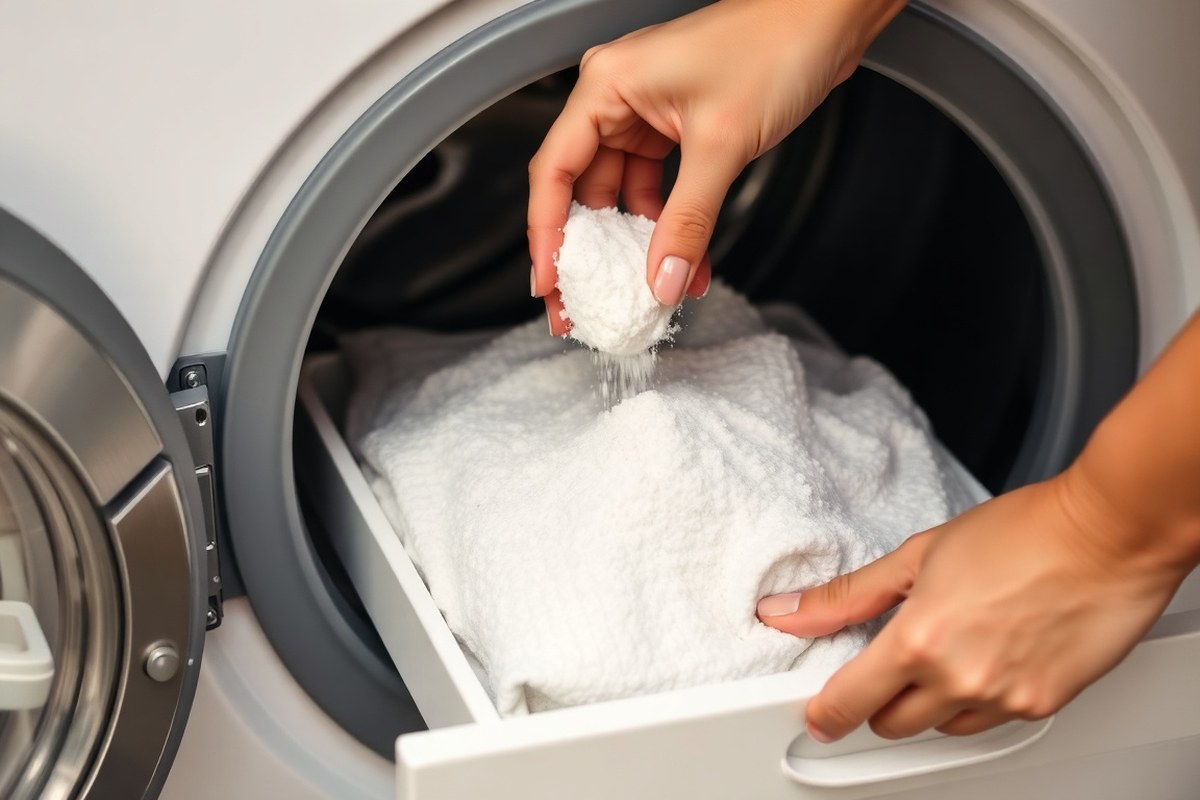
Baking soda whitens white clothes by breaking down oils and detergent residue that cause dullness. It also neutralizes odors, freshening fabrics naturally. Adding baking soda to your laundry is simple, safe, and effective without replacing detergent or bleach completely.
How Baking Soda Whitens and Freshens Whites
Baking soda, or sodium bicarbonate, works by loosening and breaking down body oils, sweat, and leftover detergent that cling to fabric fibers. These substances often make whites look dingy or gray over time. By neutralizing acids and balancing pH levels in the wash water, baking soda helps keep whites bright and colors balanced without harsh chemicals.
It also absorbs odors, making it a good option for freshening towels, workout clothes, or kids’ laundry that may retain smells after washing. Baking soda is gentle enough for most fabrics, including cotton and synthetic blends, so it doesn’t cause damage or weaken fibers.
Proper Amounts to Use in Laundry
To brighten your whites, add 1/2 cup of baking soda directly into your washing machine drum before starting your regular wash cycle with detergent. For extra whitening power, you can increase the amount to 1 cup, especially for heavily soiled or dingy whites.
Adding baking soda at the beginning ensures it mixes evenly with water and detergent, boosting cleaning without interfering with your detergent’s enzymes and surfactants. Avoid using more than 1 cup regularly, as excess baking soda can leave a white residue or affect wash water balance.
Step-by-Step Instructions for Using Baking Soda
Follow this simple routine to get bright white laundry using baking soda along with your usual detergent:
- Load your washing machine with white clothes as usual, sorting by fabric type and soil level.
- Measure 1/2 cup of baking soda and pour it into the drum on top of the clothes.
- Add your regular amount of liquid or powder detergent as directed on the package.
- Choose your normal wash cycle with warm water (around 90, 110°F) to optimize cleaning.
- Start the machine and let it run through the full wash and rinse cycles.
- Dry whites immediately after washing to prevent yellowing or mildew.
When Baking Soda Should Not Replace Detergent or Bleach
Baking soda works as a laundry booster rather than a standalone detergent. It is not effective at breaking down heavy stains or soils on its own. You should always pair it with a quality detergent to remove dirt and bacteria effectively.
It also does not replace bleach’s disinfecting and strong whitening properties. For very stubborn yellowing or severe stains, baking soda alone may not be enough, and alternatives like hydrogen peroxide or laundry boosters might be necessary.
Fabric and Use Tips for Best Results
Baking soda is safe for most washable fabrics including cotton, polyester, and blends. Avoid using it directly on delicate fabrics like silk, wool, or lace without testing a small hidden area first. Always check your garment’s care label.
To prevent dinginess from detergent buildup, avoid overusing detergent with baking soda. Using too much detergent can cause residues that dull whites, while baking soda helps keep fabric fresh and bright after many washes. Also, drying whites thoroughly after washing reduces the risk of yellowing and mildew odors.
For laundry with persistent body odors, soak white clothes for 30 minutes in a solution of 1/2 cup baking soda and warm water before washing as usual to boost freshness.
3. Using Hydrogen Peroxide Safely to Whiten Whites
Hydrogen peroxide is a safe and effective bleach alternative for whitening white clothes. Using 3% hydrogen peroxide, you can brighten whites by adding it to the wash, soaking clothes, or directly spot-treating stains. Proper dilution and timing ensure good results without harming fabrics.
Choosing the Right Concentration
Use 3% hydrogen peroxide, available in most pharmacies and supermarkets, as it is safe for laundry. Higher concentrations are too strong and may damage fabrics or cause color fading. The 3% solution is already diluted enough to whiten and disinfect while being gentle on most whites.
Adding Hydrogen Peroxide to the Wash Cycle
To whiten your load, pour 1 cup of 3% hydrogen peroxide directly into the washing machine’s bleach dispenser. This mimics the effect of chlorine bleach but is less harsh and safer for many fabrics. Alternatively, add half a cup of hydrogen peroxide along with your detergent when filling the wash for a milder whitening boost.
Soaking Whites to Restore Brightness
For dingy or dull whites, soak clothes in a hydrogen peroxide solution before washing. Use about 1 cup of 3% hydrogen peroxide mixed in a basin or bucket filled with warm water (around 100°F). Let clothes soak for 1 to 3 hours to lift stains and brighten fabric without bleach.
Spot-Treating Stains with Hydrogen Peroxide
Applying hydrogen peroxide directly helps target stubborn stains. Use undiluted 3% hydrogen peroxide on the stained area, letting it sit for 5 to 30 minutes depending on stain severity. After soaking, wash the clothing as usual. Test on a small hidden area first to ensure fabric safety, especially on delicate materials.
Step-by-Step Use of Hydrogen Peroxide for Whiteness
Follow these steps to safely and effectively whiten white clothes using hydrogen peroxide.
- Fill a basin with about 2 gallons of warm water (around 100°F).
- Add 1 cup of 3% hydrogen peroxide to the water.
- Submerge your white clothes and soak for 1 to 3 hours.
- Remove clothes and place them in the washing machine.
- Add your regular laundry detergent and, if possible, 1 cup of hydrogen peroxide to the bleach dispenser.
- Start the wash cycle using the hottest water safe for your fabric.
- For stains, apply undiluted 3% hydrogen peroxide directly and let sit for 5-30 minutes before washing.
- Dry clothes as usual after washing.
4. White Vinegar: A Natural Fabric Brightener and Softener
White vinegar brightens clothes by breaking down residues that cause dullness and yellowing, such as detergent buildup, body oils, and minerals from hard water. It also neutralizes odors by balancing pH levels, which helps eliminate smells rather than just masking them. Unlike bleach, vinegar’s acidity gently lifts stains and refreshes fabric fibers without harsh chemicals or color fading.
For whitening during laundry, add 1 cup of white vinegar directly to the fabric softener dispenser before starting your machine. This ensures the vinegar is released during the rinse cycle, softening clothes while brightening them as any leftover detergent washes away. Your whites can look gray or dingy. Soak them in a solution of 1 part vinegar to 4 parts warm water for about 30 minutes before washing to brighten them more effectively.
When soaking, use hot water only if the fabric care label allows it, as some materials may shrink or weaken under high temperatures. For delicate fabrics like silk, acetate, or spandex, avoid using vinegar since its acidity might damage the fibers or alter texture. Instead, choose milder alternatives designed for delicate laundry to prevent damage.
During washing, vinegar acts as a natural fabric softener, so it can replace commercial softeners and reduce static cling. It doesn’t leave a strong vinegar smell after rinsing because it evaporates quickly and balances odors effectively. For standard machine loads, 1 cup of white vinegar is sufficient; avoid using more as high acid levels might cause wear on certain fabrics or washing machine components over time.
The cost of white vinegar is generally low, often under $3 for a quart bottle, making it an affordable addition to your laundry routine. You’ll notice your whites regain brightness without the harshness bleach can cause. Skipping vinegar during the rinse cycle or soak stage often leaves detergent residues on clothes, which makes them look dull and feel stiff. Vinegar helps prevent that buildup, keeping fabrics cleaner and fresher.
Make sure to check clothing labels before soaking whites in vinegar solutions to avoid damage. For powder detergents, vinegar is best added at the rinse, never combined directly with detergent in the wash cycle, as it can neutralize some cleaning agents. Maintain consistency by using vinegar regularly, about once per wash or soak, to keep whites looking fresh without relying on strong chemicals.
5. Why Lemon Juice Whitens Whites and How to Use It
Lemon juice whitens white clothes because it contains citric acid, a natural acid that gently breaks down stains and dullness. This mild acid acts as a natural bleach, brightening fabric without the harsh effects of chlorine bleach. When combined with sunlight, the ultraviolet rays activate lemon juice’s bleaching properties, improving its effectiveness in removing yellowing and restoring brightness.
To use lemon juice for whitening, you can soak your clothes in a simple lemon juice solution. Mix 1 cup of lemon juice with 3 cups of warm water in a basin large enough for the garments. Submerge the whites and let them soak for about 30 to 60 minutes, depending on the level of discoloration. For stronger stains or heavy dinginess, soak up to 2 hours but avoid longer periods to prevent fabric weakening.
After soaking, wash the clothes as usual in your washing machine or by hand using a mild detergent. Adding 1 cup of lemon juice directly to your washing machine during the wash cycle can also help maintain whiteness over time. Use cold or warm water, taking care to follow the garment’s care instructions. Dry your whites in direct sunlight to boost the whitening effect, as sun-drying works hand in hand with lemon juice to brighten clothes naturally.
Lemon juice is safe for most fabrics, including delicate ones, because its acidity is mild compared to chemical bleaches. However, it can cause damage or fading if used undiluted or left on too long, particularly on coloured fabrics. Testing a small, hidden area first is essential to ensure the fabric tolerates lemon juice without damage. Avoid lemon juice on silk or wool, as these natural fibers might weaken or discolor.
Always dilute lemon juice before applying it to fabric, and limit soaking to one hour to protect fabric strength and color.
Lemon juice is an inexpensive and natural whitening method. You only need basic household ingredients and sunshine, so the cost is minimal and eco-friendly. Keep in mind that lemon juice works best with regular use rather than one-time treatments to prevent yellowing and keep whites crisp. Using it alongside regular washing habits helps maintain bright clothes without the risks associated with bleach.
6. How to Use Sunlight to Naturally Whiten White Clothes
The sun’s ultraviolet (UV) rays whiten white clothes naturally by breaking down chemical bonds in stains and discoloration, which lightens and brightens fabrics without harsh chemicals. This process, often called natural bleaching, gently fades yellowness and dullness, making whites look fresher and cleaner over time. Sunlight also helps eliminate odors by killing bacteria on fabric, which adds to the clean appearance.
The best time to sun-dry your whites for natural bleaching is when the sun is strongest, typically between 10 a.m. And 3 p.m. Choose a clear, sunny day to maximize UV exposure. Lay your white clothes flat or hang them outside in direct sunlight for about 2 to 4 hours depending on the fabric thickness and outdoor temperature. On hot days around 75 to 85°F, drying and whitening happen faster, but humid or cooler days may require more time for effective drying and fading.
Some fabrics respond better to sun bleaching than others. Cotton, linen, and durable blends avoid damage and yellowing from sunlight better than delicate fabrics like silk, wool, or aged synthetics. For delicate whites, turn them inside out and avoid prolonged sun exposure to reduce fading and fabric brittleness. For tougher whites like towels and sheets, full sun drying for several hours can intensify the whitening effect without damaging the fabric.
To prevent fabric damage and fading, avoid overexposure to sunlight beyond the drying period. Excessive UV and heat can weaken fibers, cause yellowing, or make colors fade unevenly. Remove clothes once they are dry and no longer wet to the touch. When whites look dull or feel rough, cut back on sun exposure time and dry them in partial shade. Regular rotation of clothes on the line can also help avoid overexposing one area of fabric to UV rays.
Drying indoors near a sunny window is an option, but UV intensity decreases through glass, so bleaching will be less effective. A covered outdoor porch that receives indirect sunlight can also freshen whites without as much risk of fabric damage. Keep in mind that sun bleaching is a gradual and natural process. It won’t instantly whiten heavily stained clothes but works best as a maintenance step to keep whites bright between washings.
7. Spot-Treating Stubborn Stains Without Bleach
Spot-treating stains without bleach works well when you apply the right products and follow timing guidelines carefully. Common household items like baking soda, white vinegar, hydrogen peroxide, and dish soap can act as effective whiteners and stain removers without the harsh effects of bleach. Each product suits different stain types, and treating the stain promptly gives the best chance of success. Avoid soaking delicate fabrics too long to prevent damage or color loss. Here’s a step-by-step process for spot treating whites using these alternatives:
- Identify the stain type. Protein-based stains like sweat or food suit hydrogen peroxide or dish soap, while tannin stains from coffee or tea respond well to vinegar or lemon juice.
- Treat the stain directly. Mix baking soda with water into a thick paste and gently work it into tough stains. Use a cotton swab dipped in either 3% hydrogen peroxide or pure white vinegar to dab on liquid solutions.
- Let it sit for 10 to 15 minutes. This timing helps break down the stain without harming the fabric. Avoid leaving treatments on over 30 minutes, especially with hydrogen peroxide, to prevent fabric damage.
- Blot or gently rub the stain. Use a clean cloth or soft brush to work the product into the fabric fibers without spreading the stain.
- Rinse with cold water. This stops the whitening action and helps remove loosened stain particles.
- Wash as usual with a mild detergent. Use the warmest water temperature safe for the fabric. Check the fabric care label to avoid shrinking or distortion.
- Inspect before drying. Drying can set the stain. Repeat the spot treatment on persistent stains before placing clothes in the dryer again.
Not every stain responds equally to bleach-free methods. Organic stains like coffee, sweat, or wine usually improve with these treatments. Oil-based stains may need a small amount of dish soap applied directly before washing for effective removal. Some old or set-in stains might be resistant, requiring multiple treatments or professional cleaning.
Dish soap and hydrogen peroxide stand out as versatile options for many stains. Dish soap is especially effective for greasy or oily spots, while hydrogen peroxide works well as a mild whitener and disinfectant without the harshness of bleach. Household costs are low, with a bottle of 3% hydrogen peroxide typically costing a few dollars and lasting for many treatments. Using these alternatives avoids bleach’s strong fumes and fabric weakening effects, making them safer for ongoing fabric care.
8. Common Mistakes That Make Whites Look Dull Without Bleach
Whites may look dull despite your whitening efforts due to several common laundry mistakes. Using the wrong detergent or mixing whites with colored clothes can cause dullness or graying. Detergents designed for colored fabrics often lack the whitening boosters that help maintain brightness in white textiles. Some detergents leave behind residues, especially in cold water washes, which build up and make clothes look dingy over time.
Washing whites at too low a temperature can also prevent full removal of stains and body oils that yellow or grey fabrics. Hot water (around 130°F to 140°F) is generally better for whites if fabric care labels permit, because it helps dissolve dirt and any detergent residues. Overloading your washing machine restricts water flow and rinsing, leaving deposits on fabric that can dull whites visibly.
- Launder whites separately from colored clothes to prevent dye transfer and dullness.
- Use detergent made specifically or labeled for whitening; avoid too little soap which misses grime and too much which leaves residue.
- Wash whites in warm to hot water within the temperature range allowed on care labels.
- Do not overload the machine; allow space for clothes to move freely during washing and rinsing.
- Rinse whites twice if your machine allows to fully remove detergent and soften fabrics.
- Periodically soak whites in warm water with a half cup of Epsom salt for 30 to 60 minutes to break down buildup causing dullness.
- Skip fabric softeners for whites, as they can leave a film that dulls brightness instead of improving softness.
Some fabrics may yellow because of bleach alternatives that leave residues or because oils and sweat weren’t fully broken down. Adding a whitening booster like oxygen-based bleach or hydrogen peroxide to the wash, following product instructions carefully, can help avoid these problems by breaking down organic residues thoroughly. Skipping these boosters or using them inconsistently may limit how white your clothes look over time.
Always check care labels before adjusting temperature or soaking times to avoid damaging fabrics while improving whiteness.
Correcting laundry routines by focusing on detergent type, wash temperature, load size, and rinsing practices can dramatically improve whitening results. The investment is minimal since powder or liquid detergents for whites cost about $10 to $15 per container and Epsom salt costs around $5 for a few pounds. Making these changes consistently lets you keep white clothes bright without harsh bleach chemicals.
9. Choosing the Best Whitening Method for Your Fabric and Stains
Choosing the right whitening method depends on the fabric type and the severity of the stains. Delicate fabrics need gentler treatments to avoid damage often caused by harsh chemicals like traditional bleach, which can also cause yellowing with repeated use. For heavy stains, methods with stronger stain-fighting action are more effective while lighter dinginess responds well to milder solutions. Mixing methods can be safe if you understand the compatibility of the ingredients and fabric tolerance.
| Whitening Method | Fabric Suitability | Stain Type | How to Use (Dosage and Time) | Expected Result | Potential Risks |
|---|---|---|---|---|---|
| Oxygen Bleach (e.g., sodium percarbonate) | Safe for cotton, polyester, and blends; gentle on delicates | Effective on heavy stains and dinginess | Add 1 scoop (about 1/4 cup) to warm water; soak whites 3-6 hours | Brightened whites, no fabric damage | May weaken fabric if soaked more than 6 hours |
| Baking Soda | Safe on all fabrics including delicates | Light dinginess and mild odors | Add 1/2 cup to wash cycle; for soaking, dissolve in warm water 30-60 mins | Whitened fabric with fresher smell | Minimal risks; excessive use can leave residue |
| White Vinegar | Good for cotton and synthetics; use cautiously on delicate wool or silk | Light dinginess, fabric softening | Add 1 cup to rinse cycle or soak whites for 30 mins | Brighter whites, softer fabric | Overuse can harm some delicates |
| Lemon Juice | Best on cotton and polyester | Light stains, mild brightening | Soak with 1/2 cup lemon juice + water; dry in sunlight 1-2 hours | Natural whitening with fresh scent | Sun exposure can weaken fibers if overdone |
| Sunlight | Suitable for all fabrics but avoid direct long exposure on delicate fibers | Fading light dinginess | Dry whites outside in sun for 1-3 hours post-wash | Natural brightening with no chemicals | Prolonged exposure fades colors and weakens fabric |
For delicate fabrics like silk or wool, baking soda or short vinegar soaks work best since they are mild and less likely to cause damage. Heavily stained cotton or blends benefit from oxygen bleach, which breaks down tougher grime without bleaching risks. Combining methods is possible, for example adding baking soda in the wash cycle and white vinegar in the rinse, but avoid mixing acidic (vinegar, lemon juice) and alkaline (baking soda, oxygen bleach) products together directly as they neutralize each other and reduce effectiveness.
Choose your approach by assessing the stain’s nature: for grease or protein stains, oxygen bleach with warm water excels; for overall yellowing, a soak with vinegar or lemon juice paired with sunlight drying brightens without harm. Limit soaking times on any fabric to prevent weakening. Using these guidelines helps you preserve fabric quality while whitening white clothes effectively without bleach.
10. Long-Term Habits to Keep Whites Bright Without Bleach
Maintaining bright whites without bleach depends on consistent laundry habits. Wash white clothes after every 1 to 3 wears, depending on sweat and dirt buildup. Frequent washes prevent stains from setting in and reduce yellowing. Use warm water between 90°F and 110°F for cotton or polyester blends to help break down oils and dirt without damaging fabric.
Choose detergents specially formulated for whites, ideally with optical brighteners or oxygen-based whitening agents like sodium percarbonate. These detergents cost around $10 to $15 for a standard size container and can be found in eco-friendly brands. Avoid harsh chemicals that can degrade fabrics over time. Adding a half-cup of hydrogen peroxide or a quarter cup of baking soda to the wash cycle once a week can boost whitening naturally and maintain brightness. These additives cost just a few dollars and pose less risk than chlorine bleach.
Storing whites properly prevents yellowing and fabric damage. Keep white clothes in a dry, cool place away from direct sunlight to slow oxidation and discoloration. Use breathable cotton garment bags or acid-free tissue paper to protect items during long-term storage, especially for delicate pieces. Avoid plastic bags, which trap moisture and encourage mildew or yellow stains. For whites stored away seasonally, washing them before storage removes body oils and sweat that could cause yellowing later.
Develop a simple laundry checklist: wash whites regularly using warm water and a whitening detergent, add natural boosters like hydrogen peroxide occasionally, and avoid fabric softeners that can leave residues. On top of washing, air-dry whites in sunlight when possible for longer than an hour to use natural UV rays as a mild bleaching agent. For whites that get heavy use, repeat natural whitening treatments every few washes to maintain brightness.
Results show whites staying visibly brighter over months without the risk of fabric weakening. Avoid infrequent washes or cold water only, which let stains and oils build up, causing dullness and yellowing. Continuous use of mild whitening boosters and correct storage costs little but makes a notable difference in keeping your whites looking fresh. Changing detergents or boosters can adapt to your fabric needs; for example, delicate fabrics benefit more from cold water washes and gentler whitening methods applied less frequently.
Step-by-Step Action Plan to Whiten Whites Without Bleach
Start revitalizing your white clothes today with this straightforward plan. Each step helps brighten your fabrics safely while avoiding harsh chemicals.
- Before your first wash: Sort your whites separately to prevent color transfer and pre-treat any noticeable stains with a paste of baking soda and water.
- Day 1 wash: Add ½ cup of baking soda directly into the wash cycle with your usual detergent; you’ll notice fresher, brighter whites after drying.
- After washing: Pour 1 cup of white vinegar into the fabric softener compartment during the rinse cycle to soften and brighten fabric fibers.
- Weekly treatment: Soak your whites in a solution of 1 part hydrogen peroxide to 3 parts cold water for 30 minutes before washing to tackle lingering dullness.
- Sun-dry whenever possible: Hang your whites outside in direct sunlight, the natural UV rays will help bleach out dullness without damage.
- As needed for tough stains: Apply lemon juice directly on spots, then let your clothes sit in the sun for about one hour before washing to boost stain removal.
- After 2 weeks: Assess the brightness of your whites; repeat the most effective methods from your experience to maintain long-term whiteness.
Frequently Asked Questions
Can I Whiten White Clothes Without Using Any Harsh Chemicals?
Yes, you can use natural alternatives like lemon juice and baking soda, which brighten clothes gently without harsh chemicals. These methods are safer for fabrics and better for the environment.
What Home Ingredient Is Best for Removing Yellow Stains from Whites?
Lemon juice is particularly effective for yellow stains due to its natural acidity, which breaks down discoloration without damaging fabric fibers. Use it diluted to avoid any fabric weakening.
Does Hydrogen Peroxide Really Whiten Clothes Like Bleach Does?
Hydrogen peroxide is a safe and affordable alternative that lifts stains and brightens whites without the harsh effects of bleach. It works well when added at about one cup per wash with detergent.
Can Sunlight Alone Keep White Clothes Bright Without Bleach?
Yes, sunlight naturally whitens and disinfects fabrics by breaking down stains and killing bacteria, making it a simple non-chemical option for brightening whites. Avoid prolonged exposure to prevent fabric damage.
Is It Safe to Use Vinegar in Every White Laundry Load?
Vinegar safely softens fabrics and brightens whites when used in moderation, usually a half cup per wash cycle, but avoid mixing it with bleach or hydrogen peroxide to prevent harmful fumes.
How Do Natural Whitening Methods Compare to Commercial Bleach Products?
Natural methods like baking soda and lemon juice whiten without damaging fabrics or releasing toxic chemicals, though they may take longer or require repeated use compared to bleach’s strong, immediate effect.
The Bottom Line
Whitening your white clothes without bleach is possible by combining safe, natural methods tailored to your fabrics and stains. Regular care, like spot treatments and using vinegar or baking soda, sets a lasting foundation. Try one technique at your next laundry day to see immediate results and build from there.