Is Tumble Dry the Same as Air Dry? What Actually Works for Your Clothes
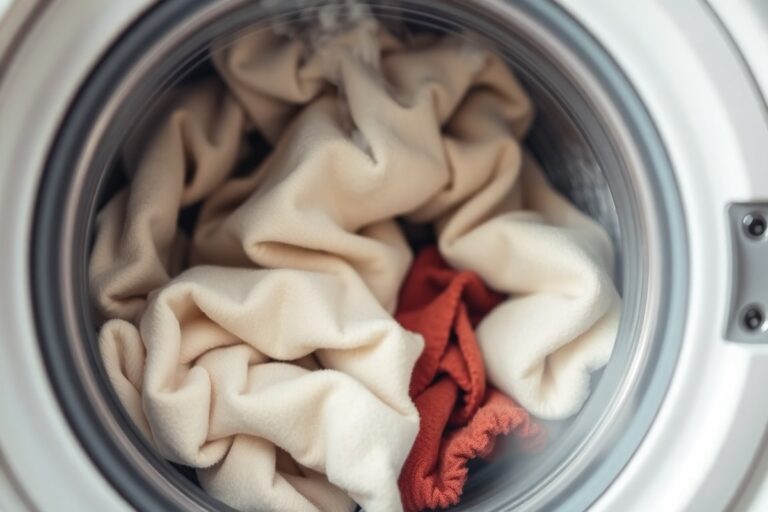
Is tumble dry the same as air dry? No, they are different methods that use distinct processes to dry clothes. Tumble drying rotates clothes with hot or warm air, speeding up moisture removal, while air drying relies on natural or circulated air without heat and takes longer.
This article is for anyone looking to optimize their laundry routine. You’ll learn how these settings work, which fabrics suit each method, and how to choose the best option for your clothes and energy use.
Key Takeaways
- Tumble dry uses heat and drum rotation to quickly evaporate moisture from clothes.
- Air dry settings circulate cool air without heat, extending drying time but reducing fabric damage.
- Heavy fabrics like denim and towels dry better with tumble drying due to their thickness.
- Delicate items or wool benefit from air drying to prevent shrinking or weakening of fibers.
- Combining a brief tumble dry cycle with air drying can speed drying while protecting fabric.
- Tumble drying consumes significantly more energy than air drying, increasing your utility costs.
Is Tumble Dry the Same as Air Dry?

Tumble drying and air drying use two different methods to remove moisture from clothes. Tumble drying places wet laundry inside a dryer drum that rotates while blowing heated air. This heat and motion evaporate water quickly, typically drying a load in 30 to 90 minutes. Air drying relies on natural airflow and ambient temperatures to evaporate moisture without heat. You usually hang or lay clothes flat and wait several hours or even a day for them to dry completely.
The main difference lies in how drying is achieved. Tumble drying uses high temperature and constant tumbling to speed drying times and prevent creasing. The heat can range from medium to high depending on fabric settings, and the rotation helps separate clothes for even drying. Air drying depends solely on surrounding air and airflow, so it is gentler on fabrics but much slower. For example, cotton t-shirts dried in a tumbler on low heat may take under an hour, whereas air drying the same shirt indoors could take 12 to 24 hours depending on room conditions.
Heat in tumble drying makes it suitable for bulky or thick items like towels and bedding that hold more water and take longer to dry naturally. However, the heat can shrink or distort heat-sensitive fabrics like cotton knits and denim if used at high temperatures. Air drying avoids these risks because it uses no heat. It’s especially helpful for delicate items that stretch or lose shape with heat, such as wool sweaters that should be dried flat. You can also air dry clothes inside a dryer by selecting an “air dry” or “air fluff” setting, which tumbles laundry without heat to freshen them or complete drying gently.
Energy use and cost differ significantly as well. Tumble drying consumes electricity, typically using 2 to 5.5 kWh per cycle, which could cost around 50 cents to $1.40 depending on where you live. Air drying requires no energy and is free but demands space, time, and sometimes weather support. Tumble drying is more convenient for quick laundry cycles, while air drying suits slow, low-impact care.
In practice, these methods can complement each other. A short tumble dry cycle can remove the bulk of moisture, followed by air drying for delicate or heat-sensitive items. This approach combines time savings with gentle fabric care. Tumble drying speeds up drying independently of the weather, whereas air drying depends heavily on conditions and airflow.
How Do Tumble Dry and Air Dry Settings Work Inside Dryers?

Tumble dry and air dry settings use different approaches inside the dryer drum to remove moisture from clothes. Tumble drying combines heat with continuous drum rotation to speed up evaporation, while air drying uses unheated air circulation and slower drum movement. These differences affect drying time, energy use, and fabric care.
Tumble Dry: Heat and Rotation
Tumble dry works by heating air inside the dryer and tumbling clothes to expose all surfaces to the warm airflow. The dryer drum rotates continuously at a moderate speed, gently tossing the fabrics to prevent wrinkles and allow moisture to escape evenly.
The temperature usually ranges between 120°F and 140°F (49°C to 60°C), controlled by a thermostat to avoid overheating sensitive fabrics. This heat rapidly evaporates water from the clothes, while the moving drum ensures even drying by rotating items regularly.
Good tumble drying requires balancing heat and motion to dry fabric efficiently without causing shrinkage or damage. Overdrying at too high a temperature risks weakening fibres or causing colors to fade.
Air Dry: Unheated Air Circulation
The air dry setting does not apply heat but uses ambient air and slower drum rotation to remove moisture. The drum turns at a reduced speed, gently tumbling clothes to allow airflow inside the fabric layers while preventing them from settling or tangling.
Air circulation is maintained by the dryer’s ventilation system, which moves unheated air through the drum and exhausts moist air outside the unit. This promotes evaporation without the risks of heat damage, making it suitable for delicate items.
Because air dry relies solely on ambient temperature air and slower tumbling, it generally takes much longer to remove moisture. This setting is often used for refreshing clothes rather than fully drying them.
Air Fluff vs. Air Dry Differences
Air fluff and air dry settings can seem similar because neither uses heat, but they differ slightly in function. Air fluff usually operates without heat and at a faster drum speed designed to “fluff” fabrics and remove wrinkles rather than drying completely.
Air dry focuses more on gentle, low-speed rotation combined with steady airflow to encourage evaporation over time. Air fluff cycles are often shorter and used to freshen or reduce static, while air dry cycles target moisture removal without heat. Both settings save energy compared to tumble dry, but air dry is the better choice when your goal is drying without heat, especially for delicate or heat-sensitive garments. Follow these steps to use tumble dry or air dry settings inside your dryer effectively:
- Sort clothes by fabric type and drying requirement.
- Choose the tumble dry setting for durable fabrics that tolerate heat, selecting the appropriate temperature level.
- Select air dry for delicate fabrics or when you want to avoid heat damage, setting the drum to low speed.
- Load the dryer loosely to ensure good airflow and consistent fabric movement.
- Start the cycle and allow the drum to rotate continuously or slowly, depending on the chosen setting.
- Ensure the dryer’s ventilation system is clear to maintain proper air circulation.
- Check clothes periodically to avoid overdrying or leaving them damp for too long.
Warning: Using high heat on heat-sensitive fabrics in tumble dry mode can cause shrinkage or damage, so always follow garment care labels carefully.
How Long Does Tumble Drying Take Compared to Air Drying?
Tumble drying generally dries clothes much faster than air drying, making it a practical choice when you need laundry done quickly. Typical tumble drying takes between 30 to 60 minutes, depending on the fabric thickness and dryer settings. Air drying, in contrast, can require several hours to a full day or longer, especially for thicker garments or during cold, humid weather. Drying times vary based on fabric type, garment weight, and environmental factors like temperature, humidity, and airflow.
Fabric type plays a significant role in how long drying takes. Thick cotton towels, for example, need more time to dry whether you tumble or air dry them. Tumble drying can complete drying such items in under an hour, while air drying may take 12 to 24 hours or more in favorable conditions. Delicate fabrics such as wool or fine synthetics dry much slower and are usually better suited to air drying to avoid damage. Lighter clothes like t-shirts or blends dry faster with both methods but will still take longer air drying than tumble drying.
Environmental factors greatly impact air drying times. Warm temperatures combined with good airflow speed up drying, while cool, humid, or still air conditions extend it. Indoor air drying without a fan can double the time required. On damp days or in winter months, drying clothes outside can take a full day or longer, whereas tumble dryers work independently of weather.
| Fabric Type | Typical Tumble Drying Time | Typical Air Drying Time |
|---|---|---|
| Cotton (t-shirts, jeans) | 30, 60 minutes | 6, 12 hours (longer if humid or cold) |
| Thick Towels | 45, 60 minutes | 12, 24 hours (or more) |
| Wool and Delicates | Not recommended | Several hours to a day |
| Lightweight Synthetics | 20, 40 minutes | 4, 8 hours |
For faster drying with sensitive fabrics, use tumble drying only if the dryer has an air dry or low-heat setting designed for delicate items. Otherwise, air drying is safest but takes longer. When air drying, position items where they get maximum airflow and sunlight to reduce drying time. Using a fan indoors can speed things up substantially. The choice between the two methods involves balancing time urgency, fabric care, and environmental conditions.
Which Fabrics and Garments Suit Tumble Drying or Air Drying Best?
Choosing the right drying method depends largely on the fabric type and care label instructions. Fabrics such as cotton, polyester, and durable blends generally tolerate tumble drying well. These materials can handle the heat and tumbling action without significant damage, making the standard tumble dry setting a practical choice for quick and effective drying. Sturdy items like jeans and denim jackets fall into this category, though air drying can also help them retain shape and prevent shrinkage over time.
Delicate fabrics require more careful handling. Silk, wool, lace, and fine knits often cannot withstand the heat and mechanical action of tumble drying. Using the air dry or air fluff settings on your dryer, which avoid heat or use minimal movement, will protect these garments. Air drying is also essential for lingerie and other delicate items to preserve their texture, color, and fit since the heat from tumble drying can cause shrinkage, fabric distortion, or weakening of fibers.
Care labels serve as your best guide. Look for the drying symbols: a square with a circle inside it indicates tumble drying is allowed. Dots inside the circle show the temperature setting, one dot for low heat, two for medium, and three for high. A crossed-out circle means tumble drying is not recommended. For delicate fabrics, you often see instructions to air dry or line dry. Following these labels helps avoid damaging your garments.
- Use tumble dry for cotton, polyester, and durable fabric blends.
- Always air dry silk, wool, lace, lingerie, and delicate knits.
- Check care labels for drying symbols and recommended temperature settings.
- Choose air fluff or no-heat air dry settings for delicate items in the dryer.
- Reserve tumble drying for sturdy items unless wear and shrinkage are a concern.
- Separate delicate garments when using any dryer cycle to avoid fabric damage.
- Air dry bulkier items like towels and blankets if you want to extend fabric life.
Using the right drying method matters to maintain your clothing’s look and longevity. Tumble drying can be faster but risks shrinking or fading delicate goods. Air drying avoids heat damage but usually takes longer and needs space. Apply this fabric-focused checklist every time you sort laundry to protect specific garments. Remember, sticking to the care label’s drying instructions and choosing the proper dryer setting can prevent costly mistakes like shrinkage or weakened fibers.
What Are the Energy Use and Environmental Impacts of Each Drying Method?
Tumble drying uses a significant amount of energy compared to air drying. On average, a tumble dryer consumes about 4 kilowatt-hours (kWh) per cycle, making it one of the higher energy-consuming appliances in a household according to the UK Energy Saving Trust. This level of energy use directly affects your utility bill and increases your carbon footprint. In contrast, air drying itself does not use electricity, which means it has zero energy cost and produces no direct carbon emissions.
Choosing air drying reduces energy consumption and supports environmental sustainability. Leaving clothes to dry naturally outdoors uses sunlight and airflow, both renewable resources, to evaporate moisture. Indoor air drying is still energy-free if you simply hang laundry on racks or lines without running fans, heaters, or dehumidifiers, which can add to energy use. This makes air drying the greener option, substantially lowering your household’s overall environmental impact.
Mixing these methods can balance convenience and efficiency. For instance, air drying clothes partially outside or indoors until damp, then using the tumble dryer on a low or air-dry setting for a short time, saves energy while ensuring clothes dry fully. This approach also benefits fabric care by reducing exposure to the tumbling heat, which can cause wear or shrinkage.
While tumble drying offers speed and convenience, its energy demand and cost are considerable. Air drying takes longer, especially in humid or cold weather, but helps you save money and lessen your carbon footprint. When deciding which to use, consider the weather, fabric type, and your schedule. For heavy or very wet items, tumble drying might be necessary for complete drying. For lightweight or synthetic fabrics, air drying works well and avoids energy costs.
Avoid using indoor fans, heaters, or dehumidifiers with air drying unless necessary, as these devices consume energy that can offset the environmental benefits of air drying.
How to Effectively Combine Tumble Drying and Air Drying for Best Results?
You can use tumble drying briefly to remove excess moisture and then finish drying your laundry by air drying to save energy and protect delicate fabrics. This combined method works well for items that need care or when you want to reduce drying time but avoid overdrying or shrinking. Planning the timing and load size helps you get soft, dry clothes without extra wear.
Short Tumble Dry for Moisture Removal
Running a short tumble dry cycle for about 10 to 20 minutes helps remove most of the water from damp laundry. This step reduces drying time significantly when you move items afterward to air dry. It also softens fibres that can feel stiff from wet drying. Use low or medium heat to avoid damaging fabrics, especially for cotton or mixed fabrics.
Brief tumble drying suits mostly cotton t-shirts, workout clothes, and other sturdy items that dry too slowly if you rely on air alone. For example, if towels or denim are still very damp after washing, a short tumble dry avoids musty smells and speeds drying. This prevents indoor air from becoming overly humid if you air dry inside.
Finishing Drying on Air Racks
After reducing moisture with a short tumble cycle, hang clothes on an air rack or clothesline indoors or outdoors. Spread items out well to encourage airflow and faster evaporation. The air dry finish is gentler on clothes than a full tumble dry cycle and helps prevent shrinkage or heat damage. Follow these tips to get the best results:
- Use hangers or foldable drying racks indoors to allow even drying.
- Place heavier clothes on a flat surface to avoid stretching or misshaping.
- Turn garments inside out to protect colors and fabric textures.
- Ventilate your drying area to reduce indoor humidity and speed drying.
- Separate bulky from lightweight items to avoid slow drying or mildew.
- Check clothes regularly and remove when just dry to minimize wrinkles.
This two-step process balances energy savings with fabric care and helps maintain clothing longevity.
Handling Bulky Items Like Towels and Bedding
Bulky items such as towels, blankets, or bedding usually hold a lot of moisture and take longer to dry. Drying them in smaller loads ensures better air circulation and moisture removal. Start with a roughly 20-30 minute tumble dry on a medium or low heat setting to get rid of the bulk of the dampness. This prevents heavy, soggy fabrics that slow air drying.
After tumble drying, hang bedding and towels on strong, well-ventilated air racks or lines. Avoid overcrowding the drying space, which can cause damp spots and mildew. This method keeps towels fluffy and bedding comfortable without excess wrinkling or wear. For large loads, you may need to split the drying into two cycles to avoid overly damp textiles indoors.
Common Tumble Dry and Air Dry Mistakes and How to Fix Them
Clothes often shrink in tumble drying because heat and tumbling cause fibers to contract. Natural fabrics like cotton and wool are especially prone to this. High temperatures or overdrying make it worse by breaking down fibers or tightening weaves. To avoid shrinkage, use the lowest heat setting recommended on the care label and remove clothes while they are still slightly damp. This reduces fiber stress and helps maintain original size and shape.
Air drying clothes can lead to stiffness or unpleasant odors when airflow is poor, or clothes stay damp too long. Lack of enough sun or indoor air circulation allows mildew to develop, causing musty smells. Stiffness happens because fabrics lose their softeners when drying slowly. Using a drying rack in well-ventilated areas or outside when weather permits improves airflow. Adding a light spray of fabric softener before air drying also keeps textiles soft.
Overdrying clothes in a tumble dryer not only wastes energy but wears out fabrics faster and can cause static or curling hems. Mildew problems arise mainly when clothes are air dried but left damp for too long due to slow evaporation. Both issues are preventable by monitoring drying time and environment. Setting a timer or sensor dry on the dryer helps stop the cycle promptly. When air drying indoors, switch garments to different positions regularly and ensure no pileup on drying racks.
- Check fabric care labels before drying to pick the right method and setting.
- Use dryer balls or clean tennis balls in the tumble dryer to improve airflow and reduce drying time.
- Remove clothes from the dryer promptly to avoid wrinkles and overdrying.
- Place air-dried clothes in a sunny, breezy spot or near a fan if indoors.
- Shake out garments before hanging to reduce stiffness and speed drying.
- Separate heavier and lighter items to ensure even drying.
- Regularly clean the dryer lint trap for better airflow and efficiency.
Checking fabric labels guides you on whether tumble drying is suitable and the right dryer settings. Adding dryer balls shortens drying time by improving heat distribution, which lessens fiber stress. Taking clothes out immediately at the end of the drying cycle avoids static buildup and fabric damage. Air drying benefits hugely from good ventilation and sunlight that boost moisture evaporation and reduce bacterial growth. Shaking clothes before hanging breaks up stiffness and helps garments dry evenly. Separating loads prevents denser fabrics from trapping moisture in lighter ones. Keeping the lint trap clean lets warm air pass freely, which improves drying performance and lowers energy use.
How to Choose the Right Drying Method for Your Laundry Needs?
Choose your drying method by checking fabric labels first, then consider time, energy, and environmental impact. Air dry delicate or label-restricted items to protect them. Use tumble drying for durable fabrics or when you need clothes dried quickly. Balancing these factors helps maintain garment quality and keeps costs manageable.
Interpreting Laundry Care Labels
Care labels give the most reliable drying instructions, often using symbols. If a label shows a square with a circle crossed out, air drying is the only safe choice. A square with a circle inside means tumble drying is allowed, sometimes specifying the heat level. Following these symbols reduces the risk of shrinking, warping, or fabric damage.
Read labels on every garment before drying to avoid mistakes. For example, if the label says “dry flat” or “hang to dry,” avoid the dryer. For clothes marked “tumble dry low,” use low heat settings to prevent damage. Ignoring these instructions can shorten garment lifespan and cause costly repairs or replacements.
Matching Method to Fabric and Weather
Fabric type influences the best drying option. Cotton and polyester blends can usually handle tumble drying on medium heat. Wool, silk, or items with embellishments benefit from air drying to maintain shape and avoid damage. The weather also affects your choice; sunny, breezy days speed up air drying, while humid or cold conditions may call for tumble drying to fully dry clothes.
Sorting laundry by fabric type before drying helps you decide and avoid problems. Consider your local climate too. Air drying inside on a rack saves energy but takes longer. When outdoor conditions are ideal, air drying outdoors can add a fresh scent and reduce wrinkles.
- Air dry delicates, wool, silk, embellished items
- Use tumble drying for cotton, polyester, durable synthetics
- Sort loads by fabric type and drying needs
- Check weather; opt for air dry on dry, sunny days
- Use indoor air drying racks in humid or cold climates
- Choose adjustable heat settings for tumble drying
Adjust your drying method seasonally or based on load size and fabric mix, combining air and tumble drying to optimize results.
Balancing Energy Use, Time, and Fabric Longevity
Tumble drying uses electricity and can cost between 15 to 50 cents per load, depending on the dryer model and local rates. It takes about 30 to 60 minutes per load, saving you time compared to air drying, which can take several hours to days depending on conditions. Choosing air drying reduces energy bills and wear on clothes but requires patience and space.
Weigh fabric care against convenience. For everyday cottons, tumble drying on a low or medium setting minimizes wear while saving time. For costly or delicate garments, air drying prevents damage and extends life. Combining methods, such as air drying partially and finishing with a short tumble dry, can help balance fabric care, time, and energy use.
Always confirm the garment label before choosing high heat in tumble drying, as misuse can lead to irreversible fabric damage.
Step-by-Step Action Plan for Choosing and Using the Right Drying Method
Use this plan to test and adjust your drying routine for clothes that last longer and dry efficiently.
- Before your next laundry load: Check care labels on your garments to identify which fabrics tolerate tumble drying and which prefer air drying.
- During laundry sorting: Separate delicate items and those labeled “air dry only” from sturdy fabrics like cotton and polyester that handle tumble drying well.
- At drying time: Use your dryer’s air dry or low heat setting for delicate and synthetic fabrics, and regular tumble dry for durable materials. Confirm drying by touch; clothes should feel dry but not overheated.
- After drying: Inspect clothes for signs of shrinkage, stiffness, or damage. If you notice issues, switch to air drying those items next time.
- Weekly: Experiment by air drying a small batch of mixed fabrics to compare energy use and fabric condition against tumble drying results.
- Monthly: Clean the lint trap and dryer vent to maintain drying efficiency, reducing drying time and energy costs.
- Seasonally: Adjust your drying methods based on weather and humidity: use air drying outdoors in dry conditions and tumble drying when air drying is slow or impractical.
Frequently Asked Questions
Can Tumble Dry Damage Clothes Like Air Drying Can?
Tumble drying can damage some fabrics due to heat and tumbling, while air drying is gentler. Checking garment care labels helps you avoid shrinkage or wear when using tumble dry.
Is It Safe to Use Tumble Dry for Delicate Fabrics?
Delicate fabrics usually require air drying or tumble drying on low heat. Using high heat in tumble drying can shrink or weaken materials like silk or wool.
Does Air Dry Remove Wrinkles Better Than Tumble Dry?
Air drying usually leaves more wrinkles than tumble drying, which can help soften fabrics by tumbling. You can reduce wrinkles by removing clothes promptly after tumble drying.
Can Tumble Drying Help Kill Bacteria Better Than Air Drying?
Tumble drying at high heat can reduce bacteria more than air drying, which lacks heat. This adds a hygiene benefit, especially for bedding and towels during cold months.
Why Does Air Drying Take Longer Even in Warm Weather?
Air drying relies on ambient temperature and airflow, making it slower than tumble drying’s heated air. Even warm weather must have enough circulation to speed drying effectively.
Is Tumble Drying Clothes More Expensive Than Air Drying?
Yes, tumble drying uses more electricity, increasing costs compared to air drying. However, it saves time, which some users trade off for higher energy bills.
Before You Go
Tumble drying and air drying serve different purposes based on fabric type and drying conditions. Balancing these methods can help keep your laundry in good shape while saving energy and time. Start by carefully reading labels and testing one method at a time to see which works best for your typical loads.