How to Clean Sofa: 8 Effective Steps for Fresh, Stain-Free Upholstery
How to clean sofa effectively starts with identifying the fabric type and following a clear, step-by-step routine that includes spot cleaning, deodorizing, and suctioning dirt. A practical method involves using baking soda to absorb odors and lift stains gently. You can keep your sofa fresh and stain-free by treating spots with common household ingredients and vacuuming regularly.
This advice suits homeowners and renters who want straightforward steps for maintaining upholstery without costly products. You will find simple cleaning tips, fabric care guidelines, and stain removal techniques that help extend the life of your sofa.
Key Takeaways
- Identify the sofa’s cleaning code before starting any cleaning to avoid damaging the fabric.
- Use baking soda sprinkled lightly on your sofa for 15 to 20 minutes to absorb odors and loosen stains.
- Vacuum the sofa thoroughly after using baking soda to remove powder and dirt.
- Water-based cleaners suit “W” coded fabrics; solvent cleaners are best for “S” coded sofas.
- Apply household solutions like baking soda directly to stains and let sit for 10 to 30 minutes before cleaning.
- Avoid oversaturating sofa fabrics to prevent damage and mold growth.
1. How to Clean Your Sofa at Home in 8 Clear Steps
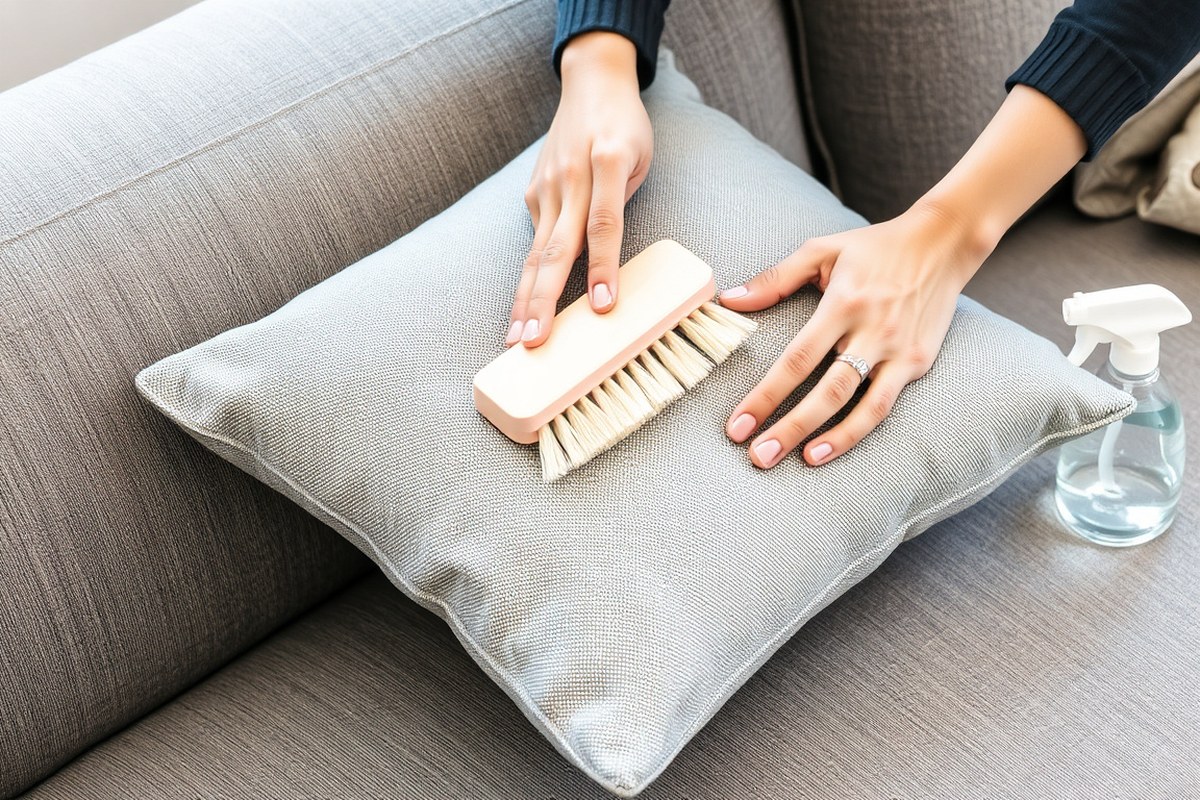
Cleaning your sofa at home can restore its look and extend its life when done carefully and in the right order. The process starts by preparing the surface and tools to avoid pushing dirt deeper and ends with protecting the fabric from future stains. Use cleaning agents and techniques that suit your sofa’s material to prevent damage. Follow these clear steps to tackle dust, stains, and odors while being gentle on the upholstery.
- Clear the sofa surface. Remove all cushions, pillows, and throws. Check pockets or underneath the cushions for small debris. This step ensures easier access to all sofa parts and prevents loose items from getting wet or soiled.
- Vacuum thoroughly. Use a vacuum with an upholstery attachment to clean every inch of the sofa including seams, crevices, and under cushions. This removes dust, pet hair, and crumbs without spreading them or embedding them deeper into the fabric. If you don’t have a vacuum, a soft brush can help loosen dirt for a hand wipe-down.
- Test a small area. Identify your sofa fabric’s cleaning code when possible. Apply your cleaning solution on a discreet spot and let it sit for a few minutes. Check for color changes or fabric damage. Testing prevents accidental stains or material weakening before you clean the entire sofa.
- Spot treat stains. Dab or gently rub on the appropriate cleaner using a white cloth or sponge. Work from the outside inward to stop stains spreading. Let the cleaner sit for the recommended time on the product label, usually around 5 to 15 minutes, before blotting away.
- Clean the main fabric. Mix a gentle detergent and warm water or use a commercial fabric cleaner suited to your sofa type. Lightly mist the sofa and scrub in circular motions using a soft cloth or brush. Avoid soaking the fabric to prevent dampness that leads to mold or shrinkage. For water-sensitive materials, consider a dry cleaning solvent.
- Rinse and blot dry. Wipe away detergent residue with a damp cloth. Be careful not to over-wet the fabric. Then, blot the area with a dry towel to remove excess moisture. Open windows or use a fan to quicken drying, aiming for less than 24 hours to avoid mildew.
- Refresh cushions and accessories. Clean or wash removable cushion covers according to their care labels. Vacuum inner cushions and pillows to dust off debris. Dry covers thoroughly before putting them back on to maintain a fresh sofa vibe.
- Apply fabric protector. After complete drying, spray a fabric protectant designed for upholstery. This adds a barrier against spills and stains. Follow product instructions carefully for application and drying times.
2. Identifying Sofa Fabrics and Cleaning Codes

Finding your sofa’s fabric type and checking its upholstery cleaning code are key steps to avoid damage during cleaning. The cleaning code tells you what products or methods will safely clean your sofa without harming the material. Look for the tag on your sofa, usually under a cushion or along the frame, to find this important information.
Common Sofa Fabrics and Characteristics
Most sofas are made from materials like cotton, polyester, linen, microfiber, leather, or synthetic blends. Cotton and linen are natural fibers and tend to be breathable but may stain easily and can shrink if wet. Polyester and microfiber are synthetic, more stain-resistant, and often easier to clean. Leather and faux leather require special care, often involving products designed for these materials.
You can usually identify the fabric by touch and appearance: natural fabrics feel softer and more breathable, while microfibers often have a smooth, suede-like texture. The sofa’s labeling may also list the fabric content. For unknown fabrics, testing a small hidden area with water or solvent cleaners based on the code will tell you how the material reacts.
Cleaning Code Definitions and Uses
The upholstery cleaning code is a one- or two-letter code representing the safest cleaning methods. Here is a table summarizing those codes and what they mean for your cleaning routine:
| Cleaning Code | What It Means | Safe Cleaning Method | What to Avoid |
|---|---|---|---|
| W | Water-based cleaner | Select a mild upholstery shampoo or a foam-based cleaner, making sure to try it on a small, hidden area before applying more broadly. | Machine washing unless label permits it. |
| S | Solvents only | Use a solvent-based cleaner in a well-ventilated area. | Water-based cleaners. |
| W/S | Combination | You can try cleaning with either water-based or solvent-based cleaners after checking that they won’t damage the fabric. | Oversaturating the fabric. |
| X | Vacuum or light brushing only | Carefully vacuum or use a soft brush. | Any liquid cleaning. |
Following these codes prevents fabric damage such as shrinking, color bleeding, or loss of texture. Always check the tag and test cleaners in an inconspicuous spot first. The tag and cleaning code give you a clear starting point to select the right cleaning method safely.
Recommended Cleaners by Code
For sofas with a W code, use water-based upholstery cleaners or foam. Gentle washing solutions made for fabric upholstery work best. Avoid soaking the fabric or using machines unless the care label explicitly allows it. For instance, expect to spend around 15 minutes with a mild soap solution applied lightly with a soft cloth or brush.
S-coded sofas require solvent cleaners like dry-cleaning products. Do this in a well-ventilated room to prevent inhaling fumes. Avoid water-based cleaners to prevent stains or fabric damage. Use a solvent-based cleaner sparingly and spot-clean only, as overuse can wear the fabric.
W/S-coded sofas give you more flexibility. You can choose water-based or solvent cleaners but start with a test patch to see which works without discoloring or weakening the fabric. Avoid saturating cushions to prevent damage to the filling.
Sofas with an X code must be cleaned without any liquids. Use a vacuum with a brush attachment or gently brush away dust and debris. This keeps the fabric safe without risking water damage or shrinkage.
Try any cleaner on a hidden seam or under a cushion first for 10 to 15 minutes to check for fading or damage before applying it to the whole sofa.
3. Removing Common Sofa Stains with Household Ingredients
Common sofa stains such as wine, grease, pet urine, and ink can often be removed using household ingredients if treated quickly and gently. The key is to blot stains rather than scrub, which can damage fabric and set stains deeper. This step-by-step stain removal guide explains exactly what to use and how to apply it to protect your sofa fabric while tackling each type of stain effectively.
Removing Red Wine and Coffee Stains
Red wine and coffee stains are acidic and can cause discoloration if left too long. Acting quickly by blotting up excess liquid prevents spread. A simple home remedy consists of a mild detergent mixed with water or an equal mix of white vinegar and water, which helps break down pigments.
- Blot the stain gently with a dry microfiber cloth to absorb as much liquid as possible.
- Prepare a solution by mixing 1 tablespoon of mild liquid detergent with 2 cups of cool water.
- Moisten a fresh white cloth with the solution and gently press it onto the stain without rubbing, which could embed the stain further.
- Repeat blotting with a new cloth until the stain lightens significantly.
- Rinse the area by blotting with a cloth dipped in plain water to remove detergent residue.
- Blot the fabric dry with a towel and allow the sofa to air dry completely.
Avoid hot water, which can set stains. Vinegar solutions are especially helpful for stubborn coffee marks but test on an inconspicuous patch to ensure colorfastness. Prompt blotting reduces fabric fading and damage.
Treating Grease and Oil Spots
Grease stains require absorbing as much oil as possible before cleaning with detergents. Household items like baking soda, cornstarch, or baby powder can draw out grease without harsh chemicals.
- Sprinkle a generous layer of baking soda or cornstarch over the grease spot.
- Let it sit for at least 15 minutes to absorb oils; longer for heavy stains but avoid more than an hour.
- Vacuum up the powder carefully without rubbing.
- Apply a small amount of dish soap mixed with warm water to a cloth and gently blot the area.
- Use a damp cloth to remove soap residue after the stain starts fading.
- Pat dry with a clean towel and air dry the sofa.
Scrubbing can push grease deeper and fray fabric, so blot with light pressure. Powder methods are cost-effective and safe for most fabrics, but always check your sofa’s cleaning code first. Complete removal may require multiple treatments.
Cleaning Pet Urine and Odors
Pet urine not only stains but leaves odors that may persist without proper treatment. Enzyme-based cleaners target urine molecules effectively, but a homemade approach uses baking soda and vinegar to neutralize smells and lift fresh stains.
- Blot excess urine immediately with paper towels or a clean cloth, applying gentle pressure.
- Sprinkle baking soda liberally over the area and let it sit for 10 minutes to absorb moisture and odors.
- Mix equal parts white vinegar and water in a spray bottle.
- Lightly spray the baking soda-covered area with the vinegar solution; bubbling indicates the reaction lifting stains.
- After the fizzing subsides, blot the area with a clean cloth to absorb moisture.
- Vacuum once dry to remove any baking soda residue, typically after several hours.
Use enzyme cleaners for older or stubborn stains, following product instructions carefully. Avoid saturating the fabric, which can damage sofa cushions internally. Proper drying prevents mold and lasting odors.
Lifting Ink and Marker Marks
Ink and marker stains need gentle solvents that break down pigment without harming fabric fibers. Rubbing alcohol or hand sanitizer works well but should be tested on a hidden spot beforehand.
- Place a white cloth or paper towel underneath the stained fabric if possible to catch ink transferred during cleaning.
- Lightly dab rubbing alcohol or a small amount of hand sanitizer on a cotton swab or clean cloth.
- Gently blot the ink stain, avoiding rubbing to prevent spreading.
- Continue blotting with a clean area of the cloth until the ink begins to lift.
- Apply a mild detergent solution to the treated area and blot to remove solvent residues.
- Rinse by blotting with a water-dampened cloth and pat dry.
Using too much alcohol or aggressive scrubbing can weaken fabric fibers or cause color loss. Apply solvents sparingly and let the fabric air dry fully before sitting down. Removing ink stains quickly improves chances of success.
4. How to Deodorize and Freshen Your Sofa Effectively
Baking soda works well as a deodorizer because it neutralizes acid and base odours by chemically reacting with them. This reaction helps break down and absorb the source of smells trapped in sofa fabric. To use baking soda effectively, sprinkle a thin, even layer over your sofa’s surface and let it rest for 20 to 30 minutes. For stronger odours, extending this time up to an hour can provide a deeper neutralizing effect. During this resting period, the baking soda absorbs moisture and odour particles, making your sofa smell fresher without harsh chemicals.
After the baking soda has had enough time to act, gently brush the sofa with a soft-bristle brush. This step loosens the powder and any dirt or oil it has lifted from the fabric. Following brushing, vacuum thoroughly to remove all baking soda residue. Using a vacuum with a brush attachment can improve results by helping lift particles from deeper in the fabric. This routine can be done whenever your sofa starts smelling musty or before guests arrive to refresh the room.
Sometimes baking soda alone might not fully eliminate stubborn scents like pet odors or smoke. In these cases, mixing baking soda with a few drops of dish soap and water creates a mild cleaning paste suitable for sofas labelled with a “W” or “W/S” cleaning code. Apply the paste sparingly to affected areas, allow it to dry, and then vacuum as you would after baking soda treatment. Alternatively, natural fabric fresheners such as white vinegar diluted with water in a spray bottle can be lightly misted on the sofa and then air-dried to help neutralize odours. Ensure good ventilation during this process to prevent damp smells.
Preventing odours is easier by keeping on top of regular maintenance. Use sofa covers or throws that are washable and protect the underlying fabric from spills and stain-causing dirt. Regularly vacuum your sofa to avoid dust and debris buildup, which can trap smells over time. Avoid eating on or near the sofa to reduce the chance of food smells and spills, and address any accidents promptly using appropriate spot-cleaning methods. Following these steps not only keeps your sofa smelling fresh longer but also extends its comfort and appearance.
5. Cleaning Sofas Without a Vacuum Cleaner or Steamer
Cleaning your sofa without a vacuum cleaner requires a bit of manual effort but can be effective with the right tools and techniques. For dust and hair removal, use a soft-bristled brush or a microfiber cloth to gently sweep over the fabric. These tools help lift dirt without damaging the upholstery. A lint roller can also pick up pet hair and small debris efficiently, especially on sofas with tight weaves.
If you want to try steam cleaning without a dedicated machine, a garment steamer or even an iron with a steam function can work, but only on sofas marked with cleaning codes “W” or “W/S.” These codes indicate that the fabric tolerates water-based cleaning. Before steaming the entire sofa, test a small hidden area to make sure the material doesn’t discolor or shrink. Keep the steam source about 6 to 8 inches away and move it continuously to avoid overheating one spot. Steaming sanitizes and lifts dirt but isn’t suitable for all sofas, especially those with delicate or synthetic materials labeled “S” or “X.” Here are some tools and tips for cleaning your sofa without a vacuum or a full steam cleaner:
- Soft-bristled brush: gently dislodges dust and crumbs from fabric fibers
- Microfiber cloth: effective for wiping surfaces and picking up fine particles
- Lint roller: picks up pet hair and lint quickly, ideal for quick touch-ups
- Handheld garment steamer: use only on “W” or “W/S” fabric couches, test first
- Rubber gloves: put on and rub your sofa to attract pet hair
- Sticky tape: wrap around your hand to lift stubborn hair in hard-to-reach spots
Always perform a spot test before steaming your sofa and avoid saturating the fabric, as excess moisture can lead to mold or damage.
Manual cleaning costs little more than the price of basic cleaning supplies, usually under $20 for wipes, brushes, or lint rollers. Results depend on your effort and fabric type, expect thorough dust and hair removal but less deep cleaning compared to vacuuming. Manual tools work best for light and routine sofa care or immediate cleanup of spills and debris. Avoid scrubbing too hard to prevent fabric wear or color fading. For sofas made of delicate materials or tightly woven fibers, stick to gentle motions with soft tools to maintain your sofa’s lifespan and appearance.
6. Routine Sofa Maintenance: How Often and What to Do
Keeping your sofa in top shape needs a regular routine that focuses on dust control, cushion care, and a cleaning schedule tailored to your sofa’s fabric and usage. Vacuum the entire sofa, including under cushions, at least once a week to remove dust, crumbs, and pet hair. Use a vacuum attachment designed for upholstery to avoid damaging the fabric. Dust can settle into the fibers, causing wear and fading over time, so weekly vacuuming helps maintain both appearance and hygiene.
Cushions require extra attention because they absorb body oils, spills, and odors faster than the sofa frame. Fluff your cushions daily or at least several times a week to redistribute the filling and prevent lumps. Rotating and flipping cushions every month also promotes even wear and extends their lifespan. For sofas with removable cushion covers, follow the manufacturer’s washing instructions, most are safe for machine washing on a gentle cycle but verify the fabric code first.
- Vacuum sofa and cushions weekly, using an upholstery attachment
- Fluff cushions daily or several times per week to keep shape
- Rotate and flip cushions monthly to avoid uneven wear
- Spot clean spills immediately or within 24 hours
- Dust sofa surfaces and arms weekly using a microfiber cloth or fabric-safe dust spray
- Wash removable cushion covers monthly or as recommended
- Use throws or slipcovers in high-traffic areas to reduce direct wear
Dusting sofa surfaces weekly with a microfiber cloth or a product made for fabric cleaning can keep dirt from settling into the material. Fabric dust sprays help loosen particles before vacuuming, making this an effective two-step method for stubborn dust. Checking the sofa’s care label before using any spray is essential to avoid damage.
Maintaining cushions and throws fresh is simpler when you remove them regularly and air them out in sunlight or well-ventilated areas. Avoid direct harsh sunlight for long periods as it can fade colors but brief exposure helps reduce moisture and odors. Frequent fluffing combined with rotating cushions lessens compressed spots, keeping your sofa more comfortable and visually appealing. For those with pets or allergies, steam cleaning cushions every few months can sanitize the fabric without harsh chemicals, it usually costs around $50 to $100 if done by a professional.
7. Cleaning and Caring for Different Sofa Materials
Sofa materials like fabric, microfiber, leather, and faux leather each require different cleaning methods to avoid damage and extend their lifespan. Understanding these differences helps you choose the right cleaners and tools for effective care. Using inappropriate products or techniques can stain, dry out, or wear down your sofa prematurely.
Cleaning Fabric and Microfiber Sofas
Fabric sofas demand careful cleaning according to the manufacturer’s care tag, which advises on suitable cleaning codes and methods. Using water-based cleaners on some fabrics can cause shrinkage or color loss, so spot testing a hidden area is essential. Microfiber sofas, often made from tightly woven synthetic fibers, repel stains well but collect oils and dirt, which regular gentle cleaning can remove.
For fabric, vacuuming weekly with an upholstery attachment prevents dirt buildup. For deeper cleaning, use mild soap solutions or fabric-specific upholstery cleaners applied with a soft cloth. Avoid soaking the fabric; lightly damp cleaning followed by quick drying helps prevent mold or odor.
Microfiber benefits from using rubbing alcohol sprayed lightly and gently scrubbed with a soft brush. Avoid water solvents on microfiber unless the care tag allows (usually marked with “W” or “SW”). Let the sofa dry fully within a few hours. Frequent mild cleaning is better than occasional heavy treatments.
Caring for Leather Sofas
Leather requires specialized care to keep its texture and appearance over time. Regular dusting with a dry microfiber cloth removes surface debris without causing scratches. For cleaning, use leather-specific cleaners or gentle, pH-balanced soaps diluted in water, applied with a damp cloth.
Never saturate the leather or use harsh chemicals or detergents, as they can strip natural oils leading to cracks or fading. After cleaning, apply a leather conditioner every 6 to 12 months to maintain suppleness and water resistance. Typical cleaning costs for leather products range from ₹100 to ₹900 depending on whether you use a simple DIY solution or a commercial cleaner.
Spills should be blotted immediately with a clean, dry cloth, not rubbed, to prevent stains. Avoid placing leather sofas under direct sunlight or near heat sources, as extreme dryness accelerates damage.
Maintaining Faux Leather and Velvet
Faux leather sofas look similar to leather but usually resist stains and water better. Clean with a damp cloth and mild soap, rinsing off any residue to prevent stickiness. Avoid abrasive brushes or solvents that can tear or discolor the surface. Periodic wiping with a plastic conditioner or protectant designed for synthetic materials can extend durability.
Velvet, a plush and delicate fabric, requires delicate maintenance. Use a soft-bristled brush or vacuum with an upholstery attachment to remove dust and restore pile alignment. For stains, blot immediately and use minimal water with specialized velvet cleaner or mild upholstery shampoo.
Avoid over-wetting velvet, as moisture can leave marks and cause the fabric to warp. Always test cleaners on a small area before applying on large sections. Below is a comparison of cleaning practices for different sofa materials outlining key dos, don’ts, and recommended products:
| Material | Cleaning Method | Recommended Cleaners | Dos | Don’ts |
|---|---|---|---|---|
| Fabric | Vacuum weekly; spot clean with mild soap or upholstery cleaner | Mild soap, fabric upholstery cleaner | Test on hidden area; dry quickly | Don’t soak; avoid harsh chemicals |
| Microfiber | Spray rubbing alcohol; gently brush; vacuum | Rubbing alcohol, water-based cleaners if marked “W” | Use soft brush; allow full drying | Don’t use water solvents if not allowed |
| Leather | Wipe with damp cloth; condition every 6-12 months | Leather-specific cleaner, pH-balanced soaps, leather conditioner | Blot spills; keep out of direct sun | Don’t saturate; avoid harsh detergents |
| Faux Leather | Wipe with damp cloth and mild soap; apply synthetic protectant | Mild soap, plastic conditioner | Clean regularly; condition synthetic surface | Don’t use abrasives or solvents |
| Velvet | Vacuum gently; blot stains quickly; use specialty cleaner | Upholstery shampoo for velvet, soft brush | Brush pile; test cleaners first | Don’t over-wet or scrub harshly |
Matching your cleaning methods to the sofa material preserves your furniture’s look and feel. Using products that suit each material avoids costly damage and keeps sofas inviting. The time invested based on these recommendations typically pays off with years of comfortable use and maintained appearance.
8. When to Hire a Professional Sofa Cleaner
Knowing when to hire a professional sofa cleaner can save your furniture from lasting damage and improve the overall appearance more effectively than home methods. Consider professional cleaning if your sofa has stubborn stains that home remedies cannot remove, such as ink, blood, or old grease marks. These stains often require specialized solvents and equipment that ensure deep cleansing without harming the fabric or finish.
Professional cleaning differs from DIY mainly in the use of industrial-grade products and machines. Professionals typically use hot water extraction or steam cleaning methods that reach deeper into the upholstery fibers than regular home vacuums or spot cleaners. They can also apply fabric protectors after cleaning to help your sofa resist future stains, which is rarely achievable with home cleaning kits.
Warning signs that indicate a professional service is needed include persistent odours after airing out, excessive soil buildup causing stiff or rough fabric, worn or faded colors that home cleaning can’t restore, and unpleasant mold or mildew growth that may not respond well to over-the-counter treatments. Leather sofas with cracks, peeling, or extended discoloration also benefit from expert care, as improper cleaning can worsen their condition.
Experts recommend hiring a sofa cleaning service roughly every 12 to 18 months depending on use and household factors like pets or smoking. The cost generally varies between $100 and $300 per sofa, influenced by size, fabric type, and stain severity. Despite the upfront expense, professional cleaning saves you time and reduces the risk of damaging your sofa with improper products or techniques.
For example, a heavily soiled polyester sofa with multiple food and drink stains may require the use of a high-temperature steam cleaner combined with specialized detergents for complete stain removal. A DIY attempt with mild soap and water could clean surface dirt but often leaves behind residue or may not kill deeply embedded bacteria. Professionals also perform thorough drying faster, reducing the chance for mold growth.
Leather sofas usually tolerate gentle home cleaning, using a soft cloth dampened with a water and mild soap solution or a store-bought leather cleaner applied sparingly. However, deep-seated oil stains, extensive cracks, or professional conditioning to restore suppleness calls for specialized leather cleaning services to avoid further damage.
Always test a small, hidden area of your sofa before applying any cleaning product to prevent discoloration or fabric damage.
Step-by-Step Action Plan for Cleaning Your Sofa
Follow these steps to clean your sofa safely and effectively based on its fabric and type of stains.
- Before you start: Check the sofa’s cleaning code, usually found under the cushions, to choose the right cleaning method.
- Day 1: Vacuum the entire surface to remove loose dirt and dust, using attachments suited for sofas.
- Day 2: Spot-treat stains with appropriate household ingredients matched to the stain type and fabric.
- Day 3: Use a homemade or recommended sofa cleaner to clean upholstery areas, testing in a hidden spot first.
- Day 4: Deodorize the sofa by sprinkling baking soda, letting it sit for at least 30 minutes, then vacuum thoroughly.
- Weekly: Lightly brush and fluff the cushions to maintain fabric texture and shape.
- Monthly: Deep clean leather or fabric sofas with specialized products or steam to refresh the material.
- Annually or as needed: Consider professional cleaning if stains persist or fabric looks worn.
Frequently Asked Questions
What Is the 2/3 Rule for Sofas?
The 2/3 rule suggests cleaning two-thirds of your sofa more frequently, focusing on high-use areas. This helps maintain overall cleanliness by targeting spots where dirt and stains build up faster.
Is It Worth Getting a Sofa Professionally Cleaned?
Professional sofa cleaning is often worth it for deep stains or delicate fabrics. It ensures thorough cleaning without damage, especially when routine home cleaning isn’t enough.
Can I Use Fairy Liquid to Clean a Sofa?
Fairy liquid can be used for spot cleaning, but only diluted and tested first on a hidden area. It works well on greasy stains but might damage delicate fabric if used undiluted.
Can You Use a Steam Cleaner on a Sofa?
Yes, steam cleaners can be used on sofas labeled W or WS, but always test a small hidden area first. Make sure your upholstery can handle the heat to avoid fabric damage.
How Do I Prevent Sofa Fabric from Fading in Sunlight?
Avoid placing your sofa in direct sunlight to prevent fading. Use curtains or blinds to reduce sun exposure, protecting the fabric color over time.
Does Fabric Sofa Require Special Detergent?
Fabric sofas usually need detergent labeled safe for upholstery or gentle cleaners. Avoid harsh chemicals to maintain fabric quality and appearance.
Before You Go
Cleaning your sofa carefully based on its fabric and stain type keeps it looking fresh and extends its life. Start by testing cleaning methods in low-visibility areas to avoid damage. Begin today by identifying your sofa’s cleaning code, then follow through with regular spot treatments and vacuuming to maintain a clean and inviting sofa in your home.