How to Wash White Tennis Shoes: A Complete Guide for Effective Cleaning
To wash white tennis shoes safely and effectively, soak them in soapy water for 10, 15 minutes, then gently scrub with a soft brush or cloth. Machine washing on a gentle, cold cycle works for many materials, but hand washing is better for delicate shoes. Dry shoes naturally for several hours to preserve their shape and colour.
This advice suits anyone wanting to clean their white tennis shoes without damaging them. You’ll find clear steps to wash by material, remove stains, clean laces and insoles, and properly dry to keep your shoes bright and lasting longer.
Key Takeaways
- Soak white tennis shoes in warm, soapy water for 10, 15 minutes before scrubbing to loosen dirt effectively.
- Use a soft toothbrush and circular motions to gently clean shoes without damaging delicate materials.
- Run white tennis shoes in a gentle cycle with cold water only if your shoe care permits machine washing.
- Mix baking soda and dish soap to scrub white rubber parts with a soft-bristle brush for tough stains.
- Clean white canvas shoes by spot-cleaning with laundry detergent mixed in warm water to avoid damage.
- Let shoes air dry at room temperature for 5, 6 hours minimum to maintain their shape and prevent warping.
How to Wash White Tennis Shoes Safely and Effectively
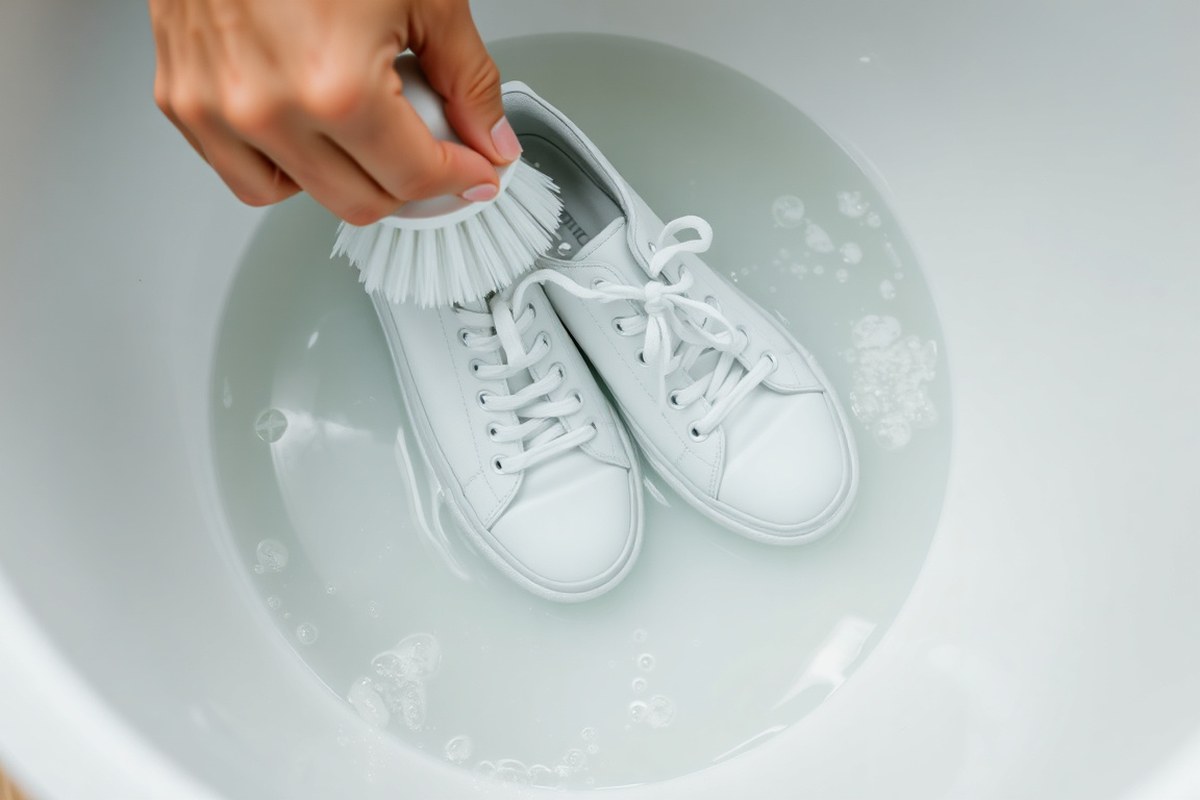
The safest and most effective way to wash white tennis shoes is to hand wash them using a gentle cleaning solution and soft brushes. This approach gives you control over the cleaning process and reduces the risk of damage compared to machine washing. Before you start, prepping your shoes properly can help you get the best results.
Preparation involves removing loose dirt and separating different shoe parts. Avoid harsh chemicals and high water temperatures which can cause fading or material breakdown. A mild detergent mixed with warm water around 90°F (32°C) works well for cleaning most white tennis shoes, especially those made of fabric or mesh.
- Remove the laces and insoles. Take out the shoelaces and insoles to clean separately. This helps you reach all areas of the shoe and prevents excess moisture buildup inside.
- Brush off loose dirt. Use a soft-bristled shoe brush or old toothbrush to gently sweep away dirt and debris from the shoe’s surface. This reduces grit that can cause abrasion during washing.
- Mix a cleaning solution. Combine one tablespoon of mild liquid detergent or dish soap with two cups of warm water in a bowl or sink. Avoid bleach or harsh cleaners which can yellow or weaken the shoe.
- Scrub the shoe gently. Dip the brush into the cleaning solution and lightly scrub the shoes focusing on stains and dirty areas. Use circular motions without aggressive rubbing to protect the fabric and sole.
- Rinse with clean water. Dampen a clean cloth with lukewarm water and wipe away soap residue carefully. Avoid soaking the shoe in water, which can deform it or damage glue seams.
- Clean laces and insoles separately. Hand wash the laces and insoles in the same gentle detergent solution. Rinse thoroughly and squeeze out excess water without twisting.
- Air dry your shoes. Stuff the shoes with paper towels or clean cloths to maintain their shape. Dry them in a well-ventilated, shaded area at room temperature. Avoid direct sunlight or heat sources which cause warping and yellowing.
This method usually takes about 20 to 30 minutes to complete and involves minimal expense since common household items suffice. Following these steps protects your white tennis shoes and keeps them looking fresh longer. Machine washing may seem convenient but carries more risk of wear, so hand washing is recommended for daily care and occasional deep cleaning.
Cleaning White Tennis Shoes by Material Type
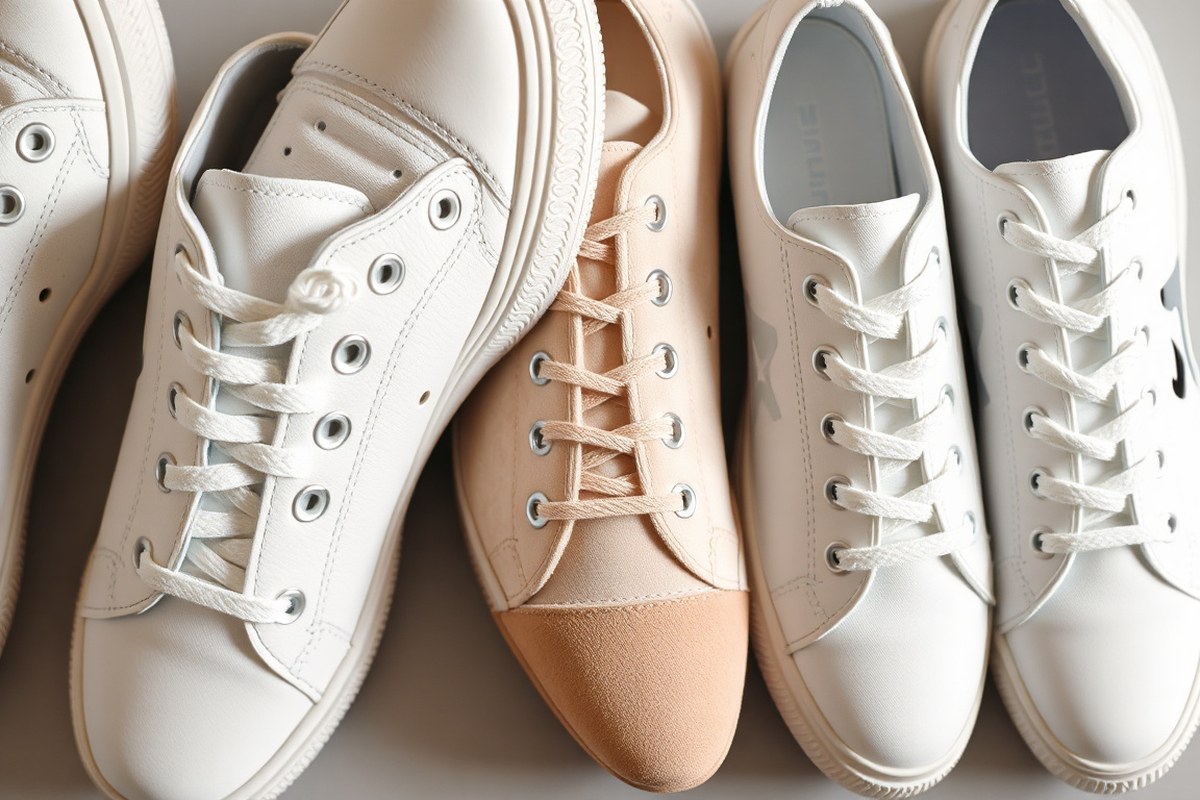
Cleaning white tennis shoes requires different approaches depending on their material to avoid damage while effectively removing dirt and stains. Materials like canvas, leather, mesh, and suede vary in durability and cleaning needs, so using the right tools and products is essential. Canvas and mesh shoes generally tolerate gentle scrubbing with mild soap and water, while leather demands more careful conditioning, and suede calls for specialized brushes and cleaners to protect its delicate surface. The following table summarizes cleaning tips and suitable products by shoe material. It provides a quick reference to match your shoe’s fabric with the best cleaning method:
| Material | Description | Cleaning Method | Recommended Products |
|---|---|---|---|
| Canvas | Sturdy woven fabric, breathable and common in casual tennis shoes | Use a soft brush or cloth with mild soap and water; scrub gently in circular motions | Mild liquid soap, baking soda, white vinegar, soft toothbrush |
| Leather | Durable, smooth, and requires conditioning to prevent cracking | Wipe with damp cloth; avoid soaking; apply leather cleaner and conditioner afterward | Leather-specific cleaner, conditioner, soft cloth |
| Mesh | Lightweight, breathable material often used in performance tennis shoes | Gentle scrubbing with soft brush and mild soap; avoid harsh rubbing to prevent fraying | Mild soap, water, soft brush |
| Suede | Soft, napped leather that is sensitive to water and stains | Use a suede brush for dry cleaning; spot-clean with suede cleaner for stains; avoid excess moisture | Suede brush, suede cleaner, eraser block |
Combine warm water with a little mild soap or baking soda to clean canvas and mesh shoes. Use a soft brush or cloth dipped in this mix to gently scrub the fabric in circular motions, avoiding soaking the shoes to keep glue and interiors intact. After cleaning, wipe off any soap residue with a damp cloth, then allow the shoes to dry naturally away from direct sunlight.
Leather shoes should never be immersed fully in water. Use a damp cloth to wipe surface dirt. Then apply a leather cleaner according to its instructions, followed by a conditioner to keep the leather supple and prevent cracks. This process protects the shoe’s finish and extends its lifespan.
Mesh footwear benefits from a lighter touch. Use a soft brush with mild soap and water, applying minimal pressure to avoid damaging the open weave. Rinse lightly and let dry fully to maintain breathability and comfort.
Suede shoes demand the most care. Using water risks leaving stains or stiffening the material. Instead, use a suede brush to gently lift dirt and an eraser block to remove scuffs. For stubborn spots, a commercial suede cleaner can be applied sparingly following product directions. Always allow suede shoes to dry naturally in a well-ventilated area.
Never soak leather or suede tennis shoes, as excess water can cause warping, staining, or material degradation.
Effective Stain Removal Techniques for White Tennis Shoes
Stubborn stains, yellowing, and marks on white tennis shoes require targeted treatments to restore brightness without damage. Using home remedies like baking soda, vinegar, hydrogen peroxide, and toothpaste can effectively lift dirt, grass stains, and yellowing, especially when applied carefully and left on for the right amount of time.
Removing Dirt and Grass Stains
Grass stains and dirt are common problems on white tennis shoes. Apply white vinegar directly to the stained areas, then gently scrub with a soft toothbrush or brush. Vinegar’s acidity breaks down the chlorophyll in grass stains, making them easier to lift. For dirt, a baking soda paste (baking soda mixed with water to a spreadable consistency) can help exfoliate grime without harsh chemicals.
After applying the vinegar or baking soda treatment, let it sit for about 15 to 20 minutes before scrubbing again and rinsing with warm water. Avoid soaking the shoes if they are made of delicate materials like mesh or suede, as water and scrubbing can damage the fabric.
Treating Yellowing on Fabric and Soles
Yellowing often appears on the fabric parts of white tennis shoes and on rubber soles, caused by dirt buildup, oxidation, or sweat. A paste made from baking soda and hydrogen peroxide works well to brighten these areas. Mix about one tablespoon of baking soda with two tablespoons of hydrogen peroxide into a thick paste.
Apply this baking soda and peroxide paste to yellowed fabric or rubber parts, then leave it on for 30 minutes. Afterward, scrub gently with a toothbrush and rinse with warm water. For yellow rubber soles specifically, a soft-bristle brush combined with a mix of equal parts baking soda and laundry detergent can help remove the discoloration, followed by wiping with a damp cloth.
Using Baking Soda and Vinegar Paste
Create a cleaning paste for spot treatment on canvas, mesh, or fabric tennis shoes by mixing one tablespoon baking soda, two tablespoons white vinegar, and one cup warm water. This blend produces a fizzing effect that aids in breaking down stains and grime.
Apply the paste directly to stains or yellowed areas using a toothbrush. Let it rest for 15 to 20 minutes to allow the chemical reaction to work effectively. Then scrub gently and rinse with warm water. This method is gentle enough for regular cleaning sessions to prevent stains from setting in while being strong enough to handle moderate discoloration.
- For fresh grass stains, apply vinegar and scrub immediately
- Use baking soda paste for dirt and dried stains
- Leave paste treatments on for 15 to 30 minutes to activate
- Scrub gently with a soft brush to avoid fabric damage
- Use hydrogen peroxide added to baking soda for tough yellowing
- Clean yellow rubber soles with baking soda and detergent mixture
- Rinse thoroughly with warm water and let shoes dry completely
This approach balances effectiveness with safety for your white tennis shoes, allowing thorough stain removal while preserving shoe materials.
How to Use Toothpaste for Spot Cleaning
White toothpaste (non-gel) acts as a mild abrasive and whitening agent for spot cleaning small stains on white fabric shoes. Apply a small amount of toothpaste directly to the stain and scrub gently with a toothbrush. Let the toothpaste sit for 10 minutes to help break down dirt and discoloration.
Afterward, wipe off the residue with a damp cloth and rinse lightly if possible. Toothpaste works best for minor stains and is quick to use for spot treatments. Avoid using colored or gel toothpastes, as these can cause staining or leave residues.
Step-by-Step Guide to Machine Washing White Tennis Shoes
Yes, you can safely machine wash white tennis shoes when you follow specific preparation and machine settings. Proper steps protect the shoes’ material and prevent damage to your washing machine. Use gentle cycles, cool water, and mild detergents to effectively clean your shoes while preserving their shape and color.
Preparing Shoes and Removing Laces
Start by removing the laces and insoles from your white tennis shoes. This prevents tangling and lets you clean those parts separately for a more thorough wash. Brush off loose dirt and mud using a soft brush or cloth. Pre-treat any heavy stains with a gentle stain remover or mild detergent applied directly to the spots. Proper preparation avoids damage during the wash and improves overall cleaning results. Follow these steps to prepare your tennis shoes for machine washing:
- Remove the laces and place them in a mesh laundry bag or wash separately by hand.
- Take out the insoles to air out and clean them separately if possible.
- Brush away dry dirt and debris from the shoes’ surface using a soft brush.
- Apply a small amount of mild detergent to any visible stains and gently rub.
- Wipe down the soles to remove excess grime and loose particles.
- Place the shoes inside a laundry bag designed for footwear to protect both shoes and washer.
Choosing the Right Washer Settings
Select a gentle cycle such as a delicate or hand-wash setting to minimize stress on your shoes. Use cold or cool water, around 60°F (15°C), to prevent shrinkage, warping, or color fading. Avoid hot water or harsh cycles that can damage materials and adhesives. Use a liquid detergent that is mild and free from bleach or brighteners, which can erode the fabric or cause yellowing over time. Here is a recommended list of washer settings and detergents:
- Cycle: Gentle, delicate, or hand-wash
- Water temperature: Cold or cool (around 60°F / 15°C)
- Spin speed: Low to medium to avoid deformation
- Detergent: Mild liquid detergent without bleach or optical brighteners
Washing shoes this way generally takes about 30 to 45 minutes. Avoid adding fabric softeners or bleach, as these can break down shoe materials.
Using Shoe Washing Bags or Protectors
Protect your tennis shoes and washing machine by placing the shoes inside a durable mesh shoe washing bag. These bags prevent the shoes from banging against the drum, reducing noise and damage. They also keep shoes from dragging or snagging on other clothes or the washer’s interior. Specialized shoe washing bags are widely available for under $10 on many online retailers.
If you don’t have a shoe washing bag, you can wrap the shoes in a few old towels to cushion their movement inside the washer. This step is particularly important with top-loading machines, which tend to be harsher on shoes than front-loading washers. Avoid washing shoes directly on the washer drum without protection.
Post-Wash Care Instructions
After washing, remove the shoes immediately from the machine to prevent color transfer or odor buildup. Air dry the shoes at room temperature by stuffing them with clean paper towels to retain shape. Avoid using dryers or placing the shoes in direct sunlight, as excessive heat can cause warping, brittleness, or yellowing. Wash and air dry the removed laces and insoles separately.
Check your white tennis shoes after drying to ensure they maintain their shape and whiteness. You can repeat stain treatment and gently spot clean if any marks remain. Following this routine every two to four weeks supports clean, fresh tennis shoes without excessive wear.
Best Practices for Hand Washing White Tennis Shoes
Hand washing white tennis shoes lets you target dirt and stains precisely without risking damage from harsh machine cycles. Using mild cleaning agents and gentle tools helps protect your shoes’ materials while restoring their bright look. Follow a careful process for soaking, scrubbing, rinsing, and drying to get the best results.
Soaking and Preparing Shoes
Start by removing the laces and insoles if possible. These can be cleaned separately. Fill a basin or bucket with warm water around 90°F (32°C). Add a small amount of mild detergent, such as dish soap or a gentle laundry detergent. Avoid bleach, since it can weaken material fibers and cause yellowing over time. Soak your shoes for 10 to 15 minutes to loosen dirt, focusing on visible grime areas.
During soaking, check for any stubborn spots that might need extra attention. Avoid soaking leather or suede tennis shoes for too long, as excess moisture can damage these materials. Canvas and synthetic materials handle soaking better.
Scrubbing Techniques for Different Areas
Use soft-to-medium bristle brushes to avoid harsh abrasion. A toothbrush works well for small crevices and seams. For wider surfaces, a soft scrubbing brush or a sponge may be better. Gently scrub dirt and stains in circular motions.
Concentrate on midsoles and fabric areas with visible marks. Avoid scrubbing aggressively to prevent fraying or discoloration. For persistent stains, make a paste using baking soda and water, then apply it to the spot and scrub gently with a toothbrush. Limit total scrubbing time to 5 to 10 minutes to avoid material fatigue.
Rinsing and Removing Cleaning Residue
After scrubbing, rinse your shoes under cool lukewarm water to wash away soap and dirt residues. Rinse thoroughly but avoid soaking shoes again. Wipe excess water away with a clean towel to speed drying. Do not wring or twist the shoes, as this can deform their shape and cause damage. Make sure no soap remains trapped in the seams or soles, since leftover detergent can attract more dirt and weaken fabric over time.
Post-Cleaning Wrap-Up
Allow your white tennis shoes to air dry in a well-ventilated, shaded area. Avoid placing them in direct sunlight or near heat sources, which can cause cracking and yellowing. Stuff your shoes with paper towels or clean cloths to maintain their shape as they dry. Remove the stuffing and replace insoles and laces once completely dry.
Inspect shoes for any remaining spots and repeat targeted hand washing only if necessary. Frequent gentle cleaning prevents heavy buildup and preserves shoe longevity.
- Remove laces and insoles from your white tennis shoes.
- Prepare a basin with warm water (around 90°F) and add mild detergent.
- Soak the shoes in the solution for 10-15 minutes, focusing on dirty areas.
- Use a soft brush or toothbrush to gently scrub all surfaces, targeting stains with a baking soda paste if needed.
- Rinse shoes thoroughly with cool to lukewarm water, avoiding wringing.
- Pat shoes dry with a clean towel, removing excess moisture carefully.
- Air dry shoes away from direct sunlight or heat, stuffing them with paper towels to preserve shape.
- Reinsert insoles and laces once completely dry.
Avoid bleach and harsh scrubbing, as they can weaken materials and discolor your white tennis shoes permanently.
How to Clean and Maintain White Shoelaces and Insoles
Removing dirt and stains from white shoelaces starts with taking them out of the shoes completely. Soaking the laces in warm water mixed with a gentle detergent or baking soda helps loosen grime. Let the laces soak for 30 minutes to an hour for thorough cleaning. After soaking, scrub them gently with a soft brush or your fingers to remove embedded dirt, then rinse with clean water.
Cleaning insoles depends on the material. Many fabric or foam insoles can be washed safely, but avoid soaking leather insoles to prevent damage. For washable insoles, prepare a solution of warm water and mild soap. Use a soft cloth or sponge to gently scrub the insoles, focusing on stained or odorous areas. Rinse carefully without soaking and air-dry completely before putting them back in your shoes. This cleaning process helps reduce bacteria buildup and prevents unpleasant odors.
Properly drying shoelaces and insoles stops bad smells and keeps their form intact. Place shoelaces flat on a clean towel or hang them where air flows freely but out of direct sunlight. Flatten insoles while drying and turn them from time to time to help them dry faster. Avoid direct heat like hair dryers because heat can shrink or deform them.
- Remove shoelaces before cleaning
- Soak laces for 30-60 minutes in warm water with detergent or baking soda
- Scrub laces gently after soaking
- Clean insoles with a cloth and mild soap; avoid soaking, especially if leather
- Rinse laces and insoles well after cleaning
- Air-dry laces flat or hung up, insoles dried flat and turned regularly
- Prevent odors by drying completely before reinserting
Avoid harsh chemicals or bleach that can weaken fabrics or cause yellowing. Store extras of clean laces for quick swaps to keep your white tennis shoes looking fresh. Regularly replacing worn insoles can also improve comfort and hygiene. This care not only maintains appearance but extends the life of your shoes overall.
Proper Drying Techniques to Preserve White Tennis Shoes’ Shape
Drying white tennis shoes properly is essential to keep their shape, avoid shrinking, and prevent lingering odors. Air drying is the best choice compared to machine drying because heat and tumbling can cause warping or damage. You should expect the drying process to take one to three days depending on the environment and how you prepare the shoes.
Before starting to dry, prepare the shoes to maintain their form. Stuffing them with paper towels or newspaper helps absorb moisture inside and keeps the shoes from collapsing or deforming. Removing the insoles and letting them dry separately also speeds up drying and reduces odor risk.
- Remove excess water. After washing, gently press the shoes with a clean towel to soak up surface moisture without squeezing or twisting them.
- Take out the insoles and laces. Dry these separately on a flat surface to allow airflow and faster drying.
- Stuff the shoes loosely. Fill the inside with crumpled newspaper or clean paper towels to help shoes keep their shape and absorb moisture.
- Place shoes in a well-ventilated area. Avoid direct sunlight, which can cause yellowing or cracking. A shaded, airy spot indoors or on a covered porch works best.
- Turn the paper stuffing every 12 hours. Replace damp paper with dry sheets for continuous moisture absorption.
- Allow one to three days for complete drying. The timeframe depends on the shoe material and room conditions like temperature and humidity.
- Reinsert dry insoles and laces. Only once everything is fully dried to prevent odors and maintain comfort.
Hot air drying methods like using a clothes dryer or direct heat sources are not recommended because they can warp soles, shrink materials, and cause cracking, which ruins the shoes. Ensuring good airflow around the shoes and replacing moisture-absorbing stuffing regularly will reduce drying time and limit odor buildup. This method uses common household items and requires no special tools or costs beyond your time.
Maintaining Whiteness and Preventing Future Stains
Cleaning your white tennis shoes regularly prevents buildup of dirt and stains, which helps maintain their bright appearance. Aim to wipe them down after every wear with a soft cloth or brush to remove surface grime. For more thorough cleanings, a hand wash every 2 to 3 weeks keeps them looking fresh without causing damage by over-washing.
Using protective products designed for shoes extends time between cleanings and shields against stains. Water- and stain-repellent sprays create a barrier that reduces absorption of dirt and liquids. Shoe whitening products brighten faded areas and reverse yellowing caused by improper drying. Leather conditioners are useful if your shoes have leather parts; they keep the material soft and prevent cracking, which can dull whiteness.
Proper storage is another key to preventing yellowing and staining. Store your white tennis shoes in a cool, dry place away from direct sunlight to avoid discoloration. Use shoe trees or stuff them with acid-free tissue paper to maintain shape and absorb moisture that could cause yellowing.
- Wipe shoes with a damp cloth after each use to remove surface dirt.
- Apply a water and stain repellent spray every 1, 2 weeks, especially before wearing them in wet or dusty conditions.
- Use whitening gels or powders monthly to refresh the white color and target yellowed spots.
- Condition leather areas every 3 to 4 weeks to keep them supple and prevent cracking.
- Store shoes in a ventilated, shaded area with shoe trees or stuffed tissue paper.
- Rotate shoes regularly to allow them to air out between wears, reducing moisture buildup.
Avoid using bleach or harsh chemicals regularly; they can weaken materials and speed up yellowing.
Product prices vary, with water-repellent sprays costing around $10 to $20 per can and whitening gels about $8 to $15 per container. Investing in these products and following a maintenance schedule reduces the need for harsh deep cleaning that can degrade your shoes. Consistent care helps keep your white tennis shoes looking sharp longer and prevents stains and yellowing, preserving both appearance and comfort over time.
Step-by-Step Action Plan for Keeping Your White Tennis Shoes Clean
Follow these steps to clean and maintain your white tennis shoes effectively, ensuring they look fresh and last longer.
- Before you start: Check the shoe material to select the proper cleaning method without causing damage; leather, mesh, and canvas need different care.
- Day 1: Remove laces and insoles, hand wash both separately using mild detergent; clean insoles help reduce odor and maintain shoe freshness.
- Day 1, continued: Pre-treat any stains with a gentle stain remover suitable for the shoe’s material; effective stain removal improves overall whiteness.
- Within 24 hours: Decide on hand washing or using a washing machine by checking the material and the manufacturer’s instructions; if machine washing is suitable, select a gentle cycle with cold water.
- Immediately after washing: Use a clean towel to gently blot excess water without wringing; this preserves the shoe shape and prevents damage.
- Drying phase: Air dry shoes away from direct sunlight and heat sources to avoid yellowing or warping; allow 24 to 48 hours depending on humidity.
- Ongoing care: Apply a protective spray designed for white shoes to repel dirt and stains; reapply monthly or after cleaning to keep the shoes bright.
- Weekly check: Wipe shoes with a damp cloth and mild soap to remove surface dirt before it sets in; quick cleaning prevents difficult stains later.
Frequently Asked Questions
Can I Use Bleach to Clean My White Tennis Shoes?
Using bleach is not recommended as it can damage materials and cause yellowing. Instead, use gentle cleaners like baking soda mixed with vinegar and water to keep your shoes bright without harm.
How Often Should I Wash My White Tennis Shoes to Keep Them Looking New?
Washing your white tennis shoes every two to four weeks is ideal for maintaining their appearance and preventing dirt buildup. Regular cleaning avoids tough stains and prolongs their lifespan.
Is It Safe to Put White Tennis Shoes in the Dryer?
Avoid the dryer to prevent shrinking or warping; air drying is best. Place your shoes in a well-ventilated area and stuff them with paper towels to preserve shape while drying.
Can I Wash the Insoles of My White Tennis Shoes Separately?
Yes, remove insoles and hand wash them with mild soap and water, then air dry thoroughly to prevent odor and maintain comfort.
What Cleaning Tools Work Best for Hand Washing White Tennis Shoes?
Use a soft brush or old toothbrush and a gentle cleaning solution for spot cleaning. This helps remove stains without scratching or damaging the shoe material.
Will Using a Washing Machine Shorten the Life of My White Tennis Shoes?
Machine washing can degrade adhesives and materials, reducing shoe longevity. Hand washing with care is preferred to keep white tennis shoes in good shape longer.
Before You Go
Keeping your white tennis shoes clean requires attention to materials and careful washing methods. Take the time to treat stains early and dry your shoes properly to maintain their shape and brightness. Start today by inspecting your shoes for their material type and prepping your laces and insoles for cleaning. This proactive step sets the foundation for longer-lasting white tennis shoes.