How to Wash White Sneakers in Washing Machine: A Complete Guide for Beginners
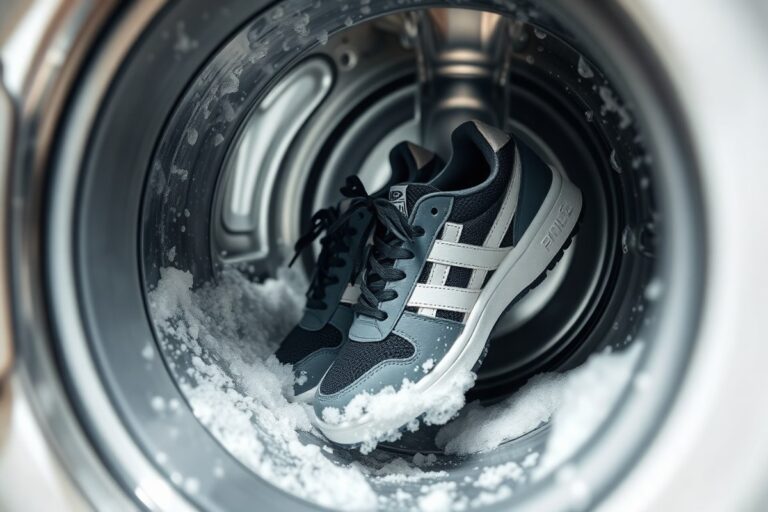
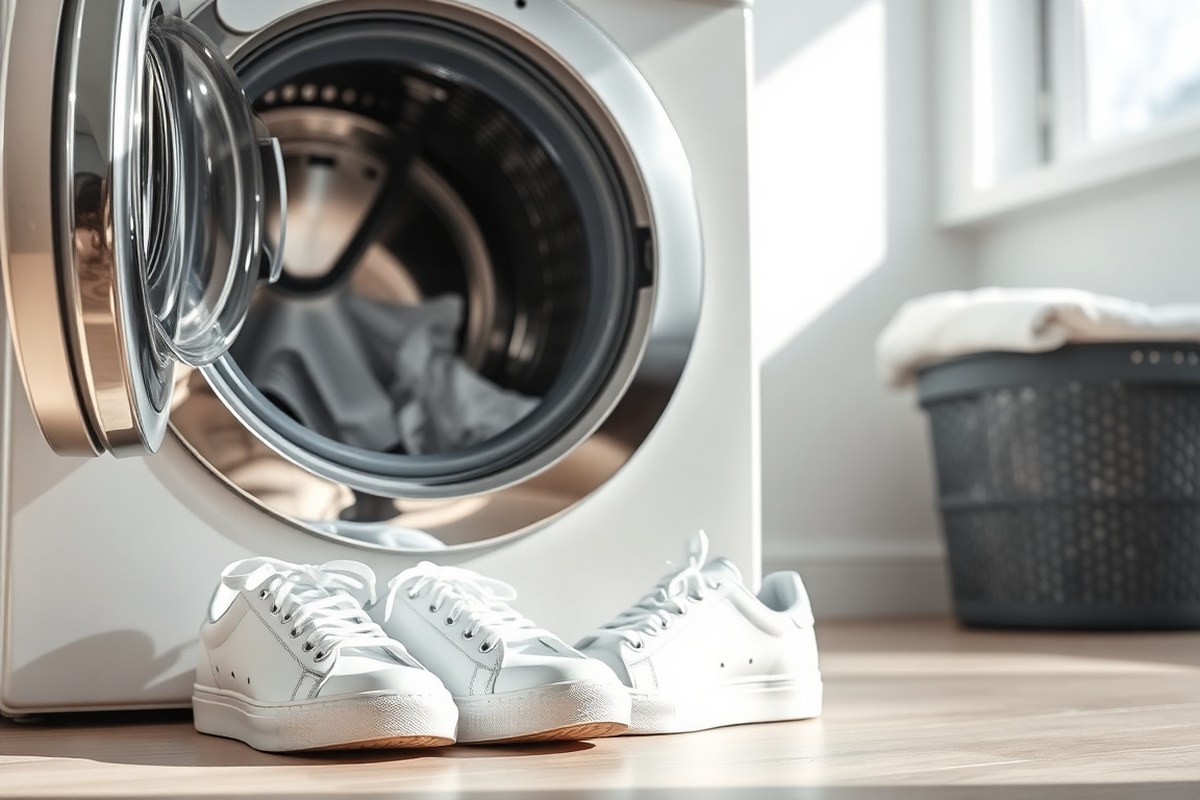
Washing white sneakers in a washing machine is generally safe if done correctly. Use a cold, gentle cycle with a suitable detergent, protect the shoes, and avoid bleach on non-pure white materials for the best results. This method suits canvas and certain sneaker models that can handle machine washing without damage.
This guide is for anyone owning white sneakers looking for an easy and effective cleaning method. You’ll find clear steps on preparing your shoes, selecting machine settings, using proper detergents, and drying them properly to maintain their bright appearance and shape.
Key Takeaways
- Remove laces and insoles before washing to clean every part thoroughly and avoid tangling.
- Use a Vivifying Shoe Washing Bag or similar to protect your sneakers during the cycle.
- Set your washing machine to a cold temperature, ideally 30 degrees, on a gentle or slow cycle.
- Avoid bleach on any sneaker that is not 100% white to prevent discoloration or damage.
- Wash sneakers alongside towels to cushion them and reduce banging inside the machine.
- Use mild laundry detergent or add 1 cup of 8% white vinegar to the wash to brighten shoes safely.
Is It Safe to Wash White Sneakers in a Washing Machine?
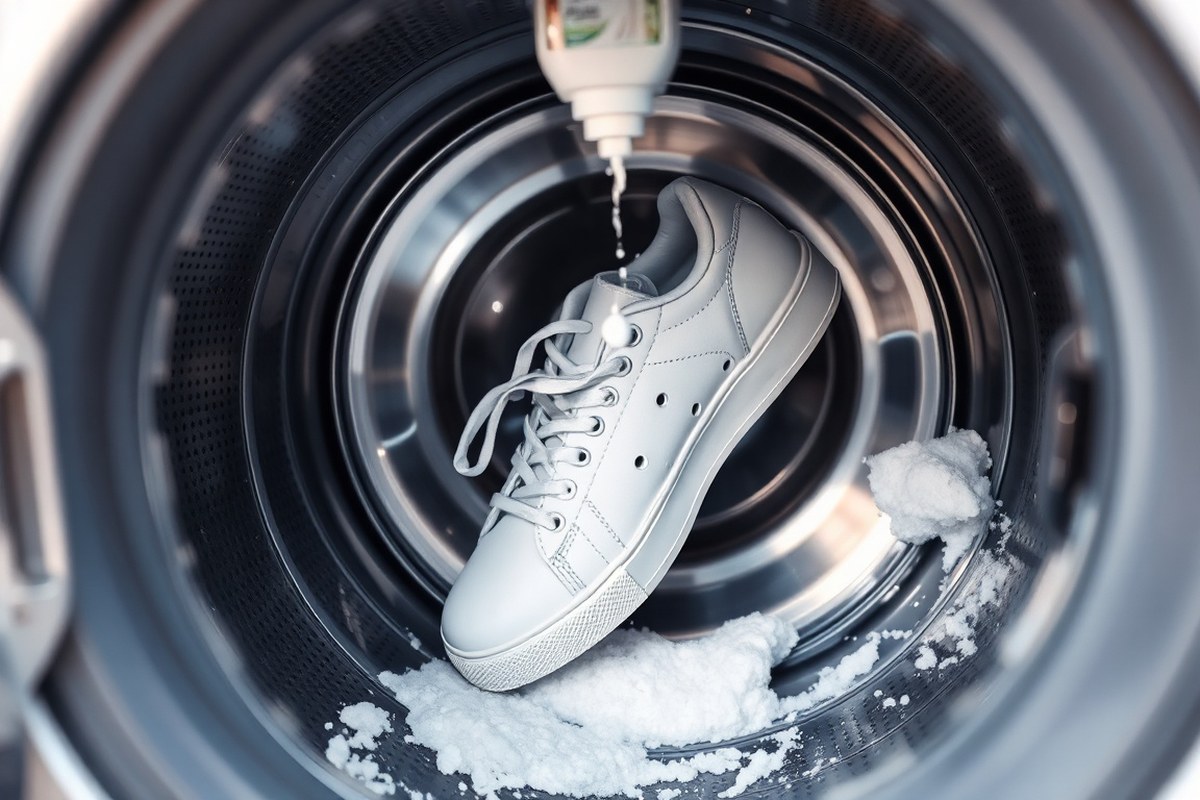
Washing white sneakers in a washing machine can be safe if you know which materials tolerate the process and what risks to consider before starting. Canvas, cotton, nylon, and polyester sneakers often withstand machine washing well because these textiles handle water and agitation without losing shape or color. Machine washing can be an effective option for these textiles, especially if the shoes are sturdy and lack delicate details.
Not all white sneakers are suitable for machine washing. Leather, suede, silk, satin, and shoes with glued components or foam cushioning are at higher risk of damage. Washing machines bend soles, strain glue joints, and can weaken the shoe’s overall structure. Running shoes with air soles or intricate materials also face a good chance of losing support and shape after machine washing.
To decide if your white sneakers are safe to wash in the machine, first check the care label inside the shoe. Avoid machine washing when the manufacturer specifically advises against it. Otherwise, consider this compatibility: canvas, cotton, nylon, and polyester are generally safe; leather, suede, silk, satin, and foam-based running shoes are not.
Risks to weigh before washing include sole bending, glue weakening, loss of shoe structure, color fading, and possible damage to delicate fabrics. Avoid high spin cycles or hot water, which worsen these risks. Adding towels during the wash prevents shoes from banging against the drum, reducing mechanical stress. A slower cycle helps minimize shape distortion.
Use this quick risk assessment: If your sneakers are made of durable textiles without glued or delicate parts and have a clear washable label, machine washing is an option. Shoes with leather, suede, special coatings, or foam soles are better cleaned by hand or with spot treatment.
A practical example: white canvas sneakers can be washed on a delicate cycle at 30 to 40 degrees Fahrenheit inside a mesh laundry bag with mild detergent. Washing them with towels offers extra cushioning. Avoid bleach on colored parts and extra harsh additives, as these can cause yellowing or material breakdown.
Although machine washing gets rid of 90 to 99% of bacteria on shoes, according to Time magazine, machine washing white sneakers should be balanced against the potential wear caused by the cycle. Always let sneakers dry naturally off direct heat to maintain their shape. Proper preparation and cycle choice reduce the risk of damage and keep your white sneakers looking fresh without costly replacements or repairs.
How to Prepare White Sneakers Before Machine Washing

Preparing your white sneakers before putting them in the washing machine ensures a thorough clean while avoiding damage. Removing laces and insoles, treating stains, and brushing off dirt helps the machine reach all areas and prevents buildup. Taking these steps also extends your sneakers’ life and keeps them looking fresh.
Removing Laces and Insoles Properly
Always remove the shoelaces and insoles before washing white sneakers. Laces can trap dirt and prevent the detergent from reaching the eyelets, leading to uneven cleaning. Insoles often contain sweat and odors, so washing them separately helps freshen them without risking damage from the washing cycle.
Place the laces and insoles inside a mesh laundry bag or a tied pillowcase before washing to avoid tangling and damage. Many brands like Nike recommend hand-washing insoles to preserve their shape and cushioning, but if you use the machine, keep them separated. Removing these parts makes it easier to clean both the shoes and their components effectively.
Pre-Treating Stubborn Stains
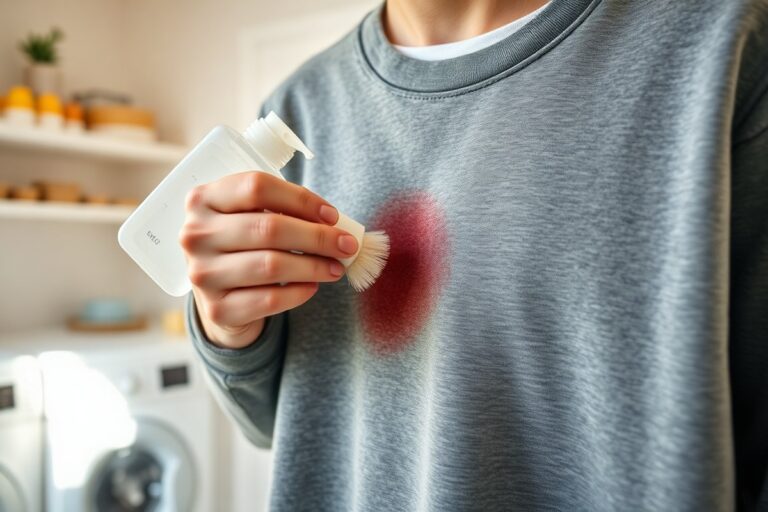
Address visible stains before machine washing to improve overall results. Use a gentle stain remover or a mixture of white vinegar and water for white canvas sneakers, which helps break down dirt and discoloration without harsh chemicals. For leather or delicate materials, avoid strong bleach or stain boosters that could damage the surface.
Lightly rub the stain with a soft brush or rag dampened with your chosen solution, then let it sit for 5 to 10 minutes. This step reduces the need for aggressive washing and lowers the chance of stains setting permanently during machine wash.
Brushing Off Surface Dirt
Removing loose dirt and debris prior to washing prevents grime from spreading and helps the washing machine work more efficiently. Use a soft-bristled brush or an old toothbrush to clean off dried mud, dust, and other buildup on the shoe’s surface, seams, and eyelets.
Focus on the sole edges and crevices where dirt accumulates. This simple step takes just a few minutes but improves how clean your sneakers come out and minimizes wear caused by abrasive particles during the wash cycle.
- Remove the shoelaces and insoles from your sneakers.
- Place the laces and insoles into a mesh laundry bag or tied pillowcase.
- Apply a stain remover or white vinegar solution to any visible stains on the shoes.
- Gently scrub stains with a soft brush or clean rag and let sit 5-10 minutes.
- Brush off all loose dirt and debris from the entire shoe surface.
- Check the care label for any specific warnings or instructions.
- Place your prepared sneakers inside a mesh laundry bag or pillowcase to protect them during the wash.
Removing laces and insoles exposes all the tight spots in your sneakers to water and detergent, leading to a more even and thorough cleaning.
Choosing the Best Washing Machine Settings for White Sneakers
To protect your white sneakers in the washing machine, use a cold water setting, select a gentle or delicate cycle, and set the spin speed to the lowest possible level or turn it off entirely. Limit the load size to minimize the risk of damage from excessive movement. Adding old towels and placing the sneakers inside a laundry bag will help reduce impact inside the drum and prevent chafing.
Recommended Water Temperatures
Cold water is the best choice when washing white sneakers because it prevents shrinking and protects the shoe materials from heat damage. Hot water can cause fabric glue to weaken and may fade or distort colours, even on white surfaces. Equipment manufacturers and fabric care experts generally agree on keeping the temperature around 30°C (86°F) or below.
Washing at cold temperatures not only preserves the shape and colour of your sneakers but also reduces energy use. This is important especially if your machine runs a long cleaning cycle. Along with a mild liquid detergent, cold water provides effective cleaning while protecting delicate fabrics and adhesives.
Best Wash Cycles for Sneakers
Select the gentle, delicates, or hand wash cycle for cleaning white sneakers. These cycles use more water, which cushions the shoes, and reduce mechanical agitation to avoid damaging the fabric or structure. Avoid regular or heavy-duty cycles that have vigorous tumbling and spinning, which can deform sneakers and wear down stitching. Here is a table summarizing recommended washing machine settings for white sneakers:
| Setting | Recommended Option | Reason |
|---|---|---|
| Cycle | Delicates, gentle, or hand wash | Higher water level, softer agitation protects shoe materials |
| Water Temperature | Cold (around 30°C or 86°F) | Prevents shrinking, fading, and adhesive damage |
| Spin Speed | Low or no spin | Reduces risk of bending and structural damage |
| Detergent | Liquid, mild, small amount | Avoids residue and harsh chemicals |
| Extras | Mesh laundry bag and towels | Protects shoes and washing machine drum |
Using a laundry bag or pillowcase confines the sneakers, and towels help fill empty space so shoes don’t bang excessively during the spin. Combined, these options limit the impact forces on both your footwear and your machine.
Managing Spin Speed and Load Balance
Excessive spin speed can cause sneakers to bend, scratch, or lose shape. The best approach is selecting the lowest spin cycle your machine offers, or turning spin off completely if possible. The spin cycle’s main purpose is to remove moisture but your sneakers are sturdy enough to be mostly dried by air once the washing stops, as long as the spin isn’t harsh.
Balancing the load prevents sneakers from tumbling freely, reducing damage risk. Add one or two old towels to the load to weight the drum evenly and dampen the motion. This technique also reduces noise and vibration. Always put your sneakers inside a high-quality mesh laundry bag to keep them from rubbing directly against the drum and other garments.
In some cases, sneakers made from delicate fabrics like canvas and mesh tolerate gentle spins better than heavier types with rigid soles. Avoid machine washing leather and specialty branded sneakers (like Converse Chucks), unless specifically allowed by the manufacturer, since their construction often cannot withstand the spin cycle.
Safe Detergents and Additives for Machine Washing White Sneakers
Choosing the right detergent and additives is key to keeping white sneakers clean without causing damage. Avoid bleach in the washing machine as it can weaken fabrics and discolor some materials, especially leather. Vinegar is a natural deodorizer but can be risky for colored parts or adhesives used in sneakers. Instead, opt for a mild liquid detergent designed for delicate loads, which gently removes dirt and grime.
Special sneaker detergents are not necessary for white sneakers, but they can be formulated to tackle typical shoe stains and odors more effectively. They tend to be mild and sometimes include odor-control agents. Look for options marked safe for machine washing and white materials. Household additives like baking soda or a small amount of oxygen-based stain remover can boost cleaning power, provided they are used carefully to prevent residue or fabric damage. Below is a comparison table highlighting common detergent and additive choices, including recommended dosages and affecting factors:
| Product | What It Is | Recommended Usage | Effectiveness | Notes |
|---|---|---|---|---|
| Mild Liquid Detergent | Gentle, low-suds detergent for delicates | 1-2 tablespoons per load | Good for most fabric types, especially canvas and mesh | Safe for white sneakers, avoids harsh chemicals |
| Special Sneaker Cleaner Detergent | Formulated for shoes, removes odors and stains | Follow label, typically 1 tablespoon | Better stain removal, especially for stubborn grime | Check compatibility with fabric type |
| Baking Soda | Natural deodorizer and mild abrasive | 1/4 cup added to detergent dispenser | Improve deodorizing, helps brighten whites | Use sparingly to avoid residue buildup |
| Oxygen-Based Stain Remover | Non-chlorine bleach alternative | 1 tablespoon added with detergent | Boosts stain removal without damaging colors | Do not use on leather or non-washable materials |
| White Vinegar | Natural acidity and deodorizer | Not recommended in washing machine | May weaken adhesives and damage fabrics | Best used for spot cleaning only, diluted |
For best results, measure detergent carefully and avoid overloading the machine. Excess detergent can leave residue on shoes. Always follow the detergent label instructions and verify they suit the sneaker’s fabric. After mixing detergents with water, you can add a quarter cup of baking soda in the machine’s detergent drawer to brighten whites and control odors. Avoid using chlorine bleach due to risk of yellowing or fabric damage.
When adding oxygen-based stain removers, use according to the product instructions, typically one tablespoon per load, and ensure they’re safe for synthetic and fabric sneakers but not leather. Vinegar is better suited for spot cleaning off the machine; apply diluted (one part vinegar to two parts water) with a cloth on smelly or stained areas.
Protecting Sneakers During the Washing Cycle
To minimize physical damage and keep your white sneakers stable during the washing cycle, using a mesh laundry bag is highly recommended. Placing your sneakers inside a tight mesh bag prevents them from banging directly against the drum or other clothes, reducing the risk of scuffs and tears. A mesh bag also keeps the laces contained, avoiding tangling or getting stuck in the agitator. They cost around $5 to $10 depending on size and material and can be reused many times, making them a practical investment.
Adding padding inside the washing machine further cushions your shoes. Towels or old clothes placed around the bag absorbed shocks and prevent the soles from bending. This is especially important if your sneakers have glued parts; excessive movement or bending can weaken the glue and cause parts to peel apart. Use thick, clean towels or similar soft items that won’t shed lint on your white sneakers.
- Put your sneakers in a mesh laundry bag or a tightly tied pillowcase.
- Place one or two clean towels around the bag inside the drum to act as padding.
- Remove insoles before washing to help sneakers dry properly and avoid deformation.
- Take out or secure the laces inside another small mesh bag or in the same bag to prevent tangling.
- Use a front-loading washing machine if possible, as it causes less agitation than a top loader.
- Choose the shortest and gentlest machine cycle with cold water to protect glue and stitching.
- Do not overload the machine, so your sneakers and towels have enough room to move slightly without harsh collisions.
This approach reduces noise and physical wear during washing and helps your sneakers keep their shape and finish. Without these steps, expect possible damage such as cracked soles, loosened glue, or scratches on the sneaker surface.
Always check your sneakers for any loose parts or weak glue before washing to avoid damage that can be worsened by machine agitation.
Effective Drying Techniques for White Sneakers After Machine Washing
Air drying is the safest and most effective way to dry white sneakers after machine washing. Avoid using tumble dryers, as heat can damage the shoe’s shape, material, and color. Expect sneakers to take around 24 to 48 hours to dry fully, depending on ventilation and temperature.
Air Drying Best Practices
Air drying preserves your sneakers’ shape and prevents shrinking or yellowing. To maintain structural integrity, stuff the shoes with paper towels or clean cloths, which absorb moisture and help them keep their form. Place the sneakers in a well-ventilated area at room temperature, away from humidity and direct heat. Here’s how to air dry your white sneakers effectively:
- Remove the insoles and laces and dry them separately.
- Gently blot excess water from the shoes with a dry towel.
- Stuff each sneaker firmly with paper towels or white cloth to support the shape.
- Place the shoes on a drying rack or any improve surface that allows air circulation all around.
- Keep the shoes in a shaded, airy space away from windows or heaters.
- Rotate the paper towels every few hours to speed drying and avoid moisture buildup inside.
- Allow 24 to 48 hours for complete drying, checking periodically for dryness.
This routine prevents the material from warping and reduces the risk of shrinking or yellowing caused by heat or moisture trapped inside the shoe.
Using No-Heat Dryer Settings
Some sneaker labels may permit tumble drying on no-heat or air-fluff settings, but this is rare and usually limited to fabric or canvas shoes. Choose this method only when you use a mesh laundry bag to protect the shoes during the cycle. Keep the drying time short, ideally about 20 minutes, to avoid moisture damage or overheating. Use these steps for safe no-heat drying in a machine dryer:
- Check your sneaker’s care label to confirm if no-heat drying is allowed.
- Place the sneakers inside a padded mesh laundry bag or pillowcase.
- Set your dryer to the air-fluff or no-heat cycle.
- Run the dryer for no more than 20 minutes.
- Afterward, remove and inspect the shoes to ensure they are not overheated or deformed.
- When still damp, finish drying by air drying using the earlier method.
This approach reduces drying time but still carries risks, such as slight shape changes or color fading. It works best for sturdy, washable materials like canvas and should never be used on leather, suede, or knit sneakers.
Avoiding Direct Sunlight Damage
Direct sunlight can cause white sneakers to yellow, stiffen, or dry unevenly. UV rays break down materials and react with dirt residues, leading to discoloration, especially on rubber soles and fabric uppers. Heat from sunlight can also cause shrinking or warping of sensitive parts like leather collars or glued seams.
To keep your white sneakers looking their best, always dry them in the shade or indoors. A well-ventilated room with indirect natural light is ideal. Avoid placing shoes on radiators or near space heaters since concentrated heat damages materials rapidly. Keeping sneakers away from strong light and heat sources prevents irreversible yellowing and preserves the comfort and fit of your shoes.
Alternative Cleaning Methods for Sneakers Unsuitable for Machine Washing
Leather, suede, and other delicate white sneakers need gentle cleaning to avoid damage, as washing machines can cause cracking, warping, or color loss. Instead of machine washing, hand cleaning with proper tools and products is the safest approach. Specialized cleaners designed for leather or suede are best, but you can also use simple household items with care.
For leather sneakers, start by wiping off dirt with a soft cloth or brush. Mix a small amount of mild soap, like saddle soap or a gentle dish soap, with warm water around 80°F (27°C). Dampen a soft cloth or a sponge with this solution, then gently rub the leather in circular motions without soaking it. Avoid harsh scrubbing or using too much water. After cleaning, wipe the shoes with a clean damp cloth to remove soap residue, and dry them at room temperature away from direct heat sources, which can cause stiffness. Applying a leather conditioner once dry helps maintain softness and appearance.
Suede sneakers require even more care since water can stain or stiffen the material. Use a suede brush or a soft toothbrush to lift dirt and restore the nap. To remove small stains, use a suede eraser or a clean pencil eraser gently on the spot. Avoid water for cleaning suede, but if absolutely necessary, lightly moisten a cloth with white vinegar or rubbing alcohol and dab the stain gently. Let it dry fully before brushing. Suede cleaning kits are available and usually cost between $10 and $20, offering erasers, brushes, and protectants tailored for the material.
Home remedies like toothpaste or baking soda might sound tempting but are not ideal for delicate sneakers. Toothpaste can be abrasive and cause discoloration, especially on leather and suede. Baking soda may help freshen canvas or synthetic fabrics but can leave white residue and dry out delicate materials. If you want to try baking soda for mild odor control on leather sneakers, sprinkle a little inside, leave for a few hours, then shake out. Avoid applying baking soda directly on the exterior leather or suede surfaces.
For all delicate sneaker types, use soft brushes, cloths, or foam sponges to prevent scratches. Avoid stiff brushes or anything metallic. Work on small sections at a time with gentle pressure, and limit the cleaning solution to prevent soaking. For tough stains, repeat the gentle scrubbing process but allow drying intervals of several hours to see results before applying more cleaner. After cleaning, place shoes in a well-ventilated area at room temperature to dry slowly; direct sunlight or heat can cause warping or fading.
For the average cleaning session, hand cleaning takes about 15 to 30 minutes depending on dirt level. The cost includes mild soap, a soft brush, and possibly leather conditioner or suede kit, totaling around $10 to $25 if you need to buy these supplies. Good results mean shoes look visibly cleaner without losing softness or color.
Hands-on cleaning is best done regularly to avoid heavy buildup. Excessive scrubbing or soaking risks damage, so store sneakers in clean, dry places and spot clean soon after stains appear to reduce the need for intensive work. For expensive or sentimental sneakers made of delicate materials, consider consulting a professional shoe cleaner for deep cleaning or restoration to safeguard your investment.
Troubleshooting Common Problems After Washing White Sneakers
Sneakers shrinking or deforming after washing usually means they were exposed to high heat or an aggressive washing cycle. Materials like cotton can shrink if the water temperature was too hot or if the drying method involved direct heat. Fix this by reshaping your sneakers while they are still damp. Gently stretch the fabric and use towels or shoe trees to maintain the original shape as they air dry at room temperature, away from direct sunlight or heaters. Avoid using a dryer, as the heat speeds up shrinkage and warping.
Yellow stains appearing after washing often come from residue build-up or natural material reactions over time, which washing machines cannot fully prevent. Brightening white sneakers with a paste of baking soda and water applied directly to the stain can help, letting it sit for 30 minutes before rinsing. Hydrogen peroxide mixed with water (equal parts) is another option for tougher yellow spots, but always test on a small, hidden area first to avoid discoloration. Using a whitening toothpaste in a gentle circular motion can also lift yellowing. Avoid harsh bleach that can damage the fabric fibers.
Persistent bad odors after washing stem from bacteria trapped in the shoe’s interior or sole. To control odor, sprinkle baking soda inside your sneakers and leave it overnight to absorb moisture and smells. Alternatively, use odor-fighting insoles or sprays designed for shoes. After washing, ensure your sneakers dry thoroughly by stuffing them with crumpled newspaper and placing them in a well-ventilated area. For stronger odors, wipe the interior with a cloth dipped in diluted white vinegar (1 part vinegar to 3 parts water), then air dry completely before wear.
Damage such as fraying fabric or peeling glue generally means the wrong washing cycle or detergent was used. Sneakers made with more delicate materials like nylon or with glued soles require gentler cycles. Avoid overloading the machine and use liquid detergent designed for tough stains but gentle on fabric. A normal cycle with cold water typically offers the best balance to avoid damage while cleaning. Post-wash, inspect seams and soles in case any repair is needed, such as applying a shoe glue or patch.
Always air dry sneakers at room temperature and avoid direct heat to prevent shrinkage and warping after machine washing.
Step-by-Step Action Plan for Washing White Sneakers in a Washing Machine
Follow these steps to wash your white sneakers safely and keep them looking fresh.
- Before you start: Remove laces and insoles, brush off dirt, and check the manufacturer’s label to confirm machine washing is safe.
- Prepare sneakers: Place the sneakers in a laundry bag or pillowcase to protect them during the wash cycle.
- Set the washing machine: Use cold water, a gentle cycle, and add a small amount of a mild detergent recommended for delicate fabrics.
- During the wash: Add towels to balance the load and reduce banging, ensuring the sneakers don’t get damaged.
- After washing: Air dry sneakers at room temperature, keeping them away from direct sunlight or heat to avoid warping or yellowing.
- Post-dry check: Inspect sneakers for any remaining dirt or stain; use a soft brush and mild cleaner for spot treatments if needed.
- Reassemble: Replace dry insoles and laces before wearing your sneakers again to maintain their shape and comfort.
Frequently Asked Questions
How to Clean White Sneakers Without Washing Them?
You can spot-clean white sneakers using a damp cloth and mild soap. This method avoids wear from machine washing and is best for light dirt or stains.
Does Dawn Dish Soap Clean White Sneakers?
Dawn dish soap can help remove grease and grime from white sneakers when used with a soft brush. It works well for spot cleaning before a full wash.
Can I Clean White Sneakers with Toothpaste?
Toothpaste can remove surface stains on white sneakers if you use a non-gel, white toothpaste and a soft brush. Rinse well to avoid residue buildup.
Can You Put on Trainers in the Washing Machine?
Trainers made of canvas or fabric can go in the washing machine if the label allows it. Avoid machine washing leather or delicate materials to prevent damage.
How to Wash Your Trainers in the Washing Machine?
Remove laces and insoles, place trainers in a mesh bag, wash with cold water on a gentle cycle, and air dry. Add towels to cushion the shoes during the wash.
How Often Should You Wash White Sneakers in the Machine?
Wash white sneakers only when visibly dirty or smelly to avoid wear on glue and materials. Frequent washing can weaken their structure over time.
Before You Go
Machine washing white sneakers can keep them looking great when done carefully with proper preparation and drying. Start today by inspecting your pair and preparing them correctly before placing them in the machine. This simple action will protect your investment and help maintain bright white sneakers for longer. Follow the steps to make your next wash safe and effective.