How to Eliminate Odor from Clothes: 8 Proven Methods for Fresh Smelling Fabrics
To eliminate odor from clothes effectively, soak smelly fabrics in warm water with detergent or vinegar before washing, then dry them thoroughly in fresh air. Using warm-to-hot water helps break down body oils and bacteria that cause persistent smells. Letting clothes air dry outdoors for 24 hours can also remove lingering odors and reduce health risks.
This advice is useful for anyone dealing with stubborn smells in their laundry, whether from sweat, mildew, or other sources. You’ll find practical, proven methods for pre-treating, washing, drying, and even no-wash options that keep your clothes smelling fresh and clean.
Key Takeaways
- Pre-soak clothes for 30 minutes in warm water mixed with laundry detergent to loosen odors before washing.
- Use a 1:4 ratio of distilled white vinegar to water for a 30-minute pre-soak to neutralize sweat smells effectively.
- Wash odor-prone clothes in warm water between 100°F and 140°F to remove oils and kill odor-causing bacteria.
- Air dry clothes outside for 24 hours after washing to evaporate volatile odor compounds completely.
- For quick touch-ups, use the dryer’s air fluff setting for 10 to 15 minutes to freshen clothes without washing.
- Add lemon juice to pre-soak solutions to help break down body oils contributing to persistent odors.
1. How to Eliminate Odor from Clothes Effectively
Removing odor from clothes quickly and effectively depends on the type of smell and the fabric. For immediate freshening, airing out clothes outdoors for 2 to 4 hours on a sunny day can reduce odors by letting volatile fumes evaporate. This works best for natural fabrics like cotton or linen. Using household ingredients like vinegar or baking soda can both deodorize and prevent odors from setting in, especially when added during washing or used in sprays beforehand. Despite these quick fixes, washing is often necessary for strong bacterial smells, especially with workout gear, since bacteria trapped in fibers causes persistent odor that airing or sprays alone won’t fix.
Here are reliable steps you can follow to eliminate odor from clothes, adjusting the approach depending on the situation. This method balances quick freshening and thorough cleaning to tackle odors at their source without damaging fabrics or wasting resources.
- Air out the clothes outdoors for 2 to 4 hours in sunlight. This lets fresh air and UV light break down odor molecules naturally. Use this step for mild odors or as a precursor before washing.
- Pre-soak garments in warm water with detergent by filling a bucket with warm water (about 90°F) and adding 1 ounce of detergent. Let the clothes soak for 30 minutes to break down oils and sweat residues, especially before washing sports clothes.
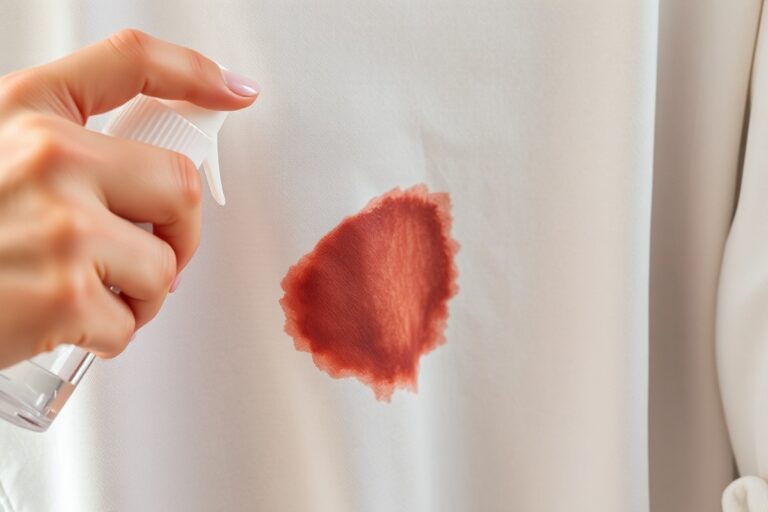
- Apply a vinegar spray on synthetic fabrics with tough odors. Mix equal parts white vinegar and water in a spray bottle, mist the fabric evenly, and let it sit for 30 minutes before washing or drying. Vinegar neutralizes odors and is safe for most clothing.
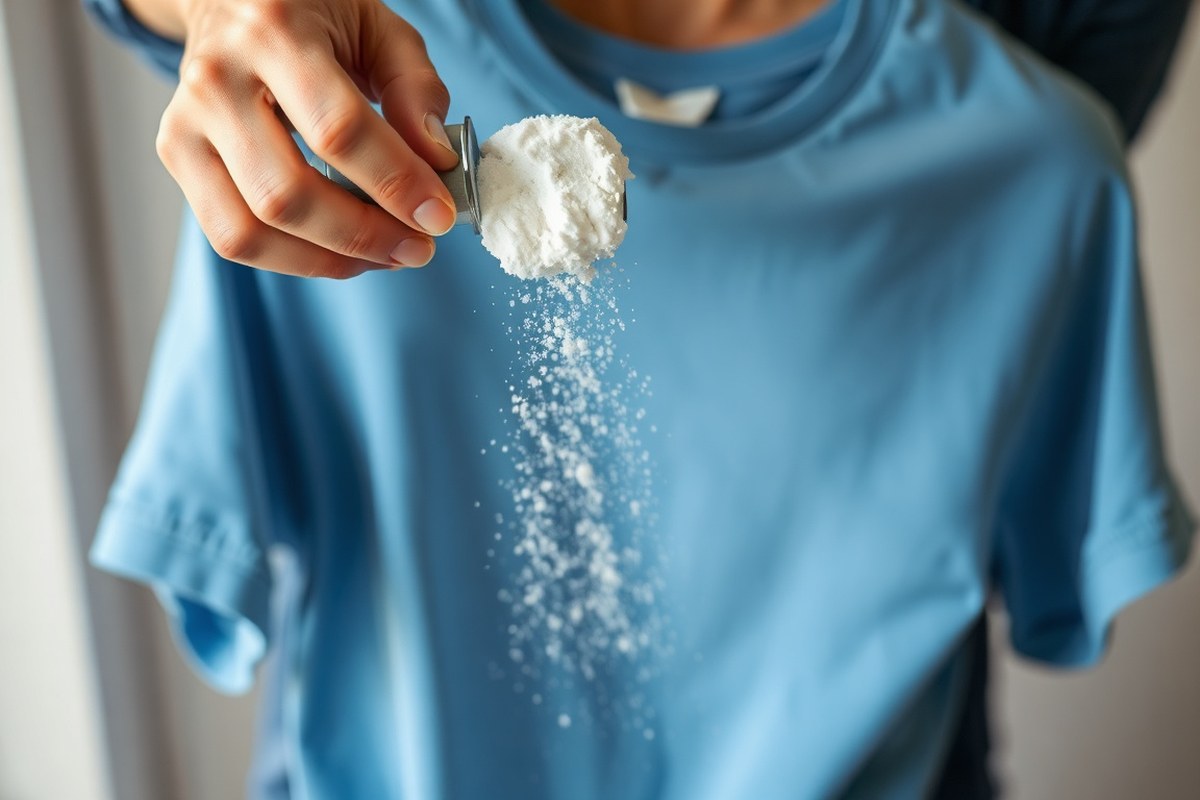
- Use baking soda overnight for dry-clean-only or spot treatments: sprinkle baking soda on the inside of the garment, let sit overnight, then shake off or vacuum the powder to remove lingering smells.
- Use a regular wash cycle and pour white vinegar into the rinse phase, especially with workout gear and strong sweat smells. Putting 1 cup of white vinegar in the rinse removes bacteria and stops odors, without leaving a vinegar scent. This method also reduces the chance of odors coming back.
- Dry clothes thoroughly after washing by tumble drying for 10 to 15 minutes if safe for the fabric or by air drying in a well-ventilated area. Clothes that stay damp can develop musty odors and bacterial growth.
- Freshen clothes between washes with fabric fresheners or a quick dryer tumble for about 10 minutes. These methods mask light odors temporarily and reduce washing frequency, helping preserve fabric quality.
Freshening methods help when clothes are clean but smell musty, allowing you to postpone washing. For stronger or bacterial odors, washing with detergent and vinegar is necessary for full removal. Air drying outside in sunlight also improve results by eliminating residual moisture and odors. Using these techniques appropriately saves time, energy, and extends your clothes’ lifespan while keeping them smelling fresh.
2. Why Do Clothes Retain Odors After Washing?
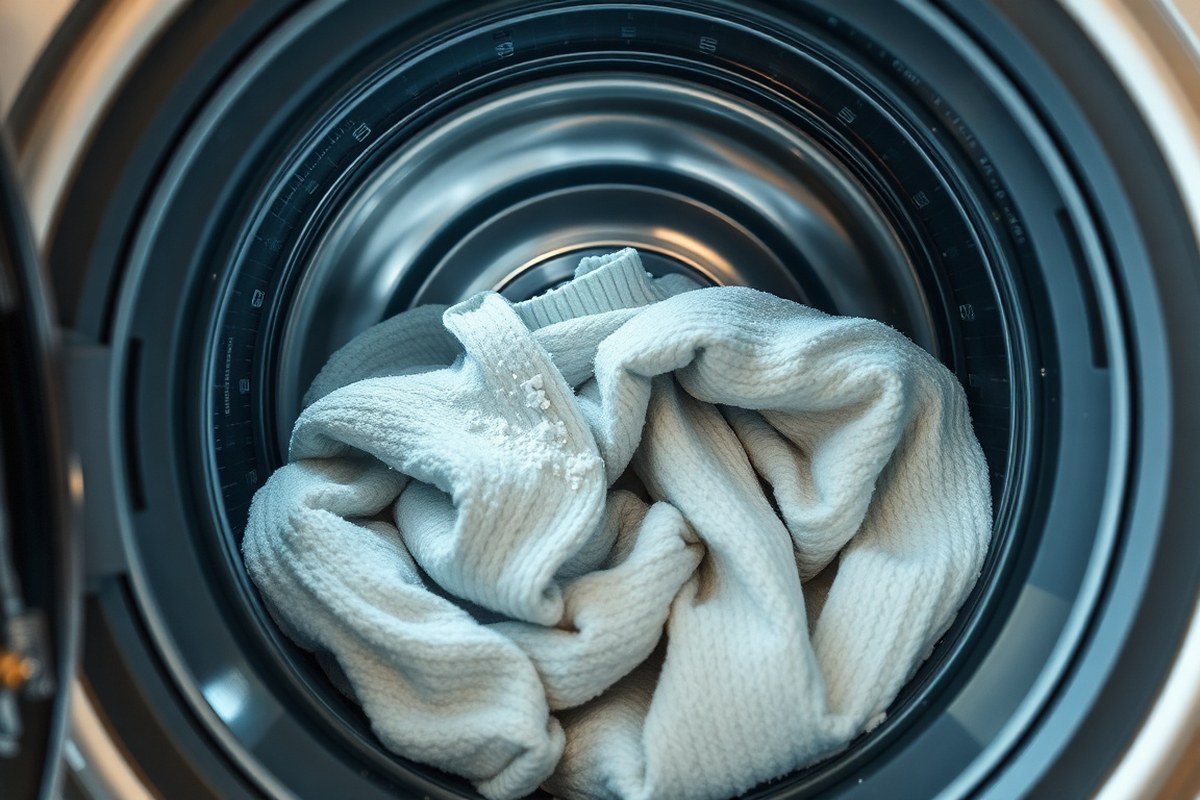
Clothes can keep bad smells after washing because bacteria and body oils often hide deep in fabric fibers where detergent and water do not fully reach. Your washing cycle using cold water doesn’t always loosen or remove these residues effectively. Warm to hot water, between 100°F and 140°F, helps break down body oils and kills odor-causing bacteria much better than cold water. Using the wrong detergent or too little of it can also limit cleaning power, leaving smells behind. Detergents affect water’s ability to soak into fabrics, which means balancing the amount of detergent is key, too much can leave soap residue that traps odors, too little fails to wash them away.
Washing machine cleanliness is another major factor. Residual soap, fabric softener, and grime can build up inside the drum and seals over time; this creates a breeding ground for odor-causing bacteria. Clothes washed in a machine that smells musty or sour will pick up those odors. Regularly cleaning your washing machine by running an empty hot-water cycle with a machine cleaner or a cup of white vinegar prevents buildup. Clothes that smell after washing suggest checking the washer’s drum, door seal, detergent drawer, and filter for grime and residue, cleaning these parts monthly.
Soaking smelly clothes before washing can make a big difference in removing persistent odors. Fill a tub or bucket with warm water and add about 1 ounce (28 g) of laundry detergent. Submerge the clothes for 30 minutes to loosen trapped oils and bacteria. For sweat odors, pre-soak clothes in a solution made of one part distilled white vinegar to four parts water for 30 minutes, then wash normally. Adding one cup (230 g) of baking soda directly to your washing machine along with your detergent can neutralize odors and soften fabrics, making your wash more effective.
Load size and washing program also play a role. Overloading the machine prevents water and detergent from circulating properly, so reduce load size if you notice persistent odors. Choose longer or “heavy duty” cycles designed for heavily soiled or synthetic performance fabrics that trap sweat. Rinse thoroughly to remove detergent residues that might cause smells. Fabric softeners sometimes trap odors on synthetic materials, so consider using dryer sheets instead, which are less likely to cause residues.
Regularly clean your washing machine’s drum, door seal, detergent drawer, and filter every 30 days to prevent odor buildup that transfers to clothes.
3. Matching Odor Types to Treatment Methods
Different odors in clothing require specific treatment methods to fully remove smells and keep fabrics fresh. Sweat odors come from bacteria trapped in deodorant and body oils, making them tough to eliminate. Use enzyme-based cleaners to break down these organic compounds. Avoid heat drying since it can lock sweat smells deeper into fibers, and pretreat areas like underarms with an enzyme spray or soak before washing.
Smoke odors penetrate deeply and often cling to synthetic fabrics. Treat smoke smells by spraying a 1:1 vinegar solution on affected areas, then drying garments in the dryer for about 15 minutes. For delicate garments or those sensitive to high heat, use gentle steaming combined with fresh air airing indoors, avoiding direct sun exposure.
Mildew and musty smells result from bacteria growing in damp, poorly ventilated clothes. The best method to remove mildew odor is freezing the clothes overnight to halt bacteria growth. Afterwards, air dry the clothes in sunlight to refresh them and combat remaining odors. Avoid leaving mildew-affected clothes damp or packed tightly in bags, as that worsens the smell.
Garments exposed to strong chemical smells like ammonia or perfumed odors often need soaking in baking soda solutions or special activated carbon deodorants. These neutralize harsh chemicals effectively. Always test products on a small hidden area first to avoid damage, and follow garment care labels closely to prevent shrinking or color loss.
The effectiveness of odor removal depends largely on matching the fabric and odor type to the right treatment. Some fabrics require gentle care and can tolerate neither soaking nor strong chemicals, while others need aggressive cleaning strategies for deep odor elimination.
| Odor Type | Best Treatment Method | Why It Works | What to Avoid |
|---|---|---|---|
| Sweat | Enzyme-based pretreatments, soaking, cold wash | Enzymes break down bacteria and sweat proteins | Heat drying, which locks odor in fibers |
| Smoke | 1:1 vinegar spray, short dryer session (15 min) | Acetic acid neutralizes smoke molecules; heat removes smell | High heat on delicate fabrics, prolonged soaking |
| Mildew | Freezing overnight, sun air drying | Freezing stops bacteria growth; sunlight neutralizes odors | Leaving clothes damp, packing in dark areas |
| Perfume/Ammonia | Baking soda soak, activated carbon sprays | Neutralizes chemical odors effectively | Unsuitable enzymes, harsh detergents on delicate fabrics |
Fabrics like wool and silk need tailored approaches that respect their sensitivities; enzyme cleaners and heavy soaking can damage these materials. Opt for wool-approved formulas or alcohol-free fabric deodorizers when dealing with delicate garments. For cotton and other breathable fabrics, sunlight and baking soda can greatly reduce odors without risk of damage.
4. Best Pretreatment Strategies to Attack Odor Before Washing
Pretreating clothes and smelly spots before washing helps break down odor-causing buildup and ensures more effective cleaning. Using vinegar and baking soda, enzyme-based detergents, or targeted sprays and pastes tackles odors at their source. Applying the right pretreatment method depends on the type and location of the odor.
Using Vinegar and Baking Soda Pretreatments
Vinegar and baking soda are inexpensive, safe, and effective for many odors. Vinegar tackles a wide range of smells and is safe for most fabrics, except silk. Baking soda neutralizes odors directly on fabric and in soaks. Combining their strengths with soaking or mid-wash pauses improves odor removal significantly.
For an all-around pretreatment soak, dissolve about 2 cups of baking soda and 2 cups of white vinegar in hot water in a tub large enough for your garment. Soak the clothes for around one hour before washing as usual. In a top-load washing machine, adding 4 cups of vinegar and pausing the cycle for an hour allows odors to break down deeply.
- Fill a tub or basin with hot water.
- Add 2 cups of baking soda and 2 cups of white vinegar to the water.
- Submerge the clothes completely in the solution.
- Let the clothes soak for about one hour.
- Transfer clothes to the washing machine after soaking.
- Add your regular detergent and wash as usual.
- In a top-load machine, you can add 4 cups of vinegar directly and pause mid-cycle for one hour before resuming.
Applying Enzyme-Based Detergents for Body Oils
Body oils and sweat residues can linger in clothing fibers, causing persistent odors even after washing. Enzyme-based detergents break down these organic residues effectively. Choose a detergent specifically formulated for sportswear or heavy-duty odor removal to target these oils.
For best results, apply enzyme detergents as a pretreatment directly on smelly areas or add them during the wash cycle. Follow package instructions on amounts, generally about 1-2 tablespoons per load. Let the detergent sit on localized odors for at least 15 minutes before laundering to maximize effectiveness.
Spot-Treating Localized Odors with Sprays and Pastes
Localized odors, such as sweat stains or grease spots, require targeted treatment. Applying a paste made from baking soda mixed with water allows you to attack odor-causing residues directly. Spraying undiluted white vinegar is also effective for localized odors, especially on sweat and musty smells.
Combine baking soda with water to form a thick paste and apply it to the smelly spot. Let it sit for a few hours or overnight for tough odors. Spray vinegar directly on the area and leave it for 15 minutes up to several hours prior to washing.
- Mix baking soda with enough water to create a thick paste.
- Apply the paste generously on odor spots such as underarm areas or grease stains.
- Let it sit for at least a few hours or overnight for strong smells.
- Alternatively, spray undiluted white vinegar on localized odor spots.
- Let the vinegar sit for 15 minutes to several hours before washing.
- Wash the clothing as usual after pretreatment.
5. Choosing the Right Washing and Drying Methods for Odor Removal
Choosing the right washing and drying techniques is key to removing odors from clothes effectively. Water temperature should match the fabric type to avoid damage while targeting odors. Drying your clothes thoroughly using sunlight or machine dryers helps prevent musty smells from lingering, with air drying offering benefits in certain cases.
Optimal Water Temperatures for Different Fabrics
Hot water, typically above 130°F (54°C), excels at breaking down oils and killing bacteria that cause odors. Use hot water for whites and durable fabrics like cotton, but verify care labels first to prevent shrinking or fading. For most colored or synthetic fabrics, warm water around 90°F to 110°F (32°C to 43°C) strikes a balance between cleaning power and protecting fabric integrity. Cold water (below 80°F or 27°C) suits delicate materials and helps prevent color bleeding but may not remove all odors as effectively.
Adjust water temperature based on the specific odor issue. For example, oil-based odors from sweat or food residue respond better to warmer water combined with an enzyme detergent. Mildew or musty smells often require soaking in hot water to loosen odor molecules before running a wash cycle. When in doubt, follow the garment’s care instructions and consider test washing one item to check results without damage.
Detergent Dosage and Product Recommendations
Using the right amount of detergent is important for odor removal and fabric care. Overusing detergent can leave residue that traps odors, while underusing it may fail to remove odors thoroughly. Follow the detergent packaging directions, typically using about 2 tablespoons for a regular load in high-efficiency washers. Choose detergents designed for deodorizing, which often contain enzymes or oxygen boosters to target odor-causing bacteria and residues.
For synthetic fabrics that hold oily residues, select detergents with lipase enzymes that break down oils effectively. For everyday laundry, a reliable detergent that works in cold, warm, or hot water provides flexibility and convenience for treating various odors. Avoid mixing bleach with delicate synthetics or colored clothing unless stated safe, as it may cause damage or fading. Adding a pre-soak or booster for heavily soiled or very smelly items can improve odor removal success.
Sunlight and Air Drying Benefits Versus Machine Drying
Sunlight naturally kills bacteria and helps eliminate odors by breaking down odor molecules using UV rays. Air drying outside also allows fresh air circulation, preventing moisture buildup that causes mustiness. Air drying can be better for delicate fabrics or items that risk shrinking or losing elasticity in a dryer.
Machine drying on a high heat setting speeds drying to prevent bacteria growth and odor accumulation, especially for thick or heavy items like towels and bedding. Use low heat or the “air fluff” setting for 10 to 15 minutes to freshen clothes without shrinking. Overdrying or using excessive heat can damage fabrics and trap odors, so balance drying time and temperature for optimal results.
Don’t overfill the washing machine, as cramped clothes cannot rinse fully, leading to trapped odors.
6. No-Wash Methods to Remove Odors Quickly or Between Washes
Freshening clothes without washing can be effective with targeted methods like freezing, steaming, or using odor-neutralizing sprays. These approaches help reduce or mask odors quickly, especially when you lack time for a full wash or want to preserve delicate fabrics.
Freezing and Air Fluffing to Reduce Odors
Freezing clothes can slow down or kill odor-causing bacteria, particularly on synthetic fabrics. The cold temperature disrupts bacterial growth without moisture, making it a good option for garments you can’t wash often. Air fluff cycles in your dryer use heat and tumbling action to help dissipate odors as well.
- Place your clothes in a sealed plastic bag to avoid moisture buildup or contamination.
- Put the bag in your freezer for 12 to 24 hours to reduce bacterial activity.
- Remove the clothes and let them air out for 15 to 30 minutes to release softened odors.
- Use the air fluff or no-heat cycle on your dryer for 20 to 30 minutes to help evaporate lingering smells.
- Repeat freezing if odors persist before the next wash.
Freezing works best on fabrics like polyester or nylon. Natural fibers like cotton may retain some odors because freezing does not remove oils or residues. The air fluff cycle can slightly warm and dry clothes, helping release odor molecules without damaging delicate items.
Using Fabric Steamers and Odor-Neutralizing Sprays
Steam can refresh garments by loosening odor molecules and killing some surface bacteria without washing. It’s ideal for delicate fabrics that can’t handle repeated washing. Commercial odor-neutralizing sprays claim to kill up to 99% of the odor-causing bacteria; these sprays also leave a fresh scent that masks unpleasant smells temporarily.
- Hang the garment on a sturdy hanger in an open area.
- Use a handheld fabric steamer or the steam setting on your iron, holding it 6 to 8 inches from the fabric surface.
- Move the steam in slow, vertical strokes, covering all odor-prone areas, especially underarms and collars.
- Allow the garment to air dry completely before wearing or storing to prevent mildew.
- For a quick refresh, lightly spray the fabric with an odor-neutralizing spray approved for clothing.
- Let the spray dry fully, typically 10 to 15 minutes, before use.
Steaming is gentle but does not eliminate deep-set odors like sweat or smoke. Odor sprays provide fast relief but only mask smells temporarily and may leave fragrances behind, which can bother sensitive skin.
Sprinkling Baking Soda or Activated Charcoal for Dry Treatment
Baking soda and activated charcoal are natural absorbing agents useful for dry odor removal. They pull moisture and odor particles from fabric threads. This method suits natural fibers like cotton and wool as well as synthetic blends.
- Lay the garment flat or hang it where you can apply powder evenly.
- Sprinkle about 2 tablespoons of baking soda or place a small pouch of activated charcoal near or inside folds of the garment.
- For baking soda, gently rub it into heavy odor areas with your fingers or a soft brush.
- Leave the baking soda on for at least 30 minutes, or keep the charcoal bag with clothes sealed overnight in a container.
- Brush off baking soda thoroughly and shake out charcoal pockets before wearing.
This method is inexpensive and safe, costs just a few dollars for baking soda or charcoal bags, and requires minimal effort. It doesn’t kill bacteria but reduces odor concentration. Avoid using excessive powder on delicate or dark fabrics to prevent residues or discoloration.
7. Preventing Odors: Storage and Laundry Habits That Make a Difference
Storing clothes properly and adopting consistent laundry habits help stop odors before they start. Store clothes in a clean, dry, and well-ventilated area to prevent moisture buildup, which can lead to mildew smells. Avoid stuffing drawers or closets with damp or unwashed garments. Using breathable fabric bags or cotton storage containers allows air circulation, reducing odor risk.
The way you handle laundry also affects odor prevention. Washing clothes often enough to remove sweat, oils, and bacteria keeps smells from setting in. For items like gym wear, wash after each use with warm or hot water if the fabric allows. Avoid overfilling the washing machine since crowded loads don’t rinse well, which leaves residues that cause odor buildup. Move clothes promptly to the dryer to stop mildew, as letting damp laundry sit encourages musty smells.
Choosing not to use fabric softener on clothes prone to odor buildup is important. Some softeners can trap oils and bacteria in the fibers, making smells worse over time. Instead, use detergent formulas designed for odor removal and follow garment care instructions closely. For clothes without care labels, washing in cold water helps avoid shrinking or damage while still cleaning thoroughly.
Preventing odors involves a reliable routine. Here is a checklist to follow: Store clean clothes in dry spaces with airflow; wash odor-prone items like workout clothes immediately after use in warm water; avoid overloading the washer; wash frequently enough to remove sweat and oils; skip fabric softener on smell-prone fabrics; and transfer clothes quickly to dry. Consistently following these steps keeps fabrics smelling fresh and reduces the chance of stubborn odors lingering.
Costs for these habits are generally minimal. Using warm water for washing might increase utility bills slightly compared to cold water, but it significantly helps break down odor-causing substances. Investing in breathable storage bags or organizers can range from a few dollars to around $15, depending on size and material. The time it takes to quickly transfer clothes from washer to dryer helps avoid the long-term effort of fighting mildew smells, saving time and detergent in the long run.
Good results include clothes that smell clean after washing, dry without musty odors, and stay fresh in storage. You’ll notice fewer rewashes and less need for heavy pretreatments. Problems arise when clothes sit damp in the washer or closet, or when softeners seal in bacteria and oils. Ignoring care label instructions can lead to damage that traps odor in fabric fibers. Following a steady routine suits most household laundry situations and keeps fabrics smelling better longer.
8. When to Call a Professional for Stubborn Odor Problems
Odors that resist home treatments often require professional cleaning, especially if they come from oily, sour, biological, moldy, chemical, or deeply absorbed sources. These stubborn smells tend to penetrate fabric fibers beyond what normal washing or standard pretreatments can fully remove. Choosing professional services becomes necessary for garments with strong embedded odors or when dealing with expensive and delicate fabrics that could be damaged by harsh household methods.
Professional cleaners use fabric-specific treatments designed to break down odors at their source. This often involves specialized chemicals and equipment that go beyond regular detergent and vinegar soaks. For example, dry cleaners employ solvents that dissolve oils and odors without water, protecting delicate fabrics like silk, wool, or high-end synthetics that could shrink, fade, or lose texture otherwise. Some businesses also offer eco-friendly options with fewer harsh chemicals, which may appeal if you’re worried about fabric damage or environmental impact.
The process typically starts with an assessment of the garment’s fabric type and odor severity. Then, the service will apply specialized cleaning agents and may include steaming, vacuum treatments, or long soak cycles in controlled conditions. This targeted cleaning helps deliver results not achievable at home. The time to expect varies but usually spans from a day to several days, depending on the method and the cleaner’s workload. Cost generally ranges from $10 to $30 per item for standard professional dry cleaning, but for heavy odor treatment, prices can be higher, around $25 to $50 per piece. This is more costly than home washing but provides a strong guarantee of odor removal and fabric care.
You should consider professional cleaning if your clothes continue to smell after multiple home washings or deodorizing attempts, or if they are made of fragile materials where aggressive treatments risk damage. For instance, large items like coats with combined sweat and mold odors or performance gear soaked with body oils might not respond to home remedies and will benefit from expert care.
Knowing when to seek help avoids wasting time and protects your garments. Expect professional cleaners to advise you upfront if they believe home treatment is sufficient or if their approach is necessary due to your garment’s material or odor type.
Always inform the cleaner about the type of odor and any home treatments you have tried so they can tailor their cleaning approach properly and avoid fabric damage.
Step-by-Step Action Plan to Eliminate Odor from Clothes
Follow these steps in order to restore freshness to your clothes and keep odors at bay moving forward.
- Before washing: Pretreat areas prone to odor like underarms or collars with a mixture of baking soda and water or a stain/odor remover. Check if the fabric feels less musty after pretreatment.
- During washing: Choose a detergent designed for odor removal and wash clothes in the warmest water safe for the fabric. Confirm odors have noticeably decreased after the wash cycle.
- After washing: Dry clothes thoroughly, preferably in direct sunlight to help eliminate lingering bacteria. Clothes should smell fresh and dry without any damp spots.
- Between washes: Use no-wash deodorizing sprays or hang clothes in a well-ventilated area if worn lightly. The clothes shouldn’t carry any noticeable odor.
- Storage: Store clothes in clean, dry drawers or closets with good air circulation. Use moisture absorbers if humidity is high; clothes should stay fresh longer.
- If odors persist after several attempts: Contact a professional laundry service specializing in odor removal to treat stubborn smells. Your clothes will be professionally cleaned and deodorized.
Frequently Asked Questions
Can I Use Essential Oils to Remove Odors from Clothes?
Yes, essential oils can add a fresh scent and reduce odors. Apply them overnight on dry clothes for best results.
Does Freezing Clothes Really Eliminate Mildew Smells?
Freezing clothes can kill bacteria causing mildew odor. Keep them in the freezer for several hours before airing out.
Is It Okay to Air Out Clothes Outside to Remove Odors?
Airing clothes outside for 24 hours helps evaporate odor-causing compounds and freshens fabrics naturally. Use sunny, well-ventilated spots.
Can Plain Baking Soda Remove Odors Without Washing?
Baking soda works as a spot treatment to absorb odors overnight on dry clothes. It’s best for dry-clean-only garments.
Will Vinegar in the Rinse Cycle Prevent Gym Clothes from Smelling?
Adding vinegar in the rinse cycle helps break down body oils and bacteria. It reduces odor buildup in workout gear.
How Long Should I Soak Clothes in Vinegar for Sweat Odor?
Soak clothes that smell like sweat in a mixture of one part vinegar to four parts water for 30 minutes before washing to remove bad odors effectively.
Final Thoughts
Effectively eliminating odor from clothes depends on treating the right causes with the right methods. Act promptly with pretreatment, proper washing, and thorough drying to restore freshness. Start with a simple pretreatment on the most affected clothes to see improvements today, and maintain clean habits to prevent odor from returning.