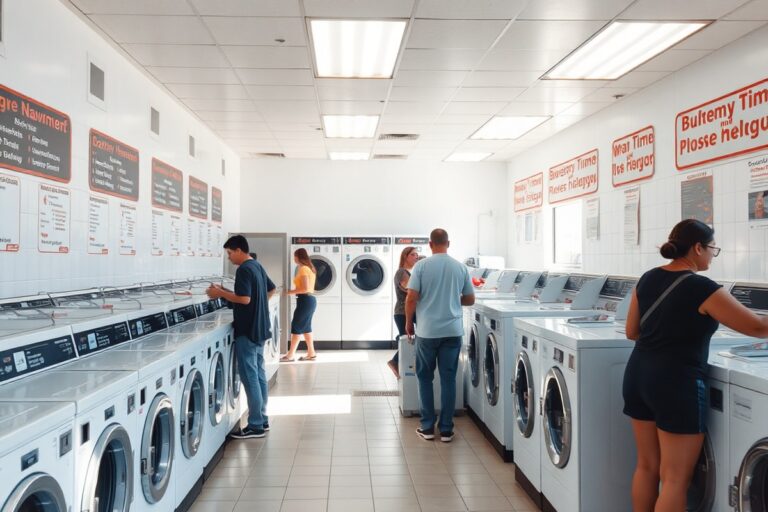
How to Eliminate Clothes Odor: 8 Proven Methods for Lasting Freshness
You can eliminate clothes odor effectively by pre-soaking garments in warm water with detergent or vinegar and drying them thoroughly in a well-ventilated area. Warm-to-hot water loosens body oils and kills bacteria better than cold water, while airing clothes outside for 24 hours removes lingering smells. These steps target both sweat and mildew odors safely and efficiently.
This advice applies to homeowners, renters, and laundry enthusiasts dealing with persistent smells. The article shares proven methods and practical tips to keep your clothes fresh, from pre-soaking techniques to proper washing and drying choices that prevent odors from returning.
Key Takeaways
- Pre-soak smelly clothes in warm water with detergent for 30 minutes before washing to reduce odors.
- Use a 1:4 solution of distilled white vinegar and water for sweat-stained garments before laundering.
- Wash clothes in warm-to-hot water (100°F to 140°F) to better break down body oils and kill odor-causing bacteria.
- Air dry clothes outdoors or in a well-ventilated space for 24 hours to eliminate volatile odor compounds.
- Pause the washer before the final rinse, add vinegar, and soak for 15-30 minutes to neutralize strong smells.
- Choose machines with airflow or moisture-sensing options to help keep fabrics fresh and properly dried.
1. How to Eliminate Clothes Odor Effectively
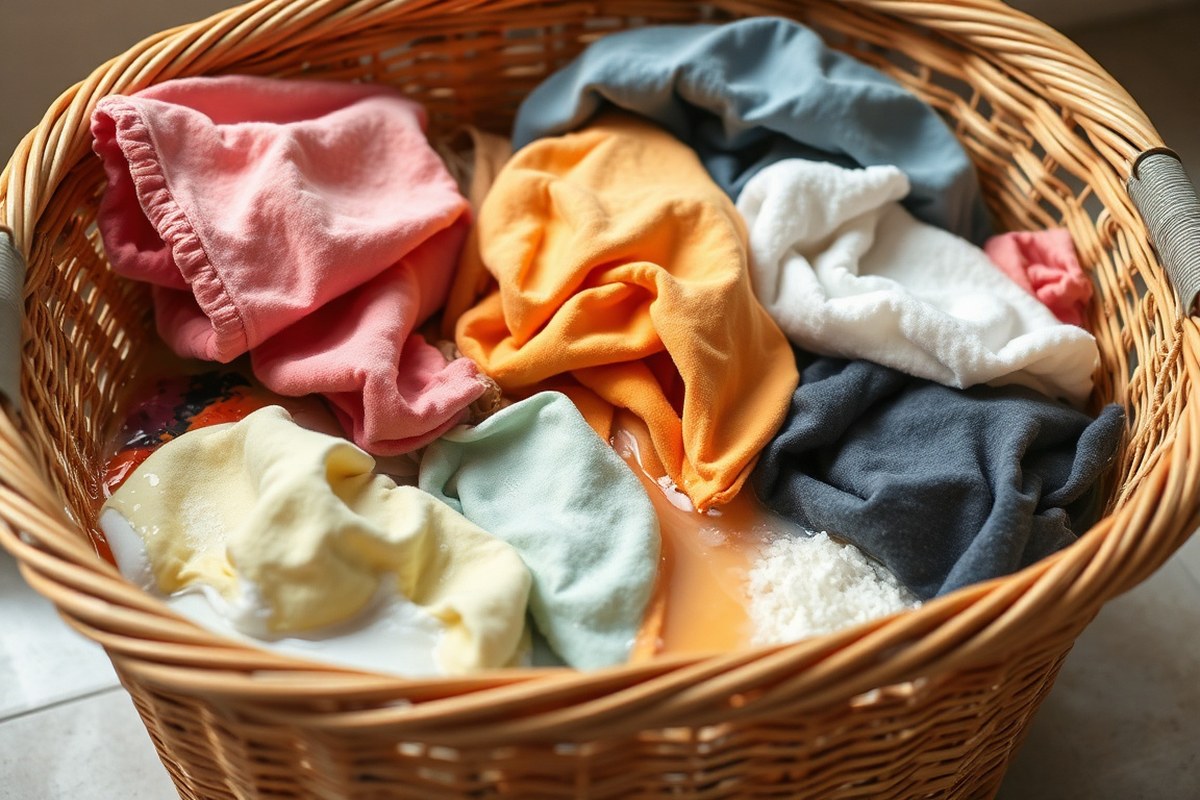
Effectively removing odors from your clothes requires a careful combination of soaking, washing, and drying. Soaking helps loosen odor-causing residues, washing removes them, and drying prevents new smells from developing. The best process depends on the type of odor and fabric, but there are reliable steps you can follow to get clothes smelling fresh. Using familiar ingredients like laundry detergent, baking soda, and proper water temperatures makes the process practical and affordable.
Start by deciding whether your clothes have light or stubborn odors. For common smells, a 30-minute soak in warm water with laundry detergent is sufficient. For persistent odors, such as mildew or smoke, extend the soak to at least two hours in hot water with two cups of baking soda. Baking soda neutralizes odors by balancing pH and absorbing molecules that cause smells.
Washing settings are key to odor removal. Use the highest water temperature safe for the fabric, as hotter temperatures improve odor breakdown. Enzyme-based detergents improve this effect by breaking down organic compounds that cause smells. Wash clothes inside out to better target odor trapped in fibers. Avoid overloading your machine to allow thorough agitation and rinsing.
Drying is the final step that impacts odor results significantly. Dry clothes completely in sunlight or in a tumble dryer if fabrics allow. Sunlight naturally kills odor-causing bacteria and freshens fabrics. Tumble drying at recommended heat settings ensures no moisture remains, preventing mildew growth. Avoid air drying in damp, poorly ventilated spaces as this encourages musty smells.
- Soak clothes in warm water with a measured amount of laundry detergent for 30 minutes to loosen odors and residues. For stubborn smells, soak in hot water with two cups of baking soda for two hours or more.
- Choose the right wash cycle with the highest suitable water temperature and use enzyme-based detergent to break down odor molecules effectively. Wash items inside out and avoid overloading the washer.
- Rinse thoroughly to remove all detergent and odor particles. If odors persist, consider a second rinse cycle.
- Dry clothes completely using sunlight when possible or a tumble dryer with fabric-appropriate heat settings. Ensure the drying environment is well-ventilated and avoid damp or enclosed areas.
- Store clothes properly once dry to prevent odors from returning. Use clean, dry spaces and consider adding odor-neutralizing sachets or products to the storage area.
2. Understanding What Causes Odors in Clothes

Persistent odors in clothing often come from bacteria, sweat, and body oils trapped deep inside fabric fibers. Sweat itself is mostly odorless; the smell arises when bacteria on your skin break down proteins in sweat. These bacteria cling to fibers and feed on the body oils that accumulate on clothing, producing unpleasant smells that regular washing with cold water may not fully remove. Using water heated between 100°F and 140°F during washing is much more effective because warm or hot water loosens oils better and kills odor-causing bacteria.
Even after washing, clothes can smell bad if detergent and water never reach the bacteria and oils trapped inside the fabric. Synthetic fibers like polyester tend to hold onto these odors more than natural fibers, as they trap oils more tightly. Turning clothes inside out before washing helps expose the side with more sweat and oils, improving odor removal. Body oils bind stubbornly to fabric, so using detergents with enzymes like protease and lipase is key; protease breaks down sweat proteins while lipase digests oils bacteria feed on.
Storage conditions also have a strong impact on odor. Damp or poorly ventilated spaces encourage mildew and bacterial growth, which produce musty smells. Leaving clothes damp or folded too soon after washing increases the chance odors will set in. For best results, dry clothes fully in a well-ventilated area, ideally outdoors, and avoid letting them sit damp for more than a few hours. Air drying for about 24 hours ensures bacteria don’t survive to cause smell problems later on.
Proper drying is just as important as washing to prevent odors. Water left in fibers promotes bacterial growth and mildew development, trapping unpleasant smells. Use high heat settings on dryers when appropriate for the fabric type or hang clothes in direct sunlight to harness UV rays that can reduce bacteria. Avoid overloading the washer, as tightly packed loads prevent detergent and water from reaching all fibers evenly.
Turn clothes inside out before washing to focus cleaning on sweat- and oil-soaked areas and improve odor removal effectiveness.
3. Targeting Specific Odors: Sweat, Mildew, and Cooking Smells
Successful odor removal depends on matching the treatment to the type of odor lingering in your clothes. Sweat, mildew, and cooking smells each call for specific strategies due to their different causes and how they interact with fabric fibers.
Best Practices for Removing Sweat Odor
Sweat odor results mainly from bacteria breaking down sweat on your skin and clothes. These bacteria thrive especially in synthetic fabrics like polyester, which hold odors more than cotton or linen. To combat this, use enzyme-based cleaners designed to break down organic matter causing odors. Pretreat sweat stains by applying a small amount of detergent or an enzyme stain remover directly to affected areas before washing.
Wash sweaty clothes in warm water, about 104°F (40°C), using a detergent with odor-fighting ingredients. Specialized sports detergents, often priced around $10 to $15 for 40 ounces, contain enzymes tailored for workout clothes. Avoid fabric softeners, which can trap odors in synthetic fibers. After washing, air dry in sunlight if possible, as ultraviolet rays help kill bacteria.
Effective Methods for Mildew and Mustiness
Mildew odor comes from mold or fungal growth in damp conditions. This smell requires hot washing cycles, typically around 140°F (60°C), to effectively kill spores. Use odor-controlling detergents combined with fragrance boosters formulated to neutralize mustiness. For fabrics that can’t tolerate high heat, pretreat with a vinegar solution (5% white vinegar diluted in water) sprayed lightly to neutralize the alkaline compounds causing mildew smell.
Placing garments in the freezer for a few hours can also kill mildew spores without risking fabric damage. Frequent airing out of clothes helps reduce moisture buildup and prevent mildew. Specialized mildew removers can cost between $8 and $20 per bottle, depending on product strength and size.
Neutralizing Cooking and Smoke Odors
Cooking and smoke odors embed themselves in fibers differently, especially in natural fabrics like cotton. Baking soda is a natural, low-cost deodorizer that removes smoke and food smells effectively. Sprinkle 1/4 cup of baking soda on dry clothes and let it sit overnight before shaking or brushing it off. You can also add 1/2 cup of baking soda directly to the washing machine for affected loads.
For stronger odors, pretreat with odor elimination sprays or wash clothes with a detergent that includes odor neutralizers. Avoid chlorine bleach on colored fabrics as it may cause fading. Instead, opt for oxygen-based bleach alternatives safe for most fabrics.
Understanding how different fabrics respond to these treatments helps prevent damage while maximizing odor removal. The table below summarizes fiber types, recommended deodorizing agents, pH ranges, and action mechanisms for treating odors effectively.
| Fiber Type | Recommended Non-Wash Deodorizing Agent | Safe pH Range | Action Mechanism | Critical Warning |
|---|---|---|---|---|
| Protein Fibers (Wool, Cashmere, Silk) | 70% Ethanol / Vodka Mist | 5.0 – 7.0 | Dehydrates and denatures bacterial proteins; evaporates quickly | Never apply baking soda; pH 9 breaks disulfide bonds |
| Cellulose Fibers (Cotton, Linen, Rayon) | Dilute Acetic Acid (5% White Vinegar mist) | 3.5 – 5.5 | Neutralizes alkaline amine-based odors (found in sweat and fungi) | Confirm compatibility before use on delicate fabrics |
Targeting the right deodorizing agent for your fabric type avoids damage and improves odor removal effectiveness. Testing a small hidden area first helps ensure safe application.
4. Pre-Soaking and Pretreatment Solutions That Work
Pre-soaking and pretreating your clothes effectively removes tough odors before washing. Using homemade solutions like vinegar and baking soda targets odor molecules, making the detergent work better. For heavy odors, soaking for several hours or overnight ensures a deeper clean, while pretreating specific odor spots prevents buildup over time.
Preparing Vinegar and Baking Soda Pre-Soaks
White distilled vinegar and baking soda are budget-friendly products found in most homes that help eliminate fabric odors. Vinegar’s acidic nature helps dissolve sweat and bacteria, while baking soda captures odor molecules and improves water softness. To make a vinegar soak, combine equal parts white distilled vinegar and cool water. For a baking soda soak, stir one cup of baking soda into four cups of hot water until fully dissolved.
For a paste pretreatment, combine equal parts baking soda and water until thick. Apply this paste to sweat stains or heavy odor spots and let it sit up to 30 minutes before soaking or washing. Avoid soaking delicate fabrics like wool or silk in vinegar, as it can damage fibers.
Using Detergent-Based Soaking Solutions
Commercial detergents with oxygen-based bleach or enzyme additives improve odor removal. Oxygen-based bleach, found in products like OxiClean, is safe on most colorfast fabrics and works well when vinegar and baking soda soak isn’t enough. Pre-soaking in detergent solution loosens odor-causing residues.
Mix your detergent with water according to package instructions and soak clothes in this solution for 30 minutes to an hour before washing. For deodorant buildup, lightly scrub underarm areas with a soft brush after applying a vinegar solution, then soak. Use specialized sports detergents for synthetic activewear to tackle polyester odors.
Timing and Temperature Guidelines
Allowing clothes to soak at least four hours in your chosen solution helps break down persistent odors. For very strong or greasy smells, soak overnight (about 8, 12 hours). Avoid soaking delicate fabrics longer than 30 minutes to protect them.
Temperature plays a role: use cool water for vinegar soaks to prevent fabric damage and hot water for baking soda soaks to dissolve and activate it effectively. After soaking, wash clothes promptly in the warmest water safe for the fabric. Never leave wet clothes soaking for more than 12 hours to prevent mildew growth.
- Choose your pretreatment method: vinegar solution, baking soda paste, or detergent soak.
- Mix the soak solution according to fabric type and odor severity (e.g., 1:1 vinegar to water or 1 cup baking soda in 4 cups hot water).
- Apply baking soda paste to odor spots if needed and let it sit 30 minutes.
- Place clothes in the soak solution and submerge fully.
- Soak typical odors for 4 hours, or heavy odors overnight; limit delicate fabrics to 30 minutes.
- After soaking, wash clothes using your regular detergent at the appropriate temperature.
- Dry garments completely using recommended methods.
5. Choosing the Right Washing Techniques and Settings
For effective odor removal from clothes, it’s best to select a warm or hot water temperature when the fabric’s care label allows it. Warm water (between 90°F and 110°F) helps dissolve body oils and bacteria causing smells without risking damage to most durable fabrics. Hot water (above 130°F) works well for whites and sturdy cottons, especially when dealing with sweat and mildew odors. For delicate fabrics or those lacking a care label, stick to cold water to avoid shrinking or weakening fibers.
Choose washer cycles that allow a longer wash time and extra rinses, such as the “heavy duty,” “bulky,” or “sanitary” cycles. These cycles promote more thorough cleaning and better detergent action. Avoid quick or cold rinse-only cycles if odors are a problem. Use detergent amounts according to your load size, not less, so it can break down odor-causing residues.
Some household additives boost odor removal when added directly during the wash. Vinegar is a popular choice: add a 1:4 water-to-vinegar pre-soak for 30 minutes or pour 1 cup of white distilled vinegar into the wash’s fabric softener compartment for the rinse phase. Vinegar neutralizes odors and prevents them from redepositing on clothes, but it may leave a slight scent until the fabric fully dries. Baking soda is another option, added directly to the wash cycle (about 1/2 cup) to balance pH and combat stubborn smells.
Do not overfill the washer; crowded loads trap dirt and odors and prevent proper rinsing and spinning.
For stubborn smells, pretreat the laundry by presoaking garments in warm water mixed with detergent or vinegar before running a full wash cycle. Soaking in hot water with detergent for 4-5 hours can significantly weaken musty odors. After washing, promptly transfer clothes to drying to avoid mildew growth inside the washer or on damp fabric.
- Check garment care labels for maximum water temperature and suitable wash cycles.
- Use warm or hot water for odor-prone clothes if fabric permits.
- Add white vinegar as a pre-soak or during the rinse cycle.
- Use a full dose of detergent matching the load size and soil level.
- Run heavy or deep wash cycles for increased agitation and rinse time.
- Presoak clothes with detergent or vinegar for 30 minutes to several hours, depending on odor severity.
- Never leave wet clothes sitting in the washer more than 8 hours to avoid mildew.
Some natural fabrics and synthetics may fade, shrink, or stretch if washed too often with hot water or harsh agitation, so adjust settings accordingly. Selecting the right detergent is also key: detergents with enzymes help break down sweat and body oils better, while those labeled for sensitive skin may not be as strong on odors. Finally, avoid fabric softeners on odor-prone clothes, since they can leave a coating that traps smells instead of removing them.
6. Safe and Effective Drying Methods to Prevent Odors
Drying your clothes promptly and using the right method helps prevent odors like mildew and keeps fabrics fresh. Outdoor drying is often better for odor removal because sunlight and fresh air naturally neutralize bacteria and boost freshness. However, high humidity can slow drying and allow damp smells to develop, so consider the weather before relying on line drying.
Tumble drying speeds up drying and can help lock in freshness when done correctly. Use a high heat setting to dry clothes thoroughly, but check care labels first to avoid damage. The “air fluff” or “no heat” setting gently moves clothes without heat, which won’t fully dry heavy or dense fabrics and may leave them smelling damp if they aren’t already completely clean.
Damp clothes left in washers or laundry baskets encourage mildew growth and odor. The single biggest mistake that causes damp smells is delaying the transfer of clothes from the washer to the dryer or drying rack. Always move clothes out of the washer immediately after the cycle ends to prevent bacteria buildup. Here are practical tips by drying situation:
- For outdoor drying: Hang clothes in direct sunlight and allow 2 to 4 hours for cotton in low humidity; dry synthetic fabrics faster.
- Use mesh hangers or drying racks to improve airflow indoors if outdoor drying is not possible.
- For tumble drying: Choose high heat for towels and cottons; use medium for synthetics; avoid overloading the dryer to allow efficient air circulation.
- Use dryer sheets sparingly to avoid trapping odors; baking soda in the wash can help reduce smells before drying.
- For steam dryer settings: Use the steam cycle to refresh lightly worn clothes or those with mild odors, but don’t rely solely on steaming to remove strong smells.
- Avoid drying clothes in enclosed, humid spaces like bathrooms where mildew can develop.
- Never store wet or damp clothes in gym bags or plastic bins without airflow, as this encourages bacteria growth and odors.
Moving wet laundry quickly into a dry environment is inexpensive and effective. Using a dryer adds energy cost but speeds up drying significantly, reducing odor risk. Outdoor drying can cost nothing, but slow drying in humid weather can leave smells behind. You’ll notice truly dry clothes feel warm and crisp, without a damp or musty smell. Persistent mildew scent after drying signals incomplete drying or contamination, calling for re-washing and drying in better conditions.
7. Advanced and Alternative Odor Removal Methods
Several less common methods can effectively remove tough odors from clothes, including spraying alcohol or vodka, freezing, steaming, and UV sanitizing. These techniques target odor-causing bacteria or neutralize smells in different ways, offering alternatives when traditional washing isn’t enough or isn’t an option.
Using 70% Isopropyl Alcohol or Vodka Sprays
Spraying clothes with 70% isopropyl alcohol or plain vodka is a practical way to kill odor-causing bacteria on fabric surfaces. Alcohol works by breaking down the bacteria that cause odors, leaving your clothes smelling fresher. To use, pour undiluted vodka or 70% isopropyl alcohol into a misting bottle with a fine spray nozzle. Thoroughly spritz the affected areas of your garments, focusing on places that trap smells like underarms or collars. Allow the clothes to air out for several hours or overnight for the best effect. This method costs just the price of vodka or rubbing alcohol (usually around $5 to $15) and is useful for refreshing clothes between washes or when washing is not possible.
This technique works best on lightly soiled or musty clothes rather than heavy, ingrained odors. Avoid spraying delicate fabrics like silk or leather without testing first, as alcohol can damage some materials. Using unscented or neutral vodka avoids replacing one smell with another, making it a cleaner option for smell elimination.
The Freezing Method to Neutralize Smells
Placing clothes in the freezer for several hours or overnight can reduce odors by killing some of the bacteria causing the smell. Cold temperatures slow bacterial growth and can deactivate odor molecules, offering a temporary fix for garments that cannot be washed right away. To try freezing, seal your clothes in a plastic bag and place them in the freezer at or below 0°F for at least 8 to 12 hours. After removing them, let the clothes come to room temperature and air out before wearing.
Freezing is inexpensive and simple but generally less effective on strong or long-standing odors. It also won’t remove residues like sweat or oils but can delay odor buildup in between washings. This method works well for items that can’t be machine washed often, such as certain jackets or sports gear. Avoid freezing fabrics that could be damaged by moisture during thawing.
Steam and UV Light for Odor Elimination
Steamers apply moist heat to kill bacteria and refresh fabrics without a full wash. Using a handheld garment steamer, hold the steamer a few inches away from the fabric and pass it slowly over the surface. The heat helps loosen dirt and neutralizes odors by killing microbes. Steam works well on wrinkle-prone clothing like suits or delicate fabrics that can’t be washed frequently. Expect to spend around $20 to $60 for a reliable steamer, making it a practical investment for regular use.
UV sanitizing uses ultraviolet light to kill odor-causing bacteria and germs on clothing. Some companies offer portable UV devices designed for fabrics, or you can hang clothes outside in direct sunlight, letting natural UV rays disinfect the fabric. UV treatment is chemical-free and doesn’t alter the garment’s feel or color. However, UV devices can be costly, typically over $100, and may require longer exposure times for deep odor issues. Sunlight exposure should last several hours for noticeable effects, but avoid prolonged sun that could fade colors.
8. Common Mistakes and How to Fix Persistent Odors
Persistent odors often return after washing due to leftover detergent residue or washing machine buildup. Excess detergent can cling to fibers, trapping smells instead of removing them. Overloading the washer also prevents proper agitation and rinsing, allowing sweat, dirt, and bacteria to stay on clothes. Ensuring you use the correct detergent amount and avoid cramming the machine is key.
Mildew and sour smells usually come from moisture trapped in clothes or the washer itself. If laundry isn’t dried thoroughly within a few hours, mildew spores flourish, creating that sour odor. Washers can develop mold or biofilm in seals and detergent compartments, contaminating each load. Regular cleaning of the washing machine helps prevent odor buildup on clothes.
Some cleaning agent combinations can harm clothes or your washer. Mixing bleach with vinegar or ammonia creates toxic fumes and damages fabrics. Stick to one type of cleaner per wash cycle and avoid excessive detergent, which leads to buildup. Using a detergent designed for efficient cleaning and washing machine health, such as Swash ® Laundry Detergent, can minimize residue and odors.
Drying plays a huge role in odor control. Clothes left damp too long encourage mildew growth. Overloading dryers reduces air circulation, so they don’t dry evenly or quickly. Aim to remove clothes promptly once dry and let them air out if needed. In humid climates, using a dehumidifier or air conditioner helps speed drying and reduce odors.
- Use the detergent amount recommended on the label, usually 2 tablespoons for regular loads.
- Wash full loads without overloading; clothes need room to move freely.
- Clean your washing machine every 1 to 3 months by running a hot cycle with bleach or a specialized cleaner.
- Add ½ cup white vinegar to the rinse cycle to combat stubborn sweat odors.
- Dry clothes completely within 2 hours after washing to prevent mildew.
- Avoid mixing bleach with vinegar or ammonia in wash cycles.
- Check washer seals and detergent drawers regularly for mold and clean if necessary.
Never leave wet clothes sitting in the washer for more than an hour, as this encourages mildew growth and sour smells.
Correcting these mistakes often requires revisiting your laundry routine with attention to detergent use, machine cleanliness, and drying practices. Small adjustments can make a big difference in keeping clothes fresh and odor-free long term.
Step-by-Step Action Plan to Remove Clothes Odor
Follow these practical steps to start getting rid of odors from your clothes and keep them fresh over time.
- Before laundry: Sort clothes by odor type and fabric. This helps target treatment and avoid spreading smells.
- Pre-soak phase: Soak smelly items for 30 minutes in a mixture of water and white vinegar or baking soda. Check if odors start to fade before washing.
- Wash day: Use the hottest safe water setting for your fabric with a quality detergent and add odor-eliminating boosters like enzymatic additives. Clothes should smell clean after washing.
- Drying immediately: Dry clothes fully in sunlight or a heated dryer to prevent mildew. Stop if any damp smell remains.
- Post-wash check: Smell each item after drying. For persistent odors, repeat pretreatment or consider advanced methods like activated charcoal bags in storage.
- Weekly maintenance: Wash frequently worn workout clothes promptly and air out less-used items regularly.
- Ongoing care: Use natural fabric fresheners or essential oil sprays just before storage to keep clothes smelling pleasant.
Frequently Asked Questions
Can I Use Vinegar to Remove All Types of Clothing Odor?
Vinegar works best on synthetic fabrics and tough smells but may not fully remove all odors. Test on a small area first to avoid damage.
How Long Should I Air Out Clothes to Reduce Odor?
Airing out clothes for 2 to 4 hours in sunlight helps natural fabrics lose odors effectively. Outdoor drying also adds freshness.
Is Freezing Clothes Effective Against Mildew Smell?
Yes, placing clothes in the freezer helps kill mildew-causing bacteria and eliminates the odor. Leave them inside for several hours or overnight.
Can I Use Essential Oils to Mask Odors in Clothes?
Essential oils add a natural fresh scent but don’t remove odors completely. Use overnight on dry clothes for best results without staining.
What’s the Safest Laundry Temperature for Removing Body Odor?
Warm-to-hot water (100°F to 140°F) loosens body oils and kills odor-causing bacteria better than cold water, but check fabric care labels.
How Effective Are UV-C Light Sanitizers on Fabric Odors?
UV-C light sanitizers reduce bacteria causing odors by exposing clothes to ultraviolet light, offering an additional non-chemical cleaning step.
Before You Go
Removing odors from clothes demands a mix of proper pretreatment, washing, and drying techniques. Starting with effective soaking and using the right wash settings usually clears up most smells. Your next step is to set up a consistent laundry routine following these steps to keep your clothes smelling fresh every day.