How to Wash Shoes in Washing Machine: A Complete Guide That Works
Washing your shoes in the washing machine is a quick and effective way to clean them without damaging their material. You can machine wash many types of shoes safely by following the right steps to prepare, select settings, and dry them properly. This information suits anyone wanting to refresh sneakers, rubber-soled shoes, or fabric footwear without wasting time on hand scrubbing.
This guide explains how to wash shoes in washing machine safely, which shoes to avoid putting in the machine, and how to care for laces and insoles separately. It also covers how to choose correct washing settings and dry your shoes effectively to maintain their shape and appearance over time.
Key Takeaways
- Only machine wash shoes made from fabric, rubber, or synthetic materials to avoid damage.
- Remove insoles and wash them separately to prevent waterlogging and extended drying times.
- Put shoes and tied laces inside a pillowcase or laundry bag to protect both shoes and washing machine.
- Use a delicate cold-water cycle (around 30°C/85°F) with mild liquid detergent to prevent fading.
- Add a few old towels to balance the load and reduce impact on shoes during the wash.
- Air dry shoes completely for at least 8 hours; avoid dryers to prevent warping or shrinking.
How to Wash Shoes in the Washing Machine Safely

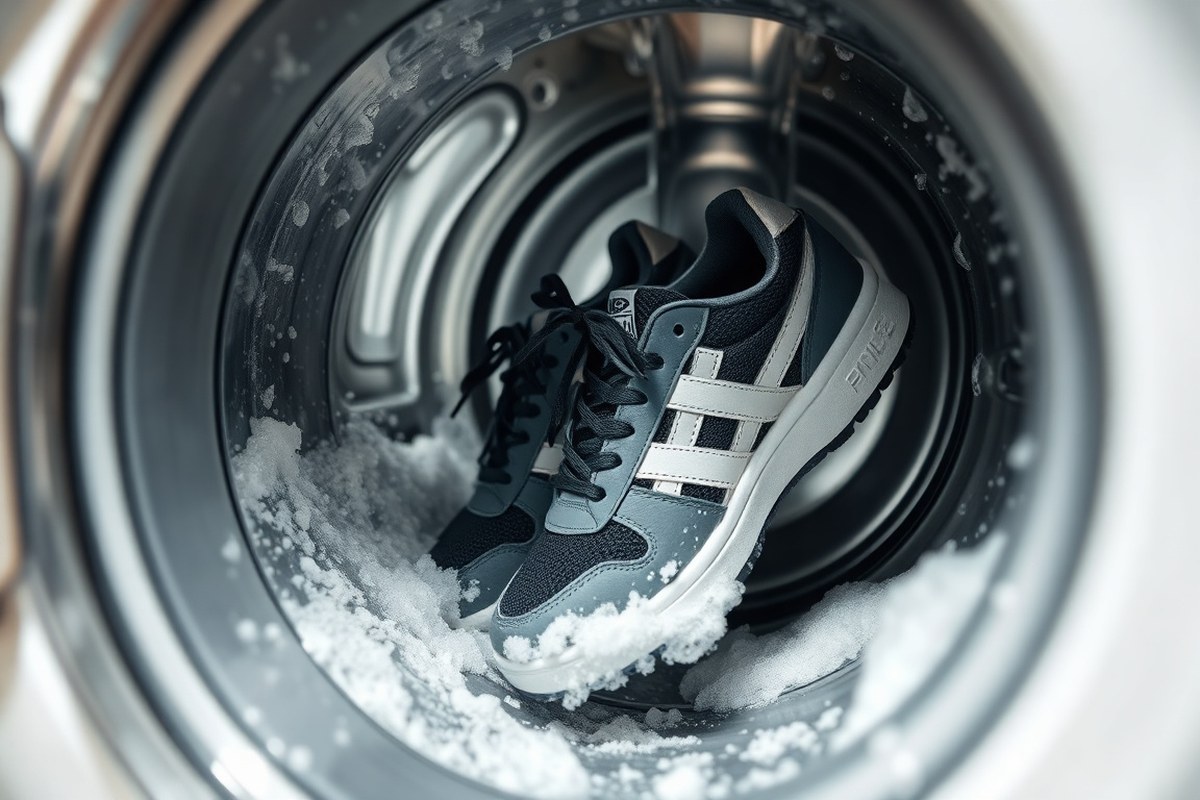
Washing shoes in a washing machine requires careful preparation and the right settings to keep both your shoes and the washer safe. Removing laces and insoles before washing helps them dry faster and prevents water damage inside the shoe. Using a cold, gentle wash cycle with mild liquid detergent prevents color fading and fabric damage. Avoid high spin speeds, bleach, and fabric softener to reduce wear and tear. Protect your shoes and machine by securing them in a mesh bag or pillowcase to prevent banging during the cycle.
- Remove laces and insoles. Take out the laces and insoles from your shoes. Soak the laces separately in warm, soapy water to clean them efficiently. Wash insoles by hand to prevent them from staying waterlogged for days.
- Pre-clean the shoes. Use a stiff brush or old toothbrush to scrub away loose dirt, mud, and debris. Removing heavy dirt helps avoid clogging the washing machine or redepositing grime onto your shoes.
- Place shoes in a protective bag. Put your shoes into a mesh laundry bag or pillowcase. Tie the laces together and add them to the same bag if washing with shoes. This cushions your shoes during the wash cycle and protects the washing machine drum from scratches.
- Add detergent and set the machine. Use 1-2 teaspoons (5-10 mL) of mild liquid detergent, avoiding powder forms to prevent residue buildup. Select a cold water wash (around 30°C or 85°F max) on a delicate or gentle cycle with a low or no spin speed to minimize damage.
- Run the wash and remove immediately. Start the cycle and monitor it to avoid long delays after washing, which can cause odor. Immediately remove shoes after the cycle to begin drying promptly.
Cold water stops colors from fading or running and reduces the risk of material shrinkage. A gentle cycle protects shoe materials and stitching, while low spin speed limits the mechanical stress on shoes and washing machine parts. Removing laces and insoles ensures each component dries thoroughly, preventing mold and long drying times. Using a bag or pillowcase prevents your shoes from banging loudly, which could damage the washer or shoes.
Which Types of Shoes Can (and Cannot) Go in the Washing Machine

Many sneakers and casual shoes made from textiles like cotton, nylon, and polyester can be safely cleaned in a washing machine. These materials tolerate machine washing well without losing shape or color. Always check the shoe’s care label to confirm, but generally, sports shoes and slip-ons designed with fabric uppers work fine with a gentle machine cycle.
Shoes constructed from leather, suede, vinyl, or rubber are not good candidates for machine washing. These materials can warp, crack, or degrade in the machine, causing permanent damage to both your shoes and possibly your washer. Shoes with glued parts, especially around the sole, may separate during the wash due to water exposure and agitation. Care labels specifying “hand wash only” indicate that you should avoid machine washing. In some cases, using the machine’s delicate or hand wash setting might be possible, but only if the shoe materials permit it.
Knowing if your shoes are washable can save you time and prevent damage. A decision rule table helps clarify which shoe types to machine wash, avoid, or clean by hand or professionally.
| Shoe Material/Type | Machine Wash Safe? | Recommended Cleaning Method | Notes |
|---|---|---|---|
| Textile sneakers (cotton, nylon, polyester) | Yes | Machine wash gentle cycle | Check label, remove laces/insoles before washing |
| Slip-on shoes with fabric uppers | Yes | Machine wash gentle cycle | Verify care label |
| Leather shoes | No | Hand clean or professional cleaning | Machine washing likely damages leather |
| Suede shoes | No | Hand clean or professional cleaning | Very sensitive, machine wash causes damage |
| Vinyl or rubber shoes (non-fabric) | No | Hand clean | Machine washing may damage shoe and machine |
| Shoes with glued soles/parts | Caution | Prefer hand washing | Glue may weaken and parts separate during washing |
Before placing shoes in the washer, make sure to remove laces and insoles to ensure thorough cleaning and prevent tangling. Avoid washing shoes in a dishwasher, as it’s not designed for them and can cause damage. Machine washing can remove 90, 99% of bacteria from shoes, making it efficient for cleaning, but use the proper settings and only with suitable shoe types.
Warning: Do not machine wash shoes made from leather, suede, or those with glued components, as the washing process can cause irreparable damage to your footwear.
How to Prepare Shoes, Laces, and Insoles Before Washing
Preparing your shoes, laces, and insoles properly before placing them in the washing machine improves cleaning results and shortens drying time. Remove laces and insoles to prevent them from collecting odor or spreading dirt. Treat stains and remove loose debris in advance to allow the machine to clean more effectively.
Removing and Washing Laces Separately
Always take the laces out before washing to prevent tangling and ensure both shoes and laces get cleaned thoroughly. Laces can be washed in the machine with the shoes if placed inside a mesh laundry bag, or cleaned by hand if heavily soiled. Replacing very dirty laces may be easier and less time-consuming than trying to clean them.
Wash laces inside a small mesh bag or pillowcase tied at one end to avoid damage. Use a gentle detergent and cold or warm water settings to protect fabric. For hand cleaning, soak the laces for 10 to 15 minutes in warm soapy water, then scrub gently with a soft brush.
Dealing with Insoles Safely
Remove insoles because washing them inside shoes can trap moisture and cause odors. Many insoles are not machine washable and can degrade or lose shape if subjected to full wash cycles. Instead, hand wash insoles with mild soap and water and allow them to air dry completely before reinserting.
For insoles with odor issues, sprinkle baking soda on them overnight before brushing off the powder. Avoid putting insoles in the dryer as excessive heat can warp or shrink them. Air drying in direct sunlight for a few hours helps eliminate smells and dries them efficiently.
Spot Treating Mud and Stains on Shoes
Remove stubborn stains or caked mud before washing to avoid poor wash results and clogging the machine. Hold the shoes under a running tap or hose and gently rub problem areas with a soft brush. For white shoes with yellowing, mix a paste of baking soda and dish soap, apply it to stains, and let it sit about 15 minutes before rinsing.
Spot treatment loosens grime and reduces the washing time needed to get your shoes clean. Do not use bleach or harsh chemicals that might damage fabric or colour. A little gentle scrubbing before the wash helps the machine work better on shoes overall.
Brushing Off Loose Debris and Dirt
Before washing, brushing off dirt and loose bits from your shoes prevents buildup inside the washing machine’s filter and drain. Use a dry brush with soft to medium bristles to sweep away surface dust, sand, and debris. This step protects your machine and reduces potential clogs.
Small debris dislodged during washing can cause malfunctions or require cleaning the machine filter more often, increasing maintenance. Taking two to three minutes to brush shoes beforehand minimizes these risks and improves cleaning results.
- Remove laces and place them in a mesh laundry bag or pillowcase.
- Take out insoles and set them aside for hand washing or airing.
- Brush off loose dirt and debris from shoes using a soft brush.
- Hold shoes under running water to rinse off mud and surface stains.
- Apply a baking soda and dish soap paste to yellowed or stained areas and let sit 15 minutes.
- Scrub stains gently with a soft brush before rinsing the paste off.
- Prepare insoles by soaking in warm soapy water, scrubbing lightly, then air drying.
- Ensure all parts are partially dry and free of excess soap before machine washing.
Choosing the Right Washing Machine Settings for Shoes
Choose a cold water gentle cycle when washing shoes in the machine. Hot water can cause shoes to shrink or deform, so keep the temperature low to protect their shape. Select a delicate or gentle wash cycle to reduce tumbling intensity, which minimizes wear on both the shoes and the washing machine drum.
Use liquid detergent instead of powder. Liquid detergents dissolve more thoroughly in cold water and don’t leave residues that could stick to shoe fabrics. Avoid bleach or harsh chemicals, as these can damage colours and materials.
Protect both your shoes and washing machine by enclosing the shoes inside a mesh bag or a pillowcase with a tight knot. This containment limits movement and friction inside the drum. Adding a few towels or floor mats around the shoes provides extra cushioning that helps balance the load and reduces noise or impacts to the washer.
- Use cold water on a gentle or delicate cycle.
- Choose liquid detergent, avoiding powders and bleach.
- Place shoes in a mesh laundry bag or pillowcase.
- Add bath towels or floor mats to cushion and balance the wash.
- Wash shoes with sturdy laundry items, not delicates.
- Remove insoles and laces beforehand for separate cleaning.
You can combine shoes with other hardier items like towels or jeans to improve washing efficiency and protect the drum’s balance. Avoid mixing shoes with delicate fabrics, such as silk or lace, which could snag or be damaged during the cycle. Before loading, rinse off any excess dirt to avoid overloading your detergent with grime, ensuring a cleaner result.
Following these steps costs very little, a mesh bag or pillowcase typically costs under $10, and using liquid detergent is standard for most households. Good results look like shoes that are clean without any distorted shapes or loose glue. Problems to watch for include overly noisy washing machines or shoes banging loudly, signalling that cushioning or containment needs adjustment before the next wash.
Proper Methods to Dry Shoes Safely After Washing
Drying shoes correctly after washing in the machine helps keep their shape, prevents damage like warping or shrinking, and avoids unpleasant odors. Avoid using a dryer because the heat and tumbling can ruin the soles and fabrics. Instead, air drying with proper support for your shoes produces the best results.
Air Drying: Best Practices
Place your washed shoes in a well-ventilated, shaded area to air dry. Avoid direct sunlight or damp environments that can cause fading or mildew. Set them on a rack or a flat, absorbent surface like a towel to allow airflow around the entire shoe. Turning them occasionally speeds drying and prevents moisture buildup that causes odors.
Keeping shoes in a dry room with good airflow lowers the risk of bacteria growth. Make sure the room temperature stays moderate, around 65 to 75°F is ideal. Cooler temperatures slow drying and may cause dampness, while hotter conditions risk shrinking or cracking some materials.
Avoiding Direct Heat or Dryers
Avoid drying shoes in a clothes dryer or placing them close to heat sources like radiators or heaters. The combination of spinning and high heat can deform soles, weaken glued areas, and cause fabric or leather to shrink. Running, basketball, or casual sneakers in the dryer often suffer lasting changes in shape and comfort.
Instead, resist the urge to speed things up with a hairdryer or oven, as uneven heat damages the shoes’ structure. Air drying is slower but preserves your shoes’ lifespan much better.
Never use a dryer unless your shoe’s care label explicitly says it’s safe; the risks usually outweigh the convenience.
Using Shoe Trees or Stuffing for Shape
Stuff your shoes lightly with crumpled paper towels or plain newspaper to help them keep their shape as they dry. Replace the paper whenever it becomes damp to maintain absorption. Shoe trees made of wood or plastic are an even better option, they consistently hold the shoe’s form and encourage air circulation inside.
Fill the toe box firmly but avoid overstuffing, which can stretch or deform the shoe. Supporting the shoe shape prevents creases and warping that become permanent if dried flat or unevenly.
Drying Time Expectations
Most shoes take 24 to 48 hours to dry completely, depending on materials, weather, and ventilation. Canvas or mesh sneakers dry faster, usually closer to a full day, while leather or heavy boots may require two full days or more. Patience during this period is key to avoid trapping moisture that breeds odor or mold.
Check that shoes are fully dry before wearing or storing them. Damp interiors increase the risk of fungal growth and damage to insoles. Pull out the paper or shoe trees once the shoes feel dry to the touch and free of cold spots.
Common Mistakes When Machine Washing Shoes and How to Fix Them
Machine washing shoes can lead to common mistakes that cause damage or poor cleaning results. One of the most frequent errors is putting leather, suede, or shoes with delicate decorations into the machine. These materials are sensitive to water and agitation, leading to permanent damage or distortion. Protecting your shoes before washing is another step often overlooked. Without a protective cover like a mesh laundry bag, shoes bang against the drum, which can damage both the shoes and the machine. Adding old towels into the wash acts as a cushion and reduces this impact.
Ignoring proper preparation of your washing machine also increases the risk of harm. Using too harsh a cycle, a high temperature, or an aggressive spin can shrink or deform shoes, especially those made from synthetic materials or fabric. Overloading the machine leaves insufficient space for the shoes to move freely, preventing thorough cleaning and increasing wear.
- Avoid washing leather, suede, or embellished shoes in the machine.
- Use a mesh laundry bag or pillowcase to protect shoes during the wash.
- Add old towels to cushion shoes and reduce impact inside the drum.
- Choose a gentle or delicate cycle with cold water (below 86°F / 30°C).
- Do not overload the machine; wash shoes with light loads only.
- Remove laces and insoles before washing to avoid tangling and damage.
- Fasten Velcro straps and close all zippers to prevent snagging.
If your shoes suffer damage during washing, such as warping, fading, or sole separation, quick action can sometimes help salvage them. Use shoe glue for sole reattachment and avoid heat to dry warped shoes; instead, stuff them with newspaper and let them air dry naturally. Severe damage to materials like leather may require professional repair or replacement. Preventing harm with these steps avoids the cost and hassle of repair.
Following these tips reduces the chance of machine washing flaws and keeps your shoes cleaner and intact. Taking a bit of extra time to prepare shoes and the washing machine pays off in better shoe care and durability. Always remember that not all shoes are suited for machine washing, so err on the side of caution.
How to Maintain Shoe Freshness and Insoles After Washing
Maintaining shoe freshness and caring for insoles and laces after washing helps prevent odors and prolongs the life of your shoes. Insoles generally should be washed separately by hand and dried thoroughly to avoid damage, while laces can be handwashed gently to keep them clean. Deodorizing your shoes naturally keeps them fresh without harsh chemicals.
Deodorizing Insoles and Shoes Naturally
After washing, it’s important to neutralize odor-causing bacteria in your shoes and insoles. One effective method is sprinkling a small amount of baking soda inside the shoes and on the insoles. Let the baking soda sit overnight, then shake it out the next day. Baking soda absorbs moisture and odor, reducing the chance of bacteria growth. Another option is placing dryer sheets inside shoes when you’re not wearing them; this helps mask odors and adds a fresh scent.
For a deeper freshening effect, you can use diluted white vinegar or a specialized shoe deodorizer spray. Spray lightly inside the shoes after washing and drying. Vinegar kills bacteria and dries quickly, but avoid soaking the shoes or insoles with liquid. Always ensure shoes are completely dry before storing or wearing them to prevent mildew or unpleasant smells from developing.
Handwashing and Drying Laces
Laces are usually safe to wash in the machine using a mesh laundry bag; however, handwashing reduces wear and maintains their shape. Use warm water with a mild detergent and soak laces for 10 to 15 minutes. Gently rub them between your fingers to remove dirt and sweat. Rinse thoroughly with cool water and squeeze out excess moisture by rolling the laces in a towel. Avoid twisting or wringing to prevent stretching or fraying.
Lay the laces flat or hang them to air dry at room temperature, away from direct sunlight or heat. Drying inside the shoe can keep them misshapen or musty. Clean laces every few washes or whenever they look visibly dirty to maintain overall shoe cleanliness and appearance.
Replacing Worn Insoles for Hygiene
Even with regular washing, insoles can lose their ability to absorb moisture and control odor over time. Replace insoles every 6 to 12 months, depending on use and shoe type, to maintain hygiene and comfort. Athletic shoes worn daily might need more frequent replacement, as sweat buildup accelerates wear and odor development. Removal and replacement are simple: pull the old insoles out gently and insert new ones that match the shape and size of your shoes.
Look for insoles with antimicrobial properties or moisture-wicking materials for added freshness. While some insoles withstand gentle machine washing, most last longer if cleaned by hand and completely dried before being reinserted. Sending insoles through the washing machine can cause them to break down or deform, reducing cushioning and support.
Alternatives When Shoes Can’t Be Machine Washed
When shoes can’t be cleaned in a washing machine, hand washing and spot cleaning are your best alternatives. Hand washing lets you control the process carefully, reducing the risk of damage. Spot cleaning targets stains without soaking the entire shoe, which works well for delicate materials like leather, suede, or shoes with glued parts.
Hand washing involves using a mild detergent mixed with warm water (around 80°F). Use a soft brush or cloth to gently scrub the shoe’s surface. Pay special attention to seams and creases, but avoid soaking the shoe fully unless specified by the manufacturer. Rinse with a damp cloth to remove soap residue and let air dry away from direct sunlight.
Spot cleaning is quicker and uses less water. Apply a small amount of cleaning solution directly to the stained area, scrub lightly, and then pat dry with a clean cloth. It’s great for fresh dirt or localized stains, and it keeps the shoe’s structure intact.
For white canvas or cloth shoes, a paste made from 3 parts baking soda and 1 part vinegar can help lift dirt and whiten fabric. Apply the paste to shoes using an old toothbrush, scrub lightly, let it sit for 15 minutes, then wipe off with a damp cloth. This method avoids harsh chemicals and can brighten shoes without machine washing.
| Cleaning Method | Best For | Materials | Time Required | Cost |
|---|---|---|---|---|
| Hand Washing | All except machine-only-safe shoes | Leather, suede, canvas, mesh | 15, 30 minutes | Low (mild detergent + water) |
| Spot Cleaning | Localized stains | All materials, especially delicate | 5, 15 minutes | Very low (cleaning solution or mild detergent) |
| Baking Soda & Vinegar Paste | White canvas or cloth shoes | Canvas, cloth only | 20, 30 minutes | Very low (common household items) |
Applying these methods allows you to clean shoes that could be damaged in a washing machine. Hand washing is thorough and better for overall dirt removal, while spot cleaning saves time for small stains. The baking soda and vinegar paste works well for whitening but should not be used on colored or delicate material. If your shoes feel stiff or discoloured after cleaning, reduce scrubbing pressure or try a gentler solution next time.
Always test any cleaning method on a small, hidden area of the shoe first to check for colorfastness and material reaction.
Step-by-Step Action Plan for Washing Shoes in Your Washing Machine
Follow these steps to wash your shoes safely and get the best results without damaging your footwear or machine.
- Before You Start: Check your shoe type and inspect labels to confirm they are machine washable. Shoes made of mesh, canvas, or fabric usually work, while leather and suede do not.
- Preparation Phase: Remove laces and insoles. Put laces in a mesh laundry bag to prevent tangling, and wash insoles separately by hand. This prevents damage to both your shoes and the machine.
- Load Shoes Properly: Place shoes inside a pillowcase or laundry bag and add some towels to the load. This protects your machine’s drum and reduces noise during the cycle.
- Setting the Machine: Use a cold water, gentle cycle with slow spin speed to prevent shoe deformation and color fading. Avoid bleach and fabric softeners.
- After Washing: Remove shoes promptly and stuff with paper towels or newspaper to maintain shape. Avoid direct sunlight and never use a dryer to prevent warping and damage.
- Drying Phase: Allow shoes to air dry completely indoors, which can take 24-48 hours depending on shoe material and room temperature.
- Post-Dry Care: Reinsert dry insoles and laces. Consider applying a shoe protector spray to keep shoes fresh and provide an extra barrier against dirt and moisture.
Frequently Asked Questions
Can I Wash Shoes in the Washing Machine with the Laces and Insoles Inside?
You should wash shoes and laces together but remove insoles to dry separately. Washing insoles inside the machine leaves them water-logged for days, which can cause odor and slow drying.
How Do I Protect My Washing Machine from Damage When Washing Shoes?
Place shoes in a pillowcase or laundry bag before washing to prevent scuffs. Tying laces together inside the same pillowcase helps keep everything contained and protects both your machine and shoes.
What Is the Best Washing Machine Setting for Cleaning Shoes?
Use a gentle or delicate cycle with cold water to avoid damage. Avoid hot water, which can weaken glue and materials in the shoes.
How Often Should I Wash My Shoes in the Washing Machine?
Machine wash shoes only when they are very dirty or about once a year. Frequent washing risks weakening the shoe structure and shortening their lifespan.
Can I Wash All Types of Shoes in the Washing Machine?
Most sneakers and canvas shoes can be machine washed, but avoid leather, suede, and running shoes. These materials may get damaged or lose shape in the washer.
Should I Put Detergent Directly on My Shoes Before Washing?
Use a mild liquid detergent added to the machine, not directly on shoes. Direct application can cause stains or uneven cleaning. Mixing detergent in water ensures a gentler wash.
Final Thoughts
Machine washing shoes can be a safe and effective way to clean many types of sneakers if you follow proper preparation, washing, and drying steps. Start by testing with a single pair to see how your machine and shoes respond. Keep in mind that some shoes need hand cleaning or specialized care to avoid damage. Taking care of your shoes this way can extend their life and keep them looking fresh longer.