How to Stop Pit Stains: 8 Proven Methods to Prevent and Remove Them
You can stop pit stains by using the right antiperspirants, choosing sweat-resistant fabrics, and treating underarm areas correctly before and after wearing clothes. Preventive steps like applying antiperspirant at night and wearing breathable fabrics reduce sweat buildup that causes staining. Washing shirts promptly after use also helps avoid permanent marks. This information is designed for anyone tired of pit stains ruining their shirts and seeking practical, effective solutions.
This article covers proven methods you can use daily to prevent sweat stains from forming and ways to remove them safely at home. The advice suits all fabric types and includes product recommendations, laundry tips, and explanations of why pit stains appear in the first place. Implement these strategies to keep your clothes fresh and stain-free without harsh chemicals or expensive treatments.
Key Takeaways
- Apply antiperspirant at night to block sweat glands effectively and reduce underarm moisture during the day.
- Choose natural, breathable fabrics like 100% cotton that allow air circulation and limit sweat accumulation.
- Wash clothes as soon as possible after wearing to prevent sweat from setting into fibers and causing stains.
- Use a mixture of baking soda, hydrogen peroxide, and dish detergent to pretreat stubborn sweat stains before washing.
- Soak stained shirts in a solution of detergent or specialty powder for 20 to 30 minutes to loosen sweat residues.
- Aspirin soaked in warm water can help remove yellowing caused by sweat when treated for 2 to 3 hours before washing.
1. How to Stop Pit Stains from Forming in the First Place
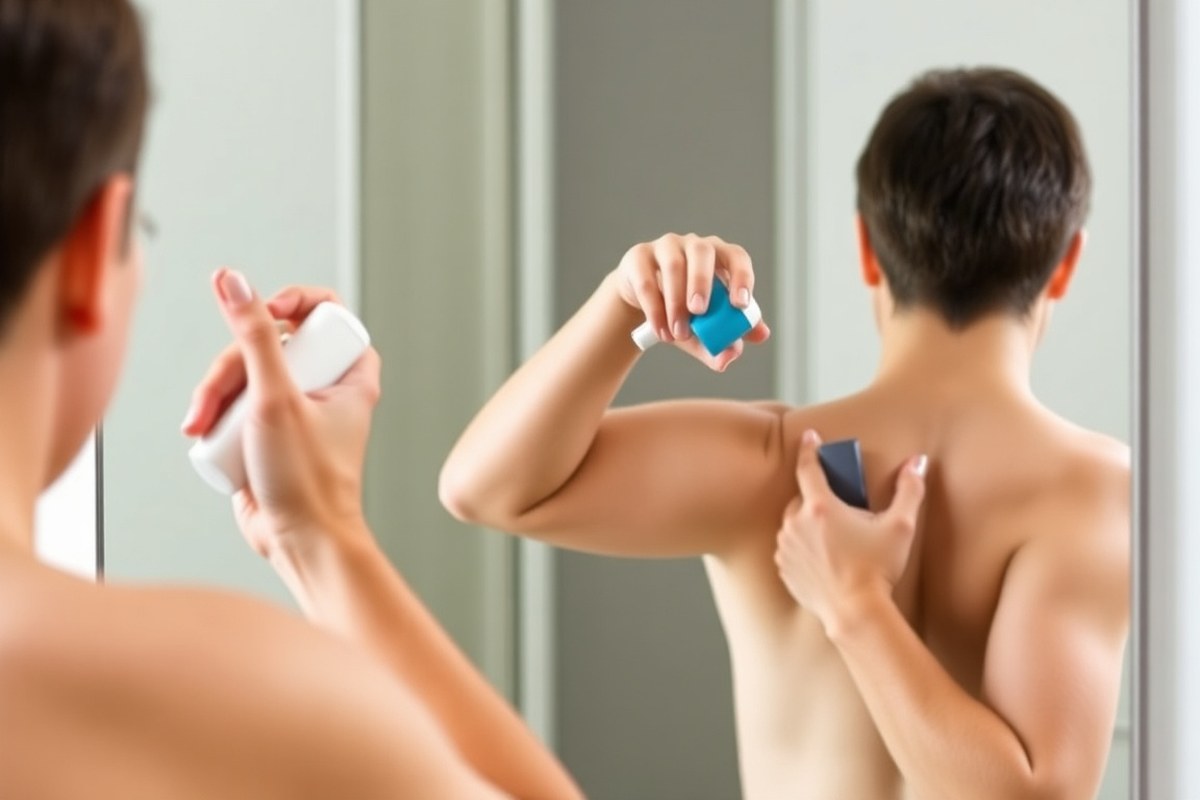
Preventing pit stains starts with choosing the right product and using it properly. Select an antiperspirant rather than just a deodorant, as antiperspirants reduce sweating by blocking sweat glands. Natural deodorants without aluminum can minimize chemical reactions that cause yellow stains but may not control sweat as effectively. Apply antiperspirant to clean, dry skin; avoid using it on wet or sweaty armpits because moisture reduces its effectiveness and increases the chance of stains.
Apply only a light layer of antiperspirant or deodorant, typically a few swipes or a light spray. More product doesn’t mean better protection and can worsen stains. Also, consider managing armpit hair by trimming or shaving, since less hair reduces the buildup of sweat, bacteria, and deodorant residue that contribute to stains.
- Apply antiperspirant at night to allow it to work while sweat glands are less active
- Use gentle, enzymatic laundry detergent to wash clothes and avoid fabric softeners
- Wear loose, breathable fabrics like cotton to help sweat evaporate
- Maintain armpit hygiene by washing daily to reduce bacteria that cause odor and stains
- Do not layer multiple deodorant or antiperspirant products in one application
- Allow your antiperspirant to dry completely before dressing
- Replace antiperspirant every year to ensure effectiveness
Maintaining good daily hygiene reduces sweat and bacteria, which are key factors in stain formation. Washing your underarms with soap every day keeps the skin clean, limiting bacteria that interact with sweat and product residue. Avoid overusing deodorants or antiperspirants; excessive application can build up on clothing. If sweat stains persist, testing a natural option without aluminum might help, but remember natural products may require more frequent reapplication.
Applying antiperspirant at night gives the aluminum compounds time to form plugs in sweat glands, resulting in better sweat reduction during the day. For most people, a few swipes on dry, clean skin are enough to reduce sweating 20 to 30%, which significantly lowers stain risk. Cost-wise, a quality antiperspirant ranges from about $5 to $12 per bottle, lasting up to a month with regular use.
2. What Actually Causes Pit Stains and Why They Happen
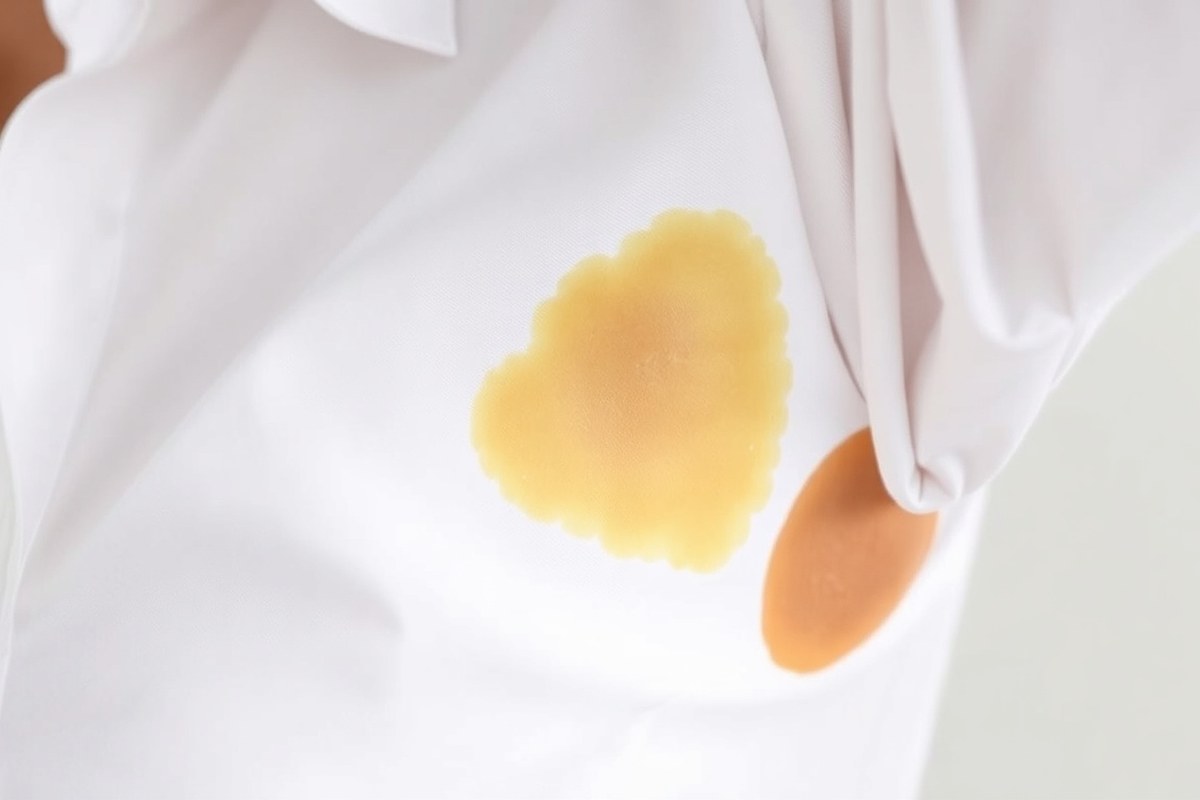
Yellow pit stains on clothing occur mainly because of a chemical reaction. Sweat itself is colorless, but when it mixes with aluminum compounds found in many antiperspirants and the salts naturally present in your sweat, the fabric undergoes a change. Over time, exposure to air causes this reaction to produce the characteristic yellow stains. This explains why some white shirts show yellow discoloration even when worn briefly.
The key player in this process is aluminum, a common ingredient in antiperspirants designed to block sweat glands and reduce perspiration. While aluminum reduces moisture, it also reacts with salts and oils in your sweat, leaving behind residues that bind to fabric fibers. This residue builds up gradually, intensifying the stain especially if the clothing isn’t washed promptly or thoroughly. Since aluminum is not removed easily by normal washing, these stains become more stubborn over time.
Body chemistry plays a significant role in how these stains develop and how severe they become. Protein, salt, and lipid levels in sweat differ from person to person, influenced by genetics, diet, and even lifestyle habits like alcohol consumption, which tend to increase sweating. These variations mean some people will notice stronger staining despite following similar hygiene routines and using the same deodorant products.
A common misconception is that pit stains indicate poor hygiene. Sweat and the resulting stains are not signs you aren’t clean but rather a natural bodily process interacting with antiperspirant ingredients. Frequent washing or excessive deodorant application does not prevent these chemical reactions; instead, it’s more about the combination of sweat composition and deodorant choice.
Other factors contribute to pit staining beyond the aluminum and sweat interaction. Residues left on clothing due to poor laundering habits, like washing in cold water or not using enough detergent, can worsen staining. Leaving sweaty clothes in the hamper longer allows the chemical reaction to continue, deepening the stain. Choosing the right washing routine, including warmer water around 104°F (40°C) and appropriate detergent, helps manage this buildup.
Avoid letting sweaty clothes sit for more than a day before washing to reduce residue buildup and limit yellow stain formation.
3. Which Deodorants and Antiperspirants Are Best to Avoid Pit Stains
Choosing the right deodorant or antiperspirant affects both your sweat control and your clothing’s appearance. Aluminum-based antiperspirants tend to cause more visible stains, while aluminum-free deodorants lower the risk though they’re not stain-proof. Using less product, letting it dry fully, and switching your stick every six months help reduce buildup and staining over time.
Aluminum-Based Antiperspirants and Staining
Antiperspirants with aluminum salts block sweat ducts but can leave behind yellowish stains once mixed with sweat. These stains often cling stubbornly to fabric even after washing. Aluminum compounds cause most staining issues, especially if you apply too much or don’t let the product dry before dressing. Stain formation can worsen when antiperspirant sticks stick to underarm hair, trapping residues close to clothing.
Switching to an aluminum-free product decreases the chance of staining because it lacks the metal salts responsible for those marks. Although these alternatives don’t prevent sweating, they still control odor and typically stain less. Finding a deodorant free from aluminum is one of the simplest prevention methods against pit stains.
Natural vs. Synthetic Deodorants
Natural deodorants, many of which are aluminum-free, often use plant-based ingredients or baking soda to neutralize odor. They tend to leave fewer stains than traditional synthetic antiperspirants containing aluminum. However, even natural deodorants can cause stains depending on the formula and how much you apply.
Many brands like SheaMoisture offer aluminum-free deodorants designed to minimize staining and remain invisible on skin and clothing. These products provide odor protection with less risk of yellowing or white marks on your shirts.
| Type | Contains Aluminum | Stain Risk | Odor Control | Sweat Control | Examples |
|---|---|---|---|---|---|
| Traditional Antiperspirant | Yes | High | Good | Blocks Sweat | Standard drugstore brands |
| Aluminum-Free Deodorant | No | Lower | Good | No Sweat Block | SheaMoisture, natural blends |
| Natural Deodorant (No Aluminum) | No | Low to Moderate | Moderate | No Sweat Block | Baking soda or plant-based formulas |
| Spray Antiperspirant | Varies | Lower than sticks | Good | Blocks Sweat | Aerosol sprays |
| Stick Antiperspirant | Varies | Higher | Good | Blocks Sweat | Solid sticks |
Choosing between sprays and sticks can impact staining. Sprays tend to leave lighter residue and dry faster, which lowers the chance of product transferring to your clothes. Stick antiperspirants have a higher risk of buildup, especially if over-applied.
Application Techniques to Minimize Stains
Using the right amount and applying at the best time reduces staining issues. Aim for 2 to 3 swipes, rolls, or sprays per armpit to avoid excess product. Applying your deodorant or antiperspirant at night allows it to dry and activate when sweat glands are less active.
Before application, make sure your underarms are dry and free of moisture. Let your product dry thoroughly, usually a few minutes, before putting on your shirt. This practice limits the mixing of deodorant ingredients with sweat that leads to stains. Changing your deodorant every six months also helps prevent buildup and ongoing staining.
4. Best Clothing and Fabric Choices to Reduce Sweat Stains
Choosing the right fabrics and fit can lower the chance of pit stains or at least make them less visible. Natural fibers like cotton, linen, and wool are your best options. These fabrics are breathable and help sweat evaporate instead of trapping it against your skin. Synthetic materials, especially tight-fitting ones, can hold in moisture and bacteria, which makes stains and odor worse.
Loose clothing allows better airflow, keeping you cooler and reducing sweat buildup. A shirt that’s too tight will cling to your skin, making sweat stains more likely and more obvious. Sleeveless or short-sleeved tops give your underarms extra ventilation, which can further reduce sweat marks.
If you sweat heavily or have important events, sweat-proof undershirts with built-in absorbent pads can be very effective. These undershirts add a barrier between your skin and your outerwear, absorbing moisture before it reaches your visible clothing. They range from about $15 to $40 depending on brand and quality and can be reused after washing.
| Fabric Type | Breathability | Effect on Pit Stains | Notes |
|---|---|---|---|
| Cotton | High | Resists sweat stains better | Loose fit recommended |
| Linen | High | Quick drying helps reduce stains | Good for warm weather |
| Wool | Moderate | Absorbs moisture, less odor | Choose lightweight blends |
| Synthetic (e.g. Polyester) | Low | Traps sweat and bacteria, stains worsen | Avoid or use sweat-proof undershirts |
Color choice also matters. Dark colors or patterns hide sweat stains better than light colors, which show yellow or discolored patches easily. Whites and pastels can look clean but need more frequent washing and special care to avoid buildup and stains. Avoid bleach on pit stains since it can react with deodorant residues and worsen yellowing.
For daily wear, prioritize breathable natural fabrics and looser cuts. On high sweat days or for special occasions, consider sweat-proof undershirts. Check garment care labels and wash sweaty clothes promptly to prevent stains from setting in. Proper fabric choices combined with timely laundry care keep your clothes looking fresh and reduce pit stain issues.
5. How to Safely Remove Fresh and Old Pit Stains at Home
Removing fresh and old pit stains safely at home requires using color-safe products and gentle methods tailored to your clothing type. You can soak stains with oxygen-based bleach solutions or apply household items like dish soap and white vinegar to lift stubborn marks without harming fabric. Quick fixes include spot treating with a mix of detergent and hydrogen peroxide before washing.
Preparing Your Clothes for Treatment
Start by sorting your laundry to treat whites, colors, and dark garments separately. This avoids discoloration and fabric damage. Check care labels to confirm temperature limits and whether bleach or certain chemicals are safe to use.
Pre-treat fresh stains promptly by rinsing the area with cold water to stop the stain from setting. For colored shirts, use a solution of color-safe detergent mixed with warm water before soaking. Avoid hot water before washing because it can set protein-based sweat stains and sometimes shrink or damage fabrics.
Effective Soaking and Washing Procedures
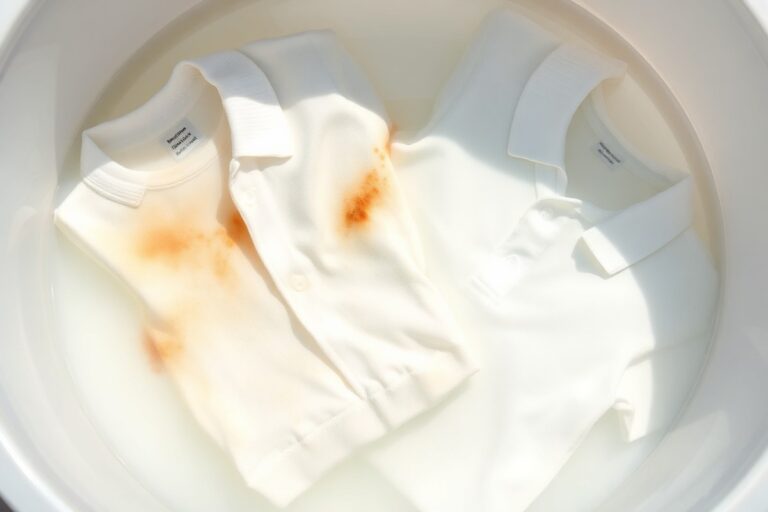
Soaking clothes helps to loosen sweat stains before washing, especially for stubborn or older marks. Use a mixture designed for stain removal such as ½ cup of Tide with Ultra Oxi Powder in about 2 gallons of warm water for dark shirts and colors. Let the clothing soak for 30 minutes to an hour to break down the stain effectively.
For tough stains, soaking overnight in oxygen bleach solutions like Oxiclean offers extra strength. After soaking, gently scrub the stain with a soft brush or your fingers using dish soap to lift residue further. Rinse thoroughly and wash according to the garment’s instructions in cold water to protect colors and fabric integrity.
- Sort clothing by color and fabric type following care labels.
- Rinse stained areas with cold water immediately if fresh.
- Prepare a soaking solution: mix ½ cup of oxygen-based powder with ~2 gallons warm water.
- Soak garments for 30 minutes for new stains or overnight for tough old stains.
- Apply dish soap directly on the stain and gently rub with fingers or an old toothbrush.
- Let sit for 15 minutes to allow the soap to penetrate.
- Rinse with cold water, then wash the garment using a mild detergent in cold water per label instructions.
Use cold or warm water for soaking and washing; hot water can cause sweat stains to set permanently.
Safe Spot Treatments for Delicate Fabrics
Delicate fabrics like silk or lace require special care to avoid damage while removing stains. Avoid soaking these materials as prolonged exposure to water or bleach can weaken fibers and alter color. Instead, treat stains carefully with mild solutions.
For a gentle spot treatment, apply white vinegar directly to old stains or ammonia to fresh stains using a cotton ball or soft cloth. Let it sit for 10 to 15 minutes, then rinse thoroughly with cool water. Avoid vigorous rubbing to prevent damaging the fabric’s surface. If stains persist, consider professional cleaning to protect delicate items.
6. Laundry Tips and Tricks to Prevent and Remove Pit Stains
Choosing the right detergent makes a big difference when dealing with pit stains. Detergents containing oxygen bleach, like Tide Ultra Oxi Powder Laundry Detergent or Clorox 2 Stain Remover & Color Brightener, work well to lift sweat stains without damaging fabric color. Oxygen bleach, typically sodium percarbonate or hydrogen peroxide, breaks down stain molecules gently but effectively. Avoid using chlorine bleach on colors, as it can cause fading and weaken fibers.
The washing cycle also matters. Use a warm water setting around 104, 113°F (40, 45°C). Warm water helps dissolve deodorant residue and sweat deposits better than cold water while staying safe for most clothes. Select a normal or heavy-duty cycle depending on fabric and stain severity. Frequent washing reduces build-up and helps prevent stains from setting, so wash sweaty clothes soon after wearing.
Pre-soaking clothes before washing is beneficial for stubborn or older pit stains. Soak affected garments in a mixture of warm water and oxygen bleach for 30 minutes to an hour. This step loosens deep stains and can save time during the wash cycle. However, avoid soaking delicate fabrics too long to prevent damage.
- Use a detergent with oxygen bleach for stain removal and prevention.
- Wash clothes in warm water, 104, 113°F (40, 45°C), on a normal or heavy-duty cycle.
- Pre-soak heavily stained garments for 30, 60 minutes in oxygen bleach solution.
- Wash sweaty clothes promptly to stop stains from setting.
- Spot clean stains before washing when possible for better results.
- Check fabric care labels to avoid damaging garments during treatment.
Oxygen bleach is safe for most fabrics and colors when used as directed. It doesn’t release harsh chlorine, so it won’t weaken fibers or cause yellowing common with chlorine bleach. Using oxygen bleach in detergent or as a pre-soak can brighten clothes and remove sweat odors without extra chemicals. For budget, a box of oxygen bleach powder typically costs between $5 and $10, lasting many uses.
Spot cleaning before washing improve stain removal. Gently rub a small amount of detergent or stain remover directly on armpit areas, then let it sit for 10 to 15 minutes. This works well for tough stains requiring more intensive treatment than the main wash cycle. Always test stain treatments on an inconspicuous fabric spot to ensure no discoloration.
7. Common Mistakes That Make Pit Stains Worse and How to Fix Them
Overusing deodorant is a common cause of pit stains becoming worse or permanent. When you apply too much deodorant or antiperspirant, the excess product can accumulate and mix with sweat and bacteria. This combination creates yellow or dark stains on your clothing. To avoid this, apply a thin, even layer and give it a few minutes to dry before putting on your shirt. Otherwise, the product can rub off, leaving white marks or crusty residue on the fabric. These deposits make stains harder to remove over time.
Another mistake is not washing your clothes promptly after wearing them. Sweat, deodorant, and bacteria continue reacting in the fabric fibers when you leave stained shirts unwashed. This allows stains to set in and become permanent more quickly. Make sure to wash pit-stained clothes as soon as possible, ideally within 24 hours. Using cold or warm water and a detergent designed for stain removal can improve results without damaging fabrics.
Ironing clothes with existing pit stains can also worsen the problem. Heat from the iron can set stains deeper into the fabric, making them nearly impossible to remove later. Avoid ironing underarm areas with visible stains. If you must use an iron, place a clean cloth over the stain and use the lowest heat setting to minimize damage.
Choosing tight-fitting clothes, especially around the underarms, can increase sweating and cause fabrics to trap more sweat and deodorant residue. This leads to more severe staining and quicker wear of fabrics. Opt for looser-fitting shirts made from breathable fabrics to reduce sweating and friction that contribute to pit stains.
- Apply deodorant sparingly and let it dry completely before dressing
- Wash pit-stained clothes within 24 hours to prevent stain setting
- Avoid ironing directly over stains to prevent them from becoming permanent
- Choose loose, breathable fabrics to limit sweat buildup and friction
- Remove hair under arms if sweat accumulation worsens stains
- Use detergent formulated for stain removal on problem areas
- Never use chlorine bleach, as it can worsen yellow stains
These corrections help keep pit stains from worsening or becoming permanent. You should see better stain removal after washing and fewer white deodorant marks on your clothes. Taking steps early to manage how you apply deodorant, how soon you wash your shirts, and your fabric choices can save time and money spent replacing stained clothing. Recognizing these mistakes helps protect your wardrobe and keeps shirts looking cleaner longer.
8. When Excessive Sweating Needs Professional Help and Advanced Solutions
Excessive underarm sweating that causes persistent pit stains may be a sign of a medical condition called hyperhidrosis. When regular methods fail to control the sweating, professional treatments such as Botox injections or surgical options can help reduce sweat production and protect your clothing from stubborn stains. Non-medical products like sweat-blocking undershirts or pads also offer support for heavy sweaters who want to prevent visible stains.
Symptoms Indicating Medical Evaluation
Hyperhidrosis is a condition where sweat glands produce more sweat than necessary for temperature control, leading to heavy sweating. You might notice sweating soaking through your shirts multiple times a day or sweat stains that don’t respond to over-the-counter antiperspirants. Sweat that disrupts social activities, causes emotional distress, or damages your clothing regularly signals the need to see a healthcare provider. If sweating occurs on both sides of your body, lasts longer than six months, or begins suddenly without an obvious cause, professional evaluation is recommended.
Here’s a simple checklist to help decide if you should consult a doctor: Are your underarm sweat stains persistent despite good hygiene and strong antiperspirants? Do you experience night sweats or sweating in other body areas? Is sweating interfering with your work or personal life? Affirmative answers to these questions suggest medical advice could help.
Medical and Cosmetic Treatments Options
Botox injections are a common non-invasive treatment for excessive underarm sweating. Botox works by blocking the nerve signals that trigger sweat glands, often providing relief for six to nine months. Medical aesthetics clinics typically charge between $1,000 and $2,500 for this treatment, depending on location and amount of Botox required. The procedure takes about 15 to 30 minutes with little downtime, and most patients notice a significant reduction in sweating within days.
For more severe cases, surgical options are available. Procedures like thoracic sympathectomy involve cutting or clamping nerves responsible for sweat production, while sweat gland removal physically eliminates the glands under the arms. Surgery carries higher risks and recovery times and is usually considered only after less invasive treatments fail. Professional cleaning of garments remains important to protect delicate fabrics after years of heavy sweating, as some stains can become permanent.
Non-Medical Products for Heavy Sweaters
Sweat-blocking undershirts or disposable underarm pads form a physical barrier to absorb sweat before it reaches outer clothing. These solutions help reduce visible sweat stains and decrease odor by limiting bacteria accumulation. High-quality undershirts made from moisture-wicking fabrics can improve comfort and extend the life of dress shirts by preventing sweat saturation.
Using these products along with an antiperspirant designed to prevent white marks, like Dove Invisible Advanced Care Clear Finish, can provide complete protection. It’s important to replace pads regularly and wash undershirts frequently to maintain hygiene and effectiveness.
Consult a healthcare professional if your underarm sweating soaks through multiple shirts daily despite using strong antiperspirants and protective garments.
Step-by-Step Action Plan to Stop Pit Stains
Follow these steps to prevent new pit stains and deal with existing ones effectively. Track your progress by checking for reduced staining and improved fabric condition over time.
- Before You Start: Choose breathable fabrics like cotton or moisture-wicking blends for your daily wardrobe to reduce sweat build-up. You’ll notice less dampness and discomfort during wear.
- Day 1: Switch to a clinical-strength antiperspirant that blocks sweat glands without harsh chemicals. Apply it to clean, dry skin at night. If you wake up with dry underarms, it’s working.
- Day 3: Begin spot-treating pit stains with a mixture of baking soda and water before laundry. Stain fading after washes signals effective treatment.
- Week 1: Wash affected clothes with cold water and a detergent designed for stain removal. Check for reduced yellowing or discoloration after drying.
- Week 2: Rotate clothing frequently to avoid repeated wear and build-up of sweat and deodorant residue. Clothes should feel fresher longer.
- After 3 Weeks: Reassess your antiperspirant choice if stain problems persist, considering formulations without aluminium compounds or consulting a dermatologist.
- After 1 Month: Continue your fabric and laundry routine while noting any improvement in sweat control and pit stain visibility. Adjust habits if necessary.
Frequently Asked Questions
Are Armpit Sweat Stains Permanent?
Armpit sweat stains are not permanent if treated promptly. Using proper cleaning methods soon after staining helps prevent fabric discoloration.
How to Stop Armpit Sweat from Showing on Shirt?
Wearing loose, breathable fabrics like cotton helps reduce visible sweat on shirts. Using an effective antiperspirant and managing armpit hair also minimize sweat’s appearance.
What Are Armpit Stains Caused By?
Armpit stains result from a chemical reaction between aluminum in antiperspirants and sweat’s salts and oils. Sweat itself, deodorant residue, and hard water can also contribute.
Does Deodorant Stop Pit Stains?
Deodorant controls odor but doesn’t always stop pit stains. Antiperspirants with aluminum cause stains, so choosing aluminum-free natural deodorants can reduce them.
Can Armpit Hair Affect Sweat Stains?
Yes, armpit hair traps bacteria and deodorant residue, increasing stain chances. Keeping it trimmed or shaved helps reduce sweat stains.
Is Excessive Sweating a Sign to See a Doctor?
Constant heavy sweating with persistent stains may need medical advice. A professional can recommend treatments for underlying conditions.
Before You Go
Consistent care and smart clothing choices can greatly reduce pit stains and keep your clothes looking fresh. Take one clear step today by switching to a clinical-strength antiperspirant applied nightly. This simple change can start your journey toward sweat-free, stain-free underarms.