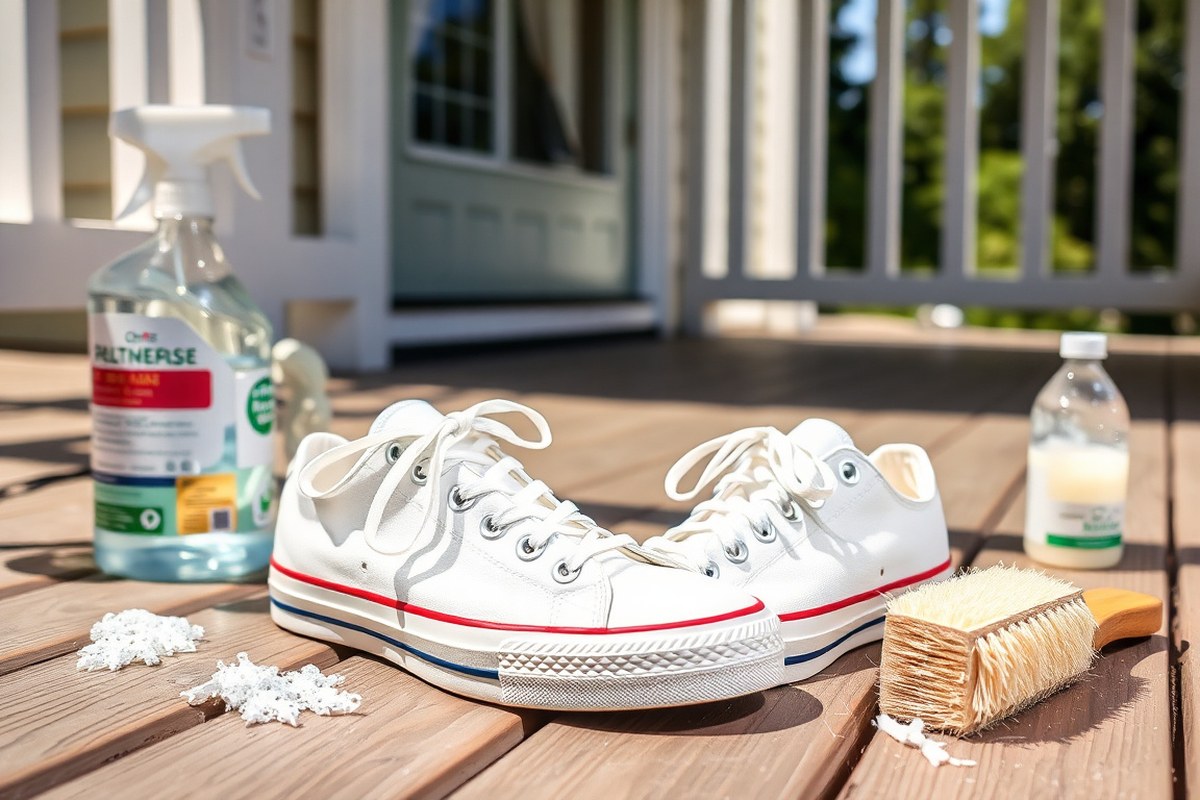
How to Clean White Canvas Sneakers: 8 Effective Methods for Lasting Brightness
How to clean white canvas sneakers starts with removing loose dirt using a soft brush, followed by gentle scrubbing with a mild detergent solution. For tougher stains, spot treatments with baking soda or vinegar can restore brightness without damaging the fabric. This process suits anyone wanting to maintain fresh-looking sneakers at home without special equipment or harsh chemicals.
Whether you’re new to sneaker care or looking to sharpen your cleaning routine, these methods ensure your white canvas stays spotless and lasts longer. Cleaning techniques cover both the fabric and rubber parts, with tips on drying and stain prevention to keep your sneakers looking their best.
Key Takeaways
- Always remove loose dirt with a soft brush before applying any cleaning agents to white canvas sneakers.
- Use a mixture of mild laundry detergent and warm water for gentle but effective cleaning of the fabric.
- Apply baking soda paste on stubborn stains and let it sit 10-15 minutes before scrubbing and rinsing.
- Clean rubber soles separately with a soft-bristle brush and a baking soda and dish soap mixture for best results.
- Air dry your white canvas sneakers in bright sunlight for 3 to 4 hours to help restore brightness and prevent yellowing.
- Soak heavily soiled sneakers in cleaning solution for 30 minutes to 2 hours based on degree of dirtiness.
1. How to Clean White Canvas Sneakers at Home Step-by-Step
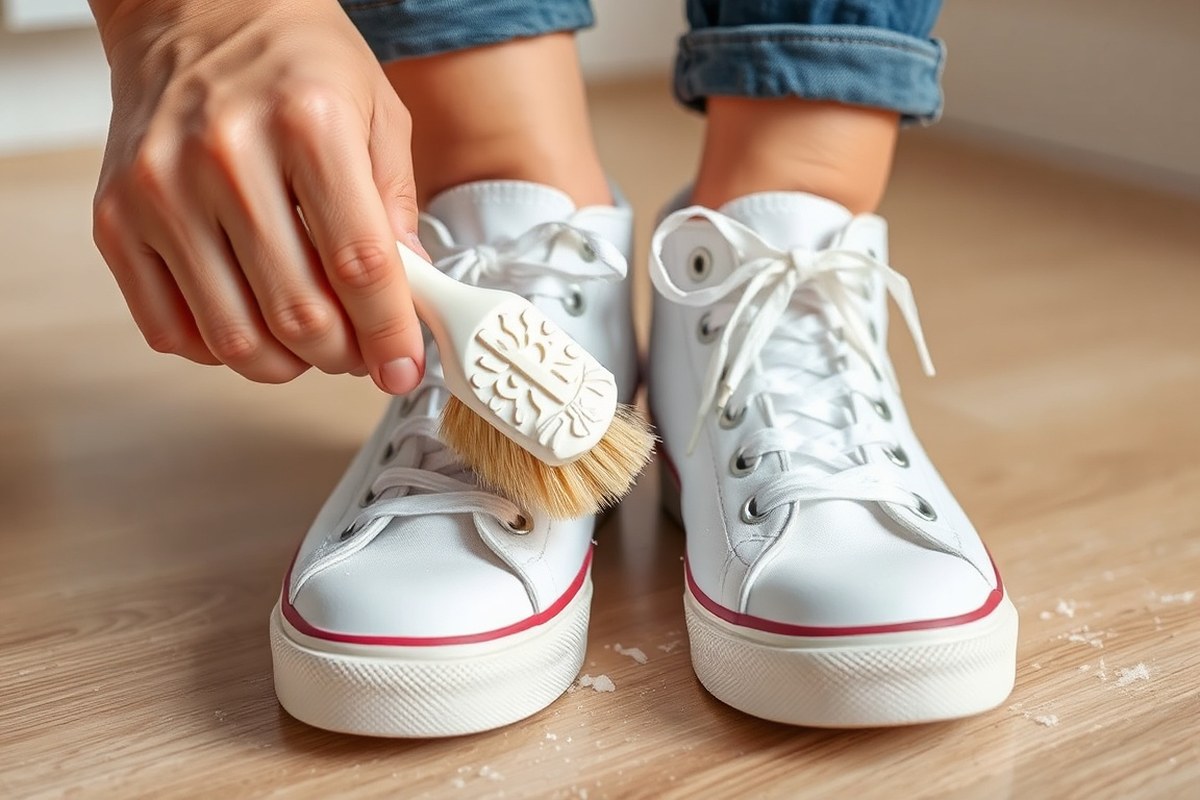
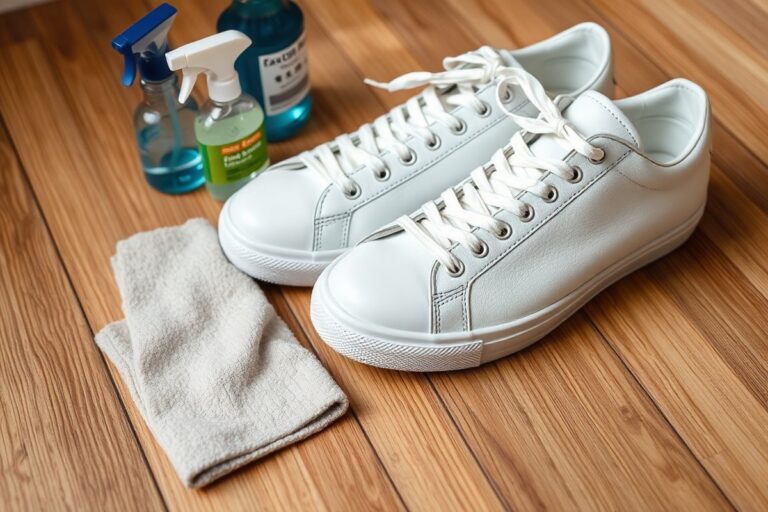
Cleaning white canvas sneakers by hand lets you control each step and prevent damage. Household ingredients like baking soda, white vinegar, and mild dish soap work well to lift dirt and brighten the canvas without harsh chemicals. Using gentle scrubbing tools, such as a soft brush or an old toothbrush, helps remove grime without wearing down the fabric. Avoid soaking the sneakers to prevent weakening the glue or causing yellowing. Follow these exact steps to safely and effectively clean your white canvas sneakers at home:
- Remove loose dirt: Take off the shoelaces and tap the soles together outside to knock off dirt. Use a dry soft brush or an old toothbrush to brush away dry dust and debris from the canvas and the rubber edges.
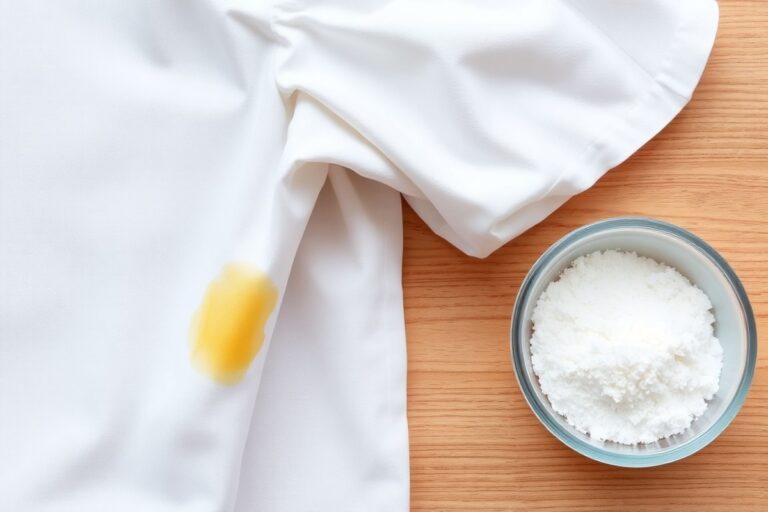
- Prepare a cleaning paste: Mix 1 tablespoon of baking soda with 2 tablespoons of white vinegar and 1 tablespoon of warm water until it forms a spreadable paste. This combination helps break down stains and brightens the fabric safely.
- Apply the paste: Use the toothbrush to gently scrub the paste over the stained or dirty areas of the canvas in circular motions. Apply evenly but avoid soaking the material; a thin layer is enough for effective cleaning.
- Let it sit: Allow the paste to rest on the shoes for about 15 minutes to penetrate dirt and stains without drying out completely, which can make rinsing harder.
- Wipe off residue: Dampen a clean cloth with warm water and gently wipe away the baking soda paste, being careful not to saturate the canvas. Repeat rinsing cloth and wiping until no paste remains.
- Dry naturally: Stuff the sneakers with paper towels or clean cloths to help them keep their shape and air dry them in a well-ventilated, shaded area. Avoid direct sunlight or heat sources that may cause yellowing or warping.
This method generally takes 20 to 30 minutes, excluding drying time. It removes light to moderate dirt effectively without risking damage. For heavier stains or mud, pre-treat with a stronger solution or repeat the process. Regular spot cleaning using this gentle method can keep your canvas sneakers bright between deep cleans.
2. Choosing the Best Cleaning Agents for Different Stains
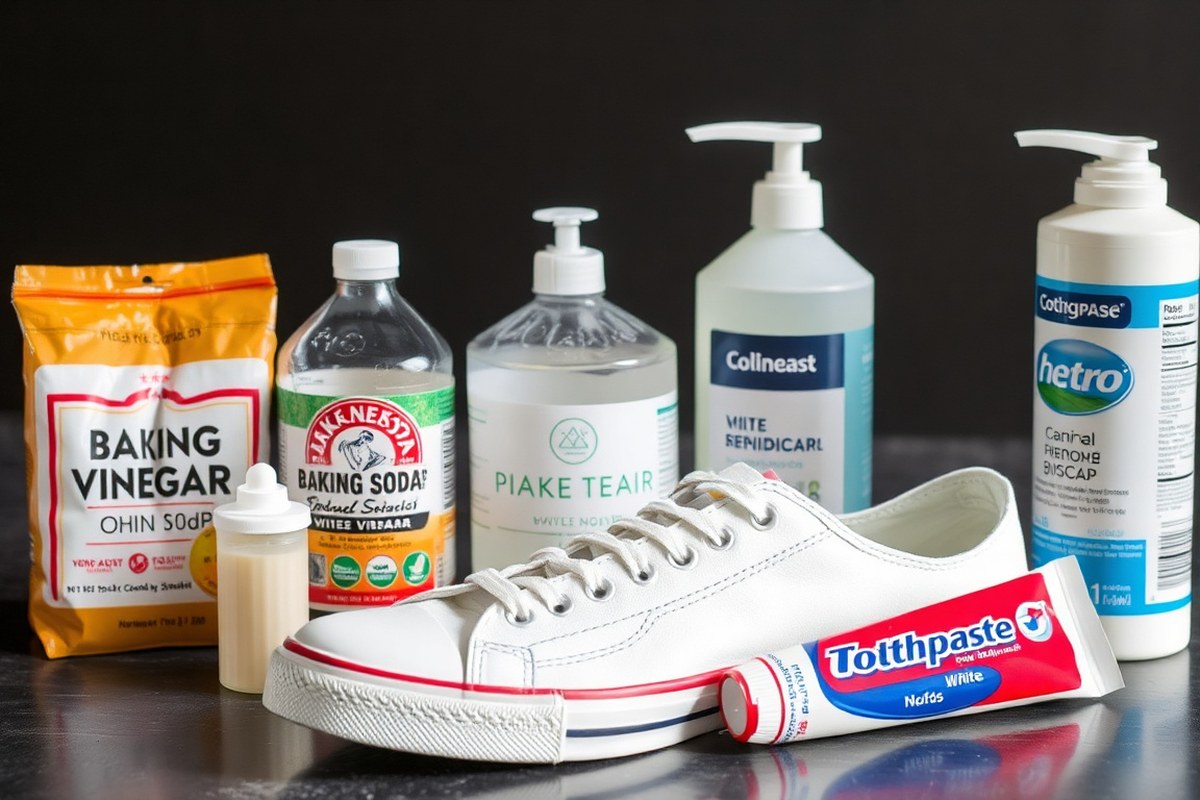
Different stains call for different cleaning agents when you’re tackling white canvas sneakers. Baking soda works well for light dirt and deodorizing, vinegar tackles light grime in combination with baking soda, and hydrogen peroxide brightens and removes tougher stains. Dish soap is effective on oily spots, while commercial cleaners can offer convenience but may not always outperform DIY solutions.
Cleaning Agents for Common Stain Types
Use baking soda for lightly dirty sneakers or when you want to deodorize. It scrubs gently and lifts surface dirt without damaging canvas. Vinegar combined with baking soda creates fizzing action that helps break down grime on lightly stained areas. For stubborn stains and brightening, hydrogen peroxide works as a mild bleaching agent that can restore whiteness.
Dish soap works well on oily stains due to its ability to break down grease. Combining dish soap with baking soda creates a mild scrubbing paste that loosens oily marks effectively. Baking soda by itself might not get rid of grease thoroughly, so adding dish soap makes it more effective. To brighten white canvas, mix 1 tablespoon of baking soda, 2 tablespoons of white vinegar, and 1 cup of warm water into a paste. Use this to gently scrub the stain, then wipe away any leftover mixture and let the shoe air dry.
| Stain Type | Best Cleaning Agent | How to Use |
|---|---|---|
| Light dirt and deodorizing | Baking Soda | Mix with warm water to make a paste, apply, scrub gently, then wipe off |
| Light grime | Baking Soda + Vinegar | Combine 1 tbsp baking soda, 2 tbsp vinegar, 1 cup warm water; scrub, then rinse |
| Oily stains | Dish Soap (with Baking Soda) | Mix dish soap and baking soda 1:1, scrub with a soft brush, rinse thoroughly |
| Tough stains | Hydrogen Peroxide + Baking Soda + Dish Soap | Mix 1 tbsp dish soap, 2 tbsp hydrogen peroxide, 1 tbsp baking soda; apply, scrub, rinse |
This table helps you match stain type to cleaning agent and shows simple DIY mixes that use common household ingredients. Avoid harsh scrubbing that could damage the canvas fibers.
DIY vs. Commercial Cleaners: Pros and Cons
DIY cleaning solutions like baking soda, vinegar, and dish soap are cost-effective and widely safe for canvas sneakers. They let you control ingredient amounts, avoid harsh chemicals, and often work well for everyday dirt and mild stains. Household products typically cost a few dollars or less for the quantities needed.
Commercial cleaners for white shoes come pre-mixed with powerful stain removers and brighteners. They often deliver faster or more thorough results on tough stains but cost more and may contain stronger chemicals that risk weakening canvas or causing discoloration if not used carefully.
Several users find that commercial stain removers are helpful for set-in marks, but light maintenance is more affordable and gentle with DIY treatments. Choose commercial options if home mixtures don’t improve heavily stained areas. Follow manufacturer directions for the best outcome and safety.
Safety Tips for Using Bleach and Peroxide
Hydrogen peroxide acts as a mild bleach and disinfectant, which helps remove set-in stains and brightens white canvas. A common DIY mix uses 1 tablespoon dish soap with 2 tablespoons hydrogen peroxide. Applying this paste directly to stains and letting it sit 10, 15 minutes before scrubbing gently and rinsing helps keep canvas white.
Clorox™ Disinfecting Bleach is stronger and should be reserved for very stubborn stains to avoid fabric damage. Always dilute bleach according to label instructions, spot test first on an inconspicuous area, and avoid soaking sneakers to prevent yellowing or weakening fibers.
Tip: Never mix bleach with vinegar directly since it can release harmful chlorine gas; use them separately and rinse well between treatments.
3. Effective Techniques to Clean and Brighten Shoelaces
Cleaning shoelaces separately helps keep them bright without risking damage to the sneakers. You can soak them using mild detergents or gentle bleach solutions for tough stains. Both hand washing and machine washing with precautions are effective methods depending on how dirty your laces are.
Removing Laces for Separate Cleaning
Always remove shoelaces before cleaning your sneakers. This prevents uneven cleaning and reduces wear on the fabric around the eyelets. Leaving laces attached during machine washing can also lead to snagging or deformation.
To remove laces, gently pull one end while holding the other, taking care not to stretch or tear them. Set the laces aside in a bowl or mesh laundry bag if you plan to machine wash them. Cleaning laces separately allows you to use stronger detergents or soaking solutions without risking damage to other shoe parts.
Soaking and Scrubbing Methods for Shoelaces
Soaking shoelaces loosens dirt and stains, making removal easier. Use warm water mixed with mild dishwashing liquid or gentle laundry detergent. Avoid harsh chemicals on delicate laces unless they are 100% cotton or nylon and can tolerate bleach safely.
For stubborn stains, a diluted bleach solution can brighten white cotton laces, but only if used carefully. Mix one part bleach with five parts water and soak the laces no longer than 5 minutes. Rinse thoroughly to prevent fabric weakening and skin irritation. Test bleach on a small lace section first.
Hand scrubbing after soaking improve cleaning. Use a soft brush or old toothbrush to work detergent gently into soiled areas. For machine washing, place laces in a mesh laundry bag and use a gentle cycle with cold or warm water, avoiding high temperatures to prevent shrinkage or damage.
- Fill a bowl with warm water and add a teaspoon of mild detergent or dish soap.
- Submerge the shoelaces and let them soak for 15 to 30 minutes.
- Gently scrub the laces with a soft brush on stained or dirty spots.
- For tough stains, apply a diluted bleach solution (1 part bleach to 5 parts water) and soak for up to 5 minutes.
- Rinse the shoelaces completely under running water to remove all detergent or bleach.
- Machine washing calls for placing laces in a mesh bag and selecting a gentle cycle with cold or warm water.
- Remove laces promptly from the washing machine to prevent wrinkles or tangles.
Drying Techniques to Keep Laces White and Durable
Air drying is the best way to keep shoelaces in good shape. Lay them flat on a clean towel or hang them to dry in a well-ventilated area out of direct sunlight. Prolonged exposure to intense sun can weaken fibers or cause yellowing despite brightening the canvas.
Avoid machine drying on high heat since it can shrink or damage the lace material. For quicker drying, use a low heat setting or avoid placing laces near direct heat sources such as radiators. Make sure they are fully dry before relacing your sneakers to prevent mildew or weak spots forming in damp fabric.
4. Cleaning and Maintaining the Rubber Soles Separately
Cleaning the rubber soles of your white canvas sneakers requires gentle care to avoid damage or loosening from the canvas upper. Rubber can yellow or accumulate stubborn dirt and scuffs, so choosing the right cleaning method helps maintain both the sole’s appearance and the shoe’s overall integrity.
To remove dirt and discoloration effectively, start with a mild soap solution. Mix a few drops of gentle liquid dish soap with warm water. Using a soft-bristled toothbrush or a sponge, scrub the rubber in small circular motions. This disrupts dirt and oils without scratching. Avoid harsh chemicals or abrasive scrubbing tools that can erode the rubber or cause it to separate from the sole.
After scrubbing, wipe away the soapy residue with a clean, damp microfiber cloth. Leaving soap behind can cause sticky buildup or dull the finish of the rubber. It’s important to avoid soaking the entire shoe, focusing on the sole area only to prevent weakening the glue that binds the sole to the canvas.
For more stubborn scuffs or yellowing, try a baking soda paste made by mixing two tablespoons of baking soda with just enough water to form a thick cream. Apply this to the rubber with a brush, let it sit for 10 minutes, then gently scrub and rinse with a damp cloth. Baking soda acts as a mild abrasive and natural whitener, but should be used sparingly to avoid dulling the rubber if over-applied. Below is a checklist to keep your rubber soles clean without risking damage:
- Remove loose dirt by tapping or brushing off before wet cleaning
- Use warm water with mild dish soap, avoiding bleach or strong chemicals
- Scrub gently with a soft brush or sponge, using circular motions
- Rinse or wipe away all soap residue with a damp microfiber cloth
- Dry soles separately, avoid direct heat or sunlight to prevent warping
- Apply baking soda paste only on tough stains, limit contact time to 10 minutes
- Do not soak the entire shoe to protect glue and fabric integrity
These techniques usually take about 10 to 20 minutes to complete and use inexpensive household items costing just a few dollars. The best results show a bright white sole free from grime and yellow stains without any peeling or sticky residue. Problems arise mainly from using abrasive tools or soaking the whole sneaker, which can loosen the sole or damage the canvas. Keeping the rubber cleaning separate and careful helps maintain your sneakers’ fresh look longer without extra wear or repair needs.
5. Can You Safely Clean White Canvas Sneakers in a Washing Machine?
Using a washing machine to clean white canvas sneakers can be effective but requires care to avoid damage. It works best for sturdy, machine-washable canvas shoes without delicate embellishments. Proper preparation, gentle settings, and specific detergents help maintain whiteness and shoe shape.
When to Choose Machine Washing
Machine washing suits most plain white canvas sneakers that do not have glued decorations, leather patches, or sensitive fabrics like suede. This method saves time and reaches tough grime deeper in the fabric than hand cleaning.
Skip machine washing if your sneakers have intricate designs, heavy damage, or if the manufacturer advises against it on the care label. Washing machines can sometimes loosen glue on soles or cause fabric shrinkage and color fading on low-quality canvas.
Preparing Your Sneakers for the Wash
Proper preparation reduces damage and improves cleaning results. Remove laces and wash these separately to avoid tangling or uneven cleaning. Take out insoles when possible, especially if they are foam or sensitive to water.
Use a soft brush or cloth to knock off loose dirt and debris before washing. Place your sneakers inside a mesh laundry bag or pillowcase to protect them from friction with the machine drum or other laundry items. This also reduces impacts that might deform the shoe shape.
- Remove shoelaces and insoles from the sneakers.
- Knock off loose dirt using a dry brush or cloth.
- Place the sneakers inside a mesh laundry bag or pillowcase and close it securely.
- Put the shoelaces inside a separate small mesh bag.
- Choose a mild liquid detergent formulated for colored or delicate fabrics, avoid bleach which can yellow the canvas.
- Select only white canvas sneakers on your wash load without mixing with heavy items.
Always check the manufacturer’s label for washing instructions to avoid voiding warranties or causing irreversible damage.
Recommended Wash Cycle and Aftercare
Set your washing machine to a gentle or delicate cycle at cold or warm water temperatures, not exceeding 80°F (27°C). Cold water prevents shrinkage and reduces the risk of yellowing that heat can cause. Avoid agitation-heavy cycles like heavy or normal washes that can wear out the fabric.
Use a small amount of mild liquid detergent, typically 1 to 2 teaspoons, to avoid detergent residue and fading. Skip fabric softeners, which can stain or degrade canvas fibers. After washing, air dry the sneakers away from direct heat or sunlight to prevent distortion or yellowing.
Good results include clean, bright fabric with no stretched or warped shape, intact stitching, and fresh-smelling shoes. Poor results often involve discoloration, fabric weakening, or sole detachment due to harsh cycles or high heat.
6. How to Dry White Canvas Sneakers to Prevent Yellowing or Damage
Drying white canvas sneakers properly is key to keeping the fabric bright and avoiding issues like yellowing, fading, or shrinkage. Direct sunlight causes UV rays to break down fibers and yellow the canvas, so avoid sun drying. Instead, air dry your shoes in a cool, shady spot with good airflow. This method protects the fabric and preserves the fresh white look.
How long drying takes depends on the environment and shoe thickness. Air drying usually takes 12 to 24 hours in a shaded area with temperatures between 65°F and 75°F. Thicker canvas or humid conditions can extend this time. Avoid heat sources like radiators or hair dryers, which can shrink or warp the sneaker fabric and sole.
Use a clean towel or paper towels to remove excess moisture before drying. Stuff the shoes with dry paper towels or clean cloths to help maintain shape and speed drying from the inside out. Replace the stuffing every few hours if it becomes damp. This technique reduces the risk of fabric distortion while preserving breathability.
- Dry sneakers in a shaded, well-ventilated area, avoiding direct sunlight
- Remove excess water with a towel before drying
- Stuff sneakers with dry paper towels or cloths to hold shape and absorb moisture
- Allow 12 to 24 hours for complete air drying at room temperature
- Avoid heat sources like radiators or hair dryers to prevent damage
- Flip or rotate sneakers occasionally for even drying
- Do not seal wet sneakers in plastic bags during drying
In situations where outdoor space for drying is limited, place the shoes near an open window or use a fan to improve air circulation indoors while keeping them out of direct sunlight. Drying times may increase if airflow is poor, so be patient for the fabric to dry thoroughly without using heat. Proper drying protects the sneaker’s structure and appearance over time.
Yellowing often happens when shoes dry too slowly in a warm, damp environment or when exposed to harsh light sources. Following these drying methods helps keep your white canvas sneakers looking clean and new without risking damage from heat or sunlight. Regularly drying sneakers correctly boosts their lifespan and keeps them comfortable to wear.
7. Preventing and Removing Tough Stains on White Canvas Sneakers
For tough and set-in stains on white canvas sneakers, pre-treatment is key. Before applying any cleaning solution, gently brush off any loose dirt using a dry, soft brush or cloth. This removes surface debris that can interfere with stain removal. For deep stains, soak the affected areas with plain water to soften the fibers but avoid soaking the entire shoe to prevent damage to glued parts.
Using 3% hydrogen peroxide is a practical choice for removing old yellow stains. It acts as a mild bleach, brightening whites while disinfecting from bacteria and fungi. Apply a small amount directly on the stain, let it sit for 10 to 15 minutes, then gently scrub with an old toothbrush. After scrubbing, rinse with cool water and air dry away from direct sunlight to avoid yellowing. Avoid using undiluted chlorine bleach, as it can cause more yellowing if used too strongly or left on too long.
Some cleaning methods and agents should be avoided to protect your sneakers. Harsh chemical bleaches, especially common chlorine bleach, often damage fabric fibers and can discolor the canvas. Abrasive scrubbing tools might wear down the material or create holes, worsening the appearance. Avoid hot water too, since heat can set stains and cause shrinkage or warping of the canvas.
- Pre-soak stains with plain cool water for 5 to 10 minutes before treatment
- Use a 3% hydrogen peroxide solution applied with an old toothbrush for stubborn stains
- Make a paste of white toothpaste (non-gel, non-whitening) and water for gentle scrubbing of localized stains
- Rinse treated spots with cool water after cleaning to remove residue
- Air dry sneakers away from direct sunlight to prevent yellowing
- Do not use chlorine bleach directly or undiluted to avoid fabric damage and discoloration
- Avoid abrasive brushes or scrapers that can fray or tear canvas fibers
Following these steps helps maintain the bright white look of your canvas sneakers by effectively tackling tough discolorations while protecting the fabric. Toothpaste treatments typically cost only a few cents and can remove light stains with minimal effort. Hydrogen peroxide is inexpensive and widely available, providing a safe and multipurpose option. Expect to repeat stain removal every few weeks or months depending on wear and exposure, especially for sneakers worn daily in dirty or wet environments. Careful spot treatment and mild scrubbing lead to better outcomes than harsh soaking or bleaching.
8. Maintaining White Canvas Sneakers and Avoiding Common Mistakes
To keep white canvas sneakers bright longer, regular cleaning and simple protective steps are essential. Dirt, oils, and sweat can build up quickly, so removing surface grime after each use helps prevent stains from setting. Using a soft brush or a damp cloth to wipe off dust and light dirt before it soaks in can make deep cleaning less frequent and less harsh on the fabric.
Protecting your sneakers from yellowing and damage means avoiding some common mistakes. Machine washing can cause discoloration and weaken the glue holding parts of the shoe together, so it’s best to wash canvas sneakers gently by hand. Bleach might seem like a quick fix for stains, but it often leads to yellowing and fabric weakening, especially if used too often or in high concentrations. Establish a maintenance routine and consider these tips:
- Spot clean stains immediately with mild soap and water to avoid permanent marks.
- Apply a fabric protector spray designed for canvas to repel water and stains.
- Keep sneakers out of direct sunlight when drying to prevent yellowing.
- Use a soft brush or cloth for routine dust removal instead of harsh scrubbing tools.
- Store shoes in a cool, dry place with shoes stuffed to maintain shape.
- Replace laces regularly to keep an overall fresh look.
Always test a cleaning product on a small hidden area first to avoid unexpected discoloration or fabric damage.
Some cleaning errors, like scrubbing too hard or using strong chemicals, can fray fabric and cause discoloration patches. If your canvas starts to yellow, try gently rubbing the area with a mixture of baking soda and water, then rinse thoroughly to avoid buildup. Avoid soaking the entire shoe to protect the adhesives inside. For stuck-on dirt, allow a diluted detergent soak no longer than 10 minutes before gently brushing.
Good results usually show bright, even fabric without harsh stains or faded spots. Damaged fabric will look worn, thin, or yellowed, and sticky glue may cause parts to peel or separate. Consistent, gentle maintenance protected with a fabric spray and careful cleaning prevents costly repairs or replacement over time.
Step-by-Step Action Plan for Cleaning White Canvas Sneakers
Follow these clear steps to restore your white canvas sneakers effectively and keep them looking fresh.
- Before You Start: Remove laces and brush off loose dirt. Clear visible debris to prepare for a better clean.
- Day 1: Spot treat stains with a mild detergent or baking soda paste. Confirm it lifts the stain without damaging fabric after 10 minutes.
- Day 2: Clean rubber soles separately using a soft brush and a mixture of water and mild soap. Check for white shine and no residue remaining.
- Day 3: Hand wash shoelaces in warm soapy water or use a stain remover for tougher spots. Make sure they are visibly brighter and free of dirt.
- Day 4: Rinse sneakers with clean water and air dry them away from direct sunlight. Ensure shoes are completely dry and stiffened without yellowing.
- After 2 Weeks: Apply a fabric protectant spray to prevent new stains and ease future cleaning. Notice reduced staining with regular wear.
- Every Month: Repeat spot treatments and clean soles to maintain whiteness. Look for consistent brightness and minimal dirt build-up.
Frequently Asked Questions
How Do I Clean Canvas Shoes?
Clean canvas shoes by scrubbing gently with mild detergent and warm water using a soft brush or cloth. Avoid harsh chemicals to protect the fabric and ensure thorough rinsing to remove soap residue.
Is Dawn Dish Soap Good for Cleaning White Shoes?
Dawn dish soap works well as a gentle cleaner for white shoes because it cuts grease effectively without damaging the canvas. Mix it with water for a mild solution that brightens without harsh effects.
How Do I Wash My Vans Shoes?
Hand wash Vans shoes with mild soap and water, scrubbing gently to protect the canvas and rubber. Avoid machine washing, which can damage the glue and shape of the shoe.
How Do You Clean White Converse Without Turning Them Yellow?
Clean white Converse using a mild detergent and cold water, and avoid bleach, which can cause yellowing. Dry them away from direct sunlight to prevent discoloration.
Can I Use Hydrogen Peroxide to Whiten White Canvas Sneakers Safely?
Yes, hydrogen peroxide can safely whiten canvas when used sparingly and diluted, but avoid overuse to prevent weakening fabric fibers.
What’s the Best Way to Remove Stubborn Stains from White Canvas Sneakers?
Apply a paste of baking soda and water to stains and gently scrub with a soft brush, then rinse and air dry. This avoids harsh chemicals while effectively lifting dirt.
Before You Go
Keeping white canvas sneakers clean requires regular, gentle care combined with targeted stain removal. Start today by removing loose dirt and addressing stains specifically, which will greatly improve your shoes’ appearance. Consider setting a cleaning routine that fits your schedule to maintain their fresh look long term.