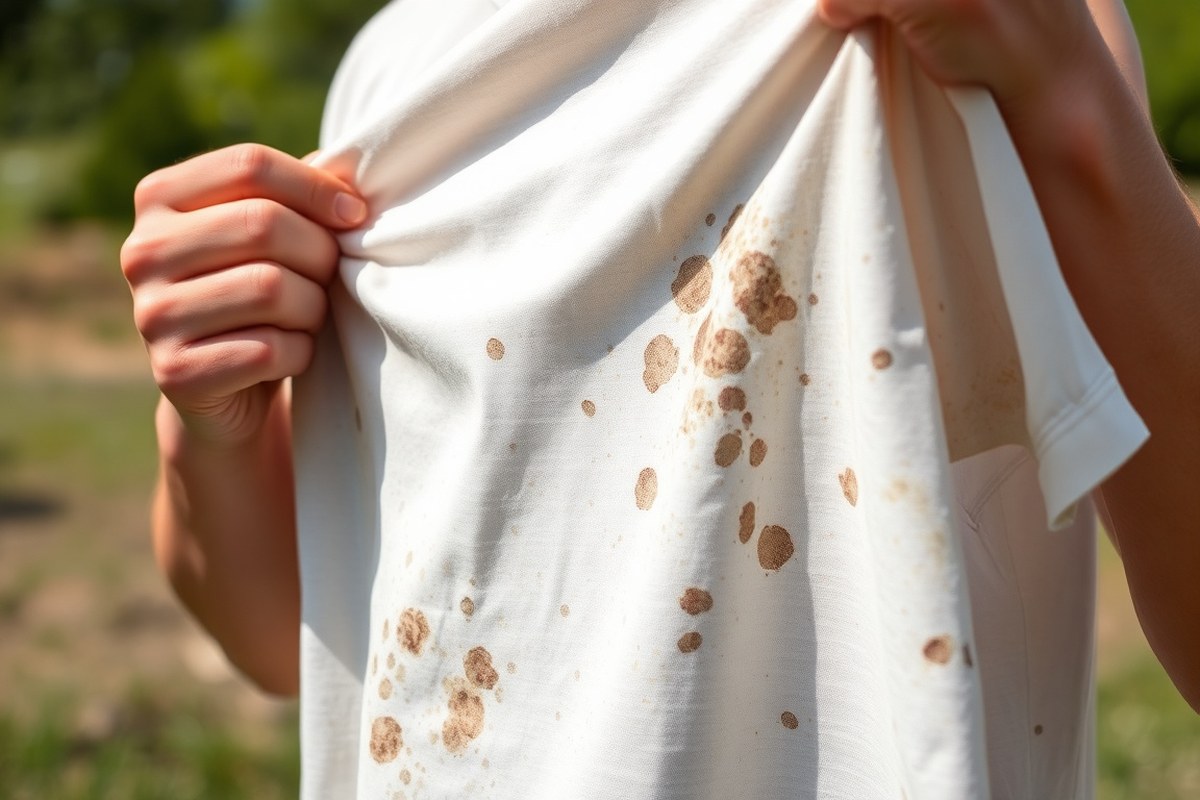
How to Get Rid of Mold on Fabric: 8 Proven Steps for Effective Removal
The best way to get rid of mold on fabric involves safely removing the spores with household solutions like white vinegar or borax, then washing the fabric according to its care label. Start by brushing off loose mold, treating the stain with a mold-killing solution, soaking if necessary, and thoroughly drying to prevent regrowth. Avoid harsh chemicals on delicate fabrics and always test treatment areas first.
These steps suit homeowners and renters dealing with moldy clothing or fabric items. You will learn how to identify mold presence, use common household cleaners effectively, and prevent future mold growth on various fabric types while protecting your clothing.
Key Takeaways
- Brush off loose mold gently before applying any cleaning solution to avoid spreading spores.
- Soak moldy fabric for 30 minutes to 1 hour in a warm water and white vinegar mix to kill mold effectively.
- Use diluted baking soda or white vinegar on colored fabrics to avoid color fading.
- Wash mold-treated fabrics in the warmest water safe for the material to help remove spores and stains.
- Avoid soaking fabric for more than 2 hours to prevent damage or dye bleeding.
- Air-dry fabrics outside in sunlight to reduce moisture and inhibit mold regrowth.
1. How to Remove Mold from Fabric Safely and Effectively

Removing mold from fabric requires a careful approach to kill the mold spores without damaging the material. Mold not only causes stains and unpleasant odors but can also weaken fabric fibers and pose health risks when disturbed. You should always handle moldy fabric in a well-ventilated area and wear gloves and a mask to protect yourself from inhaling spores. Using harsh chemicals like bleach can remove mold effectively on white fabrics but risks damaging colors and delicate fibers. A balanced mold cleaner designed specifically for textiles can remove mold safely while preserving fabric quality. Follow these step-by-step instructions to remove mold from fabric safely and effectively:
- Take the fabric outside and brush off loose mold. Use a soft brush or cloth to gently remove visible mold spores. This prevents spores from spreading indoors and reduces contamination before washing.
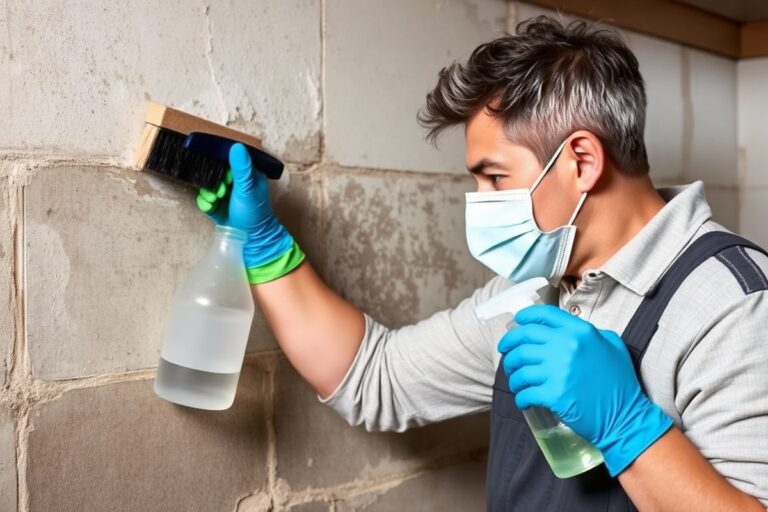
- Wear protective gear. Put on gloves and a mask to avoid contact with mold spores during handling and cleaning. Mold exposure can irritate skin and lungs.
- Pre-treat the fabric. For colored or delicate items, apply a solution of white vinegar or diluted baking soda (1 tablespoon baking soda per 1 cup water) to mold stains. Let it sit for 15, 30 minutes. This helps break down mold without harsh bleach.
- Wash with an appropriate cleaner. Use a fabric-specific mold remover or a neutral detergent combined with OxiClean or a similar oxygen-based bleach alternative. Follow product instructions for concentrations. Avoid chlorine bleach on colored fabrics.
- Wash in warm water following care labels. Warm water (around 104°F to 140°F) helps kill mold spores without harming most fabrics. Always check garment tags for maximum safe washing temperatures.
- Rinse thoroughly. Ensure all cleaning agents and mold residues rinse out completely to prevent re-growth of mold.
- Dry the fabric completely in sunlight or a hot dryer. Sunlight’s UV rays kill remaining spores and dry fabric fast. Use the highest heat safe for the fabric to prevent moisture that encourages mold growth.
For white fabrics capable of handling bleach, a diluted bleach soak (1 cup bleach per gallon of water) before washing can remove stubborn black mold stains. However, bleach risks fabric weakening and color loss, so use it only when safe and necessary.
Good results mean the fabric looks clean without discoloration or damage, smells fresh, and is dry to the touch. Mold re-growth often happens if fabric remains damp or cleaning was incomplete. Handle mold promptly and thoroughly for best outcomes.
2. Why Mold Grows on Fabric and How to Prevent It

Mold grows on fabric primarily because it finds the right conditions to thrive: moisture, warmth, and a food source such as the natural fibers in your clothes. Fabric traps moisture inside its fibers for extended periods, especially if it isn’t completely dry before being stored. This trapped moisture creates a damp environment where mold spores can easily grow and multiply.
Proper drying is essential to prevent mold growth on clothing and fabric. Make sure your clothes are thoroughly dry before putting them away, ideally in a well-ventilated area. Taking this step reduces the moisture mold needs to establish itself. Avoid folding or storing damp clothes in dark, enclosed spaces since poor airflow can increase humidity and promote mold development.
Storage choices significantly influence mold prevention. Large plastic storage bags are common culprits because they trap moisture inside, turning your stored clothes into a breeding ground for mold. Instead, use breathable containers or fabric garment bags that allow air circulation. If you live in a humid climate, consider adding moisture absorbers like silica gel packets to your storage area to keep fabric dry.
Ventilation matters as well. Storing clothes in a closet that gets regular airflow keeps humidity down. Opening closet doors occasionally or using a fan helps prevent stagnant air where mold spores can settle. In humid conditions, a dehumidifier may be necessary to maintain air moisture at safe levels under 60%, as recommended by indoor air quality experts.
For items that must be stored long term, applying a light protective spray designed for fabric can help. Certain fabric and textile cleaners not only remove mold but also leave behind a barrier that discourages mold spores from regrowing. These protective products are especially useful when combined with good storage habits like drying, ventilation, and avoiding plastic bags.
Using fabric softeners should be limited because they can leave residues that trap bacteria and moisture. This built-up moisture encourages mold growth over time. Opt for milder detergents and avoid overloading your washing machine to ensure clothes come out cleaner and drier. Frequent laundering and airing out of seasonal clothes before storage reduce the risk mold comes back on previously cleaned garments.
Store clothes in breathable fabric bags or boxes, and always ensure they are fully dry before storage to stop mold before it starts.
3. Household Solutions That Kill Mold on Fabric
Vinegar, baking soda, and hydrogen peroxide are common household items that can kill mold on fabric to varying degrees. White vinegar can kill many mold species and reduce musty odors, baking soda removes smells and helps lift mold spores, and hydrogen peroxide acts as a natural antifungal agent. Each requires specific application methods and soaking times to work effectively.
Using White Vinegar for Mold Stain and Odor Removal
White vinegar is popular for mold treatment because it is mildly acidic and can kill many types of mold spores on contact. It is also safe enough for most fabrics and helps neutralize the musty smell mold leaves behind. The typical approach involves soaking moldy fabric in a diluted vinegar solution to penetrate fibers and break down mold colonies.
To use white vinegar effectively, prepare a soak with a ratio of 1 cup white vinegar to 1 gallon of warm water. Soaking for about 1 hour allows the vinegar’s antifungal properties to work. Some stubborn stains might require a second application or longer contact time, but soaking beyond 2 hours risks weakening delicate materials.
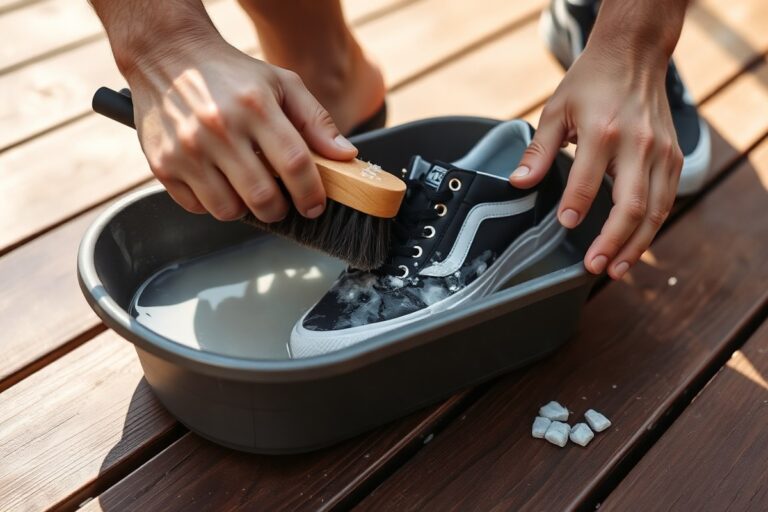
- Fill a basin or tub with warm water and add 1 cup of white vinegar per gallon of water.
- Submerge the moldy fabric completely in the solution.
- Let it soak for 1 hour, occasionally agitating the fabric to ensure full coverage.
- Remove the fabric and gently wring out excess liquid.
- Wash normally with detergent, following the fabric’s care instructions and using the warmest water recommended.
- Dry the fabric in direct sunlight if possible, since UV rays kill remaining spores and reduce odor.
- Repeat if the mold smell or stain persists, but avoid soaking more than 2 hours on delicate fabrics.
Soaking Fabric with Baking Soda to Combat Mold
Baking soda is effective at neutralizing odors caused by mold and can help lift light mold spores off fabric surfaces. It works best as a supplemental treatment combined with vinegar or after vinegar soaking to remove lingering smells. Baking soda is safe for all fabric types and inexpensive to use.
A simple method is to dissolve 1 tablespoon of baking soda in a spray bottle filled with water, then spray the affected areas. For a deeper treatment, add 1/2 cup of baking soda to the washing machine during the wash cycle after soaking in vinegar. This combination increases cleaning power without harsh chemicals.
- Mix 1 tablespoon of baking soda in a spray bottle filled with water and shake to dissolve.
- Spray the moldy fabric lightly, ensuring the surface is damp but not soaked.
- Let it sit for 15 to 30 minutes to absorb odors and loosen spores.
- Wash the fabric using your regular detergent and add 1/2 cup of baking soda to the wash water for extra odor removal.
- Dry the fabric fully in sunlight or a dryer on an appropriate heat setting.
Applying Hydrogen Peroxide as a Natural Mold Killer
Hydrogen peroxide is an antifungal and antibacterial agent that can kill mold spores on fabric. It works by releasing oxygen, which disrupts the mold’s cell structure. Use it at 3% concentration, which is typically sold for household use. Hydrogen peroxide also helps lighten stains, but test it first on a hidden spot to avoid discoloring colored fabrics.
For mold treatment, apply hydrogen peroxide directly to stained areas or soak the fabric for about 30 minutes. Avoid long soaks, as extended exposure can damage delicate fibers. Hydrogen peroxide breaks down after contact with air, so use fresh solutions to maintain effectiveness.
- Purchase 3% hydrogen peroxide from a pharmacy or supermarket.
- Test a hidden area of the fabric for colorfastness before full application.
- Apply hydrogen peroxide directly to mold spots with a spray bottle or sponge.
- Let it sit for 10 to 30 minutes to allow the peroxide to kill spores.
- For stubborn mold, soak the fabric in a basin filled with hydrogen peroxide diluted 1:1 with water for up to 30 minutes.
- Rinse thoroughly and wash normally with detergent to remove any residue.
- Dry the fabric completely in sunlight or using a dryer, since moisture encourages mold regrowth.
4. Comparing Commercial Mold Removers for Fabric
Commercial mold removers often balance cleaning strength with fabric safety, but not all succeed equally. Many products sacrifice gentleness for mold-killing power, risking damage to delicate or colored fabrics. Some removers, especially those with bleach, can cause discoloration, whereas oxygen-based or specialized cleaners are gentler. Effectiveness, ease of use, and prevention of mold returning vary widely by product and formula.
For delicate or colored fabrics, choosing a formula specifically designed to avoid bleaching is important. Products like Ferber Painting’s Fabric and Textile Cleaner are formulated to remove mold at the root without damaging fabric color or fibers. This product also creates a protective barrier to help stop mold from growing back, which is a feature absent in many standard cleaners. Here’s a comparison of popular commercial mold removers, focusing on effectiveness, fabric safety, ease of use, and mold regrowth prevention:
| Product | Effectiveness on Mold | Fabric Safety | Ease of Use | Prevents Mold Regrowth | Approximate Cost |
|---|---|---|---|---|---|
| Ferber Painting’s Fabric and Textile Cleaner | High – eliminates mold at the root | Safe for delicate and colored fabrics | Spray on, wait, then wash; gentle brushing recommended | Yes – leaves a protective barrier | $15 for 16 oz bottle |
| Oxygen Bleach (Color-safe) | Moderate – kills mold effectively | Safe for colors but less so for delicates | Add to laundry cycle; no pre-treatment needed | No direct barrier; prevention depends on fabric care | $8-$12 per 3 lb box |
| Chlorine Bleach | High mold-killing power | Not safe for colored or delicate fabrics; causes bleaching | Add to wash or soak; strong odor and safety concerns | No mold prevention barrier | $3-$5 per gallon |
| General Enzyme Cleaners | Low to moderate; better for organic stains | Generally safe for most fabrics | Spray or soak before washing | No specialized mold regrowth prevention | $10-$20 per bottle |
Using an effective commercial remover is often better than home remedies, especially for early and heavy mold infestations. These products combine targeted ingredients that kill mold thoroughly while preventing mold spores from settling back into fabric fibers. To apply, gently brush the fabric surfaces to remove loose mold, spray or soak with the product, then launder according to instructions. Complete drying afterward is critical to avoid mold returning.
Products formulated for delicate and colored fabrics avoid the bleaching action of traditional chlorine bleach, keeping fabric colors intact. Those with mold prevention features add a protective layer that blocks mold from coming back for several washes. Combining these removers with good drying and humidity control habits maximizes long-term results and fabric preservation.
5. Treating Different Fabrics: Delicate, Colored, and Sturdy
Different fabrics need different treatments to remove mold safely without fading colors or damaging fibers. Delicate fabrics require gentle care and low heat, colored fabrics need non-bleach solutions to protect their hues, and durable fabrics can tolerate stronger mold removers used carefully.
Delicate Fabrics: Gentle Pretreatments and Low Heat Washing
Delicate materials like silk, lace, and fine wool are sensitive to harsh chemicals. Avoid chlorine or oxygen bleach, as these can cause irreversible damage or weaken fibers. Instead, use a mild, fabric-safe cleaner such as a liquid detergent combined with white vinegar or a specially formulated product like Engleside Restoration Fabric Cleaner.
Before washing, gently brush or dab mold residue with a soft brush or cloth to avoid stressing the fabric. Wash the item in the warmest water temperature recommended on its care label, often cold to lukewarm for delicate fabrics. Air drying in indirect sunlight helps kill remaining mold spores without exposing fibers to damaging heat.
Colored Fabrics: Stain Treatment Without Bleach
Colors fade quickly if exposed to bleach, so avoid it on anything but white or light fabrics. Instead, treat mold stains on colored clothes with vinegar, borax, or a specialized mold remover designed for colored textiles. After pretreating, wash in the warmest water safe for the fabric with a detergent that is color-safe.
Extra care is needed with textured fabrics like corduroy or terrycloth. Brushing along the weave direction helps remove trapped mold without pushing spores deeper into the fibers.
Never use chlorine bleach on colored items; it will cause fading and can weaken fabric fibers.
- Test any pretreatment on a hidden area first
- Use gentle brushing or dabbing, not scrubbing
- Choose mold removers made for colored fabrics
- Follow fabric care labels for water temperature
- Avoid hot water that might set stains or shrink fabric
- Air dry colored fabrics away from direct sunlight to preserve color
For stubborn mold stains, repeat the treatment cycle or consider professional cleaning to protect the fabric’s integrity.
Durable Fabrics: Safe Use of Stronger Mold Removers
Sturdy fabrics such as cotton, polyester, and denim generally tolerate stronger cleaning agents better. Chlorine bleach can be used on white or light-colored durable fabrics to kill mold effectively. Use 3/4 cup bleach per wash load and the hottest water temperature safe for the fabric according to the care tag.
For darker colors or fabrics that might be weakened by bleach, choose oxygen-based bleach alternatives or commercial mold removers formulated for durability and color retention. After rinsing, drying fabrics completely in sunlight can help eliminate mold spores and odors.
6. How to Get Rid of Mold Smell from Clothes
Mold smell often lingers on clothes after washing because mildew spores survive if moisture remains or the cleaning was incomplete. The musty odor is caused by these spores breaking down fabric fibers. To remove stubborn smells effectively, thorough washing using proper additives followed by complete drying is essential.
Washing with White Vinegar and Baking Soda Combinations
White vinegar is a natural deodorizer that kills mildew and removes odors. Baking soda helps neutralize acids and breaks down residue that traps smells. Used together, they tackle mold smell more effectively than either alone.
Start by soaking or washing clothes with white vinegar to kill mold spores and loosen dirt. When the smell stays after one wash, add baking soda to boost deodorizing power. This combination works well for most everyday fabric types and is inexpensive.
- Pour 1 cup of white vinegar directly into the washing machine drum before adding clothes.
- Add detergent as usual but avoid fabric softener, which can trap odors.
- Run a warm water cycle to improve vinegar’s cleaning power, ideally at 90°F to 110°F.
- Should the odor persist, sprinkle half a cup of baking soda over the clothes.
- Run a second wash on a warm or hot cycle with detergent only.
- Remove clothes promptly after the cycle ends to prevent new mildew growth.
- Air dry clothes in direct sunlight if possible, since UV rays also help kill mold spores.
Using Enzyme-Based Detergents and Oxygen Bleach
Enzyme-based detergents break down organic compounds in mildew, while oxygen bleach targets mold stains without harming colors. These products provide deeper cleaning for stubborn mold smells, especially on thick or heavily soiled fabrics.
Oxygen bleach is safe for most fabrics except wool or silk. Enzyme detergents work well for protein-based stains but may require repeated use for strong odors. Both should be used according to the product instructions.
- Select an enzyme-based detergent or a detergent formulated for odor removal.
- Add oxygen bleach powder to the wash load following package recommendations (usually 1, 2 tablespoons per gallon of water).
- Wash clothes using the warmest water safe for the fabric.
- Check clothes after washing; if the smell persists, repeat treatment or combine with vinegar soak.
- Finish with a complete rinse cycle to remove any residue.
Proper Drying Techniques to Stop Odor from Returning
Drying clothes thoroughly and quickly is critical to prevent mold smell from coming back. Moisture left in fabric fibers encourages mildew growth even after washing.
Air drying in sunshine is best for freshening clothes since sunlight is a natural mold killer. When using a dryer, choose a high heat setting that matches the fabric to dry all layers completely. Using steam from an iron can also sanitize fabric and eliminate lingering odors.
- Remove clothes from the washing machine as soon as the cycle ends.
- Shake out each item to loosen fibers and speed drying.
- Hang clothes in direct sunlight if weather permits, ensuring good air circulation.
- When drying inside, keep the area well-ventilated or run a dehumidifier to cut down moisture.
- Alternatively, use a clothes dryer on high heat, checking fabric labels first.
- For any persistent smell after drying, run a steam iron over the fabric carefully.
- Store clothes only when completely dry to avoid mildew returning in storage.
7. Common Mistakes When Removing Mold from Fabric
Failing to address mold on fabric promptly often leads to more stubborn stains and stronger odors. Prolonged mold growth creates deeper staining and damage, making removal tougher. Taking immediate action within 24 to 48 hours of spotting mold improves your chances of fully eliminating it.
Overwashing fabric or using the wrong drying method can spread mold spores instead of killing them. Machine washing moldy clothes repeatedly without pre-treating spreads spores into the wash water and onto other garments. Likewise, drying damp clothes indoors without proper ventilation encourages new mold growth. Always pre-treat mold stains with appropriate solutions before washing, and dry clothes in direct sunlight or a hot dryer cycle to prevent mold from returning.
Another common mistake is skipping the colorfastness test before applying mold removers like bleach. Using bleach on colored fabrics without checking can cause irreversible color loss or bleaching spots. The “Bleachability Test” recommended by Clorox helps identify if fabric can tolerate bleach. Mix two teaspoons of bleach with 1/4 cup water, apply a drop on a hidden area, wait one minute, blot with a towel, and check for color change. When colors fade, choose non-bleach mold removers or natural options such as white vinegar.
- Delaying treatment beyond 48 hours increases mold penetration and odor retention.
- Skipping pre-treatment results in incomplete mold removal during washing.
- Using bleach without a colorfastness test can discolor or damage fabrics.
- Washing moldy fabric with other clothes risks spreading spores.
- Drying damp clothes in poorly ventilated areas encourages mold to regrow.
- Ignoring manufacturer’s care labels can worsen fabric damage.
- Rubbing mold stains aggressively may spread spores and damage fabric fibers.
Should fabric show color loss after treatment, rewash it gently with a mild detergent to clear any leftover chemicals that cause fading. You can also try fabric-specific color restorers, but test them on a hidden section first. For damage like weakening fibers or holes, reduce machine agitation, use cold water washes, and consider professional textile cleaning to salvage delicate items.
Carefully following these steps costs little beyond basic cleaning supplies but saves fabric lifespan and appearance. Good results look like mold-free fabric with no stains or lingering odors and intact color and texture. Mistakes often lead to stubborn stains, repeated mold outbreaks, or permanent fabric damage, increasing replacement costs and wasting effort.
8. When to Discard Moldy Fabric vs Salvage It
Determining whether to discard moldy fabric or try to salvage it hinges on how deeply the mold has penetrated and whether you can remove it entirely. Mold that remains visible or leaves a persistent odor after proper cleaning indicates the fabric is likely compromised. The texture may feel weakened or brittle, and colors can permanently discolor. In those cases, even thorough washing or treating with mold removers won’t restore safety or appearance.
To decide if fabric is too damaged, start by inspecting the extent of mold growth. Light surface mold on a washable piece may respond well to treatment, while heavy infestation, especially on thick or padded textiles, often means mold has soaked deep. You should treat the fabric with a mold cleaner and wash it following manufacturer instructions. After the cleaning cycle, check if the mold stains and smell are gone. Washing the item multiple times may be necessary for stubborn mold, but if after two or three washes mold traces and odor persist, it’s safer to discard the piece.
Health risks increase when mold-infested fabric spreads spores or triggers allergic reactions. Textile saturated with mold can emit spores even when seemingly dry, heightening respiratory risks. Fabrics exposed to certain mold species should be discarded rather than cleaned to protect household health. This is especially true if anyone in your household suffers from asthma or mold sensitivities. Sealing and disposing of the contaminated fabric promptly reduces airborne mold spores.
Fabric showing irreversible mold damage will display permanent staining that doesn’t fade after cleaning, a musty odor that outlasts several washes, and a degradation in fabric strength or texture. Signs include holes, crumbling fibers, or a sticky or powdery residue that doesn’t wash out. For delicate or naturally absorbent fabrics, mold damage may penetrate faster and deeper, suggesting a lower threshold for discarding. Sturdy fabrics like heavy cotton may tolerate repeated cleaning more, but persistent signs still indicate discard.
Statistically, mold removal from fabric costs anywhere from $10 to $30 per item using commercial fabric mold removers, not including professional cleaning. Applying a fabric mold cleaner liberally and soaking the item can be worthwhile for salvage attempts when the fabric is valuable or sentimental. Otherwise, discarding heavily mold-infested textiles often prevents ongoing issues.
You can establish a clear decision rule: Treat and wash the moldy fabric thoroughly up to three times. Dark stains, odors, or weakened fabric that persist post-treatment mean it’s best to discard it. This rule balances the time and cost of cleaning against health and aesthetic concerns. Wrapping the fabric in a plastic bag before disposal helps contain mold spores during trash removal.
Always wear gloves and a mask when handling moldy fabrics to avoid inhaling spores or irritating your skin.
Step-by-Step Action Plan to Remove Mold from Fabric
Follow these steps to clear mold from your fabric safely and keep it from coming back.
- Before you start: Inspect fabrics in a well-ventilated area. Look for visible mold or a musty smell to identify affected items.
- Day 1: Brush off mold outdoors using a soft brush to avoid spreading spores inside. Confirm no loose mold remains before washing.
- Day 1 (washing): Use hot water if fabric care allows, plus a household solution like white vinegar or a commercial mold remover. Check fabric care labels to prevent damage.
- Day 1 (drying): Dry fabrics completely in direct sunlight or a dryer on the highest safe heat setting. Dampness encourages mold regrowth.
- Day 2: Check for residual odor or spots. If mold smell or stains persist, repeat washing with oxygen-based bleach for colored fabrics or dilute bleach for whites.
- Week 1: Store cleaned fabrics in a dry, well-ventilated space using moisture absorbers like silica gel packs or baking soda.
- Ongoing: Regularly air out fabric items and avoid storing damp clothes to prevent future mold growth.
Frequently Asked Questions
How to Get Mold Smell Out of Clothes?
Run the clothes through the washer with white vinegar or baking soda and use hot water if the fabric allows. This helps kill mold spores and removes the musty odor effectively.
Does Dawn Dish Soap Kill Mold Spores?
Dawn dish soap cleans dirt and grease but does not kill mold spores effectively. Use it for washing but combine with a mold-killing solution for best results.
Does OxiClean Kill Mold on Fabric?
OxiClean can help remove mold stains but may not fully kill all mold spores alone. It works best when combined with thorough washing and drying.
Does Vinegar Remove Mold from Fabric?
Yes, white vinegar can kill many mold species on fabric and porous items. Use it diluted or full strength, then wash and dry properly to prevent mold return.
Can I Dry Moldy Clothes in a Dryer to Kill Mold?
Yes, drying moldy clothes in a dryer on high heat can help kill mold spores after washing. Avoid drying before washing to prevent spreading spores.
Is Bleach Safe to Use on All Fabrics for Mold Removal?
No, bleach can discolor or damage certain fabrics, especially colored ones. Use it cautiously and follow fabric care labels to avoid ruining your clothes.
Wrapping Up
Removing mold from fabric takes clear steps and attention to drying and storage. By acting quickly when you spot mold and following safe cleaning methods, you can protect your clothes and textiles from damage. Start by checking your fabrics for mold signs right now and plan your cleaning accordingly to keep your home fresh and mold-free.