How to Wash Tennis Shoes in the Washer Machine: A Complete Guide for Safe, Effective Cleaning
You can safely wash tennis shoes in the washer machine by following simple steps that protect your shoes and your machine. Proper preparation, choosing gentle settings, and careful drying keep your shoes clean without damage. This approach works for most athletic and casual tennis shoes, especially those made from mesh and synthetic materials.
Tennis players and sneaker owners who want effective cleaning will find clear, practical instructions for washing tennis shoes in the washer machine. This includes how to prep your shoes, select the right machine settings and detergents, and dry them properly to avoid wear and odor.
Key Takeaways
- Remove laces and insoles before washing to reduce drying time and prevent waterlogging.
- Place shoes and laces in a pillowcase or mesh laundry bag to protect them and your washer drum.
- Use a gentle or delicate wash cycle with cold water to avoid shoe damage.
- Choose a mild detergent without bleach to preserve shoe materials and colors.
- Avoid washing leather or suede tennis shoes in the machine; clean them with specific products instead.
- Let tennis shoes air dry for 24 to 48 hours, using newspaper inside to absorb moisture and maintain shape.
Can You Safely Wash Tennis Shoes in the Washing Machine?
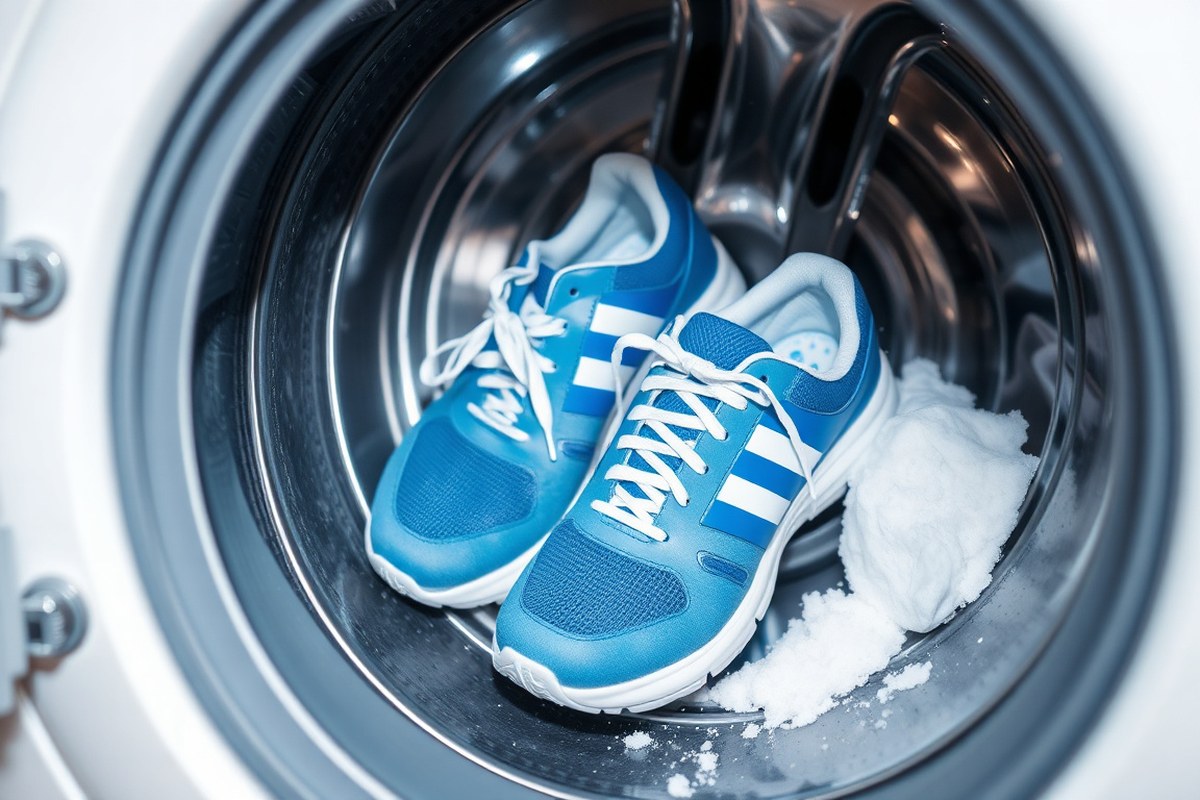
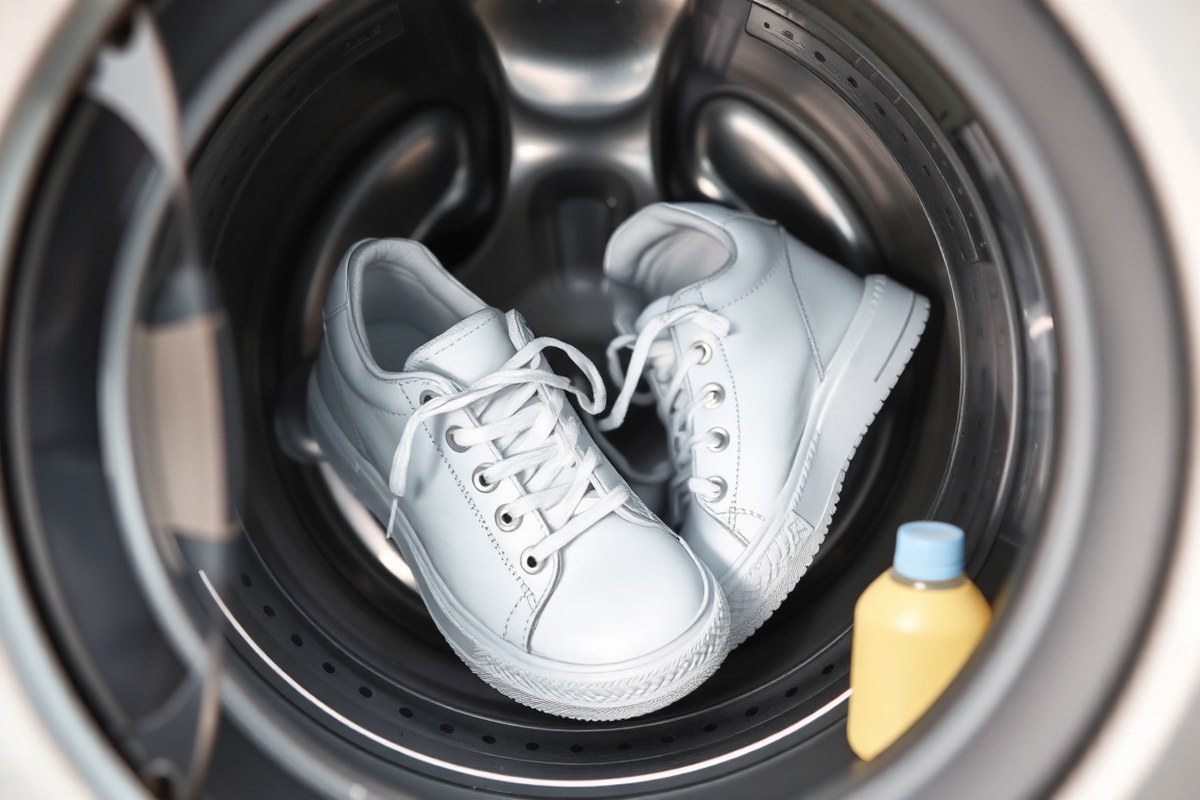
You can safely wash many tennis shoes in a washing machine, but it depends on the shoe’s material and construction. Most tennis shoes made from canvas, mesh, or synthetic materials are suitable for machine washing. These materials tolerate cold water and gentle agitation, allowing you to clean your shoes effectively without causing damage. On the other hand, leather or suede tennis shoes are not good candidates for machine washing, since the water and spinning can ruin their structure and finish. Instead, clean those by hand using specific products made for delicate materials.
Start by checking the care label inside your tennis shoes. The label often indicates whether machine washing is possible. If the label suggests machine washing or doesn’t advise against it, you can proceed by using a gentle cycle with cold water. The gentle or delicate cycle reduces wear and tear on your shoes during the wash. Using cold water helps preserve the shoe’s shape and prevents colors from fading or running.
Machine washing tennis shoes comes with some risks. The washing machine drum can get damaged if shoes bang against the sides, especially during a high-speed spin cycle. Shoes can also get scuffed, stretched, or torn if the cycle is too harsh or if they are not placed properly in the washer. To avoid this, you should always secure your tennis shoes by placing them in a mesh laundry bag or a pillowcase tied shut. Adding some old towels to the load cushions the shoes and minimizes banging. Avoid washing shoes with insoles inside the machine because insoles can retain water and take a long time to dry, which encourages odor and bacteria growth. Wash insoles separately by hand for the best results.
Choosing the right washing method starts with knowing your shoe material and care label. Fabric sneakers easily handle machine washing on gentle, cold cycles with mild detergent. Leather or suede shoes need gentle hand cleaning. Use a mesh laundry bag and toss in towels to protect both your shoes and the washer drum. Wash laces with your shoes in the same bag to prevent tangling. These steps keep your shoes looking clean without risking damage to them or your machine.
How to Prepare Tennis Shoes Before Machine Washing

Preparing your tennis shoes properly before machine washing helps protect the shoes and your washer while improving cleaning results. This includes removing the laces and insoles, getting rid of dirt and debris, and using protective gear like laundry bags and towels.
Remove Laces and Insoles Correctly
Always take off the laces and insoles before tossing tennis shoes into the washer. This step prevents the laces from tangling and the insoles from becoming water-logged, which can take days to dry and cause odors.
Wash the laces separately, either by soaking them in soapy water or placing them inside a laundry bag in the machine. Insoles are better cleaned by hand to avoid damage and prolonged drying times. Removing these components also helps clean inside the shoes more thoroughly.
Pre-Clean Dirt and Debris
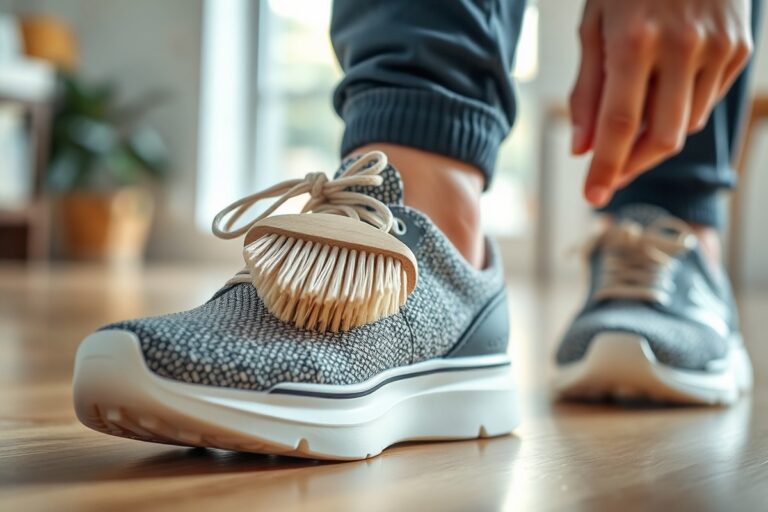
Before machine washing, brush off any loose dirt and debris to avoid clogging the washer or leaving residues on your shoes. Use a soft-bristled brush or damp cloth for this task, paying special attention to deep grooves and seams where dirt hides.
Picking off visible dirt first reduces the risk of spreading it around in the wash and protects the shoe materials from abrasion. This small step can keep your shoes looking fresher after washing.
Use Laundry Bags and Towels for Protection
Place your tennis shoes inside a mesh laundry bag to shield them from excessive agitation and potential damage to the washing machine drum. Adding a few old towels into the wash also cushions the shoes and balances the load, reducing noise and wear on both shoes and machine. Using cold water and a gentle cycle inside these protective layers helps extend the life of your tennis shoes and prevents the machine from being harmed by hard shoe parts.
- Remove the laces from the tennis shoes and set them aside for separate cleaning.
- Take out the insoles and clean them by hand to avoid waterlogging.
- Brush off dirt and debris outside the shoes with a soft-bristled brush or wipe with a damp cloth.
- Place the shoes inside a mesh laundry bag designed for delicates or shoes.
- Put the laces inside a smaller laundry bag or pillowcase if washing them in the machine.
- Add a few old towels to the washing machine to cushion the shoes and balance the load.
- Set the machine to a cold water, gentle cycle before running the wash.
Do not place insoles in the washing machine; waterlogged insoles can develop mold and take days to dry, ruining their shape and comfort.
Choosing the Right Washer Settings and Detergents
Choose the washing machine settings carefully to protect your tennis shoes while getting them clean. Select the gentle or delicate cycle and use cold water to prevent warping and material damage. Avoid hot water since heat can shrink or deform mesh, leather, or synthetic fabrics. Using cold water keeps your shoes’ shape and color intact.
Detergent choice matters as well. Liquid detergents are safer and more effective for tennis shoes because they dissolve easily and rinse out without leaving residue. Avoid powdered detergents, which can get trapped inside shoes, causing stiffness or leftover spots. Use about 1 to 2 teaspoons (5 to 10 mL) of mild liquid detergent per wash, enough to clean without residue.
Putting shoes in a mesh laundry bag, pillowcase, or old pillow cover before washing helps reduce tumbling damage to both shoes and the washer. Wash shoes alone, without clothes or towels, so they get enough movement without harsh friction or absorbing detergent meant for fabrics.
| Setting | Water Temperature | Detergent Type | Additional Tips |
|---|---|---|---|
| Gentle or delicate cycle | Cold water (around 60°F / 15°C) | Mild liquid detergent (1-2 tsp / 5-10 mL) | Use a mesh bag or pillowcase; wash shoes alone |
| Do not use | Warm or hot water (above 90°F / 32°C) | Powder detergent or bleach | Avoid spin speeds over 400 RPM to reduce stress |
| White shoes (if allowed by material) | Warm or cold water | Liquid detergent without bleach | Pre-clean sole debris with a brush and mild soap |
Cold water preserves the shoe’s structure and color, while the gentle cycle prevents excessive mechanical stress. Using the right detergent minimizes residue and protects material integrity. Washing shoes separately avoids tangling with other laundry, which can cause hidden damage. For shoes with stuck-on debris, pre-scrubbing with a soft brush and mild soap before loading them into the washer improves cleaning results and prevents dirt buildup inside the machine.
Step-by-Step Guide to Washing Tennis Shoes in the Washer
Washing tennis shoes in the washing machine requires careful loading, the right cycle settings, and sometimes a repeat wash. The goal is to clean thoroughly while preserving the shoe’s shape and materials. Follow a clear sequence to reduce damage and get better results.
Placing Shoes and Towels in the Washer
Start by positioning your tennis shoes and adding other laundry items to ensure a balanced load and proper agitation. Balancing the washer load prevents excessive noise and protects the shoes and machine. Use these steps to load your washer correctly:
- Take out the laces and insoles from your tennis shoes first to help them get cleaner and dry more quickly.
- Place your tennis shoes inside a mesh laundry bag or pillowcase to reduce banging and abrasion.
- Add two to three towels or sheets in the drum to balance the load and help scrub the shoes gently.
- Make sure there is enough room inside the drum for all items to move freely without overcrowding.
- To reduce noise during the wash, include a load of clothes or towels that match the shoe colors.
Proper loading keeps the shoes from banging harshly against the washer walls, especially in top-loading machines, which can cause damage to the shoes and the appliance.
Starting the Wash Cycle
Select the correct wash settings based on the shoe material and dirt level. Most washable tennis shoes made from canvas, polyester, or nylon handle a regular or gentle cycle well.
- Choose a cool or warm water temperature, avoiding hot water to maintain the shoe’s shape and adhesive bonds.
- Set the machine to a gentle or regular cycle with a slow spin speed to prevent damage.
- Use a mild liquid detergent without bleach, which can discolor or degrade shoe materials.
- Start the washing cycle and monitor for unusually loud noises or imbalance.
Keeping water temperature moderate and cycle gentle prevents shrunk or misshaped tennis shoes. Avoiding harsh detergents preserves shoe colors and construction.
Handling a Second Wash If Necessary
Sometimes tennis shoes need another wash if heavy stains or odors persist after the first cycle. Handle repeats carefully to avoid over-washing or damaging the shoes.
- After the first wash, inspect your tennis shoes for remaining dirt or smells.
- Treat stubborn stains with a mild stain remover on those spots before putting the shoes back in the washer.
- Place shoes back in the mesh bag and add fresh towels for balance.
- Run the same gentle cycle again, avoiding harsh or long cycles that can weaken shoe materials.
Limiting machine washes to two cycles per cleaning session helps preserve your tennis shoes’ lifespan and maintains their structure and support for your game.
Material-Specific Care: Washing Leather, Suede, and Mesh Shoes
Different tennis shoe materials need different care to avoid damage while cleaning. Leather and suede require gentle hand washing, while mesh and synthetic fabrics can usually be safely washed in a machine with proper precautions. Knowing how to treat each material prevents stains, warping, or weakening of your shoes.
Washing Leather Tennis Shoes Safely
Leather tennis shoes are sensitive to water and machine agitation, which can cause cracking, warping, and peeling. Avoid machine washing leather shoes altogether. Instead, use a damp cloth with a mild soap or leather cleaner to gently wipe the surface. Focus on removing dirt without soaking the leather. After cleaning, let your shoes air dry naturally, away from direct heat or sunlight.
Once dry, apply a natural leather polish or wax to restore moisture and shine. Rub the polish in with a soft cloth until you achieve a smooth finish. This treatment helps prevent the leather from drying out and cracking over time. Leather cleaning takes more time and attention but greatly extends the life of your tennis shoes.
Never submerge leather tennis shoes in water or place them in the washing machine, as this damages the material permanently.
Handling Suede Tennis Shoes Without Water Damage
Suede is highly delicate and should never be washed in a machine. Water spots and bruising often result from improper cleaning. For everyday dirt, use a suede brush to remove dust and light stains without harming the nap. To treat stubborn dirt, apply a small amount of white vinegar or a suede cleaning solution using a soft cloth, then let the shoes dry naturally.
Keep suede shoes dry and avoid saturating them with liquids. If your tennis shoes have any embellishments or multiple materials, prioritize spot cleaning the suede portions by hand. Patience is necessary since suede is easily damaged and slow to dry, but hand cleaning maintains their texture and appearance.
Suede tennis shoes must not go in the washing machine; hand cleaning with special suede tools is the safest option.
Machine Washing Mesh and Synthetic Shoes
Mesh and synthetic fabric tennis shoes are generally safe for machine washing, provided you use a gentle cycle and cold water. Remove laces and insoles first to prevent tangling and allow more thorough cleaning. Place your shoes inside a laundry bag or pillowcase to reduce wear and protect your washing machine.
Use a mild detergent without bleach and select a short, cold water cycle with slow spin speed. Avoid hot water because it can weaken adhesives and fade colors. After washing, reshape your shoes and air dry them away from direct heat to prevent warping. Mesh and synthetics dry faster and tolerate machine washing better than leather or suede but still require careful handling to keep their structure and breathability.
Use a laundry bag and cold water to machine wash mesh tennis shoes safely, avoiding damage from harsh agitation.
Effective Drying Techniques to Avoid Damage and Odor
The best way to dry your tennis shoes after washing is to let them air dry to prevent damage and bad smells. Drying usually takes about 24 hours, but it depends on the temperature and humidity in the room. Cooler or more humid conditions can make the drying process last 48 hours or longer. Set your shoes in a spot with good airflow, avoiding direct sunlight and heat that can warp or fade them.
To keep tennis shoes from warping, stuff the interior with crumpled paper towels or clean, dry cloths immediately after washing. This maintains their shape while absorbing moisture. Replace the stuffing every few hours for the first day to speed drying. Avoid using a dryer, as the heat and tumbling can loosen glue, deform soles, and damage fabric. High heat also encourages odors by trapping moisture inside the shoes.
Placing your shoes near a fan or an open window can speed up the drying process when you’re short on time. Do not use direct heat like a hairdryer or radiator, which can cause shrinkage and harden cushioning. For quicker moisture absorption, remove insoles and laces to dry separately. This also helps prevent the buildup of musty smells. To get rid of lingering odors after drying, sprinkle a little baking soda inside your shoes and leave it there overnight, then shake it out the next day.
Follow this drying routine after each wash: remove shoes from the mesh laundry bag immediately, stuff the shoes, and set them on a clean towel in a ventilated room. Check their dryness after 24 hours and switch stuffing if needed. Most tennis shoes become wearable around one to two days post-washing. Keep shoes away from closed spaces like gym bags or closets until fully dry to avoid trapped moisture and mildew growth.
Avoid drying tennis shoes on heaters, in the sun, or using machine dryers to prevent warping and adhesive breakdown. While air drying takes longer, it preserves the structure, cushioning, and appearance of your shoes, safely reducing odor risks. This approach requires nothing but patience and access to breathable air, costing nothing more than some paper towels and time. Good results mean dry, odor-free tennis shoes that maintain their fit and last longer.
Treating Stubborn Stains and Odors Before and After Washing
To tackle stubborn stains on your tennis shoes before putting them in the washing machine, start by identifying the stain type. Dirt and mud can usually be loosened with a soft brush and warm water, while grease or oil stains may require a stronger approach. Use a small amount of liquid laundry detergent or a stain remover directly on the stain. Gently rub it in with a soft brush or cloth and let it sit for 10 to 15 minutes before washing. For natural options, a paste made from baking soda and water works well on many stains. Apply the paste, allow it to dry completely, and brush it off before washing.
Addressing odors requires a different approach. Sprinkle baking soda inside your shoes and let it sit overnight to absorb smells. For deeply embedded odors, mix one part white vinegar with three parts water in a spray bottle and lightly mist the shoe interior. Vinegar helps kill odor-causing bacteria. Allow the shoes to air dry fully before placing them in the washing machine.
After machine washing, if any odor remains, repeat the baking soda treatment or use a product specifically designed for eliminating shoe odors, such as ARM & HAMMER™ Super Washing Soda. These agents hand-wash the shoes while breaking down tough odors and stains. Apply about two tablespoons of Super Washing Soda to a basin of warm water, soak your shoes for 20 minutes, then rinse and air dry. This extra step can refresh shoes without causing damage, as long as you avoid harsh scrubbing on delicate parts.
Here’s a checklist to pre-treat and refresh your tennis shoes properly: First, remove loose dirt with a brush. Second, apply liquid detergent or a baking soda paste to tough stains and let it sit 10 to 15 minutes. Third, treat odors by sprinkling baking soda inside or spraying diluted vinegar and drying fully. Fourth, wash shoes in the machine following recommended settings. Fifth, if odors linger post-wash, soak in a solution of Super Washing Soda before air drying.
For example, if your white mesh shoes have grass stains, brush off dry dirt first, then rub a mix of equal parts baking soda and water onto the stains. Let it dry for 15 minutes, then wash. If after drying you notice a lingering smell, sprinkle half a cup of baking soda inside, leave overnight, and shake it out before using the shoes again.
Taking these steps improves cleaning results and prolongs your tennis shoes’ life by avoiding damage from harsh chemicals or incomplete stain removal. Pre-treating stains ensures the washing machine can effectively clean the shoes without extra cycles, which could weaken glue or fabric over time. Using natural odor absorbers limits moisture and bacteria growth, helping your shoes stay fresh longer. Always let shoes dry completely after any treatment to prevent mildew and unpleasant smells.
Avoiding Common Washing Mistakes That Damage Tennis Shoes
One common mistake when washing tennis shoes in the machine is skipping the preparation step. Leaving mud and large debris on your shoes can clog your washer’s drain and reduce cleaning efficiency. Always knock off excess dirt and remove insoles and laces to wash separately. This reduces wear on your shoes and helps the machine clean better.
Another frequent error is using hot water or harsh detergents. High temperatures can weaken adhesives and warp shoe shape, especially on tennis shoes with foam soles or glued seams. Use cold water with a gentle detergent designed for delicate fabrics. This protects your shoes while still getting them clean. Avoid bleach, which can discolor most tennis shoe materials.
Putting tennis shoes directly into the washer drum without any protection also causes damage. The shoes banging around can scuff fabrics and damage your washer. Place your tennis shoes inside a mesh laundry bag or pillowcase, then cushion them with a few towels. This keeps shoes from banging on the washer drum and balances the load to protect both shoes and machine.
Overloading the washing machine with heavy items or multiple pairs of shoes strains the motor and causes uneven cleaning. Stick to washing one pair of tennis shoes at a time with towels as buffers. This allows shoes to move freely and prevents damage to your machine’s mechanics.
Failing to dry tennis shoes properly after washing is another common mistake. Never use a dryer, as the heat can melt glue and deform your shoes. Instead, let your sneakers air dry at room temperature, avoid direct sunlight, and stuff them with paper towels or white cloth to absorb moisture and maintain shape. It can take 24 to 48 hours to fully dry, depending on humidity.
If your tennis shoes get damaged or don’t dry properly, inspect them immediately. For sole separation or loose parts, a waterproof shoe glue can repair damage but must be applied carefully following product instructions. For lingering odors or mold growth from incomplete drying, soak the insoles in a vinegar solution (equal parts water and white vinegar) for 15 minutes, rinse, and dry thoroughly. Replace insoles if odors persist.
Always remove laces and insoles before washing to protect your shoes and get the best clean.
Step-by-Step Action Plan for Washing Tennis Shoes in the Washer
Follow these simple steps to clean your tennis shoes safely and effectively using your washing machine.
- Before washing: Take out the shoe laces and insoles. Look over the care instructions to make sure washing them is safe. Use a soft brush to gently remove loose dirt before placing the shoes in the machine.
- Getting ready: Use a mesh laundry bag or a pillowcase to hold your shoes. This protects the shoes and prevents damage to the washing machine during the cycle.
- Set the washer: Choose a cold water, gentle cycle with a slow spin speed to prevent damage. Use a mild detergent without bleach or fabric softeners.
- Start the wash: Add the shoes and a few towels to balance the load and reduce noise. Begin the cycle and watch for unusual sounds or machine agitation.
- After washing: Remove the shoes promptly and avoid wringing or twisting them. Check for loosened dirt or stains that might need spot treatment.
- Drying phase: Stuff the shoes with paper towels or clean cloths to absorb moisture and maintain shape. Let them air dry in a well-ventilated area away from direct heat or sunlight.
- Post-drying check: Once dry, reinsert the insoles and laces. Inspect the shoes for odor or remaining stains and treat as needed with odor-neutralizing sprays or gentle stain removers.
Frequently Asked Questions
Can I Wash Tennis Shoes in a Front-Load Washer the Same Way as a Top-Load?
Yes, you can wash tennis shoes in a front-load washer the same way as a top-load by using a mild detergent and cold water, which reduces wear and tear and protects both the shoes and the machine.
How Do I Avoid Damaging My Washing Machine When Washing Tennis Shoes?
To protect both your tennis shoes and the washing machine’s drum or agitator, place your shoes inside a mesh laundry bag or pillowcase to stop them from hitting the washer walls during the cycle.
Can I Wash the Shoelaces and Insoles in the Washing Machine?
You can wash shoelaces in the machine by placing them in a small laundry bag, but insoles should be hand-washed separately to prevent them from absorbing too much water and losing shape.
How Many Pairs of Tennis Shoes Can I Wash in One Load?
It’s best to wash one or two pairs at a time to avoid overloading the washer and to ensure the shoes have enough space to be cleaned thoroughly without extra wear.
What Type of Detergent Works Best for Washing Tennis Shoes?
Use a mild liquid detergent without bleach or fabric softeners, as strong chemicals can damage shoe materials and cause colors to fade or rubber parts to degrade.
Can Washing Shoes Frequently in the Machine Weaken Their Structure?
Yes, frequent machine washing can weaken tennis shoe materials and adhesives, so limit machine washes and spot clean more often to extend their life.
Before You Go
Proper preparation and the correct machine settings let you safely wash your tennis shoes without damage. Be careful when drying to preserve their shape and keep them smelling fresh. Use this approach to clean your shoes and treat any dirty areas before washing.