How to Wash White Shoes: 8 Proven Methods That Actually Work
To wash white shoes effectively, start by removing dirt with a soft brush, then clean with mild detergent or a baking soda and hydrogen peroxide paste. Air dry them away from direct sunlight to keep the color bright and fabric intact. This approach works well for most shoe materials and helps restore their original look without damage.
This advice suits anyone wanting simple, safe, and proven ways to wash white shoes at home. You will learn best cleaning methods tailored to different materials, how to tackle tough stains, and tips to keep your shoes fresh and bright between washes.
Key Takeaways
- Remove loose dirt from white shoes using a soft-bristle brush before applying any cleaner.
- Use a gentle mix of baking soda and 3% hydrogen peroxide for fabric shoes to lift stains safely.
- Let cleaning pastes or mixtures sit on shoes between 10 and 30 minutes for better stain removal.
- Avoid machine washing unless recommended for your specific shoe type to prevent damage.
- Dry shoes indoors for at least 5-6 hours to preserve color and shape without warping.
- Apply leather conditioner after cleaning leather white shoes to keep the material soft and prevent cracks.
1. Best General Method to Wash White Shoes at Home
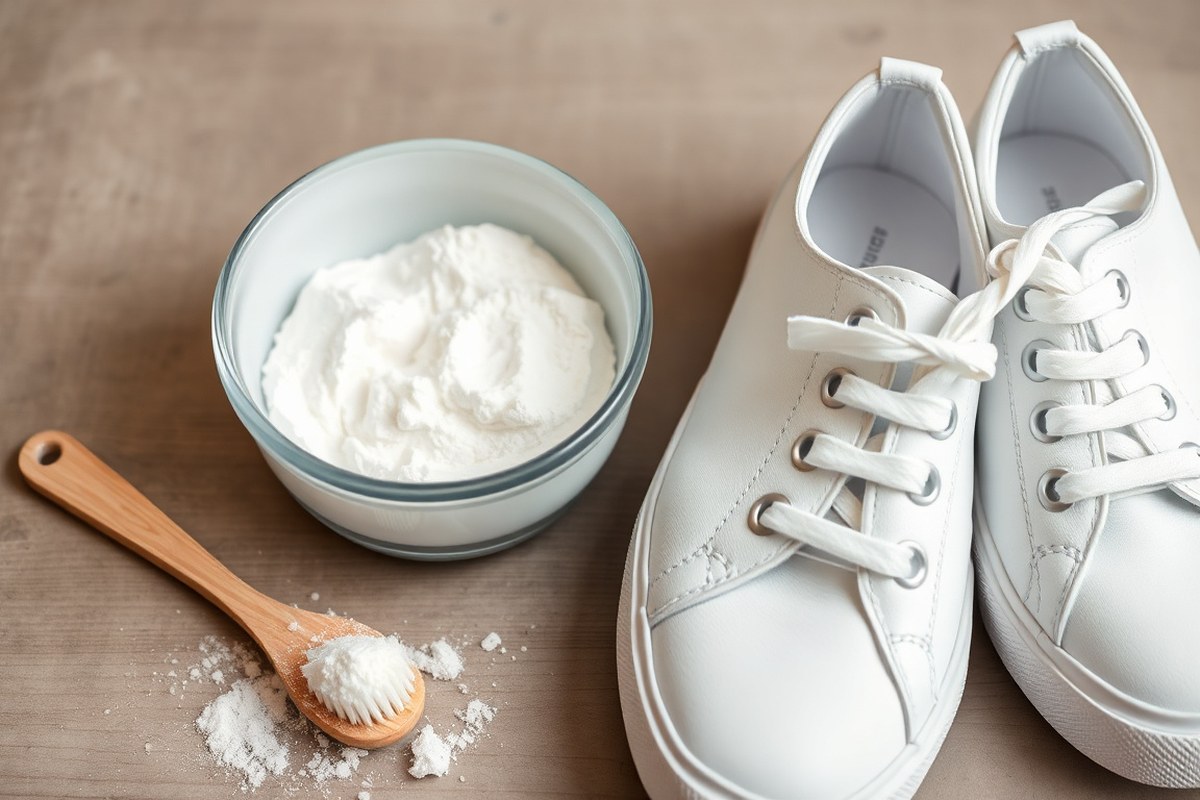
The best general method to wash most white shoes safely at home involves using a mild, natural cleaning paste that works well on canvas, mesh, and fabric materials without causing damage. A popular and effective cleaner combines baking soda and white vinegar or water to remove dirt and stains while helping restore brightness. This method avoids harsh chemicals like bleach, which can yellow or weaken the shoes. You can accomplish this using simple household ingredients and a soft brush, making it affordable and gentle. Here is a step-by-step method you can follow to clean your white shoes:
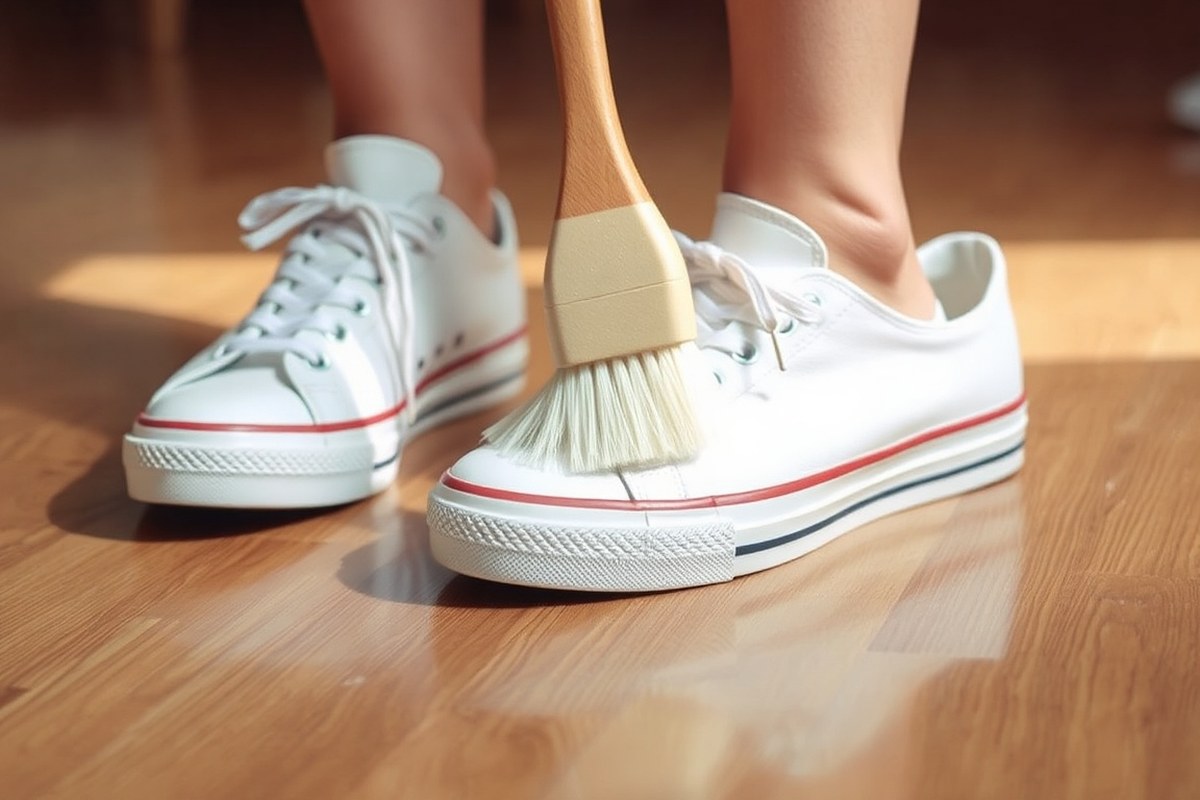
- Remove loose dirt: Use a dry soft-bristle brush or an old toothbrush to gently brush off dirt, dust, and debris from the shoes. This prevents scratching during washing and improves cleaning efficiency.
- Prepare the cleaning paste: Mix 1 tablespoon of baking soda, 1 tablespoon of white vinegar, and 1 tablespoon of warm water in a small bowl. The mixture should fizz lightly and form a thick paste suitable for scrubbing.
- Apply the paste: Dip the brush into the paste and gently scrub the entire surface of the shoes focusing on stained or soiled areas. Use circular motions and avoid excessive pressure to protect the fabric.
- Let sit briefly: Allow the paste to rest on the shoes for about 15 to 20 minutes. This lets the baking soda and vinegar work on lifting stains and whitening the fabric.
- Rinse carefully: Use a clean damp cloth or sponge dipped in cool water to wipe off the paste entirely. Avoid soaking the shoes to prevent damage and distortion.
- Air dry: Stuff the shoes with paper towels or clean cloths to maintain their shape and set them in a well-ventilated area away from direct sunlight or heat. Drying usually takes 12 to 24 hours depending on weather conditions.
This general method is cost-effective, requiring only basic pantry items such as baking soda and vinegar, which typically cost less than $5 and last through multiple cleanings. It is safe for most white canvas and fabric shoes but less suitable for delicate leathers or shoes with glued parts as excess moisture can damage those materials.
Baking soda works as a gentle abrasive and deodorizer, while white vinegar helps break down stains and brightens without bleaching. This combination’s mild fizzing action loosens dirt but does not bleach colors, making it safe for most white shoes except leather or suede, which need specialized cleaners.
2. How to Wash White Shoes by Material Type
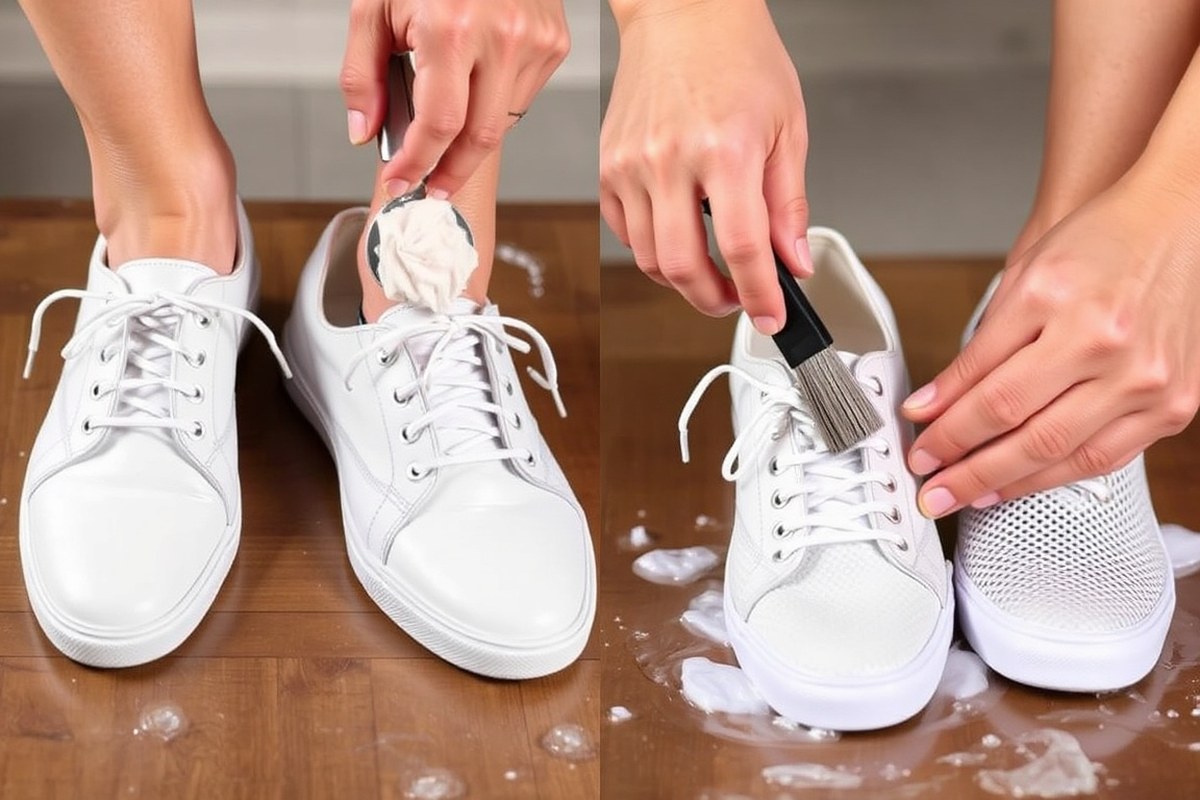
Cleaning white shoes effectively depends largely on the material of the shoe. Using the wrong method can damage the fibers, discolor the surface, or reduce durability. Leather shoes require gentle cleaning with mild soap and water applied by a soft cloth to avoid scratching or cracking. Canvas shoes, such as Converse All Stars or Vans, can tolerate a bit more scrubbing with a soft-bristled brush and a mild detergent mix. Mesh shoes need an even gentler approach because their delicate weave can snag or fray. Suede and nubuck, which are more sensitive and usually off-white, must be carefully brushed with a suede-specific brush to lift dirt without soaking the material. Here’s a clear comparison of how to wash different white shoe materials, what to use, avoid, and special notes on each:
| Material | Cleaning Method | What to Use | What to Avoid | Notes |
|---|---|---|---|---|
| Leather | Wipe with a soft cloth dampened with mild soap and lukewarm water; scrub gently in circular motions; | Soft cloth, mild dish soap, water | Harsh chemicals, abrasive brushes, soaking water | Protects finish and prevents cracking or discoloration |
| Canvas | Use a soft-bristled toothbrush or cloth with mild detergent mixed in warm water; | Soft brush, mild detergent, warm water | Bleach, hot water, rough scrubbing pads | Good for spot cleaning, effective on common dirt and scuffs |
| Mesh | Gently dab with soaked cloth or soft brush; avoid soaking and aggressive scrubbing; | Soft cloth, mild soap, cold or lukewarm water | Soaking, harsh chemicals, stiff brushes | Use a light touch to preserve fabric integrity |
| Suede/Nubuck | Brush dry dirt off using a suede brush; use a suede eraser for stains; | Suede brush, suede eraser | Water, soap, soaking, aggressive wiping | Do not wet; water stains are hard to remove |
Cleaning suede shoes with water often causes permanent damage; always use a specialized suede brush and eraser instead.
Start with dry brushing on suede and mesh shoes to remove surface dirt before using any liquid cleaners. For leather and canvas, mix about one teaspoon of dish soap into a cup of water to create a mild solution. This prevents harsh residues that could cause yellowing or stiffness. Working in small, circular motions helps lift grime without damaging the shoe. Avoid soaking shoes, especially leather and mesh, as water can weaken adhesives and alter the shoe shape. After cleaning, let shoes dry at room temperature away from direct sunlight or heat sources to maintain material quality.
3. Step-By-Step Guide to Clean Stubborn Yellow Stains
Removing stubborn yellow stains from white shoes often requires stronger cleaning agents than regular soap and water. A baking soda and hydrogen peroxide paste is an effective way to lift yellowing and dirt without damaging most materials. Bleach can be used carefully on fabric white shoes but should be diluted and never combined with other chemicals. Natural options like lemon juice and vinegar brighten white shoes gently while avoiding harsh chemicals.
Using Baking Soda and Hydrogen Peroxide Paste
Baking soda and hydrogen peroxide form a powerful paste that targets both yellow stains and embedded dirt on white sneakers, especially on canvas and mesh materials. The baking soda acts as a mild abrasive to lift stains, while hydrogen peroxide provides a safe bleaching effect to brighten the shoe fabric. Follow these steps to make and apply the paste:
- Combine 1 tablespoon baking soda, 0.5 tablespoon 3% hydrogen peroxide, and 0.5 tablespoon warm water in a small bowl until you get a smooth paste.
- Dip a soft-bristle toothbrush or cloth into the paste, then gently scrub the yellow stains in circular motions.
- Allow the paste to sit on the stain for about 15 to 30 minutes but avoid letting it dry completely to prevent residue.
- Wipe off the paste using a clean, damp cloth, removing as much as possible.
- Repeat the process if necessary for particularly stubborn stains.
- Air dry the shoes away from direct sunlight to avoid additional yellowing.
This method usually costs less than $1 per treatment, depending on the price of baking soda and hydrogen peroxide. It works well for white canvas, mesh, and some synthetic materials. Avoid using this paste on delicate leather without testing a small area first, as peroxide can sometimes cause discoloration.
Safe Bleaching Methods for White Shoes
Bleach is effective at removing yellow stains, especially on white fabric shoes like canvas. Use only diluted, regular household bleach (5%, 6% sodium hypochlorite) and never mix bleach with vinegar, ammonia, or hydrogen peroxide to avoid toxic fumes. Use this method carefully:
- Create a diluted bleach solution by mixing 1 part bleach to 5 parts cold water.
- Dip a soft brush or cloth into the solution and gently scrub the yellowed areas.
- Rinse the shoes thoroughly with cool water right after scrubbing to remove all bleach residue.
- Dry the shoes in indirect sunlight, which can help boost whitening without further yellowing.
Bleach should be avoided on leather, suede, or any material that is not bleach-safe. Overuse or a too-strong bleach solution may turn white shoes yellow or damage the fabric. Always wear gloves and work in a ventilated space when handling bleach.
Natural Stain Removers Like Lemon Juice and Vinegar
Lemon juice and white vinegar provide mild bleaching and stain removal for white shoes and are good options for those wanting to avoid harsh chemicals. They also help break down grime and reduce yellowing when used cautiously. Try this natural method for yellow stains:
- Mix lemon juice with an equal part of water or use undiluted white vinegar for tougher stains.
- Apply the solution to the yellowed spots using a clean cloth or soft brush.
- Let the shoes dry naturally in indirect sunlight for about 1 to 2 hours. Suns rays help activate the juice’s bleaching effect but avoid direct sunlight to prevent damage.
- Repeat the process as needed, but avoid soaking the shoes to prevent material weakening.
Both lemon juice and vinegar are inexpensive and readily available, costing just a few cents per treatment. Avoid using vinegar and bleach together or mixing either with hydrogen peroxide. For leather shoes, dab lightly and test first to ensure no damage occurs.
4. How to Clean White Shoelaces Effectively Without Damage
Cleaning white shoelaces properly means removing dirt and stains without weakening the fibers. Soaking them in mild solutions helps break down grime while avoiding harsh chemicals like bleach, which can degrade lace material if used incorrectly. A typical soak lasts from 15 minutes up to an hour, depending on the level of dirt. After soaking, washing the laces either by hand or machine finishes the cleanup safely.
Pre-Soaking Laces in Vinegar or Bleach Solutions
Pre-soaking loosens stubborn dirt and brightens white fabric. A common and gentle soak uses a mixture of equal parts white vinegar and water. Vinegar acts as a mild bleach alternative and deodorizer. Avoid undiluted bleach unless the shoelaces explicitly state they are bleach-safe, as bleach can weaken cotton or synthetic fibers and cause yellowing.
Soak your laces in the vinegar solution for about 30 minutes to remove stains and refresh their color. For tougher stains, a diluted bleach soak (such as 1 tablespoon bleach per 1 cup water) can be used carefully for no longer than 10 minutes. Always rinse thoroughly afterward to remove any chemical residue.
Washing Laces by Hand or Machine
After soaking, the laces need rinsing and cleaning to remove loosened dirt. Hand washing uses mild detergent and warm water (around 90°F or 32°C) to gently scrub away residue without damaging the fabric. Use a soft brush or your fingers to work detergent into particularly dirty spots.
Machine washing is an option for sturdy cotton shoelaces. Place the laces inside a mesh laundry bag or pillowcase to prevent tangling and loss. Use a cold or warm water setting with regular detergent on a gentle cycle. Avoid adding bleach or fabric softeners in the machine, as they can harm the lace fibers. For frequent cleanings, separate laces from shoes to clean on their own, protecting shoes from excessive washing damage.
- Remove the shoelaces from the shoes.
- Prepare a soaking solution of white vinegar and water (1:1) or diluted bleach (1 tablespoon bleach per cup water).
- Soak the laces for 15 to 30 minutes in vinegar solution or up to 10 minutes if using bleach.
- Rinse the laces with cold water thoroughly after soaking.
- Hand wash the laces in warm, soapy water with mild detergent, gently scrubbing as needed.
- Alternatively, place laces in a mesh bag and wash in the machine on a gentle cycle, using cold or warm water without bleach.
- Remove excess water by pressing gently between towels or air drying.
- Relace the shoes once the laces are completely dry.
Drying and Re-Lacing Tips
Shoe laces dry best when air-dried flat or hung up. Avoid direct sunlight and high heat from dryers, which can cause shrinkage or fiber damage. Drying times vary with thickness but usually take 2 to 4 hours in a warm, shaded area.
Check that laces are 100% dry before re-lacing to prevent mildew. For stubborn stains not removed by soaking and washing, repeat the soak or use a stain treatment gel designed for fabrics before washing again.
5. How to Clean White Rubber Soles and Maintain Brightness
To clean white rubber soles and keep them bright, use a soft brush with a gentle cleanser like dish soap mixed with water, or an old toothbrush with white toothpaste for stubborn grime. Regular scrubbing and timely treatment help prevent yellowing, but avoid harsh bleaches that might damage the rubber unless well diluted. Patience and the right household tools make it possible to remove most dirt and restore your shoes’ fresh look.
Essential Tools and Household Cleaners
Gather these simple items before you start:
- Soft-bristle brush or old toothbrush
- Mild dish soap
- White toothpaste (non-gel, plain)
- Warm water
- Magic eraser for tough stains
- Clean cloth or paper towels
Dish soap is mild and safe for rubber, while toothpaste’s gentle abrasives lift dirt effectively. Magic erasers contain micro-particles that can scrub tough scuffs but should be used sparingly to avoid surface wear.
Step-by-Step Cleaning Process for Rubber Soles
Start by mixing a few drops of dish soap in a cup of warm water. Dip your brush into the solution and scrub the soles thoroughly, paying attention to grooves where dirt accumulates. For stubborn yellow marks or grime, apply a small amount of white toothpaste directly to the brush and scrub the affected areas in circular motions.
After scrubbing, wipe off excess paste or soap residue with a damp cloth. If you notice any dried toothpaste chunks, scrape them gently with a dry toothbrush. Allow the soles to air dry away from direct sunlight to avoid speeding up yellowing.
Removing Persistent Yellow Stains with Salt Solution
Yellowing on white rubber often occurs due to oxidation over time. To reduce this, mix one tablespoon of table salt into half a cup of hot water. Use a brush to scrub this solution on the yellowed areas for about 5 to 10 minutes.
After scrubbing, rinse with warm water and pat dry. Avoid using salt solutions too frequently to prevent rubber degradation. This method works well for older yellow stains that didn’t respond to soap or toothpaste cleaning.
Maintaining Brightness and Preventing Future Yellowing
Cleaning routine impacts how long your soles stay bright. Wipe them down regularly after wear to remove surface dirt before it sets. Avoid exposure to direct sunlight for drying as it can cause yellowing. Use a magic eraser occasionally to tackle scuff marks without harsh chemicals. Here are some maintenance tips:
- Clean soles within a week of visible dirt
- Use gentle scrubbing tools to protect rubber
- Avoid bleach unless properly diluted and never on repeated occasions
- Dry shoes at room temperature, not in direct sun or heat
- Remove dried toothpaste or salt solution residues promptly
Test cleaning solutions on a small spot first to avoid discoloration or surface damage.
When to Use Bleach and How to Do It Safely
Diluted bleach can brighten white soles but should be a last resort due to risks of yellowing or rubber breakdown. Mix one part bleach with five parts water and use a soft brush to apply it briefly. Rinse thoroughly with warm water and dry immediately. Use bleach only sparingly, no more than once every few months, and avoid on soles that show any signs of cracking or brittleness to prevent further damage.
6. Preparing Your White Shoes Before Washing
Preparing your white shoes before washing is key to protecting them and getting the best cleaning results. Start by removing the laces and insoles if possible. Laces can tangle or fade in the wash, and insoles often trap dirt and odors that need separate attention. Taking out these parts helps you clean more thoroughly without causing damage.
Next, remove loose dirt and soil to avoid grinding grime deeper into the materials during washing. Gently tap your shoes together to dislodge debris. Use a dry, soft-bristle brush or a toothbrush to sweep away embedded dirt on the surface and in crevices like seams and soles. This step reduces the need for harsher scrubbing later, which can wear out the shoe’s finish or cause yellowing.
Spot testing any cleaner you plan to use is important. Some detergents or stain removers can discolor or damage delicate materials like leather or mesh. On an inconspicuous area, apply a small amount of cleaner and wait 5 to 10 minutes to check for adverse effects. Only proceed with the product if the tested spot remains unchanged in color and texture.
- Remove shoelaces and insoles; wash laces separately.
- Tap shoes together to loosen dirt before brushing.
- Use a soft-bristle brush or toothbrush to clean surface dirt gently.
- Wipe shoes with a damp cloth to lift away dust.
- Spot test cleaners on a hidden area for 5, 10 minutes before using.
- Use a mesh bag to wash insoles in cold water if machine washing.
- Apply a water-repellent spray after cleaning to protect shoes.
Cleaning insoles and laces separately prevents stains and preserves their condition. If machine washing insoles, place them inside a mesh bag on a cold water cycle to avoid damage. After dry brushing and pre-cleaning, apply a damp rag to remove any remaining dirt particles gently. This also keeps grime from spreading during the wash.
You spend less time cleaning and reduce wear by following these steps, extending the life and brightness of your white shoes. Skipping them often causes dirt smears, uneven cleaning, or fabric damage. Taking five to ten minutes for careful prep makes washing safer and more effective, especially with bright or delicate white materials.
7. Proper Drying Techniques and Timing for White Shoes
Air drying white shoes is essential to preserve their shape, color, and material integrity. After washing, you should let your shoes dry naturally for at least 4 to 6 hours. For most sneakers or canvas shoes, drying overnight is ideal, giving them enough time to fully shed moisture without risking damage from heat. Leather or knit shoes require more gentle drying and should be left untouched in a well-ventilated area for at least 6 hours or until completely dry to avoid cracking or shrinking.
Air drying prevents the heat damage that machine dryers can cause. High temperatures can weaken adhesives, warp soles, and discolor white fabrics. Avoid drying your shoes in direct sunlight as UV rays may yellow the white material. Instead, place them in a shaded, airy spot. Using a fan to circulate air can speed drying but keep it on a low setting to prevent overheating.
Maintaining the shape of your shoes during drying is as important as timing. Stuff your shoes with white paper towels or clean, dry cloths right after washing. These absorb moisture from inside and support the shoe’s structure, reducing creasing or collapsing. Shoe trees also work well but may cost $8 to $20. Avoid using colored paper to prevent dye transfer that can stain the white fabric.
Do not attempt to dry your white shoes by rubbing them with towels or using a hairdryer on high heat. Rubbing can redistribute dirt and damage the fabric surface, while direct heat threatens the glue and material. Instead, gently blot excess water with a dry towel and let the rest air dry naturally.
Once dry, protect your shoes with a fabric or shoe protector spray to help repel dirt and stains. Apply it in a well-ventilated area after the shoes are completely dry to keep them white longer. Avoid wearing freshly cleaned shoes immediately; wait until they are fully dry for best results.
8. Common Washing Mistakes and How to Fix Them
Washing white shoes can go wrong in several ways that dull their brightness or cause damage. One common error is using bleach directly on all white shoes. While bleach brightens some fabrics quickly, it can yellow or weaken materials like leather and certain synthetics. Instead, use bleach carefully and test a small area first or opt for gentler whiteners made for shoes.
Another mistake is washing leather or suede shoes in the washing machine. They absorb water and lose shape or texture, leading to costly damage. For suede, a soft toothbrush with a small amount of suede-specific cleaner works best. Leather shoes usually require a damp cloth and specialized cleaner, avoiding full immersion.
People often overlook the temperature setting when machine washing white sneakers. Using warm or hot water can shrink and warp fabric shoes or fade colors. Running shoes in cold water inside a mesh wash bag helps keep them safe. Overdrying in a machine can also crack or harden soles and uppers.
- Do not use bleach on leather or suede; test bleach on fabric shoes first.
- Never put leather or suede shoes in the washing machine; clean with suitable products.
- Use cold water and a gentle cycle when machine washing fabric shoes.
- Remove shoelaces and clean separately to avoid uneven washing.
- Air-dry shoes away from direct sunlight to prevent yellowing or warping.
- Use a magic eraser on rubber soles for quick brighten-ups without scrubbing.
- Apply non-gel white toothpaste on scuffs, scrub softly, and wipe for fast stain fixes.
Some white shoes develop yellow stains that regular cleaning does not fix. Yellowing often results from sweat, improper drying, or residual bleach. Avoid letting shoes stay damp in closed spaces after cleaning. If stains persist despite careful washing, a professional cleaner can assess deeper treatments like gentle whitening agents or restore delicate materials. Shoes with irreparable discoloration or structural damage may need replacing to maintain a fresh look and proper fit.
Do not rush drying white shoes; letting them dry naturally at room temperature stops yellowing and keeps their shape intact.
Step-by-Step Action Plan to Wash Your White Shoes
Follow these steps in order to clean your white shoes effectively and keep them looking their best.
- Before you start: Remove laces and brushes off loose dirt. Clear dirt means the cleaning product will work better.
- Immediate stain care: Treat yellow or stubborn stains using a gentle paste or stain remover. Check if stains lighten after 10 minutes.
- Material check: Identify your shoe material (canvas, leather, mesh) to pick the right cleaning method. Proper choice prevents damage.
- Cleaning phase: Use a soft brush and mild soap for fabric or special cleaner for leather. Clean the entire shoe evenly to avoid marks.
- Wash laces: Soak laces in a mix of warm water and detergent for 20 minutes; air dry until bright and flexible.
- Rubber sole care: Scrub soles with a brush and baking soda paste, rinse and check for whiteness improvement.
- Drying phase: Air dry in shade with good ventilation for 24 hours. Touch shoes to confirm dryness before use.
- Maintenance: Wipe shoes weekly with a damp cloth to reduce heavy buildup. Early care saves intense scrubbing later.
Frequently Asked Questions
Can I Wash White Shoes with Bleach Safely?
You can use bleach only on white fabric shoes and sparingly. Too much bleach may cause yellowing, so dilute it and apply carefully to avoid damage.
How Often Should I Wash My White Shoes to Keep Them Bright?
Most white shoes don’t need a full wash every time they get dirty. Spot cleaning regularly helps maintain brightness and extends the time between full washes.
Can I Machine Wash White Leather Shoes?
Machine washing isn’t recommended for white leather shoes as it can damage the material. Instead, use a soft cloth with soap and water to clean them gently by hand.
What Should I Do If My White Shoes Smell Bad After Washing?
Let them air dry completely in a well-ventilated area and consider sprinkling baking soda inside to absorb odors. Avoid sealing damp shoes to prevent mildew.
Are There Alternative Natural Cleaners for White Shoes Besides Soap and Water?
Yes, baking soda mixed with white vinegar works well on lightly dirty white canvas shoes for gentle cleaning without harsh chemicals.
Can Washing White Shoes with White Towels Cause Color Transfer?
Washing white shoes with white towels is safe if both are colorfast and white. Use your regular detergent and avoid mixing with colored fabrics to prevent dye transfer.
Key Points to Remember
Cleaning white shoes at home requires patience and care to avoid damage and keep them looking fresh. Start with treating stains promptly and choose methods suited to the shoe’s material. Once cleaned and dried properly, regular gentle maintenance can extend your shoes’ brightness. Take the first step today by removing the laces and dirt so you can treat any stains right away.