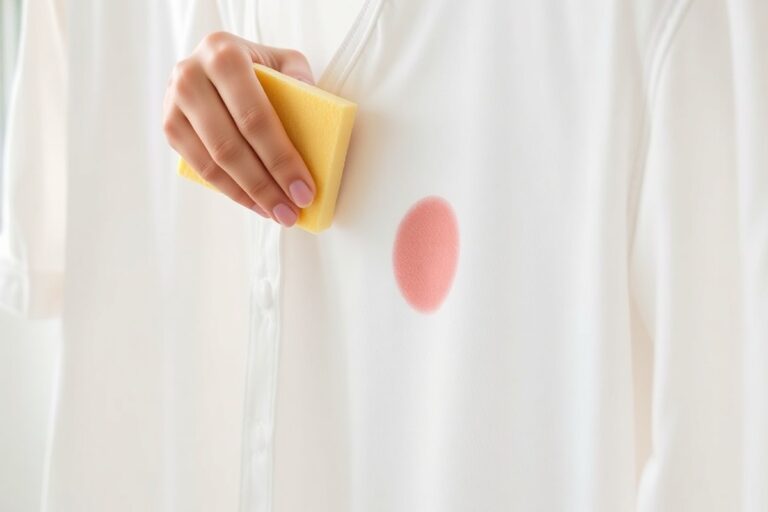
Does Dry Cleaning Get Stains Out? What Actually Works for Tough Marks
Dry cleaning does get stains out, especially when those stains are fresh and oil-based. The process uses specialized solvents that can dissolve grease, ink, and other tough marks better than regular home washing. While dry cleaning removes many stains effectively, it does not guarantee complete removal of every stain or fabric damage.
This information is helpful if you want to understand when dry cleaning is a good choice for your stained clothes. You’ll learn about which stains dry cleaning handles best and the limits of this method so you can make smarter laundry choices.
Key Takeaways
- Dry cleaning works best on fresh stains, ideally treated within 24 to 48 hours for higher success.
- Perchloroethylene (“perc”) is the main solvent in dry cleaning and effectively dissolves oil and grease stains.
- Adding a small amount of dry-cleaning detergent (0.5, 1.25%) improve solvent cleaning power during the process.
- Some stains, such as those caused by bleach or burns, are permanent and won’t be removed by dry cleaning.
- Dry cleaning can remove most stains from suitable fabrics but does not guarantee full stain removal or fabric preservation.
- Preparing clothes by treating stains appropriately before dry cleaning can improve results.
Does Dry Cleaning Effectively Remove All Stains?

Dry cleaning can be effective at removing many stains that regular washing might not handle well. The process uses chemical solvents instead of water, which excel at dissolving oils and grease, the base of many common stains like cooking oil, makeup, and motor oil. This makes dry cleaning a go-to choice for dealing with oily or greasy stains on delicate fabrics such as silk and wool. Professional dry cleaners use specialized machines and solvents to carefully treat these stains without harming the fabric, allowing them to remove most oil-based stains effectively.
That said, dry cleaning does not guarantee complete stain removal for all types of stains. Stains containing water-soluble substances like blood, fruit juices, or mud might be less responsive since dry cleaning solvents don’t target these stains as directly as water-based cleaning does. Old or set-in stains become more difficult to remove over time because the stain molecules bind tightly with fibers. Still, dry cleaning often performs better than traditional washing on these stubborn stains, especially when handled promptly.
Effectiveness also depends on the dry cleaner’s equipment and expertise. High-quality, modern machines can agitate the fabric gently but thoroughly, helping lift stains without damaging the garment. Experienced staff assess the type of stain and fabric before deciding on pre-treatment methods and solvent choice, increasing the chances of successful stain removal. However, no dry cleaner can fully guarantee the complete removal of a difficult stain, especially those that have dried in for a long time or are made of certain complex compounds like ink or dye transfers.
For older stains, a thorough assessment is important. Dry cleaning might reduce the visibility of the stain significantly, but complete removal may not be possible if the stain has set for weeks or months. Some dry cleaners offer additional stain removal treatments at a higher cost, which can be worth considering if the garment is valuable or sentimental. Prices for professional stain treatment vary but typically add around $10 to $30 to the standard dry cleaning fee, depending on the stain’s difficulty and required labor.
To maximize stain removal, bring the garment to the dry cleaner as soon as you notice a stain. Avoid attempting to wash or treat the fabric yourself, especially with water, as this can set the stain further. Clearly point out the stain to the dry cleaner and describe what caused it, allowing them to tailor their approach effectively. Even though dry cleaning does not work on every stain, it offers one of the best chances of saving delicate or non-washable fabrics from permanent damage caused by tough stains.
How the Dry Cleaning Process Removes Stains
Dry cleaning removes stains by using chemical solvents instead of water to dissolve oils, greases, and other insoluble substances that typically resist traditional washing. The process starts with a thorough inspection of each garment to identify stains and fabric type. Specialized stain removers may be applied in a pre-treatment step to break down stubborn marks such as ink or food oils. This step helps the solvents work more effectively and prevents damage to delicate fabrics.
The primary solvent used in most dry cleaning operations is perchloroethylene, also known as “perc.” This chemical is excellent at dissolving oil-based stains like grease, makeup, or sweat without affecting water-sensitive fabrics. Its non-water-based nature avoids shrinking, color bleeding, or fabric distortion that might occur with regular laundering.
Once pre-treatment is complete, garments are placed in a large machine that agitates the clothes gently in the liquid solvent. The solvent penetrates fabric fibers, breaking down dirt, oils, and stains at a molecular level. This agitation combined with solvent action allows effective removal of embedded grime while preserving fabric integrity. The solvent is then extracted, filtered, and recycled within the machine to minimize waste and ensure efficiency.
Spotting is an important manual step where technicians use targeted solvents or mechanical action on tough stains before the general cleaning cycle. Different solvents address different stain types. For example, petroleum-based solvents are often used to tackle fresh grease stains, while citrus-based solvents may be chosen for organic residues. Pre-treatment typically costs an additional fee ranging from $5 to $15, depending on stain severity and cleaner pricing.
Timing plays a critical role. Fresh stains, ideally less than a week old, respond much better to pre-treatment and dry cleaning than older ones. Stains set longer often require stronger chemicals and multiple treatments, increasing cost and risking fabric wear. Dry cleaning excels at removing oil-based stains and some ink marks but can struggle with rust or heavily water-based stains like blood if they’ve penetrated deeply.
Always inform your dry cleaner about any stains and how long they’ve been there to improve the chances of successful removal.
Types of Stains Dry Cleaning Removes Best
Dry cleaning works best on stains that involve oils, grease, and certain protein-based substances because its solvents break down fats and oils that water cannot dissolve. It also handles some dye and ink stains but struggles more with water-based and tannin stains without pre-treatment. Understanding which stains respond well to dry cleaning helps you set realistic expectations and prepare your garments properly.
Oil and Grease Stains
Dry cleaning excels at removing oil and grease stains because of the solvents used, which dissolve oils that water-based cleaning often cannot touch. These solvents penetrate fabric fibers to break down cooking oil, makeup, motor oil, and similar substances effectively. The process targets molecules in the stain that repel water, making oil-based stains one of the easiest to remove with dry cleaning. Examples of common oil and grease stains dry cleaning removes well include:
- Cooking oil and salad dressings
- Makeup and suntan lotions
- Vehicle grease and motor oil
- Butter and margarine
- Food oils like peanut or canola oil
The solvents used in dry cleaning chemically break these oils apart so they can be rinsed away without water. This treatment usually requires only one cleaning cycle and might cost around $5 to $10 per garment depending on your cleaner.
Protein-Based Stains (Blood, Sweat)
Dry cleaning also handles protein-based stains like blood and sweat reasonably well. These stains come from organic materials that can bind to fabrics over time, making them harder to remove with water, especially if they have dried. Dry cleaning solvents can dissolve some protein compounds, but often a pre-treatment is necessary to break down proteins for better results. Common protein-based stains successfully treated by dry cleaning include:
- Blood from minor cuts or nosebleeds
- Sweat marks in underarm areas
- Egg and dairy product stains
- Milk or whey
Dry cleaners typically apply a pre-spotting treatment before the main solvent wash to soften these stains. This process takes extra time, meaning the cleaning might cost slightly more.
Dye and Ink Stains
Dye and ink stains vary widely but many respond to dry cleaning, especially with experienced professionals who use targeted solvents. While these stains are not oil-based, their chemical nature often responds to specific dry cleaning chemicals designed to break pigment molecules down or lift them from fibers. Stubborn ink stains sometimes require multiple treatments. Examples of dye and ink stains dry cleaning can handle include:
- Ballpoint and fountain pen ink
- Mustard and berry juice
- Wine and fruit dyes
- Fabric dye transfer from other clothes
Dry cleaners match solvents to the stain type, and multiple spotting sessions may be needed. Prices can rise with complex stain removal but still remain cost-effective compared to replacing the garment.
Water-Based and Tannin Stains
Water-based stains like wine, coffee, or blood are more challenging for dry cleaning alone unless the garment is pre-treated. Tannin stains from tea, coffee, or fruit contain plant-based acids that bind strongly to fibers and require careful handling. Dry cleaning solvents do not always dissolve these well without help. Common water-based and tannin stains include:
- Red wine
- Wine and fruit juice
- Tea and coffee
- Blood (when not pre-treated)
- Soft drinks
Dry cleaners often use water-based spotting agents first to loosen tannins, then switch to solvents. This pre-spotting is critical and may add considerable time or cost. Stain removal success depends heavily on stain age and prompt action.
Stains Dry Cleaning Often Cannot Fully Remove
Dry cleaning excels at removing many stains, but some types resist it because of their chemical nature or the damage they cause to fabric. Rust stains, bleach marks, dried paint, ink, and certain dye stains often remain even after professional treatment. This resistance happens because these stains chemically alter the fabric or bind very tightly to the fibers, making them impossible to fully dissolve or lift during the dry cleaning process.
Rust stains occur when iron particles oxidize on fabric, causing a deep orange-brown mark. The dry cleaning solvent cannot break down this oxidation. Similarly, bleach stains create permanent color loss or fabric damage rather than leaving a stain that can be removed. These spots reflect the absence of dye, so dry cleaning cannot restore the original fabric color or texture. Dried paint forms a film that physically coats the fabric, resisting solvent penetration and mechanical action.
Ink and dye stains vary depending on their source. Many ink stains, especially from ballpoint pens and some print inks, can be partially removed when treated promptly. However, permanent or waterproof inks penetrate deeply and resist removal through dry cleaning solvents. Artificial dye stains from vegetable juices, fruit, and some sauces may be treated effectively, but highly pigmented or long-set dye stains might not disappear completely.
Dry cleaners rely heavily on pre-treatment to tackle tough stains. They apply special solvents or stain removers directly to the fabric before the cleaning cycle, which helps break down oils or dyes and increases the chance of success. However, the outcome depends on how well the pre-treatment is done and how old or set the stain is.
- Rust stains: permanent, cannot be removed by dry cleaning
- Bleach marks: cause irreparable fabric color loss
- Dried paint: physical coating resist solvents
- Ink stains: permanent inks resist removal, prompt treatment improves chances
- Certain dye stains: vegetable and artificial dye stains vary in removal success
Dry cleaning will not reverse fabric damage or restore colors lost to bleach or rust. Stains fixed with professional solvents look noticeably lighter or gone, but those that don’t respond may leave residual discoloration or fabric texture changes. You can improve outcomes by taking garments to the cleaner soon after the stain occurs and informing staff about the stain type. Persistent or permanent stains may require alternative solutions, such as spot dyeing or fabric replacement, especially if the garment’s appearance is critical.
Fabrics Suitable and Unsuitable for Dry Cleaning
Dry cleaning works best on certain fabrics that maintain their shape and texture without water exposure. Wool, silk, and some synthetics like polyester respond well because dry cleaning solvents protect delicate fibers from shrinking or distortion. Other fabrics, especially natural fibers like cotton and some linen, can be dry cleaned but often can also be washed with water safely.
Some fabrics, however, should never go through dry cleaning as the chemicals can cause irreversible damage. Leather and suede fall into this category since dry cleaning solvents strip natural oils and can ruin the surface. For these materials, specialized leather care professionals or spot cleaning methods are safer choices.
Understanding how the fabric type interacts with dry cleaning is important for effective stain removal. Delicate and easily damaged fibers need more careful handling, so professional cleaners may apply specific techniques or pre-treatments. The fabric type forms one part of the stain removal equation, alongside the stain’s age and composition. The table below outlines common fabrics and their suitability for dry cleaning:
| Fabric | Dry Cleaning Suitability |
|---|---|
| Wool | Highly suitable; retains shape and texture well |
| Silk | Often recommended; delicate and easily damaged by water |
| Cotton | You can have it dry cleaned or launder it using standard methods without issues |
| Linen | Some garments suitable; others better laundered |
| Polyester | Can be dry cleaned; also machine washable |
To get the best results, specify the fabric type when handing over clothes to your cleaner. This helps them adjust their process or recommend alternative care. Insist on inspecting your garment after cleaning, especially for oil-based stains, to catch any incomplete removal before leaving the premises. For stubborn stains on delicate or valuable fabrics, ask if the cleaner offers specialized stain removal services, which may come at an extra cost but can prevent damage and improve outcomes.
Check care labels carefully and avoid dry cleaning leather or suede, as the solvents can ruin these materials.
Preparing Stained Clothes Before Dry Cleaning
Before taking stained clothes to the dry cleaner, avoid washing or scrubbing the stain yourself, as water and soap can sometimes set it more deeply. Instead, identify the stain type and gently blot it without rubbing to prevent spreading or damaging the fabric. Providing clear details about the stain to your dry cleaner helps them choose the right treatment for the best results.
Identifying the Stain Type
Knowing what kind of stain you’re dealing with helps your dry cleaner select the right solvent and process. For example, oily or greasy stains respond well to typical dry cleaning solvents, while water-based stains may require special enzyme treatments. Look closely at the stain and try to recall what caused it, whether it’s food, oil, ink, or makeup.
Recognizing the stain’s origin improves communication with your dry cleaner, allowing them to adjust their cleaning agents. Avoid guessing if uncertain; even a general description helps, like “oil-based stain on cotton blouse” or “red wine on wool jacket.” This information can prevent surprises and reduce the chance of stains becoming permanent.
Blotting Without Rubbing
Blotting a fresh stain gently helps remove excess residue without pushing it deeper into the fibres. Use a clean, dry cloth or paper towel to dab the stain carefully. Avoid rubbing, which can spread the stain and damage delicate fabrics such as silk or wool.
Apply light pressure and replace the blotting cloth as it absorbs the stain. Do not add water or cleaning solutions unless the fabric label explicitly allows it, because water-based methods risk setting stains that dry cleaning chemicals will struggle to remove. This careful step costs nothing but your attention and helps maintain the fabric’s integrity.
Avoiding DIY Stain Removers That Harm Fabric
Resist trying home stain removers unless you’re sure they won’t react poorly with dry cleaning solvents. Some DIY treatments contain ingredients that cause discoloration or fabric damage when combined with professional chemicals. Transparency about any attempted treatments is important to avoid ruining your clothes.
When in doubt, skip pre-treating and bring the garment directly to the dry cleaner. Professional spot cleaning services can handle small stains without a full wash, sometimes improving results without risk. Remember, stain removers may seem helpful but can complicate eventual dry cleaning and increase your cost if they leave residues.
Labeling and Informing the Dry Cleaner
Providing detailed information about the stain to your dry cleaner is one of the best ways to improve outcomes. Note the fabric type, stain location, size, and what caused it. Mention if you tried any stain removal methods yourself. This allows the professional to tailor solvents and procedures accordingly, reducing risk and improving effectiveness.
Label the garment with a temporary sticky note or a piece of tape describing the stain clearly before dropping it off. Communicate these details verbally or in writing. Dry cleaners may charge extra for spot treatments or special handling, generally a few dollars more, but this investment pays off with better stain removal and fabric care.
- Do not wash or scrub the stain at home. Avoid water and soap to prevent setting the stain.
- Identify the type of stain. Note whether it is oily, water-based, or pigment-related.
- Gently blot the stain using a clean, dry cloth. Apply light pressure, do not rub.
- Avoid applying DIY stain removers before professional cleaning. Unapproved products can cause discoloration.
- Label the garment with details about the stain and notify the dry cleaner. Include fabric type, stain size, and any pre-treatments.
- Ask about spot cleaning services for small or localized stains. This can save time and reduce costs compared to full dry cleaning.
- Bring the stained clothes to the dry cleaner as soon as possible. Fresh stains respond better than older, set stains.
How Timing and Stain Age Affect Dry Cleaning Success
Stain removal success depends heavily on how quickly you act after the stain occurs. Fresh stains, typically those less than 24 to 48 hours old, are much easier for dry cleaners to remove. This is because recent stains haven’t bonded deeply to fabric fibers, making them more responsive to specialized solvents and techniques. By contrast, stains that have been left untreated for days or weeks tend to set permanently. The longer you wait to seek professional cleaning, the more likely the stain will become embedded, limiting your dry cleaner’s ability to restore your garment fully.
When taking stained clothing to a dry cleaner, you should point out where the stain is located and describe what caused it, along with how long it has been there. This information helps the cleaner identify the stain type and select the proper solvent or treatment. Professional cleaners have an advantage identifying fresh stains because the original stain compounds are often still intact and haven’t been altered by other treatments or environmental factors. Early identification allows targeted treatments that increase the chances of complete stain removal.
Heat exposure plays a major role in whether a stain can be removed. Stains that have been exposed to heat from tumble dryers, irons, or even hot water tend to “set” into the fabric. This setting process changes the stain’s chemical structure and causes it to bond more tightly with the fibers. Once a stain is heat-set, removal becomes difficult or sometimes impossible, even for professional dry cleaners. Avoid putting stained clothes in the dryer or applying heat until after a professional evaluation. For example, drying a fresh coffee or wine stain on a cotton shirt can make it nearly impossible to lift later, costing more time and money in restoration, if it’s even possible.
Acting quickly by promptly bringing stained items to the dry cleaner can reduce the need for multiple treatments and lower your overall cost. Dry cleaners charge around $5 to $20 per item for stain removal, depending on the stain’s complexity. When stains are old and set, your cleaner may warn you that complete removal is unlikely, saving you from spending more on treatments that have limited chances of success. Fresh stains typically require only standard solvent cleaning, while set stains might need specialized spotting or even professional bleaching, which may affect delicate fabrics.
Tips for Getting the Best Stain Removal from Dry Cleaners
Getting the best stain removal from dry cleaning starts with clear communication and understanding what dry cleaning can and cannot do. You should provide detailed information about your stain and choose a dry cleaner with proven expertise. Recognizing when dry cleaning isn’t the right solution helps avoid wasted time and money.
Be Honest and Specific About the Stain
Give the dry cleaner detailed information about the stain’s cause, how long it has been on the fabric, and where it is located. This allows the technician to choose the right solvents and treatment methods, increasing the chances of removing the stain successfully.
Do not use home stain removers before taking the garment to the dry cleaner because these products might make the stain more difficult to treat or cause it to set permanently. Bring the item in as soon as you can, preferably within 24 to 48 hours, to improve the likelihood of removing fresh stains. You can use simple language like this when talking to your dry cleaner:
- “This stain is from red wine and appeared two days ago on the front sleeve.”
- “I spilled coffee on the collar this morning; it’s still fresh.”
- “The stain is from makeup, and I haven’t tried to clean it at home.”
Never cover or hide stains; full disclosure increases the chance of successful removal.
Choose Experienced Dry Cleaners with Spotting Experts
Dry cleaners with trained spotting specialists and modern equipment generally produce better results. These experts use targeted spot treatments combined with dry cleaning solvents that are tough on stains but gentle on delicate fabrics. You want a dry cleaner who regularly handles challenging stains and tests different solvents.
Many laundromats and dry cleaning businesses offer wet cleaning or specialized spot treatments when dry cleaning alone may not work. Asking about these options when you drop off your garment can improve outcomes or provide alternative solutions. Look for dry cleaners who:
- Use industry-grade solvents tailored to different stain types
- Have spotting technicians who assess stains visually
- Offer pre-treatment and post-treatment options
- Maintain updated, well-serviced machinery
- Have positive customer feedback on stain removal success
- Communicate clearly about realistic results
Understand Limitations and Set Realistic Expectations
Some stains, especially old or deeply set ones, cannot be completely removed by dry cleaning. Stains like ink, permanent dye, or burns may fade but often leave some residue. Knowing this upfront helps you avoid disappointment and costly repeat treatments.
Discuss with the dry cleaner other available methods such as professional wet cleaning or specialized stain removal services if the dry cleaning process does not completely eliminate the stain. Sometimes, certain fabrics or stains require multiple treatments spaced over days, and the dry cleaner should explain this process clearly. You might want to ask yourself or your dry cleaner:
- How old and stubborn is the stain?
- Is the fabric sensitive to aggressive stain removers?
- What are the chances of full removal versus partial lightening?
- Are alternative cleaning methods available if dry cleaning fails?
- What are the additional costs for extra treatments?
Be prepared for honest feedback if a stain cannot be fully removed, and consider alternative cleaning approaches before investing in costly repeat dry cleaning.
Step-by-Step Action Plan for Stain Removal with Dry Cleaning
Follow these steps to improve your chances of getting stains removed effectively through dry cleaning.
- Immediately after the stain occurs: Blot excess liquid or debris gently with a clean cloth without rubbing. This prevents the stain from setting further.
- Within 24 hours: Avoid home treatments that use water or heat, which can set some stains permanently before dry cleaning.
- Before taking clothes to the dry cleaner: Point out the stains clearly to the cleaner and describe what caused them. This helps them choose the right solvent and spotting agents.
- At the dry cleaner: Ask if they perform pre-treatment spotting on your stained item. Effective spotting improves stain removal results.
- When picking up your clothes: Inspect the garment immediately in natural light. If any stain remains, notify the cleaner promptly for a possible re-treatment.
- After dry cleaning: Store cleaned clothes properly and avoid wearing them in situations where stubborn stains could reoccur without quick action.
Frequently Asked Questions
Can Dry Cleaning Remove Old, Set-In Stains?
Dry cleaning can improve many old stains, but complete removal depends on the stain type and fabric condition. Stains that have chemically bonded or damaged fibers might not come out fully.
Is Dry Cleaning Safe for All Fabric Colors and Prints?
Dry cleaning is generally safe for colors and prints, but some delicate dyes or prints may fade or bleed. Always check garment labels and test a small area first.
Do Dry Cleaners Use the Same Method for All Stains?
Dry cleaners tailor stain removal techniques and solvents based on the stain type. This customization increases the chance of removing tough stains effectively.
Can Dry Cleaning Remove Ink Stains Completely?
Dry cleaning is often effective on ink stains because solvents dissolve oils and inks. However, older or deeply set ink stains may be only partially removed.
How Long Should I Wait After Staining Before Dry Cleaning?
It’s best to take stained clothes to dry cleaning promptly. The longer a stain sets, the harder it is to remove completely.
Will Dry Cleaning Damage Delicate Fabrics While Trying to Remove Stains?
Dry cleaning uses gentle solvents that protect most delicate fabrics, but repeated cleaning or harsh spot treatments can cause wear or damage over time.
Final Thoughts
Dry cleaning can remove many common stains effectively, especially when stains are fresh and you communicate clearly with your cleaner. Some stains resist removal, but quick and proper steps improve outcomes. For your next stained item, bring it to the dry cleaner as soon as possible and describe the stain type to help them treat it accurately.