How to Clean White Running Shoes Safely: 8 Proven Methods That Work
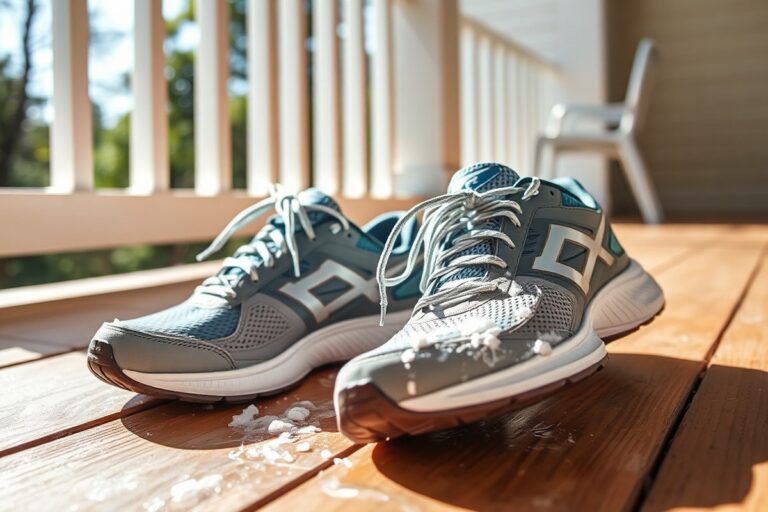
To clean white running shoes safely, use gentle methods like a baking soda paste, mild detergent with water, or a magic eraser to avoid damage. Always remove laces and insoles before cleaning and let your shoes dry naturally for several hours. These methods keep your shoes bright without harming the fabric or structure.
This advice is for runners and casual wearers who want to maintain their white running shoes’ appearance without causing harm. You’ll get clear steps on preparation, effective cleaning methods, and tips on drying and protecting your shoes for long-lasting freshness.
Key Takeaways
- Remove laces and insoles before cleaning to ensure thorough care and avoid material damage.
- Use a baking soda and water paste for a gentle, effective cleaning of fabric uppers.
- Magic erasers work well on stubborn marks but test on a small area first to prevent discoloration.
- Soak laces in warm water for 15 minutes to restore brightness safely.
- Let cleaning pastes dry on shoes for 3-4 hours before wiping off for better stain removal.
- Air-dry shoes in a well-ventilated room for at least 5-6 hours to avoid warping or shrinking.
1. Best Ways to Clean White Running Shoes Without Damage

Cleaning white running shoes safely means using gentle methods that preserve their materials and avoid damage. Start by removing loose dirt with a soft brush or cloth to prevent scratching during cleaning. For most uppers, including mesh, fabric, and leather, a mild soap mixed with water works well. Dish soap is an effective and inexpensive choice. Use a soft brush or cloth dipped in the soapy water to gently scrub stains and dirt. Avoid soaking the shoes fully, especially leather, because excessive moisture can harm their shape and finish.
A household paste made from baking soda and water provides a mild abrasive that lifts yellowing or stubborn stains without harsh chemicals. Mix two tablespoons of baking soda with about one tablespoon of water to create a spreadable paste. Apply it with a soft toothbrush on stained areas, rub lightly, and let it sit 15 to 30 minutes before rinsing gently. For fabric or mesh uppers, you can improve this by adding a small amount of white vinegar to the paste, which helps break down tougher dirt. Avoid using vinegar or baking soda on delicate leather, as they might dull its finish.
Toothpaste, especially white non-gel varieties, works well for quick spot cleaning on various shoe parts. Apply it with a toothbrush in small circular motions, then wipe off with a damp cloth. This method effectively removes grime and refreshes white materials without damaging them. Always test any cleaner on a small, hidden area first to confirm it won’t discolor or weaken the shoe fabric.
Rubber soles generally handle more vigorous cleaning. Use a stiffer brush with soap and water to scrub away dirt and scuffs. Avoid harsh chemicals or bleaching agents, as these can degrade rubber over time. Dry your shoes thoroughly in open air at room temperature to prevent damage. Do not use direct heat such as a hair dryer or radiator, which may cause materials to warp or crack.
Different materials require slight adjustments. For mesh and fabric, use the mild soap or baking soda paste described. Dry gently to keep the shape stable. Leather and synthetic leather need minimal moisture, cleaning with just a damp cloth and mild soap, then drying quickly works best. Avoid soaking or scrubbing leather too hard to prevent cracking. Regular cleaning with these gentle methods preserves the longevity and appearance of your white running shoes without costly professional care.
2. Preparing Your Shoes: Tools, Removal, and Pre-Cleaning
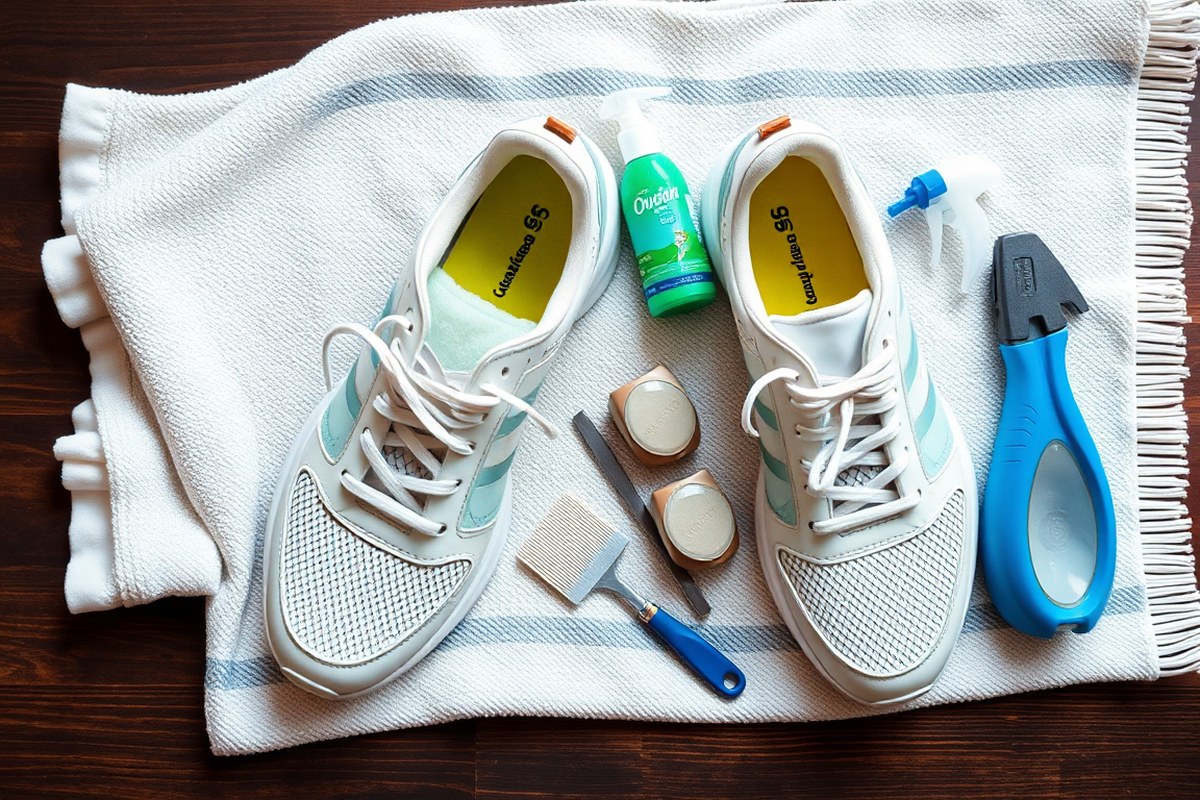
Preparing your white running shoes with the right tools and careful steps makes cleaning more effective and helps avoid damage. Removing laces and insoles exposes hidden dirt and lets you clean every part thoroughly. Pre-cleaning loose dirt before deep cleaning ensures better results and prevents grit from scratching the shoe surface.
Essential Cleaning Supplies Checklist
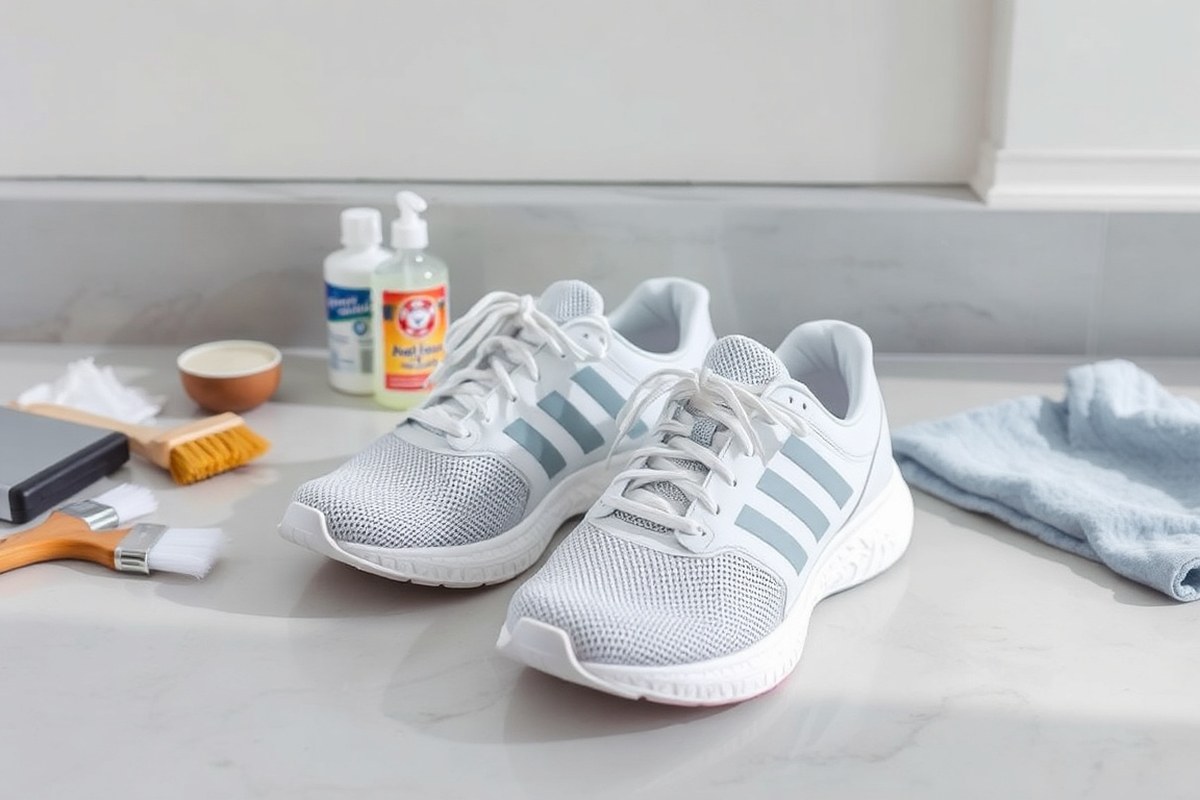
Gather these supplies before you start cleaning to make the process smooth and efficient. Each item plays a specific role in maintaining the shoe’s look without causing harm.
- Soft-bristle brush or an old toothbrush for gentle scrubbing
- Clean, soft cloths or microfiber towels for wiping and drying
- Mild liquid soap or gentle dish soap mixed with water for cleaning
- Magic eraser for removing scuffs from rubber soles and sidewalls
- Small bowl or container to mix cleaning solutions
- Warm water (not hot) to avoid damaging materials
- Optional: Baking soda and white vinegar for stubborn discoloration
- Plastic basin or sink for soaking insoles and laces
The cost of these supplies can range from $10 to $20 if you already have soap and towels at home. Special items like magic erasers usually cost about $1 to $3 per piece. Using these ensures a thorough clean and helps keep your shoes durable and white.
Step-by-Step Laces and Insoles Removal
Taking out the laces and insoles lets you reach areas that collect dirt and sweat. This prep step prevents lingering odors and allows each shoe part to be cleaned properly.
- Undo the laces by loosening them gently to avoid fraying.
- Pull the laces all the way out and set them aside for separate cleaning.
- Grasp the insole at the heel edge within the shoe.
- Gently lift and remove the insole without bending it sharply.
- Inspect the shoes’ interior for any trapped dirt or debris.
Removing these parts also prevents water or cleaning solution from getting trapped and causing damage or bad smells. Insoles can often be soaked or wiped clean separately for better hygiene.
Wash laces and insoles separately in warm, soapy water, then air dry completely before reinserting to avoid mold growth inside your shoes.
Techniques for Pre-Cleaning Loose Dirt
Pre-cleaning removes surface dirt and dust, stopping grit from scratching or embedding into your shoes during the main cleaning. Using gentle tools protects the delicate shoe fabric and preserves whiteness.
- Tap your shoes gently together outside to loosen dry dirt and dust.
- Use a soft-bristle brush or an old toothbrush to brush off dirt along the uppers, soles, and seams.
- Wipe visible dust and debris away with a soft, slightly damp cloth using water and a few drops of mild soap.
- Rinse and wring the cloth frequently to avoid spreading dirt.
- For rubber areas, lightly scrub with a magic eraser to lift scuffs without harsh chemicals.
Removing loose dirt before wet cleaning prevents mud stains from setting in and lowers the chance of fabric damage. Avoid using hard brushes or scrapers as they may cause yellowing or fabric wear.
3. Detailed Cleaning Methods for Uppers, Soles, and Laces
Cleaning white running shoes requires specific care for each part: the uppers, soles, and laces. Uppers benefit from gentle scrubbing with mild detergent or a baking soda paste to lift stains and yellowing. Soles need focused scrubbing to remove road grime and trapped dirt in tread grooves. Laces soak well in soapy water for thorough cleaning without damage.
Cleaning Fabric and Mesh Uppers
Fabric and mesh uppers often accumulate surface dirt and light discoloration that mild detergent can remove without damage. For yellowed areas or embedded stains, a baking soda paste made of equal parts baking soda and water works best. The paste gently lifts oxidation without leaving residue, unlike harsher chemicals.
- Mix one tablespoon of baking soda with one tablespoon of water to create a smooth paste.
- Dip a soft-bristled brush or cloth into the paste and gently apply it to the stained or yellowed areas of the uppers.
- Let the paste sit for 15 minutes to allow it to lift dirt and discoloration.
- Lightly scrub the area in small circular motions to avoid soaking seams excessively.
- Wipe off the paste with a damp cloth, rinsing the cloth frequently to avoid residue patches.
- Repeat spot cleaning for stubborn stains, but avoid over-wetting to prevent seam damage.
- Air dry the shoes away from direct sunlight or heat sources to preserve material integrity.
Scrubbing Soles and Outsole Grooves
White rubber soles collect road film and grit, especially in grooves and edges. An old toothbrush combined with mild soap and water effectively removes grime without scratching glossy finishes. Thorough scrubbing is essential to break up compacted dirt trapped in tread patterns.
- Prepare a mixture of warm water and a few drops of mild dish soap.
- Dip an old toothbrush into the soapy water and scrub the rubber sole edges gently.
- Focus on grooves by working the toothbrush into tight spaces to dislodge trapped dirt.
- Rinse the soles under running water to wash away loosened grime and soap.
- Pat the soles dry with a clean towel to prevent water marks while keeping them white.
- Repeat as needed for heavily soiled soles to ensure all compacted grit is removed.
Soaking and Washing Shoe Laces
Shoe laces absorb a lot of dirt and sweat, making soaking the most effective cleaning method. A warm soapy bath loosens grime, and a gentle scrub restores laces without fraying. Soaking also reduces the risk of damage compared to machine washing.
- Fill a bowl with warm water and add a teaspoon of mild detergent or dish soap.
- Submerge the laces in the soapy water and let them soak for 20 to 30 minutes.
- After soaking, gently rub the laces between your fingers or use a soft brush to remove any remaining dirt.
- Rinse the laces thoroughly under clean running water to remove all soap.
- Lay the laces flat on a towel or hang them to air dry completely before relacing your shoes.
4. Using Household Ingredients Safely: Baking Soda, Vinegar, and Toothpaste
Everyday items in your home such as baking soda, vinegar, and toothpaste can effectively clean white running shoes without harming them. Mix 1 tablespoon (14 g) of baking soda, 1 tablespoon (15 ml) of white vinegar, and 1 tablespoon (15 ml) of hot water to form a paste. Stir until the mixture is smooth and easy to apply. Baking soda acts as a mild abrasive to remove stains and grime, while vinegar deodorizes and disinfects.
Apply the paste carefully to the shoe’s surface using a soft brush or cloth. Let it sit for 15 to 20 minutes to allow the ingredients to penetrate stains. Then gently scrub in circular motions before wiping off with a damp cloth. For canvas or mesh sneakers, this method is especially useful because these materials tolerate mild abrasives and can benefit from vinegar’s deodorizing properties.
Toothpaste, preferably a plain white paste without gels or added colors, can remove yellowing and surface stains. It works by mildly abrading the shoe’s surface and breaking down outer dirt layers. Spread a small amount onto the stained areas and use a soft brush to scrub lightly. Leave it on for about 10 minutes before rinsing with a damp cloth to avoid residue buildup. Avoid toothpaste with whitening chemicals or microbeads, which might be abrasive or leave streaks.
| Cleaning Method | Ingredients | Usage | Best For | Precautions |
|---|---|---|---|---|
| Baking Soda & Vinegar Paste | 1 tbsp baking soda, 1 tbsp vinegar, 1 tbsp hot water | Apply paste; wait 15-20 mins; scrub gently; wipe off | Canvas, mesh uppers; odor removal | Test on small area; avoid soaking |
| Plain Toothpaste | White, non-gel toothpaste | Apply, scrub lightly; wait 10 mins; rinse with damp cloth | Removing yellow stains; minor surface dirt | Use sparingly; avoid colored/whitening types |
| Vinegar Solution | Equal parts white vinegar & water | Spray or wipe inside shoes to remove odor | Internal odor control | Do not use directly on upper fabric |
Use these treatments carefully, testing on a hidden spot first to avoid discoloration or fabric damage. Avoid soaking your shoes completely, as excessive moisture can weaken adhesives or cause fabric distortion. Baking soda’s abrasiveness helps clean without harsh chemicals, but too much scrubbing might cause fading or wear on synthetic materials. Vinegar’s acidity removes odors but can cause color changes if used in high concentrations. Toothpaste can brighten soles and fabric but may leave unwanted residue if not fully wiped off.
For fresh dirt or light yellowing, these household methods cost little, take about 20 to 30 minutes, and restore whiteness without professional products. For tougher stains or persistent yellowing, professional sneaker cleaners or oxygen-based products may work better but come with higher costs and potential chemical exposure.
5. Machine Washing White Running Shoes: When and How to Do It
You can put some white running shoes in the washing machine, but only if the materials and construction are durable enough to handle it. Shoes made of tough synthetic fabrics with solid, glued-on soles usually tolerate machine washing better than those with leather, suede, or delicate mesh uppers. Avoid machine washing shoes if they have loose parts, minimal reinforcement, or a label warning against it.
Machine washing carries risks like breaking down adhesives, warping soles, or fading colors faster. The safest approach is hand cleaning for most white running shoes, especially if you want to keep them looking new for longer. When you do choose to machine wash, take certain steps to reduce potential damage and get the best results.
Start by removing the shoelaces and insoles, as these parts can be damaged or tangled during the cycle. Place your shoes inside a laundry bag or pillowcase to protect them and the washer. Use a cold or warm water setting, never hot, to avoid heat-related damages. Select a gentle or delicate cycle to limit agitation, and add a small amount of mild liquid detergent free from bleach or harsh chemicals. Avoid fabric softeners, which can leave residues.
Do not wash your running shoes with heavy items like jeans or towels, which increase the strain on the shoes and the washer. After the cycle, remove the shoes promptly and avoid using the dryer. Air dry them at room temperature, keeping them out of direct sunlight or heat sources that can cause shrinkage or deformity.
Machine washing can save time but should be reserved for shoes that are clearly labeled as machine washable or constructed from sturdy, synthetic materials. For example, a pair of nylon running shoes with rubber soles might be okay to wash this way, while leather-trimmed or knit uppers should stay out of the machine.
Strong agitation or hot water in machine washing can loosen glue bonds and shorten your shoes’ lifespan, only machine wash shoes designed to handle it and always use gentle settings.
6. Drying and Protecting Your Shoes After Cleaning
To properly dry white running shoes, air drying at room temperature for 24 to 48 hours is best. Avoid direct heat sources or sunlight, which can cause yellowing or deform the shoe’s shape. After drying, use a protective spray designed for fabric shoes to repel dirt and stains, helping maintain whiteness longer.
Ideal Air Drying Techniques
Let white running shoes dry naturally to keep their shape and colour intact. Put the shoes somewhere with good air circulation, avoiding direct sunlight and heat sources. Take out the insoles and untie the laces to let air flow inside. Filling the shoes with paper towels or white cloth helps soak up moisture and supports their form. Here are clear steps to air dry your shoes safely:
- Remove the insoles and laces from your shoes.
- Stuff the shoes lightly with white paper towels or clean cloths to keep shape and absorb moisture.
- Place your shoes in a well-ventilated room, avoiding direct sunlight and heat sources like radiators or hair dryers.
- Position shoes upright or sideways on a drying rack to maximise airflow around all sides.
- Allow your shoes to dry for 24 to 48 hours, checking periodically and replacing damp paper towels if needed.
- Once dry, reinsert the insoles and relace your shoes.
Avoiding Common Drying Mistakes
Direct sunlight and high heat can cause the fabric and soles of white running shoes to yellow or warp. Never use a clothes dryer or place shoes near heaters. Aggressively rubbing the fabric with towels to dry may push dirt into the material instead of removing it.
Pat gently with a dry towel to remove excess water right after cleaning, without spreading dirt further. Air drying allows shoes to set without shrinking, stretching, or weakening adhesive bonds. Skipping the removal of insoles can trap moisture, slowing drying time and promoting odor or damage.
Applying Protective Sprays and Treatments
Once your shoes are fully dry, applying a protective spray designed for fabric running shoes helps repel water, dirt, and stains. These sprays form a thin, invisible barrier that makes cleaning easier in the future. Choose a product labelled safe for the materials of your shoes, such as mesh or synthetic uppers.
Applying protective treatment regularly, such as after every few cleanings or every couple of weeks with regular use, maintains whiteness and prevents future buildup. Spray lightly and evenly from 6 to 8 inches away, allowing the shoes to dry completely before wearing them again.
7. Removing Stubborn Stains and Yellowing Safely
Stubborn stains on white running shoes often fall into categories like dirt, scuff marks, grease, or yellowing caused by oxidation or prolonged exposure to sunlight and sweat. Identifying the stain type matters because different substances require specific cleaning approaches to avoid damage or discoloration. For example, grease stains need degreasing action, while yellowing requires agents that break down oxidized compounds.
To remove tough stains safely, start with spot testing your chosen method on a small, hidden area of the shoe. For dirt and most stains, mixing a paste of baking soda and water or using a mild detergent can be effective. For greasier spots, a gentle detergent with warm water (about 90°F) and a soft brush will help break down oils without harming mesh or synthetic uppers.
Yellowing demands stronger but safe agents. OxiClean, a popular stain remover, works well by releasing oxygen molecules that break down stubborn discoloration without causing fabric wear. Prepare a solution with warm water following the package instructions, soak a soft cloth or brush, and treat the yellowed areas for 15 to 30 minutes before rinsing. Avoid bleach unless the shoe’s care instructions allow it since bleach can weaken glue and material, causing breakdown over time.
Toothpaste with non-gel, white formulations serves as a precise spot cleaner for scuffs and light stains. Apply a small amount with a soft toothbrush, scrub gently in circular motions, and wipe clean with a damp cloth. A study published in the Journal of Cleaner Production (2020) confirmed this method effectively lifts stains without damaging sneaker materials when used moderately.
Stains that remain after these steps can be treated again, but limit repeated treatments to twice per cleaning session to avoid weakening the material. For particularly stubborn marks or deep yellowing, consider a shoe cleaner kit designed for white athletic shoes. These kits often combine gentle detergents with oxygen-based whiteners tailored to sneakers’ materials. Costs usually range between $10 and $20 per kit, representing a reasonable investment for shoe preservation.
While cleaning, be gentle with scrubbing. Overaggressive actions can cause white mesh to fray or soles to become rough. After applying any stain remover, rinse thoroughly to remove residues that can attract dirt or alter shoe breathability. Good results show visible lifting of discoloration and return of the shoe’s original bright white shade without fabric stiffness or color loss.
Dealing with stubborn stains and yellowing means selecting the right cleaning agent, using it carefully and in moderation, and knowing when to switch to specialized products. Consistent, cautious approaches extend your white running shoes’ lifespan while keeping them looking fresh and clean.
8. Maintaining White Running Shoes: Prevention and Quick Cleaning Tips
Cleaning white running shoes regularly depends on how often you use them and the conditions you run in. For casual runners, a thorough clean every two to three weeks helps prevent grime and stains from setting. More frequent cleanings may be necessary if you’re running on dirt trails or in wet weather. Quick cleanups after every run can stop dirt from becoming buildup that’s harder to remove later.
Preventing dirt buildup starts with small, consistent habits. After your run, wipe off mud and debris promptly with a damp cloth or use a soft brush to clear out dirt from grooves in the sole. Let your shoes air dry fully before storing; moisture encourages odor and material breakdown. Protecting the material with a water and stain repellent spray after drying makes dirt slide off more easily and reduces staining.
- Use a microfiber cloth or soft-bristled brush immediately after each run to remove surface dirt.
- Spray running shoes evenly with fabric protector once they are completely dry, every 1 to 2 weeks.
- Stuff shoes with dry paper towels to absorb moisture after running.
- Keep shoes in a cool, dry place to avoid mildew and yellowing.
- Spot clean small smudges right away using a mild soap and water mix.
- Remove and clean laces separately to maintain overall freshness.
Quick cleanups require little time and tools, making them easy to fit into your routine. After wiping off the dirt, mix a small amount of mild detergent with warm water (around 90°F). Dip a soft cloth or sponge into the solution, wring it out to avoid soaking the shoe, and gently scrub any marks or grime. Rinse the cloth and wipe away soap residue. Let the shoes sit in open air for at least eight hours to dry completely, avoiding direct sunlight that causes yellowing.
Failing to dry shoes thoroughly before applying protective spray can trap moisture and cause stains or odor.
Maintaining white running shoes with quick cleaning and protective steps costs very little and preserves their bright color and material integrity. Spending just five to ten minutes post-run keeps your shoes looking fresh and saves effort on deep cleaning. You’ll notice that regular upkeep avoids difficult-to-remove stains and extends the life of your shoes, making them ready for your next run without embarrassment or discomfort.
Step-by-Step Action Plan for Cleaning White Running Shoes
Use this plan to keep your white running shoes looking fresh with minimal effort and risk of damage.
- Before wearing: Apply a water and stain repellent spray designed for sneakers to prevent dirt buildup.
- After each run or wear: Wipe down your shoes with a damp cloth to remove surface dirt before it sets.
- Weekly: Remove the laces and hand wash them separately; spot clean the uppers using a soft brush and mild detergent.
- Every 2 weeks: Deep clean the soles with a baking soda and water paste to lift grime and restore brightness.
- Monthly: If needed, machine wash shoes on a gentle cycle inside a laundry bag; air dry completely before next wear.
- As stains appear: Treat spots promptly with a diluted vinegar solution or white toothpaste, letting it sit 10 minutes before rinsing.
- After cleaning: Stuff shoes with paper towels and dry in a well-ventilated area away from direct heat to avoid warping.
Frequently Asked Questions
Can I Use Bleach to Clean White Running Shoes?
Bleach is too harsh and can damage the shoe fabric and rubber. It also risks yellowing the white material. Stick to gentler cleaners like baking soda paste or mild soap to safely brighten your shoes without damage.
Are Magic Erasers Safe on All Parts of White Running Shoes?
Magic erasers work well on rubber soles but can be abrasive on fabric uppers. Use them cautiously on non-fabric areas to avoid wearing down shoe material or causing discoloration.
How Often Should I Clean My White Running Shoes?
Clean your shoes as soon as dirt or stains appear to prevent them from setting. Regular light cleaning every few wears helps maintain whiteness and reduces the need for intense scrubbing.
Can I Use Toothpaste on White Mesh Running Shoes?
Toothpaste can clean leather and synthetic uppers but may be too abrasive for mesh material. It’s best to test a small area first or opt for baking soda and water for delicate mesh fabrics.
What’s the Best Way to Remove Grass Stains from White Running Shoes?
A paste of baking soda and water gently lifts grass stains without damage. Apply it to the stain, let it sit for 15 minutes, then brush off with a soft brush before rinsing. Avoid harsh chemicals that can cause discoloration.
Is It Okay to Machine Wash White Running Shoes with Laces Inside?
Machine washing is fine but remove the laces first to clean them separately and prevent tangling. Place shoes in a mesh laundry bag and use a gentle cycle with cold water to protect shoe structure.
Wrapping Up
Keeping your white running shoes clean takes consistent effort with safe, simple steps. Treat stains quickly, avoid harsh methods, and let shoes dry naturally to protect their shape. Start by gently wiping your shoes today after your run and apply a protective spray to extend their freshness.