How to Clean Mould from Clothes: 8 Essential Steps That Really Work
To clean mould from clothes effectively, start by brushing off surface mould outdoors, then soak the items in a vinegar and water solution before washing at the hottest fabric-safe temperature. Dry clothes in direct sunlight to fully kill mould spores and prevent odours. These methods target common household fabrics and work best when combined with proper drying and humidity control.
This guidance is for anyone dealing with mouldy clothes and wanting practical, safe cleaning solutions. You’ll learn how to choose the right cleaning agents, treat different fabrics, and take steps to stop mould from coming back after cleaning.
Key Takeaways
- Brush off visible mould outside before bringing clothes indoors to prevent spreading spores.
- Soak mouldy clothes for 1 hour in a solution of one cup white vinegar per gallon of water.
- Wash clothes at the highest temperature allowed by the fabric care label to kill mould.
- Dry clothes in direct sunlight for 1 to 2 hours after washing to eliminate spores and odours.
- Keep home humidity below 60% to reduce conditions that promote mould growth on fabrics.
- Use oxygen bleach for white fabrics to soak mould stains before washing, avoiding damage to colored items.
1. How to Remove Mold from Clothes Effectively

Mold on clothes can often be completely removed with the right approach, though results depend on how long the mold has been growing and the fabric type. Vinegar works well in killing about 82% of mold species and helps remove both stains and odors without damaging colorfast garments. Removing mold usually takes a few hours to several washes, especially if the mold has deeply penetrated the fabric. Clothes can recover from mold if treated quickly and properly, but persistent or heavy mold growth may require multiple treatments or professional cleaning.
Here is a practical, step-by-step method to remove mold from clothes effectively. The process combines soaking, scrubbing, washing, and drying, using common household ingredients like white vinegar and baking soda. This method is safe for most washable fabrics and can be adjusted based on fabric care labels and mold severity.
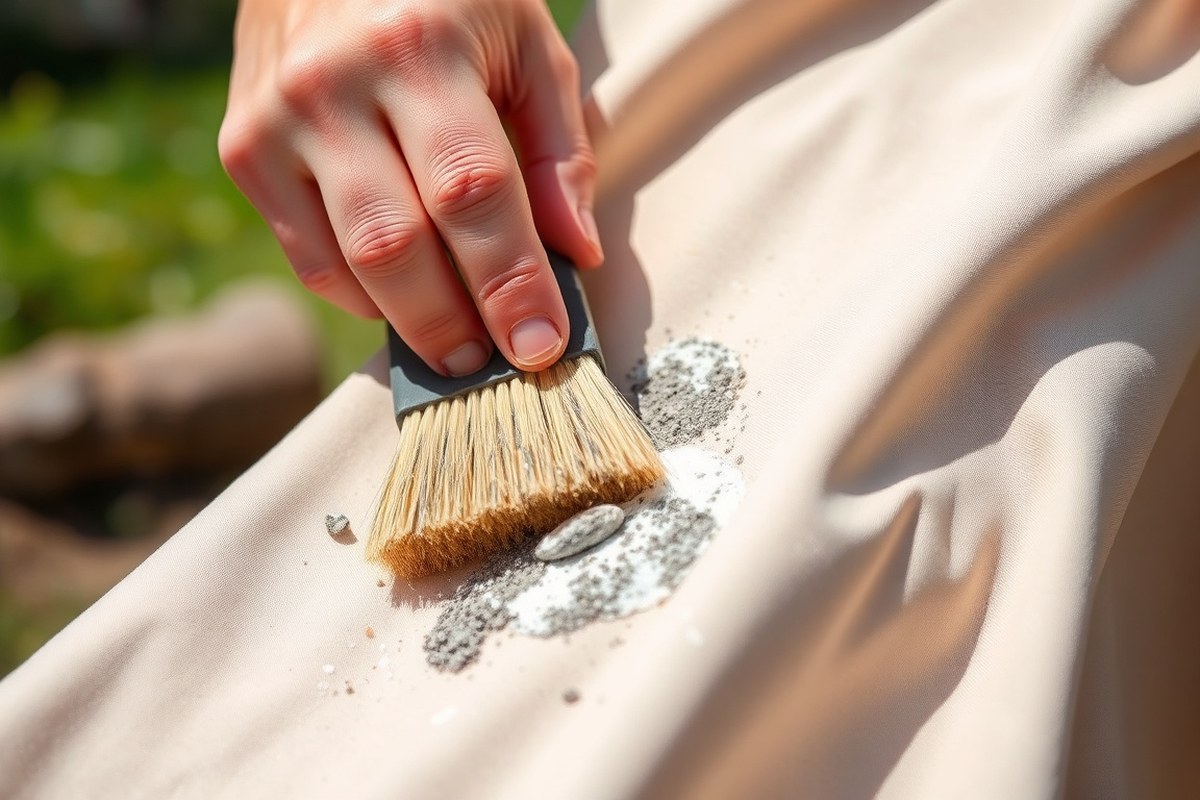
- Take the clothes outside and gently brush off any visible surface mold with a soft brush. Doing this outdoors prevents spores from spreading inside your home.
- Prepare a soaking solution by mixing 1 cup of white vinegar with 4 cups of warm water in a large bucket or basin. Soak the moldy clothes fully submerged for 1 to 4 hours to kill mold spores and loosen stains.
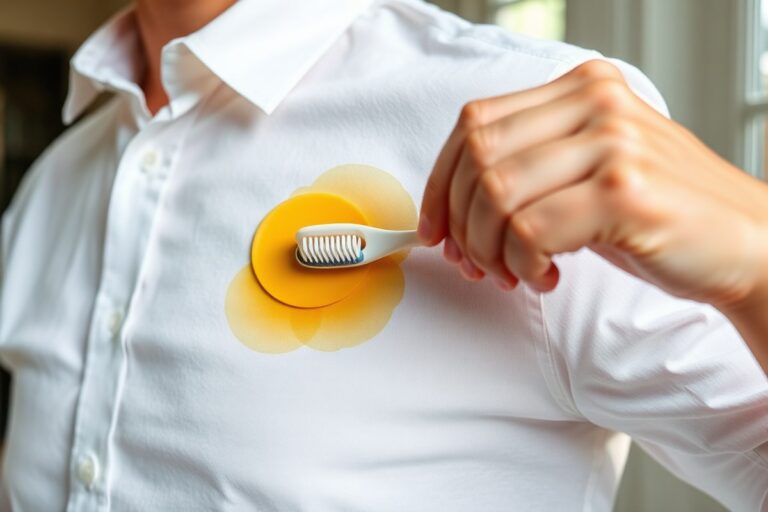
- Make a paste from baking soda and just enough water to form a spreadable consistency. After soaking, apply this paste directly on any remaining mold patches and gently scrub with an old toothbrush.
- Wash the clothes in the washing machine on the hottest cycle safe for the fabric. Add ½ cup of borax dissolved in hot water or 1, 2 cups of white vinegar directly to the wash to improve mold elimination and odor removal.
- Dry the clothes completely in bright, direct sunlight. Sunlight acts as a natural mold inhibitor and helps remove residual odors.
- Inspect the clothes after they dry. Stains or odors that remain after washing need you to soak and wash the clothes again. Stubborn mold may require several cycles to remove fully.
- Use a monthly cleaning routine with vinegar and baking soda to keep mold from growing inside your washing machine.
This straightforward routine typically takes a few hours, from soaking through drying, depending on how long clothes soak and the drying environment. Using vinegar and baking soda offers a low-cost, effective way to kill mold and restore clothing without harsh chemicals. Avoid using bleach on colored fabrics, as it can cause fading. Instead, focus on vinegar-based methods for both safety and efficiency.
2. Which Cleaning Agents Safely Kill Mold on Fabric?

You can safely kill mold on clothes using several cleaning agents, each suited to certain fabrics. White vinegar, hydrogen peroxide, baking soda, and specific bleaches are effective options, but their use depends on fabric type and mold severity. Avoid harsh or incompatible cleaners that could damage fabrics or cause health hazards.
White Vinegar and Its Advantages
White vinegar is a natural mold killer and deodorizer that works well on most fabrics. Its mild acidity breaks down mold spores without harsh chemicals, making it safe for both whites and colors. You can spray undiluted white vinegar directly on the moldy areas or add a cup to your wash cycle to inhibit further mold growth.
For stronger action, mix two parts baking soda with one part white vinegar to treat persistent odors and mold. After applying, let the cloth air dry in sunlight or a well-ventilated space to prevent mold’s return. Vinegar is an affordable solution, usually costing under $3 per gallon, and has minimal fabric damage risk.
Hydrogen Peroxide vs. Chlorine Bleach
Hydrogen peroxide (3% solution) is effective for stubborn mold stains, especially on white or light-colored fabrics. Apply it directly on the stain, leave for 10 minutes, then rinse thoroughly before washing. It’s safer than chlorine bleach for many fabrics and costs about $1 to $2 per 16-ounce bottle.
Chlorine bleach can kill mold and remove stains but only on sturdy white cotton fabric due to its harshness, which can weaken or discolor other materials. If using, dilute bleach by mixing 1/4 cup with 3/4 cup water and soak clothes for 10 to 15 minutes. Oxygen-based bleach, a gentler alternative, can be used on colors and delicate fabrics after checking care labels.
Baking Soda and Natural Oils for Smell Removal
Baking soda neutralizes odors and complements mold-killing agents like vinegar. Dissolve one tablespoon of baking soda in a spray bottle with water and spray the fabric to help remove mold smells. Baking soda is gentle, inexpensive, and safe for all fabrics.
Essential oils such as tea tree oil offer additional mold-inhibiting properties. Adding a few drops to your detergent or vinegar solution can improve fragrance and mold control. While natural remedies are effective for mild mold and odor, severe infestations might require stronger chemicals.
| Cleaning Agent | Use | Fabric Compatibility | Application Tips | Cost Range |
|---|---|---|---|---|
| White Vinegar (Undiluted) | Mold killer, deodorizer | Safe for most fabrics and colors | Spray onto mold or add 1 cup per wash | Under $3/gallon |
| Hydrogen Peroxide (3%) | Stubborn mold stains | White or light fabrics only | Apply directly, wait 10 min, rinse | $1, $2 per 16 oz |
| Chlorine Bleach (Diluted) | Mold removal and stain removal | Sturdy white cotton fabrics only | Soak 10, 15 minutes in 1:3 bleach-water solution | Varies, generally low cost |
| Baking Soda | Neutralizes odors, mold smell removal | Safe for all fabrics | Dissolve 1 tbsp in water, spray on clothes | Under $1 per lb |
| Essential Oils (e.g., Tea Tree) | Deodorizing, mild mold inhibition | Safe for most fabrics when diluted | Add a few drops to wash or vinegar spray | $5, $15 per small bottle |
This table summarizes common mold-killing agents, their best uses, fabric compatibility, how to apply them, and typical costs.
Products to Avoid When Cleaning Mold
Never use untreated or highly acidic cleaners like muriatic acid on clothes, as these can irreversibly damage fibers and pose health risks. Avoid mixing bleach with ammonia or vinegar due to toxic fumes. Using harsh chemicals on delicate or colored fabrics without proper dilution or testing can cause fading, weakening, or discoloration.
Using harsh bleach on non-white or synthetic fabrics risks yellowing or fiber degradation. Avoid relying solely on deodorizers without mold-killing agents, as odors may linger if mold remains. Always consult garment care labels before applying any stronger chemicals, and use protective gear like gloves and masks when handling moldy clothes and cleaning agents.
Practical Tip: Test any cleaning solution on a small, hidden fabric area first to check for damage before treating the entire garment.
3. Treating Mold on Different Fabric Types
Cleaning mold from clothes depends on the fabric type because some materials tolerate treatments better than others. Natural fibers like cotton and linen handle vinegar soaks and warm washing, while delicate fabrics require milder methods or professional care. Synthetic fibers respond well to cold water vinegar soaks and gentle washing. For garments that cannot be washed, dry cleaning or specific spot treatments are safer choices.
Cleaning Mold on Cotton and Linen
Cotton is one of the easiest fabrics to treat for mold because it’s tough and can withstand warm water and scrubbing. For white cotton, soak the affected area in white vinegar for an hour, then apply baking soda before washing in water at 140°F (60°C). Lemon juice and sunlight can help bleach out mold stains on white cotton but may fade colored fabrics.
Colored cotton and linen require more caution. Vinegar soaks followed by washing in cooler water at 104°F (40°C) work best to avoid color fading. Avoid lemon juice on colored items because it may lighten the fabric. Linen is delicate when wet, so skip scrubbing and treat it gently to avoid damaging the fibers. Always turn denim inside out before washing to protect the dye.
- White cotton: vinegar soak + baking soda + 60°C wash
- Colored cotton: vinegar soak + baking soda + 40°C wash; avoid lemon juice
- Linen: vinegar soak + 40°C wash; no scrubbing
- Denim: vinegar soak + 40°C wash; wash inside out
Dealing with Wool and Delicate Fabrics
Wool, silk, and other delicate fabrics require the gentlest handling to avoid shrinking, stretching, or fiber damage. Avoid hot water and harsh chemicals like bleach or ammonia. Use a cold water soak with vinegar for about 30 minutes to target mold without risking damage. You can also spot clean gently with a soft cloth and vinegar solution.
For valuable or heavily moldy delicate items, professional dry cleaning that specializes in mold treatment is the safest option. Dry cleaning machines use solvents and processes that handle delicate fibers better and reduce mold spores without saturating the fabric in water. Always inform your dry cleaner about the mold problem so they can apply appropriate treatments.
- Use cold water vinegar soak for 30 minutes
- Spot clean with a soft cloth and mild vinegar solution
- Avoid bleach, hot water, and abrasive scrubbing
- Consider specialized dry cleaning for expensive or stained items
Safe Treatments for Synthetic Fibers
Synthetic fabrics like polyester and activewear blends do not tolerate high heat well. A cold water soak using white vinegar for 30 to 60 minutes followed by a gentle wash at 104°F (40°C) and air drying is effective for mold removal.
Do not use bleach on synthetic fibers because bleach can degrade the plastic fibers and cause holes or discoloration. Vinegar is color-safe and gentle enough to kill mold without weakening synthetic fabric integrity.
- Cold water soak in white vinegar (30, 60 min)
- Gentle machine wash at 40°C
- Air dry to prevent heat damage
- Avoid bleach or harsh chemicals
Options for Non-Washable Clothes
Some garments, like leather jackets or heavy wool coats, cannot be washed safely at home. For these, professional dry cleaning is the recommended approach. Dry cleaners use solvents that kill mold spores and remove odors without damaging sensitive fabrics or fibers.
If professional cleaning isn’t an option, you can try spot treatments: gently dab a mixture of equal parts white vinegar and water on the moldy area using a clean cloth. After the spot dries, place the garment in fresh air and sunlight briefly to help kill spores, but avoid prolonged sun exposure to prevent fading or fiber damage.
For both washing and non-washing options, always assess how set-in the mold is. Deep infestations often require repeated treatments or professionals to avoid permanent fabric damage or lingering odors.
- Use professional dry cleaning for leather, silk, heavy wool
- Spot treat with diluted vinegar solution for small mold patches
- Air out garments in sunlight briefly after treatment
- Avoid prolonged sun exposure on delicate or colored fabrics
- Repeat treatments if mold is deeply set
4. How to Prevent Mold from Returning After Cleaning
Mold grows on clothes primarily when they stay damp in humid environments. Keeping your home’s relative humidity below 60% helps control the moisture that mold spores need to grow. Proper drying is just as important because even clean clothes can develop mold if left damp for too long. Clothes should never sit wet or damp in piles or closed spaces.
Drying clothes thoroughly in direct sunlight is one of the most effective ways to prevent mold. Sunlight not only dries clothes quickly but also helps kill mold spores with UV rays. If outdoor drying isn’t possible, use a dryer that heats clothes to a temperature that ensures complete dryness before putting them away. Clothes dryers must run long enough to eliminate all moisture to stop mold from returning.
Storage choices can also impact mold risk. Damp basements, closets, or poorly ventilated rooms create perfect conditions for mold spores to settle on fabric. Using breathable storage containers or vacuum-sealed bags limits airflow while protecting clothes from environmental moisture. Mold-resistant fabric bags offer additional protection in humid areas.
- Maintain indoor humidity below 60%, using dehumidifiers or air conditioning if needed.
- Dry clothes completely in direct sunlight or use a dryer on a fully drying cycle.
- Store clean, dry clothes in breathable or vacuum-sealed containers in well-ventilated areas.
- Wash and dry clothes regularly, especially if exposed to sweat, rain, or damp environments.
- Keep storage areas clean and avoid stacking damp clothes to reduce moisture buildup.
- Ventilate storage spaces periodically to reduce stagnant, humid air.
Regular washing removes mold spores before they can start growing, preventing permanent stains and fabric damage. Storing clothes in a clean, dry environment stops mold spores from settling and multiplying on your garments. Even in areas with frequent moisture exposure, routine drying and airing out lowered mold risk significantly.
Cost-wise, investing in a dehumidifier or quality dryer settings could range between $50 to several hundred dollars depending on features. This expense often saves money by extending the life of your clothing and avoiding costly mold removal treatments or replacement. Taking these preventive steps ensures your clothes remain mold-free and fresh without frequent heavy cleaning or damage from mold growth over time.
5. How Long and at What Temperature Does Mold Die in Laundry?
Hot water is one of the most effective ways to kill mold spores on clothes during laundry. Maintaining a temperature of around 140°F to 160°F (60°C to 70°C) is generally sufficient to eliminate most mold spores, provided the fabric can withstand such heat. Washing clothes at this temperature ensures mold dies because heat disrupts the spores’ cellular structures, stopping them from growing back.
Many washing machines have a hot water cycle designed to reach 140°F or higher. Selecting the hottest water setting safe for your garment’s fabric is critical. Fabrics like cotton or polyester usually tolerate hot water, but delicate materials might require warm water cycles to avoid damage. Follow the garment’s care label instructions to avoid shrinking or weakening the fabric while still removing mold.
Besides washing at the correct temperature, soaking moldy clothes helps kill spores more thoroughly. A common effective soak consists of white vinegar mixed with water at a ratio of 1 cup vinegar per gallon of water. Soak the affected clothes for about one hour before washing. Vinegar’s acidity helps break down mold and prevent spores from attaching to fabric fibers.
For bleach-friendly fabrics, pre-soaking in a diluted bleach solution can work well. A mixture of 1 cup of chlorine bleach per gallon of water, with a soaking time of 30 minutes to one hour, can reduce mold stubbornly clinging to clothes. Rinse thoroughly afterward to avoid bleach damage. Never mix vinegar and bleach as toxic gases can form.
Adding mold-fighting additives during the rinse cycle can further reduce spores and odors. Products like EC3 Laundry Additive target mold, bacteria, and mildew residues so musty smells don’t linger on clothes or in the washing machine itself. Adding 1-2 cups of vinegar directly into the washing water during the wash cycle also boosts mold elimination.
To maintain good results, dry garments in direct sunlight for one to two hours after washing. Sunlight’s ultraviolet rays help kill remaining spores and freshen fabrics. Avoid letting damp laundry sit too long, as moisture encourages mold regrowth.
Always check care labels before using hot water or bleach solutions to prevent fabric damage or discoloration when treating moldy clothes.
6. How to Handle Persistent Mold Stains and Odors
Persistent mold stains and mildew odors can remain on clothes even after a thorough wash. To tackle stubborn stains, treat the affected areas before washing. Create a paste using baking soda and water, apply it to the stained fabric, and let it dry completely. Once dry, brush off the residue before laundering as usual. This method helps lift mold spores and stains from fabric fibers.
Adding 1 to 2 cups of white vinegar or half a cup of baking soda to your laundry cycle helps get rid of persistent odors and prevents mold spores from coming back. These natural additives freshen fabrics and block mold growth while working well with many detergents. Laundry pods with stain removers and odor-fighting enzymes, such as Persil Caps, provide a convenient way to deal with moldy garments.
For very heavy mildew stains, mixing a paste with baking soda and a small amount of bleach (use cautiously only on white or colorfast fabrics) and scrubbing gently with a soft brush can break down the most stubborn marks. Always test an inconspicuous area first to avoid damage or discoloration. After stain treatment, wash your clothes on the hottest temperature safe for the fabric to maximize mold removal and kill residual spores.
- Repeat the soak and wash cycle if stains persist, allowing several cycles if necessary
- Add ½ tablespoon of baking soda during washing to deodorize effectively
- Apply a baking soda paste to stains, let dry, then brush off before washing
- Use white vinegar in the wash to neutralize odors and inhibit mold growth
- Consider borax additives for deeper cleaning on tough mildew buildup
- Dry clothes thoroughly immediately after washing to prevent mold recurrence
Removing odors is just as important as tackling stains. Baking soda is a low-cost, safe deodorizer ideal for absorbing musty scents. Sprinkle baking soda directly on dry clothes or lightly damp fabrics, let sit for several hours or overnight, then shake or brush off before use. Avoid leaving clothes damp inside machines or containers for extended periods, as moisture encourages mold growth.
Discarding moldy clothes might be necessary if stains and odors remain despite repeated treatments or if fabric integrity is compromised. Mold weakens fibers, and continued wear can trigger allergies or skin irritation. Clothing that is heavily contaminated or delicate without colorfastness may not respond well to any cleaning method and can pose a health risk if retained.
7. When to Choose Professional Mold Cleaning Services
When mold has spread a lot or left tough stains and smells that don’t get better after several cleaning attempts, it’s time to consider professional mold cleaning services. These services can safely remove mold from clothes by using specialized techniques and products that go beyond typical at-home methods. Professionals first assess the extent of mold contamination and the type of fabric involved. They isolate affected items to prevent mold spores from spreading elsewhere. Pre-treatment with industrial-grade mold removers targets stains and kills spores more effectively than common household detergents.
Professional mold cleaning typically involves washing clothes at high temperatures, usually between 140°F and 160°F (60°C to 71°C) for at least 10 to 30 minutes. This heat exposure is combined with enzymatic or antimicrobial detergents designed specifically for mold removal. Some services also use ozone treatment or controlled drying rooms to eliminate mold spores thoroughly and prevent regrowth. These methods reduce health risks connected with mold exposure and help preserve the integrity of your clothes, which can be fragile or sensitive to harsh chemicals when treated at home.
Choosing professional help often makes sense if you own valuable or delicate fabric items, or if mold has penetrated fibers deeply. Clothes that show persistent mold odor after washing or have large, spreading patches are good candidates for professional restoration rather than disposal. Mold can cause fabric deterioration, but expert services may save pieces you’d otherwise throw away. Reliable cleaning companies provide an evaluation that indicates whether recovery is feasible or if discarding the clothes is safer and more cost-effective.
Costs for professional mold cleaning vary depending on the number of items, their size, fabric type, and severity of mold damage. Expect to pay approximately $20 to $50 per garment in most cases, including stain removal, washing, and drying treatments. While this might be more expensive than home cleaning products, professionals can deliver longer-lasting results and reduce your exposure to mold spores, which matters for health. Repeated DIY attempts could raise costs indirectly by damaging clothes or requiring replacement sooner.
To decide if you need a professional mold cleaning service, evaluate how much mold is visible. Small, early-stage molds that wash out with hot water and suitable detergent typically don’t require experts. Clothes with extensive mold colonies, ongoing musty smells, or mold in hard-to-clean spots such as seams and linings should be professionally treated. In case you have allergies or breathing problems, hiring a licensed professional protects your health since they follow safe handling standards and use equipment that limits mold spread.
Services often start with a consultation where you describe your mold problem, and the cleaner advises on options, pricing, and expected outcomes. They may ask you to bring your moldy clothes in or offer pickup. After cleaning, inspect your garments for any lingering odors or discoloration before approval. Good results mean no visible mold, no smell, and fabric softness close to the original state. Spotting mold again soon after service signals the need to address environmental causes or consider disposal.
8. Safety Precautions When Cleaning Moldy Clothes
Moldy clothes can pose health risks due to spores that affect your breathing and skin. Handling them safely reduces the chance of spreading mold spores around your home and protects you from irritation or allergic reactions. Keeping mold contained and using proper protective measures helps you clean clothes effectively without creating a bigger problem.
Protective Gear and Ventilation Tips
Wearing gloves and a mask is essential to prevent direct contact with mold and inhalation of spores. Nitrile or rubber gloves protect your hands, while an N95 mask filters out most airborne spores. Avoid touching your face or eyes while handling moldy items. Ensure you work outside or in a well-ventilated area to minimize indoor spore exposure. Open windows or use fans to improve airflow if working indoors. Long sleeves and pants can also reduce skin exposure.
Maintaining low humidity and airflow in your laundry space helps prevent further mold growth on your clothes and in the environment. Using a dehumidifier or exhaust fan can reduce moisture, which mold needs to thrive.
Safe Brushing and Handling Techniques
Before washing, take moldy clothes outside to brush off loose, dry mold with a stiff brush gently. This stops spores from spreading inside your home. Hold the garment firmly, brush away from yourself, and avoid vigorous scrubbing, which can force spores deeper into fabric fibers. Dispose of or clean the brush outside after use.
Keep moldy items separate from other laundry in a plastic bag or container to prevent spore transfer. Handle only one piece at a time to reduce cross-contamination. After brushing, wash your hands with soap and water even if you wore gloves.
Brushing mold off indoors can release spores into your air; always do it outside or in a well-ventilated space.
Disposal and Laundry Area Hygiene
Dispose of heavily mold-infested clothes that cannot be salvaged safely in sealed bags. For salvageable items, wash them separately with a mold-killing detergent or additive. Clean the washing machine drum and detergent compartments regularly to remove possible mold buildup. After handling moldy clothes, clean surfaces and tools with a disinfectant to avoid spreading spores.
- Wear gloves and an N95 mask while handling moldy clothes
- Brush off dry mold outdoors using a stiff, dry brush
- Keep moldy clothes isolated from other laundry
- Wash hands thoroughly after contact
- Work in a well-ventilated area or outside
- Clean laundry room surfaces and tools after mold exposure
- Dispose of clothes beyond cleaning carefully in sealed bags
Keeping your laundry area dry and ventilated reduces mold risk. Avoid piling damp laundry and allow cleaned clothes to dry fully before storing. These habits cut down moisture sources that encourage mold growth and keep your clothes safer long-term.
Step-by-Step Action Plan to Remove Mold from Clothes
Follow these clear steps to get rid of mold on your clothes and keep them fresh. Check each step to ensure your clothes are mold-free and safe to wear.
- Before you start: Take your moldy clothes outside and brush off visible mold spores to prevent spreading inside your home.
- Day 1: Soak clothes in a solution of one cup of white vinegar per gallon of water for at least an hour to kill mold spores. Clothes should smell fresh, not musty, afterward.
- Same day: Wash the clothes separately in hot water appropriate for the fabric, using a detergent with mold-fighting ingredients or adding a cup of baking soda. Confirm that mold stains and smells have significantly reduced.
- After washing: Dry clothes completely outside in direct sunlight if possible, or use the highest dryer setting safe for the fabric. Clothes must be fully dry with no damp spots.
- Within a week: Inspect clothes for any remaining stains or odor. If present, repeat the soaking and washing process once more before drying again.
- Ongoing: Store clothes in a dry, well-ventilated area to prevent mold from returning. Avoid storing clothes in plastic bags or damp environments.
Frequently Asked Questions
Can Mold Be Washed Out of Clothes?
Yes, mold can be washed out by soaking clothes in a mixture of white vinegar, baking soda, and hot water before laundering. This combo helps kill mold spores and reduce stains effectively.
How Do You Remove Black Mould from Clothes?
You remove black mold by applying mold stain remover like bleach or vinegar and scrubbing with an old toothbrush. Black mold can be stubborn, so treat stains promptly and wash clothes with a hot cycle afterward.
Does Vinegar Kill Mold on Clothes?
Vinegar kills about 82% of mold species and can denature mold on clothes. Adding a cup of white vinegar to your wash helps kill mold spores and removes odors safely.
Can Clothes Recover from Mold?
Clothes can recover if mold is removed promptly using the right cleaning agents and methods. Persistent mold stains or damage might require professional cleaning or replacing the fabric.
What Causes Mold to Grow on Stored Clothes?
Mold grows on stored clothes due to moisture and poor air circulation. Keeping storage areas dry and well-ventilated prevents mold growth on fabric.
Can Moldy Clothes Make You Sick?
Yes, moldy clothes can cause allergic reactions or respiratory issues, especially for sensitive individuals. Handle moldy items carefully and clean them thoroughly to avoid health risks.
Wrapping Up
Mold on clothes can be handled effectively with the right cleaning steps and careful drying. Start by tackling the mold quickly using natural or commercial cleaners, then keep your storage areas dry to avoid regrowth. Begin today by checking your storage conditions and washing any moldy clothes following the plan above.