How to Clean Wool Jacket: 8 Essential Steps for Safe, Effective Care
Cleaning a wool jacket safely at home requires gentle care and the right methods to avoid shrinking or damaging the fabric. Using mild detergent, cool water, and suitable washing techniques helps maintain your jacket’s shape and softness. This advice is perfect for anyone who owns wool jackets and wants to keep them looking their best without expensive professional services.
You will learn how to remove stains effectively, choose the right washing method, dry and reshape your jacket correctly, and maintain it between cleanings. These steps lower the risk of common damage caused by harsh detergents or improper care while extending your wool jacket’s life.
Key Takeaways
- Clean your wool jacket every 3 to 4 months to keep it fresh and in good condition.
- Use mild detergent specially formulated for wool to prevent fabric damage during washing.
- Remove stains promptly using gentle techniques recommended by Woolmark for wool garments.
- Opt for hand washing or a washing machine’s wool cycle set to cool temperatures around 40°C.
- Avoid bleach and regular detergents, which can weaken wool fibers and cause discoloration.
- Air dry your jacket flat and reshape it to preserve its original fit after washing.
1. How to Clean a Wool Jacket Safely at Home

Cleaning a wool jacket at home requires careful handling to avoid shrinking or damaging the fabric. Hand washing is generally the safest option, especially for jackets labeled “dry clean only” or “hand wash only.” Using lukewarm water and a gentle wool detergent preserves the fibers and maintains the jacket’s shape. Machine washing is riskier and should only be done if the label permits it with specific settings. A neutral wool detergent or a detergent marked for delicate fabrics helps prevent fading and fabric stress. Here is a step-by-step hand washing method to clean your wool jacket safely:
- Prepare lukewarm water: Fill a clean basin or sink with lukewarm water, about 85°F to 90°F (29°C to 32°C). Avoid hot water, which causes shrinkage.
- Add a wool-safe detergent: Use a small amount of a gentle detergent designed for wool or delicate fabrics. Stir gently to disperse the detergent evenly without creating suds.
- Submerge the jacket: Place your wool jacket in the water and gently press it down to fully soak. Do not rub or agitate aggressively, as this can damage the fibers.
- Soak for 5 to 10 minutes: Let the jacket sit in the soapy water briefly to loosen dirt, but avoid prolonged soaking that can cause felting.
- Rinse carefully: Drain the soapy water and refill with clean lukewarm water. Gently press the jacket to remove detergent. Repeat rinsing until no suds remain.
- Remove excess water: Press the jacket gently against the basin or sink sides to release water. Avoid wringing or twisting, which can distort the shape.
- Lay flat to dry: Place the damp jacket on a clean towel, roll it up to absorb moisture, then lay the jacket flat on a drying rack or fresh towel. Reshape if needed while damp.
This process can be completed in about 30 to 45 minutes with limited supplies. Expect your jacket to feel clean but not soaked with detergent residue or stiff from overwashing. Avoid machine washing unless the care label specifically allows it and the machine has a wool or delicate cycle. That approach uses slow agitation and cold water but still risks shrinkage or fuzzing if you don’t use a wool-specific detergent or if the jacket has delicate construction.
2. Effective Stain Removal Before Washing

Pre-treating stains on a wool jacket before washing ensures the fabric stays intact while removing marks effectively. Use gentle, wool-safe solutions and avoid harsh chemicals like bleach, which can damage wool fibers. Target each stain type with the right approach and timing to protect your jacket’s look and feel.
Common Types of Wool Jacket Stains
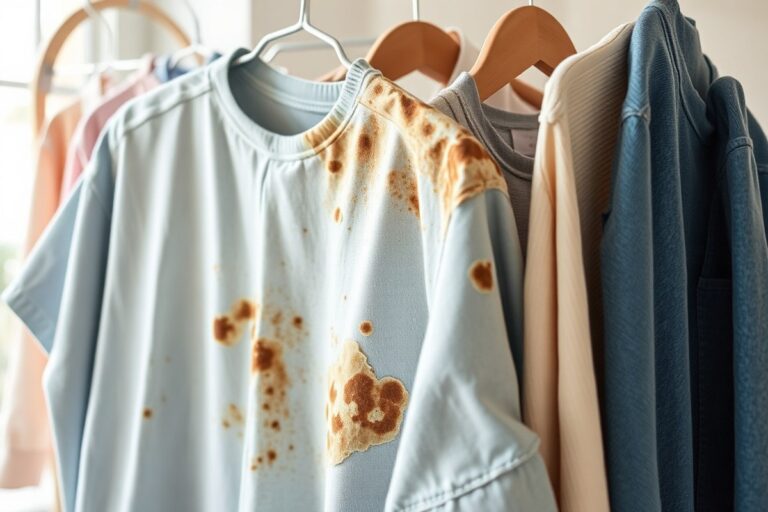
Wool jackets often attract a few types of common stains that require special care. Typical spots include food stains such as grease and wine, dirt or mud stains from outdoor use, and ink or makeup marks. Each type reacts differently to cleaning, so knowing the stain helps you pick the safest treatment method.
Grease tends to cling to wool fibers without soaking in deeply. Dirt and mud might harden as they dry, which calls for gentle removal to avoid fabric damage. Ink and makeup are more stubborn, and their chemical nature demands careful, careful stain removers that won’t bleach or weaken wool.
Preparing Safe Stain Treatment Solutions
Many commercial stain removers contain chemicals that can harm wool. Instead, prepare your own mild stain removers using ingredients safe for delicate fabrics. Use a mix of warm water (around 90°F or 32°C) with a few drops of wool shampoo or mild liquid detergent.
For grease or oil stains, a paste made from 1 tablespoon baking soda and enough water to form a spreadable paste works well. For protein stains like food or blood, dilute 1 teaspoon of mild detergent in ½ cup warm water. Avoid bleach or products with optical brighteners, which can strip wool’s natural oils.
Applying and Timing the Stain Removal Process
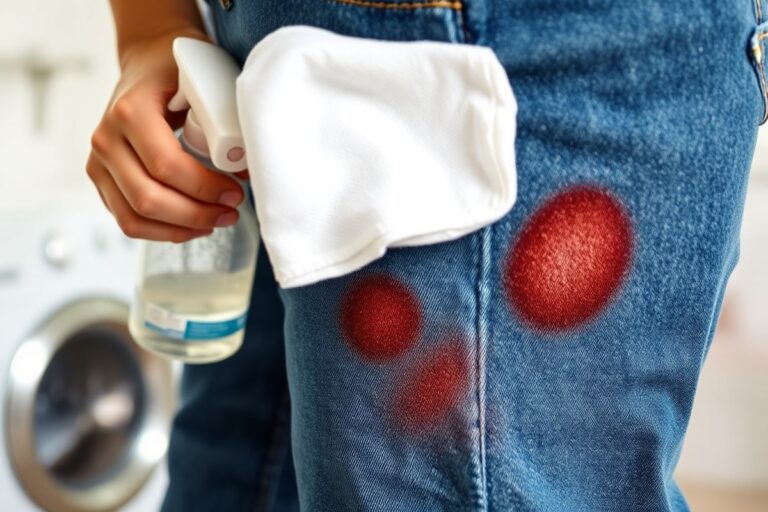
Apply your stain treatment directly to the marked area before any washing. Gently dab the solution on the stain using a clean cloth or soft brush, avoiding rubbing, which can damage the fibers. Follow these steps for effective stain removal:
- Test the solution on a hidden area of your jacket for colorfastness.
- Apply the stain remover gently to the stain with a soft cloth or cotton swab.
- Let the solution sit for 10 to 15 minutes, depending on the stain’s severity.
- Blot the stain with a clean, damp cloth to lift loosened material.
- Repeat if necessary but do not exceed 30 minutes of contact time to avoid fiber damage.
- Rinse the area with cool water without soaking the fabric completely.
- After spot treatment, wash the wool jacket according to care instructions or by hand using a wool shampoo.
Never use bleach or regular stain removers on wool, as they can cause permanent damage and color loss.
3. Comparing Washing Methods: Hand Wash, Machine, or Dry Clean
Choosing the right cleaning method depends on your wool jacket’s fabric type, condition, and care label instructions. Hand washing and professional dry cleaning are generally the safest methods. Machine washing may be appropriate if your jacket’s care label allows it and your machine has a gentle wool cycle, but this carries a higher risk of shrinkage or damage.
Hand washing uses cold water and mild detergent to preserve the jacket’s shape and softness. It typically takes about 15 to 30 minutes, plus drying time, and costs almost nothing beyond detergent. Machine washing on a wool or delicate cycle at around 40°C (104°F) is faster but may deform or shrink the wool if not done carefully. Professional dry cleaning is often labeled as the safest choice for most wool coats, especially those marked “dry clean only.” Though pricier, usually between $15 and $30 per cleaning, this method can restore shape and freshness, particularly for heavily soiled or musty jackets.
| Cleaning Method | Fabric Types | Washing Conditions | Damage Risk | Cost | Time |
|---|---|---|---|---|---|
| Hand Wash | Most wool jackets without “dry clean only” label | Cold water, mild detergent, gentle squeeze | Low if done properly; preserves shape and softness | Less than $5 (detergent cost) | 15, 30 minutes + drying time |
| Machine Wash | Wool jackets with care label allowing it, delicate cycle available | Wool cycle or delicate, 40°C (104°F), mild detergent | Moderate; risk of shrinkage or deformation if not careful | Minimal (electricity and water usage) | 30, 45 minutes + drying time |
| Professional Dry Clean | Wool jackets labeled “dry clean only” or very soiled | Solvent cleaning | Minimal; safest for delicate or structured pieces | $15, 30 per session | 1, 3 days typical turnaround |
For your hand washing routine, fill a basin large enough for the jacket with cold water and add a wool-safe detergent. Submerge the jacket gently and swish it without wringing. Rinse thoroughly and press out excess water carefully. For machine washing, select the wool or delicate cycle, set the temperature to 40°C, and use a mild detergent designed for wool. Always check the care label before starting any washing process. Dry cleaning is best when the jacket’s label demands it, when the jacket smells musty, or if it has lost its shape. Spending on professional cleaning once or twice a year can extend your jacket’s life and retain its appearance. Avoid machine washing if the label advises against it or if the wool type is particularly delicate or structured.
4. How to Dry and Reshape Your Wool Jacket Properly
Avoid hanging your wool jacket when it’s wet to prevent stretching and fabric distortion. Place it flat on a clean, dry surface in a well-ventilated space, keeping it away from direct sunlight or heat. Gently reshape the jacket as it dries to maintain its original form and fit.
Drying Environment and Surface Choice
Choose a flat, clean surface where your jacket can rest undisturbed. A large towel or a drying rack designed for flat drying works best. The area should be well-ventilated, at room temperature between 65°F and 75°F (18°C to 24°C), to facilitate even drying without overheating the wool.
Avoid placing the jacket near heaters, radiators, or in direct sunlight since excessive heat can cause shrinkage or felting. Do not hang the jacket up while it’s wet because gravity pulls on the wet fibers, leading to stretching and misshaping.
Step-by-Step Reshaping Process
Reshaping your wool jacket while drying prevents distortion and maintains the garment’s original silhouette. Follow these steps to reshape and dry your jacket properly:
- Gently squeeze excess water from the jacket without wringing it to avoid damaging fibers.
- Place a large, clean towel on a flat surface and lay the wet jacket on top, aligning sleeves and body to their natural position.
- Pat the jacket lightly with the towel to absorb more water; replace the towel if it becomes too damp.
- Using your hands, smooth and gently stretch the jacket back to its original shape, paying close attention to shoulders, collar, and sleeves.
- Allow it to dry flat on the towel or rack in a room with good air circulation, turning it over occasionally to ensure even drying.
- Check the jacket every few hours to continue gentle reshaping as needed while it dries.
- Once dry, hang the jacket on a padded hanger to restore its form fully before wearing.
Signs Your Jacket Is Drying Correctly
A properly drying wool jacket feels cool to the touch and retains its shape without sagging or stretching. The surface should be dry within 12 to 24 hours, depending on humidity and airflow. Soft wrinkles that naturally go away with gentle manipulation indicate healthy drying.
Watch for any sudden stiffness or rough areas that can signal early felting, often caused by overheating or mishandling. When the jacket sags or stretches, take it off the hanger and spread it out flat to help it regain its shape. Drying should never take place in a cramped space, as poor airflow increases the risk of mildew and odor.
5. Maintaining Your Wool Jacket Between Washes
Keeping your wool jacket fresh without washing helps preserve the fabric’s texture and shape. After wearing your jacket, hang it in a well-ventilated area away from direct sunlight for a few hours to air out odors and moisture. This simple step reduces the need for frequent washes and keeps the fibers from becoming matted.
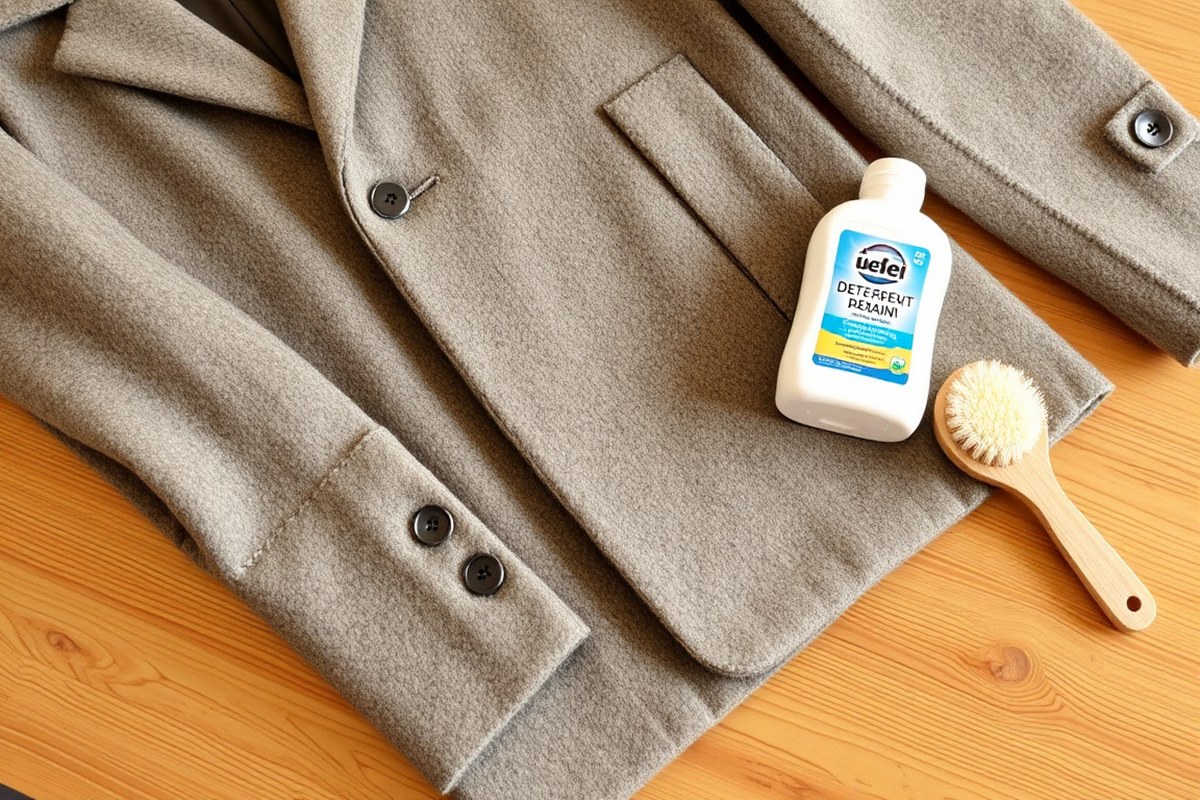
Using the right tools can make regular maintenance easy and effective. A soft-bristled garment brush is perfect for removing dust, dirt, and hair that accumulate between wears. Brush gently following the direction of the wool’s nap to avoid damaging the fibers. To remove pills or fuzz that develop over time, a fabric shaver designed for wool works well. These devices carefully trim pills without pulling or thinning the material. Also, a garment steamer can refresh your jacket by loosening wrinkles and neutralizing odors without wetting the fabric.
Pilling and lint can make your wool jacket look worn quickly. To keep it polished, use a lint roller or special wool comb for light lint removal. For pills, avoid harsh pulling; instead, gently run a fabric shaver or sweater stone over the affected areas. Doing this regularly prevents the pills from becoming tangled or embedded deeply, which is harder to fix later.
- Brush your jacket with a soft garment brush after each wear
- Air out the jacket for at least 2-4 hours in a dry space
- Use a fabric shaver or sweater stone to remove pills as needed
- Remove lint with a sticky lint roller or wool comb
- Spot clean any stains promptly using a gentle wool cleaner
- Use a garment steamer on low heat to refresh fabric and remove wrinkles
Overbrushing or using stiff brushes can damage wool fibers and create fuzz, so always use gentle tools specifically made for wool garments.
A maintenance routine like this can extend the time between washes and keep your wool jacket looking sharp. Regular care helps avoid damage that comes with frequent cleaning, such as texture loss or shrinking. Most soft-bristled brushes cost about $10 to $20, while fabric shavers range from $10 to $30 online or in stores. Spending 5 to 10 minutes per session on these steps after wearing your jacket usually provides the best results. Avoid using sprays or refreshers containing harsh chemicals, as they may harm the wool or alter its natural breathability.
6. Why Regular Detergents and Bleach Damage Wool Jackets
Using regular laundry detergent on a wool jacket can cause serious damage. Many common detergents contain enzymes and strong surfactants that break down natural fibers, stripping away lanolin, the natural oil that keeps wool soft and water-resistant. This not only weakens the fibers but also dulls the jacket’s appearance and reduces its insulating properties. Avoid detergents with bleach, fabric softeners, or optical brighteners, as these ingredients accelerate wear, cause shrinking, and may lead to permanent fabric distortion.
Bleach is never safe for wool jackets. Wool fibers are delicate proteins that bleach can irreversibly degrade. Even small amounts of chlorine bleach can discolor the fabric, weaken fiber structure, and cause holes over time. Oxygen-based bleaches, often touted as gentler, can still harm wool by affecting dye and fiber integrity. It’s best to avoid all bleach products when cleaning wool.
Instead, choose non-biological detergents formulated specifically for wool or delicate fabrics. These detergents omit enzymes and harsh chemicals, using gentle surfactants that clean without stripping lanolin or damaging fibers. Wool detergents usually cost between $5 and $15 for a bottle, but a small amount, often just one tablespoon per wash, is enough. Products labelled “wool wash” or “delicates detergent” are designed to maintain the jacket’s softness and shape. For spot cleaning, mix about a teaspoon of mild detergent like Woolite with lukewarm water and gently dab the stain using a clean cloth. Avoid rubbing as that can cause felting or shrinkage.
Alternatives to bleach for whitening or brightening wool include soaking the jacket in a solution of lukewarm water and a small amount of white vinegar or baking soda, which help restore brightness without harming fibers. For example, adding a quarter cup of white vinegar to the rinse water can neutralize residues and reduce odors without affecting wool’s natural qualities. Some people also use specialized wool brightening products available at specialty stores, but always test on a small hidden area first.
When washing at home, always fill a basin or tub with lukewarm water (about 80°F or 27°C) and dissolve the gentle detergent fully before adding your wool jacket. Let it soak for about 30 minutes and gently agitate by hand, then rinse thoroughly with cool water. Avoid using washing machines unless it offers a wool or delicate cycle with low temperature and minimal agitation, and always place your jacket inside a mesh laundry bag to reduce friction. Air dry flat on a towel away from direct heat or sunlight to keep the fibers in shape.
7. How Often Should You Clean Your Wool Jacket?
Cleaning your wool jacket depends largely on how often you wear it and the conditions it faces. A general rule is to clean it at most once or twice a season if you wear it regularly in typical environments. You only need to clean your jacket every few seasons when you wear it occasionally or indoors. Wool’s natural fibers resist dirt and odors, so frequent cleaning is usually unnecessary.
Watch for signs that require immediate cleaning. Visible stains, especially those from food or oil-based substances, need prompt attention. Also, noticeable odors or dampness suggest it is time to clean your jacket. Allowing stains or odors to set can make them harder to remove and might damage the wool over time.
Over-cleaning wool jackets risks shrinking, stretching, or weakening the fibers. Too frequent washing or dry cleaning, especially with harsh chemicals, wears down the fabric and reduces the garment’s lifespan. Spot cleaning minor stains and airing your jacket between wears helps maintain freshness without unnecessary cleaning cycles.
The best approach balances use and condition. For example, if you wear your wool jacket daily in dry, clean environments, plan to clean it every three to six months. Heavy use or frequent exposure to pollution, dirt, or moisture requires cleaning every one to two months. Always check the care label for manufacturer guidelines, as some wool blends may tolerate more frequent cleaning than pure wool.
Simple maintenance between deep cleans includes brushing to remove dirt and using a fabric freshener spray suitable for wool. Spot clean immediately with a damp cloth or wool-specific cleaner to prevent buildup. For strong stains or strong odors, professional cleaning might be necessary to maintain quality and appearance.
Following this timeline can reduce cleaning expenses, which often include $10 to $20 or more per professional dry clean. Handling minor cleaning yourself prevents chemical damage and prolongs your jacket’s life. In short, clean based on visible need and use rather than on a fixed schedule. This ensures your wool jacket stays in great condition without risking fiber damage from excess cleaning.
8. When to Seek Professional Wool Jacket Cleaning
Professional cleaning is necessary for wool jackets when stains are stubborn or fabric is delicate, ensuring safe and effective care. Dry cleaning removes tough spots and protects your jacket’s shape and fibers. Knowing when to choose expert care helps avoid damage and keeps your jacket looking its best.
Stains and Damages Best Handled Professionally
Extensive stains like oil, ink, or wine often require professional treatment beyond home washing methods. Wool jackets with delicate details such as embroidery, beads, or linings labeled “dry clean only” also benefit from expert handling. Minor spots can sometimes be treated at home, but deep or widespread soiling is best left to dry cleaners.
Professional cleaners use solvents and techniques that won’t damage wool’s fine fibers, unlike household detergents which can cause shrinking or fabric weakening. Jackets with structural damages like loose lining or broken zippers warrant a visit to professionals who can combine cleaning with repairs.
- Stubborn grease or oil stains
- Large, set-in stains such as wine or ink
- “Dry clean only” labels on jacket tags
- Delicate embellishments or trims
- Signs of fabric wear or damage
- Jackets needing repairs alongside cleaning
- Heavily soiled or odor-absorbed fabrics
Attempting to remove heavy stains on wool yourself can cause shrinkage or patchy discoloration, so professional care is safer in these cases.
Cost Factors of Dry Cleaning Wool Jackets
Dry cleaning prices vary based on jacket size, fabric type, and location but generally range from $13 to $30 per garment. More extensive treatments, like stain removal or repairs, can increase costs. While professional cleaning is more expensive than home washing, it reduces the risk of shrinking, felting, or damaging wool fibers.
The investment in professional cleaning is worthwhile for preserving the jacket’s longevity and appearance. For lightly soiled jackets, you can extend time between professional cleanings by following home care advice. Conversely, neglecting necessary dry cleaning can lead to permanent fabric damage that is costlier to fix or replace.
Finding a Certified Dry Cleaner for Wool
Look for cleaners specializing in wool or delicate garments and ask if they use eco-friendly solvents or follow standard wool care protocols. A trusted dry cleaner should be transparent about their process, have positive local reviews, and offer guarantees for their work. Avoid shops with poor reputations or those that treat all fabrics identically without special care.
When preparing to send your wool jacket, check the tag for care instructions and communicate any stains, damages, or concerns to the cleaner. Request an estimate before approval. A well-chosen professional will keep your jacket’s texture intact while restoring its freshness.
- Choose cleaners with wool or delicate fabric experience
- Check reviews and ask for recommendations
- Confirm cleaning methods and solvent types used
- Describe stains and damage clearly before cleaning
- Request pricing and turnaround time upfront
- Inquire about satisfaction guarantees or re-cleaning policies
- Visit the shop if possible to assess professionalism and care
Step-by-Step Action Plan for Cleaning Your Wool Jacket at Home
Follow these steps to keep your wool jacket fresh, stain-free, and well-maintained without risking damage.
- Before you start: Check the care label to confirm if your jacket is machine washable or hand wash only. This helps you choose the safest method.
- After a stain appears: Gently blot the stain with cold water and use a wool-friendly stain remover. It worked if the stain lightens without spreading or damaging the fibers.
- Day of wash: Hand wash your jacket in cool water with a detergent specifically made for wool. The fabric should feel clean but not shrunk or rough afterward.
- After washing: Place your jacket flat on a fresh towel, gently reshaping it as needed, then allow it to dry naturally, away from direct sunlight and heat sources. This helps the jacket dry uniformly and maintain its original form.
- Weekly: Brush your jacket gently with a clothes brush to remove surface dirt and prevent buildup. Your jacket will look brighter and smell fresher.
- Monthly: Air your jacket outside on a dry day for about an hour to reduce odors and moisture. This keeps it smelling fresh between washes.
- Seasonally or as needed: Consider professional cleaning if your jacket has tough stains or if the label recommends dry cleaning. This prevents accidental damage.
- After storing: Use moth repellents and store the jacket in a breathable garment bag. Check for any new damage before wearing it again.
Frequently Asked Questions
How Do I Remove Odors from a Wool Jacket Without Washing?
Air out your wool jacket outside for a few hours to remove odors. Avoid harsh sprays, which can damage the fibers.
Can I Use Vinegar to Clean a Wool Jacket Safely?
Yes, diluted white vinegar can help remove odors and soften wool. Test on a small area first to ensure no discoloration.
What Type of Detergent Is Safest for Washing a Wool Jacket?
Use a mild detergent labeled for wool or delicate fabrics. Regular detergents can strip natural oils and cause damage.
Can I Iron My Wool Jacket After Cleaning?
Yes, but use a low heat setting with a pressing cloth to avoid scorching the wool fibers.
How Should I Store a Wool Jacket Between Seasons?
Store your jacket in a breathable garment bag in a cool, dry place to prevent moth damage and maintain shape.
Can Spot Cleaning a Wool Jacket Replace Full Washing?
Spot cleaning is effective for small stains and keeps deep cleaning less frequent, preserving fabric quality.
The Bottom Line
Cleaning your wool jacket at home can be simple and effective when you follow careful stain removal, gentle washing, and proper drying techniques. Regular maintenance extends its life and keeps it looking sharp. Start by checking your jacket’s label today and prepare the right supplies before your next cleaning session.