What Is Permanent Press Cycle: A Complete Guide to Using It Right
The permanent press cycle is a specially designed laundry setting that uses medium heat and slower agitation to reduce wrinkles and protect your clothes from shrinking or fading. It works by combining high and low drying temperatures over about 30 minutes, which keeps fabrics looking smoother. This cycle is ideal for synthetic fibers and cotton blends that need gentle but effective washing and drying.
Homeowners and renters who want to keep their clothes looking fresh without ironing or damage will find the permanent press cycle useful. This article explains how to use it correctly, which fabrics work best, and how it compares to other laundry cycles to help you get the best results every time.
Key Takeaways
- Use the permanent press cycle for synthetic fabrics and cotton blends to reduce wrinkles and avoid shrinkage.
- The cycle typically runs about 30 minutes with drying temperatures between 125°F and 135°F.
- Permanent press washer cycles use slower agitation and longer spin times to protect clothes.
- On dryers, permanent press is usually 10 to 15 degrees cooler and 10 minutes shorter than regular cycles.
- Avoid using permanent press for delicate fabrics or heavily soiled items requiring high heat or strong agitation.
- Run lightly wrinkled clothes on permanent press for about 10 minutes to freshen them without ironing.
What Is the Permanent Press Cycle and How Does It Work?

The permanent press cycle on washing machines and dryers is designed to reduce wrinkles and creases, especially in synthetic fabrics and blended garments. This cycle uses a combination of specific water temperatures, wash durations, and spin speeds to gently clean clothes while minimizing the fabric stress that causes wrinkles. On washing machines, it typically involves washing with warm water and a moderate to fast spin. The warm water helps relax fibers, while the spin speed is fast enough to remove water efficiently without causing deep creases.
During the wash, the permanent press setting balances effective cleaning with gentle handling. This means a shorter wash time than regular or heavy-duty cycles and preventing harsh agitation that can create new wrinkles. Clothes benefit from this approach by retaining a smoother appearance straight out of the washer. Also, this cycle is suitable for mixed loads comprising different fabric types since it avoids extreme conditions that might damage synthetics or delicate blends.
When using the permanent press cycle on a dryer, the machine applies a temperature about 10°F to 15°F cooler than a regular drying cycle. The drying length is also typically around 10 minutes shorter. This combination gently dries the fabric while helping prevent wrinkles from setting in. The cycle ends with a cool-down phase, where cooler air flows through the drum to help relax the fabric and reduce creasing further. This cooler finishing phase is more energy-efficient and helps protect garments from overheating, which can shrink or damage synthetic fibers.
The mechanics of these cycles work together to minimize wrinkles by avoiding overheating and excessive agitation. The warm water and controlled spin in the wash loosen dirt without rough treatment, while the dryer’s lower temperature and cool-down reduce heat stress on fabric. This reduces the number of wrinkles and creases that require ironing later. When used properly, the permanent press cycle can reduce the time and effort needed to keep clothes looking neat, serving almost like a makeshift iron for lightly wrinkled garments.
To get the best results, avoid overloading the washer, as overcrowding can prevent clothes from moving freely, creating more wrinkles despite the cycle’s design. The permanent press cycle is not recommended for heavily soiled clothing that needs longer, more aggressive cleaning. Instead, it works well for everyday wear such as work shirts, synthetic blends, and household linens that benefit from wrinkle reduction and gentle care.
Which Fabrics and Garments Are Best for the Permanent Press Cycle?
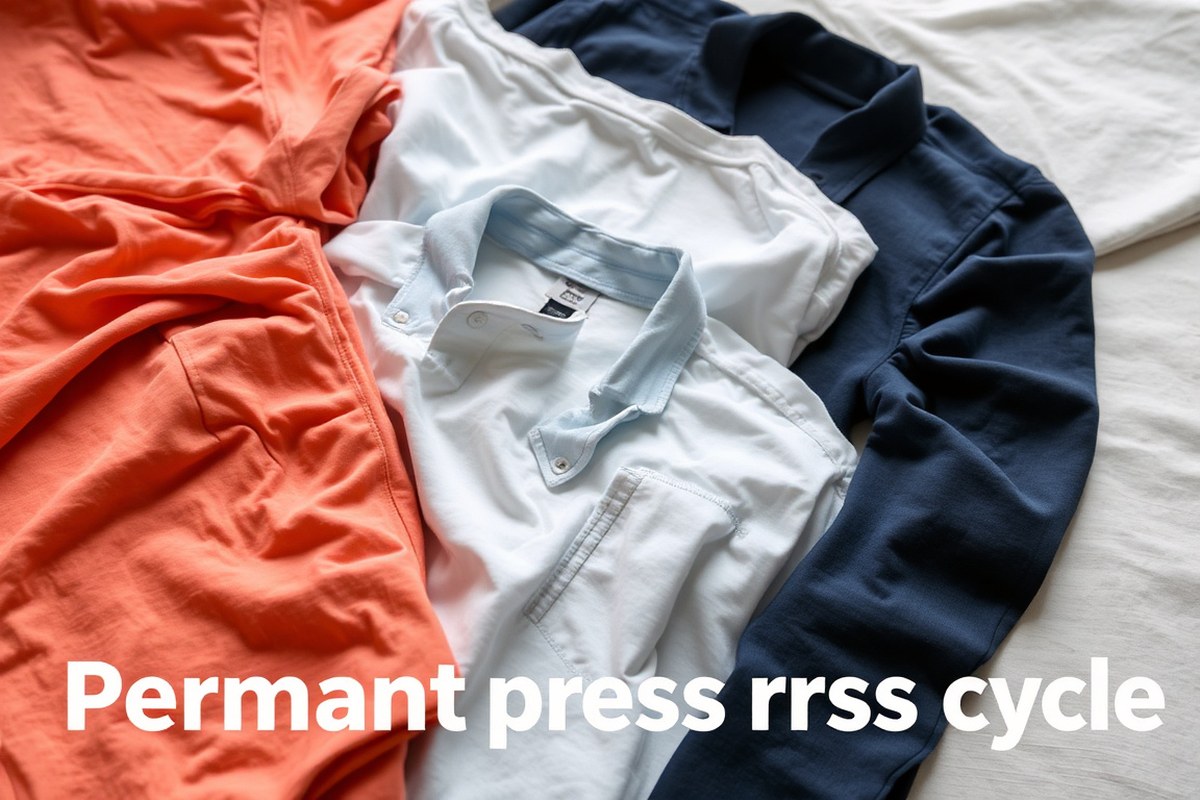
The permanent press cycle works best with lightly soiled fabrics that are prone to wrinkling. It is ideal for synthetic fibers, synthetic blends, and wrinkle-prone natural fabrics treated with wrinkle-release finishes. Common materials suitable for this cycle include polyester, rayon, nylon, and cotton blends. These fabrics benefit from the cycle’s gentle washing action and moderate heat during drying, which help reduce wrinkles and fabric damage.
Garments that suit the permanent press cycle include synthetic dress shirts, blouses, slacks, lightweight casual wear, and gym clothes. Swimwear and other activewear with synthetic blends also respond well to this cycle because of its lower-temperature wash and spin settings. On the other hand, heavy fabrics such as denim, towels, or bulky bedding should avoid this cycle since its gentler agitation and lower temperatures may not clean or rinse these items effectively.
- Synthetic fabrics like polyester, nylon, and rayon
- Synthetic blends such as cotton-polyester shirts and blouses
- Dress shirts and slacks made from wrinkle-resistant fabrics
- Lightweight casual clothing prone to wrinkling
- Gym and swimwear with synthetic blends
- Avoid heavy or bulky fabrics like towels, denim, or thick sweatshirts
- Do not use for delicate or embellished fabrics such as silk, lace, or sequined garments
Using the permanent press cycle on suitable fabrics prevents excessive shrinkage and protects fabric integrity. It also limits wrinkles so you can skip or reduce ironing. Some cotton items, particularly those without permanent press finishes, may shrink under permanent press settings and are better suited for the cotton cycle. Always check care labels for fabric type and washing recommendations before selecting the permanent press cycle.
Choose the permanent press cycle for wrinkle-prone and synthetic blend garments, but never use it on delicate or heavily soiled bulky fabrics that require more aggressive cleaning.
How Long Does the Permanent Press Cycle Take and What Temperatures Does It Use?
The permanent press cycle typically lasts between 45 and 60 minutes in the washing machine. This duration balances effective cleaning with wrinkle prevention by using a medium-length wash and spin. The cycle uses warm water temperatures ranging from about 86°F to 104°F (30°C to 40°C) for washing, followed by a cool rinse. The cooler rinse helps to relax fabric fibers and reduce wrinkles before spinning.
Spin speed during the permanent press cycle is slower than in a regular wash cycle. This slower spin reduces fabric stress and prevents wrinkles from setting in. Because agitation is gentler but still effective, the cycle can be shorter than a heavy-duty wash but longer than a delicate cycle, maintaining fabric care without compromising cleanliness.
On the drying side, the permanent press cycle uses a medium heat setting, which is lower than the high heat of the cotton cycle. Medium heat typically ranges from about 125°F to 135°F (52°C to 57°C). This heat level dries clothes efficiently without overheating, which could damage synthetic fabrics or cause excessive wrinkling. The cycle is slightly shorter than the regular dry setting, helping to protect clothes by limiting exposure to heat.
Also, the dryer often features a cool-down or wrinkle-release phase at the end of the permanent press cycle. This phase uses no heat or very low heat while tumbling clothing to help smooth out wrinkles before you remove them. Using fabric softeners or dryer sheets during this cycle can further reduce wrinkles and static, improving the overall finish of your clothes.
Controlling temperature carefully during both washing and drying is key to fabric care. Warm water cleans effectively without the harshness of hot water, which can shrink or fade some fabrics. Similarly, medium dryer heat prevents damage to synthetic blends common in permanent press garments. Too high a temperature risks ruining fabric coatings or causing wrinkles to harden, while too low might leave clothes damp and wrinkled.
Variations in cycle length and temperature can occur depending on your specific washing machine or dryer brand and model. Some machines may label the permanent press dryer cycle as “perm press,” “casual,” or “wrinkle control,” but they all aim to balance cleaning efficiency and wrinkle protection using medium heat and controlled timing. Always check garment care labels to confirm these settings suit your laundry load.
How to Use the Permanent Press Cycle Properly on Washer and Dryer
Using the permanent press cycle correctly starts with sorting your laundry, loading the machines properly, and selecting the right settings to protect your clothes and reduce wrinkles. Following the steps below ensures better cleaning results while keeping fabrics in good shape.
Sorting Clothes by Fabric and Color
Separate your laundry by fabric type and color to avoid damage and color transfer. The permanent press cycle is best for synthetic blends, wrinkle-resistant fabrics, and clothes labeled “permanent press” or “easy care.” Avoid mixing delicate fabrics or heavy cottons with these items.
Wash colors separately from whites and light colors to prevent bleeding or fading. Since the permanent press cycle uses cooler water, it helps maintain color intensity, but sorting remains important for best results.
Loading the Washer and Dryer Correctly
Do not overload the washer or dryer, as this can reduce cleaning efficiency and increase wrinkling. Aim to fill the machine about two-thirds full to allow clothes room to move. Overstuffing prevents proper agitation and spinning, which the permanent press cycle relies on to remove wrinkles.
For both washer and dryer, distribute clothes evenly around the drum. This balance prevents excess vibration and uneven drying while maintaining the cycle’s gentle motion. Avoid including heavy items such as towels or jeans with your permanent press load to protect lighter fabrics.
Operating the Permanent Press Settings
Make sure to select the permanent press cycle on both your washer and dryer to activate the correct water temperature, spin speed, and drying heat.
- Check clothing labels for “permanent press” or “tumble dry” instructions and sort accordingly.
- Sort laundry by color and fabric, grouping synthetics and blend fabrics together.
- Load the washer loosely, filling no more than two-thirds of the drum capacity.
- Add detergent recommended for the load size and soil level, avoiding excessive amounts.
- Choose the permanent press cycle on the washer. This typically uses warm or cool water with moderate agitation and slower spin speeds.
- If available, use the pre-soak option for heavily soiled items to improve stain removal.
- After washing, transfer clothes immediately to the dryer and select the permanent press drying cycle, which uses medium heat and a cool-down phase to reduce wrinkles.
- Remove clothes promptly when the cycle ends to prevent additional wrinkles from setting.
Following these steps helps keep your clothes looking fresh longer, reduces the need for ironing, and extends the life of wrinkle-resistant fabrics. Using the permanent press cycle properly takes just a few extra moments but can significantly improve your laundry results.
Permanent Press vs Gentle and Cotton Cycles: Key Differences and When to Choose Each
Permanent press cycles differ from gentle and cotton cycles primarily in how they treat fabrics through agitation, temperature, and spin speed. Permanent press offers a balance that reduces wrinkles and protects synthetic blends. Gentle cycles minimize wear for delicate fabrics, while cotton cycles use more intense settings suited for durable, heavily soiled cottons.
Agitation and Spin Speed Differences
Permanent press cycles use moderate agitation to prevent fabric stress and reduce wrinkling. Their spin speed is slower than cotton cycles but faster than gentle cycles, striking a balance that removes enough water to shorten drying time without damaging fibers. Gentle cycles use the lowest spin speed and gentlest agitation, ideal for fragile fabrics like lace and wool. Cotton cycles rely on high agitation and fast spin speeds to clean heavily soiled, absorbent cotton efficiently. The combination of these settings means permanent press is less harsh than cotton cycles but more effective at water extraction than gentle cycles.
Temperature Settings Compared
Permanent press cycles typically use medium heat, often around 40 °C (104 °F), to reduce wrinkling and protect synthetic fibers. Gentle cycles use the lowest temperatures to avoid shrinking or weakening delicate materials. In contrast, cotton cycles operate at higher temperatures, sometimes up to 90 °C (194 °F), to thoroughly clean and disinfect heavily soiled cotton fabrics.
Lower temperatures in permanent press cycles help prevent fabric damage while maintaining cleaning effectiveness for blended fabrics. High temperatures in cotton cycles suit whites and sturdy garments but may cause fading or shrinkage in more sensitive items.
Fabric Types and Soil Level Recommendations
Permanent press is best for moderately soiled synthetic fabrics and synthetic-natural blends that benefit from wrinkle reduction. Gentle cycles suit lightly soiled, delicate fabrics that require careful handling, such as lace and wool. Cotton cycles work well for heavily soiled, durable cottons and fabrics that tolerate intensive washing. Choosing the appropriate cycle based on fabric and soil level ensures effective cleaning without unnecessary wear or wrinkling.
| Cycle | Agitation | Spin Speed | Temperature | Fabric Suitability | Soil Level |
|---|---|---|---|---|---|
| Permanent Press | Moderate | Medium | ~40 °C (104 °F) | Synthetic & blends | Moderate |
| Gentle | Low | Low (slow spin) | Low | Delicates (lace, wool) | Light |
| Cotton | High | High (fast spin) | 40-90 °C (104-194 °F) | Durable cottons | Heavy |
Using the right cycle matches your fabrics’ needs and soil levels, reducing wear and wrinkles. Permanent press was introduced in the 1950s to care for synthetic materials gaining popularity, bridging the gap between delicate and heavy-duty washing.
Tip: Avoid using high-temperature cotton cycles on synthetic or blended fabrics to prevent shrinking and excessive wrinkling.
Common Mistakes Using Permanent Press and How to Fix Them
Permanent press cycles can lose their wrinkle-reducing benefit and even damage fabrics if certain common mistakes happen. One key error is overloading the washer or dryer. Since permanent press works best with a lightly loaded machine containing items of similar weight, stuffing it full prevents proper tumbling and heat distribution. To fix this, wash fewer clothes per load to allow enough space for fabrics to move freely and release wrinkles.
Using a wash cycle that’s too hot is another frequent problem, especially with synthetic blends. Permanent press cycles use cooler, gentler temperatures compared to cotton cycles, typically around 95°F to 104°F (35°C to 40°C). Choosing a higher heat wash can cause shrinkage and excessive wrinkles. Always select the cooler permanent press setting for synthetic fabrics. If your machine doesn’t provide exact temperatures, opt for the permanent press or synthetic setting rather than cotton.
Not using the dryer’s cooldown phase can leave clothes wrinkled or cause fabric stress. This phase replaces warm air with room temperature air near the cycle’s end to reduce wrinkling, shrinking, and fiber damage. Avoid interrupting the cycle early or switching to high heat after the permanent press dry. Allow the full cycle to complete for best fabric care.
- Overloading washer or dryer limits tumbling, wash smaller loads
- Using too-hot water damages synthetic blends, choose cooler permanent press wash
- Skipping dryer cooldown increases wrinkles, complete the full dry cycle
- Mixing heavy and lightweight items causes uneven drying, dry similar fabrics together
- Leaving clothes in washer or dryer after cycle causes wrinkles, remove promptly
When clothes still come out wrinkled, try tossing a damp washcloth or ice cubes into the dryer and running a short permanent press cycle. This adds moisture and heat to relax wrinkles without over-drying. Alternatively, remove clothes promptly and give them a quick steam using an iron or handheld steamer while still slightly damp.
Fixing these mistakes is mainly about careful loading, setting correct temperatures, and respecting the dryer’s cooldown step. While the permanent press cycle protects fabrics by reducing wear and preventing shrinkage, its effectiveness depends on following these simple practices. This approach usually costs no more than time spent adjusting loads or settings and some care in handling clothes after the cycle ends.
How the Permanent Press Dryer Cycle Protects Clothes During Drying
The permanent press dryer cycle uses medium heat, usually around 130°F to 150°F, to gently dry clothes while protecting their fibers. This temperature range is lower than the high heat settings often used for cotton or heavy fabrics. By drying clothes more slowly and at a moderate temperature, the permanent press cycle helps prevent shrinkage, fading, and wear that high heat can cause. It also reduces the risk of over-drying, which can weaken fabric and create static.
The cycle includes a critical cool-down phase near the end, where the dryer tumbles clothes without heat or with minimal heat for about five to ten minutes. This cool-down period allows fibers to relax before the clothes finish drying. Cooling prevents sudden temperature changes that can cause wrinkles to set in and reduces the need for ironing or steaming later. Since wrinkles form when hot clothes cool down while still compressed, this gradual cooldown fairly ‘resets’ the fabric, keeping it smoother.
This two-phase approach, medium heat drying followed by a cool-down, also cuts energy use compared to longer, high-heat drying cycles. The medium heat dries clothes efficiently without pushing the fibers too hard. Then, the cool-down phase uses little or no energy while still tumbling, helping distribute remaining moisture evenly. Running this cycle takes about 30 minutes, balancing careful fabric care with convenience.
To get the best results from the permanent press cycle, always remove clothes promptly once the cycle finishes. Leaving them in the dryer can allow wrinkles to form despite the cooldown. For heavier permanent press garments or mixed loads, choose shorter cycles if available, to prevent overdrying. Some newer models automatically adjust heat and cool-down length based on load size and moisture sensors, which can improve wrinkle reduction and energy efficiency further.
Using the permanent press cycle regularly extends your clothes’ lifespan. Since it reduces the need for ironing, it lowers the daily mechanical stress that comes from heat and pressing. Over time, this gentle drying cycle helps maintain the garment’s shape, color, and texture better than high-heat or extended drying cycles.
How to Maximize Wrinkle Reduction and Fabric Care with Permanent Press
Maximizing wrinkle reduction and keeping fabric quality when using the permanent press cycle depends on careful preparation and care after washing. Using the right detergent, avoiding overloading your washer, and properly drying and removing clothes all play important roles in getting the best results and extending the life of your garments.
Choosing the Right Detergent and Load Size
Use a detergent designed for synthetic or permanent press fabrics, as these are formulated to clean effectively without damaging fibers. Avoid using too much detergent, since excess soap can leave residue that stiffens clothes and contributes to wrinkles. Generally, follow the detergent manufacturer’s guidelines but reduce the amount slightly if your water is soft.
Load size matters too. Overloading the washer prevents clothes from moving freely during the wash and rinse cycles, which can cause extra wrinkling. Fill your machine about three-quarters full for best agitation and rinsing. Smaller loads promote thorough cleaning and reduce creasing.
- Use detergent labeled for permanent press or synthetic fabrics
- Follow dosing instructions, adjusting for water hardness and load size
- Keep load size at about 75% capacity to allow fabric movement
- Sort laundry by fabric type and recommended cycle
- Fasten zippers and close buttons to avoid snagging
Avoiding Overdrying to Prevent Wrinkles
The permanent press dryer cycle uses medium heat and a cool-down period to minimize wrinkles without damaging fabrics. Removing clothes promptly when the cycle ends is critical. Leaving clothes sitting in the dryer allows wrinkles to set, defeating the benefits of the cycle.
If your machine doesn’t have a permanent press setting or if clothes are still damp, air drying for a short time can help. Overdrying with high heat increases fabric wear and deep creases. Adjust dry time based on load size and fabric thickness, checking periodically to avoid overdrying.
Set a timer or alert to remove clothes immediately once the permanent press cycle finishes to prevent wrinkles from settling in.
Proper Folding or Hanging After Drying
After drying, promptly take clothes out and smooth out wrinkles by shaking each item before folding or hanging. Hanging clothes immediately after drying prevents wrinkles from forming as they cool.
When folding permanent press garments, avoid tight creases. Instead, fold along natural seams or gently roll items like shirts and pants to reduce sharp lines. Use hangers with wide, cushioned shoulders for shirts and jackets to maintain shape and prevent shoulder bumps.
Step-by-Step Action Plan for Using the Permanent Press Cycle
Follow these steps to use the permanent press cycle effectively and protect your clothes from wrinkles and damage.
- Before you start: Sort your laundry by fabric type, choosing permanent press settings only for synthetic blends, dress shirts, or wrinkle-prone items. You’ll know you sorted correctly if your load contains mostly polyester, rayon, or cotton blends.
- Loading the washer: Load garments loosely to allow water and detergent to circulate well, which prevents excess wrinkling. The clothes should feel evenly spread, not packed tight.
- Setting the washer: Select the permanent press cycle with warm water and a slower spin speed. Confirm the washer displays the correct temperature and cycle time, typically around 45 minutes.
- Dryer setup: After washing, transfer items promptly to the dryer and select the permanent press setting with medium heat and a cool-down phase. You should notice clothes aren’t overdried or overly wrinkled after drying.
- During drying: Pause and shake out clothes halfway through the drying cycle to reduce wrinkles further. Clothes should feel less tangled and more relaxed when you do this.
- After drying: Remove clothes immediately when the cycle ends to avoid setting creases. The fabrics should feel smooth and ready to wear or fold.
- Maintenance: Clean your washer and dryer filters regularly to maintain proper airflow and cycle performance. Efficient machines reduce drying time and protect fabric fibers.
- Practice: Use this routine consistently for wrinkle-prone fabrics, adjusting water temperature or dry time only if you notice fading or fabric stress.
Frequently Asked Questions
Can I Use the Permanent Press Cycle for Bed Sheets?
Yes, the permanent press cycle works well for bed sheets to reduce wrinkles and keep them smooth. It uses moderate agitation and a cool-down phase to help maintain fabric quality during washing and drying.
Does Permanent Press Protect Colors Better Than Other Cycles?
The permanent press cycle is gentler, helping maintain colors longer than high-heat or heavy-duty cycles. Its cooler drying temperature reduces fading and fabric stress.
Can I Wash Towels on the Permanent Press Cycle?
It’s not ideal to wash towels on permanent press because they need heavy-duty washing for cleanliness. Use regular or heavy-duty cycles for towels to ensure proper cleaning and sanitizing.
Will the Permanent Press Cycle Shrink My Clothes?
Permanent press cycles use moderate heat to prevent excessive shrinking but may cause slight shrinkage in some fabrics. Always check garment labels before using this cycle.
Is the Permanent Press Cycle Suitable for Clothes with Embellishments?
Yes, this cycle is safer for clothes with embellishments since it uses gentler agitation and cooler temperatures that reduce damage risk.
How Does the Permanent Press Cycle Save Energy Compared to Regular Cycles?
Permanent press cycles often use lower temperatures and shorter drying times, reducing overall energy consumption while still effectively cleaning and drying clothes.
Wrapping Up
The permanent press cycle is designed to gently clean and dry your wrinkle-prone clothes, using medium heat and slower spin speeds to protect fabric fibers. Using it properly preserves your garments’ appearance and extends their lifespan. Try selecting permanent press for your synthetic blends or favorite shirts next laundry day to keep them smooth and ready to wear with less ironing.