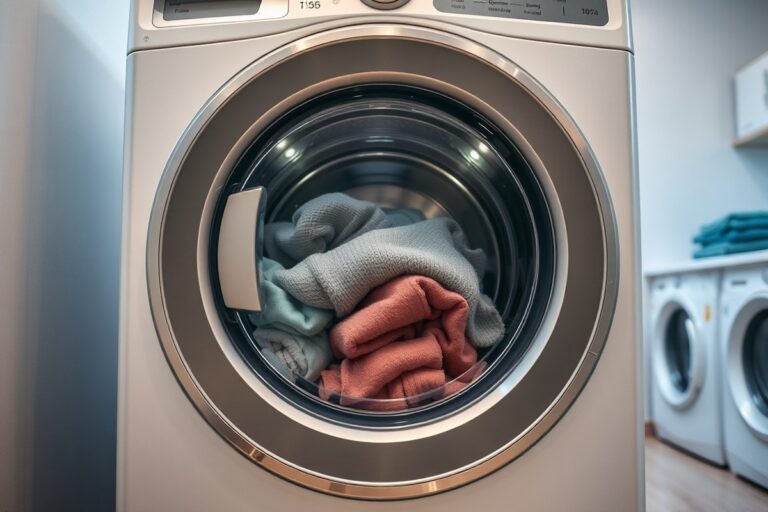
What Does Permanent Press Mean on Washing Machine: Complete Guide & Key Tips
Permanent Press on a washing machine is a cycle designed to reduce wrinkles and creases in clothes by using warm water and a gentle spin. This cycle also includes a cooler rinse and slower spin speed to minimize fabric stress. It suits fabrics that wrinkle easily, helping you keep laundry smoother with less ironing.
This explanation is for anyone wanting better laundry results, whether you own or rent a washer. You will learn how Permanent Press works, which clothes benefit most, and how to avoid common mistakes when using the cycle.
Key Takeaways
- Permanent Press cycles use warm water with a cooler second rinse to protect fabric from excessive heat damage.
- The gentle spin speed in Permanent Press prevents deep creases from forming during washing.
- Fabrics like polyester blends and wrinkle-prone synthetics benefit most from Permanent Press settings.
- Pure 100% cotton may shrink or wrinkle more if washed on Permanent Press, especially with warm water.
- Permanent Press dryer cycles typically run 30 to 60 minutes and may include moisture sensors to avoid overdrying.
- Adjust Permanent Press settings on advanced machines to fit fabric type by changing water temperature or spin time.
What Does Permanent Press Mean on a Washing Machine?

The permanent press setting on a washing machine is a specific cycle designed to reduce wrinkles and creases in clothes, especially those made from synthetic fibers or blends. Its basic function is to wash clothes gently while using a slower or more moderate spin cycle. This helps prevent the typical twisting and tangling that can cause fabric to crease during standard washing cycles.
This cycle usually runs between 30 and 60 minutes, depending on the model of your washing machine. It combines warm water washing with a gentle agitation process, which cleans clothes without stressing the fabric. The spin cycle in permanent press is less intense than normal, which further limits how much the clothes get wrinkled by tumbling against the sides of the drum. Many newer models offer options to adjust the water temperature and spin speed within the permanent press setting for better customization based on fabric type and soil level.
Using permanent press is particularly important for clothing items that can lose their shape or become harder to iron when exposed to harsh washing conditions. Fabrics like polyester, rayon, and blends require this careful handling to maintain a smooth appearance. The moderate agitation and reduced spin not only help keep wrinkles at bay, but also extend the life of these garments by reducing wear and tear during the wash. This setting balances cleaning power with fabric care, unlike a delicate cycle, which tends to be slower and uses cooler water, or a regular wash cycle, which can be harsher on fabrics.
To use the permanent press cycle correctly, load your washing machine without overfilling it, as cramming too many clothes in can create wrinkles regardless of cycle choice. Select the permanent press option on your machine’s control panel. Your machine might let you adjust the temperature to warm or lukewarm water, which cleans well and reduces fabric wear. After the wash, promptly remove clothes or select a permanent press drying cycle, if available, to maintain wrinkle resistance.
Choosing permanent press does not typically add to your water or energy costs compared to a regular wash, but it may take slightly longer because of the gentler settings. The trade-off comes in reduced ironing time and less fabric damage. Heavily soiled fabrics might not get fully clean on permanent press, so this cycle works better for lightly to moderately dirty clothes that need wrinkle care. Avoid using this cycle for heavy cotton or strong fabrics, which may require a more vigorous wash.
How the Permanent Press Cycle Works to Reduce Wrinkles

The permanent press cycle works by using warm water, gentle agitation, and a slower spin speed to reduce wrinkles and protect fabric quality. It differs from the normal cycle by using lower temperatures and less vigorous spinning, while it is milder than normal but more strong than delicate. This balance helps prevent creases while still cleaning clothes effectively.
Warm Water Temperature Use
Warm water is an ideal choice for the permanent press cycle because it cleans clothes better than cold water without causing the shrinkage or damage hot water can trigger. Warm water typically ranges from 90°F to 110°F, enough to dissolve detergents and remove dirt from synthetic fabrics and blends without harsh effects.
This temperature level maintains the integrity of fabric finishes and colors, particularly for garments labeled as permanent press. Warm water is less stressful on these materials than the hot water used in normal cycles, which is best reserved for heavily soiled cotton or denim items.
Gentle Agitation and Spin Cycle
The permanent press cycle applies gentler agitation compared to the normal wash cycle. This means the washing machine drum moves more slowly or for a shorter duration during the wash cycle to reduce stress on fabrics. Aggressive agitation may create wrinkles and degrade the fabric’s strength, which permanent press settings aim to avoid.
Spin speed is also reduced to slow or moderate rates, generally lower than the fast spin used in normal or heavy-duty cycles. Slower spinning helps minimize creasing and fabric wear while still removing enough water to shorten drying time.
Cooler Rinses and Final Spins
Permanent press cycles often include a cool water rinse that follows the warm wash. The cooler rinse helps remove detergent residues without further heat exposure, which might cause fabrics to crease or fade. This step locks in wrinkle prevention by calming the fibers before they are spun.
The final spin speed remains slow to moderate, continuing to protect fabric integrity and reduce wrinkles. This contrasts with higher spin speeds that can lead to more wrinkles but are common in normal cycles focused on quick drying. The following steps summarize how the permanent press cycle functions in a typical washing machine:
- Fill the tub with warm water (around 90°F to 110°F) to start the wash.
- Begin gentle agitation to loosen dirt without stressing fabrics.
- Drain the wash water fully to prepare for rinsing.
- Fill the tub again with cold or cooler water for the rinse phase.
- Continue gentle agitation during the rinse to remove soap.
- Spin the clothes slowly to extract water but limit wrinkles.
- Drain the tub and finish the cycle, ready for drying.
Choose permanent press for blends and synthetic fabrics to reduce wrinkles, but avoid using it for very delicate or heavily soiled garments. Always check care labels to match the setting to your clothes’ needs.
| Setting | Water Temperature | Agitation | Spin Speed | Best For |
|---|---|---|---|---|
| Permanent Press | Warm (90°F, 110°F) | Gentle | Slow | Synthetic fabrics, blends, casual wear |
| Normal | Hot (above 110°F) | Fast, vigorous | Fast | Cotton, denim, everyday items |
| Delicate | Cold (below 80°F) | Very gentle | Slow | Silk, lace, delicate fabrics |
Which Clothes and Fabrics Benefit Most from Permanent Press
Permanent press works best with fabrics that tend to wrinkle but don’t need extremely gentle treatment. It suits synthetic fibers, fabric blends, and wrinkle-prone clothes such as office wear and casual shirts. Avoid delicate fabrics or heavily soiled items, which require different cycles or special care.
Suitable Fabrics and Blends
The permanent press cycle is tailored for synthetic fabrics like polyester, nylon, and acrylic. These fibers wrinkle easily but respond well to the moderate agitation and warm rinse in permanent press. Fabric blends that combine synthetics with natural fibers, such as polyester-cotton or rayon blends, also benefit from this cycle because it reduces wrinkles without damaging the fabric.
Synthetic and blended fabrics maintain their shape better under permanent press settings. Clothes like dress shirts, slacks, and polyester workwear often bear this label or similar instructions, making permanent press the ideal washing method.
- Polyester and nylon garments
- Rayon and polyester blends
- Casual office wear like blouses and dress shirts
- Wrinkle-prone fabrics prone to creasing in regular cycles
- Lightly soiled synthetics and blends
These fabrics thrive on the permanent press cycle’s warm water temperature (typically around 80°F to 105°F) and slower spin speed. This combination helps relax wrinkles while protecting the fibers from excessive wear.
Garments to Avoid
Clothes that need special attention should not go through the permanent press cycle. Delicate fabrics such as silk, lace, lingerie, and wool require gentle or hand-wash settings to avoid damage. Heavy-duty items like thick blankets or work clothes with heavy dirt build-up are better washed on stronger cycles with hotter water to ensure thorough cleaning.
Heavily soiled clothes may need hotter water and longer wash times, which the permanent press cycle does not provide. Using this cycle for those items can leave dirt trapped and cause premature wear due to inadequate cleaning.
- Silk and lace garments
- Wool and delicate knitwear
- Lingerie and items marked “hand wash only”
- Heavy towels and thick blankets
- Very dirty or greasy work clothes
- Garments that require hot water washes
Following care instructions carefully can help you avoid fabric damage or ineffective washing by using an unsuitable cycle like permanent press for these items.
Special Care Labels to Watch
Checking the label on your clothing provides the best guidance on whether permanent press is a good fit. Look for tags that mention “permanent press,” “machine wash warm,” or indicate synthetic fiber content. Labels warning “delicate,” “hand wash,” or featuring a symbol of a hand in a tub hint at gentler care needs.
Many synthetic and wrinkle-prone fabrics carry a permanent press recommendation on their tags, which signals that moderate washing and reduced tumbling protect the garment’s finish. Clothes with bright colors or prints can also benefit from permanent press, as the cycle uses warm rather than hot water, helping prevent color fading.
- Look for “Permanent Press” or “Machine Wash Warm” on labels
- Avoid labels saying “Delicate,” “Hand Wash Only,” or “Dry Clean Only”
- Check fiber content for synthetics and blends
- Note special instructions on temperature and spin speed
- Separate clothes by care labels before washing
Sorting laundry by care label instructions and fabric type lets you make the most of the permanent press cycle, reducing wrinkles and extending the life of your clothes.
How Permanent Press Differs Between Washing Machines and Dryers
The permanent press cycle on washing machines and dryers serves the same main purpose: to reduce wrinkles by using gentler heat and specific agitation or tumbling patterns. On washing machines, this cycle typically uses warm water and a slower spin speed to prevent fabric stretching and damage. Dryers use a complementary setting with a lower heat level and cooldown period that helps minimize wrinkles formed by high temperatures.
Permanent press cycles on washers and dryers work together by treating fabrics gently through the entire laundry process. Washing machines avoid aggressive agitation and fast spins that can cause wrinkling and shrinkage. Dryers then continue this gentle care by drying at moderate temperatures (usually below 140°F or 60°C) and often include a cooldown or intermittent tumbling phase, which prevents clothes from sitting still in a hot drum where wrinkles set quickly. Below is a comparison of typical features for permanent press cycles on washers versus dryers, based on common settings found in modern home appliances:
| Feature | Washing Machine | Dryer |
|---|---|---|
| Water Temperature | Warm (around 80°F to 110°F / 27°C to 43°C) | Not applicable |
| Cycle Duration | About 30 to 45 minutes | 30 to 60 minutes |
| Spin Speed | Slower than normal to reduce wrinkles | Not applicable |
| Drying Temperature | Not applicable | Lower heat, commonly below 140°F (60°C) |
| Tumbling Pattern | Gentle agitation | Intermittent tumbling & cooldown to prevent wrinkles |
| Energy Efficiency | Often energy-efficient cycle options | May include sensor drying to reduce energy use |
Setting your washer and dryer to permanent press ensures clothes face less stress from harsh spinning and drying conditions. Lower heat in dryers reduces risks of shrinking or weakening synthetic fabrics like polyester blends, which permanent press cycles target. A typical permanent press drying phase lasts 30 to 60 minutes, sometimes automatically stopping when sensors detect dryness, conserving energy while protecting garment integrity.
For best results, load your washer and dryer appropriately, avoid overloading to allow clothes to move freely. Use the permanent press setting on both machines and remove clothes promptly after drying to prevent wrinkles from setting in. If your dryer does not have specific permanent press options, choose a lower heat or delicate cycle to mimic the gentler drying approach.
Common Mistakes When Using Permanent Press and How to Fix Them
Using the permanent press cycle improperly can reduce its effectiveness and lead to wrinkles or fabric damage. One common mistake is overloading the washing machine. Crowded loads prevent clothes from moving freely, so they do not rinse or spin correctly. The extra weight also increases fabric wrinkles despite the cycle’s gentle tumbling. Aim to fill the drum about halfway to three-quarters full, giving garments room to circulate.
Detergent choice and dosage also impact results. Some permanent press cycles work best with specialized detergents that help preserve fabric finish and prevent excess suds. Using too much detergent creates residue that can make clothes stiff and crease-prone. Use the detergent amount recommended on the label or by your machine’s manual for permanent press settings.
Loading errors like mixing fabric types affect the quality of the wash. Putting heavy items like towels or jeans together with your permanent press load can cause uneven agitation. Stick to similar-weight garments and intended fabric types, such as cotton blend shirts or synthetic fibers labeled “permanent press.” Following garment care labels also prevents damage to sensitive fabrics that permanent press cannot fully protect.
- Avoid overloading beyond 50% to 75% capacity for better tumbling.
- Use detergents designed for permanent press fabrics or mild formulas.
- Sort laundry by fabric type and weight to avoid uneven spinning.
- Do not ignore care labels even if you use permanent press.
- Start with cold or warm water settings unless the garment label specifies otherwise.
- Run the permanent press cycle with a cool-down period or slower spin speed if your washer allows.
Loading too few clothes also has drawbacks. A small load may tumble too vigorously and cause wrinkling, offsetting one benefit of permanent press. Balance size and fabric type for a smoother cycle. Pay attention to your machine’s recommended load size for permanent press.
For best wrinkle reduction, always use the lowest spin speed available on your permanent press setting and avoid high heat in drying.
Practicing these tips helps maintain fabric condition and achieve the crease-resistant finish permanent press is designed for. Skipping them often leads to frustration over the cycle’s performance and unintended wear to your clothes.
Step-by-Step Guide to Using the Permanent Press Cycle Properly
Using the permanent press cycle correctly means sorting laundry well, choosing the right settings, and drying clothes promptly to reduce wrinkles and shrinkage. Following specific steps before and after washing helps keep your garments looking smooth and fresh.
Sorting Clothes for Permanent Press
Sort your laundry to protect fabric quality and color. Separate permanent press items like synthetic blends, polyester, and wrinkle-prone cotton from heavier items such as towels or denim. Also, sort clothes by color to prevent color bleeding during the wash.
Choosing the right fabrics for the permanent press cycle matters because it washes and spins gently, minimizing new wrinkles on delicate or wrinkle-prone fabrics. Avoid mixing permanent press clothes with items needing a heavy or delicate cycle to prevent damage or poor cleaning.
Selecting the Proper Settings
Set your washing machine to the permanent press cycle, which uses a medium spin speed and warm water to reduce wrinkles while efficiently cleaning. Warmer temperatures help remove soils on synthetic or blended fabrics without shrinking or fading them.
The slower spin cycle is key for wrinkle prevention, so don’t switch to a faster spin even if your machine allows. Use detergent suited for your load size and fabric type to improve washing results. The typical wash cycle time for permanent press is around 50 to 60 minutes, balancing cleaning and fabric care.
Timely Removal and Drying Tips
Remove clothes from the washer as soon as possible after the cycle finishes to stop wrinkles from setting. Prompt transfer to the dryer or line drying helps maintain smoothness.
Dry permanent press items using the permanent press drying cycle, which runs on medium heat and includes a cool-down period. This reduces heat damage and prevents clothes from shrinking or becoming too wrinkled. Avoid over-drying, ideally stopping when clothes are slightly damp.
- Check clothing labels to confirm they are suitable for permanent press wash.
- Sort clothes by fabric type and color to avoid color transfer and fabric damage.
- Load the washer without overfilling to allow clothes to move freely.
- Select the permanent press cycle on your washer, ensuring medium temperature and medium spin speed are set.
- Use appropriate detergent amount for your load and water hardness.
- Once the wash is done, remove clothes promptly to minimize wrinkles.
- Dry clothes on the permanent press dryer cycle, using medium heat and cool-down settings if available.
- Take clothes out immediately after drying and fold or hang them to keep them wrinkle-free.
Permanent Press vs. Other Laundry Cycles: Which to Choose?
Choosing between permanent press, normal, and delicate cycles depends on the fabric type and your cleaning needs. Permanent press suits synthetic and semi-synthetic fabrics, offering wrinkle reduction by using cold water and shorter wash times. Normal cycles target everyday durable fabrics like cotton, often with warm to hot water for deep cleaning but increased wear risk. Delicate cycles use gentle agitation and cold water to protect sensitive fabrics but might leave heavier soils.
| Feature | Permanent Press | Normal | Delicate |
|---|---|---|---|
| Water Temperature | Cold (usually below 80°F) | Warm to Hot (90°F to 140°F) | Cold (below 80°F) |
| Wash Time | Short (approximately 30 minutes) | Longer (40 to 60 minutes) | Shortest (20 to 30 minutes) |
| Agitation Intensity | Medium | High | Low |
| Best For | Synthetics, wrinkle-prone clothes | Cotton, durable everyday items | Silks, wool, lace, delicate blends |
| Shrinkage Risk | Low | Medium to High | Very Low |
| Pilling Risk | Low | Medium | Low |
| Wrinkle Reduction | Yes | No | No |
Use the permanent press cycle when washing clothes made from synthetic fibers like polyester or blends that wrinkle easily. It helps lower the chance of fabric damage by washing in cooler water and reducing agitation duration, which minimizes pilling. This cycle also lowers shrinkage risks compared to normal cycles, making it gentle but effective for everyday synthetic clothes.
Normal cycles clean heavily soiled cotton, linens, or durable fabrics better by using hotter water and stronger agitation. That deep cleaning comes with more wear and wrinkle formation, so avoid normal cycles for delicate or synthetic clothes prone to shrinkage or wrinkles.
Delicate cycles offer the gentlest treatment for sensitive fabrics like silk, lace, or wool where harsh agitation or heat might cause damage. Use it for items that need special care but avoid it for regular cotton blends as it might not clean those thoroughly.
You can wash normal clothes in the permanent press cycle if they are synthetic or moderately soiled, benefiting from the wrinkle control and gentler wash. However, heavily soiled cotton or durable items will clean better on the normal cycle.
When to Skip Permanent Press and Use Other Settings
Avoid using the permanent press cycle for very delicate fabrics like silk, lace, or cashmere. These materials require extra gentle handling, so choose the delicate cycle instead. Delicate cycles use slower spin speeds and milder agitation to prevent damage, shrinking, or pilling that the permanent press cycle’s moderate agitation might still cause. If your garment label specifies hand wash or delicate only, it’s best to skip permanent press.
Heavily soiled or bulky items like work clothes, towels, or jeans often need a cycle with stronger agitation and longer wash times to remove dirt completely. Permanent press cycles may not provide enough mechanical action or wash duration to clean these effectively. For these, choose the heavy-duty or normal cycle instead. These cycles use higher water temperatures, often around 130°F to 140°F, and more vigorous agitation to tackle tough stains.
Seasonal changes can also influence your cycle choice. In winter, when fabrics tend to retain more moisture and air-drying takes longer, you might avoid permanent press for thick sweaters and coats, opting instead for a heavy-duty cycle with an extra rinse to fully remove detergent residue. In warmer months, permanent press works well for everyday synthetic blends and wrinkle-prone garments to minimize ironing effort.
Check your garment’s care label for specific washing instructions and fabric type warnings. Use this simple checklist to decide when to skip permanent press: If the fabric is fragile, opt for delicate cycle; if the item is heavily soiled or bulky, use heavy-duty or normal cycle; if you need maximum wrinkle reduction in synthetic blends, permanent press is safe.
The cost of using the wrong cycle may be higher wear and tear on your clothing or insufficient cleaning. Delicate cycles may take 30 to 40 minutes with low-speed spins, while heavy-duty cycles can last 50 minutes or more with higher temperatures and stronger agitation. Permanent press cycles generally run 40 to 50 minutes at medium agitation and temperatures around 105°F to 115°F, balancing fabric care and wrinkle prevention.
Always separate laundry by fabric type and soil level before selecting a cycle to avoid accidental damage or poor cleaning results. Taking a moment to read care labels and assess condition saves time and expense on clothing replacement.
Step-by-Step Action Plan for Using the Permanent Press Cycle
Follow these steps to get the best results from your washing machine’s permanent press setting and reduce wrinkles effectively.
- Before loading: Sort your laundry, separating permanent press-friendly fabrics like polyester blends and wrinkle-prone clothes from heavy items or delicate fabrics.
- Loading the washer: Place clothes loosely in the drum without overloading to allow gentle agitation and proper rinsing.
- Select cycle: Choose the permanent press cycle on your machine, which includes a warm wash and cool-down rinse to minimize wrinkles.
- Detergent use: Use the recommended amount of detergent for the load size and water hardness to avoid buildup that can stiffen fabric.
- During the cycle: Avoid interrupting the cycle early, especially before the cool-down rinse, to ensure wrinkles are reduced.
- Removing clothes: Take out laundry promptly at the end of the cycle to prevent wrinkles from setting in.
- Drying: Use the permanent press setting on your dryer if available, or hang clothes immediately to dry to help maintain smoothness.
- Inspect after drying: Check clothes for wrinkles and smooth or lightly iron as needed to optimize appearance.
Frequently Asked Questions
What Is the Difference Between a Permanent Press Dryer and a Regular Dryer?
A Permanent Press dryer uses lower heat and a cool-down period to reduce wrinkles, unlike a regular dryer that uses higher heat and may cause more creasing. This setting helps protect synthetic and blended fabrics from damage.
How Often Do Japanese Do Laundry?
Japanese people typically do laundry every few days to keep clothes fresh, avoiding excessive washing that can wear fabrics faster. This frequency varies by household and lifestyle.
What Can I Use Instead of Permanent Press?
You can use the Gentle cycle as an alternative to Permanent Press for delicate fabrics, though it may not reduce wrinkles as effectively. Regular or Normal cycles are less ideal for wrinkle prevention.
Can I Wash Normal Clothes on Permanent Press?
Yes, you can wash normal clothes on Permanent Press, but it works best for synthetic blends and wrinkle-prone fabrics. Using Normal cycle might be more efficient for sturdy cotton items.
Does Permanent Press Use Hot or Cold Water?
Permanent Press generally uses warm water to help relax fabric fibers and reduce wrinkles without causing shrinkage. The exact temperature depends on your washer’s settings.
Can Permanent Press Shrink Clothes?
No, Permanent Press cycles use gentler washing and drying actions with lower heat, so they rarely cause shrinkage compared to regular cycles.
Before You Go
Permanent press on your washing machine helps protect fabrics and reduce wrinkles by combining a warm wash with a cool rinse and gentle agitation. Using it properly means sorting your clothes well and handling them promptly after washing. Try the permanent press cycle with your next suitable load to see how it can save time on ironing and keep your clothes looking neat. Take that first step by reviewing your laundry tags and machine settings before your next wash.