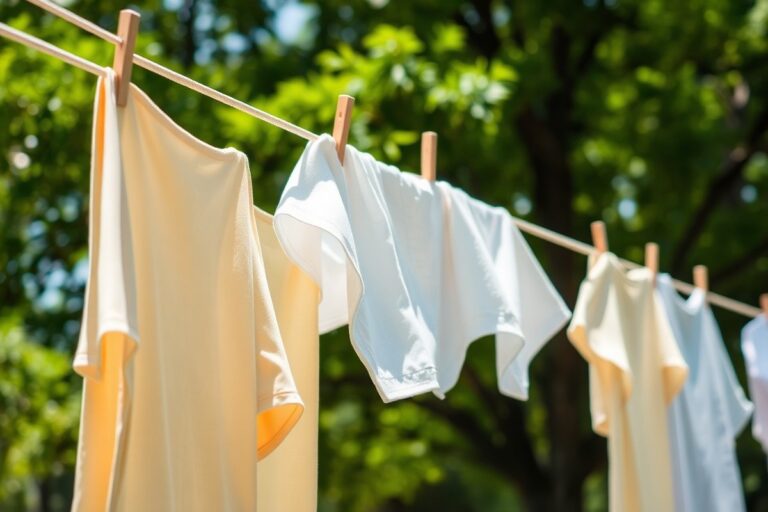
Does Warm Water Shrink Clothes? What Actually Happens and How to Control It
Yes, warm water can shrink clothes, particularly natural fibers like cotton and linen. The extent of shrinkage depends on the fabric type, water temperature, and washing method. Understanding these factors helps you avoid unwanted shrinking or use warm water intentionally to shrink certain items.
This information is for homeowners and renters focused on clothing care and fabric maintenance. You’ll learn how different fabrics react to warm water, what causes shrinking, and practical ways to control or reverse it effectively.
Key Takeaways
- Cotton clothes can shrink 2-3% or more when washed in warm water, especially if 100% cotton.
- Linen shrinks about 3-5%, requiring careful washing to avoid damage.
- Darks, wool, silk, and athletic fleece should be washed in cold or warm water using specialized detergents.
- Hot water over 120°F combined with high heat drying causes the most significant shrinkage.
- Check garments every 15 minutes during drying to prevent over-drying and excess shrinkage.
- Soaking clothes for about 30 minutes in warm water before rinsing can help control shrinkage levels.
Does Warm Water Actually Shrink Clothes?

Warm water can cause clothes to shrink, but its effect is generally milder compared to hot water. Warm water, typically around 90°F to 110°F (32°C to 43°C), starts to relax fabric fibers just enough to make them more prone to contraction. This effect happens because warm water opens up the fibers slightly, allowing them to tighten when drying. Hot water, however, usually above 120°F (49°C), opens fibers much more aggressively, leading to greater and more permanent shrinkage, especially in natural fabrics like cotton, denim, and wool.
In contrast, cold water keeps fabric fibers closed and stable, reducing the risk of shrinkage. This explains why cold water is recommended for delicate fabrics and clothes you want to maintain in their original size. The shrinking caused by warm water can be permanent if combined with heat from drying, such as putting clothes in a hot dryer. Warm water washing followed by air drying or low-heat drying usually leads to less severe or sometimes temporary shrinkage, as fibers can relax again without the stress of heat.
Practically, warm water is often a middle ground used for cleaning clothes that are not heavily soiled but still need more than a cold-water wash. For example, wool garments benefit from warm water washes paired with low heat drying to avoid the drastic shrinkage that hot water might cause. On the other hand, cotton items are more vulnerable to size reduction in both warm and hot water, but the impact will be lower with warm water alone.
To manage shrinkage when using warm water, you can control other factors like cycle length, spin speed, and drying method. Using a gentle wash cycle with a lower spin speed reduces fabric stress, which limits shrinking. Hanging clothes to air dry after warm washing helps reduce permanent shrinkage since heat is a stronger culprit than water temperature alone. When using a machine dryer, select a low or medium heat setting to reduce fiber contraction.
Warm water shrinkage matters because it can alter how your clothes fit and feel. To avoid unintended shrinkage, washing in cold water is the safest option. However, when mild shrinkage or fabric softening is desired, warm water can be effective. The key is understanding that warm water’s shrinking effect won’t be as dramatic or fast as hot water, but it can still be permanent depending on how long the fabric is exposed and how it is dried.
How Different Fabrics React to Warm Water

Shrinking happens when fibers in fabric contract after exposure to heat or water, reducing the garment’s size. Fabrics made from natural fibers like cotton and rayon tend to shrink more in warm water. Synthetic fibers usually resist shrinking because of their water-repelling (hydrophobic) chemical structure. Garments made from blends behave differently depending on their fiber composition, often balancing shrinkage effects.
Natural fibers like cotton absorb water readily, which causes the fibers to swell and then contract as they dry, leading to shrinkage that can range around 2-3% or more. Rayon, a semi-synthetic fiber, is very sensitive to heat and water and can shrink significantly if not handled carefully. Synthetic fibers such as polyester and nylon don’t absorb much water and maintain their size during wash cycles with warm water, although they may lose elasticity if blended with stretch fibers like spandex.
Understanding the behavior of these fibers helps you predict how clothes will react to warm water washing and decide the best care approach. Below is an overview of common fabrics and how they typically react to warm water exposure.
| Fabric Type | Shrinkage in Warm Water | Notes and Care Tips |
|---|---|---|
| 100% Cotton | 2-3% or more | Shrinkage happens because of high absorbency; to minimize it, wash clothes in warm water and dry them on low heat or lay them flat to air dry. |
| Rayon | Moderate to High | Semi-synthetic and heat-sensitive; soak 30 minutes, rinse in cool water to avoid excess shrinkage. |
| Polyester | Minimal to None | Hydrophobic fiber; stable in warm water, not prone to shrinking. |
| Nylon | Minimal to None | Also hydrophobic; retains shape well in warm water. |
| Spandex/Elastane Blends | Minimal Size Shrinkage, Elasticity Loss Possible | Heat can degrade stretch; avoid high temperatures to preserve elasticity. |
| Cotton/Polyester Blends | Low to Moderate | Shrinkage depends on cotton percentage; less than pure cotton but more than pure polyester. |
Stretch fabrics can lose elasticity when washed in warm water, so use cooler water and air drying to extend garment life.
The difference in shrinkage among fabrics means you should check labels before washing clothes in warm water. Blends with a higher synthetic content shrink less but might suffer elastic wear. For cotton-heavy items, expect some size reduction unless you avoid warm water or drying heat. Knowing these traits helps you control shrinkage effectively, whether you want to shrink a garment intentionally or maintain its size.
The Science Behind Fabric Shrinking in Warm Water
Fabric shrinkage during warm water washing results from changes within the fibers’ structure caused by heat and moisture. When your clothes encounter warm water, the water molecules penetrate into the fiber, causing it to swell. This swelling makes the fibers more flexible and mobile, allowing them to move closer together. This physical change is the starting point for shrinkage.
The temperature of the water affects how much the fibers move. Warm water increases the fibers’ energy level but usually does not reach the threshold to fully disrupt the bonds holding them in place. Hot water, defined as water at or above 140°F (60°C), shakes the fiber molecules more vigorously. This shaking can break and reform hydrogen bonds within the fibers. Hydrogen bonds act like tiny links connecting the long chains of molecules inside the fabric. When these bonds break and rearrange, fibers contract and settle into a smaller size. Warm water, which typically ranges between 90°F and 110°F, triggers some fiber swelling and limited mobility but less bond disruption compared to hot water.
Hydrogen bonds are critical for maintaining the stability and shape of fabric fibers like cotton and wool. These bonds form between molecular chains, and water temperature can influence their strength. In warm water, hydrogen bonds loosen slightly due to increased molecular motion but do not usually break as completely as in hot water. This partial loosening can allow fibers to relax slightly, which may lead to minor shrinkage. The process is also why thorough drying afterward can significantly affect the final size of the garment, the fibers contract more as they lose moisture and return to normal temperature.
The mechanism varies with fabric type. Natural fibers like cotton have many hydrogen bonds and swell more in water; synthetic fibers rely less on these bonds and respond differently. The swelling caused by absorbed water, combined with the temperature-induced molecular motion, makes the fibers flexible enough to realign and contract. Cleaning clothes before shrinking affects this process. Residual dirt or oils can block water penetration or affect fiber flexibility, resulting in less uniform shrinkage.
To achieve controlled shrinkage, the warm water must penetrate effectively, so using the correct washing machine settings plays a role. For example, a longer warm water wash or agitation increases fiber movement, improving shrinkage potential, but may risk fabric damage. Shrinkage is not instant; it depends on saturation time and temperature. Typical warm water cycles run at about 20 to 40 minutes, enough for some fiber swelling but less than hot water cycles used to maximize shrinkage.
The interaction of water molecules, heat, and hydrogen bonds explains why warm water causes some shrinkage but less than hot water. Drying afterward solidifies these changes, making moisture and heat management critical for fabric size control. Understanding these processes helps you manage shrinking more predictably based on the fabric and washing conditions.
Washing and Drying Practices That Affect Warm Water Shrinkage
Washing machine cycles and drying methods each play a key role in how much warm water causes clothes to shrink. Using gentler cycles with lower agitation reduces fiber tightening, while drying settings significantly influence whether the shrinkage continues, slows, or reverses. Paying attention to these factors lets you control warm water shrinkage intentionally or prevent it when unwanted.
Recommended Washing Machine Settings
To minimize shrinkage when using warm water, select washing machine cycles with low to moderate agitation and shorter wash times. Vigorous mechanical agitation causes fibers to tighten and can increase shrinkage in fabrics like cotton and denim. Choosing cycles labelled “delicate,” “hand wash,” or “permanent press” generally decreases the mechanical stress on clothes, preserving their size better.
Some modern washing machines offer eco-friendly or energy-saving cycles that use warm water but with gentler motion and reduced wash duration. These settings save energy and help maintain fabric integrity without excessive shrinking. Avoid long cycles or heavy-duty settings with warm water, as the combination of heat and strong agitation accelerates shrinkage.
Drying Methods and Their Impact
Heat from drying amplifies shrinkage effects after washing in warm water. High-heat tumble drying speeds up fiber contraction, which especially impacts fabrics like cotton and denim. For maximum shrinkage, drying on high heat right after a warm wash is effective, but it risks over-shrinking or adding wrinkles if left too long.
Air drying or low-heat drying reduces shrinkage by avoiding extreme temperature stress and mechanical tumbling. Sun drying while clothes are still damp from a warm wash can produce mild shrinkage naturally without damage. Avoid over-drying in a machine, as extended exposure to heat and tumbling increases fiber tightening and permanent shrinkage.
How to Adjust Agitation and Spin Speed
Mechanical agitation directly impacts fiber relaxation and tightening during washing. Lower agitation cycles reduce friction among fibers, preventing excess shrinkage. Similarly, spin speed controls how much water is extracted; higher spin speeds remove more water but also exert more wringing force on fabrics.
Reducing spin speed protects delicate fibers from intense wringing, keeping shrinkage minimal. For example, front loaders with spin speeds around 1200 rpm can leave clothes only damp, ideal for delicate warm water washes. Adjusting spin speed on washers with customizable settings lets you balance drying efficiency with fabric care. The following steps guide you to optimize washing and drying settings for managing warm water shrinkage:
- Select a gentle or delicate wash cycle that uses warm water.
- Use a moderate or low level of agitation to limit fabric stress.
- Choose the shortest wash duration consistent with cleaning needs.
- Set the spin speed to low or medium to reduce wringing pressure.
- Immediately transfer clothes to the dryer or drying area to avoid mildew.
- Use high-heat tumble drying if you want maximum shrinkage in durable fabrics like cotton or denim.
- Use low-heat tumble drying or hang drying in a well-ventilated space to minimize shrinkage.
- Avoid over-drying by monitoring drying time closely, stopping while clothes are slightly damp if possible.
How Long Does It Take for Warm Water to Shrink Clothes?
Shrinkage caused by warm water typically depends on the fabric type, the water temperature, and how long the clothing is exposed. A quick wash cycle using warm water, generally around 90°F to 110°F (32°C to 43°C), is unlikely to cause noticeable shrinkage for most fabrics, especially synthetic blends. Jeans containing a small percentage of spandex, however, may shrink more noticeably even after one wash because the elastic fibers react differently than cotton.
Soaking clothes in warm water for longer periods increases the chance of shrinkage. For example, immersing 100% cotton fabrics in warm water for 20 to 30 minutes allows fibers to relax and contract more effectively, which can gradually reduce their size. Fabrics like cotton sheets washed weekly at 140°F (60°C) can shrink slightly over time, but this process is slow and subtle rather than sudden. When you want to intentionally shrink clothes, plan for multiple soaking or washing sessions with warm water rather than expecting rapid results.
The timeline for noticeable shrinkage often spans a few repeated exposures. Stubborn fabrics that resist shrinking may need repeating the warm water soak or wash two to three times, allowing the fabric to dry between each cycle. Each treatment incrementally tightens the fibers, so the garment shrinks gradually. Attempting to speed up the process by using hotter water or longer soaks risks damaging the fabric or causing uneven shrinkage. Since warm water shrinkage mainly affects natural fibers like cotton or wool, synthetic fabrics like polyester often show minimal changes even after extended exposure.
For your routine laundry, quick warm water washes are generally safe if you want to avoid shrinking. Keep wash cycles under 30 minutes and avoid soaking the garment for more than 10-15 minutes if you want to maintain its size. To purposefully shrink, soak the item in warm water around 110°F for 30 minutes, then dry with moderate heat. Repeating this cycle two or three times over several days can create a measurable difference. Take care to allow the fabric to air dry between cycles if the label advises against machine drying.
Gradual shrinking works best when you soak clothes in warm water for 20 to 30 minutes, then let them dry fully before repeating the process; rushing this can cause fabric damage or uneven sizing.
Practical Steps to Shrink or Prevent Shrinkage in Warm Water
You can control shrinkage when using warm water by following targeted steps for shrinking purposefully or avoiding it during routine washing. Using warm water at specific temperatures combined with careful drying can help shrink certain fabrics safely. Preventing accidental shrinkage means adjusting wash cycles and knowing which fabrics respond poorly to heat.
Methods to Shrink Clothes Safely
To shrink clothes purposely using warm water, start by washing the item in a warm water setting, ideally between 90°F and 110°F. This temperature range triggers fiber contraction without causing excessive damage. After washing, dry the garment on high heat in a dryer for about 20 to 30 minutes to finalize the shrinkage process. Cotton and wool respond well to this method, but avoid using it on delicate or pre-shrunk fabrics. Here’s a basic shrinkage process you can follow word for word:
- Set your washing machine to a warm water cycle (between 90°F and 110°F).
- Put the garment inside and use a normal detergent, no fabric softeners.
- After wash, transfer the garment immediately to the dryer.
- Dry on the highest heat setting for 20, 30 minutes.
- Check the garment size and repeat if further shrinkage is needed, but avoid overdrying.
Preventing Shrinkage in Regular Laundry
Taking precautions during normal laundry cycles can stop unwanted shrinking, which protects your clothing investment. Lowering water temperature to cold or cool and selecting gentle wash cycles reduce fiber stress. Air drying or using low heat in the dryer also limits fabric contraction. Avoid overloading the washing machine so clothes can move freely, reducing friction-related shrinkage.
- Wash clothes in cold or cool water, ideally below 80°F
- Use gentle or delicate wash cycles
- Do not overload the washing machine
- Avoid high heat drying, opt for air drying or low heat
- Read garment labels for temperature guidance
- Turn clothes inside out to protect fibers
Following these practices helps avoid damaging fabrics and extends their life by preventing drastic changes in size and shape.
Best Practices for Delicate Fabrics
Delicate fabrics such as cashmere, silk, rayon, linen, and blends containing spandex require extra care to avoid shrinkage damage. Since these fibers can weaken or deform with heat and agitation, cold water wash and air drying are strongly recommended. Avoid warm water entirely for these materials. Hand washing is often best, gently squeezing out excess water without wringing.
Use mild detergent formulated for delicate fabrics, and always verify care instructions on the label. If you want to preserve the original fit, do not attempt to shrink these fabrics with warm water, since the risk of distortion or permanent damage is high.
Can Shrunk Clothes Be Restored After Warm Water Exposure?
Clothes shrunk by warm water can often be partially restored, especially natural fibers like cotton or wool. The key lies in gently loosening the fibers using moisture and a softening agent, then carefully stretching the fabric back to shape. Complete restoration depends on how much the fibers have tightened, but small to moderate shrinkage can usually be improved at home.
Soaking with Conditioners or Shampoo
Soaking shrunk clothes in lukewarm water mixed with a gentle conditioner or mild shampoo helps relax the fibers. This softens the fabric, making it easier to reshape without causing damage. Using lukewarm water, around 85°F to 95°F, prevents further shrinking, as very warm water (above 120°F) risks tightening fibers further.
Choose a fabric softener or gentle baby shampoo. These products cost about $5 to $10 for a bottle and are often available at grocery or drug stores. They work by coating the fibers, reducing stiffness caused by the shrinkage.
- Fill a basin or sink with lukewarm water (85°F to 95°F).
- Add 1 to 2 tablespoons of gentle hair conditioner or baby shampoo.
- Submerge the shrunken garment completely and soak for 15 to 30 minutes.
- Gently press the garment to help the solution penetrate but avoid wringing.
- Drain the water and rinse with clean lukewarm water to remove excess conditioner.
Gentle Stretching Techniques
After soaking, stretch the garment gently while it is still damp to coax it back into its original shape. Overstretching can damage the fiber structure, so apply slow, controlled pressure. Cotton and wool stretch best when still wet from soaking, as dry fabrics resist reshaping.
Focus on areas that shrunk most, like sleeves or torso sections. This step may recover 10% to 30% of lost length or width depending on fabric and shrinkage severity. Stretching also improves comfort and fit even if full size isn’t restored.
- Lay the damp garment flat on a clean towel.
- Pinch the fabric gently and pull outward along shrunk sections (lengthwise and widthwise) in small increments.
- Hold each stretch for 30 seconds to let fibers adjust.
- Repeat stretching several times until you reach the desired size or feel resistance.
- Place heavy objects (like books) along edges to maintain stretched shape if needed.
Drying and Reshaping Tips
Proper drying locks in the reshaped size. Air drying flat on a towel minimizes new shrinking risks compared to heat from a dryer. Avoid hanging stretch-prone fabrics like wool, which may distort shape when wet.
For cotton items, a cool dryer cycle can sometimes help lightly stretch fabric as it dries, but monitor closely to avoid further shrinkage. Using towels to absorb excess moisture before final drying cuts down drying time and reduces tension in fabric fibers.
- Place the stretched garment flat on a dry towel, reshaping it evenly.
- Roll the towel with the garment inside to squeeze out excess water gently.
- Unroll and lay the garment flat on a fresh dry towel in a well-ventilated area.
- Reshape edges and seams to desired dimensions one last time.
- Avoid direct sunlight or heat sources that could tighten fibers again.
- Let the garment air dry completely, which may take 12 to 24 hours depending on fabric thickness.
Common Warm Water Shrinking Myths and Mistakes to Avoid
Boiling water does not always shrink clothes more than warm water. While higher temperatures increase the chances of fibers contracting, some fabrics can react unpredictably. For example, cotton might shrink noticeably in hot water, but wool is much more sensitive and may felt and shrink significantly even at moderate warm temperatures. This makes it essential to understand fabric types and follow care instructions before using any heat method.
Detergents themselves do not cause clothes to shrink in warm water. Shrinkage happens because heat and moisture relax the fabric fibers, not because of cleaning agents. However, harsh detergents or additives like bleach can weaken fibers, making them more prone to damage or uneven shrinking over time. Using gentle detergents designed for delicate fabrics helps preserve the garment’s size and shape.
Many user habits lead to unwanted shrinkage when washing clothes in warm water. Washing items too long, drying them on high heat, or ignoring care labels are common mistakes. For instance, leaving clothes in warm water for over 30 minutes can cause excessive shrinking in cotton blends. Similarly, using a hot dryer often compounds the shrinkage started in the wash cycle.
- Always check the care label for maximum recommended wash temperature and drying instructions.
- Use a timer and limit washing cycles in warm water to 15-30 minutes.
- Opt for gentle detergents designed to protect fabric integrity.
- Air dry clothes sensitive to heat or tumble dry on a low heat setting.
- Avoid washing wool garments in warm water to prevent felting and shrinking.
- Separate fabrics by type to prevent heat-sensitive items from shrinking due to longer cycles intended for heavier fabrics.
- Do not overload the washer, as limited agitation helps reduce mechanical stress that can distort fabrics.
Ignoring care labels is the most common cause of unwanted shrinkage; always follow the manufacturer’s instructions exactly to minimize risk.
Checking and trusting the manufacturer’s tested shrinkage percentages on care labels is an effective way to avoid surprises. These labels often tell you the safest water temperature and whether specific fabrics might shrink in warm water. When you consistently follow these guidelines and monitor wash times with a timer, you can control or prevent unwanted shrinking effectively. This approach reduces the risk of costly garment damage and keeps your clothes fitting well longer.
Step-by-Step Action Plan to Manage Clothes Shrinkage from Warm Water
Follow these clear steps to control how warm water affects your clothes and keep them fitting right.
- Before Washing: Check your garment tags for fabric type and care instructions to decide if warm water is safe to use.
- Start Your Wash: Use warm water only on sturdy fabrics like cotton or polyester blends and select a gentle cycle to limit agitation.
- During Washing: Avoid overloading your washing machine to allow clothes enough room to move and reduce shrinking risk.
- After Washing: Remove clothes promptly to prevent excessive moisture retention, which can increase shrinkage.
- Drying Stage: Air dry or use a low-heat setting in the dryer; check for shrinkage early by measuring clothes before and after drying.
- Post-Drying: If you notice slight shrinkage in cotton fabrics, soak the garment in lukewarm water with hair conditioner, gently stretch it back, and lay flat to dry.
- Routine Care: For clothes prone to shrinkage, always wash in cold water and dry flat or hang; this prevents future problems.
- Ongoing Check: Monitor your clothes after each wash to adjust your care routine based on how they react to warm water.
Frequently Asked Questions
Do Clothes Ever Unshrink?
Using lukewarm water, mild detergents, and careful stretching can often restore clothes that have accidentally shrunk. Acting quickly after shrinkage increases the chances of success.
How Often Do Japanese Do Laundry?
Japanese households typically do laundry every few days to keep clothes fresh, using careful washing and drying methods to maintain fabric quality and prevent shrinkage.
Is 40 Degrees Too Hot to Wash Clothes?
Washing at 40 degrees Celsius (104°F) is warm enough for most clothes without causing significant shrinkage, especially for delicate fabrics requiring gentle care.
What’s the Best Way to Dry Clothes?
The best way to dry clothes depends on fabric; air drying prevents shrinkage, while high heat in dryers can cause cotton and denim to shrink.
Does Warm Water Wash Remove Stains Effectively?
Warm water can help remove many stains better than cold water but may not be safe for all fabrics. Always check care labels before choosing water temperature.
Can Repeated Washing in Warm Water Damage Fabric Fibers?
Repeated washing in warm water can weaken fabric fibers over time, increasing susceptibility to shrinkage and wear, especially in natural fibers like cotton.
Final Thoughts
Warm water can shrink clothes, especially natural fibers like cotton and wool, but understanding fabric types and how you wash and dry them helps you control this process. Start by checking care labels and choosing the right water temperature and drying methods for your garments. Taking these steps lets you protect your clothes or even restore slight shrinkage without guesswork. Now, pick one item prone to shrinking and try adjusting your wash routine to see the difference.