What to Wash Whites: Best Methods, Safe Tips, and Stain Removal Explained
To wash whites effectively, use warm water between 120 and 140 degrees Fahrenheit for cotton, towels, and linens, and add bleach safely when needed. Treat stains promptly using targeted solutions like baking soda and hydrogen peroxide for sweat marks. This approach helps keep white clothes bright while avoiding damage or yellowing.
This advice suits homeowners, renters, and anyone managing laundry who wants clear, practical tips on what to wash whites with and how to care for them properly. You will learn how to choose water temperature, stain treatments, and bleaching methods that protect your clothes and maintain brightness.
Key Takeaways
- Wash cotton whites in hot water (120, 140°F) to remove dirt but avoid damage to non-cotton fabrics.
- Soak whites in a lemon juice solution for 1 hour to brighten without harsh chemicals on color-safe whites.
- Dilute domestic chlorine bleach (5.25%, 6.15%) properly, adding it five minutes into the wash cycle for best effect.
- Use a paste of baking soda and hydrogen peroxide to treat sweat and deodorant stains before washing.
- Choose a warm water-express laundry cycle to balance cleaning power with fabric protection.
- Blot stain removers gently on spots and let sit 15 minutes, following product directions closely.
How to Wash White Clothes for Best Results
Washing white clothes properly involves sorting, temperature control, detergent choice, and the right washing cycle. Whites should always be washed separately from colored clothes to prevent dye transfer and dulling of their brightness. Using the warmest water safe for the fabric helps keep whites clean and bright. The detergent should include optical brighteners or be specially formulated for whites to maintain their whiteness and remove dirt effectively. Choosing the right cycle ensures thorough cleaning without fabric damage. Follow these steps to wash your whites for the best results:
- Sort your whites separately from colored and dark clothes. This prevents dye bleeding onto your whites and helps them stay bright over time.
- Check the care labels and choose the warmest water temperature safe for each fabric. Hot water (around 130°F or higher) is best for cotton and sturdy fabrics, boosting stain removal and brightness. Use warm water for more delicate fabrics and cold water if the fabric care label does not recommend warm or hot water.
- Use a heavy-duty detergent designed for whites. Look for a detergent with optical brighteners to keep fabrics looking fresh. Follow the detergent packaging for the correct amount based on your load size and soil level.
- Load your washing machine without overfilling. This allows the detergent and water to circulate properly and clean thoroughly.
- Select a regular or permanent press washing cycle. These cycles provide adequate agitation and rinse cycles needed for whites without causing excessive wear.
- Run your washing machine on the selected settings. Start the wash with the detergent already added and ensure the water reaches the selected temperature before adding clothes if possible.
- After washing, dry whites on low heat or hang them in the sun. The sun acts as a natural whitener and reduces yellowing that can occur from high heat drying.
Washing whites after each wear is important, especially for items worn close to the skin, to prevent buildup of oils and sweat that dull whiteness. Overloading the washer or using too little detergent can leave residues, causing graying or dulling. Avoid mixing whites with colors to prevent transfer of dyes, which can cause yellow or gray tints. Regularly running the washing machine’s self-cleaning cycle with 2 cups (473 ml) of white vinegar once a month helps keep it free from residues that might otherwise dull your whites.
Safe Bleaching and Whitening Options for Whites
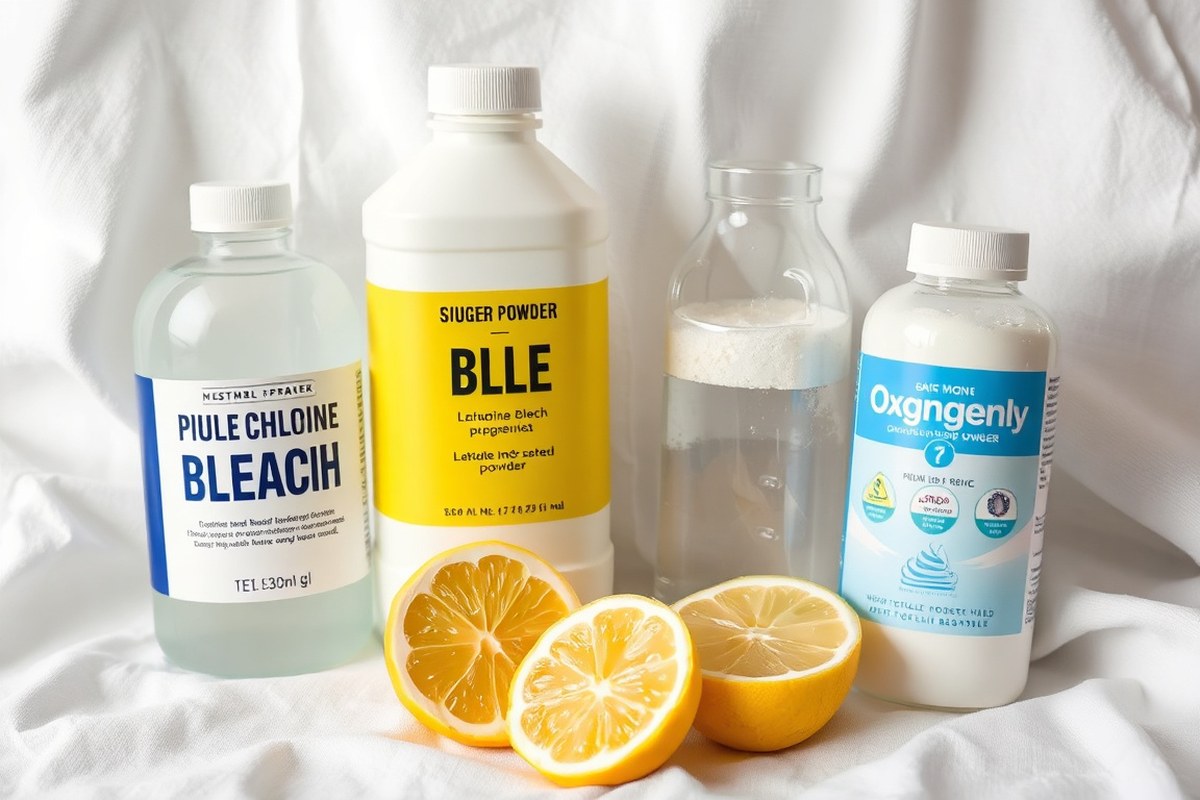
Choosing the right bleaching or whitening method depends on the fabric type and how much whitening you need. Chlorine bleach offers strong whitening but risks fabric damage and color loss if misused. Oxygen bleach and natural options like lemon juice and vinegar provide gentler alternatives that brighten whites with less risk, suitable for more delicate fabrics or regular maintenance.
Chlorine Bleach: Benefits and Risks
Chlorine bleach is a powerful chemical whitening agent that removes tough stains through oxidation. It’s effective for heavy-duty whitening on durable white cottons and linens. Use only on chlorine-safe fabrics and avoid delicate materials like wool, silk, or spandex. Always dilute chlorine bleach before adding it to your wash water, typically about 1/4 cup per gallon of water.
Use chlorine bleach once in a while rather than frequently, as overuse can yellow or weaken fabrics. Wear gloves and ensure good ventilation to avoid irritation or harmful fumes. Let white clothes soak for up to 1 hour before washing for best results.
Oxygen Bleach and Other Gentle Whiteners
Oxygen bleach works by releasing oxygen molecules that break down stains, offering a gentler way to brighten whites than chlorine bleach. It’s compatible with most fabrics, including synthetics and blends, making it a safer option for regular whitening.
Most oxygen bleach products come as powders or liquids. Add them during the wash cycle following label instructions, typically about 1/2 cup per load. This option avoids harsh fumes and reduces the risk of yellowing or fabric damage.
Hydrogen peroxide is another mild bleach alternative that brightens fabric and targets stains like blood or ink. You can pretreat spots by dabbing hydrogen peroxide directly on stains, letting it sit briefly before washing. Combine it with baking soda to create a paste for deodorant or sweat stains, apply for 30 minutes, then wash normally.
| Whitening Option | Best For | Fabric Compatibility | How to Use | Risks |
|---|---|---|---|---|
| Chlorine Bleach | Heavy-duty whitening, cotton & linens | Only chlorine-safe fabrics | Dilute 1/4 cup per gallon water, soak 1 hour | Fabric damage, yellowing, fumes |
| Oxygen Bleach | Regular whitening, mixed fabrics | Most fabrics except wool, silk | Add 1/2 cup to wash cycle, follow label | Less harsh but less powerful than chlorine |
| Hydrogen Peroxide | Spot treating, gentle whitening | Most fabrics | Dab on stains, or wash with 1/2 cup | Possible mild fabric lightening |
| Lemon Juice | Brightening whites only | White fabrics only | Add 1/4 cup in rinse, soak 1 hour before wash | Can bleach colored clothes |
| White Vinegar | Softening, deodorizing, mild whitening | Most fabrics | Add 1 cup in wash instead of fabric softener | Acidic, avoid on delicate fabrics |
Using the right whitening product for your fabric type and needs makes all the difference. Chlorine bleach suits stain-heavy loads of white cottons, while oxygen bleach and natural options maintain brightness more gently and regularly.
Natural Whitening Agents: Lemon Juice and Vinegar
Lemon juice can brighten white clothes by serving as a gentle natural bleach. Pour 1/4 cup into the rinse cycle to improve whiteness, or soak white garments in a lemon juice and water solution for up to one hour before laundering. Do not use lemon juice on colored fabrics because it might cause colors to fade.
White vinegar softens clothing and removes odors while lightly whitening. Substitute fabric softener with 1 cup of white vinegar in the wash cycle. It’s safe for most fabrics but avoid on delicate material since its acidity might weaken fibers over time.
Always test natural whiteners on a small hidden area before applying fully, especially on delicate fabrics.
How to Treat Stains on White Clothes Effectively
Effective stain removal from white clothes requires timely pre-treatment tailored to the stain type. Addressing sweat, deodorant, food, and coffee stains quickly prevents setting and yellowing. Using products like vinegar, oxygen bleach, or commercial stain removers before washing boosts the chance of restoring fabric brightness.
Removing Sweat and Deodorant Stains
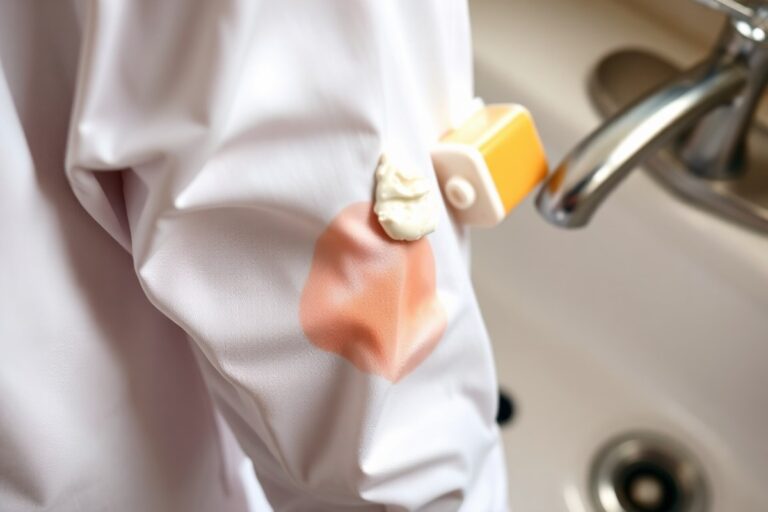
Yellow armpit stains mainly come from sweat and deodorant buildup that combines with body oils. These hardened stains turn yellow and dingy if untreated. Spray distilled white vinegar roughly 10 minutes before washing to break down the stain’s crust. For ongoing prevention, apply a spray-on oxygen bleach to the underarm area during every wash cycle, even if no stain is visible. Gently scrubbing with a soft brush can help the treatment penetrate better.
Repeat stain treatment if the stain persists after washing. Avoid using hot water initially, as heat can set protein-based stains.
Treating Food and Beverage Stains
Food stains such as sauces, and beverage stains like coffee or tea, are common on whites. Cold water rinse immediately after staining helps to prevent the stain from setting. Next, apply a pre-wash stain remover or a mixture of liquid laundry detergent directly on the stained area. Let this sit for 15 minutes to allow enzymes or detergent to break down the stain molecules.
For tougher stains, lemon juice diluted with water or a paste of baking soda and water serves as homemade stain removers. Lemon juice acts as a natural bleach, but avoid using it on delicate fabrics or prints. Avoid drying whites before confirming stain removal since heat solidifies stains permanently.
Pre-Soaking and Presoaking Techniques
Pre-soaking clothes accelerates stain removal and keeps whites bright. Use a basin or sink filled with cold water and add a scoop of oxygen-based bleach or laundry detergent designed for white clothes. Soak items for 30 minutes to 2 hours, depending on stain severity. Avoid soaking for longer than four hours to prevent fabric damage.
After soaking, rinse the garment with cold water and proceed with the normal wash cycle. Pre-soaking is particularly effective for older, set-in stains and heavy soil. For lightweight stains, spot-treating before washing may be sufficient.
- Identify the stain type (sweat, deodorant, food, coffee) to choose the correct treatment.
- Apply distilled white vinegar on sweat or deodorant stains and allow 10 minutes to break down buildup.
- Gently scrub the affected area with a soft brush to loosen stain particles.
- For food or beverage stains, rinse with cold water immediately to prevent setting.
- Apply a commercial stain remover or detergent onto the stain directly and let it sit for at least 15 minutes.
- Optional: Use diluted lemon juice or baking soda paste for organic stains, testing on a hidden area first.
- Soak heavily stained whites in cold water mixed with oxygen bleach or detergent for 30 minutes to 2 hours.
- Wash the garment in the washing machine on the cycle and temperature suitable for whites, avoiding heat if stains remain.
Choosing the Right Water Temperature and Laundry Cycle
Selecting the right water temperature and washing cycle depends on the fabric type, the soil level on your white clothes, and the kind of washing machine you use. For sturdy fabric like cotton towels and sheets, hot water between 120°F and 140°F (50-60°C) is best to remove dirt and brighten whites. Use warm or hot water when your whites are heavily soiled cottons or linens. However, delicate fabrics such as silk or certain wool items require cold water to avoid shrinking and damage, so always check the care tags before washing.
Washing machine type also affects cycle and temperature choices. Machines with a Whites cycle optimize wash time, water temperature, spin speed, and extra rinses for heavily soiled white cottons. If your washer lacks a Whites cycle, select warm or hot water manually and add an extra rinse to get similar cleaning power. For lightly soiled whites, using a permanent press cycle with warm water and a shorter wash time can protect fabric while keeping it clean.
Dividing your whites based on soil level improves washing results. Lightly soiled clothes benefit from cold or warm water and gentle cycles, preserving fabric quality and preventing fading. Heavily soiled whites should be washed on a longer cycle with hot water and a fast spin. Always pretreat stains with cold water first to break them up before washing in warm or hot water.
| Fabric Type | Water Temperature | Recommended Washing Cycle | Why This Works |
|---|---|---|---|
| Sturdy Cotton (towels, sheets) | 120-140°F (50-60°C) | Whites or heavy-duty cycle with extra rinse | Hot water breaks down dirt, kills bacteria, and brightens whites |
| Lightly Soiled Machine-Washable Whites | Warm (about 90°F) | Permanent press or normal cycle | Gentle cleaning while preserving fabric |
| Delicates (wool, silk, some cottons) | Cold (around 60-70°F) | Delicate or gentle cycle | Prevents shrinkage and fabric damage |
| Whites Without a Whites Cycle | Warm or hot | Normal cycle plus extra rinse | Maximizes cleaning power without specialized cycle |
Choosing warm or hot water helps fight stains and keeps whites bright, but starting with a cold water pretreatment is important for breaking up stains. Adding a cup of distilled white vinegar during the rinse cycle can brighten whites and remove detergent residues. Be mindful that repeated washing in hot water may cause some cotton or linen items to shrink. Using the right cycle length and spin speed protects delicate fabrics and reduces wear. Adjust settings according to your washing machine’s capabilities and always separate whites by fabric type and soil level for the best results.
Drying White Clothes to Prevent Yellowing and Damage
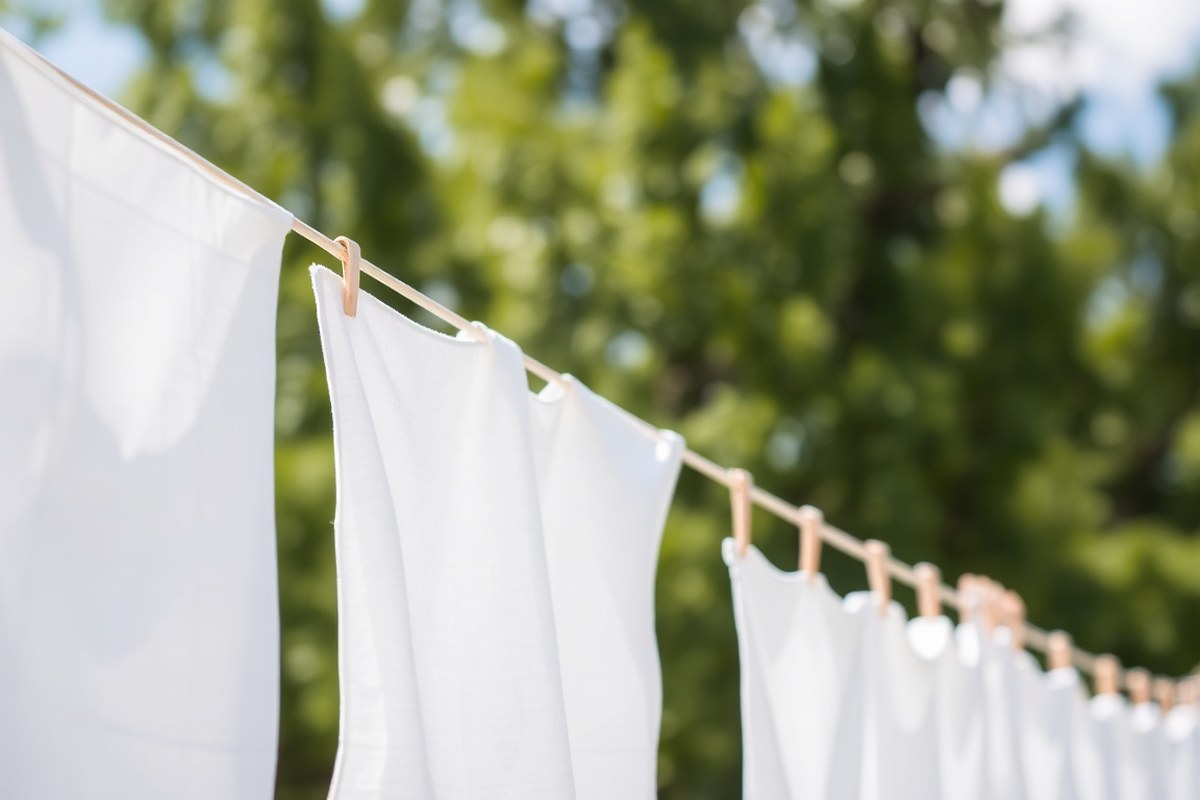
Drying white clothes outdoors offers a natural way to maintain their brightness. Sunlight acts as a gentle bleach, reducing dullness without the harsh tumbling or high heat of a dryer. This method lessens wear from fabric pilling and decreases the risk of setting greasy stains that heat can bake into fibers. Hang whites on a clothesline or drying rack in direct sunlight when weather permits, turning items to expose all sides to air and light for even drying.
If you use a dryer, keep the temperature low or medium to protect the fabric and colour. High heat contributes to yellowing and can harden residual stains, making them almost impossible to remove later. Remove clothes promptly once dry to avoid wrinkles and fabric stress. Using moisture sensors, if your dryer has them, helps prevent overdrying and reduces fabric damage.
Always inspect clothes for remaining stains before drying; heat, whether from sun or dryer, can set stains permanently. When you spot stains, treat them right away rather than assuming washing took care of them. Drying clothes with old stains leads to dulling and yellowing spots that are costly to fix or impossible to remove.
- Sort whites separately to prevent dye transfer and maintain brightness
- Air dry outdoors in sunlight for gentle whitening and reduced wear
- Use low to medium dryer heat when machine drying whites
- Check and treat stains before drying to avoid setting them
- Avoid overloading washer or dryer to ensure thorough washing and drying
Check for stains right after washing; once heat sets a stain during drying, it’s much harder to remove.
Choosing sun drying over machine drying also cuts down on electric costs and the risk of damaging delicate fabrics. However, UV exposure may weaken some synthetic fibers over time, so consider fabric type before leaving items in the sun for extended periods. For fabric care labels specifying air dry only, follow those instructions to avoid shrinking or damage. The goal is to keep your whites bright and avoid yellowing while extending the life of the garments.
Common Mistakes When Washing Whites and How to Avoid Them
Washing whites can go wrong in several common ways that cause dullness, yellowing, or even fabric damage. One major mistake is mixing whites with colored clothes during the wash. Even if the colors don’t look like they bleed, small amounts of dye can transfer into the water and settle on your whites. This causes gradual graying or dinginess. Always keep whites separate to avoid this risk. Use a dedicated white load for best results.
Using too much bleach is another frequent error. Bleach can weaken fabric fibers and leave whites with a yellow tint if overused. Only add the amount recommended on the bleach label, usually about ¾ cup per regular load for liquid chlorine bleach. Consider alternatives like oxygen bleach (e.g., OxiClean), which is gentler and effective at brightening without harsh chemicals. Follow product instructions closely.
Washing whites at the wrong temperature also affects results. Ideally, use the hottest water safe for the fabric, check care labels. Hot water helps remove oils and dulling residues better, but using too high a temperature on delicate materials can damage fibers. Some whites, like cotton, tolerate up to 140°F (60°C), while synthetics should stay cooler around 104°F (40°C). Using cold water might save energy but won’t refresh whites as well.
Other factors include detergent residue buildup and hard water minerals, which can dull whites over time. To fix these, try soaking dingy whites in warm water with oxygen bleach for an hour before washing. When whites look persistently dull, use a color remover or boil them in water mixed with oxygen bleach monthly.
- Separate whites from any colored or dark clothes before washing
- Use bleach only as directed, or choose oxygen bleach alternatives
- Wash whites in the hottest water temperature allowed by fabric care labels
- Soak dull whites in warm water and oxygen bleach for at least one hour
- Run a monthly treatment with color remover or boiling water and oxygen bleach
- Check for detergent residue and rinse whites thoroughly during the cycle
When whites turn yellow or gray after washing errors, soak them in a warm bath of oxygen bleach solution to lift discoloration. Spot-treat stains with hydrogen peroxide mixed with water before washing, which is effective and gentle. Prevention through careful sorting, correct water temperature, measured bleach use, and routine maintenance soaking will keep whites brighter for longer. Avoid shortcuts like mixing colors or using excessive bleach that reduce fabric lifespan and appearance.
How Fabric Type Affects Washing and Whitening Whites
Fabric type plays a key role in deciding how to wash and whiten white clothes to maintain their brightness and durability. Each fabric, cotton, synthetics, or delicate fibers, needs specific water temperatures, detergent types, and whitening methods to avoid damage or ineffective cleaning. Following fabric-specific guidelines helps protect your clothes and keeps whites looking their best over time.
Whites Made of Cotton and Linen
Cotton and linen are durable natural fabrics that tolerate hot water and chlorine bleach well. Hot water (around 130°F / 54°C) helps remove soil and activates whitening agents effectively. Chlorine bleach suits cotton and linen, especially for heavily stained whites, but avoid frequent use to prevent fiber weakening. Washing in a Normal or Heavy Wash cycle provides enough agitation to clean these sturdy fabrics thoroughly. Linen should be washed gently to avoid wrinkles but can still handle warm to hot water.
These fabrics handle more aggressive washing better than delicate fabrics, but hot water can shrink cotton if repeated often. Use care labels to confirm. Separating towels and sheets from lighter cotton clothes prevents lint transfer and maximizes washing efficiency.
Delicate Fabrics: Silk, Wool, and Synthetics
Delicate white fabrics like silk and wool require cold water washing to prevent shrinkage and fibre damage. Hot water, or chlorine bleach, can weaken these animal-based fibers and cause fabric distortion. Use a Gentle cycle or hand wash to reduce agitation and protect the fiber structure. Synthetic fabrics, such as polyester blends, tolerate warm water (about 104°F / 40°C) but avoid hot water to prevent warping or melting.
Oxygen-based bleach is a safer whitening option for synthetics and other delicates, as it works in warm water and avoids harsh chemical damage. For delicate whites, use mild detergent formulations designed for sensitive fabrics. Always check the care label and test a small area before applying any whitening product.
Handling Blended or Embroidered Whites
Fabric blends such as cotton-polyester require middle-ground care to protect both fibers. Wash blends in warm water (around 104°F / 40°C) using detergents suitable for mixed fabrics. Avoid chlorine bleach since synthetic fibers can degrade, discolor, or lose elasticity. Oxygen bleach is preferred for whitening blended fabrics safely.
Embroidered whites often mix threads from different fibers, so treating them gently is essential. Use gentle cycles with cold or warm water depending on the fabric content and avoid bleach unless confirmed safe by the garment label. Separating these items from heavy or heavily stained loads prevents damage and colour transfer. Use this table as a quick fabric care reference for washing and whitening white clothes:
| Fabric Type | Water Temperature | Cycle Setting | Suitable Bleach | Key Care Notes |
|---|---|---|---|---|
| Cotton, Linen | Warm to Hot (104-130°F / 40-54°C) | Normal or Heavy Wash | Chlorine or Oxygen Bleach | Chlorine bleach whitens fast but avoid overuse; hot water may shrink |
| Silk, Wool | Cold (Below 75°F / 24°C) | Gentle or Hand Wash | Oxygen Bleach Only (if safe) | Avoid chlorine bleach and hot water; delicate fibers weaken easily |
| Synthetics (Polyester, Nylon) | Warm (Around 104°F / 40°C) | Gentle Wash | Oxygen Bleach | Do not use chlorine bleach; warm water dissolves oxygen bleach properly |
| Blended Fabrics | Warm (Around 104°F / 40°C) | Gentle Wash | Oxygen Bleach | Avoid chlorine bleach to prevent fiber damage; protect embroidery |
Following these care guidelines preserves fabric integrity and whitening performance. Washing delicate fabrics in cold water and gentle cycles prevents shrinking and fiber damage. Hot water and chlorine bleach boost whitening for cottons but require careful use. Tailored washing keeps your whites bright without compromising their lifespan.
When to Call a Professional Cleaner for White Clothes
Certain stains on white clothes require professional treatment because home methods might not fully remove them or could worsen fabric damage. Protein-based stains like blood or sweat, especially if dried, often resist typical laundry detergents and bleach. Grease, ink, or dye transfers may also need specialized solvents found in professional cleaners. These types of stains can settle deeply into fibers, making home treatments less effective and risking bleaching agents fading or weakening fabric.
Fabric damage from over-bleaching or wrong temperature settings is another sign to consult a professional. Whites made from delicate fibers like silk, wool, or certain synthetics can shrink, warp, or lose their texture if washed with strong bleach or hot water. Even cotton can weaken if bleached too often or treated improperly, causing thinning or holes after repeated washes. You should look for thinning spots, discoloration beyond normal fading, roughness, or stretched areas as signs that home care is no longer suitable.
Choosing a professional cleaner who specializes in whites can make a significant difference. Look for cleaners that advertise expertise in stain removal and garment preservation with experience handling a variety of fabrics and stain types. Green cleaning services also offer safer alternatives to harsh chemicals, which helps preserve white fabrics’ integrity without aggressive bleaching. Many professionals provide stain evaluation before treatment and offer guarantees when they remove tough marks or restore whiteness.
Here’s a decision checklist to determine when to call a professional: persistent stains that remain after home pre-treatments, fabrics that feel weakened or show small holes after washing, garments labeled “dry clean only” especially in whites, or large, highly visible areas of discoloration and dinginess that affect appearance. Avoid repeated home bleaching attempts beyond label instructions, particularly on older and thinner garments as you risk permanent damage.
Professional cleaners typically charge $5 to $15 per item for dry cleaning, with stain removal often included, though prices vary by location and stain severity. For heavily soiled whites like bridal gowns or vintage linens, expect higher fees or specialized services. Good results include whites restored to bright, uniform color without fabric shrinkage, distortion, or texture loss. Poor outcomes might show uneven bleaching, fabric becoming brittle, or stains only partially lifted.
Always check fabric care labels before trying any home bleaching; when in doubt, a professional cleaner’s advice helps preserve your whites.
Step-by-Step Action Plan for Washing Whites
Follow these steps to keep your white clothes bright, clean, and damage-free.
- Before You Start: Sort whites by fabric type and soil level to customize washing methods and avoid damage.
- Day of Washing: Treat any stains with an appropriate pre-treatment product or natural solution and let it sit for 10-15 minutes to improve stain removal.
- During Washing: Use the hottest water safe for the fabric, along with a detergent designed for whites, to boost cleaning power without harming clothes.
- When Adding Whitening Agents: Select safe bleaching options like oxygen-based bleach or whitening boosters rather than chlorine bleach to protect fabric integrity.
- After Washing: Check for remaining stains before drying; repeat stain treatment if needed to prevent setting.
- Drying Time: Air-dry whites in the shade or use a low heat setting in the dryer to prevent yellowing and fabric weakening.
- Weekly Care: Regularly freshen whites with occasional vinegar rinses or whitening additives to maintain brightness without harsh chemicals.
- When In Doubt: Schedule professional cleaning for delicate or heavily stained white garments to avoid accidental damage.
Frequently Asked Questions
Can I Wash Whites with Light-Colored Clothes?
Avoid mixing whites with light-colored clothes to prevent color transfer and graying. Sort whites separately to keep them bright and avoid dullness caused by dye transfer from other fabrics.
Is It Okay to Use Fabric Softener on White Clothes?
Using fabric softener on whites can reduce absorbency and cause buildup. Avoid softeners on towels and linens to maintain their fluffiness and brightness.
What Laundry Detergent Works Best for Whites?
Heavy-duty detergents with optical brighteners work best to keep whites bright. Choose products designed specifically for whites to improve brightness during each wash.
Should I Soak White Clothes Before Washing?
Soaking whites for about an hour helps loosen dirt and stains, improving wash results. Use warm water with mild detergent or lemon juice for extra brightening on whites only.
How Often Should I Wash White Clothes?
Wash whites after each use when worn against the skin to prevent sweat and oils from setting. Delaying washes can cause stains and yellowing harder to remove.
Can I Dry White Clothes in Direct Sunlight?
Yes, drying whites in direct sunlight helps whiten and disinfect naturally. Use low heat settings in the dryer or air dry outside to avoid damage or yellowing.
The Bottom Line
You can keep your white clothes looking their best by treating stains promptly, choosing the right washing settings, and avoiding damaging chemicals. Start today by sorting your whites properly and pre-treating any obvious spots before washing. This simple step lays the foundation for lasting whiteness and fabric care.