How to Clean Cloth Sneakers: Simple Steps for Fast, Safe Results
Cleaning cloth sneakers safely at home starts with choosing the right method for your shoe type and level of dirt. Hand washing is best for delicate fabrics or light stains, while machine washing can handle heavier soil but requires precautions like using a laundry bag. You’ll also learn to tackle tough stains, care for laces and insoles, and dry your shoes properly to keep them in good shape.
This advice is ideal for everyday cloth sneaker owners who want to maintain their shoes without damaging them. Follow clear steps to clean, protect, and restore your sneakers quickly and effectively, extending their life and looking fresh every time.
Key Takeaways
- Soak shoelaces in warm water with detergent for 10 to 20 minutes to remove dirt and stains effectively.
- Use a gentle detergent mixed with warm water to hand wash sneakers with tough stains for 15-20 minutes before scrubbing.
- Place sneakers in a mesh laundry bag before machine washing to protect fabric and shoe structure.
- Air dry cloth sneakers in a well-ventilated area for 12 to 48 hours to avoid warping or damage.
- Remove insoles before cleaning and replace them only after your shoes are fully dry to prevent odor and mold.
- Clean white fabric sneakers with a mild bleaching solution, letting it sit 15-20 minutes before a gentle scrub.
How to Clean Cloth Sneakers Safely at Home

Cleaning cloth sneakers at home requires a careful, gentle approach to avoid damaging the fabric. Mild soap, warm water, and soft tools are the safest options for most cloth materials like canvas, mesh, or knit. Using harsh chemicals or rough brushes can weaken the fibers or cause discoloration, so stick to household items designed for delicate cleaning. Avoid soaking your sneakers fully unless specifically advised, as excess water can loosen glue and affect shoe shape.
For cleaning, select a mild detergent or dish soap that creates light suds without strong fragrances or additives. Baking soda works well for removing odors or light stains when combined with water into a paste. A soft cloth, soft-bristled toothbrush, and a sponge are the best tools for applying cleaning solutions and scrubbing gently. Rinsing the shoes with a damp cloth prevents soap residue, which could attract dirt more quickly.
- Remove loose dirt by knocking the shoes together and using a dry soft brush or cloth to wipe away dust and debris.
- Mix cleaning solution by combining warm water with a few drops of mild detergent or dish soap in a small bowl.
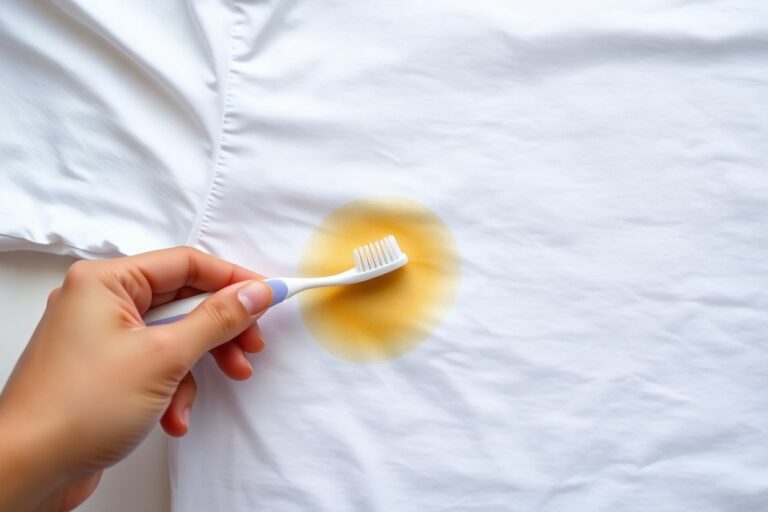
- Dampen a soft cloth or toothbrush in the solution, then gently scrub the sneakers in small circular motions, especially on stained or soiled areas.
- Apply baking soda paste (one teaspoon baking soda mixed with two teaspoons water) to stubborn spots, letting it sit for 15 minutes before scrubbing lightly.
- Wipe off soap and residue with a clean, damp cloth to remove all cleaning agents and dirt particles completely.
- Air dry your sneakers indoors at room temperature on a clean towel, away from direct sunlight or heat sources that might warp or fade the fabric.
- Clean laces separately by soaking them in the same mild soap solution for 10 to 15 minutes, then rinsing and air drying.
These steps typically take about 30 to 60 minutes total, depending on how dirty your sneakers are. You’ll know the cleaning worked well when the fabric looks brighter, stains are reduced or gone, and odors are freshened. Using too much water, strong detergents, or scrubbing with stiff brushes may leave discoloration, stretch the material, or damage seams. Repeating gentle cleaning regularly helps keep cloth sneakers looking neat while extending their wear life.
When to Use Hand Washing Versus Machine Washing

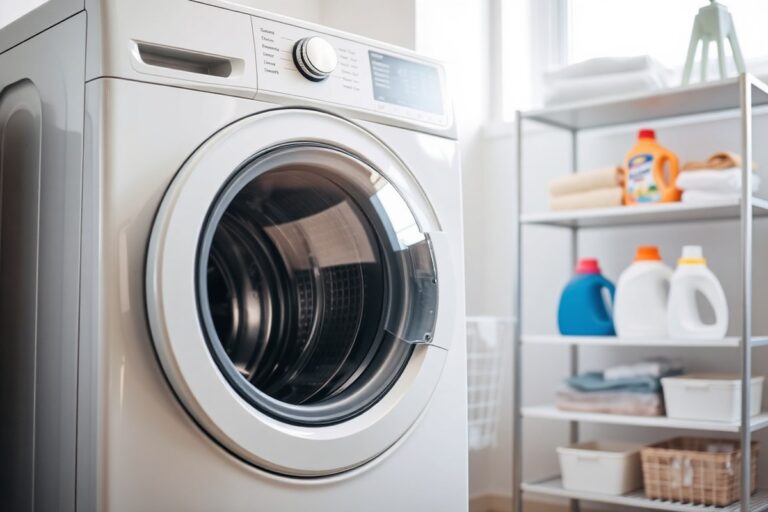
You can use a washing machine for some cloth sneakers, but it’s important to check the shoe’s label. Hand washing works better for delicate shoes or when you want to avoid potential damage from a machine. Making the right choice depends on the shoe’s materials, condition, and machine settings that protect both your shoes and your washer.
Key Factors Influencing Washing Method Choice
Start by checking the care label on your sneakers. Shoes labeled as machine washable are generally safe to put in the washer. Without a care label, check the brand’s website for cleaning instructions to avoid guessing. Avoid machine washing any sneakers with leather or suede sections because water and agitation can damage those materials.
The shoe’s condition matters too. For very dirty sneakers with tough stains, hand washing lets you treat specific spots carefully before general cleaning. For lightly soiled shoes, a machine wash can be enough and saves time. Also, consider the shoe’s build, some cloth types like mesh or knit can withstand gentle machine cycles, while delicate canvas may last longer with hand washing.
Using a washing machine can risk damaging either the shoes or your washer if done improperly. Heavy banging can break parts inside your machine or wear down shoes faster if they hit the drum hard. Hand washing prevents this risk but requires more time and elbow grease, typically 10, 20 minutes per cleaning.
Safe Washing Machine Settings and Preparation Tips
Use a gentle cycle with cold water, as hot water can cause shrinking, color fading, or material warping. Set the spin speed low, around 400 to 600 RPM, to reduce pounding inside the drum. Avoid bleach and use mild detergent made for delicate fabrics.
Prepare shoes by removing laces and insoles, which you should clean separately. Place sneakers in a mesh laundry bag or pillowcase to further protect them during the wash. Adding towels to the load helps cushion shoes and prevents them from banging around.
| Washing Machine Preparation | Details |
|---|---|
| Cycle Type | Gentle or delicate |
| Water Temperature | Cold (below 80°F) |
| Spin Speed | Low (400, 600 RPM) |
| Additional Items | Towels to cushion shoes |
| Protective Measures | Mesh laundry bag or pillowcase |
| Detergent | Mild, non-bleach detergent |
Following these settings helps keep your sneakers clean without causing damage. Washing machines can save time and effort, but only if you prepare and monitor the process carefully.
When to Prefer Hand Washing
Hand washing is the safer choice when your cloth sneakers have delicate materials, mixed fabrics like leather or suede, or if they are older and more fragile. You get better control over scrubbing and can target stains without risking abrasion or color loss from machine agitation.
To hand wash, use a soft brush or cloth with warm water and a mild detergent. Scrub gently in circular motions and rinse thoroughly. Hand washing takes longer, plan on 15 to 30 minutes depending on the dirt, but it preserves the look and longevity of your shoes better.
Also use hand washing for small touch-ups or if your washing machine is not designed to handle bulky items like sneakers. Heavy sneakers can damage some washing machines, especially older models. Hand washing your shoes eliminates this risk and offers a more tailored clean.
Tip: Always check your sneaker brand’s care instructions before machine washing to avoid irreversible damage.
Removing Tough Stains and Restoring White Fabric Sneakers
To remove tough stains and restore white fabric sneakers, household ingredients like baking soda and white vinegar can work effectively. These items create cleaning pastes and solutions that lift stains without harsh chemicals. Using them properly helps brighten white cloth sneakers and fades stubborn marks safely at home.
Identifying Stain Types and Appropriate Treatments
Knowing the kind of stain on your cloth sneakers guides the best cleaning approach. Dirt and mud can often be removed with soap and water, but oily stains, food spills, or ink require stronger attention. White sneakers especially need gentle, stain-fighting methods that don’t discolor or damage the fabric.
For fresh spills, blot the stain with a damp cloth as soon as possible to avoid setting it deeper. Older, tougher stains might respond best to scrubbing with vinegar or baking soda mixtures. Vinegar helps break down protein-based stains, while baking soda acts as a mild abrasive and deodorizer.
Making and Applying Baking Soda Paste
To tackle stubborn stains or brighten white fabric, a baking soda paste is a straightforward and inexpensive method. Mixing baking soda with water into a thick paste targets grime and lifts yellowing without bleaching or harsh chemicals. This paste also deodorizes sneakers, making it a two-in-one solution. Use the following step-by-step guide to make and apply the baking soda paste on your cloth sneakers:
- Mix 2 tablespoons of baking soda with just enough water (about 1 to 2 tablespoons) to form a thick paste.
- Dip a soft-bristle toothbrush or clean cloth into the paste.
- Gently scrub the stained or white fabric sections in circular motions, focusing on the toughest spots first.
- Allow the paste to sit on the fabric for 15 to 30 minutes to let it lift the stains.
- Rinse the paste off with warm water, avoiding excessive soaking that could weaken glue or shoe structure.
- Pat the sneakers dry with a clean towel and air dry indoors away from direct sunlight.
- For stubborn stains, put on another layer of the baking soda paste and go through the cleaning process again until the stains fade.
Using Hydrogen Peroxide and Vinegar Safely
Hydrogen peroxide and white vinegar offer stronger stain removal but require careful use to avoid damaging fabric or causing discoloration. Hydrogen peroxide is a mild bleaching agent ideal for brightening white sneakers, while vinegar breaks down mineral buildup and odors.
For stubborn stains, mix 3 tablespoons of baking soda with 2 tablespoons of water to create a scrub. Dip a soft brush in this paste or in hydrogen peroxide, and scrub the soiled areas gently. Alternatively, dip a cloth in undiluted white vinegar and rub the stain in alternating directions to break it down before rinsing thoroughly.
Both agents should be tested on a small, hidden area first to check for colorfastness. Avoid combining vinegar and hydrogen peroxide directly, as this creates peracetic acid, which can irritate skin and damage shoes. After treatment, rinse well and dry indoors. Use these methods sparingly, no more than once a month, to prevent fabric weakening.
Cleaning Laces and Insoles: Tips and Timing
Cleaning sneaker laces and insoles regularly can keep your cloth sneakers fresh and comfortable while extending their lifespan. Remove the laces and insoles before you start cleaning. Soak the laces in warm, soapy water for about 15 minutes or until they look clean. Use a gentle detergent to avoid weakening the fibers. After soaking, massage the laces with your hands to loosen dirt, then rinse them under warm running water. Pat them dry with a clean towel to remove excess moisture.
For insoles, especially removable ones, avoid soaking for too long as they can absorb too much water and lose shape. Instead, prepare a cleaning solution with warm water and mild soap. Dip a soft brush or cloth into the solution and scrub the insoles gently to remove dirt and odor. After cleaning, rinse them lightly with water, making sure not to soak them. Press a dry towel firmly on both sides of the insoles to absorb moisture. Let them air dry completely in a well-ventilated area, which usually takes several hours but can stretch to 24 hours depending on thickness and material. Avoid direct sunlight or heat sources, which can cause warping and damage.
Proper care for laces and insoles supports both the hygiene of your sneakers and the comfort of your feet. Keeping them clean prevents lingering smells and the buildup of bacteria or mold. Low-maintenance cleaning routines work well when done about once a month or whenever you notice dirt or odors. Here’s a quick checklist for effective lace and insole cleaning:
- Soak laces in warm, soapy water for about 15 minutes before scrubbing and rinsing.
- Remove insoles and scrub gently with a damp cloth or soft brush using mild soap.
- Rinse insoles lightly without fully submerging to avoid waterlogging.
- Use a dry towel to press moisture out of insoles and laces before drying.
- Air dry both parts completely away from direct sunlight and heat sources.
- Replace laces and insoles only after they are fully dry to prevent odors and damage.
- Clean laces and insoles regularly even if shoes look clean to maintain hygiene.
Skipping routine cleaning of laces and insoles often leads to unpleasant odors and reduced sneaker comfort. Lack of proper drying is a common mistake that can cause materials to deteriorate or develop mildew. Following soaking times and drying advice helps maintain the shape and longevity of these components. Taking 20 to 30 minutes to clean and handle laces and insoles carefully allows you to keep your cloth sneakers feeling fresh without spending extra money on replacements or professional services.
Preparing and Protecting Sneakers Before and After Cleaning
Before cleaning your cloth sneakers, it’s essential to prepare them properly to avoid damage and ensure the cleaning method works effectively. Start by removing the laces and insoles, which allows you to clean all parts thoroughly and prevents color bleeding. Next, knock off loose dirt and debris by gently tapping the soles together and brushing off dust with a soft brush or cloth. Spot-test any cleaning solution on a small hidden area to check for colorfastness. This preparation helps your cleaning efforts reach every area and protects your sneakers from unnecessary wear.
After your sneakers are clean and dry, applying a water and stain repellent adds a protective layer that prevents future stains. These protective sprays form an invisible barrier against water, dirt, and grease, making regular maintenance easier. Spray your sneakers outdoors or in a well-ventilated area. Hold the can 6 to 8 inches away and apply an even coat, avoiding oversaturation. Allow the sneakers to dry completely, usually within 24 hours, before wearing them again. Popular products like Kiwi Suede Waterproofer cost around $8 to $15 and offer good protection without affecting breathability.
Always apply protective spray after your sneakers are completely dry to avoid trapping moisture, which can cause damage or odors.
Use the following checklist to prepare and protect your sneakers effectively:
- Remove laces and insoles before cleaning.
- Brush off loose dirt and debris gently.
- Spot-test cleaning solutions on an inconspicuous area.
- Allow sneakers to air dry thoroughly after cleaning.
- Apply a water and stain repellent spray evenly and let it dry fully.
- Store sneakers in a cool, dry place to reduce humidity damage.
- Use sneaker trees or stuff with paper when not in use to maintain shape.
Avoid common mistakes such as applying protective sprays on wet or damp sneakers, which can trap moisture and lead to mildew or fabric weakening. Different cloth materials like mesh or knit may require specialized sprays designed for delicate fabrics to avoid discoloration or stiffness. Protective sprays can lose effectiveness over time, so reapply every few weeks if you wear your sneakers frequently. Consistent protection reduces deep stains and the need for intense cleaning.
Best Drying Methods to Keep Cloth Sneakers in Shape
Cloth sneakers typically take 12 to 48 hours to dry completely, depending on the fabric type and surrounding humidity. Faster drying can prevent mold and unpleasant smells, but rushing the process risks warping the shoe or damaging its fabric. Allowing your sneakers to air dry naturally at room temperature is best for preserving their shape and material integrity.
After washing, gently press the shoes with a towel or cloth to get rid of extra water. Avoid twisting or wringing to prevent misshaping your sneakers. To help them hold their shape while drying, fill the inside with crumpled paper towels or plain white paper. Replace the paper every few hours if it gets wet to continue absorbing moisture. You can also use shoe trees made for cloth sneakers to keep their form firm during drying.
To speed drying without heat damage, place your sneakers in a well-ventilated area away from direct sunlight, which can fade colors and weaken fibers. A fan can increase airflow and reduce drying time to around 8 to 12 hours. Avoid using hair dryers or placing shoes near heaters or in the dryer, as excessive heat may cause shrinkage or glue failure in the shoe construction.
- Remove laces and insoles to dry separately
- Use paper towels stuffed inside shoes to retain shape
- Place shoes in a shaded, airy spot, not in direct sunlight
- Set up a fan nearby to increase air circulation
- Replace damp paper stuffing every 3-4 hours
- Avoid heat sources like dryers or hair dryers
- Allow at least 8 hours for drying, up to 48 hours in humid conditions
For cloth sneakers with mesh or knit fabrics, gentle drying is even more important because their delicate threads can distort easily. Check the shoes periodically for softness or stiffness, which indicates drying progress. After they feel dry on the outside, test the interior by pressing lightly inside; it should be completely dry to the touch before storing or wearing. Proper drying routines will extend your sneakers’ life and keep them looking fresh without risking fabric damage or structural changes.
Cleaning Different Cloth Materials: Canvas, Mesh, and Knit
Different cloth materials require unique cleaning methods to avoid damage and maintain their look. Canvas, mesh, and knit fabrics each react differently to water, detergents, and scrubbing. Using the right cleaning products and gentle techniques helps preserve their texture and performance.
Canvas Shoe Cleaning Recommendations
Canvas is a durable fabric common in sneakers and handles regular cleaning well. It’s best to use mild detergent mixed in warm water, between 90°F to 110°F, and avoid harsh chemicals to protect color and fibers. Scrubbing with a soft brush or toothbrush helps remove dirt without fraying the material.
Soak canvas shoes in a bowl of warm water with a few detergent capsules for about 20 to 30 minutes before scrubbing. This loosens dirt and makes cleaning easier. Avoid excessive water or soaking for longer than 30 minutes to prevent damage to the shoe’s structure. Canvas responds well to regular cleaning every 2 to 4 weeks depending on wear.
Mesh Sneaker Gentle Care Tips
Mesh fabric offers breathability but requires gentler handling than canvas to avoid tearing. Use a mild soap solution without chemical additives to keep the mesh breathable and intact. Scrub softly with a clean toothbrush or soft brush in small circular motions, focusing on dirty spots rather than the whole surface.
Mesh sneakers generally tolerate warm water under 110°F but avoid vigorous scrubbing or soaking for more than 20 minutes. Excess moisture can weaken mesh fibers and the adhesives holding them. After cleaning, allow shoes to air dry in a well-ventilated area away from direct heat or sunlight to prevent shrinking or warping.
Knit Fabric Specific Precautions
Knit fabrics such as Nike Flyknit offer flexibility and lightness but need careful cleaning to avoid damage. Use a diluted mild soap free of harsh chemicals mixed with warm water to clean them gently. Lightly scrub using a shoe or toothbrush, following the knit threads’ direction to protect the fabric.
Knit sneakers should never be soaked for long periods and should be rinsed carefully with a damp cloth instead of submersion. Cleaning too roughly or with strong detergents can cause fraying and lose the knit’s shape. Spot-cleaning frequently and drying flat keeps knits looking newer longer. Below is a comparison of cleaning approaches and caution tips by fabric type:
| Fabric Type | Water Temperature | Cleaning Product | Scrubbing Method | Soaking Time | Extra Care |
|---|---|---|---|---|---|
| Canvas | Warm (90-110°F) | Mild detergent, no harsh chemicals | Soft brush or toothbrush | 20-30 minutes | Regular cleaning helps maintain shape |
| Mesh | Warm, under 110°F | Mild soap, chemical-free | Soft, gentle brushing in small motions | Less than 20 minutes, avoid soaking | Dry away from direct heat to prevent damage |
| Knit | Warm | Very mild, chemical-free soap | Light rubbing with brush in knit direction | No soaking, spot clean preferred | Dry flat; avoid rough scrubbing and harsh detergents |
The table clarifies how varying materials need tailored cleaning, canvas stands up to more soaking and scrubbing, mesh demands gentler treatment to maintain airflow, and knit requires the most cautious touch to preserve flexibility and shape.
Common Cleaning Mistakes and How to Fix Them
One common mistake when cleaning cloth sneakers is rushing the process and trying to clean wet mud immediately. Allowing mud to dry first and then using a soft bristle brush to remove it prevents smearing and embeds dirt deeper into the fabric. Another error is soaking shoes excessively, which can weaken the adhesives holding the sneakers together, leading to structural damage over time. Following the shoe manufacturer’s cleaning instructions minimizes this risk and helps you avoid costly damage.
Using harsh chemicals like bleach on white fabric sneakers also causes discoloration and fabric breakdown. Instead, use gentle detergent mixtures designed for fabrics to preserve the look and strength of your sneakers. When tackling tough stains, avoid rubbing aggressively. Blotting with a clean paper towel or cloth lifts the stain without spreading it or damaging fibers.
- Don’t scrub rubber soles and fabric uppers together to avoid transferring dirt to clean areas.
- Avoid soaking cloth sneakers for more than 10 to 15 minutes to protect adhesives.
- Skip bleach and other harsh chemicals on colored or white fabrics.
- Always dry brush mud when dry, not wet, for easier removal.
- Blot stains gently instead of rubbing to prevent fabric fraying.
If stains don’t come out after cleaning, resist the urge to repeat harsh treatments. Instead, try spot cleaning with mild soap and water or a specialized fabric cleaner recommended by the manufacturer. Persistent stains might require professional cleaning to avoid damage. Using gentle methods preserves your sneakers’ look and functional lifespan.
Check the shoe label or manufacturer’s website before cleaning, as soaking or harsh chemicals could void warranties or cause damage.
Step-by-Step Action Plan for Cleaning Your Cloth Sneakers
Follow this plan to clean your cloth sneakers without damaging them and keep them looking fresh longer.
- Before you start: Remove laces and insoles to clean separately; check for stains to target. Success is clear fabric and no leftover dirt on removable parts.
- Day 1: Spot-clean tough stains using a gentle brush and mild detergent. The stains should noticeably lighten or disappear after scrubbing.
- Day 2: Choose hand wash or machine wash based on your sneaker’s material and condition. A clean, even surface after washing indicates success.
- Day 3: Hand wash laces and insoles gently with soap, then air dry completely. They should feel fresh and dry to the touch.
- After washing: Stuff sneakers with paper towels or cloth to keep shape while drying. The shoes should maintain their original form and avoid creases.
- Day 4: Air dry sneakers in a well-ventilated space away from direct heat or sunlight. Sneakers should be completely dry and ready to wear.
- Weekly: Apply a fabric protector spray on dry sneakers to repel dirt and stains. The protector forms a light barrier without changing the fabric feel.
Frequently Asked Questions
Can You Use Bleach to Clean Cloth Sneakers?
Bleach is not recommended as it can weaken the fabric and cause discoloration. Stick to mild detergent and warm water for safe cleaning.
How Often Should You Deep Clean Cloth Sneakers?
Deep clean once every 1 to 2 months depending on use and dirt buildup. Frequent light cleaning helps maintain appearance between deep washes.
Can You Put Cloth Sneakers in a Dishwasher?
No, dishwashers are too harsh and can damage your sneakers’ fabric and structure. Use hand washing or machine washing with a gentle cycle instead.
Is It Okay to Use Vinegar to Clean Cloth Sneakers?
Vinegar can be used sparingly to remove odors but avoid overuse as it may affect fabric color. Dilute with water to protect the material.
How Can You Prevent Cloth Sneakers from Shrinking After Washing?
Avoid hot water and high heat drying. Use warm water and air dry away from direct heat to keep sneakers from shrinking.
Do Cloth Sneakers Need Waterproofing After Cleaning?
Applying a fabric-safe waterproof spray can help protect sneakers from stains and moisture after they are fully dry.
Wrapping Up
Cleaning cloth sneakers properly extends their life and keeps them comfortable and looking good. Start by removing laces and spots, then decide on the right washing method for your shoe material. Air drying and protective treatments go a long way in maintaining your sneakers’ shape and appearance. Try spot-cleaning a small area today to get familiar with your sneaker’s fabric response.