Are Dryer Sheets Bad for the Dryer? What You Need to Know
Dryer sheets are not inherently bad for your dryer, but buildup from their chemicals can reduce performance over time if not managed properly. They can leave residue that clogs vents and heat elements, affecting drying efficiency and increasing energy use. Homeowners and renters who use dryers will benefit from knowing how dryer sheets impact their machines and laundry results, and how to use them safely.
This article addresses the effects of dryer sheets on dryer performance and fabrics, highlights the chemicals involved, explores environmental concerns, and offers safer alternatives. You will also learn how to avoid dryer sheet buildup, maintain your dryer, and recognize signs of damage related to these products.
Key Takeaways
- Dryer sheets may reduce your dryer’s efficiency by leaving chemical residue on vents and metal parts over time.
- Fabric softening chemicals in dryer sheets can temporarily improve softness and reduce static cling on clothes.
- Some dryer sheets contain quaternary ammonium compounds and fragrances linked to respiratory and skin irritation in sensitive individuals.
- Volatile organic compounds (VOCs) from dryer sheets emit through dryer vents, raising mild indoor air quality concerns.
- Reusable dryer sheets or wool dryer balls offer effective alternatives that avoid chemical buildup and environmental toxins.
- Cleaning your dryer regularly to remove sheet residue helps maintain proper airflow and prevents damage to heating elements.
Are Dryer Sheets Bad for Your Dryer’s Performance?

Dryer sheets can cause residue buildup inside your dryer over time. This residue is a waxy coating from the fabric softening agents that melt under the dryer’s heat. It tends to collect around the drum and especially on the lint screen area. This buildup reduces airflow, which your dryer depends on to work efficiently. When airflow is blocked, your dryer has to work harder and longer to dry clothes, increasing drying time and energy use.
This residue also raises the risk of dryer fire. The waxy buildup can trap lint and dust, creating a flammable layer near the lint trap and vents. Since lint is the main cause of dryer fires, any factors increasing accumulation of lint or blocking airflow make fires more likely. Regular cleaning of the lint trap is critical, but residue from dryer sheets won’t rinse away during washing. You’ll need to remove it manually using a cloth dampened with vinegar or a gentle cleaning spray specifically made for dryers.
Besides safety risks, the residue can hurt your dryer’s performance by causing mechanical strain. Restricted airflow forces the motor and heating elements to run longer and hotter. Over months or years, this wear can shorten your dryer’s lifespan or lead to costly repairs. You might see signs like clothes still feeling damp after a complete drying cycle or a burning smell from the dryer.
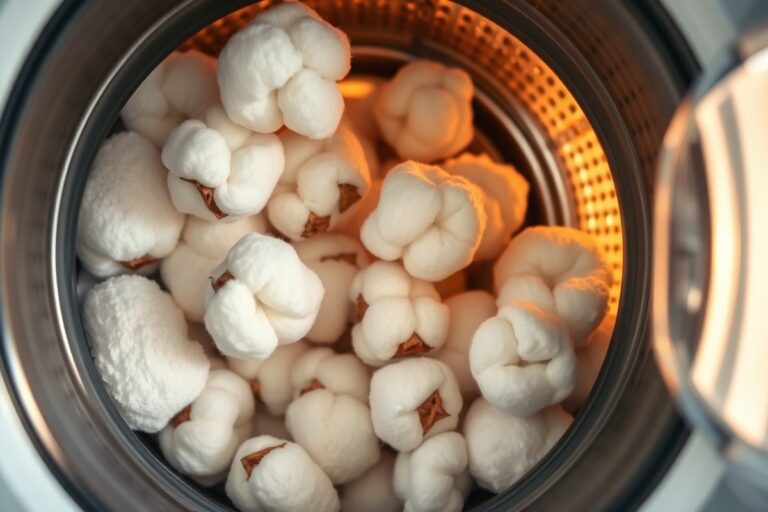
To avoid these problems, consider cutting back on dryer sheets or swapping them for alternatives like wool or rubber dryer balls. These balls help separate fabric to improve drying efficiency without leaving residue. They also reduce static cling naturally and can lower drying times by up to 10-20 percent in some cases. Dryer balls are reusable and cost less over time compared to dryer sheets, which typically cost around $0.06-$0.10 per sheet.
When you do use dryer sheets, don’t use them in every load. Save them for particular fabrics or loads where static is a bigger issue, such as synthetic clothing. Always clean your lint screen after every use and periodically inspect the drum and vent for residue. If you notice a sticky buildup, wipe it down with white vinegar and warm water. Regular maintenance like this helps prevent buildup from becoming a bigger issue that could harm performance.
How Do Dryer Sheets Affect Fabrics and Laundry Results?

Dryer sheets soften fabrics and reduce static cling by leaving a thin coating on laundry. This helps clothes feel smoother and less prone to cling. However, the coating can reduce the absorbency of towels and may cause issues with delicate fabrics like moisture-wicking or microfiber materials.
Softening Fabrics Through Lubrication
Dryer sheets are made with nonwoven polyester sheets coated in fabric softeners. These softeners create a thin layer on fibers that reduces friction during drying, which makes fabrics feel soft to the touch. This effect improves the overall texture of clothes and reduces roughness often caused by tumbling in the dryer.
The coating also helps reduce static electricity, which happens when fabrics rub together and build up electrical charge. That’s why your clothes come out less clingy or crackling when you use a dryer sheet.
To use, tossing one sheet in with each load during the drying cycle is enough. The sheets typically cost between $0.10 and $0.30 each, depending on brand and quantity. Using them regularly delivers noticeable softness in most cotton, polyester, and blends.
Impact on Towel Absorbency
Dryer sheets can hinder towel performance by leaving a waxy or oily residue. This film clogs the fibers and blocks water from being absorbed efficiently. Towels that feel soft may not dry as quickly or soak up water as well if dryer sheets have been used consistently.
To maintain optimal absorbency, avoid using dryer sheets on bath towels or washcloths. Instead, let towels air dry or occasionally skip fabric softener products to help fibers stay open. You’ve been using dryer sheets regularly; you can restore absorbency by running towels through a hot wash cycle with no fabric softener and adding a cup of white vinegar to the rinse cycle.
Considerations for Delicate and Technical Fabrics
Some fabrics react poorly to dryer sheets. Moisture-wicking athletic wear, microfiber cloths, and certain synthetic performance fabrics can lose their effectiveness due to the coating left behind. This residue interferes with breathability and moisture movement, which are key features of these materials.
For these items, skip dryer sheets to avoid buildup. Using dryer balls or air drying are better options. You need to soften these fabrics; use a detergent designed for technical clothing or hand wash with minimal additives. This way, you protect the fabric’s intended properties.
Managing Static and Freshness
Static cling occurs when fabrics separate in dry air during tumbling, building static electricity. Dryer sheets neutralize this by reducing friction. They also add fragrance that many find pleasant. However, those sensitive to scents or chemical smells might find this irritating.
Light use of dryer sheets can provide good static control without overpowering scents. Applying one sheet per load usually balances fabric freshness and comfort. For those with allergies or chemical sensitivities, unscented or toxin-free alternatives work better at reducing static without added fragrances.
Use dryer sheets sparingly on towels and technical clothes to maintain their performance; regular washing with vinegar helps remove residue buildup.
What Chemicals Are in Dryer Sheets and Are They Harmful?
Dryer sheets typically contain several chemicals that help reduce static and add fragrance, but some of these ingredients can pose health risks. Common chemicals include synthetic fragrances, quaternary ammonium compounds, and various conditioners, which may irritate skin or cause allergic reactions. People with sensitive skin, allergies, or pets should pay close attention to these chemicals to avoid potential problems.
Common Chemicals in Dryer Sheets
Most commercial dryer sheets have a blend of ingredients designed to prevent static cling and soften fabrics. Key chemicals often found include:
- Quaternary ammonium compounds (quats): These are fabric softening agents but are linked to skin irritation and allergies.
- Synthetic fragrances: These provide the fresh scent but can contain undisclosed ingredients known to cause respiratory problems and allergic reactions.
- Fatty acids and lubricants: Added for softening and fabric care, typically derived from oils or synthetic sources.
- Preservatives and stabilizers: Maintain freshness and shelf life, sometimes contributing to chemical exposure.
Some dryer sheets advertise plant-based ingredients and essential oils, which may reduce exposure to harsher chemicals.
Health Risks Linked to Dryer Sheet Ingredients
The chemicals in dryer sheets have been linked to several health concerns, especially with regular or prolonged exposure. Quaternary ammonium compounds can trigger allergic reactions, cause skin irritation, and aggravate respiratory conditions. Synthetic fragrances often include chemicals that may act as irritants or disrupt hormones.
Exposure to these chemicals can worsen symptoms for people with allergies or asthma, leading to increased sneezing, coughing, or skin redness. Long-term effects from chemical buildup in the body include potential neurological issues or an increased cancer risk, though these outcomes depend on individual exposure and sensitivity.
| Chemical Ingredient | Purpose | Potential Health Risks |
|---|---|---|
| Quaternary Ammonium Compounds | Fabric softener, anti-static | Skin irritation, allergies, respiratory issues |
| Synthetic Fragrances | Fragrance | Allergic reactions, hormone disruption, respiratory irritation |
| Fatty Acids and Lubricants | Softening fabrics | Generally low risk but may cause irritation in sensitive skin |
| Preservatives/Stabilizers | Product shelf life | Possible allergic reactions in sensitive individuals |
Many dryer sheets still contain these ingredients, so checking labels or choosing hypoallergenic versions can reduce risks. Plant-based alternatives may avoid some of these chemicals altogether.
Precautions for Sensitive Users and Pets
Individuals with sensitive skin, allergies, or respiratory problems should be cautious when using dryer sheets. The fragrances and quats can cause flare-ups or new symptoms, including itching, rashes, or breathing difficulties. Using fragrance-free, hypoallergenic dryer sheets minimizes exposure to these irritants.
Pets like cats and dogs have more sensitive respiratory systems than humans, making them vulnerable to the airborne chemicals released by dryer sheets. It’s advisable to avoid drying pet bedding with dryer sheets or use pet-safe, natural alternatives to prevent respiratory irritation or allergic reactions in animals.
To reduce risks for both humans and pets, consider switching to plant-based dryer sheets without synthetic fragrances and quats. Proper ventilation when using dryer sheets and limiting their frequency can also help maintain healthier indoor air quality.
What Environmental Impacts Do Dryer Sheets Cause?
Dryer sheets are not eco-friendly, primarily due to their single-use design and materials. Many are made from synthetic fibers that do not biodegrade, meaning after one cycle in your dryer, they end up as landfill waste. Each sheet discarded contributes to pollution since millions of sheets accumulate yearly. Along with solid waste, their production and disposal involve chemical runoff and energy consumption that add to their environmental cost. Choosing dryer sheets with minimal packaging and buying in bulk can slightly reduce waste but does not eliminate the inherent problem of disposability and synthetic composition.
When heated during drying cycles, conventional dryer sheets release volatile organic compounds (VOCs) into the air inside and outside your home. These VOCs come from chemicals like quaternary ammonium compounds, benzalkonium chloride, and bis(2-diethylamino)ethanol present in dryer sheets. Research published in Air Quality, Atmosphere & Health found that common laundry products emit at least 25 different VOCs, which include substances linked to respiratory irritation, headaches, and other health problems. Even dryer sheets marketed as “eco-friendly” or “organic” may emit hazardous compounds, so switching to these does not guarantee a reduction in VOC emissions.
The presence of VOCs matters because these compounds contribute to indoor air pollution and can irritate sensitive individuals, especially those with asthma or allergies. Poor ventilation in laundry areas can increase VOC concentration, making these emissions more problematic. To limit exposure, running your dryer with a well-maintained vent system directs VOCs outside, reducing indoor buildup. However, outdoor air quality can also be impacted by these emissions, contributing to wider environmental pollution.
Besides VOC emissions, leftover dryer sheets and empty packaging create landfill problems. Because these sheets are single-use and made of non-biodegradable material, they accumulate as waste that can persist for years. This adds to solid waste pollution, and when disposed improperly, chemical residues from the sheets can leach into soil and water. To reduce environmental damage, consider using alternatives like reusable dryer balls made from wool or biodegradable natural sheets. These options cut down waste and chemical release while still helping with static and softness.
Addressing the environmental impacts of dryer sheets means either avoiding them or choosing greener alternatives carefully. Using reusable dryer balls or biodegradable sheets lessens landfill burden and VOC pollution. Also, keeping the laundry area ventilated and maintaining your dryer vent reduces indoor air quality concerns from VOCs. Each small change helps minimize pollution and protects both your home environment and broader ecosystems from the effects linked to typical single-use dryer sheets.
What Are Safe and Effective Alternatives to Dryer Sheets?
Choosing alternatives to dryer sheets can protect your dryer and clothes while reducing exposure to potentially harmful chemicals. Common substitutes include wool dryer balls, vinegar, reusable sheets, and simple homemade options, each with their own pros and considerations.
Wool Dryer Balls: Benefits and Limitations
Wool dryer balls are made from 100% premium New Zealand wool without synthetic fillers. They naturally soften laundry, reduce static cling, and can cut drying time by separating clothes to allow better air circulation. Using four to six balls per load is usually recommended. These balls last for hundreds of loads and can often be reused for years.
However, wool dryer balls may not provide the same fragrancing effect as dryer sheets. They work best when paired with essential oils added sparingly to a ball before drying, but direct spraying on clothes may stain. For those allergic to wool, this option may not be ideal.
Vinegar Use in Laundry and Drying
White vinegar is an effective natural substitute for softening fabrics and reducing static. Adding about half a cup of white vinegar to the rinse cycle can freshen clothes and break down detergent residue, which helps towels and other laundry feel softer. Vinegar does not linger with a strong vinegar smell once drying completes.
For static reduction in the dryer, a small cup of vinegar in the final rinse is more effective than spraying vinegar directly in the dryer. Avoid combining vinegar with bleach, as this produces harmful fumes. Vinegar is inexpensive, typically around $3 to $5 per gallon, making it a cost-effective option.
Other Commercial and Homemade Alternatives
Reusable dryer sheets made from natural materials such as bamboo or cotton offer a sustainable choice. They can be washed and reused multiple times, lowering waste and chemicals compared to single-use sheets. Some reusable sheets are preconditioned with gentle fabric softeners or essential oils for mild scent and softness.
DIY options include crafting your own fabric softener sheets by soaking small pieces of cloth in diluted fabric softener or wool felt balls infused with a few drops of essential oils. These homemade alternatives require more effort but allow customization and control over ingredients. The following table compares these common dryer sheet substitutes on key factors:
| Alternative | How It Works | Cost Range | Effectiveness | Environmental Impact | Limitations |
|---|---|---|---|---|---|
| Wool Dryer Balls | Natural wool softens, separates clothes to reduce drying time and static | $10, $30 for a set of 4-6 | Softens, reduces static, may speed drying; no scent | Reusable, biodegradable, sustainable | Not scented, possible wool allergies |
| White Vinegar | Add to rinse cycle to soften clothes, reduce static through residue control | $3, $5 per gallon | Softens well, reduces static when used appropriately | Non-toxic, biodegradable | No fragrancing, must avoid bleach mixing |
| Reusable Dryer Sheets | Cloth sheets washed and reused; often pre-treated with mild softener | $7, $20 each | Softens, may reduce static, mild scent | Reusable, less waste than single-use | Require laundering, less convenience |
| DIY Fabric Softener Sheets | Cloth soaked in diluted softener or essential oils | Varies by ingredients | Customizable scent and softness | Low waste if ingredients are natural | Requires time and effort; inconsistent results |
Test any essential oils on a patch of fabric first to prevent staining or allergic reactions.
How to Properly Use and Avoid Risks with Dryer Sheets
Use dryer sheets sparingly to avoid buildup and reduce residue on fabrics and your dryer. One sheet per load is generally sufficient for a regular-sized load. Using more than one sheet can lead to excess residue, which clogs lint traps and increases fire risk. For large or extra-damp loads, start with one sheet and add a second only if you really need extra softness or static control.
Skip dryer sheets on certain fabrics that don’t react well to their chemicals. Avoid adding them when drying bath towels, kitchen towels, microfiber cloths, or cleaning rags since the residue can reduce their absorbency and cleaning efficiency. Also, laundry for children’s pajamas or those with sensitive skin should be dried without dryer sheets to reduce possible irritation. To lower fire hazards and residue buildup, follow some basic safety steps when using dryer sheets:
- Use only one dryer sheet per load to prevent excess residue
- Keep dryer vents and lint traps clean by regularly removing lint and built-up residues
- Do not let dryer sheets collect near heating elements or get stuck in the lint trap
- Use dryer sheets with mild scents and from reputable brands that comply with fragrance safety standards
- Consider running an occasional empty drying cycle with a damp microfiber cloth to remove leftover residues
- If anyone in the household has sensitive skin or respiratory issues, limit or avoid scented dryer sheets
Dryer sheets contain chemicals that can leave a thin film on fabric and inside the dryer, so regular maintenance is important to keep both clean and safe. Staying within recommended usage limits saves time and avoids costlier issues, such as decreased drying efficiency or fabric damage. Costs vary, but a typical pack of 40 sheets might cost $5 to $7, making a single sheet per load an inexpensive option when used correctly.
By using dryer sheets properly and maintaining your dryer, you keep your laundry soft and static-free without causing damage or increasing health or fire risks. Always read the product label for specific directions and warnings to comply with local safety regulations and manufacturer guidelines.
How to Clean and Maintain Your Dryer from Dryer Sheet Buildup
Dryer sheets can leave a thin film of chemical residue inside your dryer drum and vent system, which feels oily or waxy to the touch. This buildup often appears as a faint greasy layer on the metal drum or around the vent opening. Clothes may feel less dry or have a slight chemical smell if residue accumulates. Recognizing this buildup early helps prevent clogging and potential fire hazards caused by lint and residue combining inside your dryer.
Removing this residue requires a careful cleaning process to dissolve and wipe away the fabric softener chemicals without damaging dryer components. Regular maintenance helps keep your dryer running efficiently and extends its lifespan, especially if you frequently use dryer sheets. Follow these steps to clean chemical residue and buildup caused by dryer sheets:
- Unplug the dryer and remove all clothes. Safety first: disconnect the dryer from power before cleaning to avoid injury or damage.
- Clean the lint trap thoroughly. Remove all lint and wash the lint screen with warm, soapy water to remove oily residues. Dry it completely before reinserting.
- Wipe the inside drum with a mixture of warm water and vinegar. Use a soft cloth soaked in a 50/50 vinegar and water solution to clean the drum interior. This helps break down the film without harsh chemicals. Avoid abrasive scrubbers that could scratch the surface.
- Dry the drum with a clean microfiber cloth. After wiping, remove any moisture to prevent rust or damage.
- Inspect and clean the dryer vent and duct. Disconnect the vent hose and vacuum out lint and buildup inside. Residue can collect here and block airflow, increasing drying time and energy use.
- Run an empty drying cycle with a few clean towels. Use the highest heat setting to dry the towels and help loosen any remaining residue or lint inside the drum and vent.
- Repeat this cleaning every 3 to 6 months if you use dryer sheets regularly. More frequent cleaning may be necessary if you notice slower drying times, unusual odors, or visible residue buildup.
Cleaning products to avoid include harsh solvents or abrasive tools, which might damage the dryer drum finish. Household vinegar is low-cost and effective and typically costs less than $5 per quart. Failure to clean this residue can cause your dryer to run longer per cycle and increase the risk of lint fires due to blocked vents or lint trap gaps coated with fabric softener.
Signs Your Dryer or Laundry Is Affected by Dryer Sheets
Fabric damage from dryer sheets often shows as a buildup of residue that makes clothes feel less soft or appear dull. This residue can coat fibers, causing stiffness and reducing breathability, especially on towels and athletic wear. Excess use of dryer sheets may also cause discoloration or spots on delicate fabrics like microfiber or moisture-wicking materials, which can shorten their lifespan.
Signs that your dryer’s efficiency is dropping include longer drying times and clothes still feeling damp after a usual cycle. Residue from dryer sheets can clog the lint trap or vents, limiting airflow and raising internal temperatures. This forces the dryer to work harder and use more energy. Checking for increased energy bills or overheating odors near the dryer could also indicate reduced performance linked to residue buildup.
Consider calling a professional if you notice persistent odors, unusual noises, or if your dryer frequently overheats or shuts off mid-cycle. A technician can inspect and clean internal components like the vent ducts and heating elements, which might be contaminated by excessive dryer sheet residue. Professional cleaning usually costs between $100 and $250, depending on how deep the cleaning needs to be and how accessible the dryer components are.
- Feel clothes for unusual stiffness or oily residue after drying
- Look for faded spots or uneven fabric texture on garments
- Monitor if clothes take longer than usual, 30 to 40 minutes or more, to dry
- Check the lint trap for sticky residue buildup beyond normal lint
- Smell for chemical or burning odors coming from the dryer during cycles
- Listen for abnormal noises such as rattling or excessive humming
- Note if the dryer overheats frequently or the circuit breaker trips
Avoid overusing dryer sheets and clean the lint trap after every load to reduce residue buildup that can harm your dryer’s function.
Spotting fabric damage early matters because dryer sheets can leave substances that accumulate over time, harming delicate materials. Regularly check your clothes right out of the dryer to catch signs before they worsen. For efficiency, use a timer or smart plug to gauge drying time changes. If you’re unsure whether residue buildup is causing problems, try running a cycle without sheets as a test.
Professional inspections are best sought when simple cleaning and adjusted dryer sheet use do not improve drying times or fabric feel. Ignoring these signs can increase your energy bills and risk costly repairs if the dryer overheats or the motor strain worsens.
Step-by-Step Action Plan to Protect Your Dryer and Laundry
Follow these steps to use or avoid dryer sheets safely while keeping your dryer in good shape.
- Before Your Next Load: Check your dryer’s lint trap and clean it to reduce buildup, ensuring dryer sheets won’t cause extra problems.
- Start Today: Use dryer sheets sparingly, placing only one sheet per load to minimize residue; monitor your clothes’ feel and static to assess if one sheet is enough.
- After One Week: Inspect inside your dryer drum for any greasy spots or film caused by sheets; wipe with a damp cloth if you notice buildup.
- Within Two Weeks: Try an alternative like wool dryer balls for static control and softness; compare fabric results to decide what suits your laundry best.
- Monthly: Deep clean the lint trap housing and dryer vent to remove any dryer sheet residue that could affect airflow and performance.
- Every 3, 6 Months: Assess your laundry for any lingering odors or fabric residue indicating chemical build-up; adjust your dryer sheet use accordingly.
- Ongoing: Follow label instructions on your fabric care tags and dryer sheets, and consider natural or fragrance-free options to reduce chemical exposure.
Frequently Asked Questions
Can Dryer Sheets Cause Lint Buildup Inside the Dryer?
Dryer sheets can contribute to lint buildup by leaving waxy residue on dryer components, which traps lint. Regular cleaning of the lint trap and dryer interior helps prevent airflow issues and reduces fire risk.
Do Dryer Sheets Affect the Efficiency of Gas Dryers Differently Than Electric Dryers?
Dryer sheets impact both gas and electric dryers similarly by potentially clogging vents and reducing airflow. Efficiency loss depends more on maintenance than the dryer type. Keep vents clear for optimal performance.
Are There Any Dryer Sheets Designed Specifically for Sensitive Skin or Allergies?
Yes, certain dryer sheets are formulated for sensitive skin using hypoallergenic ingredients and without fragrances. Look for labels indicating dermatological testing or fragrance-free options to reduce irritation risks.
Can Dryer Sheets Damage Certain Dryer Drum Finishes or Coatings?
Dryer sheets’ oily residues may degrade some drum finishes over time, especially in older dryers with protective coatings. Avoid excessive use and clean the drum periodically to preserve dryer interior surfaces.
Is It Safe to Use Dryer Sheets with Towels and Heavy Fabrics?
Using dryer sheets with towels and heavy fabrics is generally safe, but excess residue can reduce fabric absorbency. Use fewer sheets or alternative softening methods for towels to maintain their effectiveness.
Do Dryer Sheets Increase Fire Hazards in Dryers?
Dryer sheets themselves don’t directly increase fire risk, but residue buildup can restrict airflow and lint accumulation, which are fire hazards. Regular dryer maintenance, including cleaning vents and lint traps, reduces this risk.
Final Thoughts
You can protect your dryer and fabrics by using dryer sheets carefully and maintaining your dryer regularly. Pay attention to how your laundry reacts and consider safer alternatives to reduce risks. Taking these steps will help you keep your dryer working efficiently and your clothes fresh. Try cleaning your lint trap now to start on the right foot.