How to Use Dryer Sheets: A Complete Guide for Soft, Static-Free Laundry
Using dryer sheets correctly involves tossing one sheet into the dryer drum before starting the cycle, allowing it to soften fabrics and reduce static cling effectively. Dryer sheets are coated with softening agents and fragrance that smooth fibers and add a fresh scent, improving your laundry’s feel. This guidance is designed for homeowners and renters looking to improve their laundry routine with soft, static-free results.
This complete guide covers how to use dryer sheets properly, what fabrics to avoid with them, and compares alternatives like dryer balls. You’ll also find tips on common mistakes, safety considerations, and unexpected household uses for dryer sheets to make the most of every laundry load.
Key Takeaways
- Place one dryer sheet per load directly inside the dryer drum before starting the drying cycle.
- Avoid using dryer sheets on microfiber, performance gear, or flame-resistant fabrics to prevent damage.
- Do not put dryer sheets in the washing machine, as they are designed only for dryers.
- Dryer sheets help reduce static by coating fabric fibers with a thin softening layer during drying.
- Consider natural wool dryer balls as an alternative to reduce chemicals and static without fragrance.
- Using too many dryer sheets can leave residue on clothes and the dryer’s lint trap.
How to Properly Use Dryer Sheets in Your Dryer
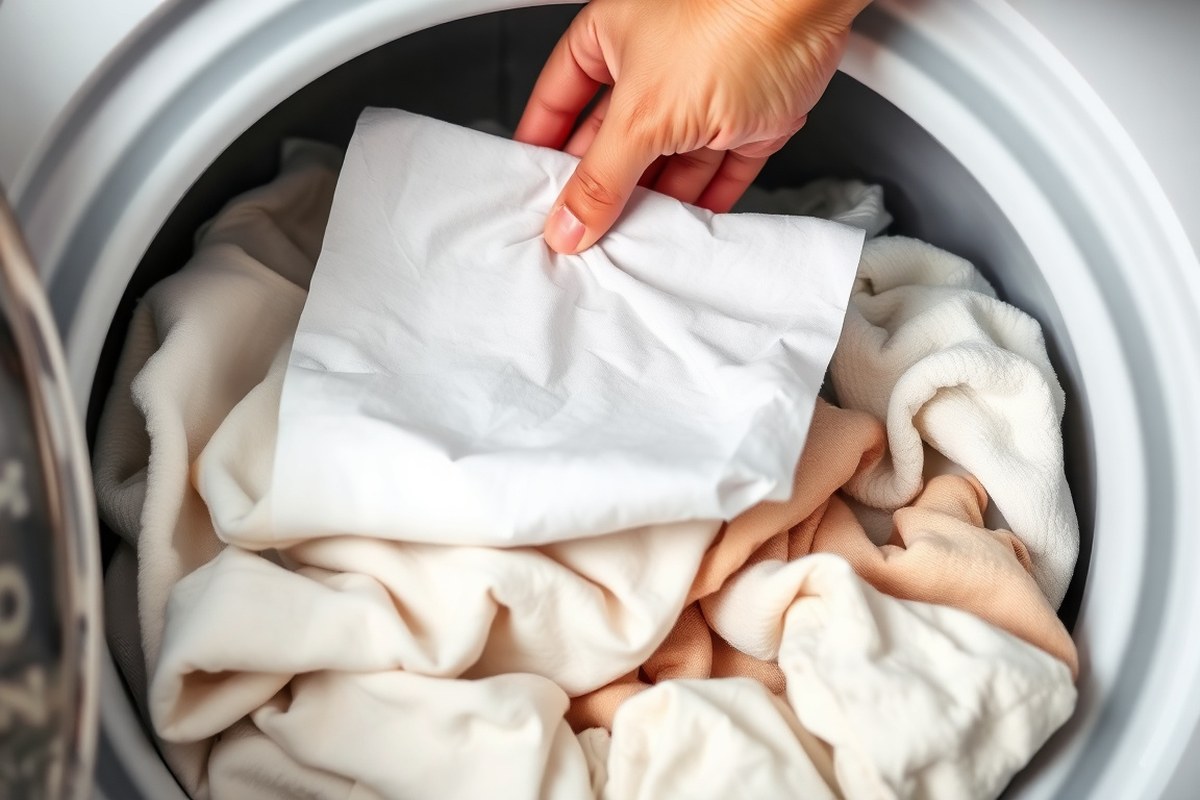
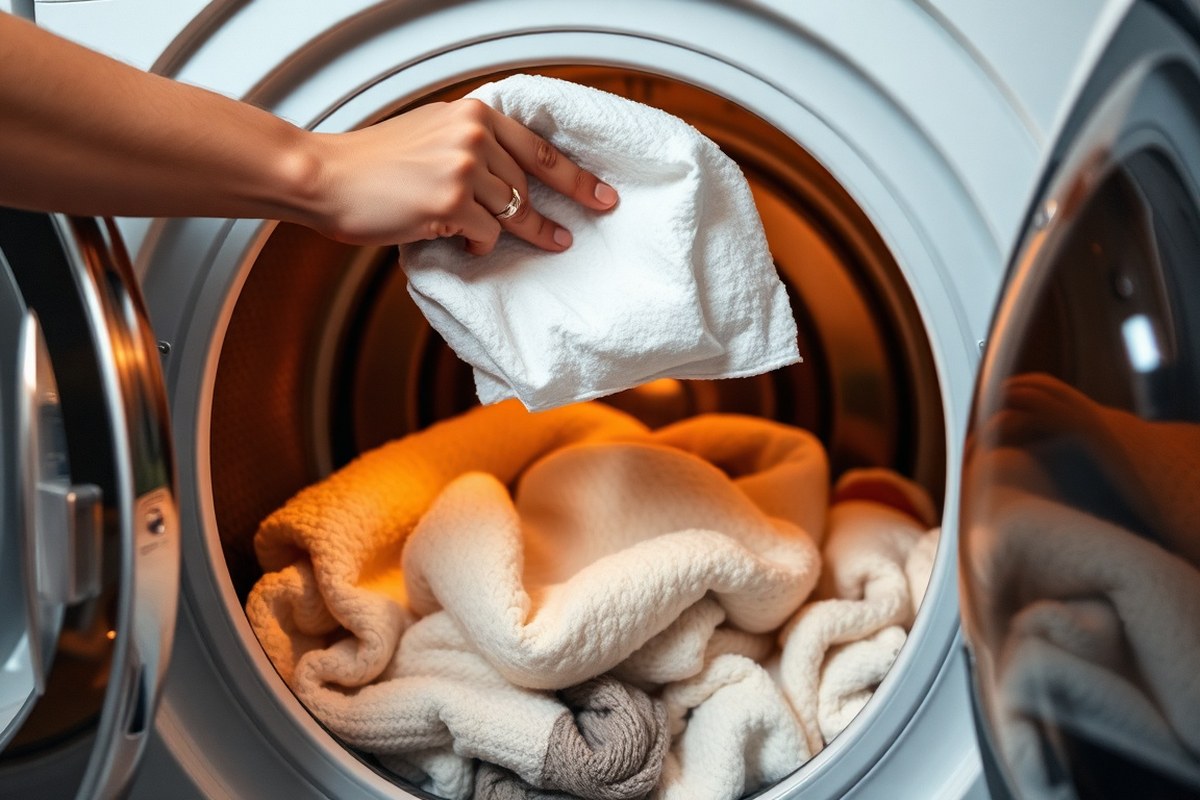
To use dryer sheets effectively, place one or two sheets on top of your damp clothes right after loading the dryer. They work throughout the drying cycle, softening fabrics, reducing static cling, and adding scent. Using them on top ensures maximum contact with your laundry and better results.
Loading Your Dryer Correctly
Start by making sure your clothes are evenly distributed inside the dryer drum. Avoid overloading, as this limits fabric movement and reduces the effectiveness of dryer sheets. Clean the lint trap before each load to maintain proper airflow and drying efficiency. Follow these steps to prepare your dryer for the best drying experience with dryer sheets:
- Check that the lint trap is clean and free of debris.
- Place damp clothes inside the dryer, spreading them loosely.
- Avoid stuffing the dryer too full to allow good tumbling action.
- Choose the appropriate drying cycle and temperature for your fabric type.
Where and When to Add Dryer Sheets
Place dryer sheets on top of the wet clothes in the dryer right before starting the drying cycle. This position lets the sheets move freely with fabrics to deposit softening agents and scent throughout the load. For larger loads or if you want extra softness, use two sheets instead of one.
Dryer sheets work during most of the cycle but do their main job as the clothes dry and tumble, usually within 20 to 40 minutes depending on your dryer and load size. Adding sheets before drying ensures they mingle with fabrics early and continuously.
Disposing of Used Dryer Sheets Safely
After drying, remove and throw away used dryer sheets in your regular trash. They generally cannot be recycled or composted because they contain chemicals that remain even after use. Some people reuse lightly used sheets to dust or freshen up shoes, but avoid putting them back in the dryer.
If you want to reduce waste or avoid chemicals, consider alternatives like wool dryer balls. Always follow any disposal instructions on the dryer sheet packaging to ensure safe handling.
Why Use Dryer Sheets? How They Soften and Stop Static
Dryer sheets soften clothes and reduce static by releasing conditioning agents and anti-static compounds when heated. These coated polyester sheets interact with your laundry’s fibers, making fabrics feel smoother and less clingy. They also add a fresh scent, improving the overall laundry experience without extra effort.
How Dryer Sheets Soften Fabric
Dryer sheets are made of nonwoven polyester microfiber coated with softening agents. When you place a dryer sheet in a warm dryer, the heat activates these compounds. The softeners transfer to the clothes’ fibers, coating them with a thin lubricating layer. This layer relaxes the fabric fibers, making them feel softer to the touch and reducing stiffness that often comes from drying.
Fabric softening helps lower friction between fibers, which causes less wear on clothes over time. It also decreases wrinkles by allowing fabrics to move more freely during tumbling. This process typically finishes within the usual drying cycle, around 30 to 60 minutes at temperatures between 120°F and 160°F, depending on your dryer settings.
Reducing Static Cling with Anti-Static Compounds
Static in laundry happens when clothes rub against each other, creating an electrical charge that makes fabrics stick or attract lint and pet hair. Dryer sheets contain positively charged substances that neutralize the negative charges building up on your garments during drying.
As clothes tumble, the anti-static ingredients transfer from the sheet to the fabric surface, breaking up the electrical charge that causes cling. This effect not only makes your laundry easier to handle but also encourages lint and pet hair to gather in the lint trap, simplifying cleanup.
Fragrance Added to Laundry
Most dryer sheets also include fragrance oils that release during the drying cycle to leave a fresh scent on clothes. These scents vary widely by brand, ranging from floral and lavender to more neutral or fresh linen aromas. The amount of fragrance delivered depends on the sheet’s coating and the dryer’s heat level.
While the scent typically lasts for days or even weeks, it’s worth noting that stronger fragrances might irritate sensitive skin or cause allergy symptoms for some people. Choosing unscented or hypoallergenic dryer sheets can help avoid these issues.
Limitations and Fabric Considerations
Dryer sheets work best on everyday cottons, polyesters, and blends. They may not be ideal for moisture-wicking athletic wear, microfiber towels, or materials requiring high absorbency. The softening agents can coat fabric fibers and interfere with moisture management or towel absorbency. For these fabrics, skipping dryer sheets is usually preferable.
The thin polyester sheets themselves are inexpensive, often costing around 5 to 10 cents each in bulk. Even so, it’s best not to overuse them, as buildup from excess softeners can accumulate on both clothes and inside the dryer, potentially reducing fabric breathability and affecting drying efficiency.
Use one dryer sheet per load to avoid residue buildup on your clothes and dryer components.
Which Fabrics and Situations Should Avoid Dryer Sheets?
Dryer sheets are not suitable for every type of fabric or laundry situation. They work by leaving a thin coating of fabric softeners on clothes as they dry, which can soften fabrics and reduce static. However, this coating can build up over time and interfere with certain fabrics’ natural properties.
Performance fabrics, especially those designed for athletic wear, rely on breathability and moisture-wicking to keep you comfortable. The coating from dryer sheets may reduce airflow and decrease the fabric’s ability to wick moisture effectively. This can make workout clothes feel less comfortable and less functional. Similarly, water-repellent or waterproof fabrics can lose their resistance to water because the softening agents block the fabric’s protective surface.
Some delicate materials don’t tolerate dryer sheets well. Using them with silk, satin, suede, or flame-resistant fabrics like children’s pajamas is not recommended. Dryer sheets can damage delicate fibers or interfere with flame resistance, which is a notable safety risk. For these fabrics, air drying and using gentle detergents without fabric softeners is a safer choice.
Dryer sheets can also affect towels and bedding. Towels, especially microfiber ones, may become less absorbent after repeated use of dryer sheets due to the coating. With regular cotton towels or bedding, dryer sheets can help maintain softness and fluffiness, mimicking a spa-like feel. However, overuse might reduce towel absorbency, so using them occasionally, rather than every time, is better. Consider avoiding dryer sheets in these situations:
- Clothes made from performance or athletic fabrics that need breathability
- Water-repellent or waterproof garments
- Delicate fabrics such as silk, satin, and suede
- Flame-resistant clothing, including kids’ pajamas
- Microfiber towels, to maintain absorbency
- Any laundry where you want to avoid residue buildup, such as some baby clothes or cloth diapers
To maintain your clothes’ texture and function, especially with sensitive or special fabrics, skip dryer sheets and opt for gentle detergents and air drying. For towels and bedding, use dryer sheets occasionally to keep softness without significantly affecting absorbency. Following this guidance can prevent damage and keep your laundry performing as expected over time.
Can Dryer Sheets Be Used in Washing Machines?
Dryer sheets are made to perform best in the dry, warm conditions of a dryer. Using them directly in a washing machine, where the clothes are soaked and cooled, prevents these sheets from releasing their softening and anti-static ingredients completely. This limits their ability to soften fabrics or reduce static cling during the wash cycle.
Using dryer sheets in the washing machine may also cause some buildup problems. The waxy or chemical residue from these sheets can stick to the inner parts of your washer, like the drum or detergent dispenser. Over time, this buildup can affect the machine’s performance, potentially leading to issues like reduced cleaning power or unpleasant odors. Regular cleaning of the machine can help, but avoiding dryer sheets in the wash reduces this risk entirely.
From a health and safety perspective, most chemicals in dryer sheets are recognized as safe by the FDA. However, fragrances in dryer sheets release volatile organic compounds (VOCs), some of which studies have linked to respiratory irritation and headaches in sensitive individuals. These VOCs may be less concentrated when dryer sheets are used in a dryer due to ventilation, but washing machines are usually contained spaces, which might limit airflow. People with asthma or fragrance sensitivities might want to avoid using dryer sheets in the wash entirely to minimize exposure.
Adding too many dryer sheets can make matters worse. Using more than one or two sheets per load, whether in the washing machine or dryer, does not improve results. Instead, excess sheets leave additional residues on clothes and inside machines. This can cause fabrics to feel sticky or greasy and increase the chance of deposits accumulating on machine components. Sticking to the product instructions, usually one sheet per load, is best.
Should you want some of the scent or fabric protection benefits during the wash, consider alternatives made for washing machines. Some laundry detergent sheets on the market are formulated to soften fabrics and add fragrance during the wash cycle. Using these products as directed helps avoid buildup and health concerns connected to dryer sheets. In contrast, the materials in traditional dryer sheets rely on the dryer’s heat to activate and disperse properly, which the washing machine environment does not provide.
Dryer Sheets vs Dryer Balls: Which Is Better for Your Laundry?
Choosing between dryer sheets and dryer balls depends on what benefits matter most to your laundry routine. Dryer sheets soften fabric, reduce static, freshen clothes with scent, and help repel lint and hair. They are generally inexpensive and fit naturally into the dryer cycle. On the other hand, wool dryer balls are reusable, eco-friendly, and promote better airflow in the dryer, which can lead to faster drying times and less wear on fabrics.
Natural or fragrance-free dryer sheets offer an option for those seeking a safer, more environmentally responsible choice. These sheets often feature cellulose fibers that can be recycled and avoid synthetic chemicals. Wool dryer balls, usually sold in packs of six for around $15 to $20, last for hundreds of loads. They don’t add scent but reduce drying time by separating garments so heat circulates better. Below is a comparison table that outlines the key features, costs, and ideal use cases for dryer sheets versus dryer balls:
| Feature | Dryer Sheets | Dryer Balls |
|---|---|---|
| Main Function | Softening, freshening, static control, lint repellence | Separates clothes to improve airflow, reduces drying time |
| Use | One sheet per dryer load inside the drum | 3, 6 balls placed in the dryer with laundry |
| Cost | $0.10 to $0.25 per sheet (single-use) | $15, $20 for a 6-pack, reusable for years |
| Environmental Impact | Disposable, but some natural cellulose options are recyclable | Reusable, made of natural wool or silicone, low waste |
| Fragrance | Offers scented options, including luxury natural scents | No added scent, neutral |
| Effectiveness | Softens fabrics, controls static well, repels lint | Improves drying time, reduces static indirectly by better drying |
| Best For | Households wanting soft, fresh-smelling laundry with static control | Those seeking eco-friendly, reusable options and faster drying |
The cost difference matters: if you prefer convenience and scent, dryer sheets are usually cheaper upfront but add up over time. Dryer balls are a better investment if environmental impact and reuse interest you. Scent-sensitive users should pick fragrance-free dryer sheets or skip scent altogether by choosing wool balls. For best results with dryer sheets, avoid overloading the dryer, which can trap sheets and reduce their effectiveness. Dryer balls require no special handling beyond placing them with your laundry load.
Don’t overload your dryer, this can trap your dryer sheets in one spot and prevent them from softening all your clothes evenly.
Common Dryer Sheet Mistakes and How to Fix Them
Using dryer sheets incorrectly can reduce their effectiveness and even cause problems with your laundry. One common mistake is adding too many dryer sheets at once. Using more than one or two sheets per load doesn’t improve softening or static control but can leave a waxy residue on clothes. This residue builds up over time, attracting dirt and making fabrics feel stiff. Stick to the recommended one sheet per medium load or two for larger loads to avoid this issue.
Another frequent error is placing dryer sheets in the dryer before the drum starts spinning. When the dryer only tumbles clothes but the sheets stay stuck in one spot, softening and static control become uneven. To fix this, add the dryer sheet after the dryer has started and the clothes are tumbling freely.
- Using too many dryer sheets; limit to one or two per load
- Putting sheets in a dry drum; add only once the dryer is running
- Using dryer sheets on fabrics that repel sheets, like moisture-wicking activewear
- Leaving sheets in too long, causing wax buildup or grease stains
- Not replacing dryer sheets often enough, resulting in poor static control
- Assuming all dryer sheets are scent-free and using fragranced sheets on sensitive skin
- Using sheets in high-heat cycles that can cause sheets to melt or leave residue
Signs dryer sheets aren’t working as expected include stiff or clingy clothes despite using sheets, visible oily spots, or a strong artificial scent that lingers. Hard fabrics with residue may feel greasy to the touch or attract dust and lint easily. Sheets that leave stains usually mean the dryer is too hot or the sheets are melting. To troubleshoot, try lowering the dryer temperature, reducing sheet usage, or switching to a brand labeled for sensitive skin and safer ingredients.
Address static by ensuring loads aren’t too small or dry, overdrying increases static charges that dryer sheets can’t fully neutralize. Adding a damp washcloth to the dryer with the sheets can help in very dry conditions. For residue buildup, regularly clean the lint filter and wipe down the drum, since residue can combine with lint to create a sticky film. If odor is an issue, alternatively, replace scented sheets with fragrance-free versions or ones certified by the EPA’s Safer Choice program to avoid irritation or overpowering scents.
Creative Household Uses for Dryer Sheets
Dryer sheets can be used for several household cleaning and freshening tasks beyond laundry. Their textured fibers attract dust and pet hair, making them handy for quick cleanups on furniture, car interiors, and fabrics. You can safely reuse dryer sheets after drying clothes, especially for dusting and removing pet hair, extending their usefulness without additional cost.
The static-reducing qualities of dryer sheets help to lift lint and pet hair from fabric surfaces. For example, rubbing a dryer sheet over your sofa or car seats draws out embedded pet hair. Keep a sheet in your car’s glove compartment to freshen carpets and seats anytime. Avoid using sheets on delicate surfaces that might react to the fragrance or residue.
- Remove pet hair from sofas and chairs by wiping surfaces with a slightly used dryer sheet
- Use a dry sheet to dust ceiling fan blades, trapping dust instead of spreading it around
- Freshen up car interiors by wiping down seats and vents with a new or used dryer sheet
- Eliminate static cling from upholstery or clothes by rubbing with a dryer sheet
- Place a dryer sheet in your shoes or gym bag to reduce odors
- Use an old dryer sheet to clean baseboards or blinds for quick dust removal
- Keep a sheet in closets or drawers to maintain a fresh scent on stored clothes
Reusable dryer sheets continue to collect dust and hairs but lose some scent and softening power after multiple uses. Typically, a sheet can be reused 2 to 3 times with good results for dusting and pet hair removal before it becomes less effective. For deep cleaning or heavy-duty tasks, fresh sheets work best.
Results improve when the sheet is gently rubbed over dry fabrics or surfaces. Excess moisture can reduce static effects and dull the sheet. Wear disposable gloves if you have sensitive skin, as the fragrance or residue may cause irritation on prolonged contact. Avoid dryer sheets on surfaces with a strong finish or coating prone to staining or damage.
Safety, Health, and Environmental Considerations with Dryer Sheets
Dryer sheets can carry risks related to health, safety, and environmental impact. Choosing the right detergent and dryer sheet, and maintaining your dryer, helps reduce residue buildup on clothes and appliances. Picking eco-friendlier options can also lower chemical exposure and waste.
Potential Allergies and Sensitivities
Dryer sheets often contain fragrances, softening agents, and chemicals like quaternary ammonium compounds, which may trigger skin irritation or respiratory issues in sensitive individuals. People with asthma or allergies should approach scented dryer sheets cautiously or avoid them altogether. Unscented or hypoallergenic dryer sheets can reduce the risk of reactions.
The detergent you use also plays a role in how fabrics feel and can impact sensitivity. Gentle detergents made with natural ingredients usually cause less irritation and clean without harsh residues that might irritate skin. If you notice itching, redness, or sneezing after using dryer sheets, consider switching to unscented options and a mild detergent and see if symptoms improve.
Environmental Impact and Alternatives
Conventional dryer sheets often contain synthetic chemicals and rely on single-use plastic packaging, contributing to environmental pollution. Many brands incorporate non-biodegradable components that do not break down easily in landfills. For a more eco-friendly approach, consider biodegradable or compostable dryer sheets made from natural fibers and essential oils. These products typically cost a bit more, around $0.10 to $0.20 per sheet, compared to about $0.05 for traditional sheets, but they reduce plastic waste and chemical runoff.
Dryer balls made from wool or silicone provide a reusable alternative that avoids chemical additives. Using dryer balls can cut drying time by 10 to 25 percent, which saves energy and lowers emissions from your dryer. When combined with a mild detergent suited to your water type, such alternatives maintain softness and reduce static without disposable waste.
Managing Residue and Maintenance
Residue from dryer sheets can build up on fabric over time, making clothes feel less fresh and causing discoloration or spots. It also tends to accumulate inside the dryer’s lint trap, drum, and vent ducts, which can reduce drying efficiency and increase fire risk if not cleaned regularly. Wiping the dryer drum with a damp cloth every few months and cleaning the lint trap after each use can help prevent buildup.
The choice of detergent impacts how much residue remains after washing. Harsh detergents with strong surfactants sometimes leave fabrics stiff, making dryer sheets more appealing to restore softness. Using a natural detergent with fewer additives reduces residue on clothes and cuts down the need for multiple sheets. In dryer use, dryer sheets may work better in dry climates to reduce static cling, while in more humid conditions, static buildup tends to be less of an issue, decreasing the necessity for softeners.
Regularly check and clean your dryer vent and lint trap to prevent dryer sheet residue from reducing efficiency and causing safety hazards.
Step-by-Step Action Plan for Using Dryer Sheets
Follow this simple plan to get the best results from dryer sheets in your laundry routine and household use.
- Before Your Next Laundry Load: Check your washer and dryer instructions to confirm dryer sheet compatibility. Avoid using them on fabrics that repel sheets, like microfiber or flame-resistant gear.
- At Laundry Start: Place one dryer sheet on top of your wet clothes in the dryer. Use more sheets only for large or heavy loads to maintain softness and reduce static.
- During the Dry Cycle: Set the dryer on the appropriate heat setting based on fabric type to protect clothes and ensure the dryer sheet works effectively.
- After Drying: Remove clothes promptly to keep them wrinkle-free and evenly scented. Notice if static and stiffness are minimized compared to past loads without sheets.
- Once a Week: Clean the lint trap and wipe inside the dryer drum to prevent buildup from fabric softeners in the sheets, keeping your dryer efficient and safe.
- For Household Uses: Try using dryer sheets to freshen drawers or dust surfaces once the laundry is done, checking for any sensitivities to fragrance.
Frequently Asked Questions
What Is the Point of Using Dryer Sheets?
Dryer sheets soften clothes, reduce static cling, and add fragrance. They relax fibers during drying, which helps prevent wrinkles and keeps clothes feeling fresh.
Do I Put Dryer Sheets Before or After My Clothes?
Place dryer sheets on top of your clothes in the dryer. This allows the heat to activate the conditioning agents evenly as the sheets move through the load.
How Many Dryer Sheets Are You Supposed to Use?
Use one dryer sheet for a regular load and two for larger loads or extra softness. Adding more than two won’t improve benefits and could leave residue.
When Should I Not Use Dryer Sheets?
Avoid dryer sheets with moisture-wicking athletic wear or towels, as they can reduce absorbency and interfere with performance fabrics.
How Do Dryer Sheets ACTUALLY Work?
Dryer sheets release conditioning compounds when heated, which relax fabric fibers and neutralize static electricity. This process softens clothes and reduces lint and pet hair cling.
Can You Use Dryer Sheets in a Washing Machine?
Using dryer sheets in the washing machine isn’t recommended due to the risk of chemical residue buildup on clothes. It’s best to keep them for dryer use only.
Before You Go
Using dryer sheets properly helps you achieve softer, less static-prone laundry while extending the life of your clothes and machine. Start by adding a sheet to your next dryer load and observe the difference in fabric feel and scent. Adjust the number of sheets and heat settings based on your specific laundry needs to get optimal results without overusing products. Experiment with creative uses around your home to make the most of each sheet beyond the dryer.