How Do Dryer Sheets Work? A Complete Guide to Benefits, Use & Alternatives
Dryer sheets work by releasing softening agents and anti-static chemicals when heated in the dryer, coating fabrics to reduce friction. This process makes clothes feel softer and helps prevent static cling and wrinkles. You will learn practical tips on using dryer sheets effectively, their benefits, types, and alternatives to keep your laundry fresh and comfortable.
This information is ideal for homeowners and renters who want to maximize laundry care while understanding how different products impact fabrics. It also explains when and why to choose dryer sheets or other options for specific fabric needs and environmental concerns.
Key Takeaways
- Use one dryer sheet per regular load to soften fabrics and reduce static without overapplying chemicals.
- Dryer sheets release lubricating agents when heated, which coat fibers to prevent stiffness and static buildup.
- Mega dryer sheets contain three times the static-fighting ingredients, making them effective for large or heavy loads.
- Choose dryer sheets with natural essential oils, like Roux Maison’s scents, to avoid synthetic fragrances.
- Dryer balls can reduce drying time by about 5 minutes but may not significantly affect softness or static.
- Using dryer sheets around sewing projects, such as quilting, can help reduce static and fabric friction.
How Do Dryer Sheets Work to Soften and Protect Fabrics?
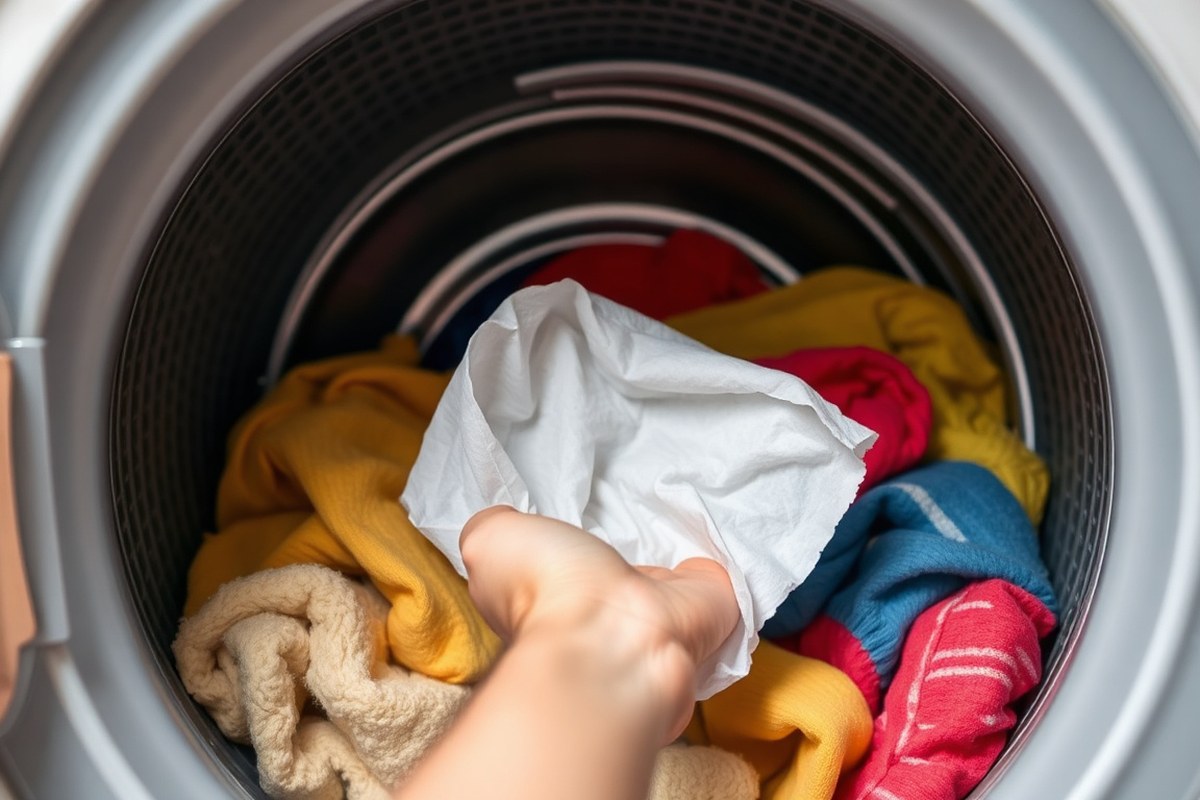
Dryer sheets work by releasing a thin layer of lubricating chemicals onto fabrics during the drying cycle. These chemicals primarily include fabric softening agents called quaternary ammonium compounds. When heated inside the dryer, these compounds melt and coat the clothes, smoothing out rough fibers to make fabrics feel softer and more comfortable against the skin.
The mechanism for reducing static cling involves the transfer of positively charged ions from the dryer sheet onto the clothes. As fabrics tumble and rub together, static electricity builds up, causing clothes to stick to each other or create sparks. Dryer sheets neutralize this by delivering positively charged particles that counteract the negative charges in the fabric. This balance stops clothes from clinging excessively and makes folding and wearing them easier.
Beyond softening and static reduction, dryer sheets deposit fragrance onto your laundry. They contain scented oils that are released when heated in the dryer, giving your clothes a fresh smell straight out of the dryer. The softness, scent, and static control happen simultaneously during the typical 30 to 45-minute drying cycle at temperatures that are usually between 120°F to 140°F.
Using a single dryer sheet per load is generally enough because the sheet slowly releases its active agents throughout the drying process. Applying more sheets will not necessarily increase softness or reduce static further and can even leave residue on fabrics or the dryer walls. Dryer sheets are a convenient and chemical-based alternative to liquid fabric softeners used in washing machines, as they only activate in the heat of the dryer and don’t leave clothes feeling wet or greasy.
The softening effect is most noticeable on fabrics like cotton and polyester blends, which tend to become stiff after washing. The softening agents act as lubricants, filling in tiny gaps along fabric fibers to reduce stiffness. However, dryer sheets don’t penetrate deeply like some liquid softeners do; instead, they provide surface-level softness and static control that lasts until the next wash.
Some dryer sheets are marketed as chemical-free or more natural, but most rely on these positively charged softening chemicals combined with fragrance carriers. When you toss a dryer sheet into the dryer with your laundry, the heat melts the compounds, allowing them to be evenly distributed on your clothes over the full drying time. This process also reduces drying time slightly by preventing clothes from sticking together and allowing hot air to circulate more freely.
Dryer sheets do not work well for all fabric types. Towels and microfiber cloths, for example, may lose absorbency if coated with certain softening chemicals, and dryer sheets should be avoided with these items. In summary, dryer sheets soften fabrics by coating fibers with lubricating agents, reduce static by balancing electrical charges, and add fragrance, all by releasing their substances gradually throughout the heat and tumbling inside your dryer.
Key Benefits and Additional Uses of Dryer Sheets

Dryer sheets offer several benefits beyond just softening and anti-static effects. Their lubricating agents reduce friction between fabric fibers during the tumble drying process, which helps minimize wrinkles and creases. This wrinkle reduction matters because it saves time on ironing and maintains your clothes’ appearance. Using a dryer sheet in a typical 30- to 60-minute drying cycle can noticeably reduce fabric wear and wrinkles by keeping fibers smooth and flexible.
Another advantage is lint and pet hair removal. The anti-static compounds in dryer sheets prevent static cling, which makes lint and hair less likely to stick to your clothing after drying. For best results, toss one or two sheets into the dryer with your typical load. This simple step can keep your laundry looking cleaner without extra effort.
Beyond laundry tasks, dryer sheets can repel certain insects and neutralize odors. Some brands incorporate ingredients like linalool and citronellol, which are known to deter bugs such as mosquitoes and ants. You can tuck a used dryer sheet into storage bins, closets, or shoes for ongoing insect repellency and freshening. This inexpensive solution costs only a few cents per sheet and can help protect your wardrobe or living space.
- Static reduction lowers cling and improves fabric comfort.
- Wrinkle control reduces the need for ironing by minimizing fiber abrasion.
- Lint and pet hair repellency keeps clothes cleaner after drying.
- Fabric longevity improves by reducing friction and wear over time.
- Insect repellency works by releasing scents that deter bugs in closets or drawers.
- Odor control freshens fabrics during drying and storage.
Applying dryer sheets is straightforward: add one sheet per regular load to the dryer before starting the drying cycle. For bulky or extra-large loads, use two to maintain effectiveness. Heavy or pet-hair-prone laundry may require multiple sheets or switching to mega sheets designed for stronger static and odor control. Keep in mind that overusing sheets in one load can leave residue on clothes or inside the dryer’s lint trap.
Used dryer sheets can still repel insects and odors, reuse them in closets or storage instead of throwing them away immediately.
When putting dryer sheets to work for wrinkle control and fabric protection, pair them with proper drying settings. Using a medium heat setting combined with a sheet can reduce fabric damage. Lower heat settings with a sheet extend fabric life but might increase drying time. Dryer sheets also complement natural additives like a clean dry towel that speeds drying and further lowers static.
How Many Dryer Sheets Should You Use per Load for Best Results?
The right number of dryer sheets for a load depends mainly on the size of the load and the type of fabric you’re drying. Using too many sheets can cause chemical residue to build up inside your dryer drum and on lint filters, which might reduce your dryer’s efficiency and even lead to unpleasant odors. Conversely, using too few sheets may result in less effective softening, static reduction, and fragrance release.
For a regular or medium-sized load of mixed fabrics, one dryer sheet usually provides enough softening and anti-static effect. Larger loads or heavy fabrics like towels and jeans may benefit from two sheets. Delicate or lightweight fabrics need fewer sheets to avoid excess coating, which can make clothes feel greasy or coated, and risk fabric damage over time.
Keep in mind that dryer sheets work by heat activation. The heat from your dryer melts the softening agents and anti-static compounds on the sheet, transferring them to your clothes. Dryer sheets may not work as well when the dryer temperature is set too low, such as during some delicate cycles. Using a dryer sheet with prolonged drying times or high heat settings maximizes this transfer but also increases residue build-up risk. Follow these steps to decide and use dryer sheets efficiently:
- Assess your load size: For small or light loads, use one-half to one dryer sheet. For medium loads, use one sheet. For large or bulky loads, double up to two sheets.
- Consider fabric type: Use fewer sheets for delicate fabrics and more for heavy, static-prone items like fleece or synthetic blends.
- Place the sheet on top of wet clothes: This ensures early heat exposure and allows fabric softeners to spread evenly during tumbling.
- Set the dryer temperature to medium or high: Heat activates the sheet’s chemicals, allowing softening and static reduction. Avoid low-heat or air-only cycles.
- Remove clothes promptly: This minimizes excess residue build-up and static.
- Clean your dryer regularly: Wipe the drum and clean the lint filter to remove any accumulated dryer sheet residue that can reduce efficiency.
- Adjust sheet count as needed: If clothes feel stiff or static persists, try adding an extra sheet next time. When residue or odors show up, reduce the number of sheets you use.
You can find boxes of 240 dryer sheets for under $10, which costs less than 4 cents per sheet. This makes it affordable to use the right amount without worrying about waste. Using too many sheets might seem like it guarantees softness and scent, but residue buildup inside your dryer and on fabrics often contradicts that assumption. Balancing effectiveness with minimal residue keeps both your laundry and your dryer working well over time.
Types of Dryer Sheets and How to Choose the Right One
Dryer sheets come in various types depending on the materials, fragrances, and intended users such as those with sensitive skin or households with pets. Choosing the right kind means understanding whether you want synthetic or natural ingredients, scented or fragrance-free options, and specific formulations to avoid irritation or harm to fabrics and animals.
Synthetic Fabric Dryer Sheets
Most conventional dryer sheets are made from non-woven synthetic fabrics or cellulose fibers that withstand a single drying cycle. These sheets use chemical softeners like quaternary ammonium compounds (quats) to reduce static and make fabrics feel softer. They usually include fragrance oils to add a fresh smell to your laundry. Synthetic sheets are widely available and generally cost a few cents per sheet, making them affordable for everyday use.
They work well for typical loads but may reduce the absorbency of items like microfiber towels or athletic wear. Some users might notice skin irritation or respiratory issues caused by the chemicals or fragrance ingredients. These sheets are disposable and not readily biodegradable, which can raise environmental concerns if used frequently without recycling or proper disposal.
Natural and Biodegradable Options
Eco-friendly dryer sheets are becoming more popular due to their use of plant fibers and natural softening agents that decompose faster once discarded. They steer clear of synthetic chemicals and artificial scents, often relying on essential oils or no fragrance at all. Priced higher than standard options, these sheets usually cost between 10 and 20 cents each because of their natural ingredients. These sheets are a good choice if you want to reduce environmental impact or if you or your family have sensitivities to synthetic ingredients.
- Made from biodegradable plant fibers
- Use natural softening agents like vegetable oils
- Fragrance options include essential oils or unscented
- Break down faster in landfills or composts
- Generally more expensive but gentler on skin
- Reusable fabric sheets are an eco-friendly alternative
- Wool dryer balls provide a chemical-free option to soften and reduce drying time
Choosing eco-friendly sheets helps fit fabric softening into a sustainable lifestyle without sacrificing laundry freshness or softness. Keep in mind these natural sheets may have a subtle scent compared to the stronger artificial fragrances in conventional sheets.
Specialty Sheets for Sensitive Skin and Pets
For those with allergies, sensitive skin, or households with pets, specialty dryer sheets omit harsh chemicals and artificial fragrances that can cause irritation or respiratory issues. These sheets typically use mild, hypoallergenic formulas and avoid quats and strong scent additives. Brands often advertise them as dermatologist tested or suitable for sensitive skin, targeting consumers who might react to regular sheets.
Pet-specific dryer sheets also avoid ingredients toxic to animals and may include deodorizers safe for pet bedding and clothes. Using these helps reduce allergic reactions and keeps your fabrics safe, especially when drying pet accessories. These sheets tend to cost more, reflecting their specialized formulations.
Comparing Dryer Sheets with Dryer Balls: Which Is Better?
Dryer sheets and dryer balls each have strengths and weaknesses depending on what you want. Dryer sheets are better at softening fabrics and controlling static, while dryer balls help reduce drying time and avoid chemical exposure. Your choice depends on which benefits matter most for your laundry routine.
Softening and Static Control
Dryer sheets coat fabrics with chemicals that soften clothes and reduce static cling. They also add fragrance and help protect fabric surfaces. Dryer balls create space between items, which lessens static by reducing friction, but they don’t soften fabrics as effectively as sheets. Some users combine dryer sheets with wool balls to boost softness and static control.
While dryer balls help separate clothes during tumbling, they only reduce static rather than eliminate it. Their main static-reducing effect comes from prevention of fabric-to-fabric contact that causes electric charge buildup.
Cost per Use and Lifespan
Dryer sheets work once per load and must be discarded after use. Each sheet typically costs around 5 to 10 cents, depending on brand and quantity. Dryer balls, especially those made of wool, are reusable for hundreds of loads, lasting up to two years. The upfront cost for dryer balls is higher, usually $10 to $20 for a set, but cost per use drops significantly with frequent use. Here’s a comparison of factors that affect your wallet and convenience:
| Feature | Dryer Sheets | Dryer Balls |
|---|---|---|
| Reusability | Single use per sheet | Reusable for 200+ loads |
| Cost per load | ~5 to 10 cents | Less than 1 cent (with frequent use) |
| Initial investment | Low (purchase in bulk) | Moderate ($10-$20 per set) |
| Softness and fragrance | High | Low |
| Static reduction effectiveness | High | Moderate |
| Effect on drying time | None | Reduces drying time by improving air flow |
Choosing dryer balls saves money over time, but dryer sheets offer stronger immediate effects for softness and scent.
Environmental and Health Impact
Dryer sheets contain chemicals that may cause irritation or allergies for some people. Some sheets release substances that can be respiratory irritants or linger on sensitive skin. Wool dryer balls contain no added chemicals, creating no known health risks since they do not release fragrances or substances.
From an environmental standpoint, dryer sheets add to landfill waste because they are disposed of after one use. Dryer balls reduce waste by lasting for multiple years. Also, dryer balls improve drying efficiency by reducing time spent running a dryer, saving energy.
Tip: To get softness without chemicals, use wool dryer balls together with a single sheet occasionally to combine benefits without overusing sheets.
Eco-Friendly and DIY Dryer Sheet Alternatives
Eco-friendly and homemade alternatives to dryer sheets offer ways to soften fabrics, reduce static, and add fragrance without chemicals. Options like wool dryer balls, aluminum foil balls, and DIY fabric softening solutions work well for many people. They can save money, cut waste, and suit sensitive skin or environmental goals.
Wool Dryer Balls and Their Benefits
Wool dryer balls are natural, reusable alternatives that soften clothes by creating space between items and agitating fabrics to reduce wrinkles. Unlike dryer sheets, they contain no added chemicals or fragrances. Using 3 to 6 wool balls per load helps improve airflow and can cut drying time by about 10 to 25 percent, which saves energy.
Toss the wool balls into the dryer alongside your damp laundry, then add two to three drops of essential oil like lavender or eucalyptus to each ball for fragrance. These balls help absorb moisture and soften fabrics naturally, without any leftover residue.
Making DIY Dryer Sheets at Home
You can reuse cloth strips or purchase plain cloth squares to create your own reusable dryer sheets. Soaking these cloths in a mixture of water, fabric softener, or vinegar plus a few drops of essential oil provides softness and fragrance. After use, air dry the cloths and reuse them until the scent fades, typically lasting 20 to 30 loads. Follow these steps to make your own dryer sheets:
- Cut old cotton fabric or buy reusable cloths about 5 by 5 inches.
- Mix 1 cup water with 2 tablespoons liquid fabric softener or 1 cup vinegar plus essential oils.
- Soak cloths in the mixture and wring out excess liquid.
- Store damp cloths in a sealed container until ready to use.
- Toss one cloth into the dryer per load for softness and static reduction.
- Air dry cloths after each use and re-soak when scent or softness weakens.
- Replace homemade sheets every few months to prevent mildew.
Homemade sheets cost less than commercial ones and cut waste, but they usually lack the long-lasting scent and static control of traditional dryer sheets.
Using Aluminum Foil Balls
Aluminum foil balls can reduce static cling naturally without chemicals. Wadding a sheet of aluminum foil into a ball about the size of a baseball and adding it to the dryer helps neutralize static electricity. The foil discharges static by grounding the clothes as they tumble.
Make two or three foil balls for a typical medium to large load and toss them into the dryer with your laundry. Each ball can last for about 3 to 4 months before needing replacement. Aluminum foil balls are cheap, easy to make, and safe for most fabric types.
Some downsides include no softening or fragrance effect and minimal wrinkle reduction. Also, avoid using foil balls with delicate fabrics that could snag or tear.
Common Dryer Sheet Mistakes and How to Avoid Them
Using too many dryer sheets per load is a common mistake that can leave residue on your clothes and inside your dryer. This buildup happens because the fatty molecules and oils from the sheets coat fabrics and dryer components, which over time reduces drying efficiency and can cause your clothes to feel greasy or less absorbent. One or two sheets per load is usually enough, even for larger loads. More than that increases the risk of residue and does not improve static reduction.
Dryer sheets are designed for single use. Reusing them reduces their effectiveness since the surfactant chemicals that control static cling wash off during drying. Attempting to reuse them may seem economical but often results in less static control and more residue deposit on your clothes and in the dryer. Discard sheets after one drying cycle to keep performance consistent and avoid buildup that leads to maintenance problems.
Residue buildup inside the dryer is not just a clothes issue; it also affects the machine’s performance and safety. Over time, accumulated oils from dryer sheets can mix with lint and dust, creating sticky deposits on the lint screen, dryer drum, and exhaust vent. This mixture can reduce airflow and increase the risk of fires, especially with the high heat dryers reach during cycles.
- Limit use to 1-2 dryer sheets per load to prevent residue buildup.
- Do not reuse dryer sheets; discard after one drying cycle.
- Regularly clean the lint screen before every load to remove residue and lint.
- Every few months, wipe the inside drum with a cloth dampened with vinegar or mild soap to remove built-up oils.
- Check and clean the dryer vent and exhaust duct at least once a year to maintain airflow and reduce fire risk.
- Avoid using dryer sheets on moisture-wicking or microfiber fabrics to preserve their performance and avoid sticky coating.
- Follow the dryer manufacturer’s instructions for maintenance to keep your machine safe and efficient.
Regular cleaning prevents performance problems and fire hazards caused by dryer sheet residue. Use a vacuum or vent brush to clear dryer ducts and remove lint traps regularly. Also, periodically inspect the drum for visible film or sticky patches and clean carefully to keep your dryer working at its best. Doing so costs little in time and supplies but prevents costly repairs and hazards linked to residue buildup and poor dryer ventilation.
Safety Concerns and Fabric Impact of Dryer Sheets
Dryer sheets contain ingredients like quaternary ammonium compounds (quats) and fragrances, which can cause allergic reactions or skin irritation in some people. Your skin may get irritated with redness, itching, or rash after using dryer sheets. Choosing hypoallergenic formulas without dyes and perfumes can ease these problems. Those with more severe sensitivities might want to avoid dryer sheets altogether to minimize chemical exposure. In such cases, using alternatives like wool dryer balls is a safer option because they don’t rely on synthetic chemicals.
Repeated use of dryer sheets can leave a waxy residue on fabrics, which may reduce towel absorbency and affect specialized items like athletic wear or microfiber cloths. The coating that softens fabrics can interfere with these materials’ ability to wick moisture. To protect your towels and sensitive garments, avoid dryer sheets when drying them, or use them sparingly. Washing towels separately without dryer sheets and air drying them when possible helps maintain their performance. To keep towels soft and absorbent while still using dryer sheets, take the towels out of the dryer before putting dryer sheets in with the rest of the load.
Using dryer sheets in moderation helps limit residue buildup that can also affect the dryer’s internal components over time. This buildup risks clogging lint traps and reducing dryer efficiency. Most dryer sheets are designed to work within typical drying cycles at temperatures between 120°F and 160°F. Avoid overdrying, which can increase fabric wear and increase chemical residue absorption. To minimize risk, stick to the recommended number of dryer sheets per load, usually one sheet for a small to medium load and up to two for larger ones. Avoid using more than necessary since extra sheets do not improve softness but increase potential irritation and fabric impact.
Always follow the care instructions on clothing labels. Dryer sheets may not be suitable for certain fabric types like flame-resistant clothing, some synthetics, or specialized activewear. Observing how your fabrics respond to dryer sheets over time will help you decide if they are causing issues. When you see fabric quality, softness, or how well items perform decline, stop using dryer sheets on those pieces. For households with children or individuals prone to asthma or allergies, consider using scent-free or hypoallergenic dryer sheets or switch to a chemical-free alternative to reduce potential health risks.
Try using one dryer sheet per load and avoid sheets on towels and athletic wear to prevent reducing absorbency and fabric performance.
Step-by-Step Action Plan
Follow these steps to use dryer sheets effectively and safely, improving your laundry results while minimizing fabric wear and environmental impact.
- Before Your First Load: Choose a dryer sheet that fits your fabric type and scent preference. To choose a low-impact option, consider eco-friendly or DIY sheets.
- Day 1: For a typical load, use one dryer sheet placed on top of the wet clothes. Check your clothes after drying for softness and static reduction to confirm effectiveness.
- Week 1: Avoid doubling up on dryer sheets to prevent greasy residue. Should static remain a problem, adjust the dryer setting or add a dryer ball as a complement.
- Week 2: Monitor your fabrics for any buildup or scent sensitivity. Notice any changes? Try a different type or brand of dryer sheet or switch to an alternative method.
- Month 1: Experiment with dryer sheet use on different fabric types, such as towels or synthetics, to learn what works best for each. This helps prolong fabric life and maintain softness.
- Ongoing: Always follow the dryer sheet package instructions and fabric care labels. Replace dryer sheets per load; don’t reuse to avoid reduced effectiveness and buildup.
Frequently Asked Questions
What Are Dryer Sheets Supposed to Do?
Dryer sheets reduce static cling, soften fabrics, and add fragrance to laundry. They work by depositing a thin layer of chemicals that neutralize static electricity and condition fabrics during the drying cycle.
What Can I Use Instead of Dryer Sheets?
You can use dryer balls or crumpled aluminum foil balls instead of dryer sheets. Dryer balls help separate clothes to reduce drying time and static, while aluminum foil balls neutralize static without softening fabrics or adding fragrance.
Why Should You Put Aluminum Foil Balls in Your Dryer?
Aluminum foil balls reduce static cling by neutralizing the electric charge in the dryer. They do not soften fabrics or add scent but offer a chemical-free way to cut down static buildup.
What Happens If You Don’t Dry with Dryer Sheets?
Without dryer sheets, your clothes may develop more static cling and feel less soft. You might also miss out on the fragrance dryer sheets add, but your fabrics will still dry properly.
Do Dryer Sheets Damage Towels or Athletic Wear?
Dryer sheets can reduce towel absorbency and damage moisture-wicking athletic fabrics. Avoid them on towels and sportswear to maintain fabric performance.
Can Dryer Sheets Cause Wrinkles on Clothes?
Dryer sheets can help reduce wrinkles by softening fabrics and minimizing static that causes cling, but overuse might leave residue that stiffens clothes slightly.
The Bottom Line
Dryer sheets work by coating your clothes with a thin layer of softening agents that reduce static and add fragrance while protecting fabric fibers. Using the right amount at the right time provides better laundry results without risking fabric damage. Try adding a single dryer sheet to your next load and adjust based on the results you see to find the best fit for your laundry routine.