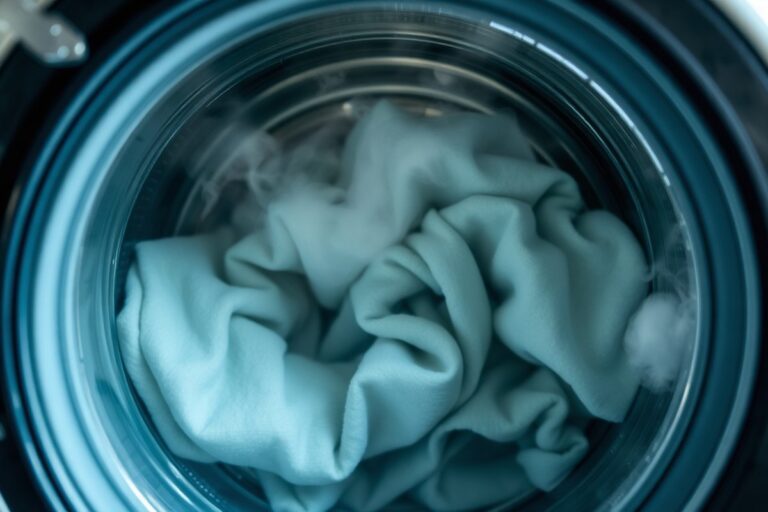
How to Wash a Bedspread Safely: A Complete Guide with Expert Tips
How to wash a bedspread safely starts with choosing the right water temperature, using an appropriate detergent, and selecting a gentle wash cycle. Washing in cool water around 30°C (86°F) preserves fabric quality and prevents shrinkage, especially for cotton or linen bedspreads.
This advice suits homeowners or renters who want to keep their bedspreads clean without damage. You’ll learn step-by-step washing methods, stain treatment tips, and how to handle large or delicate bedspreads properly.
Key Takeaways
- Use cool water (30°C or below) for the first wash to prevent shrinkage and preserve fabric fibers.
- Select a gentle wash cycle lasting between 45 minutes and 1 hour 20 minutes for thorough cleaning.
- Pre-treat stains by letting detergent sit on the affected area for at least 20 minutes before washing.
- For cotton bedspreads, avoid water temperatures above 40°C to maintain fabric longevity.
- Linen bedspreads require reduced spin speeds to prevent fiber fraying during the wash.
- Dry bedspreads on low heat for 2 to 4 hours, fluffing periodically to avoid clumping or damage.
How to Wash a Bedspread at Home Step-by-Step

You can wash a bedspread at home using your washing machine if it fits comfortably and the care label allows it. For delicate or bulky bedspreads, hand washing is the safer option. Proper preparation, selecting the right cycle, and drying correctly help keep your bedspread clean and in good shape.
Preparing Your Bedspread for Washing
Start by checking the care label for washing instructions, water temperature, and drying guidelines. Remove any visible stains using suitable pre-treatment methods. Make sure the bedspread fits into your washer freely; a tightly packed bedspread won’t clean well and can damage the fabric.
Before washing, zip any covers, fasten buttons, and shake out dust or debris. Avoid washing your bedspread with other items to prevent color transfer and uneven cleaning.
Choosing Washing Machine Settings
Pick a gentle or delicate cycle to protect the bedspread’s fabric and stitching. Most cotton bedspreads can handle 30 to 40°C water on a gentle spin. Avoid hot water to prevent shrinkage and fiber damage. Use mild, enzyme-free detergent to maintain fabric quality.
Large or heavy bedspreads, such as queen or king sizes, may need a washing machine with 4.5 cubic feet or more capacity. Front-loading washers with bulky cycles work best for these. If the bedspread is too large for your home machine, consider a laundromat with commercial-size washers.
Hand Washing a Bedspread Safely
Hand washing is best for delicate fabrics like wool, velvet, or quilts with intricate stitching. Fill a bathtub or large basin with cool or cold water and add mild detergent designed for delicate fabrics. Gently submerge the bedspread and lightly move it around without wringing or twisting to avoid damaging fibers or causing felting.
Rinse thoroughly with fresh water until no soap remains. Press water out gently by pressing the bedspread between towels rather than wringing.
Effective Bedspread Drying Techniques
Dry your bedspread according to fabric type. Cotton and synthetic fills can go in the dryer on a low or delicate setting. Adding clean tennis balls or dryer balls helps keep fillings from clumping. Wool, linen, and delicate fabrics should be dried flat on a clean surface or hung on a line away from direct sunlight to avoid shrinking and fading.
For large items, lay the bedspread flat on a bed or large table covered with towels to keep its shape. Avoid high heat, which can shrink, fade, or distort delicate fibers.
- Check the care label for washing instructions and water temperature.
- Pre-treat any stains with appropriate cleaner and remove loose debris.
- Load the bedspread alone into the washing machine if machine washing.
- Select a gentle or delicate cycle with cold to warm water (30, 40°C).
- Use mild, enzyme-free detergent suited for the fabric type.
- For hand washing, fill a basin with cool water and mild detergent, then gently submerge and rinse.
- Dry cotton and synthetic bedspreads in the dryer on low heat or line dry.
- Dry wool, linen, or delicate bedspreads flat or on a clothesline out of direct sun.
Choosing the Right Water Temperature and Detergent

Choosing the right water temperature and detergent is essential to protect your bedspread’s fabric and color. Different materials require specific care to avoid shrinking, fading, or damage. In general, washing at cooler temperatures between 86°F and 109°F (30°C to 43°C) helps prevent fabric wear and preserves colors. Natural fabrics like wool or down benefit most from cold water on a delicate cycle, as hotter water can strip oils from down clusters and warp shells, risking shrinkage and loss of loft.
Detergent choice matters as well. Use a mild, liquid detergent designed for delicate fabrics, avoiding bleach or harsh chemicals. Many detergents formulated for cold water work best because they dissolve thoroughly without leaving residue, which could stiffen fills or irritate skin. Overusing detergent can trap residues that cause odor and reduce softness. For best results, use less detergent than the package suggests and include an extra rinse cycle to fully clear soap from the fibers. The following table summarizes recommended water temperatures and detergent advice for common bedspread fabrics, helping you pick the safest method:
| Fabric Type | Recommended Water Temperature | Detergent Type | Why |
|---|---|---|---|
| Down or Down-Alternative | Below 110°F (preferably 86, 109°F) | Mild, liquid detergent; no bleach | Avoids stripping natural oils and shrinking shell fabric |
| Wool or Delicate Natural Fibers | Cold water (below 86°F / 30°C) | Mild, wool-friendly detergent | Preserves softness and structure |
| 100% Cotton or Linen | Cold water on first wash (below 86°F) | Gentle detergent; avoid bleach or harsh bleach alternatives | Prevents shrinkage and color fading |
| Blended Fabrics (Cotton/polyester) | Warm water (up to 109°F / 43°C) | Any mild detergent suitable for blends | Balances cleaning power and fabric care |
Check the sewn-in care label first. It gives the most accurate information about the maximum washing temperature, if machine washing is allowed, and suitable detergents. If the label advises cold water or delicate cycles, follow those instructions exactly to avoid damage. Using water hotter than 110°F risks shrinking and fading colors, especially in natural fibers.
Avoid washing your bedspread in hot water above 110°F to keep fabric fibers strong and colors vibrant over time.
Take care during drying, too. Always dry bedspreads completely before storing to avoid mildew or odor, and choose low heat or air-dry settings when possible. By combining correct temperature and detergent choice with proper drying, your bedspread can stay fresh, soft, and colorful for years.
How to Pre-Treat and Remove Stains on Bedspreads
Pre-treating stains on a bedspread before washing will improve cleaning results by breaking down the stain and preventing it from setting. Use a gentle stain remover or diluted detergent on the spots and let it sit for 5 to 15 minutes, then proceed with washing. Avoid letting the stain remover sit too long to prevent fabric damage or fading.
Common Bedspread Stains and Best Removers
Most stains on bedspreads usually affect small areas, such as coffee drops, makeup smears, or pet marks. Each stain type responds better to specific treatments. Cold water and mild detergent work well for many stains, but some require targeted removers.
- Coffee or Tea: Dab with cold water, then apply dish soap and gently brush with a soft toothbrush.
- Makeup: Apply a stain remover or a small dab of detergent diluted with water, then softly rub it into the spot.
- Pet Stains: Apply an enzymatic cleaner designed for organic stains to break down proteins.
- Oil or Grease: Sprinkle baking soda or cornstarch to absorb, then brush off and apply detergent.
- Blood: Use cold water and a gentle detergent; avoid hot water as it sets protein stains.
- General Dirt or Mud: Allow mud to dry, then brush off excess before spot cleaning with detergent.
Choosing an appropriate remover not only targets the stain effectively but also protects delicate bedspread fabrics such as cotton, linen, or velvet.
Step-by-Step Stain Pre-Treatment Process
Start by locating and assessing any visible stains, then pick the right product to handle them gently. Spot treatment saves energy and extends fabric life by avoiding unnecessary full washes.
- Blot stains immediately with a clean cloth to remove excess material; never rub as this spreads the stain.
- Apply a small amount of your chosen stain remover or dilute a gentle detergent in water and work it into the stain with your fingers or a soft brush.
- Let the stain remover sit on the fabric for the recommended time, usually 5 to 15 minutes depending on the stain type and fabric, making sure not to exceed the time to avoid colour damage.
- Check for colourfastness by testing the remover on a hidden area before applying it to the stain.
- Load the bedspread into the washer after pre-treatment and follow your usual washing instructions.
Spot cleaning alone can take about 25 minutes, which includes application and sitting time. This process is especially useful to maintain linens and delay frequent full washes.
Timing and Testing for Safe Stain Removal
Allowing the pre-treatment to sit lets the remover break down stain molecules for better extraction during washing. A 10 to 15-minute window is typical for most stains, while makeup may only need about 5 to 10 minutes. Avoid letting stain removers sit beyond 20 minutes, as this can cause fabric fading or weaken fibres.
It helps to test stain removers on a hidden part of the bedspread first. This precaution prevents unintended bleaching or damage, which varies by fabric type and dye quality. Spot-treat and, if stains persist after washing, repeat the process before drying. Heat from drying sets stains permanently, so do not use the dryer until stains are fully removed.
How Often Should You Wash Your Bedspread?
Washing your bedspread about every four to six months typically strikes a good balance between cleanliness and preserving the fabric’s quality. This frequency works well if you use it regularly but have a cover over it, which protects the bedspread from body oils, dust, and dirt. If you sleep without a cover, consider washing it more often, every two to three months, to reduce allergens and bacteria buildup. In comparison, sheets need more frequent laundering, usually once a week, because they come into direct contact with your skin and sweat more. Washing your bedspread as often as your sheets can wear it out faster without adding much benefit.
Seasonal changes affect how often you should wash your bedspread. Warmer months often mean more sweating and dirt, so increase the washing frequency slightly. You might also want to wash blankets weekly during the summer if you use them frequently, while waiting longer between washes in cooler months is usually fine. Those with allergies or sensitivities should wash their bedspread more often to minimize dust mites and other irritants. Running the dryer on high heat for the first 20 minutes after washing can help kill allergens and disinfect the fabric, according to textile care recommendations.
Sometimes your bedspread won’t be visibly dirty but needs refreshing. You can air it out by hanging it outside for a few hours on a dry, breezy day. This method helps reduce odors and moisture without washing. Another way to freshen up your bedspread is using a fabric refresher spray, but avoid saturating the material. For smaller spots or stains, avoid washing the entire bedspread; instead, gently blot the stain with a damp cloth to prevent unnecessary wear from repeated washing cycles. These approaches help extend the time between full washes.
Remember that the method and frequency may vary depending on the bedspread’s material. For example, wool comforters generally need minimal washing since excessive washing risks shrinking and damaging the fibers. Down comforters require less frequent washing if protected by a duvet cover, which you can wash weekly to maintain freshness. Always check care labels and adjust your cleaning routine accordingly. Establishing a routine that reflects your bedspread’s use, exposure, and fabric type can keep it clean and comfortable without shortening its lifespan.
What to Do When Your Bedspread Is Too Large for Your Washer
Washing a king-size or oversized bedspread at home can be tricky if your washing machine is too small. Most home washers hold less than 5 cubic feet, which is generally not enough space for a full-size comforter to move freely. To avoid damaging the fabric or unevenly compressing the filling, a good rule is that your washer should be at least 5 cubic feet in capacity to handle a king-size bedspread properly. Avoid forcing the bedspread into your machine when it doesn’t meet this size.
One practical option is to take your large bedspread to a laundromat. Commercial washers there typically offer large, front-loading machines without agitators, providing gentle and even cleaning. These machines allow your bedspread to move freely, resulting in better stain removal and fabric care. Laundromats usually charge around $3 to $6 per load, depending on your area, which can be cost-effective compared to professional cleaning fees.
When a laundromat isn’t convenient, you can hand wash a smaller oversized bedspread in your bathtub. Fill the tub with lukewarm water and use a mild detergent suitable for delicate fabrics. Submerge the bedspread fully, gently pressing and swishing it for about 10 to 15 minutes. Avoid harsh scrubbing to prevent damage. Rinse thoroughly with clean water until no soap remains, then gently press out excess water without wringing. Lay the bedspread flat on clean towels or a drying rack in a well-ventilated area, turning it occasionally to speed drying. This process takes more effort and time but avoids using unsuitable machines.
Professional cleaning is recommended if your bedspread is particularly heavy, made of delicate materials like down or silk, or if the care label advises against home washing. Dry cleaners or specialist laundry services can cost $20 to $50 depending on size and location. Professionals use specialized equipment and detergents to clean without risking damage, especially for bulky, expensive, or heirloom pieces. Booking professional cleaning once or twice a year can help maintain your bedspread’s appearance if home washing isn’t practical.
Always follow the care label instructions and avoid cramming your bedspread into a small washer to prevent damage to the fill and fabric.
Recognizing and Avoiding Common Washing Mistakes
Washing a bedspread incorrectly can lead to shrinkage, fading, and damage to the fabric. One common mistake is using water that is too hot, especially above 30°C (86°F), which can fade colors and weaken fibers. Using the wrong cycle, such as a heavy-duty wash, may stretch or tear the material, especially if your bedspread is made of delicate fabric. Overloading the washer also prevents proper cleaning and increases wear.
Drying errors are another issue. Tumble drying on high heat can shrink cotton bedspreads and cause permanent damage. Letting a bedspread sit wet after washing promotes mildew growth and unpleasant odors. Some bedspreads lose shape or texture when spun too fast or dried improperly. Signs of damage include fabric thinning, color dullness, misshaping, and fraying seams. To prevent common problems, follow this list of practical tips:
- Always check the care tag and adjust cycle and temperature accordingly.
- Select a gentle or bulky washing cycle using water that is cold or warm, not exceeding 30°C.
- Use mild detergent designed for delicate fabrics, avoiding bleach.
- Wash the bedspread alone to avoid friction and uneven cleaning.
- Stop the cycle when the bedspread is slightly damp to air dry flat.
- Avoid high heat when drying; opt for air drying or tumble dry on low.
- Do not let washed bedspreads sit damp; remove promptly to prevent mildew.
These practices help maintain your bedspread’s color intensity and shape while avoiding shrinkage. For cotton bedspreads, expect a slight amount of shrinkage during the first wash, but it can be kept minimal by washing in cold water and air drying. Avoid washing on hot settings or heavy cycles. Your bedspread may have suffered heat or mechanical damage if it looks faded or thinner after washing. Slow down the spin speed and reduce drying temperature next time to extend its life.
Special Care for Different Bedspread Materials
Different bedspread materials require specific washing and drying methods to maintain their appearance and durability. Using the right water temperature, cycle, and drying technique helps preserve fabric quality and prevents damage such as shrinking, fraying, or filling clumping. Knowing the right care steps for cotton, linen, wool, velvet, and down-filled bedspreads ensures you clean them safely at home.
Cotton and Linen Bedspreads
Cotton bedspreads can usually be washed in cold or warm water without harm, but hot water may cause shrinkage. Linen is similar to cotton but needs a gentler approach because its fibers fray more easily under stress. Use a gentle cycle with a reduced spin speed for linen to avoid damage. Air drying is the best method for both cotton and linen bedspreads to preserve their shape and prevent shrinking.
Adding a mild detergent and avoiding bleach will keep cotton and linen fabrics soft and prevent fiber breakdown. Avoid high heat in the dryer if you use one; tumble dry low or remove when slightly damp to air dry fully. Proper care can keep these natural fibers looking fresh and lasting longer.
Delicate Velvet and Wool Care
Velvet and wool bedspreads require cold water and a delicate washing cycle to prevent texture damage and shrinking. Because these fabrics are fragile, using a regular washer or dryer cycle can permanently harm them. Many velvet bedspreads recommend professional cleaning due to the high risk of fabric distortion.
Wool bedspreads should never be dried at high heat. When using a dryer, choose the lowest heat setting and add wool dryer balls or tennis balls to keep the bedspread fluffy without risking felting. Air drying flat is ideal for wool to keep its shape. Always check the care label for specific instructions to avoid costly damage.
Down and Feather-Filled Bedspreads
Down and feather-filled bedspreads need cold or warm water and a gentle cycle to prevent damage to the delicate fill. Hot water can cause the filling to clump or lose insulation capacity. Always add two or three wool dryer balls or tennis balls during the drying process to help fluff the fill and prevent it from bunching.
Dry the bedspread on low heat, checking it often to avoid damage. Overdrying can damage natural feathers or down. Using air drying when possible extends the life of the filling. Avoid harsh detergents or fabric softeners that can strip natural oils from down materials. The following table summarizes key washing and drying instructions for common bedspread materials:
| Material | Water Temperature | Washing Cycle | Drying Method | Special Notes |
|---|---|---|---|---|
| Cotton | Cold or Warm | Gentle | Air dry or tumble dry low | Hot water and high heat cause shrinkage |
| Linen | Cold (~30°C / 86°F) | Delicate, reduced spin speed | Air dry recommended | Fibers fray with heavy mechanical stress |
| Velvet | Cold only | Delicate | Professional cleaning or air dry flat | Avoid washing if possible; fabric is highly fragile |
| Wool | Cold only | Delicate | Air dry flat or tumble dry low with dryer balls | High heat causes shrinking and felting |
| Down/Feather-filled | Cold or Warm | Gentle | Tumble dry low with wool or tennis balls | Air dry preferred to preserve fill loft |
Following the specific care instructions for each material helps prevent shrinkage, fraying, texture loss, and fill clumping. Using cold water and delicate cycles protects delicate fibers, while careful drying prevents damage by heat and mechanical action. Adding dryer balls during drying promotes fluffiness for fill materials.
When and How to Use Professional Bedspread Cleaning
Call a professional cleaner if your bedspread has a label indicating “dry clean only,” especially if it contains delicate materials such as silk, wool, or down feathers. Washing these at home risks damage that may not be recoverable. Embroidered designs or elaborate quilting can also benefit from professional care to prevent distortion and preserve texture. Professional cleaners have specialized solvents and equipment to clean these fibers gently and thoroughly.
Dry cleaners do accept bedspreads, including comforters and large quilts. However, not every dry cleaner handles oversized bedding, so confirm with the service before dropping off your item. Experience with delicate textiles is important to avoid shrinking or color loss. Many cleaners can also treat tough stains that resist home methods, using techniques and solutions unavailable outside of a professional setting.
The cost of professional bedspread cleaning varies by size, material, and location. Dry cleaning a queen- or king-sized comforter typically ranges from $40 to $150. More intricate fabrics or specialty treatments increase the price. Expect additional charges if the bedspread requires stain removal, repairs, or is exceptionally large. Always ask for an estimate based on your specific item to avoid surprises.
Look for a cleaning service that specializes in bedding or offers clear information about their handling of down and wool products. Check reviews and verify they use environments that dry the bedspread thoroughly, since improper drying can lead to mildew. When drying time matters, some companies use high airflow dryers or multiple drying cycles to speed the process without overheating the fabric.
To speed drying at home after washing a bedspread, add a couple of clean, dry towels in the dryer to absorb moisture and reduce drying time without applying extra heat.
When ready, prepare the bedspread by checking the care label and removing any pillow inserts if applicable. Contact the cleaner and explain the fabric type and any stains. Ask how long the cleaning and drying will take so you can plan accordingly. You should plan to pick up your bedspread once it is fully dry and clean to prevent mold or odors, making sure it is ready for storage or use.
Step-by-Step Action Plan
Follow these clear steps to wash your bedspread effectively and keep it in great condition.
- Before Washing: Check the care label on your bedspread for specific instructions. This helps you choose the right water temperature and detergent.
- Pre-Treatment: Spot-clean any visible stains using a mild stain remover or gentle detergent. Confirm stains lighten before washing to prevent setting.
- Loading the Washer: Place your bedspread evenly in the washing machine without overloading. If it’s too large, use a commercial-size washer or hand wash to avoid damage.
- Washing Cycle: Select a gentle or delicate cycle with cold or warm water based on fabric type. Ensure the detergent used is suitable for your bedspread’s material.
- Drying: Air dry or tumble dry on low heat if the label allows. Check the bedspread is fully dry to avoid mildew or odors.
- Regular Care: Wash your bedspread every 1 to 3 months or more often if exposed to spills or sweat to keep it fresh and clean.
Frequently Asked Questions
Should You Wash a Bedspread Before You Use It?
Washing a new bedspread before use is a good idea to remove manufacturing residues and dust. It also refreshes the fabric, making it softer and more comfortable for sleeping right away.
Do Dry Cleaners Wash Bedspreads?
Yes, dry cleaners can clean most bedspreads, especially delicate or large ones you can’t wash at home. They use specialized solvents and methods that won’t damage fabrics but always check care labels first.
How Often Should You Wash a Bedspread?
Washing a bedspread every 1 to 3 months suits most households, depending on use and allergies. Less frequent washing helps preserve fabric integrity and colors longer compared to sheets washed weekly.
Do I Have to Wash My Comforter as Much as My Sheets?
Comforters generally need less frequent washing than sheets because they don’t come into direct contact with skin daily. Washing comforters every few months balances cleanliness with maintaining their loft and texture.
Can I Use Bleach on My Bedspread?
Avoid bleach unless the care label explicitly allows it, since bleach can weaken fabric fibers and cause discoloration. Mild detergents work better to keep your bedspread looking fresh without damage.
How Should I Store My Bedspread Between Washes?
Store your bedspread in a dry, breathable container or cotton bag to prevent moisture buildup and fabric damage. Avoid plastic bags that trap humidity and may cause mildew or yellowing.
Before You Go
Caring for your bedspread properly extends its life and keeps your bedding inviting. Start by reading the label and treating stains early to protect the fabric. Your next step is to establish a washing routine based on your bedspread material and daily use, ensuring it stays fresh and comfortable longer.