How Do You Wash a Down Vest: Simple Steps for Safe & Effective Cleaning
You wash a down vest safely at home by using cold water on a gentle cycle, selecting a low spin speed, and drying it carefully to restore loft. Pre-treating any stains and using the right washing machine settings protect the delicate down filling and fabric. Drying involves occasional fluffing to maintain insulation and prevent clumping.
This advice is for down vest owners and outdoor apparel users who want to clean and maintain their garments effectively without damaging them. Following these simple steps will help you keep your vest clean, fluffy, and long-lasting after every wash.
Key Takeaways
- Pre-treat stains by spot cleaning with mild detergent before placing the vest in the wash.
- Use cold water around 86°F (30°C) and a gentle cycle for safe down vest washing.
- Select a low spin speed between 400 and 600 rpm to protect the vest’s structure.
- Run an additional rinse cycle to help remove any leftover detergent from your down vest.
- Tumble dry on low heat (104-140°F) using dryer balls or clean tennis balls to restore loft.
- Every 20-30 minutes during drying, shake and pat the vest to prevent down clumping.
How to Wash a Down Vest Safely at Home

You can safely wash a down vest at home using either a hand wash or a washing machine, but it’s important to use cold water, a gentle detergent designed for down, and specific washing settings to maintain its insulation and shape. Machine washing is generally easier if you have a front-loading washer and the right detergent. Hand washing works well when a machine isn’t available.
Preparing Your Down Vest for Washing
Proper preparation is essential to protect your vest’s down filling and outer fabric. Begin by checking all pockets and fastening every zipper, button, and Velcro closure to prevent snagging or damage. Washing your vest alone gives it space to move freely, helping it get clean without stressing the fabric or filling.
Running an empty service wash or rinse cycle on your machine before washing removes leftover detergent or fabric softeners. This prevents residue that could harm your vest’s down insulation. Cold water at about 86°F ensures the down doesn’t shrink or clump, and selecting a low spin speed between 400 and 600 rpm reduces mechanical stress on the vest.
- Empty pockets and secure all closures on your vest.
- Run a rinse or service cycle in your washing machine first to clear residues.
- Place the vest alone in the washing machine drum.
- Set the machine to a cold wash cycle at 86°F.
- Choose a gentle or bulky item cycle with a low spin speed (400-600 rpm).
- Add the correct detergent.
- Run an extra rinse cycle after washing to remove all detergent.
Choosing the Right Detergent
Down vests need detergents that clean without stripping natural oils from the feathers, which keep them fluffy and insulating. Use a down-specific cleaner or a detergent formulated for technical outdoor gear instead of standard household detergents or fabric softeners.
These specialty detergents are designed to clean gently while preserving the loft and water repellency of down. Avoid bleach, regular soap, and fabric softeners because they can damage the down and the vest’s water-repellent coating, leading to reduced performance and potential clumping after washing.
Hand Washing vs Machine Washing: What to Know
Washing your down vest by hand is a good option if you don’t have a front-loading washing machine or want to be extra gentle. Use a bathtub or large basin filled with cold water and add a down-safe detergent. Gently press and knead the vest to clean it, avoiding wringing, which can damage the feathers.
Machine washing is generally easier and more effective for thorough cleaning when done correctly. Always use a front-loader with a gentle cycle and cold water to avoid damaging the vest. Avoid top-loading machines with agitators as they can tear the fabric or compress the down unevenly.
Hand washing may take more time and effort but allows for more control and reduces wear on the vest. Machine washing is faster and convenient but requires specific settings and detergents to prevent damage. Choose the method that best fits your equipment and comfort level.
Pre-Treating Stains and Spot Cleaning Your Down Vest

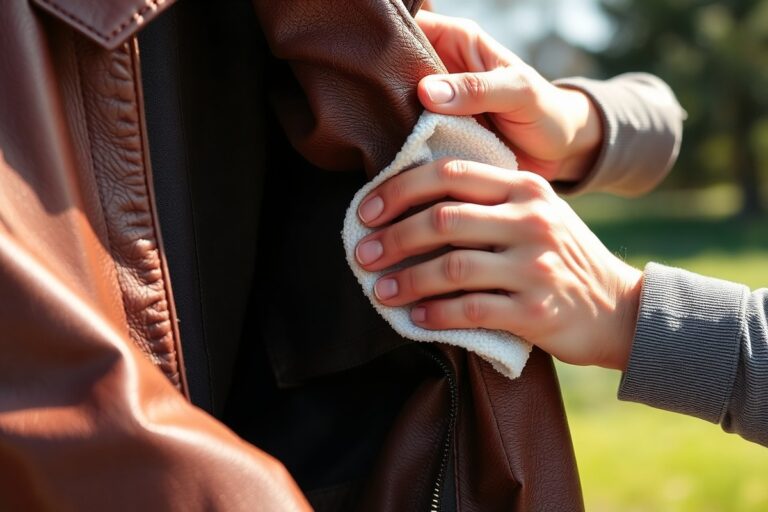
Pre-treating stains and spot cleaning your down vest makes a big difference in preserving its fabric and insulating ability. Treating stains before washing breaks down oils, dirt, and food residue that can seep into the down filling. You can use a down-specific detergent or a gentle homemade solution. Dish soaps like Dawn often work well as a spot cleaner because they’re good at cutting grease, but they should be diluted, never apply full-strength dish soap directly to the fabric, as it can be harsh on down. A proven mix is one part dish soap to two parts hydrogen peroxide, which fights a variety of stains effectively.
Spot cleaning also lets you avoid unnecessary full washing, which helps extend your vest’s life since washing can fade colour and clump down if not done properly. For light stains or smudges, spot cleaning is enough. Stubborn areas, like sweat build-up around the neck, benefit from pre-treatment to remove oils before soaking or washing. After applying cleaner, letting the vest soak for 10 to 15 minutes helps loosen debris and oils.
- Identify stains and gentle dirt spots on your down vest that need attention before washing.
- Mix a cleaning solution of one part mild dish soap to two parts hydrogen peroxide or use a down-specific detergent recommended on your vest’s label.
- Apply the solution to the stained areas using a clean cloth or a soft-bristled brush, gently rubbing in circular motions to avoid damaging the fabric.
- Let the vest soak in cold or warm water for 10 to 15 minutes to help break down stains and loosen dirt.
- Rinse the spot thoroughly with clean, lukewarm water to remove any cleaner residues that might attract more dirt or affect the down filling.
- Blot excess moisture with a clean towel and allow the vest to air dry completely before deciding if a full wash is necessary.
- Repeat spot treatment for particularly stubborn stains before washing the entire vest if needed, but keep in mind repeated washing can reduce loft and fade colors.
Do not pour undiluted dish soap directly on your vest; it can strip the oils from the down and damage the fabric’s water resistance.
Best Washing Machine Settings for Down Vests
The best washing machine settings for down vests use a gentle cycle with cold water around 30 degrees Celsius, paired with a low to medium spin speed. A front-loading machine is ideal because it avoids harsh agitation that can damage down filling. Avoid regular detergents containing fabric softeners or bleach to preserve the vest’s insulation and fabric integrity.
Recommended Cycle Type and Temperature
Select a gentle or delicate cycle on your washing machine to minimize stress on the down clusters and fabric. Using cold water around 30 degrees Celsius prevents heat damage that can break down the delicate feathers and reduce loft. Front-loading washers are preferred because they lack an agitator, which can be too rough and cause the down to clump or tear through the fabric.
Top-loading machines with no agitator can be used if necessary, but avoid models with a central agitator that aggressively moves laundry. Closing all zippers and fasteners on your vest before washing protects the fabric and prevents snagging. Following the care tag recommendations is important, as some down vests may have specific cycle or temperature instructions to follow.
Spin Speed and Load Capacity Guidelines
Low to medium spin speeds are best to avoid compressing the down too much or causing damage to the vest’s fabric. Excessively high spin speeds can break down down clusters, leading to cold spots in the vest. A slow, long spin cycle also helps rinse out all detergent residues, which is critical to maintain loft and comfort.
Wash the down vest separately or with similar lightweight items to prevent uneven wear and ensure even cleaning. Do not overload the machine; the vest should have enough room to move freely without being cramped. Overloading can prevent thorough rinsing and damage the fill.
- Use a low to medium spin setting (around 600, 800 RPM)
- Wash the vest separately or with similar lightweight garments
- Avoid overloading the machine to allow space for the vest to move
- Close all zippers and Velcro before washing
- Choose a slow, extended rinse cycle for thorough detergent removal
These steps help preserve the structural integrity of the down and the outer fabric while ensuring a clean result.
Detergent Compatibility and Alternatives
Use a down-specific detergent, such as Nikwax Down Wash Direct or Grangers Down Wash, to maintain loft and water repellency. These specialized detergents clean gently without stripping the natural oils in the down, which keep it fluffy and insulating. Adding detergent directly to the wash or using the detergent compartment according to product instructions works well.
If a down-specific product isn’t available, choose a mild detergent free from fabric softeners, bleach, or added scents. Regular detergents can leave harmful residues or remove oils, causing the down to clump. Avoid fabric softeners and scented detergents entirely, as they can damage the down clusters and reduce the vest’s lifespan.
How to Dry Your Down Vest to Restore Loft
Drying a down vest properly usually takes around 1 to 3 hours in a tumble dryer on low heat. You can put your down vest in the dryer safely if you add clean tennis balls or dryer balls to help break up clumps and restore the loft. Air drying is slower and less effective at keeping the down fluffy but can be used when a dryer isn’t available. Fluffing the vest by shaking and massaging helps the down regain its volume.
Drying in a Tumble Dryer with Dryer Balls
Put your down vest in a tumble dryer set to low or delicate heat to prevent damaging the down or the fabric. Adding 2 to 4 clean tennis balls or reusable dryer balls to the load keeps the down filling from clumping by repeatedly hitting and separating the feathers as they dry. This process restores the vest’s loft and helps it dry evenly and faster.
Drying can take 1 to 3 hours depending on the dryer, the thickness of the vest, and moisture level. It’s a good idea to check progress every 20-30 minutes to prevent overheating and to fluff the vest manually if needed.
- Turn the vest inside out to avoid surface wear.
- Place it in the dryer with 2-4 clean tennis balls or dryer balls.
- Set the dryer to low or delicate heat to protect the down and shell.
- Run the dryer for 20 to 30 minutes at a time.
- Pause the dryer periodically to manually fluff and shake the vest.
- Repeat the drying and fluffing cycles until the vest feels dry and puffy.
- Remove promptly once dry to avoid wrinkles or clumping.
- Store the vest loosely to maintain its loft.
Air Drying: When and How to Use It
Air drying a down vest takes more time and is less effective. Use this method only if a tumble dryer is unavailable or if you want to avoid heat. Drying by air can last 24 hours or more, depending on humidity and temperature. A key drawback is that the down often clumps as it dries, diminishing loft and insulation performance.
To help air drying work better, lay your vest flat on a clean towel in a well-ventilated area away from direct sunlight or heat sources. Turn it over every few hours and pat or shake the vest to redistribute the down evenly. This manual intervention helps prevent the feathers from drying in lumps and keeps the insulation uniform.
Fluffing Techniques During Drying
Fluffing is essential for restoring your down vest’s puffiness after washing. Drying a down vest in a machine or by air benefits from regularly fluffing it. This action helps break up down clumps and boosts the vest’s loft. Use your fingers to gently massage and tease apart any clumps of down.
During tumble drying, stop the machine every 20 to 30 minutes to remove the vest and give it a good shake or squeeze. This breaks down wet-down lumps and aids consistent drying. For air drying, set an alarm to fluff the vest every half hour or so until it feels totally dry and returns to its original shape.
How Often Should You Wash Your Down Vest?
Frequency of washing your down vest depends mainly on how often you wear it and the type of activity you use it for. A good rule of thumb is to wash your vest after about every ten days of heavy use, such as hiking or other outdoor activities that cause dirt and sweat buildup. For less intense use or casual wear, washing your vest two to three times per season can keep it clean without risking damage.
Down’s insulating power depends on the natural oils in the feathers, which help maintain loft and manage moisture. Washing too often or using harsh detergents can strip these oils, reducing warmth and causing clumping. The materials of your vest, including any Durable Water Repellent (DWR) coating on the shell, can also wear down if you wash too frequently or incorrectly.
To balance cleanliness and garment longevity, check your vest for visible dirt, stains, or odor before deciding to wash. Even if it looks clean, sweat and oils accumulate over time and affect performance. When dirt or smell is noticeable, it’s time to wash. Follow this checklist to decide when to wash your down vest:
1. Assess activity level and dirt: After about 10 days of regular active use or whenever the vest looks soiled or smells, plan a wash.
2. Inspect for spots or stains: Spot-clean smaller sections between washes to avoid full washing cycles.
3. Observe water repellency: If the DWR coating beads water poorly, washing and reapplying treatment can restore it.
4. Follow care label instructions: Always use the recommended washing frequency and products to protect fabric and down.
5. Avoid overwashing: Limit washing to what’s necessary to keep oils and coatings intact.
Not washing your down vest enough can lead to buildup of dirt and oils, which reduces breathability and insulation over time. Washing too often risks damaging the down fill and fabric. Your goal is to clean the vest when needed, not by a strict calendar schedule.
Using a down-specific detergent and following proper wash instructions helps preserve loft, so always check your vest’s care tag before washing.
Common Washing Mistakes and How to Fix Them
Washing a down vest incorrectly can cause serious damage, including loss of loft, clumping, and reduced insulation. One common mistake involves using regular laundry detergent rather than a down-specific cleaner. Regular detergents leave behind residue that coats the delicate feathers, weighing them down and reducing their ability to trap air. To avoid this, always use a gentle, down-specific detergent such as Grangers Down Wash Concentrate, and use much less of it than you would with normal laundry detergent. Even small amounts of residue can compromise the vest’s performance.
Overheating your down vest in the washing or drying process is another risk. High temperatures can damage the down’s natural oils, breaking down the fill and causing it to clump or become brittle. Washing on a short, gentle cycle with water temperatures between 104 and 140 degrees Fahrenheit protects the down’s structure. Avoid hot water or high-heat drying settings. Using low heat and a delicate cycle maintains the loft and durability of your vest’s fill.
Clumping is a frequent problem with washed down vests, and it can look and feel like permanent damage. Feather clumps form when the down is still wet but have not been evenly redistributed during the drying process. This is normal at first and may give the impression that your vest is ruined. The best way to fix clumping is to dry the vest thoroughly using low heat, ideally with clean tennis balls or dryer balls to break up lumps and restore a uniform loft. You should check frequently to separate any stuck-down clumps by hand while drying if possible.
Failing to rinse your vest thoroughly after washing leaves detergent residue trapped between the feathers, which also leads to clumping and reduced insulation. Empty the wash basin or machine and rinse your vest multiple times until no suds remain. Inadequate rinsing wastes both detergent and effort and can require rewashing, potentially stressing the fabric further.
Fixing clumped or damaged down after washing takes time and care. Re-washing with a proper down cleaner, thoroughly rinsing, then drying on low heat with dryer balls often restores loft effectively. However, if the down remains heavy, lumpy, or brittle after drying, professional cleaning or even replacing the fill may be necessary. This usually costs from $50 up to $150 depending on the service and vest quality. Recognizing the signs of improper washing early on helps prevent expensive repairs.
When to Seek Professional Cleaning or Repair Services
Using professional cleaning or repair services becomes the better choice if your down vest shows significant damage, persistent stains, or has delicate materials that might not tolerate home washing. For example, tears larger than a couple of inches or quills poking through the fabric can worsen if handled incorrectly at home. Also, deep oil-based stains or heavy soiling may require solvents and techniques beyond typical home laundering products and machines.
Dry cleaning is generally not recommended for down vests because the solvents used can harm the insulation and outer shell. These chemicals strip the natural oils that keep down fluffy and functional, leading to clumping and loss of warmth. Most down garments respond best to gentle washing with specialized detergents designed for technical wear such as Nikwax Tech Wash or Grangers Down Wash, which preserve the loft and water repellent finish.
To decide if professional services are needed, check your vest with a simple checklist: look for fabric tears or holes bigger than one inch, quills protruding from seams, stubborn stains like grease that don’t respond to spot treatment, and any fragile or treated materials indicated on the care label. If one or more of these issues apply, seek expert help rather than risking damage through home washing.
Experts at professional outdoor gear cleaning centers can use specialized equipment and gentle detergents that restore loft without damaging delicate fabrics. They also provide repairs for holes, broken zippers, or stitching problems. Repair services often apply patches such as peel-and-stick Tenacious Tape patches designed for down jackets, which come in small sizes like 1.5 inches by 2 inches and work as a quick fix before washing.
Costs for professional cleaning and repairs vary, but expect professional washing to range from $20 to $50 depending on services and location. Repair costs depend on the severity of the damage, with small patches or sewing usually costing between $15 and $40. Investing in professional care can extend the lifespan of your vest and maintain its insulating properties effectively.
When arranging professional care, start by contacting an outdoor gear specialist or a reputable service center that advertises down jacket cleaning and repairs. It’s wise to provide them with a description and photos of the damage or stains so they can offer advice or estimates. Always confirm that the cleaners use down-safe products and avoid harsh solvents associated with traditional dry cleaning.
Minor repairs, such as small holes and loose quills, can be handled at home before washing using Tenacious Tape or sewing with a fine needle. These steps prevent further damage during washing and drying. For tears larger than one or two inches or complex insulation problems, professional repair is safer and more durable. This balanced approach protects your investment and keeps your down vest performing well in outdoor conditions.
Proper Storage and Maintenance After Washing
Storing your down vest properly after washing is key to preserving its loft and fabric integrity. Avoid compressing or stuffing the vest into tight stuff sacks. Instead, hang it on a wide-shouldered hanger or store it loosely folded in a breathable cotton bag or drawer to maintain the fluffiness and prevent down clumping. A compressed vest risks losing its insulating power over time.
Washing can reduce the effectiveness of your vest’s Durable Water Repellent (DWR) coating, which makes water bead on the surface instead of soaking in. Water will stop beading and the fabric feels clammy when the DWR wears off. Regular detergents and fabric softeners can strip this coating, so it’s best to use a cleaner specifically designed for down or waterproof fabrics.
After washing and drying your vest, the heat from a dryer (set on low) often reactivates the DWR. Apply an eco-friendly reproofing spray made for waterproof fabrics when the DWR does not revive. Spray evenly on the outer shell and let it dry fully before use or storage. This reproofing process usually costs between $10 and $20, and it extends the water resistance without needing professional treatment.
Taking care of zippers and other hardware also matters. Before washing, zip up all zippers, fasten Velcro, and close snaps to protect the vest’s components. After washing, keep the zippers smooth by occasionally applying a zipper lubricant or a small amount of silicone spray. This prevents them from jamming or corroding, which can happen with exposure to dirt or moisture over time.
Store your down vest in a cool, dry place away from direct sunlight, which can degrade fabric and trim materials. Avoid damp basements or attics where mold or mildew could develop. Proper storage and reproofing combined will keep your vest functioning for several seasons, preserving warmth and comfort without costly repairs.
Always store your down vest loosely and avoid over-compressing it to prevent permanent loss of loft and insulation.
Step-by-Step Action Plan for Washing and Caring for Your Down Vest
Follow these steps to clean and maintain your down vest while keeping the insulation intact and loft restored.
- Before washing: Inspect your vest for stains and use a down-safe stain remover to spot clean. Confirm stains lighten or disappear before proceeding.
- Washing day: Use a front-loading washing machine with cold water and a gentle cycle. Add a down-specific detergent and avoid fabric softeners. Success means the vest feels clean without residue.
- Drying phase: Dry your vest on low heat with clean tennis balls or dryer balls to help fluff the down. The vest should feel dry and evenly puffy without clumps.
- Post-dry check: Gently shake and fluff the vest to evenly distribute the filling. Check for any dampness or cold spots; repeat drying briefly if needed.
- Routine care: Store your vest loosely in a breathable bag after it’s fully dry. Ensure it feels airy and not compressed to maintain loft over time.
- During regular wear: Spot clean minor stains immediately using mild soap. Confirm the spot looks clean and fabric unharmed before wearing again.
- Every 6 months or after heavy use: Plan for a full wash using recommended settings to keep the down fresh and functional.
- If damaged or heavily soiled: Seek a professional cleaner specializing in down gear to avoid risking your vest’s materials. Confirm the provider uses down-safe processes before handing it over.
Frequently Asked Questions
Can I Use Dawn Dish Soap to Wash My Down Jacket?
You should avoid using Dawn dish soap as it can strip natural oils from down fibers. Use a down-specific cleaner or a mild, non-detergent soap to protect the jacket’s insulation and maintain loft.
Do Dry Cleaners Wash Down Jackets?
Some dry cleaners offer down jacket cleaning, but ask if they use gentle, down-safe methods. Many recommend professional wet cleaning rather than traditional dry cleaning to avoid damage.
How Do I Dry a Down Jacket After Washing It?
Tumble dry your down jacket on low heat with clean tennis balls or dryer balls. This helps restore loft and fluff the down as it dries, preventing clumps and flat spots.
Is It Okay to Machine Wash a Down Jacket?
Yes, machine washing a down jacket is safe if you use a front-loading washer, cold water, and down-specific detergent on a gentle cycle. Avoid mixing with other fabrics to prevent damage.
Can I Wash My Down Vest with Other Clothes?
Wash your down vest alone or only with other down items to avoid damage and uneven cleaning. Mixing with non-down clothes can cause friction and reduce jacket lifespan.
How Long Does It Take to Dry a Down Vest Completely?
Drying a down vest typically takes 2 to 4 hours on low heat with dryer balls. Make sure it’s fully dry to prevent mildew and keep loft intact.
Key Points to Remember
Washing and drying your down vest properly protects the insulation and extends its life. The key is gentle cleaning and careful drying with attention to restoring loft without causing damage. Start by spot-cleaning stains right away to prevent buildup, then wash on a gentle cycle using the correct detergent. Proper drying with dryer balls finishes the process and keeps the vest cozy and functional season after season.