How to Get Deodorant Stains Out of Clothes: 8 Proven Methods That Work Fast
To get deodorant stains out of clothes quickly, treat the stain as soon as possible using household items like baking soda, white vinegar, or a dish soap and hydrogen peroxide mix. Apply these solutions to the stained area, let them sit for 10 to 30 minutes, then scrub gently before washing. This approach helps break down residue and prevents stains from setting in fabric.
This advice suits anyone struggling with visible deodorant marks on work shirts, workout gear, or everyday clothing. You’ll find clear, simple methods that use common products and tips to protect your clothes and extend their wearable life.
Key Takeaways
- Apply a paste of baking soda and water on deodorant stains and let it sit for 30 minutes before washing.
- Mix four cups warm water with one cup white vinegar and soak stained areas for 10 to 15 minutes.
- Use a gentle scrub brush to loosen deodorant residue after applying any cleaning solution.
- Combine dish soap with hydrogen peroxide for tough stains and treat for 10 to 15 minutes before washing.
- Treat fresh deodorant stains quickly to prevent them from setting and becoming harder to remove.
- Choose clothing fabrics that are less likely to show or hold deodorant stains for easier maintenance.
- Use a nylon stocking or sock to wipe away fresh stains immediately without spreading them.
- Treat fresh deodorant stains quickly to prevent them from setting and becoming harder to remove.
- Choose clothing fabrics that are less likely to show or hold deodorant stains for easier maintenance.
- Use a nylon stocking or sock to wipe away fresh stains immediately without spreading them.
- Choose clothing fabrics that are less likely to show or hold deodorant stains for easier maintenance.
- Use a nylon stocking or sock to wipe away fresh stains immediately without spreading them.
1. Quick Steps to Remove Deodorant Stains Effectively
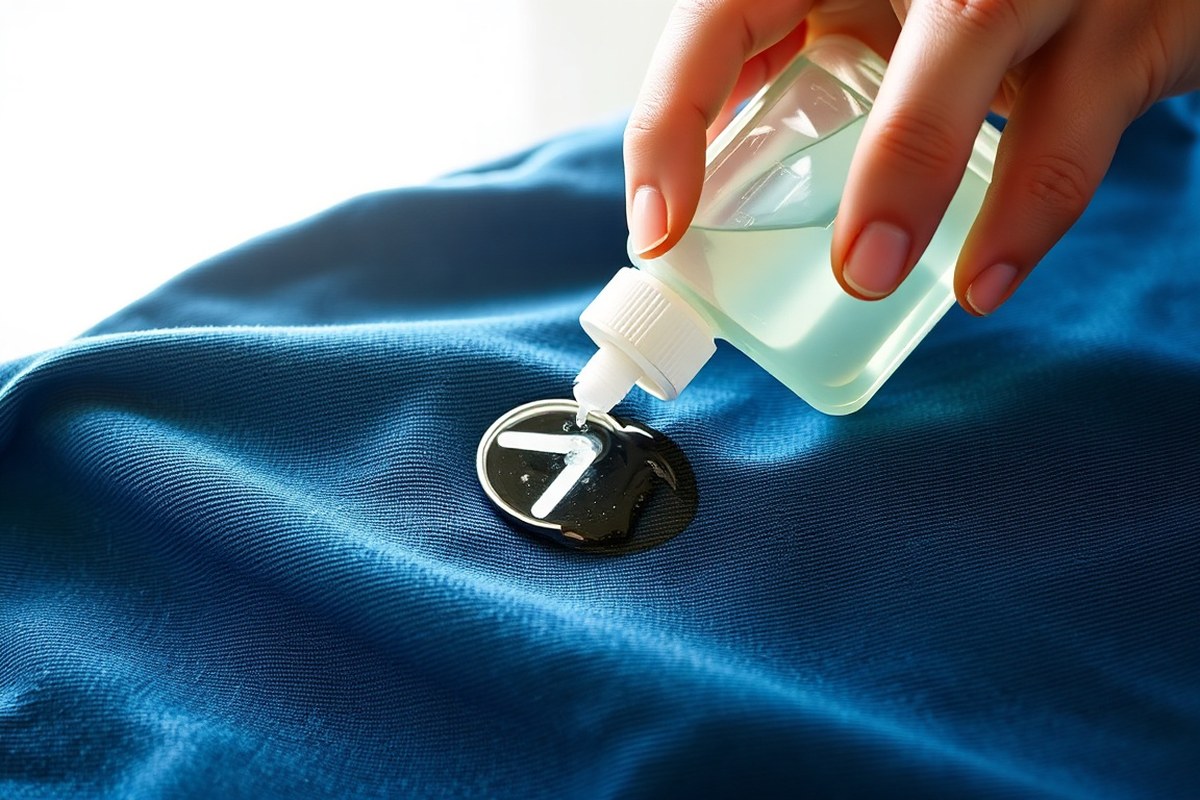
Deodorant stains on clothes can look frustrating, especially when you need a quick fix to make your garment look clean again. Treating these stains as soon as you notice them increases the chance of completely removing the mark without leaving any residue. Fresh deodorant stains respond best to gentle but effective treatments that target the buildup without damaging the fabric. Avoid rinsing the stain right away because applying a treatment first often loosens the deodorant better. Once the treatment soaks in, you can then rinse or wash thoroughly for the best outcome.
- Scratch off any dried deodorant residue gently. Use a soft sock or a piece of nylon stocking to rub the stain lightly. This method works well to remove surface buildup without harming delicate fabrics.
- Use a stain remover or create a baking soda paste as a natural option. Combine 3 parts baking soda with 1 part water until it forms a thick paste. Cover the stain with the paste and leave it on for 15 to 30 minutes to help dissolve the oils and salts from the deodorant.
- Rinse with warm water after treatment has set. Warm water helps dissolve the loosened deodorant and prevents the stain from setting deeper. Do this before machine washing.
- Wash the garment inside out. Turning your clothes inside out protects the fabric’s appearance and lets the detergent get directly to the stained fibers, boosting stain removal.
- Use a regular laundry detergent and wash at a temperature safe for your fabric. For colored clothes, wash in warm water (around 90°F), while whites can handle hotter water (up to 140°F), if the fabric allows. High temperatures help dissolve deodorant oils but check your clothing tags first.
- Air dry the garment instead of using a dryer. Heat from the dryer can set any faint remaining stain, making it tougher to remove later. Air drying allows you to check if the stain is fully gone before using heat.
These steps generally take 30 to 45 minutes before washing and a regular laundry cycle, making it a fast solution to remove deodorant stains. The cost is low since baking soda and household items are inexpensive, typically under a few dollars per use. Good results look like no visible white or yellow marks and no stiff or crusty fabric patches. Sometimes, very old stains may need repeated treatments or professional cleaning if these quick steps don’t fully work.
2. What Causes Deodorant Stains and Why They Stick
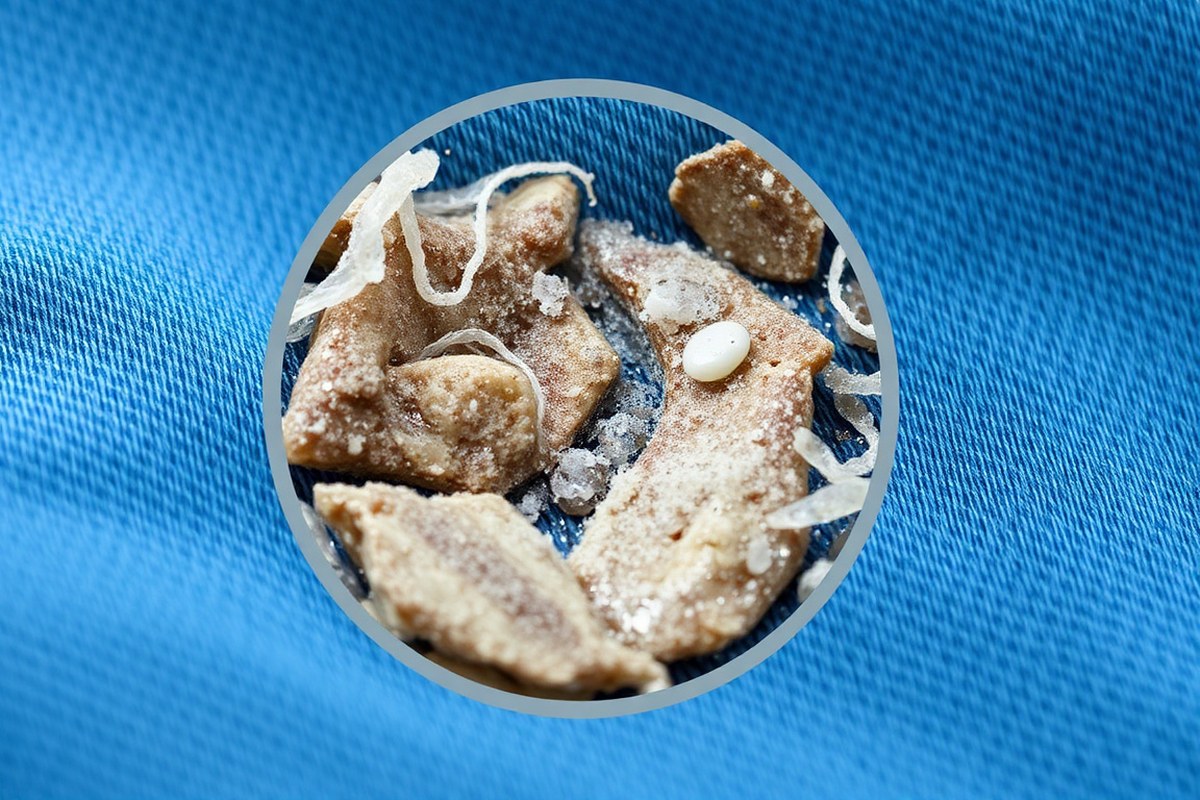
Deodorant stains happen when the ingredients in your deodorant react with sweat and fabric. Aluminum compounds in antiperspirants combine with sweat’s minerals and acids, creating both white residue and stubborn yellow stains. These reactions make the stains cling to fibers, especially on certain fabrics and colors, which is why they can be difficult to remove.
How Aluminum Compounds Cause Yellow Stains
Aluminum is the active ingredient in many antiperspirants. When it mixes with sweat, a chemical reaction takes place. Sweat contains minerals like salt and small amounts of sugar, plus it has a slightly acidic pH. Combined, these factors cause aluminum salts to bind to the fabric fibers, forming yellowish stains on light-colored clothes. These stains build up over time, especially if the clothes aren’t washed promptly after wear.
Deodorants without aluminum tend to avoid these yellow stains since there’s no aluminum-sweat reaction. To prevent yellow staining, choose an aluminum-free deodorant, but be aware it might not control sweat as well.
Why White Residue Appears on Dark Fabrics
White marks often show up on dark clothing as streaks or patches where deodorant residue settles. This residue can come from both the aluminum compounds and other ingredients like powders or waxes. Applying deodorant too heavily or just before putting on clothes causes extra product to rub onto the fabric. On dark colors, these residues stand out clearly, creating unsightly white streaks.
Deodorant residue isn’t a chemical stain but a physical buildup that can be brushed or washed off more easily than yellow sweat-aluminum stains. However, if these residue marks mix with sweat, they can become sticky and harder to remove.
The Role of Sweat in Deodorant Stains
Sweat plays a key role in how deodorant stains form and stick. Since sweat is slightly acidic and contains different compounds, it reacts with aluminum salts in antiperspirants to form hard-to-remove stains. Also, your sweat carries body oils that mix with deodorant ingredients, causing a sticky residue that embeds into fabric fibers. The longer sweat and deodorant stay on clothes without washing, the more stubborn stains become.
Because sweat and oils differ among individuals and times of day, stain severity can vary. Hot or humid conditions often increase sweating, making deodorant and sweat stains more noticeable and tougher to tackle.
Fabric and Color Affect Stain Visibility and Removal
Natural fibers like cotton absorb sweat more readily. The slight acidity in sweat can react more strongly with these fibers, setting the stain deeper and making it harder to wash out. Synthetic fabrics repel moisture more, so stains sometimes sit on the surface and can be easier to clean.
Color also makes a difference. On white or light-colored clothes, the chemical reactions produce visible yellow stains. Dark fabrics often hide yellow but show white deodorant residue clearly. The dark color can make it difficult to spot early stains, causing them to set unnoticed. Removing white residue from dark fabrics usually just takes a thorough wash, but yellow stains on light fabrics sometimes need stronger treatment.
Apply deodorant sparingly and let it dry completely before dressing to reduce both white marks and yellow stains.
3. Homemade Remedies That Remove Deodorant Stains Safely
Homemade remedies can safely and effectively remove deodorant stains using simple ingredients you likely have at home. Baking soda, white vinegar, lemon juice, and a mix of hydrogen peroxide with dish soap each work differently to break down stains. Choosing the right one depends on the fabric color and how tough the stain is.
Using Baking Soda Paste Correctly
Baking soda is effective because it acts as a mild abrasive and neutralizes acidic residues from deodorants. It works well on fresh and older stains without damaging most fabrics. The key is to make a proper paste and treat the stain before laundering.
Combine three tablespoons of baking soda with one tablespoon of water to form a thick paste. Spread the paste over the deodorant mark and lightly scrub using your fingers or a soft brush. Allow it to rest for 15 minutes to loosen the stain, then rinse off with cold water before laundering as normal.
- Measure 3 tablespoons of baking soda and 1 tablespoon of cold water.
- Mix to form a spreadable paste.
- Apply the paste on the deodorant stain, covering it completely.
- Gently rub the area with your fingers or a soft toothbrush.
- Let it sit for 15 minutes to allow the baking soda to absorb and loosen the stain.
- Rinse the treated area with cold water to remove the paste.
- Wash the garment as directed on the care label.
This method usually costs less than a dollar per use and avoids harsh chemicals. Be cautious on delicate fabrics where abrasive scrubbing might weaken fibers.
White Vinegar Soak and Rinse Method
White vinegar works as a natural stain remover by breaking down deodorant buildup with mild acidity. This method suits colored and white fabrics and is especially good for setting in stains. Soaking is key to soften the stain before normal washing.
Mix equal parts white vinegar and warm water, then soak the stained section for 30 minutes. Rinse thoroughly with cold water afterward. This helps to loosen the stain and reduce dullness caused by deodorant residues.
- Combine 1 cup of white vinegar with 1 cup of warm water in a basin or sink.
- Submerge the stained part of the garment fully.
- Let the fabric soak for 30 minutes to penetrate the stain.
- Remove from the soak and rinse under cold running water.
- Wash the clothing following the label’s instructions.
White vinegar is inexpensive and safe for most fabrics but avoid it on delicate silk or rayon, which can get damaged by acidity. Always rinse well to prevent lingering vinegar smell.
Hydrogen Peroxide and Dish Soap Mix
Combining hydrogen peroxide and dish soap creates a powerful cleaning solution suitable for stubborn white deodorant stains on durable fabrics. Hydrogen peroxide acts as a mild bleach, breaking down the stain molecules, while dish soap cuts through grease and oils.
Mix about 6 tablespoons of hydrogen peroxide with 3 tablespoons of dish soap. Dip a soft toothbrush into this mixture and scrub the stain gently. Let it sit for 15 to 30 minutes before rinsing well and washing. Avoid this method on colored fabrics because peroxide can cause bleaching or fading.
- Pour 6 tablespoons of 3% hydrogen peroxide into a small bowl.
- Add 3 tablespoons of liquid dish soap to the peroxide.
- Mix gently until combined.
- Dip a soft toothbrush or cloth into the solution.
- Blot and gently scrub the deodorant stain in circular motions.
- Let the garment sit for 15 to 30 minutes at room temperature.
- Rinse thoroughly with cold water.
- Wash normally according to the care label.
This option is cost-effective but should be tested on a hidden area first to check for colorfastness. Use gloves to protect your skin during application.
Lemon Juice for Lightening Stains
Lemon juice can act as a natural bleach, especially on white fabrics. It contains citric acid which helps lighten discoloration from deodorant stains. Use lemon juice only on white or colorfast fabrics to avoid fading or yellowing colored clothes.
Apply lemon juice directly to the stain or soak the fabric in a lemon juice and water mixture for about 30 minutes. After treatment, rinse thoroughly with cold water and launder as usual. Avoid exposure to direct sunlight during or after lemon juice treatment to prevent unwanted bleaching.
- Extract fresh lemon juice or use bottled natural lemon juice.
- Dab or pour lemon juice onto the deodorant stain until wet.
- Allow it to sit for 20 to 30 minutes.
- For larger stains, soak the entire stained area in a mixture of 1 part lemon juice to 2 parts water.
- Rinse the fabric thoroughly with cold water.
- Wash the garment following care label instructions.
This method is free if you have lemons at home and safe on white fabrics but avoid overuse to prevent fabric weakening. Check for any color change before applying broadly.
4. Choosing the Right Commercial Products for Stubborn Stains
Commercial stain removers are a reliable choice for tackling deodorant stains that resist homemade remedies. Choosing a product with enzymes is generally more effective than regular soap because enzymes break down sweat proteins and deodorant build-up at a molecular level, making stains easier to lift. Using an enzyme detergent specifically targeted for protein stains can improve your chances of completely removing those marks.
For stains containing aluminum or those that appear yellowed, oxygen-based cleaners are usually safer and more suitable than bleach. Chlorine bleach can damage fabrics and cause discoloration, especially on colored clothes. Oxygen bleach, often labeled as “color-safe” or “oxygen booster,” works by releasing oxygen molecules that gently break down stain compounds without harsh chemicals. Apply the stain remover or oxygen-based cleaner directly to the spot, let it sit for 10 to 15 minutes, then scrub gently with a soft-bristled brush before washing.
Fabric softeners can interfere with stain removal by coating fibers, which may trap residues like deodorant rather than loosening them. Avoid adding fabric softener during the wash cycle when you’re treating deodorant stains. Instead, use it only if no stains remain after washing to keep fabrics soft. Here’s a comparison of commercial options to consider for different types of deodorant stains:
| Stain Type | Recommended Product | How to Use | Notes |
|---|---|---|---|
| Fresh Sweat & Deodorant Marks | Enzyme Detergent | Apply directly, let sit 10-15 minutes, scrub gently, wash in cold water | Works best on protein stains; avoid hot water which sets stains |
| Yellow Aluminum Stains | Oxygen-Based Cleaner | Apply paste or solution, wait 10-15 minutes, scrub lightly, wash normally | Safe on colors; don’t use chlorine bleach |
| Set-In & Older Stains | Commercial Stain Remover with Enzymes and Oxygen Bleach | Treat stain, allow extra soak time, scrub, wash in cold water; repeat if needed | May require multiple treatments; always follow product instructions |
| Delicates & Sensitive Fabrics | Specialized Enzyme Cleaners for Delicates | Use with caution; spot test first; gentle rub and cold wash | Check fabric care labels to avoid damage |
To make stain removal more effective, always apply stain remover to dry or slightly damp fabric, then allow the product time to work before washing. Wash clothes in cold water because heat can set deodorant stains. After washing, check for stain removal before drying since heat from dryers further sets residual stains. If stains persist, repeat treatment rather than using hotter water or harsh chemicals immediately. Avoid mixing stain removal products to prevent fabric damage or color loss.
Buying commercial stain removers typically costs $5 to $10 per bottle, with average usage requiring a few tablespoons per treatment. They fit well into a regular laundry routine, especially when you wash clothes weekly. Combining commercial products with mechanical action (like gentle scrubbing) and proper washing temperature can restore your clothes without risk of damage.
5. How Fabric Type Affects Deodorant Stain Removal Options
Fabric type changes how you should treat deodorant stains. Delicate fabrics like silk or wool need gentle methods, while heavy fabrics such as cotton tolerate stronger treatments. Synthetic fibers and blends require careful product choices to avoid damage. Adjust your stain removal steps to match the material to protect your clothes and get better results.
Delicate Fabrics: Silk and Wool
Silk and wool are sensitive and can be damaged by harsh chemicals or heat. Avoid vinegar or use it only diluted with water to prevent fabric weakening or color loss. Hand washing with mild detergent or taking the garment to a dry cleaner is often safest. Using pantyhose to gently rub the stain can help lift deodorant marks without rough abrasion.
Cold water is best for rinsing these delicate fabrics to avoid shrinking or distortion. Avoid scrubbing or machine washing, which can break down fibers. Dry by laying flat on a towel to maintain shape and prevent stretching.
Cotton and Heavy Fabrics
Cotton and other heavy fabrics stand up well to most stain removal methods. You can pre-treat deodorant stains with liquid detergent or a paste of baking soda and water before washing with warm or hot water for a better clean. These fabrics tolerate more vigorous scrubbing and soaking if needed.
Stains on cotton t-shirts, for example, often respond well to direct application of stain removers or a soak in an enzymatic detergent. After treatment, wash normally on the warm setting recommended on the care label.
Synthetic and Blends
Synthetics like polyester or blends combined with cotton or other fibers require special care. Strong chemicals and hot water can melt or weaken the fibers, causing holes, stiffness, or color change. Always test stain removers on a hidden seam before applying widely.
Hand wash with mild detergent in cool water or use the gentlest cycle on the washing machine. Avoid bleach and harsh solvents. Using gentle rubbing motions and short soaking times reduces the risk of damage.
Dark vs. Light Fabric Considerations
Dark fabrics can show lightened spots if treated with strong chemicals or heated too much during cleaning. Avoid bleach or use color-safe formulas specifically designed for dark clothing. Spot test first to check for color fastness.
Light-colored clothes tolerate stronger treatments but might still show residual stains if deodorant buildup is thick. Pre-treat these areas with a paste of baking soda and water or a commercial stain remover, then wash as usual. Using cold water rinses on dark clothes helps prevent dye loss and fabric fading. Here is a summary of fabric-specific stain removal tips and precautions:
| Fabric Type | Safe Treatment | Temperature | Common Warning |
|---|---|---|---|
| Silk and Wool | Hand wash, dilute vinegar, mild detergent, pantyhose to rub | Cold | Avoid scrubbing and machine washing |
| Cotton and Heavy Fabrics | Pre-treat with detergent/baking soda paste, soak, warm/hot wash | Warm or Hot | Avoid lengthy soaking that might weaken fabric |
| Synthetics and Blends | Gentle cycle, mild detergent, test stain removers first | Cold or Warm | Avoid bleach and hot water |
| Dark Fabrics | Color-safe stain removers, cold water rinse | Cold | Beware of bleach and heat fading |
| Light Fabrics | Baking soda paste, stronger stain removers allowed | Warm | Watch for residual staining |
Adjusting treatment to your fabric preserves clothes and leads to better stain removal. Testing household or commercial products on a hidden area first helps avoid unexpected damage.
Sticky tip: Always handle delicate fabrics with gentle care; rubbing hard or using harsh chemicals risks permanent damage and discoloration.
6. Preventing Deodorant Stains: Practical Tips to Keep Clothes Clean
Deodorant stains happen mostly because of excess product and moisture mixing with your clothes’ fabric. To keep your black and white shirts free of streaks and yellow marks, focus on how you apply deodorant and what you choose to wear afterward. Applying just the right amount, around two to three swipes per underarm, limits buildup that can transfer onto fabric. Letting the deodorant dry for at least a minute before dressing ensures it settles on your skin instead of your clothes, lowering the chance of stains forming.
Clear deodorant sticks might look like a safe bet to avoid white marks, but they can still leave behind stains due to ingredients. Switching to a natural, aluminum-free deodorant can reduce how much residue ends up on your shirt. These formulas often cause less staining and can protect your clothes better in the long run.
- Apply 2 to 3 swipes of deodorant per underarm, no more.
- Wait about 60 seconds before putting on your shirt to let the deodorant dry.
- Choose natural, aluminum-free deodorants to minimize residue.
- Wear properly fitting clothes to reduce friction and sweat buildup.
- Consider using deodorants labeled as “stain-free” but test carefully as not all are truly mark-free.
- Avoid applying deodorant immediately after showering if your skin is still damp.
- Opt for sleeveless shirts or materials less prone to holding stains when possible.
Friction from tight or loose clothing can rub deodorant into the fabric, raising the chance of stains. Choosing a good fit that doesn’t slide or bind helps keep deodorant and sweat at bay. For black shirts, this prevents ghostly white streaks, and for white shirts, it stops yellow discoloration. Always let your deodorant absorb fully. Dressing quickly after application traps moisture between the skin and fabric, creating staining conditions.
Applying less deodorant is about more than avoiding stains; it also cuts down on product waste and skin irritation. Using too much product increases the risk of clumping and residue, which typically shows up as a ring or smear on your sleeve or armpit area. Testing a small hidden spot of your favorite deodorant on your shirt before full use helps you spot any staining early. Follow these small changes in your daily routine to keep clothes fresh without the hassle of removing tough deodorant marks.
7. Common Mistakes That Make Deodorant Stains Worse and How to Fix Them
Rubbing too hard on deodorant stains can damage your clothes, especially delicate fabrics. Excessive scrubbing may cause fibers to break down or cause the fabric to pill, making the stain area look worse. Instead, gently blot or dab the stain with a soft cloth or sponge, working from the outside in to prevent spreading.
Using hot water to treat deodorant stains may seem effective, but it often does the opposite by setting the stain deeper. Stick to cold water to rinse or soak the affected garment. For older or tougher stains, soaking in lukewarm water for 30 minutes can help loosen the residue without locking it in.
Avoid using fabric softeners on stained areas during treatment. Fabric softeners can leave residues that trap deodorant particles, preventing stain removers from working efficiently. Wait until the stain is fully gone before using any softening agents in your wash cycle.
Stubborn stains worsened by past treatments require careful re-treatment. Start by rinsing the area in cold water, then apply a gentle stain remover or a paste of baking soda and water. Let it sit for 15 to 30 minutes before rinsing again. Repeat this process if needed, but avoid overheating or harsh chemicals unless the fabric care label permits.
- Use cold water or lukewarm water, never hot
- Gently blot stains; avoid aggressive rubbing
- Skip fabric softeners until stains are fully removed
- Soak older stains for at least 30 minutes in lukewarm water
- Apply mild stain removers or baking soda paste for tough spots
- Repeat treatments carefully without overheating fabric
- Always check and follow the garment’s care labels
These adjustments take little time and cost just a few cents per treatment when using household items like baking soda. Proper care ensures your clothes look clean without damage or set-in stains. Avoid shortcuts such as hot water and rough scrubbing to keep fabric fibers intact and spots removable. Taking these steps will save you from frustration and costly replacements caused by stubborn deodorant marks.
8. When to Seek Professional Help for Persistent Deodorant Stains
Recognizing when a deodorant stain requires professional cleaning is key to restoring your clothes effectively. Stains that have set for several weeks, especially yellowed or white residue on delicate fabrics like silk, wool, or some synthetics, often need specialist treatment. Clothes with persistent discoloration despite multiple home cleaning attempts or those made of dry-clean-only materials should prompt you to seek expert help.
Professional cleaners use techniques that go beyond typical home methods. They often apply specific solvents designed to break down the chemical compounds in deodorant residues without damaging fabrics. For yellowed stains, treatments may involve targeted bleaching agents or enzymatic cleaners that lift discoloration gently yet thoroughly. High-temperature steam cleaning can also help release deep-set stains while refreshing the fabric.
Costs for professional deodorant stain removal typically range from $10 to $30 per garment, depending on the fabric type and stain severity. Dry cleaning services can cost between $6 and $15 for a single item, with additional fees for special treatments targeting stubborn stains. Expect cleaner results with professionals, though results vary. Some old or heavy stains might lighten rather than vanish entirely, especially on light-colored clothes.
Know when to stop trying home remedies: after two or three thorough cleaning attempts separated by drying and inspection, persistent staining indicates the need for professional intervention. Avoid aggressive scrubbing or excessive use of bleach at home, as this may worsen fabric damage or cause permanent discoloration. Instead, protect your garments by handling stains as early as possible and changing deodorizers if staining recurs frequently.
Be proactive by inspecting your clothes before laundering and allowing deodorant to dry completely before dressing. This reduces fresh stain transfer and helps preserve your wardrobe’s appearance. When stains do persist, a professional cleaner’s expertise and tools offer the best chance to restore your shirt or blouse without compromising fabric quality.
Do not repeatedly scrub deodorant stains at home; after a couple of attempts, take the garment to a professional cleaner to avoid fabric damage.
Step-by-Step Action Plan to Remove Deodorant Stains Today
Follow this clear plan to treat deodorant stains quickly and see immediate results on your clothes.
- Before washing: Gently scrape off any crusty deodorant residue with a dull knife or spoon to prevent pushing it deeper into fabric.
- Within 30 minutes: Dampen the stain with cold water and apply a paste of baking soda and water. Let it sit for 15 minutes to start breaking down the stain.
- After 15 minutes: Rub the paste lightly into the fabric with your fingers or a soft brush; the stain should begin to fade.
- Before laundry: Add a small amount of a stain remover product designed for deodorant marks, following the label instructions.
- Wash as usual: Use the warmest water temperature safe for the fabric, checking the clothing tag.
- After washing: Inspect the garment before drying; if any stain remains, repeat the treatment. Do not put it in the dryer until fully removed since heat sets stains.
- For persistent stains: Soak the garment in white vinegar diluted with water for 30 minutes before rewashing to break down tough residues.
Frequently Asked Questions
Does Tone Deodorant Stain Clothes?
Tone deodorant can leave white marks on clothes, especially on dark fabrics. Using a deodorant designed to avoid stains, like AtomFresh, can help preserve your clothes’ appearance without white residue.
What Deodorant Won’t Stain Shirts?
Deodorants without antiperspirant ingredients, such as aluminum compounds, are less likely to stain shirts. Products like AtomFresh specifically avoid leaving white marks or yellow stains, keeping your wardrobe looking clean.
Does Dove Deodorant Stain Clothes?
Dove deodorant may leave residue or white marks on clothing, particularly on dark fabrics. Choosing stain-free formulas or washing clothes inside out shortly after wear can reduce noticeable stains.
Can Antiperspirant Be Washed Off?
Yes, antiperspirant residue can be washed off but may require pretreatment, especially if it contains aluminum. Using detergent directly on the stain and gently rubbing before washing improves removal success.
Tired of Those Stubborn Deodorant Marks Ruining Your Clothes?
You can remove stubborn deodorant stains by treating the area with a suitable stain remover or household remedy before washing. Turning clothes inside out and avoiding heat drying helps prevent setting the stain.
How to Remove Deodorant Stains from Clothes?
Apply detergent or a gentle homemade solution to the stain, rub it in, then wash as usual. For tough stains, repeat treatment or consider professional cleaning to avoid damaging the fabric.
Wrapping Up
Removing deodorant stains is manageable when you act promptly and treat fabric with care using appropriate products or home remedies. Start with gentle scraping and baking soda, then wash with stain remover for the best effect. Keep treating stains before drying or they may become permanent. Next time you notice a deodorant mark, take action immediately to protect your clothing.