How to Wash Clothes with Mold: 8 Effective Methods That Really Work
Mold can be washed out of clothes, but it requires specific steps to fully remove the spores, stains, and odors. Using hot water, pre-soaking in solutions like vinegar or hydrogen peroxide, and thoroughly drying clothes can eliminate mold effectively. Different fabrics need distinct treatments, and addressing the problem promptly prevents mold from damaging your clothes and health.
This is for anyone dealing with moldy clothes and wanting practical, safe cleaning methods. You’ll learn how to prep, wash, and dry clothes to remove mold and avoid its return using common household products and proven techniques.
Key Takeaways
- Pre-soak moldy clothes for 30-60 minutes in vinegar or a hydrogen peroxide solution to kill most mold species.
- Wash clothes at temperatures above 140°F (60°C) to effectively kill mold spores during the wash cycle.
- Add oxygen-based bleach or specialized mold laundry additives like EC3 during washing to target mold spores and odors.
- Thoroughly dry clothes immediately after washing, ideally in direct sunlight or a dryer, to prevent mold regrowth.
- Apply detergent directly to stubborn mold stains and let it sit before washing to improve stain removal.
- Use fabric-safe bleach solutions to soak clothes for 10-15 minutes if mold stains persist after washing.
1. Can Mold Be Completely Washed Out of Clothes?
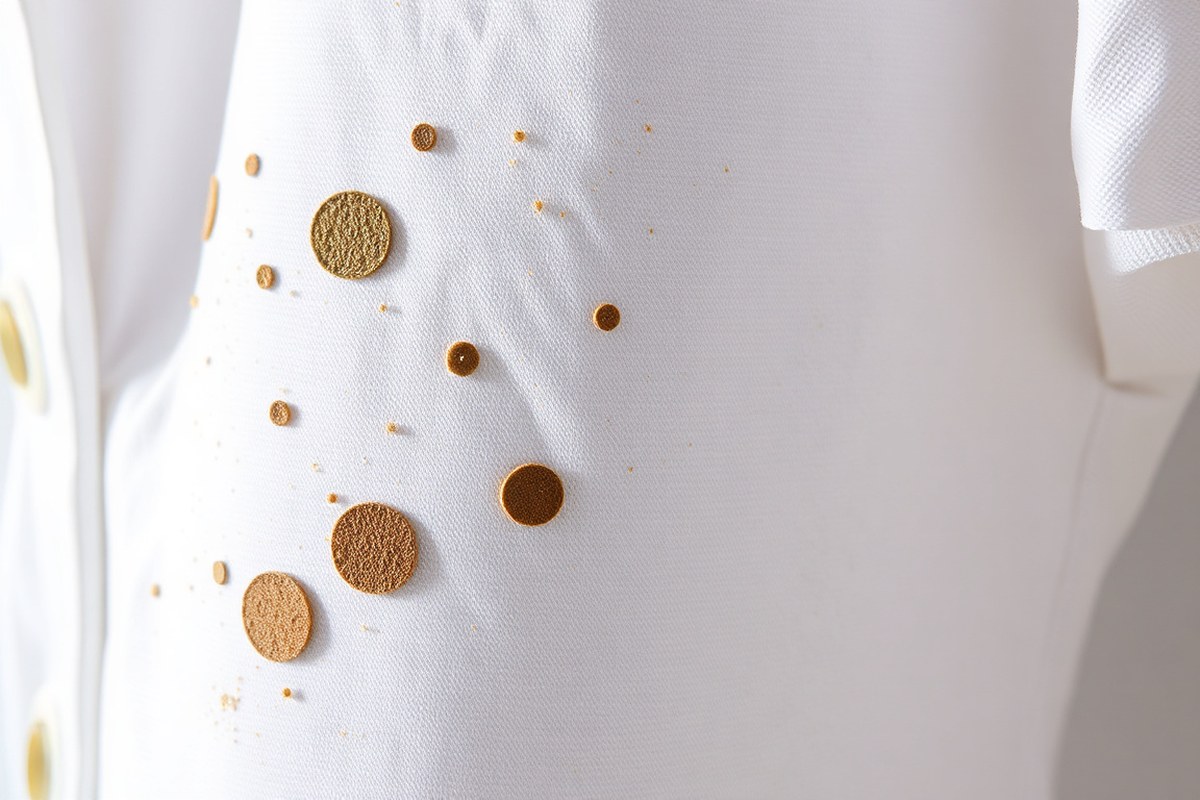
Yes, you can wash mold out of clothes completely, but success depends on several factors. Mold spores often embed deeply into fabric fibers, so simply rinsing or washing at low temperatures might not remove or kill all spores. To effectively wash mold out, use the hottest water setting safe for the specific fabric, since hot water kills more mold spores than warm or cold water. For example, cotton clothes can typically tolerate washing in water around 130°F to 140°F, which helps disinfect better.
Adding specific ingredients to your wash can also improve mold removal. Half a cup of borax dissolved in hot water has proven effective at killing mold. Alternatively, EC3 Laundry Additive can be added to the rinse cycle; it rinses away mold spores, bacteria, and musty odors. Vinegar, known to kill around 82% of mold species, is another option to consider, though it lacks the cleaning power of specialized additives. Baking soda inside the wash helps neutralize mold odors but does less to kill spores on its own.
Mold stains can be more persistent than the spores themselves. While washing often removes visible mold and the strong “musty” smell, some stains might remain, especially if mold has grown for a long time or on delicate fabrics. In such cases, pretreat the stains before washing and rewash if needed. Sunlight provides natural disinfection, UV rays kill residual spores and reduce odors. After washing, drying clothes in direct sunlight with good airflow helps prevent mold from returning.
Washing helps kill and remove most mold spores, but keep in mind that mold is everywhere, and spores may still return if clothes remain damp or are stored improperly. Mold spores that survive washing can regrow if moisture is present. Regularly cleaning and disinfecting your washing machine protects clothes from recontamination. Use disinfectants designed for laundry appliances, and check for any musty odors that may signal mold inside the machine.
Clothes with heavy or long-standing mold growth sometimes resist complete removal through home washing alone. In these cases, professional cleaning or discarding the affected items might be necessary to avoid health risks. Always follow fabric care labels and use the hottest temperature allowed to maximize mold removal without damaging your clothes.
2. What Causes Mold Growth on Clothes and Why It’s Dangerous

Mold grows on clothes when moisture, warmth, and organic material come together, creating the perfect environment for spores to thrive. Leaving clothes damp in the washing machine or piled up in a hamper without proper airflow encourages mold to develop. High humidity levels, such as those common in basements or poorly ventilated areas, also increase the risk. Mold spores settle on fabric fibers and feed on dirt, sweat, or natural fibers, causing visible growth and a musty smell.
These conditions matter because mold on clothes is more than just unsightly; it poses health risks. Mold releases spores and mycotoxins that can cause allergic reactions, respiratory issues, and skin irritation. People with asthma, allergies, or weakened immune systems are especially vulnerable to these effects. Wearing moldy clothes can expose you to airborne spores that your body then inhales, which can worsen health issues over time.
To avoid mold, you must understand how it forms and acts. Keeping clothes dry and clean is essential. Mold grows best in temperatures between 70°F and 90°F, with humidity above 60%. Wet clothes left in the washer for more than 8 to 12 hours provide an ideal environment for mold to colonize. Even clothes stored in plastic bins without ventilation can develop mold if there’s residual moisture. To prevent this, store clothes in dry, well-ventilated spaces and avoid leaving damp items in any enclosed area.
Recognizing why mold appears helps you take the right steps. Cleaning moldy clothes must include measures to stop future growth, not just removing visible spores. Adding vinegar or tea tree oil to your wash cycle can kill many mold species, while extended washing cycles of 30 to 44 minutes increase cleaning effectiveness by thoroughly breaking down spores and bacteria.
Leaving wet clothes in the washer too long is the fastest way to promote mold growth, so always transfer laundry to the dryer or drying area within a couple of hours.
In humid environments, regular washing and thorough drying are necessary to break the mold cycle. Store clothes where air can circulate freely and avoid tight stacks or sealed containers unless the fabric is completely dry. Failure to address moisture sources or poor ventilation will allow mold to return, which keeps clothes unsafe and difficult to wear.
3. How to Prep Moldy Clothes Before Washing
Preparing moldy clothes properly before washing is essential to prevent spreading mold spores and avoid contaminating other laundry. You should brush off loose mold spores outdoors and keep moldy clothes separate from clean items. Taking precautions like wearing gloves and a mask while handling moldy laundry protects your health during prep.
Brushing Off Loose Mold Spores Outdoors
Brushing off mold spores outdoors reduces the risk of spreading spores inside your home. Use a soft-bristled brush to gently remove any loose mold from the surface of the clothes. Do this carefully to avoid stirring up spores into the air.
Locate an open outdoor area away from air vents or people. Hold the garment and brush it with light strokes focusing on visibly moldy spots. This step prevents a buildup of spores that washing alone may not fully remove.
Separating Contaminated Clothes from Others
Keeping moldy clothes separate before washing prevents spores from transferring to other garments. Pick out all moldy items and place them in their own container or bag. Avoid mixing these with your regular laundry load.
Use a dedicated laundry bag or a sealed plastic bin for moldy clothes from the moment you remove them. Wash these clothes alone using mold-removing detergents or additives to ensure the spores are effectively eliminated.
Wearing Protective Gear During Prep
Handling moldy clothing can expose you to potentially harmful spores. Wearing disposable gloves and a mask during preparation protects your skin and lungs. It also prevents mold from lingering on your hands and spreading further.
Put on gloves and a mask before brushing or sorting clothes. After handling moldy items, wash your hands thoroughly with soap and water. Clean any surfaces that came into contact with mold to avoid cross-contamination.
- Take moldy clothes outside before starting any preparation steps.
- Put on disposable gloves and a mask to protect yourself.
- Use a soft-bristle brush outdoors to carefully sweep away any loose mold spores from your clothing.
- Place brushed clothes into a separate laundry bag or sealed container.
- Avoid mixing moldy clothes with other laundry until after washing.
- After sorting, wash your hands and clean any surfaces where moldy clothes were handled.
- Prepare moldy clothes for washing using appropriate detergents and additives designed to kill mold.
- Remove and safely dispose of gloves and mask once preparation is complete.
4. Effective Washing Methods to Remove Mold from Clothes
You can effectively remove mold from clothes using household products like vinegar, baking soda, borax, bleach, and hydrogen peroxide, as well as certain commercial additives. Each option varies in how safe it is for fabrics, how well it kills mold, and what types of materials it works best on. Washing moldy clothes in hot water (ideally above 130°F) for at least 30 minutes improve mold removal and kills spores, but always check fabric care labels to avoid damage.
Household Remedies: Vinegar, Baking Soda, Borax
Vinegar is often used as a natural way to control mold and eliminate musty odors. Adding one cup of white vinegar during your usual laundry cycle can prevent mold before it becomes visible. For mild mildew cases, pre-soaking garments in a solution of 1/2 cup white vinegar, 1/4 cup washing soda, and 1 gallon of warm water improves cleaning results. While baking soda doesn’t kill mold, it acts as an effective deodorizer and should be added to the wash after vinegar treatment to remove lingering smells.
Borax reacts with water to produce hydrogen peroxide, which naturally kills mold. It can be added to the wash with detergent to improve mold removal. These remedies are safe for many fabrics, including cotton and synthetics, but vinegar may leave a mild scent that rinses out after thorough washing.
Bleach and Hydrogen Peroxide Use and Safety
Chlorine bleach is a strong mold killer that also removes stains caused by mold. It is safe to use only on sturdy white cotton fabrics, as bleach can weaken colored fabrics or delicate materials. Use diluted bleach during the wash cycle according to label instructions and avoid mixing bleach with ammonia or vinegar to prevent toxic fumes. Hydrogen peroxide is a safer alternative to bleach for color-safe fabrics and works well for mold removal. Adding diluted hydrogen peroxide to your wash helps kill mold without harsh effects on many materials.
To maximize effectiveness and safety, wash moldy clothes in hot water, typically around 130°F or higher if the fabric permits, for at least 30 minutes. Hot water alone kills mold spores, but combining it with these agents improve removal. Always test a small, hidden area first to check for colorfastness or fabric damage.
Commercial Mold-Fighting Additives Overview
Several commercial laundry additives designed to kill mold are available, often containing specialized enzymes or antifungal agents. These can be effective when used according to product instructions and combined with hot water and detergent. They usually cost more than household remedies but may be formulated specifically for mold issues on various fabrics. Some customers report good results on synthetic and delicate fabrics where bleach cannot be used.
Products vary by brand and active ingredients, so check compatibility with your fabric type and any special care instructions. Commercial additives often complement but do not replace routine washing and drying practices that prevent mold regrowth.
| Method | Effectiveness on Mold | Fabric Compatibility | Safety Notes | Typical Use |
|---|---|---|---|---|
| White Vinegar (1 cup) | Kills mold spores and removes odor | Most fabrics; may leave mild scent | Safe; rinse well to remove smell | Add in wash cycle with detergent |
| Baking Soda (after vinegar) | Deodorizer; does not kill mold | Most fabrics | Safe | Add in wash or separate cycle |
| Borax | Mold killer via hydrogen peroxide release | Most fabrics; avoid delicate | Handle with gloves; avoid ingestion | Add with detergent in wash |
| Chlorine Bleach (diluted) | Strong mold killer and stain remover | Sturdy white cotton only | Use with care; avoid on color/delicate | Add during wash cycle |
| Hydrogen Peroxide (diluted) | Kills mold, color-safe alternative | Most colorfast and synthetic fabrics | Test first; avoid mixing with bleach | Add in wash cycle |
| Commercial Mold Laundry Additives | Varies; designed for mold removal | Check label; often broad compatibility | Follow product safety guidelines | Use as instructed |
This comparison helps guide your choice based on fabric type, mold severity, and safety concerns. Avoid using ammonia for mold removal on clothes due to safety risks. Always run moldy clothes through a hot water cycle with detergent and your selected mold remover to maximize cleaning power.
5. How to Dry Moldy Clothes to Prevent Mold from Returning
Properly drying moldy clothes is key to stopping mold from coming back. Drying removes the moisture mold spores need to grow and using heat or sunlight kills spores left behind after washing. Dry your clothes fully using sunlight or a machine with the right settings to keep them mold-free.
Benefits of Direct Sunlight and Airflow
Direct sunlight offers an effective natural way to kill mold spores by exposing clothes to ultraviolet rays and warm temperatures. Leaving garments in direct sunlight for 1 to 2 days can significantly reduce spores, helping prevent regrowth. Strong airflow also aids drying and evaporation, reducing dampness where mold thrives.
Outdoor air drying is often gentler on fabric and avoids the risk of heat damage. Keep clothes hung fully spread apart to maximize exposure. Humid or cloudy days slow drying and can allow mold spores to survive, so choose sunny, dry weather when possible.
Using Machines and Setting Temperatures
When outdoor drying isn’t feasible, use a dryer set to the highest heat safe for your clothes. Temperatures over 140°F (60°C) kill mold spores effectively. Check garment care labels to avoid shrinking or damage while ensuring proper heat.
Dryer cycles around 30 to 60 minutes are typically enough after washing moldy clothes. Stop when clothes feel completely dry, with no dampness inside folds or seams. Using dryer balls or clean towels inside the dryer can speed drying and separate fabrics.
Avoiding Drying Mistakes That Promote Mold
Incomplete drying leaves residual moisture, creating a perfect environment for mold to return. Avoid leaving clothes damp in piles or pockets after washing. Slow drying, such as indoor air drying without good airflow or drying in humid rooms, can prolong moisture and help mold grow back.
Immediate drying after washing is critical. Do not let wet clothes sit in washing machines or laundry baskets for extended periods. Also, avoid overcrowding drying spaces, which limits airflow and slows drying. Follow these steps to dry moldy clothes effectively and minimize mold regrowth:
- Remove clothes promptly from the washer to prevent any recontamination.
- Shake out the garments to loosen any remaining spores and separate layers.
- Whenever you can, hang clothes outdoors in direct sunlight, spreading them fully apart on a clothesline or drying rack.
- Leave clothes in sunlight for at least 24 to 48 hours to allow UV rays to kill spores and ensure thorough drying.
- When outdoor drying isn’t possible, move clothes straight to a dryer.
- Select the highest heat setting safe for the fabric, aiming for temperatures above 140°F (60°C) to kill mold spores.
- Use dryer balls or dry towels in the dryer to improve airflow and reduce drying time.
- Check that clothes are completely dry before removing them; fold only when fully dry.
Never store clothes until they are fully dry; any moisture trapped in fabrics can cause mold to return quickly.
6. Dealing with Stubborn Mold Stains and Odors After Washing
When mold stains and musty odors persist after washing, targeted treatments can help remove the remaining signs. Mold stains are often stubborn because they develop pigments and spores that cling tightly to fabric fibers. Musty smells come from mold’s metabolic byproducts, which embed deep in textiles. Completing a regular wash cycle may not eliminate all residues, so repeat steps and spot treatments become necessary.
Start by applying a pre-soak on stained areas before rewashing. Use a solution made with equal parts white vinegar and water or a mold-specific detergent, allowing clothes to soak for at least 30 minutes. The acidity in vinegar breaks down the mold structure, helping fade stains and reduce odors. After soaking, gently scrub the stain with a soft brush or cloth. Then wash on the hottest water temperature safe for the fabric. Hot water helps kill remaining mold spores and loosen stains.
Baking soda is an inexpensive and effective additive for odor removal. Add 1/2 cup directly to the washing machine drum along with your detergent. Baking soda neutralizes acidic odor molecules and absorbs moisture that encourages mold growth. For tough smells, add baking soda both during washing and in a rinse cycle. Avoid overloading the washer to ensure ample water circulation around the fabrics.
- Spot-treat mold stains with a paste of baking soda and water before washing.
- Use white vinegar as a pre-soak or add 1 cup to the final rinse for odor removal.
- Repeat wash cycles at the highest temperature safe for the fabric.
- Apply a diluted bleach solution cautiously only on white, bleach-safe fabrics for severe stains.
- Dry clothes completely in direct sunlight if possible to harness the sun’s mold-killing UV rays.
- Use detergent boosters designed to tackle biological stains like mold.
- For delicate fabrics, hand wash with oxygen-based bleach alternatives instead of harsh chemicals.
Persistent stains or smells usually clear up after one or two repeat treatment cycles. However, over-treating can weaken fabric fibers or cause color fading. Carefully check fabric care labels and test any stain remover on a hidden area first. If odors linger despite multiple efforts, fabric components may have been compromised, which means professional cleaning or replacement might be necessary. Promptly drying clothes after washing prevents mold from returning, maintaining freshness and cleanliness long term.
7. How to Prevent Mold Growth on Clothes in the Future
Mold grows when clothes stay wet or damp in humid environments, typically above 60% relative humidity. High humidity creates the perfect breeding ground for mold spores to settle on fabric and multiply. Controlling the moisture in your home’s air and how you store clothes directly reduces the chance mold will return. Proper ventilation and dry storage spaces help keep your garments safe from fungal growth.
Storing clothes in damp basements, closets without airflow, or sealed plastic bags while still slightly wet encourages mold. Instead, keep storage areas dry and well-ventilated. This reduces moisture trapped in clothes and the surrounding air, two key factors for mold prevention. Long-term protection relies on consistent habits that stop mold spores from gaining a foothold.
- Allow clothes to dry completely, ideally for several hours in direct sunlight or in a dryer on high heat (above 140°F) before storing.
- Avoid piling damp laundry in hampers; hang wet clothes on a drying rack or over the hamper’s edge to air out immediately.
- Use moisture absorbers like silica gel packs or dehumidifiers in closets, especially during humid seasons or in climate zones with high moisture.
- Store seasonally unused clothes in breathable cotton bags rather than plastic to minimize trapped moisture.
- Keep closets and storage rooms well-ventilated, using fans, open doors, or windows to maintain airflow.
- Frequently check stored clothes, at least once a month, and refold them to prevent damp spots from developing.
- For swimsuits or workout clothes, wash and dry them immediately after use, then store them in a dry spot to prevent mold buildup caused by sweat and dampness.
The cost of these prevention measures is minimal to moderate. Dehumidifiers range from $30 to several hundred dollars depending on size, while moisture absorber packets cost a few dollars each. Drying racks and hangers are inexpensive options. The payoff is fewer mold problems, lower health risks such as allergies or respiratory irritation, and longer garment life without lingering mildew smells. Poor air circulation or improper storage leads to persistent mold spores, staining, and an unpleasant odor that can be impossible to remove completely over time.
8. When to Discard Moldy Clothes or Seek Professional Help
Clothes with mold that you cannot fully clean or that still smell moldy after washing should be discarded. Mold can penetrate deeply into some fabrics, especially porous materials like wool or leather, making complete removal impossible. Items with extensive visible mold damage, extensive staining, or a persistent musty odour after multiple cleaning attempts generally cannot be saved without risking health issues.
Assess your clothes with a simple checklist: if mold covers a large area (more than 4 square inches), if repeated washes with mold-removing additives don’t eliminate the odour, or if the fabric shows damage such as thinning or a breakdown of fibres, it’s time to throw them out. Remember that continuing to keep moldy clothing can expose you to mold spores, aggravating allergies or respiratory problems.
Professional mold remediation experts are necessary when mold growth goes beyond just your clothes or laundry area. When mold shows up visibly inside closets, drawers, or other areas of your home, or when a persistent musty smell lingers in your living space, contact a qualified mold specialist. They can inspect for hidden sources like leaky pipes, roof leaks, or poor ventilation that fuel ongoing mold growth.
In more serious cases, professionals use specialized equipment and treatments that are not feasible for DIY cleaning. For example, services like Restoration 1 in Chicago’s North Shore offer mold remediation that involves damp control, thorough mold removal, and restoration of affected areas. These services cost more than home cleaning supplies, typically several hundred to a few thousand dollars depending on the extent but are necessary for preventing mold from returning and affecting your health.
Mold spores are hard to eliminate completely with standard washing, especially with cold water which does little to kill them. Consider using laundry additives designed to reduce mold spores, such as EC3 Laundry Additive, following the product instructions carefully to avoid damaging your clothes. Clothes should be dried thoroughly within 24 hours after washing to stop mold from re-growing. Using a dryer at a high temperature suitable for the fabric type is more effective than air drying in humid locations.
When rewashing and drying your clothes does not remove the moldy smell or stains, and after checking your home carefully without finding hidden mold sources, discarding the affected clothes is the safest choice. Avoid prolonged exposure to moldy fabrics to reduce health risks.
Always dry washed clothes within 24 hours to prevent mold spores from multiplying and causing a return of mold and odors.
Step-by-Step Action Plan for Washing Moldy Clothes
Follow these steps to effectively remove mold from your clothes and keep your laundry mold-free going forward.
- Before washing: Pre-treat moldy spots with a mixture of water and detergent or white vinegar, and let it sit for 15 minutes. Success means mold spots start to lighten.
- During washing: Use hot water if the fabric allows (check care labels) and add a mold-killing additive like borax or a mold-specific laundry booster. The mold smell and stains should noticeably reduce after drying.
- After washing: Inspect clothes for any remaining mold stains or odor. Repeat washing if necessary to avoid health risks.
- Drying immediately: Hang clothes outside in direct sunlight or use a dryer on a high setting. Clothes should feel completely dry and smell fresh to confirm mold removal.
- Weekly maintenance: Air out closets and laundry areas and avoid leaving damp clothes in piles. Prevent new mold growth by keeping fabrics dry.
Frequently Asked Questions
Can You Wash Clothes That Have Been Exposed to Mold?
Yes, you can wash clothes exposed to mold by using hot water and mold-killing additives like vinegar or Borax to effectively kill and remove mold spores. Adding EC3 Laundry Additive helps rinse away mold spores and odors for better results.
Can You Machine Wash Mold Out of Clothes?
Machine washing on the hottest setting with detergent and mold-killing additives can remove mold from clothes. Adding EC3 Laundry Additive during the rinse cycle helps eliminate spores and musty smells that regular washing might leave behind.
Does Washing Clothes in Vinegar Kill Mold?
Washing clothes with vinegar kills about 82% of mold species and helps denature mold on fabric. Use 1 to 2 cups of white vinegar in the washing machine along with detergent for effective mold removal.
Should I Throw Away Clothes with Mold on Them?
Only discard clothes with mold when the stains are stubborn, the fabric is damaged, or odors persist after thorough cleaning. If mold contamination is severe, professional cleaning or disposal is safer to avoid health risks.
Is It Safe to Wear Clothes After Washing Mold Off of Them?
Yes, clothes that have been thoroughly washed and dried, especially with mold-killing additives, are safe to wear. Check for lingering odors or stains and rewash if necessary before use.
Can Moldy Clothes Cause Health Problems Even After Washing?
Mold spores can cause allergic reactions if not fully removed, so proper washing and drying are essential. Use hot water, mold-killing additives, and dry clothes completely to reduce health risks.
The Bottom Line
Mold on clothes can be cleaned effectively if you act promptly and follow proper washing and drying steps. Take immediate action by pre-treating any affected garments before your next laundry load to safeguard your health and keep your wardrobe mold-free.