What Causes Clothes to Shrink: A Complete Guide with Prevention Tips
Clothes shrink primarily because heat, moisture, and mechanical agitation cause the fibers to contract and tighten. Natural fibers like cotton and wool are most vulnerable, shrinking when exposed to hot water or dryers. Synthetic fabrics such as polyester and nylon usually resist shrinking. Understanding what causes clothes to shrink helps you protect your garments from losing their shape and fit over time.
You will find clear explanations about how different fabrics react to washing and drying, why tumble dryers often lead to shrinkage, and practical steps to prevent this common issue. This information suits anyone who cares about keeping clothes looking their best and fitting right after cleaning.
Key Takeaways
- Natural fibers such as cotton can shrink up to 5% after the first hot wash and dry cycle.
- Loosely woven fabrics like silk may shrink as much as 15% if washed hot and machine dried.
- Tumble dryers expose clothes to heat that significantly increases shrinkage risk.
- Preshrunk cotton still shrinks slightly but less than untreated cotton.
- Removing clothes from the dryer while damp reduces excessive shrinkage.
- Synthetic fabrics like nylon and polyester rarely shrink and need less special care.
What Physically Causes Clothes to Shrink

Clothes shrink because the fibers in the fabric physically contract when exposed to heat, moisture, and mechanical action. Fibers like cotton and wool contain natural twists or curls in their structure. When washed or dried, especially with warm or hot water and heat from dryers, these fibers absorb moisture and heat, which causes them to relax and then return to their tighter, original shapes. This contraction pulls the fabric threads closer together, leading to a smaller, denser garment.
The process starts with fabric relaxation, where moisture and heat allow fibers to loosen from the stretched position they hold in a finished garment. For example, during manufacturing, fibers are stretched and aligned, giving the clothing its intended size and shape. When you wash a garment, wetting it releases tension in the fibers. Following that, as the fibers dry and heat is applied, they tend to shrink back to their natural, unstressed length. This shift explains why clothes often shrink in the dryer or when exposed to hot water.
Another form of shrinkage, particularly in wool or other animal fibers, is felting. Felting happens when agitation combined with heat causes the fiber surfaces to roughen and interlock tightly. This creates a denser, thicker fabric with less distinct stitching, often permanently shrinking the cloth beyond just a relaxed fit. Water temperature, mechanical movement, and fiber type influence whether felting occurs, with wool being much more prone than cotton or synthetic fibers.
Heat impacts fabric by breaking hydrogen bonds within the fiber’s molecular structure. Moisture allows these bonds to break and reform as the fibers settle into a new shape. Without moisture, fibers lose flexibility and may become damaged or brittle rather than shrinking properly. Moisture also softens fibers, making them more prone to contract and compress under the pressure of drying processes. This explains why tumble drying in high heat typically causes more shrinkage than air drying or drying on a low heat setting.
Contraction refers to fibers physically pulling together after being stretched out during wearing or manufacturing. Consolidation, a similar concept, describes how fibers knit tighter due to washing actions forcing them closer. Both processes reduce the fabric’s dimensions, shortening length and narrowing width. Constant agitation during washing accelerates this because it forces fibers to rub against each other, causing them to tighten. This is why gentler wash cycles or hand washing can reduce shrinkage risks.
How Different Fabrics React to Heat and Agitation
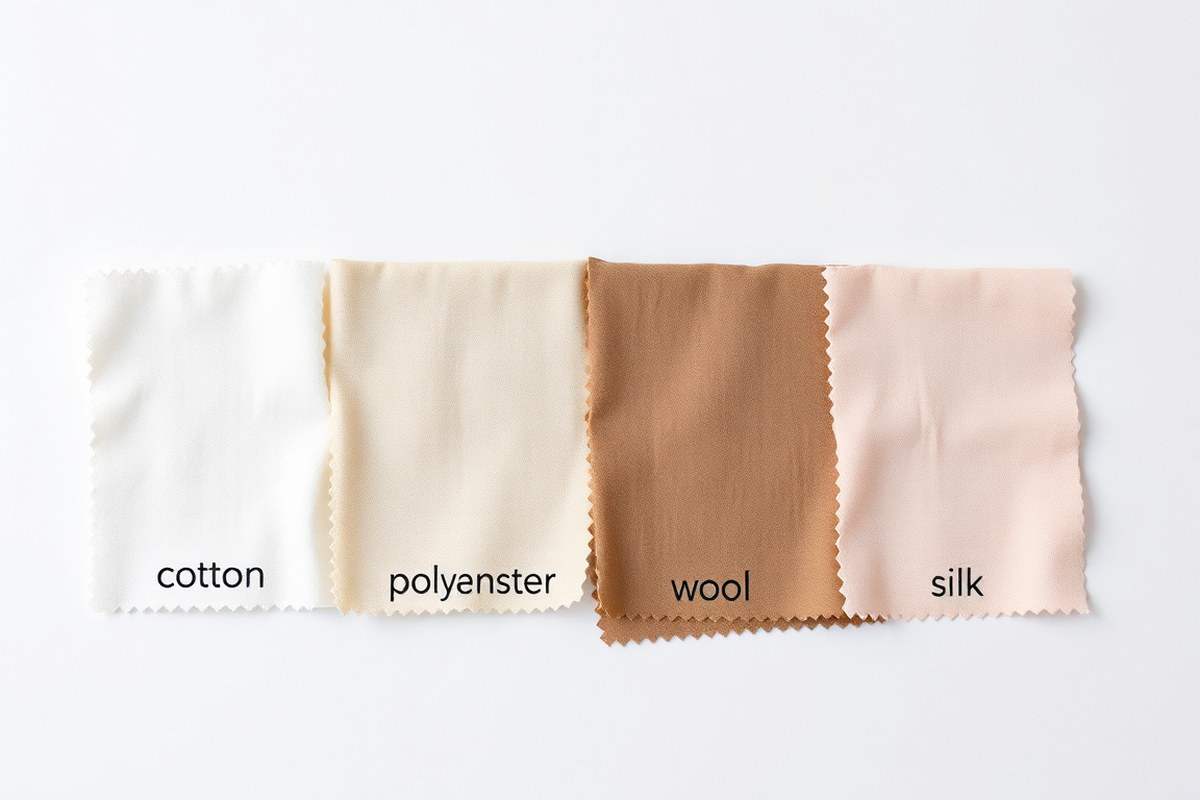
Natural fibers tend to shrink more than synthetic ones because heat, moisture, and mechanical agitation cause their fibers to contract or felt. Synthetic fabrics resist shrinkage better due to their chemical makeup, but extreme heat can still affect them. The fabric’s weave also plays a role, with loosely woven materials shrinking more than tightly woven ones because they leave more room for fibers to pull closer together.
Natural Fibers and Their Shrinkage Rates
Natural fibers such as cotton, wool, silk, and linen have a higher risk of shrinking. Exposure to heat during the first wash and dry cycle can cause cotton to reduce in size by up to 5%. Wool shrinks mainly because heat, water, and mechanical action cause the fibers to mat together, a process called felting. Silk shrinks not due to fiber contraction but because heat and moisture make the fibers stick, pulling the weave tighter. Fabrics like linen and rayon also shrink significantly due to their natural fibers and loose weave structure.
The key reason natural fibers shrink easily is that they absorb water and heat deeply, making the fibers swell and then contract as they dry. This contraction causes the fabric to pull itself smaller. Overhandling or excessive agitation during washing, especially with wool, can increase shrinkage.
Synthetic Fabrics and Shrinkage Resistance
Synthetic fabrics like polyester, nylon, and acrylic have molecules designed to remain stable under heat and moisture. They generally resist shrinking because the polymers don’t absorb water or react to heat in the same way natural fibers do. But extremely high temperatures, such as very hot dryer cycles, can still cause synthetic fabrics to shrink, although usually less than 5% and never as drastically as materials like wool or cotton.
Mixed fabrics containing some synthetic fibers alongside natural ones strike a balance between shrinkage resistance and comfort. Synthetic fibers can reduce the overall shrinking tendency, but when the natural fiber content is high, shrinkage can still occur.
Effects of Fabric Weave and Construction
The way fabric is woven affects how much it will shrink. Loosely woven fabrics have more space between the threads, allowing the fibers to move and contract more when exposed to heat and moisture. Tightly woven fabrics restrict fiber movement, which reduces shrinkage. For example, denim, which has a tight weave, shrinks less than lightweight cotton or linen.
The primary reason silk shrinks is heat and moisture making fibers stick together, tightening the fabric’s weave instead of the fibers themselves shrinking. Silk with a loose weave can shrink as much as 15% if washed and dried aggressively, whereas tightly woven materials like denim experience much less shrinkage. Here is a comparison of fabrics based on shrinkage tendencies and weave characteristics:
| Fabric | Typical Shrinkage Rate | Weave Type | Shrinkage Cause |
|---|---|---|---|
| Cotton | Up to 5% | Varies, generally medium to loose | Heat, water absorption, and fiber contraction |
| Wool | Significant, can felt | Often loose to medium | Heat, moisture, agitation causing felting |
| Silk | Up to 15% | Loosely woven | Fibers clinging tighter under heat and water |
| Linen | High | Loose weave | Heat and water relaxing fibers, causing contraction |
| Polyester | Less than 5% at very high heat | Tight or medium | Extreme heat can deform fibers |
| Mixed fabrics (natural + synthetic) | Variable, usually moderate | Varies | Dependent on natural fiber content and care |
Choosing fabrics with a tighter weave or including synthetic fibers can reduce shrinkage. However, fabrics with natural fibers and loose weaves require more careful handling with lower temperatures and less agitation in washing and drying.
Steaming slightly shrunk synthetic or linen garments can relax fibers and help restore their original shape without risk of further damage.
Role of Washing Temperature and Water Exposure
Washing clothes in hot water significantly increases the risk of shrinkage because heat causes fabric fibers to contract. For many materials, temperatures above 120°F (49°C) can trigger this contraction, altering the garment’s size and fit. Cold water, typically below 80°F (27°C), is much gentler on fabrics and reduces the likelihood of shrinking, making it safer for most clothing, including cotton, wool, and delicate blends.
Beyond temperature, the washing cycle’s agitation also affects shrinkage. Machines that use heavy agitation, such as regular or heavy-duty cycles, can stress the fibers by repeatedly stretching and compressing them. This mechanical action may tighten the weave, causing fabrics to shrink or become misshapen. On the other hand, gentle or delicate cycles use slower agitation and shorter wash times, which help preserve the fabric’s original size and texture, especially for garments prone to shrinking. For best results, follow these practices during washing to minimize shrinkage:
- Use cold or cool water settings to wash clothes.
- Select gentle or delicate cycles to reduce mechanical stress.
- Avoid overloading the washing machine to allow proper water circulation.
- Use mild detergents suited for delicate fabrics.
- Consider hand washing especially shrink-prone materials like cotton, linen, and silk.
Using cold water with gentle agitation avoids the temperature and mechanical triggers that cause fibers to contract. While cold water washing generally costs no extra and may even save energy, it requires selecting the correct machine settings and sometimes extending wash times for adequate cleaning. Always check garment care labels, as some fabrics or stains might require otherwise. Washing clothes this way preserves their size, texture, and lifespan better than hot washes with heavy agitation. Over time, following these steps helps you maintain off-the-rack sizing and reduces the chance of unwanted shrinkage.
Why Tumble Dryers Are a Major Shrinkage Risk
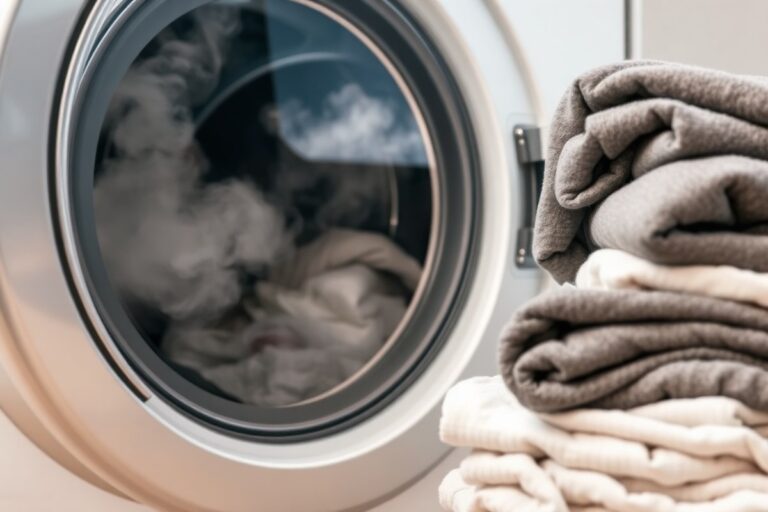
The heat inside a tumble dryer causes clothing fibers to contract, which leads to shrinkage. Natural fibers like cotton and wool are particularly sensitive to high temperatures, which make the fibers tighten up and reduce the overall size of the garment. The dryer’s tumble action adds to this effect by agitating the fabric, causing fibers and yarns to constrict further as garments rub against each other and the dryer’s drum. This combination of heat and movement is why dryers are the main reason for permanent shrinkage in clothes.
Drying time also plays a significant role in how much clothes shrink. Overdrying can expose fibers to heat for longer than necessary, increasing the chance they will contract and lose their original size and shape. Using high heat settings and running a full cycle when the clothes are already nearly dry can cause excessive shrinkage and damage. To reduce this risk, you can choose dryer settings like “tumble dry low” or use moisture sensor modes that stop the cycle as soon as clothes reach the right dryness level. These settings minimize heat exposure and help preserve fabric size.
Some dryer settings are safer for certain fabrics than others. For example, delicate fabrics such as silk, lace, or fine wool typically require low heat or air dry settings to prevent shrinkage and damage. Medium heat is often acceptable for cotton blends, but pure cotton or wool fabrics will shrink less when dried on low or no heat settings. Using dryer balls can shorten drying time by improving air circulation, which reduces the amount of heat needed and prevents overdrying. This simple step not only cuts down on shrinkage but also decreases static buildup, which can weaken fibers over time.
It’s important to understand that the tumble dryer’s heat is the leading cause of shrinkage and fabric damage. While washing loosens fibers slightly, the subsequent heat inside the dryer causes those fibers to tighten and contract permanently. Tumble dryers contribute to about 80% of preventable shrinkage because of the combined effect of temperature, agitation, and fabric-to-fabric contact. Drying clothes naturally or using low heat settings can extend the life of your garments by reducing this risk.
Choosing the right dryer settings and monitoring drying time takes some trial and error but pays off in clothing longevity. Avoiding high heat and reducing tumble time helps preserve the original fit and shape of your clothes while protecting delicate fabrics. If drying speed or convenience calls for using a tumble dryer, opt for lower heat and shorter cycles combined with dryer balls to keep shrinkage under control. This approach balances effective drying with fabric care, saving you money on replacements and repairs.
Preshrunk Clothes: How Effective Are They?
Preshrunk clothes undergo manufacturing processes intended to reduce the fabric’s tendency to shrink later during washing and drying. The term “preshrunk” generally means the fabric has been treated, often through controlled wetting, drying, and sanforization, a mechanical process that compresses the fabric to stabilize its size. Despite these efforts, preshrunk cotton garments can still shrink slightly, typically less than 3% to 5%, compared to up to 10% shrinkage in untreated cotton. This happens because natural fibers like cotton retain some “fiber memory,” causing them to contract when exposed to heat or agitation even after preshrinking.
The effectiveness of preshrinking depends on how thoroughly the fabric is treated before assembly into clothes. High-quality preshrunk fabrics that undergo sanforization or repeated pre-washing have a more stable weave and are less likely to shrink significantly. In contrast, lower-quality cotton or items where preshrinking steps were incomplete may still shrink noticeably after purchase. Manufacturing processes that minimize shrinkage include multiple stages of steaming, wetting, and tensioning, which require specialized machinery and add cost. Some brands invest in these processes to produce stable fabric, while fast-fashion or lower-priced items may skip or shorten them, leading to a higher risk of shrinkage.
Choosing clothes from reputable brands that specify “pre-washed,” “preshrunk,” or “sanforized” fabrics helps reduce unexpected shrinkage. Still, care during washing and drying is essential to maintain garment size. Washing in cold water and avoiding high-heat tumble drying lessen shrinkage since heat and moisture cause fibers to contract. Fabrics blended with synthetics also tend to shrink less, but natural fibers like cotton, wool, and linen need extra attention.
Preshrunk does not mean shrinkage-proof. Some shrinkage is normal, especially after the first wash, because even treated fibers re-align in response to moisture and heat. Expect minor changes especially in all-cotton garments, but your risk goes down significantly with proper manufacturing and care.
Always check clothing labels for care instructions and avoid hot water or high dryer temperatures to keep preshrunk clothes fitting well for longer.
Effective Steps to Prevent Clothes Shrinking
Adjust the washing temperature to cold or lukewarm, generally below 85°F (30°C), to reduce the risk of heat-induced shrinkage. Fabrics like cotton and wool shrink more easily with higher temperatures, so using the warmest setting labeled safe on the garment’s care tag is ideal. Select a gentle or delicate cycle to limit mechanical agitation, which helps keep fibers stable and prevents them from contracting.
Avoid overloading the washing machine. Crowding clothes can increase friction and stretching, which may lead to uneven shrinking or misshaping. Instead, wash smaller loads so garments move freely, allowing detergent and water to clean effectively without harsh agitation.
- Use cold water for most fabrics, especially wool, silk, and delicate knits.
- Select a gentle or delicate wash cycle to reduce agitation.
- Choose liquid detergents formulated for delicate fibers to maintain fabric integrity and prevent shrinkage.
- Air dry clothes prone to shrinking to allow moisture to evaporate gradually.
- If tumble drying, use the lowest heat setting and remove clothes promptly once dry.
- Hand wash sensitive garments that require extra care to avoid heat and agitation damage.
- Always follow garment care labels as the primary guide for washing and drying.
Using detergents that suit the fabric you’re washing also makes a difference. Specialized detergents for wool or delicate fibers often contain conditioning agents that help maintain the strength and elasticity of fibers. These products prevent fibers from tightening or matting together, reducing shrinkage risk.
Tumble drying is the biggest cause of shrinkage in many fabrics. The combined heat and mechanical action cause fibers to contract tightly. The best prevention for shrinkage comes from skipping the dryer and air drying clothes on a flat surface or hanging them where air flows freely. Drying naturally keeps the fabric shape more consistent and avoids sudden heat exposure. When you do use a dryer, set it to the lowest heat setting and check clothes frequently. Remove them as soon as they are dry to minimize heat exposure time.
Ways to Reverse or Fix Shrunken Clothes at Home
You can often restore some size to shrunken clothes, especially those made of natural fibers like cotton and wool. By soaking garments in lukewarm water with conditioner, gently stretching them, and drying them carefully, you can reduce shrinkage and make the clothes more wearable. Success depends on the fabric type and how much it shrank. Some synthetic fabrics or severe shrinkage may not fully rebound.
Soaking and Conditioning Fabrics
Soaking fabric in lukewarm water softens the fibers, making them easier to stretch. Adding hair conditioner or baby shampoo helps relax the fibers, which is especially effective for natural materials such as cotton and wool. Use lukewarm water around 90°F (32°C), since hot water can set shrinkage further.
To try this method, fill a basin with lukewarm water and add about two tablespoons of hair conditioner per quart (liter) of water. Let the garment soak for 20 to 30 minutes. This process loosens the fibers without harsh chemicals or damage.
Gentle Stretching Techniques
After soaking, stretching the garment back into its original shape while the fibers remain relaxed increases the chance of restoring size. For wool or cotton, gentle handling prevents further distortion.
- Remove the garment from the water and press gently to remove excess water without wringing.
- Lay the garment flat on a clean towel on a hard surface.
- Slowly and evenly stretch the fabric to its original dimensions, focusing on width and length.
- Use your hands to reshape areas that have shrunk more, working patiently to avoid pulling too hard.
- Roll the garment inside the towel to absorb more water, then unroll and adjust the shape again.
- Repeat stretching as necessary until satisfied, but avoid excessive force that can deform the fabric.
Some garments need to be stretched in small increments and rested before more stretching for better results.
Drying Methods to Maintain Reshaped Garments
Drying carefully is key to keeping the stretched shape. Air drying flat on a towel is best for delicate or natural fibers. Hanging can cause unwanted stretching or distortion if the garment is heavy when wet.
Spread the garment flat on a dry towel in a cool, well-ventilated area away from direct sunlight or heat sources. Adjust the shape again while drying if you notice any shrinkage returning. It may take a day or two to dry completely depending on fabric thickness.
Avoid tumble dryers or direct ironing after reshaping, as heat can shrink the fibers anew. For cotton and wool, blocking techniques, wetting, shaping, and air drying, are effective for maintaining size.
Special Care for Delicate and Sensitive Fabrics
Delicate fabrics like wool and silk require special handling to prevent shrinkage and damage. Washing with the right temperature, detergent, and method protects their texture and fit. Paying attention to care labels and using gentle techniques is key to keeping these fabrics in good condition.
Wool Care and Shrinkage Risks
Wool is highly prone to shrinking and felting due to its natural scales and fiber structure. Exposure to warm or hot water combined with agitation causes the wool fibers to lock together, shrinking the garment and changing its texture. To wash wool safely, use cold water at temperatures below 77°F (25°C) and a detergent specifically formulated for wool. Avoid washing wool in a standard machine cycle with heavy agitation or tumble drying, as this can cause irreversible shrinkage.
One effective method is to hand wash wool items gently in cold water, soaking for about 10-15 minutes, then rinsing without wringing. Alternatively, use the machine’s wool or delicate cycle, which uses slow agitation and lower temperatures. After washing, lay wool flat on a clean towel to air dry, reshaping it to its original dimensions. Avoid hanging wet wool garments, as this stretches the fibers. Repeated washing, even with care, can cause slight cumulative shrinkage, so consider using a steamer to refresh wool clothes between washes instead.
Silk Washing and Drying Guidelines
Silk’s delicate protein fibers react poorly to heat, water, and harsh chemicals, making it sensitive to shrinkage. Hot water or strong detergents can damage the fiber, causing it to contract and lose its smooth texture. To protect silk, wash it in cold water using a mild detergent designed for silk or other delicate fabrics. Hand washing is often safest, gently moving the fabric without scrubbing or twisting to avoid damage.
After washing, rinse well in cool water and roll the item in a towel to remove excess moisture. Avoid wringing or shaking the fabric. Hang silk to dry away from direct sunlight and heat sources or lay it flat on a drying rack. Using a cool iron or a steamer helps maintain silk’s shape and softness without risking shrinkage.
Blended Fabrics: Challenges and Tips
Blended fabrics, containing two or more fiber types, present varied shrinkage risks depending on their components. For example, a cotton-polyester blend may shrink if washed in hot water like cotton alone, but the polyester content helps stabilize the fabric. Following the care label precisely is important because blending often changes care requirements.
To minimize shrinkage across blends, wash them in cold water with a gentle detergent suitable for the most sensitive fiber present. Avoid high heat drying and opt for air drying or low heat tumble drying. Check labels for any special instructions, as some blends can tolerate machine washing better than pure wool or silk. Testing an inconspicuous area first may help prevent unexpected shrinkage or distortion.
You should review the care label prior to washing or drying delicate fabrics to confirm the safest cleaning approach for that particular item.
Step-by-Step Action Plan to Prevent Clothes Shrinking
Follow these practical steps to reduce the risk of shrinkage and keep your clothes fitting well.
- Before washing: Check each garment’s care label for temperature and washing instructions. Correct settings on the label help you avoid shrinking.
- Day of washing: Use cold or lukewarm water instead of hot water. This slows down fiber contraction and reduces shrinkage.
- During washing: Choose a gentle or delicate cycle to minimize agitation. Less agitation means less fabric stress and shrinkage risk.
- After washing: Avoid putting clothes straight in the dryer. Air-dry items that are prone to shrinking to prevent heat-related damage.
- First drying: If you must use a dryer, select the lowest heat or no-heat air-fluff setting. Check the fit after drying; if it shrank, avoid heat next time.
- After the first wash-dry cycle: Assess garment fit and texture. Proper care is confirmed when clothes retain their original size and softness.
- Regular maintenance: Wash similar fabrics together, and avoid overloading machines to maintain consistent care and reduce shrinkage chances.
Frequently Asked Questions
What Causes Clothes to Shrink Besides Heat and Tumbling?
Besides heat and tumbling, fabric type and agitation during washing also cause shrinkage by compressing fibers closer together. Harsh washing loosens fibers, leading to more shrinkage.
Can Frequent Washing Increase the Chance of Clothes Shrinking?
Frequent washing can increase shrinkage risk because repeated agitation softens fibers and causes them to compress over time. Using gentle cycles reduces this effect.
Does Fabric Blend Affect How Much Clothes Shrink?
Fabric blends usually shrink less because synthetic fibers resist compression better than pure natural fabrics like cotton or wool. Blends offer more stability in size.
Can Drying Clothes Flat Prevent Shrinkage?
Drying clothes flat can prevent shrinkage by avoiding heat and tumbling stress that compress fibers. This is especially helpful for delicate or knit fabrics.
Is Shrinkage Reversible for All Types of Fabric?
Shrinkage is not reversible for all fabrics; some natural fibers like wool may stretch back slightly, but cotton shrinkage is usually permanent. Severe shrinking is difficult to fix.
Do Detergents Impact Clothes Shrinking?
Detergents generally do not cause shrinking directly, but harsh chemicals can weaken fibers, making them more likely to shrink with heat and agitation. Use mild detergent for sensitive fabrics.
Final Thoughts
Clothing shrinkage results mainly from heat, water, and mechanical action causing fibers to contract. Preventing it requires careful attention to washing and drying methods tailored to each fabric type. Start by adjusting your laundry routine today to use cooler water and gentler cycles. This one change can help your clothes hold their shape longer and save you from costly replacements.