How to Get Mildew Out of Clothes: 8 Proven Methods That Work
To get mildew out of clothes, soak them in a vinegar or hydrogen peroxide solution, then wash in hot water for at least 30 minutes. For tough stains, pre-soak garments in a 50/50 mix of water and white vinegar before laundering. These methods target the mold and its smell effectively, eliminating mildew and preventing its return.
These instructions suit homeowners and renters dealing with mildew-smelling laundry who want clear, proven steps to restore their clothes. You’ll find practical cleaning options and guidance on handling different fabrics and mildew challenges.
Key Takeaways
- Pre-soak heavily mildewed clothes for 30 minutes in a 50/50 water and white vinegar solution before washing.
- Use a 3% hydrogen peroxide spray on stubborn mildew spots, then air-dry clothes indoors or in shade.
- Run wash cycles at a minimum of 60°F for at least 30 minutes to kill mildew effectively.
- Place dry-clean-only clothes inside a sealed plastic bag with two tablespoons of baking soda and leave it for 24 hours to help lessen mildew smell.
- Add one cup of white vinegar to cold water for a 30-minute soak to loosen mildew before washing.
- Use cold power detergent mixed with cool water for an additional 10-minute soak if mildew smell persists.
1. How to Remove Mildew from Clothes Effectively

Mildew creates a musty smell on clothes and can weaken fabric if left untreated. This mold grows best in warm, moist, and poorly aired areas. It survives by consuming dirt and organic stuff caught in fabric fibers. Proper washing methods and the right cleaning agents are key to eliminating mildew and its odor. Household items such as white vinegar, baking soda, Borax, or oxygen bleach used with the correct water temperature can destroy mildew spores and clear smells efficiently.
White vinegar is especially effective because it kills mold and neutralizes odors. Baking soda acts as a deodorizer and mild abrasive to lift odor-causing particles. Washing clothes at the hottest temperature safe for the fabric helps break down mildew spores. Avoid letting clothes sit damp in the washer or hamper, as mildew can develop within 24 to 36 hours. Sunlight also helps kill any leftover mold due to its natural UV rays.
- Pre-soak the garments: Fill a basin with cold water and add 1 cup of white vinegar. Soak the mildewed clothes for 30 minutes to kill mold spores and reduce odor before cleaning.
- Add cleaning agents to the washer: Use either 1 cup of white vinegar or ½ cup of baking soda in the wash cycle. For tougher cases, include Borax or oxygenated bleach according to package instructions, ensuring these choices are safe for your fabric type.
- Set the water temperature: Choose the hottest water temperature allowed by the clothing care label, as warmer water improves mildew removal by breaking down spores and debris.
- Run a full wash cycle: Start the washer normally and consider an extra rinse cycle to flush out residues and leftover mildew.
- Dry clothes thoroughly: Remove garments from the washer immediately after the cycle ends. Dry items in direct sunlight if possible, or use the highest heat setting your fabric can tolerate. Proper drying stops mildew regrowth by eliminating moisture.
- Check for persistent odors or stains: If mildew smells stay or stains remain, repeat the vinegar soak and wash process before drying.
Using vinegar and baking soda costs only a few dollars and relies on common pantry items. Oxygen bleach products are around $5 to $10 per container but provide stronger mildew stain removal for especially tough cases. Avoid detergents alone because they often don’t kill mold spores or remove the mildew smell completely.
Clothing left damp inside the washer or hamper invites mildew growth quickly. Always unload clothes promptly and avoid storing damp garments. Mildew not only causes odors but can lead to permanent staining that no washing method can fully remove later. Following these steps helps eliminate mildew, prevents damage, and keeps your clothes smelling fresh.
2. Choosing the Right Cleaning Method for Each Fabric

Different fabrics require specific mildew removal methods to avoid damage and effectively eliminate odors. Cotton and synthetic fabrics usually tolerate stronger treatments like hot water and oxygen bleach, while delicate fabrics like silk or wool need gentler care. Dry clean only fabrics require professional cleaning to fully remove mildew without harm.
Cotton and Durable Fabrics
Cotton towels, linens, and most durable synthetics respond well to hot or warm water washes combined with oxygen bleach or enzyme-based detergents. Hot water should ideally reach 130°F (54°C) or higher for at least 10 minutes to kill mildew spores effectively. Oxygen bleach is safe on cotton and helps break down mildew, but avoid using chlorine bleach as it can fade colors and weaken fabric over time.
Synthetics like polyester blend activewear need warm water washing with enzyme detergents to break down organic residues that hold mildew smells. Avoid fabric softeners with synthetics since they leave residues that trap moisture and odors, worsening mildew problems. Drying these materials at moderate heat is recommended once mildew is removed to prevent shrinkage or damage.
| Fabric Type | Suitable Starting Approach | Precautions |
|---|---|---|
| Cotton Towels & Linens | Hot water wash with oxygen bleach booster | Avoid high-heat drying until spores are fully eradicated |
| Synthetics (Activewear) | Warm water wash with enzyme-based detergent | Avoid fabric softeners that trap residues |
| Wool & Animal Fibers | Cold water wash with specialized wool detergent | Avoid alkaline sodium percarbonate that damages fibers |
| Delicates & Silk | Cool hand wash or professional wet cleaning | Never use bleach; avoid vinegar and harsh chemicals |
Using the right temperature and cleaner for each fabric not only removes mildew effectively but also protects the material’s texture and color.
Delicates and Animal Fibers
Delicate fabrics such as silk, lace, and wool need cooler washing temperatures to prevent damage. Use cold water with a wool or silk-specific detergent designed to maintain fiber integrity. Avoid oxygen bleach and chlorine bleach as they can cause irreversible damage or fading.
Vinegar and other acidic cleaners must be kept away from wool and silk because they weaken the fibers. Hand washing delicates gently or choosing a professional wet cleaning service will preserve the fabric while addressing mildew odors. Let delicate items air dry completely, avoiding direct sunlight that can fade colors.
Never use vinegar or bleach on silk or wool as these can permanently damage the fabric.
Dry Clean Only Garments
Garments labeled dry clean only often harbor mildew inside fibers that home washing can’t reach. Professional dry cleaning uses special solvents such as PERC-free organic solvents that penetrate fabric deeply and remove mildew spores more reliably than water-based methods.
Attempting to wash dry clean only clothes at home to remove mildew risks shrinking, fabric distortion, or persistent odors. The return of mildew smell after washing suggests home methods have masked rather than eliminated the growth. In these cases, professional cleaning is the safest and most effective choice.
3. Pre-Soaking and Stain Treatment Techniques
Removing mildew stains and odors from clothes often requires a pre-soaking or spot treatment to break down the spores and loosen the set-in stains before washing. Using common household products like vinegar, baking soda, hydrogen peroxide, or oxygen bleach can help reach embedded mildew in the fabric fibers. Pre-treatment allows the mildew smell to fade within several hours or after the first full wash cycle, depending on how severe the mildew is.
Vinegar and Water Soak
White vinegar is effective at eliminating mildew smell because it kills most mold spores and neutralizes odors. Soaking clothes in a vinegar solution helps loosen mildew from fabric fibers before washing. Vinegar also works as a mild stain remover when mixed with baking soda.
Use cool or lukewarm water to avoid setting stains further. Avoid using vinegar on delicate fabrics sensitive to acid, such as silk.
- Fill a basin or bucket with 1 gallon of cool water.
- Add 1 cup of white vinegar and stir to mix.
- Submerge the mildewed clothes completely in the solution.
- Let them soak for at least 30 minutes, or up to 2 hours for bad stains.
- Gently rub or massage stained areas during soaking to help release mildew.
- Remove clothes and rinse with cool water.
- Proceed to washing as usual.
Baking Soda Application
Baking soda helps neutralize odors and can lighten mildew stains. It is less powerful at killing spores on its own but works well combined with vinegar or as a pre-spray. A baking soda spray penetrates the fibers and can be used on dry or damp garments before washing. For faint surface mildew smells, a few hours in direct sunlight together with baking soda may reduce odors but will not remove mildew embedded deeply in the fabric.
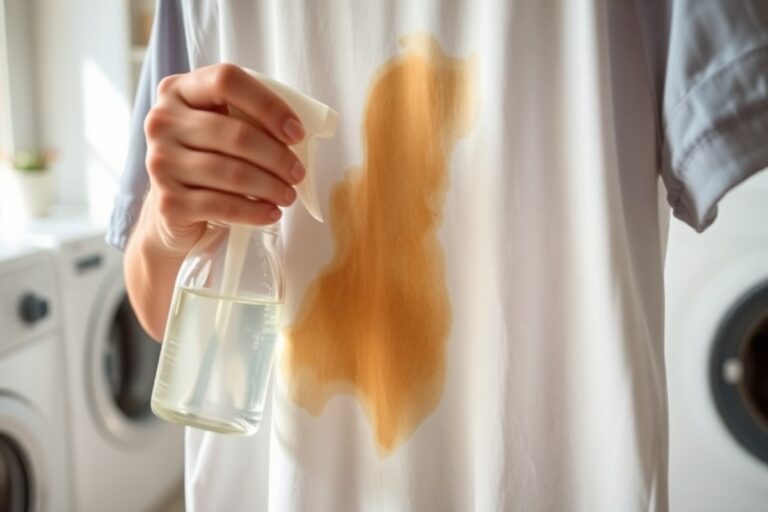
- Dissolve 1 tablespoon of baking soda in 1 cup of water in a spray bottle.
- Spray the mixture evenly over the stained or smelly areas of the clothes.
- Allow the clothes to sit for 30 to 60 minutes to absorb the baking soda.
- Optionally, mix 2 parts baking soda with 1 part vinegar for a stronger stain-fighting paste.
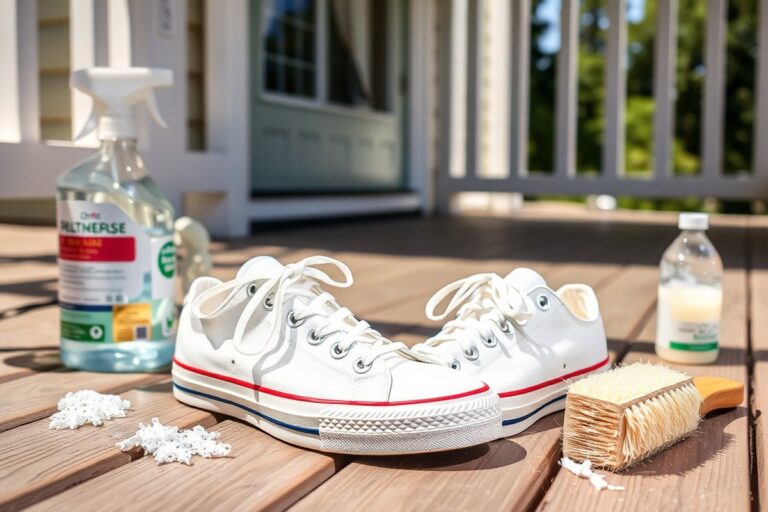
- Scrub gently with a soft brush if needed before washing.
- Wash clothes as per fabric type recommendations.
Hydrogen Peroxide Spot Treatment
Hydrogen peroxide is a mild bleach alternative that targets mildew stains effectively without harsh chemicals. A 3% hydrogen peroxide solution can break down mildew spores and lighten stains on colorfast fabrics. Avoid using on delicate or non-colorfast materials. Spot treatment helps focus the action where mildew stains are visible, speeding up removal before the main wash.
- Pour 3% hydrogen peroxide directly onto mildew stains or apply with a spray bottle.
- Let the solution sit on the stain for 10 to 15 minutes.
- Do not let it dry completely to avoid fabric damage.
- Blot or gently rub the treated area with a clean cloth.
- Rinse with cool water or proceed with washing immediately.
Oxygen Bleach Soaks
Oxygen bleach products like sodium percarbonate are effective at removing both mildew stains and odors while being gentler than chlorine bleach. Pre-soaking clothes for several hours loosens mold spores and breaks down set-in stains before washing. This method is suitable for most washable fabrics except those labeled ‘do not bleach.’ It requires warm water for activation and can be combined with a high-quality detergent.
- Fill a large basin with warm water (around 110°F).
- Add 1/4 cup of oxygen bleach powder per gallon of water and stir to dissolve.
- Immerse the mildewed clothes completely in the solution.
- Soak for 2 to 6 hours depending on stain severity.
- Check the fabric periodically; do not soak longer than suggested on the product label.
- Remove clothes and wash immediately with detergent in warm water.
- Dry thoroughly to prevent mildew from returning.
4. How Washing Machines Can Cause Mildew Smell and How to Fix It
Washing machines can cause mildew smells in clothes when moisture, soap residue, and dirt build up inside the machine. This environment encourages the growth of mold and mildew, especially in front-load washers with tight seals around the door. Mildew spores cling to the rubber gaskets, detergent dispensers, and inside the drum, transferring the musty odor back to your clothes. Leaving clothes in the washer after the cycle ends creates a damp environment that encourages mildew growth, which makes the smell worse.
To stop this from happening, clean your washing machine regularly. Running a cleaning cycle once a month helps remove residue and kills mildew spores. Use either a commercial washing machine cleaner or a homemade solution of two cups of white vinegar and a half cup of baking soda. Run the hottest and longest cycle on your machine with no clothes inside. This process breaks down biofilms and prevents musty smells from developing. Wiping the door gasket and detergent dispenser with a 1:1 mixture of water and vinegar after each wash also keeps these areas dry and less hospitable to mold.
Good maintenance also means leaving the washing machine door open after every load. This allows air to circulate and dries out moisture that encourages mildew growth. For front-load machines, which tend to retain more moisture, staying on top of drying inside the rubber seal is critical. Use a dry cloth to wipe it down when you can. Keeping your detergent use moderate is another key factor because excess soap scum builds up quickly and traps mildew spores.
Washing your clothes promptly after loading them into the machine greatly reduces mildew growth. Avoid letting laundry sit wet inside the drum for more than a few hours. Adding a cup of white vinegar to rinse cycles can further reduce odors by killing lingering spores in your clothes and the machine. Be careful not to overload the washer either, as overfilling reduces washing effectiveness and leaves clothes damp.
How often you should clean your washing machine depends on your use and local humidity, but generally once a month is enough to prevent mildew. In homes with high humidity, cleaning every two weeks might be necessary. Noticing a musty odor on your freshly washed clothes or inside the machine means you should run a cleaning cycle right away. This simple step costs little beyond vinegar and baking soda, usually less than $5 for supplies, and takes about an hour.
Following these tips helps you avoid the cycle of musty-smelling laundry caused by an unclean washer. Clean your machine regularly, keep it dry between washes, and treat clothes promptly. Doing this maintains fresh laundry and protects your clothes from early mold and mildew damage.
5. Drying Methods That Prevent Mildew from Returning
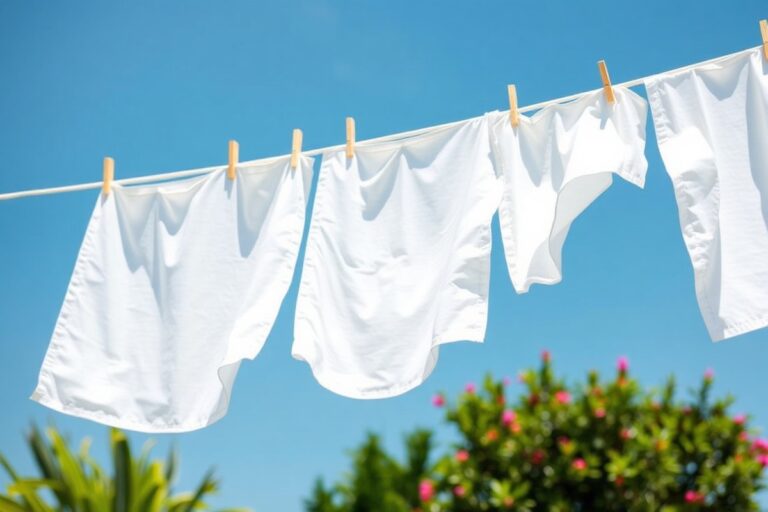
To prevent mildew from returning on your clothes, drying them thoroughly and quickly is essential. Mildew thrives in damp conditions, so any residual moisture left in fabric provides an environment for spores to grow. Using direct sunlight for drying is particularly effective because ultraviolet (UV) rays naturally kill mildew spores and inhibit their spread. When possible, hang your clothes outside in full sun for at least two to four hours. This exposure not only dries fabric but also serves as a natural disinfectant without harsh chemicals.
Machine drying at the correct temperature is another reliable method. Use the highest heat setting safe for the fabric according to the care label, normally between 130°F and 150°F. This heat level helps to kill mold spores while fully removing moisture. Avoid overloading the dryer to ensure air circulates well, speeding drying and reducing mildew risk. For delicate fabrics that cannot withstand high heat, air drying in a well-ventilated area with good airflow prevents dampness but requires longer drying time. Here are helpful tips to follow based on your drying situation:
- For sunny days, hang clothes outside directly on a line or rack, turning them periodically for even drying and sun exposure.
- In humid or rainy climates, use a dryer or drying room with a dehumidifier or fan to speed moisture removal.
- Separate mold-affected garments from clean clothes to avoid cross-contamination during drying.
- Ensure clothes are completely dry before folding or storing to prevent mildew smells from returning.
- Use dryer balls or clean tennis balls in the dryer to improve air circulation and reduce dry time.
- For items sensitive to high heat, lay flat indoors near a fan or open window to increase airflow.
Always check fabric care labels for drying instructions to avoid damage and ineffective mildew control.
Ventilation plays a important role in drying. Opening windows and using fans during drying improve airflow, which accelerates moisture evaporation. If clothes remain slightly damp after drying, mildew odors can quickly redevelop. Also, storing fabric in airtight containers or poorly ventilated areas traps humidity, promoting mildew growth. It’s best to keep clean garments in dry, breathable spaces.
While drying can kill some mildew spores, it doesn’t remove them entirely. Severe infestations may need rewashing with appropriate cleaners before drying. Regularly laundering all potentially contaminated fabrics and drying them correctly reduces the chance of mildew returning. By combining heat, sunlight, and airflow, you create an environment hostile to mildew, keeping your clothes fresh and mildew-free longer.
6. Using Natural Versus Chemical Mildew Removers Safely
Natural and chemical mildew removers vary in effectiveness, fabric safety, and use. Natural options like white vinegar and baking soda offer mild but safe mildew killing with low cost and fabric friendliness. Chemical products such as chlorine bleach remove mildew quickly but can damage some fabrics unless used correctly. Oxygen bleach and enzyme cleaners offer a safer middle ground by targeting mildew and odors while preserving most fabrics.
White Vinegar
White vinegar is a popular natural mildew remover for clothes due to its ability to kill mold and reduce odors effectively. You can add 1 cup of white vinegar to the washing machine during a regular wash cycle with your mildew-smelling clothes. Vinegar is mild enough for most fabrics and won’t bleach colors, making it safe for cotton, polyester, and many blends.
For tougher mildew smells, combine white vinegar and baking soda directly on stains before washing. Avoid mixing vinegar with chlorine bleach, as this combination creates harmful fumes. Vinegar also works well as a rinsing agent, which can further reduce mildew odor in clothes.
Baking Soda
Baking soda acts as a natural deodorizer and mild abrasive that helps lift mildew from fabric fibers. Mix 1/2 cup of baking soda with 1 cup of white vinegar, then spread the paste on mildew spots and let it sit for 15 to 30 minutes before washing. This mixture improve mildew removal compared to using water alone and can improve wash cycle effectiveness.
Baking soda is gentle on most fabrics and safe for colored and white clothes. Its deodorizing power helps neutralize mildew smell rather than just masking it. You can also add 1/2 cup of baking soda directly to the wash cycle for added mildew-fighting benefits.
Oxygen Bleach and Enzymes
Oxygen bleach is a color-safe alternative to chlorine bleach and kills mildew without stripping fabric dyes. It works best on sturdy fabrics like cotton or polyester blends at warm water temperatures (around 140°F). Use according to package directions, typically 1 scoop or capful per regular wash load. Results improve with soaking mildewed clothes for 30 minutes in oxygen bleach before washing.
Enzyme cleaners break down the organic compounds that mildew feeds on, helping eliminate stains and odors naturally. They are especially useful on protein-based mildew residues and sensitive fabrics but require washing at warm temperatures (above 105°F) and a longer soak time (30 minutes to 1 hour). These products are usually safe for most washable fabrics and complement oxygen bleach in tougher cases.
Chlorine Bleach
Chlorine bleach is highly effective at killing mildew and removing stains, but it comes with significant risks. It will bleach fabric colors and can weaken natural fibers like wool or silk. Only use chlorine bleach on white cotton or synthetic fabrics if the care label permits it. Add about 1/4 cup of bleach to a full wash cycle of heavily mildewed white clothes and rinse thoroughly.
Never mix chlorine bleach with acidic cleaners like vinegar or ammonia, as dangerous gases will form. Use chlorine bleach sparingly as frequent use can damage clothes over time. If in doubt about fabric safety, opt for oxygen-based bleach or natural alternatives. Below is a comparison table summarizing key details to help choose the best mildew remover for your clothes:
| Remover | Effectiveness on Mildew | Fabric Safety | Usage Tips | Cost Approx. |
|---|---|---|---|---|
| White Vinegar | Moderate | Safe on most fabrics, color-safe | 1 cup in wash; do not mix with bleach | Low ($0.10 per cup) |
| Baking Soda | Mild to Moderate | Safe on most fabrics, color-safe | Mix with vinegar for paste; add ½ cup to wash | Low ($0.05 per ½ cup) |
| Oxygen Bleach | High | Safe on colorfast fabrics, avoid delicate fibers | Use warm water; soak 30 minutes before wash | Moderate ($0.50 per load) |
| Enzyme Cleaners | High on organic stains and odors | Safe on most fabrics; follow label | Warm water soak 30-60 minutes | Moderate ($1-$3 per use) |
| Chlorine Bleach | Very High | Only white, bleach-safe fabrics | Use ¼ cup per wash; no mixing with vinegar | Low ($0.10 per ¼ cup) |
Choosing the right mildew remover depends on the fabric type, color safety, and mildew severity. Vinegar and baking soda offer the safest, low-cost options for light to moderate mildew, while oxygen bleach and enzyme cleaners provide stronger mildew removal without harsh bleaching effects. Chlorine bleach should be reserved for white, bleach-safe items due to the risk of fabric damage and color loss.
7. Mistakes That Cause Mildew Smells to Persist and How to Fix Them
Clothes still smell mildewy after washing because of common mistakes that allow mildew bacteria to survive or grow. Leaving damp clothes in the hamper for too long gives mildew time to thrive. Also, if you let wet clothes sit inside the washing machine after a cycle finishes, the moist environment encourages mildew growth. Both scenarios mean washing does not fully eliminate the problem, causing the smell to persist.
Other habits can make mildew odors worse. Using too little detergent or skipping a pre-soak can leave mildew spores intact. Washing on a cold cycle might not kill mildew either, especially on heavily soiled items. Finally, drying clothes partially or in a crowded space keeps moisture trapped, feeding mildew. Fixing these issues requires a proactive approach to handling clothes before and after washing. Here is a checklist of mistakes to avoid and actions to take to eliminate mildew odors effectively:
- Do not leave damp clothes in the hamper more than a day; transfer them promptly to the laundry.
- Remove clothes from the washer as soon as the cycle ends to prevent mildew growth.
- Use enough detergent and consider a mildew-fighting additive or pre-soak for tough odors.
- Choose a warm or hot water wash cycle for mildew-prone fabrics when safe according to care labels.
- Dry clothes completely and avoid overloading the dryer or drying rack to ensure airflow.
- Clean your washing machine regularly to avoid residue buildup that encourages mildew.
- Air out hampers and laundry storage areas to reduce moisture levels.
Getting into the habit of handling clothes quickly and thoroughly prevents mildew before it starts. Washing clothes within a day of use and drying them fully lowers mildew risk dramatically. Using warm water and proper detergents targets mildew microbes more effectively than cold water alone, especially on cottons and synthetics. Cost-wise, adding a cup of white vinegar or a commercial mildew remover is affordable, usually under $5 per treatment.
Good results mean clothes come out smelling fresh and staying that way for days. If mildew smells persist, check for hidden dampness or rewash using a stronger mildew treatment. Avoiding common mistakes reduces not only odors but also fabric damage and skin irritation caused by mildew.
8. When to Call a Professional Cleaner for Mildewed Clothes
Calling a professional cleaner for mildewed clothes becomes necessary when home treatments fail to fully remove stains and odors, or when mold keeps coming back despite your best efforts. Visible mold patches that persist after washing or a persistent, musty smell indicate that mildew has penetrated deep into the fabric or fabric backing. Also, if you notice water damage or ongoing dampness where the clothes are stored, a professional can help identify and address the root cause to prevent future growth.
Mold and mildew on clothing are more than an inconvenience; they can pose health risks. Mold spores can trigger allergies, respiratory trouble, and skin irritation, especially for people with asthma or weakened immune systems. Because mild home remedies may only clean surface stains and smells, professional cleaning often involves specialized treatments that remove mold spores completely and sanitize the fabric. This extra step protects both your health and the longevity of your clothes.
Professional mold and mildew treatment uses industrial-grade cleaners and equipment designed to penetrate fabric without damaging it. Experts can also test and treat the surrounding environment to stop mold from returning. Typically, professional cleaning costs range from $10 to $25 per item, rising for delicate or heavily mildewed pieces. This investment is worthwhile for high-value garments or when mold has caused significant damage that home methods cannot reverse.
To decide when to call a professional, try thorough home cleaning first using recommended detergents and drying methods. If after three wash cycles mildew stains persist or the smell returns within a week, it’s time to seek expert help. Also, consult professionals promptly if you or family members develop allergy symptoms linked to mold exposure from clothes. They can perform deep cleaning and provide advice on long-term prevention.
Don’t delay professional cleaning if mold grows back repeatedly or if you spot dark, fuzzy spores on your clothes, they can harm your health and damage fabrics beyond easy repair.
Step-by-Step Action Plan to Remove Mildew from Clothes
Follow these clear steps to get mildew out of your clothes and prevent the smell from coming back for good.
- Before You Start: Identify the fabric type to choose the safest cleaning method without damaging your clothes.
- Day 1: Pre-soak mildewed clothes in a mixture of water and a mild detergent or white vinegar for at least 30 minutes to loosen the mildew; you’ll see less visible mold and a reduced smell after this.
- Day 1: Apply a mildew stain remover or a paste of baking soda and water directly on tough spots; stains should start fading during this treatment.
- Day 1: Wash clothes in the hottest water safe for the fabric, using an enzyme cleaner or disinfectant like hydrogen peroxide; clothes will smell fresher and appear cleaner when done.
- Day 1 or 2: Dry clothes completely in direct sunlight or a well-ventilated area; dry fabric feels fully dry with no musty odor remaining.
- Weekly Ongoing: Clean your washing machine monthly with detergent and white vinegar to prevent mildew buildup inside the machine; a clean machine should smell neutral and no longer contribute to odors on clothes.
- As Needed: Store clothes in a dry, air-circulated environment to prevent mildew from returning; clothes stored this way stay fresh and mildew-free longer.
Frequently Asked Questions
What Kills Mold and Mildew on Clothes?
White vinegar, baking soda, Borax, and oxygenated bleach kill mold and mildew on clothes effectively. Pre-soak heavily affected items in a vinegar-water solution, then wash with hot water and the chosen cleaner to remove spores and odors.
What Kills Black Mold Immediately?
Oxygenated bleach and white vinegar work to kill black mold quickly on clothes. Using hot water when washing improves their effectiveness but follow the fabric care labels to prevent damage.
What Is the Main Difference Between Mildew and Mold on Clothes?
Mildew usually appears as a flat, powdery or fluffy white or gray growth, while mold tends to be darker and fuzzier. Both grow in damp conditions but mold is usually more damaging and harder to remove from fabric.
How Do I Get Rid of Mildew?
Soak clothes in hot water mixed with oxygenated bleach for about an hour, then wash thoroughly. Sun-drying afterward helps kill any remaining mildew with UV rays and prevents it from returning.
Can Mildew on Clothes Cause Health Problems?
Yes, mold and mildew can trigger allergies or respiratory issues, especially for sensitive people. Removing mildew promptly improves indoor air quality and reduces health risks.
Is It Safe to Use Bleach on All Fabrics to Remove Mildew?
No, bleach can damage delicate fabrics and colors, so check care labels first. Use oxygenated bleach or natural treatments like vinegar for sensitive materials.
Final Thoughts
Removing mildew from clothes relies on treating stains early, using the right cleaning methods, and drying thoroughly. Keeping your washing machine clean and storing clothes properly stops mildew before it starts. Start by pre-soaking a small load of mildewed garments today to see how effective these steps are for your fabrics.