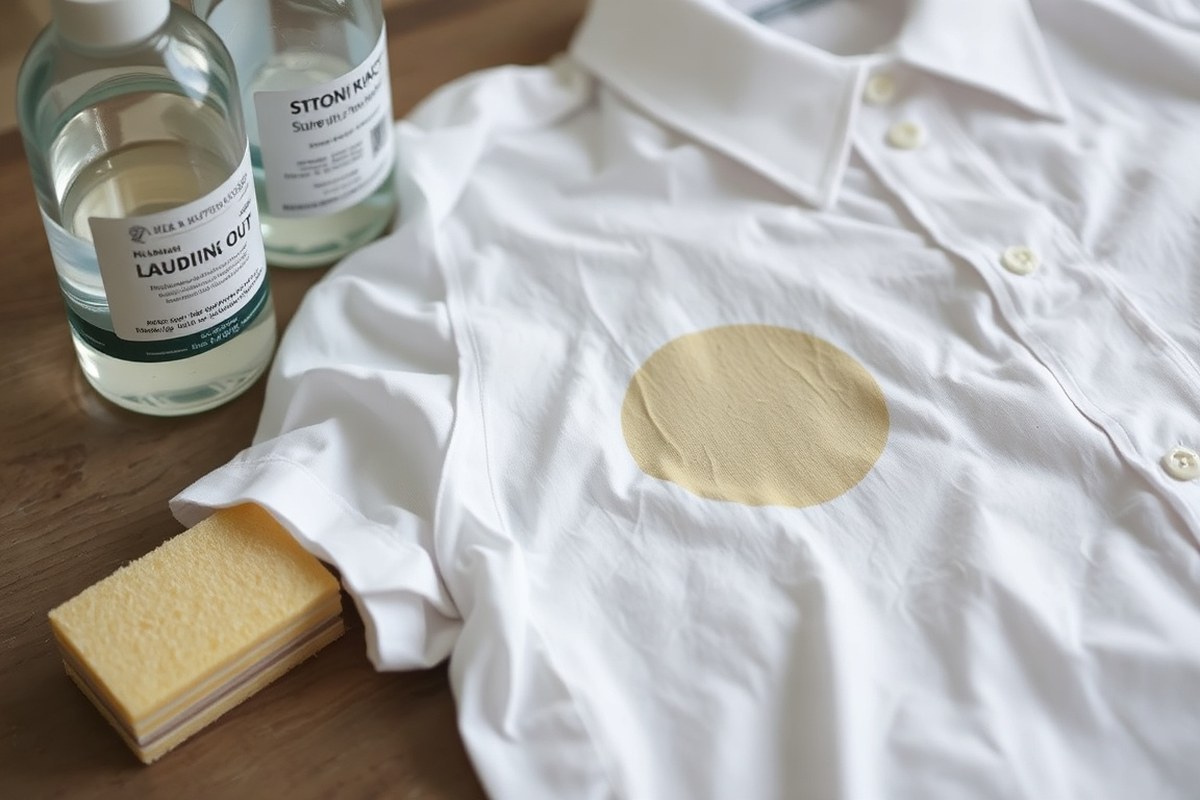
How Do I Remove White Out from Clothing: 8 Proven Steps for Complete Stain Removal
To remove white out from clothing, use isopropyl alcohol (70% or higher) to break down the correction fluid, then blot and wash the fabric. Fresh stains respond best to immediate treatment with rubbing alcohol, while dried stains may require stronger solvents like denatured alcohol or repeated applications.
This advice fits anyone handling accidental white-out stains on clothes. You’ll learn which solvents work for various fabrics, how to treat fresh versus dried stains, safety tips for solvent use, and when to consider professional help.
Key Takeaways
- Apply 91% isopropyl alcohol with a cotton ball to dissolve white-out on most fabrics.
- Allow fresh white-out stains to dry completely before applying solvent for better results.
- Use denatured alcohol (90%) for stubborn, dried-on white-out stains that don’t respond to rubbing alcohol.
- Test any solvent on a hidden fabric area first to prevent color damage or fading.
- For persistent stains, let the solvent sit 5 to 20 minutes before blotting and repeat if needed.
- Avoid scrubbing vigorously as it can embed the stain deeper or damage the fabric fibers.
1. How to Effectively Remove White-Out Stains from Clothing

Removing white-out from clothing requires patience and a careful approach because this correction fluid is designed to dry quickly and bond firmly, making stains tough to eliminate. Letting the white-out dry before treatment is important, as wet white-out can spread and worsen the stain. Avoid applying heat, such as from a dryer, before you fully remove the stain, since heat can permanently set it into the fabric. Using simple household products or specialized stain removers combined with mechanical action helps break down the dried white-out enough to lift it from the fabric fibers.
- Let the white-out dry completely. Do not try to remove the stain while it is wet; this prevents smearing and allows the correction fluid to harden, making it easier to chip off.
- Gently scrape off the dried excess. Use a dull knife, credit card, or paint scraper to carefully lift off as much of the white-out as possible without damaging the fabric.
- Apply liquid laundry detergent directly to the stain. Pour a small amount to saturate the area fully. Let it sit for 5 minutes to start breaking down the stain.
- Rinse the stained area with cold water from the back side. This helps push the loosened white-out out of the fabric rather than deeper into it.
- Use a solvent or commercial stain remover if needed. Products formulated for correction fluid stains or acetone can be applied cautiously. Test on a hidden fabric spot first to ensure no damage or color loss occurs. Apply the solvent lightly and blot, do not rub, to lift residual white-out.
- Wash the garment as usual on the recommended cycle. Use cold or warm water depending on fabric care instructions. Avoid placing the garment in the dryer until the stain is gone.
- Air dry the clothing after washing. Check the stain before using heat. If trace white-out remains, repeat treatment steps, as heat can cause permanent setting.
- Consider a diluted bleach solution for white fabrics only. For stubborn, faint stains after multiple attempts, bleach-safe fabrics can be soaked briefly to remove lingering white-out traces. Follow the bleach product’s directions carefully to avoid damage.
2. Which Solvents Work Best and How to Choose for Your Fabric
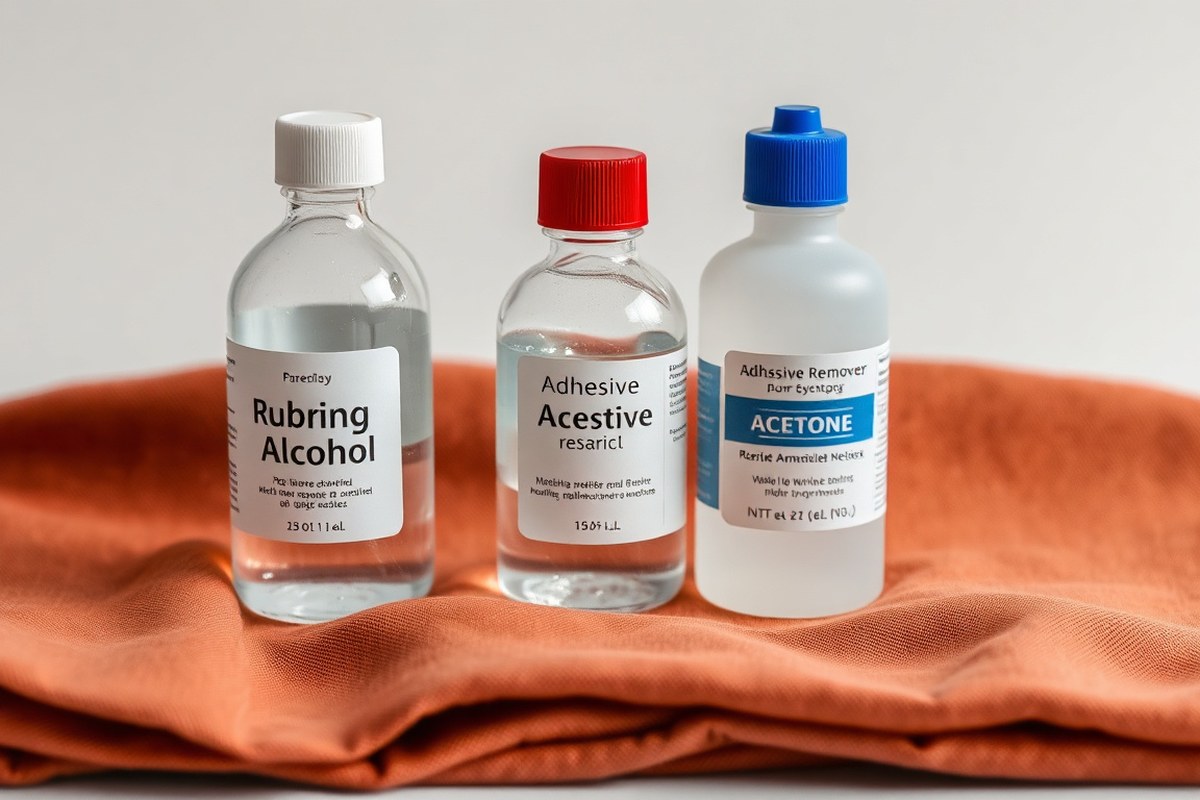
Several household solvents can remove white-out stains effectively, but choosing the right one depends on your fabric type and the stain’s severity. Solvents like isopropyl alcohol, acetone, and adhesive removers dissolve the correction fluid’s resin binder, helping lift the stain. Isopropyl alcohol (70%) is usually the safest start for most fabrics such as cotton, polyester, and denim because it dissolves the resin without harsh damage. Acetone breaks down resin faster but should be avoided on acetate and triacetate fabrics due to risk of damage. Dry-cleaning solvents work best for delicate fabrics like silk and wool but require good ventilation and careful use. Use the table below to compare common solvents for white-out removal, along with their best fabric matches and precautions:
| Solvent | How it Works | Best For | Caution |
|---|---|---|---|
| Isopropyl Alcohol (70%) | Dissolves the resin binder | Cotton, polyester, denim | Test on a hidden seam first |
| Acetone | Breaks the resin fast | Cotton, wool, linen | Avoid acetate and triacetate fabrics |
| Adhesive Remover | Lifts pigment with the resin | Washable synthetics | Rinse thoroughly after use |
| Dry-Cleaning Solvent | Evaporates without wetting fibers | Silk, wool, dry-clean-only items | Work in a ventilated room |
Testing a solvent is essential. Before applying, dab it on an inconspicuous area like a seam to check for colorfastness or fabric damage. Avoid acetone on delicate synthetics or fabrics labeled acetate or triacetate, since it can melt or discolor them. Denatured alcohol works well on dried or heavy white-out but produces strong fumes, so ensure the area is ventilated to reduce inhalation risk.
Applying solvents incorrectly can worsen the stain or damage fibers. Avoid water or rubbing the stain, as water spreads wet correction fluid and pushes the pigment deeper. Don’t use heat before the stain is removed since it can bake the resin into fibers, making it permanent. Using the right solvent and fabric knowledge gives you the best chance of removing white-out without ruining your clothing.
Test any solvent on a hidden fabric spot first and never use acetone on acetate or triacetate materials to avoid irreversible damage.
3. Step-By-Step Treatment for Fresh Versus Dried White-Out Stains
Removing white-out stains depends largely on whether the stain is fresh, recently dried, or old and set. Fresh white-out stains need drying time before treatment. Dried white-out can be gently scraped and treated carefully to avoid fabric damage. Old stains may require more intensive removal efforts and caution to prevent permanence.
Handling Fresh, Wet White-Out Stains
When white-out is still wet, avoid rubbing or blotting it right away. Rubbing spreads the stain and can embed it deeper into the fabric. Instead, allow the white-out to dry completely, which usually takes about 5 minutes depending on the amount spilled. Once dry, you can carefully lift off the crust without smearing.
This waiting step is important because fresh, wet white-out behaves differently than other stains. Treatment should start only after it dries to avoid making the stain worse. Do not try to wash or rinse the fabric at this stage as water can spread the white-out’s pigment.
Treating Recently Dried Correction Fluid
Once the white-out has dried but isn’t yet old, you can follow a gentle process to remove the residue. Use a blunt tool, such as the edge of a credit card, to carefully lift off the flaky crust without tearing the fabric. Then dab the area with a cloth slightly moistened with a tested solvent like acetone if your fabric tolerates it (especially cotton or linen).
Avoid vigorous scrubbing or soaking the area, as too much liquid can spread the stain or damage the fabric, especially delicate materials. After dabbing, rinse with cold water and apply detergent to the spot. Let it soak for about 5 minutes before washing as usual, don’t put the garment in the dryer until the stain is completely gone.
- Let the white-out dry completely (about 5 minutes).
- Gently scrape off the dried crust using a blunt object.
- Dab the stained area with acetone or a solvent safe for your fabric.
- Rinse with cold water carefully to avoid spreading.
- Apply a liquid detergent and let it soak for 5 minutes.
- Wash according to the fabric care label.
- Check the stain before drying the clothing; repeat treatment if necessary.
Approach for Old, Stubborn, or Crusty Stains
Old white-out stains that have dried and possibly been through washing and drying cycles are harder to remove and may become permanent. Start by working off the crust in thin layers to avoid pulling threads or damaging the fabric. Applying solvent becomes riskier here since repeated washing and high heat can set the stain deeply.
Use gentle dabbing with an adhesive remover like Goo Gone or a commercial stain remover after carefully scraping. Let the solvent sit for about 5 to 10 minutes to break down the residue before blotting it away. Avoid machine drying until you confirm the stain has disappeared fully to prevent setting it further.
After trying these steps, a professional dry cleaner can help if the stain still won’t come out, avoiding damage from harsh chemicals. For dry-clean-only garments, professional removal is strongly recommended.
4. How Fabric Type Affects White-Out Removal Methods
Different fabrics react differently to white-out stain removal because of their fiber content and structure. Natural fibers, synthetic fabrics, and delicate materials require tailored approaches to avoid damage. Choosing the right solvent and cleaning technique depends on the fabric type, and some methods must be avoided to preserve your clothing’s integrity.
Cotton, Denim, and Washable Synthetics
Natural fibers like cotton and sturdy fabrics such as denim usually handle stain removal well with common household solvents like rubbing alcohol or acetone, but you should still test an inconspicuous area first. These fabrics tolerate warm water and regular detergent washes after spot treatment, allowing you to soak or gently scrub the stain without worrying about structural damage.
For washable synthetics like polyester, avoid high heat when rinsing or machine drying since these fibers can melt or distort. Use cool to warm water and a gentle cycle for laundering after applying a solvent. Acetone-based removers can work but handle with care and avoid aggressive rubbing to prevent fabric weakening or surface pilling.
In these fabrics, applying stain remover with a cotton swab or clean cloth and letting it sit for 5 to 10 minutes before washing helps break down the white-out’s resin and pigment. Repeat the process once or twice if necessary but do not exceed 20 minutes of solvent exposure to avoid weakening the fibers.
Delicate Fabrics: Silk, Wool, and Dry-Clean-Only
Delicate fibers such as silk and wool need special care. Avoid acetone and other harsh solvents since they can dissolve or discolor these fabrics. Instead, use a mild detergent mixed with cool water to gently blot the stain. Rubbing can damage these fiber’s surface, so always dab with a soft cloth.
White-out stains on dry-clean-only items should not be treated with water or common home solvents. Instead, take the item to a professional dry cleaner and point out the exact stains. Some commercial stain removers formulated specifically for correction fluid exist, but they often contain chemicals not safe for delicate and dry-clean-only fabrics, so professional guidance is safer.
Testing any product on an unseen area beforehand is especially important with delicate fabrics to avoid permanent damage or discoloration. For expensive or sentimental garments, professional treatment reduces the risk of fabric loss.
Special Considerations for Dark and Black Clothing
Removing white-out from dark or black fabrics requires caution to prevent fading or color change. Choose color-safe solvents and perform a spot test. Avoid bleach or harsh chemicals that strip dye. Use gentle dabbing motions rather than rubbing to keep the color intact.
After applying a suitable remover, wash in cold water on a gentle cycle to maintain color depth. Air drying is preferable over machine drying to reduce the risk of heat-related color fading or fabric damage. Some stain removal sprays designed for color fabrics work well but verify they are safe for dark colors before application.
5. Safety Tips and How to Test Solvents Before Use
Before applying any solvent to a stained garment, test its effect on a hidden fabric area to avoid damage or discoloration. Take steps to apply solvents gently and avoid heat or harsh rubbing that can worsen the stain or harm fibers. Proper ventilation and careful handling of chemicals reduce health risks during stain removal.
Choosing a Hidden Testing Spot
Select a small, inconspicuous area of the clothing to perform the solvent test. Common spots include the inside hem, under a collar, or a seam allowance. Applying the solvent here ensures you can observe any adverse reaction without visible damage.
Use a cotton swab or a cotton ball to dab a small amount of the solvent, such as 91% isopropyl rubbing alcohol, onto the chosen test spot. Avoid saturating the fabric; a light application is enough. Wait for the area to dry so you can inspect the effects.
Waiting Period and Observing Fabric Changes
Allow at least 10 to 15 minutes for the solvent to evaporate completely from the test spot before examination. This waiting period reveals any immediate color changes, fabric weakening, or texture alterations caused by the solvent. If you notice fading, discoloration, or fabric distortion, the solvent is not compatible and should not be used on the visible stain.
Repeat testing with a gentler solvent, if needed, until you find one that does not damage the fabric. Safely removing white-out sometimes requires trying different solvents carefully in discreet areas first.
Avoiding Heat and Aggressive Rubbing
Heat can cause white-out chemicals to bond further with fabric fibers, permanently fixing the stain. Do not use hot water, dryers, or irons on stained areas during removal efforts. Cold or lukewarm water is safer for rinsing and washing after solvent treatment.
Avoid rubbing the stain hard, as it can drive the white-out deeper into the fabric and damage fibers, making removal harder or impossible. Instead, dab gently with a cotton ball or white cloth to lift the stain without spreading or embedding it further.
Gently blot the stain with a clean cloth instead of scrubbing to prevent pushing the white-out deeper into the fabric.
Ventilation and Handling Chemical Solvents Safely
Use solvents like rubbing alcohol in a well-ventilated space to reduce inhalation of fumes, which can be irritating or harmful. Open windows, use fans, or work outdoors if possible. Avoid prolonged skin contact by wearing gloves and wash your hands thoroughly after treatment.
Store solvents away from heat sources and out of reach of children or pets. Proper handling ensures that you minimize the risks associated with these chemicals while effectively treating the white-out stain.
- Test solvents on a hidden fabric spot before widespread application
- Wait 10, 15 minutes after testing to check for damage
- Use only cold or lukewarm water after solvent application
- Dab stains gently; avoid vigorous rubbing or scrubbing
- Ensure good ventilation when working with chemical solvents
- Wear gloves to prevent skin irritation
- Keep solvents stored safely away from heat and children
6. When and How to Use WD-40 or Adhesive Removers Safely
WD-40 can remove white-out stains, but it should be a last resort after other solvents and adhesive removers fail. This petroleum-based lubricant breaks down the dried paint, softening it for easier removal. However, its oily nature often leaves a greasy residue on the fabric, so follow-up cleaning is important to avoid a new stain. Commercial adhesive removers like Goo Gone are designed specifically for sticky residues and often provide a less messy alternative, but always test on a small fabric area first.
To safely use WD-40 or an adhesive remover on clothing, you need to limit the product’s contact time and clean the area thoroughly afterward. These solvents can weaken some fabrics or dyes if left too long. Choose a well-ventilated space and wear gloves if you have sensitive skin. Have mild soap and water ready to remove any oily or sticky residue once the stain dissolves.
- Lay the stained garment flat on a protected surface, with a towel underneath to absorb excess solvent.
- Spray a small amount of WD-40 or adhesive remover directly onto the white-out stain, enough to wet the area but not soak through the fabric.
- Let it sit for 1 minute to soften the dried white-out; avoid longer times to prevent fabric damage.
- Gently blot the stain with a clean, soft cloth or sponge, working from the outside in to lift the softened paint.
- Apply a small amount of mild liquid dish soap to the stained area and rub gently to break down the oily residue left by WD-40 or the adhesive remover.
- Rinse thoroughly under cool running water to flush out all solvent and soap; repeat rinsing until no residue remains.
- Wash the garment as usual according to the care label, preferably in cold water to prevent setting any faint residues.
- Air-dry the fabric; heat from a dryer can set unwanted stains if any residue remains.
Alternatives to WD-40 include rubbing alcohol, acetone (found in nail polish remover), or specialty adhesive removers labeled safe for fabrics. Each works by dissolving the white-out’s ingredients but varies in strength and safety for different materials. Adhesive removers formulated for fabric tend to be less greasy and may include perfumes or conditioners, but cost varies, usually around $5 to $10 for a 4-ounce bottle.
Avoid oversaturating the fabric with WD-40 or removers to minimize spreading the stain or damaging the cloth. Always test in an inconspicuous spot before full application to check for colorfastness. Prompt rinsing after treatment reduces the risk of skin irritation if you wear the clothing afterward. If the stain or oily residue persists after these steps, professional cleaning may be necessary to prevent permanent damage.
7. Common Mistakes That Make White-Out Stains Permanent
One of the biggest mistakes that can make white-out stains permanent is letting the stain dry or ironing the area. Heat from the dryer or an iron causes the white-out to set deeply into the fabric fibers, making removal much harder or impossible. Always avoid putting the stained garment in a dryer or applying heat until you confirm the stain is fully gone.
Rubbing the stain vigorously can also backfire. Instead of lifting the white-out, harsh rubbing may push the stain further into the fabric or spread it beyond the original spot. Gently blotting or dabbing the stain works better. After applying any solvent, lightly blot the area using a clean cloth to absorb the loosened stain without causing it to spread.
Using water improperly during treatment can worsen the stain, especially with dried white-out. Cold water should be used to rinse the stained area from underneath, so any dissolved white-out washes away instead of soaking further into the fabric. Hot water risks setting the stain as well. Also, avoid soaking the entire garment if possible. Instead, place a clean white towel or paper towels underneath the stain to catch any dissolved residue and prevent transfer. Following is a list of common errors to avoid for best results:
- Applying heat via dryer or iron before stain removal is complete
- Rubbing or scrubbing the stain aggressively, which can spread it
- Using hot water that sets the stain rather than cold water rinsing
- Not protecting the surrounding fabric by placing an absorbent towel underneath
- Ignoring repeated treatments for stubborn stains instead of reapplying solvents
- Waiting too long to start treatment, as older stains are harder to remove
Preventing these errors involves treating the stain as soon as possible, always using cold water, and handling the fabric gently. Using the right solvent on the right fabric type without rushing or applying heat is key. In difficult cases, applying a stronger solvent like denatured alcohol in small amounts and letting it sit briefly before blotting can help without damaging the fabric. Patience and careful technique often determine whether the white-out stain lifts or becomes permanent.
8. When to Seek Professional Dry Cleaning or Stain Removal Help
Call a professional cleaner if the white-out stain covers a large area or appears on delicate fabrics such as silk, wool, velvet, or leather. These materials can be easily damaged by harsh solvents like acetone or even water-based solutions. When homemade treatments might weaken or alter the fabric’s texture or color, expert care reduces the risk of permanent damage. Also consider seeking help if the stain has set for several days and home methods have failed to improve it.
Communicate the stain clearly by pointing it out before handing over your garment. Describe the stain as “white-out” or correction fluid, specifying if it is dried or fresh. Mention any home attempts you made to remove it, including the solvents or cleaners used. This helps the cleaner choose the safest and most effective treatment to remove the stain without harming the fabric or original garment finish. Some common signs that you should choose professional treatment include:
- Fabrics labeled “dry clean only” or those with special finishes
- Stains that cover more than 2 square inches or that have penetrated multiple layers
- Delicate or sensitive fabrics prone to color bleeding or texture changes
- Clothing with multiple types of stains or combination of ink and white-out
- Heavily soiled fabrics or stains older than 48 hours that have hardened
- Expensive or irreplaceable garments where risk of home treatment failure is unacceptable
Professional cleaning not only applies strong solvents in a controlled way but uses expert spotting techniques and equipment that safely target correction fluid stains. Typical costs range from $10 to $30 per item depending on fabric and stain severity. Good results show complete or significant removal of the white-out with no visible damage to the garment. Risks of DIY failure include fabric weakening, color loss, or spread of the stain, which can increase cleaning difficulty or ruin the item.
Always inform the cleaner about any home stain removal steps you’ve tried to avoid chemical interactions or over-treatment that could damage the fabric.
Having your clothing professionally cleaned reduces guesswork and protects your investment. The cleaner can also recommend maintenance steps post-treatment, like gentle washing and proper drying, to preserve the garment’s condition and prevent re-staining. Sometimes professional advice includes specialized fabric care products tailored to your specific clothing type and stain history.
Step-by-Step Action Plan for Removing White-Out from Clothing
Follow these steps to tackle white-out stains effectively and protect your clothing.
- Before you start: Identify your fabric type and check care labels to avoid damage during cleaning.
- Immediately after the spill: Blot the white-out gently with a cloth to remove excess material without spreading it. Effective if the stain looks less dense and wet.
- Within the first hour: Test a small hidden area with your chosen solvent (like rubbing alcohol or acetone) to ensure colorfastness and fabric safety.
- After solvent test clearance: Apply solvent to the stain using a cotton swab or soft cloth, blotting gently to loosen the white-out. Success looks like the stain starting to lift or transfer to your cloth.
- Once white-out softens: Rinse the treated area under cold water to flush out loosened residue. The fabric should feel cleaner and less sticky.
- After rinsing: Launder the garment according to label instructions, using the warmest water safe for the fabric. Check the stain before drying; repeat treatment if still visible.
- Before drying: Air dry the clothing to avoid setting any remaining stain with heat, which might make it permanent.
- If the stain persists: Consider professional dry cleaning for delicate fabrics or stubborn stains, ensuring the cleaner knows it’s a white-out stain for specialized treatment.
Frequently Asked Questions
Can White-Out Be Removed from Delicate Fabrics Without Damage?
Use gentle solvents like glass cleaner on delicate fabrics and always test first. Avoid harsh chemicals that can weaken fibers or cause color loss.
Is It Necessary to Let White-Out Dry Before Trying to Remove It?
Yes, letting white-out dry helps to scrape off excess without spreading. Once dry, it’s easier to remove bulk before solvent treatment.
Can Heat from Drying Machines Set a White-Out Stain Permanently?
Heat can set white-out stains, making them harder to remove. Air-dry treated items to avoid this issue.
How Does Repeated Washing Affect White-Out Stain Removal?
Repeated washing can set white-out stains, requiring stronger or repeated treatments. Patience is key with older stains.
Are All WD-40 Products Equally Effective on White-Out Stains?
Most WD-40 formulations work similarly, but test first to avoid damaging fabric or color. Use sparingly and rinse well after.
Will Bleach Remove White-Out on Colored Clothing?
Bleach can damage colored fabric and cause fading. Use only on bleach-safe whites and dilute properly.
The Bottom Line
Removing white-out from clothing requires prompt and careful action using the right solvent for your fabric. Testing solvents first helps avoid damage, while gentle blotting and avoiding heat prevent permanent stains. Start by identifying your fabric and acting quickly with a safe solvent to increase your chances of success.