Can You Wash Sneakers? A Complete Guide for Safe Cleaning by Material
Yes, you can wash sneakers, but whether you should depends on their material and construction. Machine washing works well for durable fabrics at 30 degrees Celsius on a delicate cycle, while hand washing is safer for leather or sensitive materials. Proper cleaning restores sneakers without damaging them, extending their lifespan and maintaining their look.
This advice suits sneaker owners wanting to keep casual or active shoes fresh without risking damage. You’ll learn when machine washing is safe, how to hand wash different materials, tackle tough stains, and dry sneakers properly to avoid warping. Following these steps helps you clean sneakers effectively and avoid common mistakes.
Key Takeaways
- Use a cold 30-degree wash with a delicate or easy-care cycle for fabric sneakers in the washing machine.
- Hand wash leather or sensitive materials with mild cleaner and a soft cloth to prevent damage.
- Soak sneaker laces separately in water for 15 to 30 minutes before rinsing or scrubbing.
- Remove loose dirt with a dry brush before any washing to avoid embedding grime in the fabric.
- Treat stains by applying a mix of equal parts baking soda and vinegar, letting it sit about 15 minutes.
- Dry sneakers at room temperature, away from direct heat or sunlight, to prevent warping or discoloration.
Can You Wash Sneakers? When and How It’s Safe
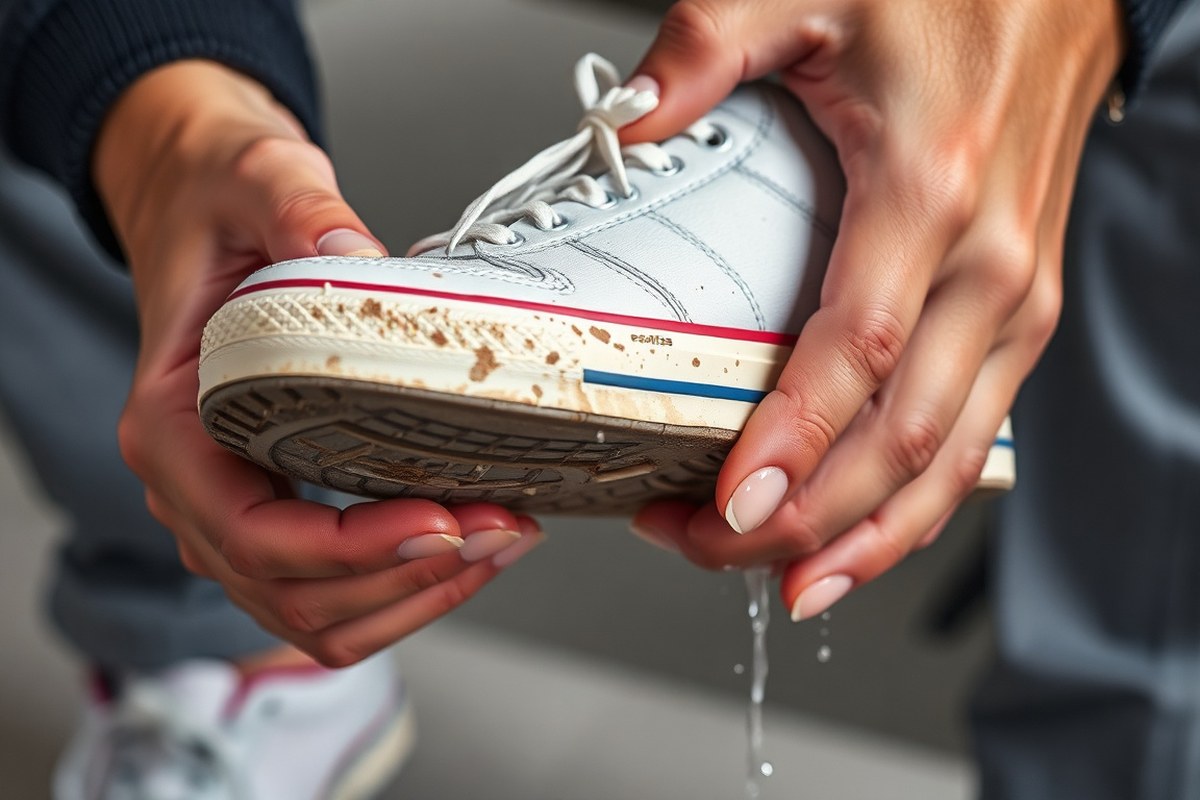
You can wash sneakers safely at home, but only certain types and materials handle washing well. Fabric sneakers made of textile materials like polyester, nylon, cotton, or canvas generally tolerate washing machines on gentle cycles. These fabrics are sturdy enough to withstand a cold 30-minute wash at around 30 degrees Celsius (86 degrees Fahrenheit) without damaging the structure or colors. However, delicate materials such as satin, silk, or man-made surfaces like rubber or synthetic leather are not suitable for machine washing and may suffer damage or deformation if cleaned this way.
To decide if your sneakers can be washed, check the upper material carefully. Sneakers with textile uppers usually can go in the washing machine, but if they have special coatings, glued embellishments, or delicate fabrics, hand washing or spot cleaning is the safer choice. Also, consult the manufacturer’s care instructions or their website for guidance specific to your sneaker model. When in doubt, avoid machine washing because harsh cycles and water temperatures can separate glues, fade colors, or warp shoes.
Even if your sneakers are textile-based, assess their current condition before washing. Shoes with visible damage, loose stitching, or peeling soles might not survive washing intact and are better cleaned gently by hand to avoid worsening the problem. The structural integrity of the shoe matters; fresh fabric sneakers withstand a good gentle wash better than shoes showing wear that could be exacerbated by agitation.
Machine washing sneakers that qualify requires careful setup to prevent damage. Always use a slow, delicate cycle and cold water to minimize friction and shrinking. Avoid bleach or harsh detergents, opting instead for a mild liquid detergent designed for colors. Remove the laces and insoles first to clean those separately and reduce overall wear on the shoe during washing. Stuffing the sneakers with clean towels or sneaker-specific pillows helps them keep shape and reduces banging against the drum.
Sneakers with synthetic leather or rubber uppers may seem like they could handle water, but running them through a washing machine can cause material cracking, peeling, or adhesive failure. Spot cleaning and applying specialized sneaker cleaning products is a safer alternative here. Similarly, delicate materials such as satin or silk require gentle cleaning methods to preserve their finish and avoid water spots or fabric weakening.
Overall, washing sneakers in a machine can refresh many casual and athletic shoes made from textiles if done carefully and on the right settings. Check fabric types, inspect the shoe’s condition, and follow gentle washing steps for best results. Shoes not meeting these criteria should be cleaned by hand or with specialized products to prolong their life and appearance.
Washing Sneakers in a Machine: Best Practices and Settings

Machine washing sneakers requires careful preparation to avoid damage to both the shoes and the washing machine. Use a gentle cycle with cold water, remove laces and insoles for thorough cleaning, and protect the shoes with mesh laundry bags and towels during the wash. Following these steps helps maintain your sneakers’ shape and appearance over time.
Removing Laces and Insoles Before Washing
Take out the shoelaces and insoles before placing sneakers in the washing machine. Removing laces lets water and detergent clean inside the eyelets properly, preventing dirt buildup. Insoles can either be washed by hand or placed separately in a mesh bag to avoid damage.
Washing laces on their own helps them get cleaner and prevents tangling inside the washer. Without a mesh laundry bag, it’s best to wash insoles by hand for safety. Washing shoes with insoles inside restricts water and detergent from thoroughly cleaning beneath them.
Choosing the Right Detergent and Temperature
Use a small amount of mild detergent designed for delicate fabrics. Harsh detergents can fade colors or degrade sneaker materials. Opt for cold water settings to prevent shrinking or warping, especially for mesh or fabric sneakers. Avoid bleach or strong chemical cleaners.
Wash sneakers on the delicate or gentle cycle. This cycle uses a slower spin speed and less agitation, reducing the chance of damage to shoe materials or the washing machine. A cold wash combined with mild detergent keeps sneakers clean without risking exposure to high temperatures.
Using Mesh Bags and Protecting the Washing Machine
Place your sneakers and laces inside a mesh laundry bag to cushion them during the wash. The bag minimizes banging against the washer drum while preventing scratches on the machine and damage to the shoes. A zipped pillowcase works as a substitute for a mesh bag during shoe washing.
Load towels or other soft laundry items into the machine along with sneakers. These items act as buffers to absorb shocks and help balance the washing machine during the cycle. Choose a small load size to give sneakers enough space to move gently without excessive tumbling. Follow these exact steps for machine washing sneakers:
- Remove laces and insoles from each sneaker.
- Place sneakers and separate laces into mesh laundry bags.
- Add a small amount of mild detergent suitable for delicates.
- Load a few towels or soft laundry items to cushion the sneakers.
- Select the delicate or gentle cycle on your washing machine.
- Set water temperature to cold and spin speed to low or gentle.
- Start the machine and wait for the cycle to complete.
- Remove sneakers and laces promptly; air dry away from direct heat.
Never wash leather sneakers in the machine since water and agitation can permanently damage them.
Hand Washing Sneakers: Materials and Methods Explained
Hand washing sneakers is the safest way to clean delicate materials like leather and suede, which can be damaged by machines. This method also suits canvas, mesh, and fabric shoes, allowing for thorough cleaning without harsh agitation. You control the process, which helps prevent warping, shrinking, or color loss.
Cleaning Leather and Suede Sneakers Safely
Leather and suede handle water poorly and can stain or warp if exposed to harsh cleaning or excessive moisture. Avoid soaking these shoes. Instead, use a damp cloth or specific cleaners designed for these materials. Leather benefits from gentle cleaners and occasional conditioning to keep the material supple, while suede requires a suede brush and minimal liquid to restore its texture.
Start by removing loose dirt with a soft brush or cloth. For leather, mix mild dish soap with water to create a gentle solution. Suede cleaners or a mixture of white vinegar and water (equal parts) work well for tricky stains. Always test cleaners on a small hidden area first. Avoid harsh chemicals or scrubbing that could damage the finish.
Hand Washing Canvas, Mesh, and Fabric Shoes
Canvas, mesh, and similar fabrics tolerate water better but still benefit from gentle manual cleaning. This approach lets you target stains and dirt without shrinking or color fading. Hand washing also helps preserve shoe shape and avoids damage to glued components common in athletic footwear.
Use warm water and a mild detergent or sneaker-specific cleaner. Light scrubbing with a soft brush or cloth is usually enough to lift dirt. Avoid harsh scrubbing to prevent fraying or pilling. Removing laces and insoles before washing allows a more thorough clean. Let the shoes air dry naturally away from direct heat or sunlight to maintain their shape.
- Brush off loose dirt and debris with a soft-bristled brush.
- Remove laces and insoles for separate cleaning.
- Fill a basin or sink with warm water and add a mild detergent.
- Dip a soft brush or cloth into the soapy water and gently scrub the shoe surface.
- Rinse with clean water using a damp cloth to avoid soaking the material.
- Blot excess water with a dry towel.
- Stuff shoes with paper towels to maintain shape and air dry in a cool, shaded area.
Best Cleaning Agents and Tools to Use
Choose cleaners that match your sneaker material to avoid damage. Mild dish soap or sneaker-specific detergents work well for most fabric and mesh shoes. For leather, opt for leather cleaners or conditioners designed to nourish without stripping oils. Suede requires dedicated suede cleaners and brushes to maintain its nap and avoid staining.
Essential tools for hand cleaning include a soft-bristled brush, microfiber cloths, and cotton swabs for tight spots. Avoid abrasive brushes or harsh sponges. Using too much water or strong chemicals can lead to color loss, warping, or weakened adhesives. Hand washing costs only a few minutes and some minor cleaning supplies, but it protects your investment and extends sneaker life better than machine washing for delicate pairs.
Removing Stubborn Stains and Keeping White Sneakers Bright
Removing stubborn stains and yellowing on white sneakers requires targeted care using household ingredients that brighten without causing damage. Yellow stains often happen from sweat or poor drying, and dirt can settle deeply into canvas or rubber soles. Baking soda combined with hydrogen peroxide creates a mild bleaching paste that lifts these marks gently yet effectively. Mix one part baking soda with one part hydrogen peroxide into a thick paste, then apply a small amount directly onto the stained area. Use a soft toothbrush to gently scrub the paste into the fabric, focusing on yellow patches or dark smudges. Let the paste sit for about 15 minutes before wiping it off with a damp cloth. This process works well for canvas uppers and white rubber soles but avoid harsh scrubbing, which can wear out the material or remove protective coatings.
Using bleach on your white sneakers is possible but risky; it’s stronger and can cause uneven whitening or yellowing over time, especially on fabrics. If you choose to use bleach, dilute it heavily, no more than one tablespoon of bleach per cup of water, and test on a small hidden spot first. Vinegar is a safer alternative for canvas shoes; it helps break down dirt and neutralizes odors without harsh chemicals. You can mix equal parts white vinegar and water, apply it with a cloth or soft brush, and let it sit for 15 to 20 minutes before rinsing. Vinegar works well for yellow stains on rubber soles and helps keep canvas bright without fading colors.
Starting with dry brushing to remove loose dirt makes the stain removal steps more effective. After brush-cleaning, apply solutions like baking soda paste or vinegar mixture directly to the stains. For leather white sneakers, scouring milk is a gentle cleaner available in many households, use a soft cloth to rub it in circular motions, then wipe clean. Always remove laces and insoles before cleaning to reach all dirty areas and prevent damage to removable parts.
Bright white fabric can be sensitive, so avoid soaking shoes extensively or rinsing them with warm water, which can cause yellow water marks or fabric fading. Use cool water to dampen cleaning cloths or to rinse off solutions and allow sneakers to air dry in a well-ventilated spot, away from direct sunlight or heat sources that may warp shapes or degrade materials. After cleaning, buff your sneakers lightly with a soft shoe brush to restore texture and remove any residual dirt or cleaning product.
Regular maintenance reduces stubborn build-up and discoloration, making your cleaning efforts easier and less frequent. For example, wiping down your shoes with a damp cloth after each use, especially during wet or dirty seasons, helps prevent deeply set stains. Baking soda and vinegar are affordable and typically cost just a few cents per use, a practical method that avoids expensive specialty cleaners. Gentle techniques like these preserve your sneakers’ appearance while keeping them bright and fresh over time.
Cleaning Sneaker Soles and Laces for Complete Refresh
Cleaning sneaker soles and laces separately helps keep your shoes looking fresh and extends their lifespan. Soles often collect hardened dirt and grime that regular cleaning of uppers doesn’t remove. Laces, being fabric, can get stained and grimy from sweat and dirt. Soaking and scrubbing both parts properly restores their appearance and ensures the whole sneaker looks clean.
For soles, a brush and sneaker cleaner or mild detergent work well to remove dirt without damaging the sole material. For laces, soaking in warm soapy water loosens stains, while scrubbing with a soft brush can tackle stubborn spots. Drying laces flat or hanging them prevents tangling and helps maintain their shape.
- Remove the laces and insoles from your sneakers to clean them separately. This allows better access to the soles and prevents the laces from tangling or fading during cleaning.
- Fill a small bowl or basin with warm water (about 90°F/32°C) and add a few drops of liquid laundry detergent or sneaker cleaner designed for fabrics.
- Soak the laces in the soapy water for 15 minutes. For heavily soiled laces, extend soaking up to 30 minutes.
- Use a soft brush or old toothbrush to gently scrub the laces after soaking, focusing on stubborn stains. Rinse with clean water to remove soap residue.
- Clean the sneaker soles by applying a sneaker cleaner or mild detergent directly to the sole surface. Scrub with a stiff-bristled brush, paying attention to grooves and edges where dirt accumulates.
- Wipe the soles with a damp cloth to remove loosened dirt and cleaning solution. Avoid submerging soles entirely if they have glued components or delicate materials.
- Air dry the laces by laying them flat on a towel or hanging them loosely. This prevents tangling and shape distortion. Avoid dryer heat which can weaken fibers.
- Allow soles to dry completely at room temperature before reassembling your sneakers to prevent odor and damage.
Do not skip removing the laces before cleaning soles; washing laces inside sneakers can trap dirt and prevent proper cleaning.
Drying Sneakers Without Causing Damage or Warping
Allow your sneakers to dry naturally in a shaded, well-ventilated area to avoid damage or warping. Avoid heat sources like dryers or direct sunlight, as high temperatures can cause the shoe materials to shrink, deform, or fade, impacting their fit and look. Air drying typically takes about 24 hours but can vary depending on the sneaker’s material and the humidity of the environment.
Preserving the shape of your sneakers during drying is important to maintain comfort and appearance. Insert crumpled newspaper tightly inside each shoe; this helps absorb moisture from the interior and supports the shoe structure. Repeat replacing the newspaper every few hours if possible until the shoes feel dry to the touch inside. For sneakers with removable insoles, take them out and dry separately to speed up the process and prevent lingering dampness.
Position your sneakers with the tongues flipped back over the toe box to improve airflow inside. Place them upright or on their sides, but never lay them flat on one side for prolonged periods since uneven drying can cause distortion. Make sure the drying location has air circulation, near an open window or a fan, but keep the shoes away from direct heat or sunlight to prevent fading and material damage.
Avoid throwing your sneakers in a machine dryer or placing them near heating vents, radiators, or ovens as these can crack glue, warp midsoles, or shrink fabric components. Resist using hair dryers or similar tools on high heat settings. When the weather outside is bad, choose to dry your sneakers indoors only when there’s good air flow, like on a shelf with ventilation or near a fan.
Good results mean your sneakers retain their original shape, do not smell musty or develop mildew, and feel comfortably dry inside after about a day or slightly longer. Sneakers that stay damp beyond two days risk developing odor and weakening the materials from excess moisture. Using newspaper inside and ensuring airflow will typically keep drying time within 24 to 48 hours.
Common Washing Mistakes and How to Avoid Them
Using the wrong detergent or pouring in too much can cause yellowing or fading, especially on white or light-colored sneakers. Avoid powdered detergents containing phosphorus, which often triggers discoloration. Instead, choose a mild liquid detergent and use only a small amount; heavy sudsing doesn’t improve cleaning and can leave residue.
Ignoring care labels leads to damage that could have been prevented. Labels specify if sneakers can handle machine washing or must be hand cleaned. For example, delicate materials like suede or leather typically can’t be washed like textiles. Always check the manufacturer’s instructions to choose the safest method.
- Using harsh detergents causes color fading and material breakdown.
- Machine drying or direct heat can warp soles and separate glue joints.
- Not removing laces and insoles before washing traps water and prevents thorough cleaning.
- Washing sneakers with heavy items can cause abrasion and sole damage.
- Skipping a gentle cycle in the machine increases mechanical stress, weakening the structure.
- Not air drying sneakers properly encourages mildew and odor buildup.
Proper drying is important to avoid sole separation and deformation. Never use a dryer; instead, dry sneakers at room temperature, stuffing them with newspaper to maintain shape and absorb moisture. Keep them out of direct sunlight or near heaters, which can dry adhesives too quickly and cause cracking. Expect drying to take 24 to 48 hours depending on material and weather.
After washing, inspect your sneakers for signs of damage. Check for peeling glue along soles, loose stitching, or stiffness in materials. Small creases or slight odor changes are normal but should not include discoloration or crumbling soles. If you notice damage, avoid machine washing next time and switch to gentle hand cleaning with soft brushes and mild cleaners.
Maintaining Sneaker Freshness Between Washes and Long-Term Care
Keeping sneakers fresh and clean between washes extends their life and helps avoid frequent, intense cleaning that can damage materials. Simple routines focused on odor control, careful washing schedules, and protective treatments protect your investment and keep your shoes looking and smelling their best.
Deodorizing Sneakers Between Washes
Odor in sneakers comes from moisture and bacteria trapped inside. Let sneakers air out after each use by removing the insoles and placing them in a well-ventilated area. Stuffing shoes with crumpled newspaper can absorb moisture and reduce smells effectively. Using sneaker-specific deodorizers or sprays with antimicrobial properties helps neutralize odors without wetting the shoe, which can cause material damage.
Avoid using harsh chemicals directly on your sneakers, as they can break down materials over time. Instead, a quick spray of a shoe refresher maintains freshness daily. Rotating between at least two pairs of sneakers also gives each pair time to dry and air out thoroughly, which helps preserve their condition.
Proper ventilation and moisture absorption are key to controlling odor without frequent washing.
Optimal Washing Frequency Based on Use
Sneakers worn daily for running or sports will become dirty and smelly faster than those used occasionally for casual wear. Heavy-use sneakers may need washing every 2 to 4 weeks to stay clean and functional, while casual sneakers can often go 2 to 3 months between washes. Washing too often risks material wear and tears, especially if using machines or strong detergents.
Spot-clean dirt and stains promptly to avoid buildup, which lets you extend the time between full washes. Simple daily brushing of soles and wiping uppers with a damp cloth also helps remove surface grime without the need for a full wash. Delicate natural materials like leather or suede require less washing, relying more on surface cleaning methods.
Follow sneaker care instructions and adjust washing frequency according to how dirty or smelly your shoes become. Over-washing, especially with hot water or rough agitation, can shorten your sneakers’ useful life.
Using Waterproofing and Protective Sprays
Waterproofing sprays shield sneakers from water, mud, and dirt, making them easier to clean and protecting fabric and leather fibers. Applying a spray after a thorough cleaning and drying session seals materials and prevents stains and moisture penetration. Sprays designed specifically for sneaker materials, mesh, leather, or suede, offer the best protection without changing shoe color or breathability.
Reapply waterproofing treatments periodically, roughly every 4 to 6 weeks or after washing, because washing removes these protective layers. Keep in mind that some sprays may affect how your sneakers breathe, so choose products that balance waterproofing with ventilation to avoid trapping moisture inside. Using protective sprays is a smart preventative step that lowers how often you need to wash, reduces visible wear, and maintains your shoes’ comfort and appearance over time.
Step-by-Step Action Plan for Washing Sneakers Safely
Follow these steps to clean your sneakers effectively without damaging them. Each step is designed to preserve your shoes’ look and fit.
- Before you start: Check your sneaker tags and materials to decide on hand wash or machine wash. This avoids damage from unsuitable methods.
- Day 1: Remove laces and insoles to clean separately. This ensures the main shoe and accessories get fully refreshed.
- Day 2: Pretreat stains using a gentle stain remover or mild detergent. Look for visible stain fading before washing.
- Day 3: Choose hand washing for delicate fabrics or use a mesh laundry bag with cold water and gentle cycle in the machine. Confirm no harsh noises or wear during washing.
- Day 4: Clean soles and scrubbing laces with a brush and soapy water. Soles should look visibly cleaner and debris free.
- Day 5: Air dry your sneakers at room temperature, away from direct sunlight or heaters. Check that sneakers keep their shape and feel dry after 12 hours.
- After drying: Reinsert clean insoles and laces, then store sneakers in a dry, well-ventilated place to maintain freshness.
Frequently Asked Questions
Is It Okay to Wear the Same Shoes Every Day?
Wearing the same shoes every day can cause them to wear out faster and may lead to foot discomfort; rotating your sneakers allows them to dry and air out properly.
Should You Put Sneakers in the Wash?
You can wash many fabric sneakers in the washing machine on a gentle cycle, but hand washing is usually safer to preserve shoe integrity.
How to Clean White Canvas Sneakers?
Clean white canvas sneakers by gently scrubbing with mild soap and water or a specialized cleaner to avoid yellowing and keep them bright.
How to Wash Adidas Shoes in a Washing Machine?
Wash adidas fabric sneakers on a gentle cycle with cold water and remove laces and insoles first to prevent damage during the wash.
How to Wash Your Trainers in the Washing Machine?
Use a slow, delicate cycle at 30 degrees, place trainers in a laundry bag or pillowcase, and wash with towels to protect both shoes and machine.
Can I Put Insoles in the Washing Machine?
It’s best to hand wash insoles separately to avoid damage and maintain their shape and cushioning.
Final Thoughts
You can wash sneakers safely by matching your cleaning method to the material and using gentle steps to protect structure and appearance. Start with careful stain treatment and end by drying shoes properly to keep their shape. Next time your sneakers look tired, try the washing steps so they stay fresh longer without damage.