Can You Wash Tennis Shoes? A Complete Guide with Safe Methods & Tips
You can wash tennis shoes safely if you use the right methods to avoid damage. Both machine washing on gentle settings and hand washing work well depending on your shoe type and condition. Proper cleaning extends your shoes’ life and keeps them looking fresh without causing wear or color fading.
This guide is for casual athletes, sneaker fans, and everyday tennis shoe owners who want safe, effective cleaning tips. You’ll learn how to prepare your shoes, choose the best washing method, and dry them properly to avoid common mistakes.
Key Takeaways
- Remove laces and insoles before washing to reduce drying time and avoid waterlogging insoles.
- Choose the gentle cycle and cold water setting on your washing machine for tennis shoes to avoid causing damage.
- Hand wash heavily soiled shoes by soaking them in soapy water for 10 to 15 minutes before scrubbing gently.
- Place shoes and laces in a pillowcase or laundry bag during machine washing to protect your washer and shoes.
- Air dry tennis shoes for at least 24 hours, using newspaper inside to absorb moisture if needed.
- Avoid machine drying, which can warp or shrink tennis shoes and weaken glue bonds.
Can You Wash Tennis Shoes Without Damaging Them?

You can wash tennis shoes without damaging them, but it requires some care and attention to the materials and washing method. The main risk of damage comes from high heat, harsh agitation, and unsuitable cleaning agents that can cause glue to loosen, fabric to warp, or colors to fade. Washing most canvas, mesh, or synthetic tennis shoes on a cold, gentle cycle inside a mesh laundry bag or pillowcase reduces the forceful tumbling, protecting both your shoes and the washing machine. Avoid using hot water, as heat can shrink or deform shoe materials and break down adhesive bonds.
Some tennis shoes, especially those made of leather or suede, are not suitable for machine washing and should be cleaned gently by hand. Leather and suede react poorly to soaking and scrubbing and can easily lose shape or finish when wet. Reading the care label on your shoes before washing is essential to know what method is safest. Shoes with glued components or decorative elements like glued-on patches or extra padding may also not withstand machine washing well.
The right washer settings make a big difference in avoiding damage. Use a cold water temperature combined with a delicate or gentle cycle. This setting lowers the impact and extends the lifespan of your shoes. Placing your shoes inside a mesh bag prevents excessive abrasion and keeps the machine balanced during the spin cycle. Washing shoes no more than once or twice a year is recommended unless they become heavily soiled, helping to minimize wear over time.
Avoid washing tennis shoes in the dishwasher, as the high temperature and water jets can warp the soles and loosen glued areas. Also, never use bleach or strong detergents that can strip colors and weaken materials. Instead, use mild liquid detergent formulated for delicates, applied sparingly. After washing, remove insoles and laces to dry separately to prevent a musty smell and help the shoes dry faster.
In summary, washing tennis shoes safely depends on understanding their material, using cold water on a gentle cycle, protecting the shoes with a mesh bag, and limiting wash frequency. These steps limit mechanical and heat damage, keeping your tennis shoes clean and maintaining their shape and performance longer.
Preparing Tennis Shoes for Washing: Laces, Insoles, and Dirt Removal

Removing laces and insoles before washing tennis shoes helps clean every part properly and prevents damage. Laces can tangle or wear out in the machine, while insoles can absorb water and take days to dry, which may lead to odors or mildew. Pre-cleaning loose dirt and treating stains ensures the washing process is more effective and keeps shoes looking better.
Cleaning laces separately is simple. Soak them in warm, soapy water using mild detergent for 15 to 30 minutes. Rinse thoroughly and air dry. For insoles, gently wipe them with a damp cloth and mild soap to remove surface dirt. Avoid soaking insoles because they can become waterlogged. Let them air dry fully before reinserting.
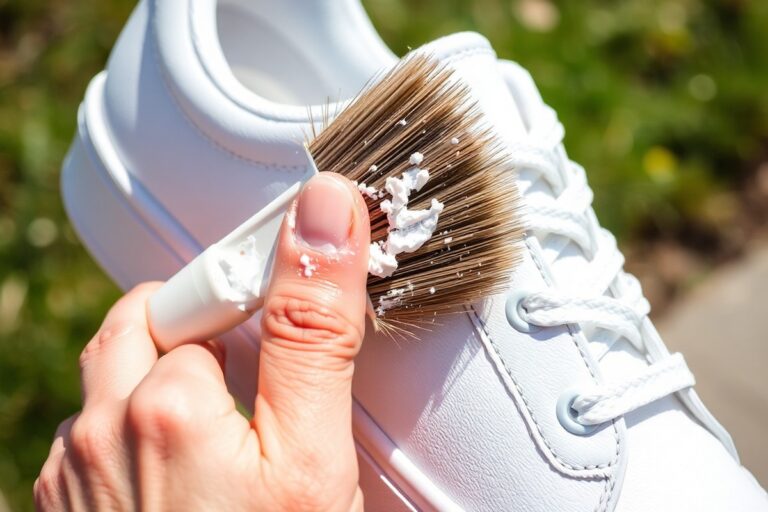
Removing surface dirt and treating visible stains before washing saves time and helps prevent permanent marks. Use a soft brush or cloth to brush off caked-on mud or dirt. Apply a small amount of mild soap or a gentle stain remover onto stains and let it sit for about 5 minutes. Lightly scrub with a soft brush or cloth to loosen dirt without damaging the shoe’s material.
- Remove the laces: Pull out the shoelaces so they can be cleaned separately. This prevents tangling during washing and allows thorough cleaning.
- Take out the insoles: Remove insoles to avoid trapping moisture inside and to clean them with a cloth separately.
- Brush off loose dirt: Use a soft-bristled brush or dry cloth to wipe away dust, dirt, and debris from the shoe surface and sole.
- Spot-treat stains: Apply mild soap on a damp cloth or soft brush to any dirty spots. Let it sit 5 minutes, then scrub gently.
- Soak laces: Submerge laces in warm water mixed with a small amount of detergent for 15 to 30 minutes.
- Wipe insoles: Use a damp cloth with mild soap to clean the insole surface, avoiding soaking.
- Rinse and dry laces and insoles: Rinse laces well and air dry with insoles separately before putting back into shoes.
Never put insoles in the washing machine or soak them fully, as drying times extend significantly and may cause odor problems.
Machine Washing Tennis Shoes: Settings, Methods, and Safety Tips
You can safely wash most tennis shoes in a washing machine if you use the right settings and protect both the shoes and the machine. Cold water and gentle cycles prevent damage to materials and cushioning. Additional steps like using mesh bags and balancing loads improve cleaning while avoiding wear and tear.
Choosing the Right Washing Machine and Settings
Most home washers with a gentle or delicate cycle are suitable for tennis shoes. Select the gentle cycle to minimize agitation, which can otherwise break down shoe materials and cushioning. Avoid hot water because it can shrink shoes and loosen adhesives, causing them to fall apart.
Use liquid detergent without bleach or harsh chemicals. Powder detergents may not fully dissolve and leave residue on shoes. Always check your shoe manufacturer’s label because some tennis shoes, especially those with leather or specialty fabrics, can be damaged by machine washing.
Using Shoe Washing Bags and Protectors
Place your tennis shoes inside a mesh laundry bag designed for shoes or delicate items. These bags prevent laces and embellishments from tangling and reduce direct contact with the drum. Mesh bags also protect shoes from excessive rubbing, helping maintain their shape and appearance.
You can buy shoe-specific washing bags for around $9 or use any similar mesh laundry bag. If your shoes have removable insoles, take them out and wash separately by hand to preserve their support and to dry properly.
Loading Shoes with Towels or Clothes for Balance
Always wash tennis shoes with a few old towels or similarly heavy textiles to stabilize the load. Towels cushion the shoes and stop them from banging against the drum, which can damage both the shoes and the washing machine. Use old towels to prevent lint or dye transfer onto your shoes.
Avoid washing shoes with delicate clothes or lightweight fabrics that could get damaged or stretched. Keep shoe loads separate from regular laundry items like jeans or T-shirts, which require different wash cycles and might not get cleaned well alongside shoes.
Cold Water and Gentle Cycle Importance
Cold water is key to preserving your tennis shoes’ size, shape, and cushioning. Warm or hot water risks causing shrinkage and separation of glued parts. A gentle cycle reduces mechanical stress on shoes, extending their lifespan by avoiding excessive wear on fabric and soles.
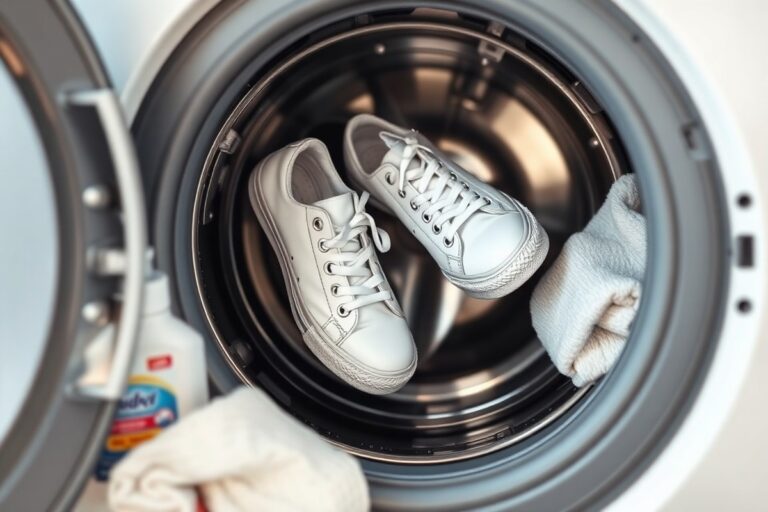
Use cold water with a gentle or delicate setting for about 30 to 40 minutes. This allows enough time to clean dirt and odors without causing damage. Always air dry your shoes afterward to avoid heat damage from dryers or direct sun exposure. Follow these steps to machine wash tennis shoes safely:
- Remove laces and insoles; place laces in the mesh bag and insoles to wash by hand.
- Brush off loose dirt or mud before washing.
- Put the shoes in a mesh laundry bag to protect them during the cycle.
- Load 2 to 3 old towels or heavy textiles with the shoes to balance the load.
- Set the washing machine to the gentle or delicate cycle with cold water.
- Use liquid detergent without bleach or fabric softeners.
- Start the wash and avoid using a high spin speed setting to reduce impact.
- After washing, air dry shoes at room temperature away from direct heat or sunlight.
Hand Washing Tennis Shoes: When and How to Do It Right
Hand washing tennis shoes works best for delicate or non-machine washable materials. This method gently cleans your shoes without risking damage from harsh machine cycles. Preserving the shape and texture of sensitive fabrics calls for using mild cleaning agents and careful scrubbing by hand.
Materials That Need Hand Washing Only
Shoes made from delicate materials like silk, suede, nubuck leather, or certain breathable mesh fabrics usually require hand washing. These materials may lose color, texture, or structural integrity in a washing machine. Shoes with glued components or intricate detailing also benefit from gentle hand cleaning, which helps prevent unraveling or melting of adhesives used in the construction.
Check your shoe’s care label or manufacturer’s website before washing. Avoid machine washing tennis shoes with leather panels or padded collars that can deform. In these cases, hand washing prolongs the life of your tennis shoes by reducing wear and tear on sensitive parts.
Cleaning Solutions Safe for Hand Washing
Use gentle cleaning products to avoid harming delicate materials while still removing dirt and odors effectively. Mild liquid dish soap, gentle laundry detergent formulated for delicate fabrics, or a small amount of baking soda mixed with water makes a good cleaning solution. Avoid bleach or harsh solvents which can strip dyes and damage fabric fibers.
For smelly tennis shoes, a mix of warm water and a teaspoon of white vinegar helps neutralize odors. Use a soft-bristled brush, an old toothbrush, or a sponge to apply the solution, so you don’t damage the shoe’s surface.
Step-by-Step Hand Washing Process
Follow these steps to clean your tennis shoes by hand carefully. This approach helps you control the pressure and amount of moisture applied to the shoes, preserving their condition.
- Remove the laces and insoles from your tennis shoes to clean them separately.
- Fill a sink or bucket with warm water (around 90°F to 100°F) and add a few drops of mild detergent or cleaning solution.
- Dip a soft brush or sponge into the solution, then gently scrub the shoes’ surface, focusing on dirty areas and stains.
- Use a clean cloth dipped in plain water to wipe away soap residue from the shoes.
- Submerge and gently swish the insoles in soapy water, scrub lightly if needed, then rinse.
- Hand wash the laces separately by soaking them in the cleaning solution for 5 to 10 minutes, then rinse well.
- Pat excess water from shoes and insoles with a towel to speed drying.
Drying After Hand Washing
Drying delicate tennis shoes properly preserves their shape and material quality. Never expose them to direct sunlight or high heat sources like radiators, which can cause shrinkage or fading. Instead, stuff your shoes with paper towels or clean cloths to absorb moisture and maintain form. Replace the stuffing every few hours while the shoes air dry at room temperature, allowing 12 to 24 hours depending on humidity.
Remove insoles and laces from the shoes to let them dry separately. Keeping these parts dry helps prevent odor buildup and potential mold. Hand washed tennis shoes may take longer to dry than machine washed ones but benefit from the gentler process through increased longevity and preservation of original comfort and appearance.
Material-Specific Washing Tips for Tennis Shoes
Not all tennis shoes can be cleaned the same way because different materials react to washing methods differently. Leather and suede, for example, are sensitive to water and agitation, which can crack or distort their surface. Canvas, mesh, and many textiles tolerate machine washing better but still require proper care to avoid damage or discoloration.
Leather shoes should never go in the washing machine. Instead, hand wash them using a soft cloth dampened with a mild soap solution, wiping gently. After cleaning, dry them in a shaded, ventilated area and apply a natural polish or wax with a soft cloth to restore moisture and shine. Suede requires even more caution; avoid water saturation by using a suede brush or eraser to remove dirt and stains. For deeper cleaning, use a small amount of suede cleaner and dab lightly, then let them dry naturally without direct heat.
In contrast, tennis shoes made of canvas or mesh materials typically handle machine washing better. These can be cleaned on a gentle cycle with cold water and mild detergent to prevent shrinking or color bleeding. Always remove laces and insoles before washing to allow thorough cleaning and faster drying. However, these shoes still need to air dry rather than use a dryer, as high heat can weaken glue and cause warping. The table below summarizes how to wash tennis shoes based on their material, highlighting what cleaning method to use and precautions to take.
| Material | Cleaning Method | Water Temperature | Drying Method | Precautions |
|---|---|---|---|---|
| Leather | Hand wash with mild soap and soft cloth | Room temperature water | Air dry in shade | Avoid soaking; apply polish after drying |
| Suede | Brush or use suede eraser; spot clean with suede cleaner if needed | No direct water | Air dry naturally, out of direct light | No machine washing or soaking |
| Canvas | Machine wash gentle cycle or hand wash | Cold water | Air dry, avoid heat | Remove laces and insoles first |
| Mesh | Machine wash gentle cycle or hand wash | Cold water | Air dry | Use mild detergent; avoid rough agitation |
Proper care for your tennis shoes begins with recognizing their material composition. This helps prevent unintended damage. Leather and suede require delicate handling using hand cleaning methods and gentle products. Canvas and mesh offer more flexibility but still benefit from removing parts before washing and air drying afterward.
Never machine wash leather or suede tennis shoes; the agitation and water can cause permanent damage. Hand washing with care is the safest choice.
Removing Tough Stains and Odors from Tennis Shoes
Removing tough stains and odors from tennis shoes requires targeted cleaning methods and safe products that won’t damage the material. You can use simple household ingredients like baking soda and white vinegar or specialized shoe cleaners to tackle stubborn grime while keeping your shoes fresh. Careful application and spot testing prevent discoloration or material damage during the process.
DIY Stain Removal Solutions
Baking soda and white vinegar are effective and safe options for cleaning many tennis shoe materials. Baking soda acts as a gentle abrasive and deodorizer, while white vinegar breaks down stains and kills odor-causing bacteria. Avoid soaking the entire shoe in vinegar to protect delicate adhesives and fabrics. To remove tough stains using household items, follow these steps:
- Mix 1 tablespoon of baking soda with 2 tablespoons of white vinegar and 1 cup of warm water to create a cleaning paste.
- Dip a soft-bristled brush or an old toothbrush into the paste.
- Gently scrub the stained areas in a circular motion, focusing on fabric, rubber, or mesh parts.
- Wipe away excess paste with a damp cloth before it dries.
- Rinse the cloth and wipe the shoes again with water to remove remaining residue.
- Allow the shoes to dry naturally in a place with good airflow, avoiding exposure to direct sunlight or sources of heat.
This method works well on white shoes and canvas tennis shoes but may not suit leather or suede, which require gentler care.
Using Commercial Shoe Cleaners Safely
Commercial shoe cleaning products like ARM & HAMMER™ Deep Clean Stain Formula Liquid Laundry Detergent contain micro-scrubbers that efficiently penetrate tough stains such as mud or dirt. These detergents are formulated to work safely on machine-washable tennis shoes without excessive abrasion. To apply commercial cleaners without damaging your shoes:
- First, check if your shoes are labeled as machine-washable; only use these cleaners in washers if they are.
- Use a small amount of detergent mixed with water to spot clean stubborn stains if hand washing.
- Always dilute the product according to the instructions; concentrated detergent can harm materials.
- Avoid harsh cleaners or bleach, as they can cause discoloration or weaken shoe fibers.
Odor Elimination Methods
Eliminating shoe odors is as important as stain removal, especially after intense tennis sessions. Baking soda naturally absorbs moisture and neutralizes odors, while diluted white vinegar kills bacteria responsible for smells. You can also find odor-neutralizing detergents designed specifically for deep cleaning. To deodorize your tennis shoes effectively:
- Sprinkle about a tablespoon of baking soda inside each shoe, leave it overnight, then shake out the powder before wearing.
- Mix equal parts white vinegar and water in a spray bottle, lightly mist the inside of the shoes, and allow them to air dry fully.
- Add ½ cup of baking soda directly into the washer drum when machine washing to help control odors.
- Use liquid detergents with odor formulas during cleaning such as ARM & HAMMER™ Deep Clean Odor Formula for improve freshness.
Spot Testing and Avoiding Damage
Spot testing products before applying them broadly helps prevent discoloration and material damage. Each tennis shoe material reacts differently to cleaning agents, so testing ensures compatibility. To perform a safe spot test:
- Choose a small, hidden area on the shoe’s interior or outsole.
- Apply a small amount of your intended cleaning solution or product using a cotton swab or soft cloth.
- Wait 10 to 15 minutes for any reaction such as color change, fading, or surface texture differences.
- Should the shoe show no signs of damage, continue cleaning the remaining parts as originally planned.
- Discontinue use of the product if you notice any adverse effects and try a milder alternative.
Avoid using baking soda on delicate surfaces like satin or suede, and refrain from soaking shoes entirely in acidic solutions like vinegar. Following these precautions helps keep your tennis shoes looking their best while removing tough stains and odors.
Drying Tennis Shoes: Air Drying vs Machine Drying
Drying tennis shoes properly is essential to keep their shape and extend their life. Air drying is the safest way to dry your sneakers, but it can take a couple of days depending on the shoe’s material and how wet they are. Typically, leaving them in a well-ventilated area for 24 to 48 hours will allow the shoes to dry completely. Avoid direct sunlight or any heat sources like radiators, as these can warp the sole or yellow the rubber parts. To help speed up the drying process without damage, stuff your tennis shoes with newspaper or paper towels. This helps absorb moisture from the inside and maintains the shoe’s shape. Replace the papers every few hours until the shoes feel dry.
Using a fan can also speed drying by improving air circulation around the shoes. Position the fan to blow air both inside and outside the sneakers. This method is gentle and safer than using a clothes dryer, which can be risky. High heat and tumbling action in a dryer often warp the shoe’s sole and damage the glue holding parts together. Most manufacturers and shoe care professionals advise against machine drying for tennis shoes. Even running a dryer on a low or no-heat setting could still cause mishaping from the tumbling motion.
If you want to freshen up your tennis shoes quickly after washing, don’t try to shorten drying time by placing them near heaters or using a hairdryer on hot settings. This heats the shoe unevenly and can cause shrinkage or cracking in synthetic materials. Instead, stick to air drying and using absorbent paper inside. As a reminder, before drying, it’s best not to oversaturate your shoes during washing. Wring out excess water and blot with a dry towel. After removing shoes from the washer, set them on a rack or plate to catch any dripping moisture, then start the air drying process.
For faster drying while keeping your tennis shoes safe, consistency matters. Change out newspapers regularly and keep shoes in a dry, ventilated spot. A combination of paper stuffing and fan use typically cuts drying time compared to air drying alone by several hours. Avoid direct heat or tumble drying entirely since the risk of warping, damaging adhesives, and discoloration outweigh any time saved. Let your tennis shoes dry naturally over a full day or two for best results.
Common Washing Mistakes and How to Avoid Them
Using water that’s too hot is a key mistake that causes tennis shoes to shrink or lose shape. Most shoes fare best when washed in cold water, ideally under 80°F (27°C). Heat weakens adhesives and can distort synthetic fabrics, making the soles separate or the upper part warp. To avoid this, set your machine or hand-washing water temperature to cold or lukewarm and always double-check your shoe brand’s care label. This keeps the shoe stable and extends its life.
Another common error is drying tennis shoes in direct sunlight or with a heat source like a clothes dryer or radiator. High heat leads to discoloration, cracking of rubber soles, and breakdown of glue. Instead, air-dry shoes indoors in a well-ventilated area at room temperature. To speed drying and help shoes keep their shape, stuff them with clean paper towels or odor-absorbing inserts every few hours, replacing damp paper as needed. This prevents shrinkage and deformation.
Aside from heat issues, scrubbing too hard or using harsh detergents can dull colors and erode fabric fibers, especially on mesh or knit tennis shoes. Use gentle liquid detergent designed for delicate items and apply it lightly with a soft brush or sponge. Rinse thoroughly to remove any soap residue. Rinse residue can cause stiffness or spots if not removed properly.
Failing to remove laces and insoles before washing is another mistake. These parts dry at different rates and trap moisture that encourages bacteria and odor. Remove laces for separate washing, this prevents tangling and staining, and take out insoles to dry fully to avoid mildew and maintain shoe comfort.
If shoes become damaged despite your precautions, act quickly. For sole separation or minor tears, shoe glue made for rubber and fabric, such as a urethane-based adhesive, can be applied carefully along the split edge. Hold firmly for several minutes and cure as recommended on the product label, usually 24 hours. For discoloration spots, gentle spot cleaning with a diluted vinegar solution or baking soda paste can help restore whiteness without further harm.
Always paying attention to the material and brand-specific instructions guards against the most frequent mistakes. Brands often design tennis shoes with particular fabrics and constructions that need tailored care. Following their recommendations avoids voiding warranties and keeps shoes performing well longer.
Use cold water well under 80°F and air-dry tennis shoes indoors to prevent heat damage and maintain shoe shape over time.
Step-by-Step Action Plan for Washing Your Tennis Shoes
Follow these steps to clean your tennis shoes safely and keep them in good shape.
- Before you start: Remove the laces and insoles, then brush off loose dirt to prepare your shoes for washing.
- Day 1: Choose your washing method based on your shoe material; hand wash delicate fabrics and machine wash durable ones.
- Day 1, washing: Use a gentle cycle with cold water for machine washing or mild soap and a soft brush for hand washing to avoid damage.
- Immediately after washing: Stuff the shoes with newspaper or paper towels to maintain shape and speed drying.
- 24 hours after washing: Check if the shoes are dry and odor-free; if not, replace the stuffing and let them air dry more.
- After drying: Clean the laces and insoles separately and only put them back once all parts are completely dry.
- After 1 week of use: Inspect your shoes for new stains or odors to decide if another wash or spot cleaning is needed.
Frequently Asked Questions
Can You Wash Tennis Shoes in the Dishwasher?
Using a dishwasher to clean tennis shoes usually isn’t a good idea since the heat and detergent might harm them. It’s best to clean them by hand or use a washing machine instead.
How Often Should You Wash Tennis Shoes?
Wash tennis shoes when they start to smell or have visible dirt to maintain freshness and appearance. Frequent washing can wear out shoes faster, so clean only as needed.
Can Tennis Shoes Get Ruined by Washing Machines?
Tennis shoes can get damaged by washing machines if settings are too harsh or if not prepared properly. Use cold water, gentle cycles, and remove laces and insoles first to protect them.
Is It Okay to Use Bleach on White Tennis Shoes?
Using bleach on white tennis shoes is risky since it can weaken fabric or yellow some materials. Use mild detergent or special sneaker cleaners instead to avoid damage.
What’s the Best Way to Dry Tennis Shoes Quickly?
Air drying at room temperature is best to avoid shrinking or warping. Avoid dryers as heat can damage glue and shape; inserting paper towels helps absorb moisture faster.
Can You Wash Tennis Shoes with Other Laundry?
It’s better to wash tennis shoes separately or with towels to prevent damage to both shoes and clothes. Shoes can throw off machine balance and scratch delicate fabrics.
The Bottom Line
Washing tennis shoes can be safe and effective when done carefully. Focus on the right method for your shoe’s material and avoid high heat to protect their shape and durability. Start by cleaning the dirt and removing laces today so your shoes are ready for a gentle wash or spot treatment.