How to Clean and Sanitize Sports Shoes: 8 Expert Tips for Deep Cleaning and Odor Control
Cleaning and sanitizing sports shoes at home requires using gentle yet effective methods to remove dirt, bacteria, and odor without damaging the materials. You can safely clean your shoes by choosing the right cleaning agents, drying them thoroughly, and sanitizing all parts, including the insoles and laces. This process helps maintain shoe performance and prevents unpleasant smells.
Sports enthusiasts and casual athletes who want to keep their footwear fresh and long-lasting will find practical tips for deep cleaning, material-specific care, and odor control. These techniques fit typical sports shoe materials and consider time, tools, and safety to protect your investment and foot health.
Key Takeaways
- Use mild detergent or specialized sneaker cleaners for fabric and mesh materials to avoid damage.
- Hand wash sports shoes by soaking, scrubbing gently, then rinsing and drying completely to maintain shape.
- If machine washing, select a delicate cycle and remove insoles and laces before starting the wash.
- Dry shoes in a well-ventilated area for at least 24 hours to prevent lingering odor and material warping.
- Soak removable insoles in a disinfectant solution for 10-15 minutes to reduce bacterial buildup effectively.
- Replace paper towels inside wet shoes every few hours during drying to absorb moisture faster.
1. How to Clean and Sanitize Sports Shoes Safely at Home
Cleaning and sanitizing your sports shoes at home safely means using gentle methods and suitable products that protect their materials and structure. The main goal is to remove dirt, sweat, and bacteria without causing damage like ungluing soles, shrinking, or fading. Shoes harbor microbes inside and out, which can cause odors and foot infections, so deep cleaning both surfaces and interiors is key to maintaining foot health and shoe longevity.
Start by removing loose dirt and debris from your shoes, then sanitize carefully to keep them fresh. Use mild detergents or specialized sports shoe cleaners that avoid harsh chemicals or bleach. For sanitizing, look for disinfectants safe on synthetic fabrics, mesh, and leather, many sports shoe sprays or diluted disinfecting solutions work well. Avoid machine washing unless the manufacturer approves it, as spinning can harm adhesives and foams inside the shoe.
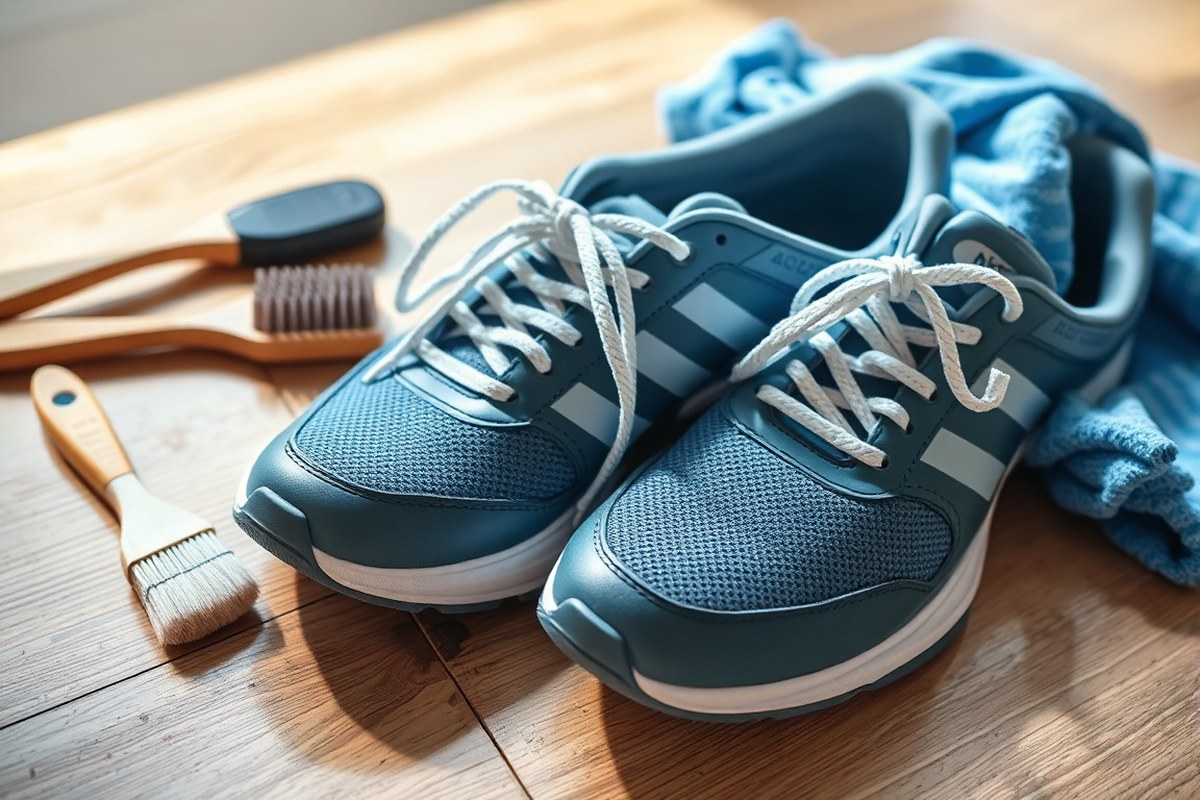
- Remove dirt and loose debris: Use a soft brush or dry cloth to gently brush off surface mud, dust, and grit. Take out insoles and laces for separate cleaning.
- Prepare a mild cleaning solution: Mix warm water (around 90°F or 32°C) with a small amount of liquid laundry detergent or a specialized sneaker cleaner. Avoid bleach or harsh chemicals that can damage materials.
- Clean shoe exterior and interior surfaces: Dip a soft cloth or sponge in the solution, wring it out thoroughly, and wipe shoe uppers and interiors gently. Concentrate on areas with sweat and dirt buildup.
- Sanitize inside the shoes: Spray a light mist of an appropriate disinfectant inside and let it air dry. For homemade options, a 70% isopropyl alcohol solution sprayed lightly and quickly evaporated can reduce microbes, but test on a small area first to avoid damage.
- Rinse out cleaning residue: Wipe the shoes with a clean, damp cloth to remove any soap or detergent buildup, which can attract more dirt or cause skin irritation.
- Clean insoles and laces separately: Hand wash insoles and laces using the same mild detergent solution, rinse well, and air dry completely before reinserting.
- Dry the shoes properly: Fill the inside of each shoe with paper towels to soak up wetness and keep their form. Allow the shoes to dry naturally at room temperature, avoiding exposure to direct heat sources or sunlight that might cause shrinking or cracking.
Following these steps avoids common mistakes like overwetting your shoes or using abrasive cleaners that ruin materials. Well-cleaned and sanitized shoes feel comfortable, smell fresh, and lower your risk of foot infections, which for athletes might mean missed competitions. Avoid dishwasher or washing machine use unless label instructions specifically allow it, as unapproved methods often cause shoe damage. Keeping a gentle, consistent cleaning routine costs very little and maximizes the lifespan and hygiene of your sports footwear.
2. Cleaning Methods for Different Sports Shoe Materials
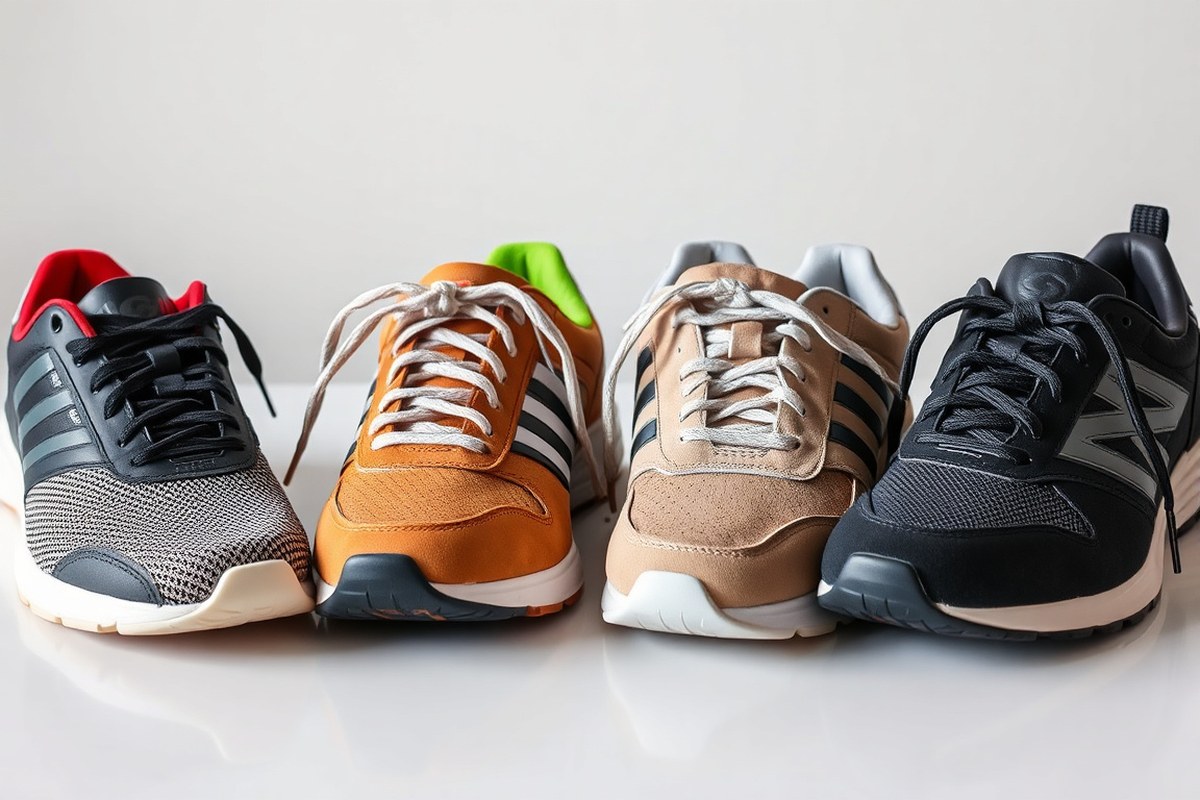
Sports shoe materials greatly affect the cleaning and sanitizing methods you should use to avoid damage and get the best results. Machine washing works well for canvas, fabric, and mesh, but leather and suede require gentler, spot cleaning methods. Knowing your shoe’s material helps you choose the right cleaning approach and disinfectants.
Fabric and Mesh Cleaning Tips
Canvas, mesh, and fabric shoes like many running or tennis shoes can generally be cleaned in the washing machine. First, remove the laces and insoles. Place the shoes and laces in a mesh bag and use a delicate or gentle cycle with cold water. Avoid bleach on colored shoes; instead, pre-treat stains with Clorox 2™ for Colors Laundry & Fabric Stain Remover. After washing, air dry them completely for at least 24 hours.
For light odor and surface dirt, soaking fabric or mesh shoes in a mixture of water and white vinegar for a few hours can help before rinsing. Avoid using harsh chemicals or high heat during drying as these can damage the fabric or cause shrinkage.
Leather and Suede Care Instructions
Do not machine wash leather or suede sports shoes. These materials are sensitive to water and agitation, which can cause cracking or warping. Spot clean using a soft cloth dipped in a mixture of water and mild soap or use a specialized leather cleaner. For suede, use a suede brush to lift dirt gently.
After cleaning, wipe off any excess moisture and let shoes dry naturally away from direct heat or sunlight. Leather requires conditioning after cleaning to keep it supple. Avoid using bleach, strong detergents, or disinfectants that could discolor or damage these materials.
Synthetic and Rubber Parts Cleaning
Synthetic materials and rubber soles are more durable and can tolerate washing, but avoid machine washing shoes with rubber or metal cleats. Clean rubber parts with Clorox™ Disinfecting Wipes to remove dirt and disinfect effectively. This also works on midsoles and hard plastic areas.
For synthetic uppers, gentle hand washing with mild soap and water is usually safe, but always check the manufacturer’s care instructions. Avoid putting shoes with electronics or delicate materials in the washer; hand clean those areas carefully. Use the table below to choose the best cleaner for your shoe material and cleaning goal:
| Cleaner | Best For | Disinfects? | Sanitizes? |
|---|---|---|---|
| Clorox™ Disinfecting Bleach | White canvas shoes and stain removal | Yes | Yes |
| Clorox 2™ for Colors Laundry & Fabric Stain Remover | Stain removal on washable colored fabric shoes | No | No |
| Clorox™ Disinfecting Wipes | Rubber soles, midsoles, hard nonporous parts | Yes | Yes |
| White vinegar | Reducing light odors, loosening surface dirt on fabric | No | No |
Matching your cleaner to the shoe material and type of cleaning needed protects your shoes and maximizes their lifespan.
Do not machine wash leather, suede, or shoes with delicate components to avoid permanent damage.
3. Step-By-Step Hand Washing for Sports Shoes
Hand washing sports shoes is a careful process that helps keep them clean without damaging materials. Preparing your shoes properly, scrubbing them gently, rinsing off soap, and drying them right all matter for good results. Use simple tools like a soft brush, mild detergent, and clean cloths for safe and effective cleaning.
Removing Laces and Insoles
Start by taking out the laces and insoles to clean each part thoroughly and prevent water from soaking inside your shoes. Removing these parts also lets you wash laces and insoles separately, which helps eliminate dirt and odor better. This step reduces drying time and protects shoe shapes.
Use disinfecting wipes or a damp cloth to wipe off mud and dirt from the surface before washing. Let the laces and insoles soak in warm water mixed with mild detergent to loosen grime. Soaking them while you clean the shoes saves time and prevents build-up.
Cleaning Uppers and Soles Carefully
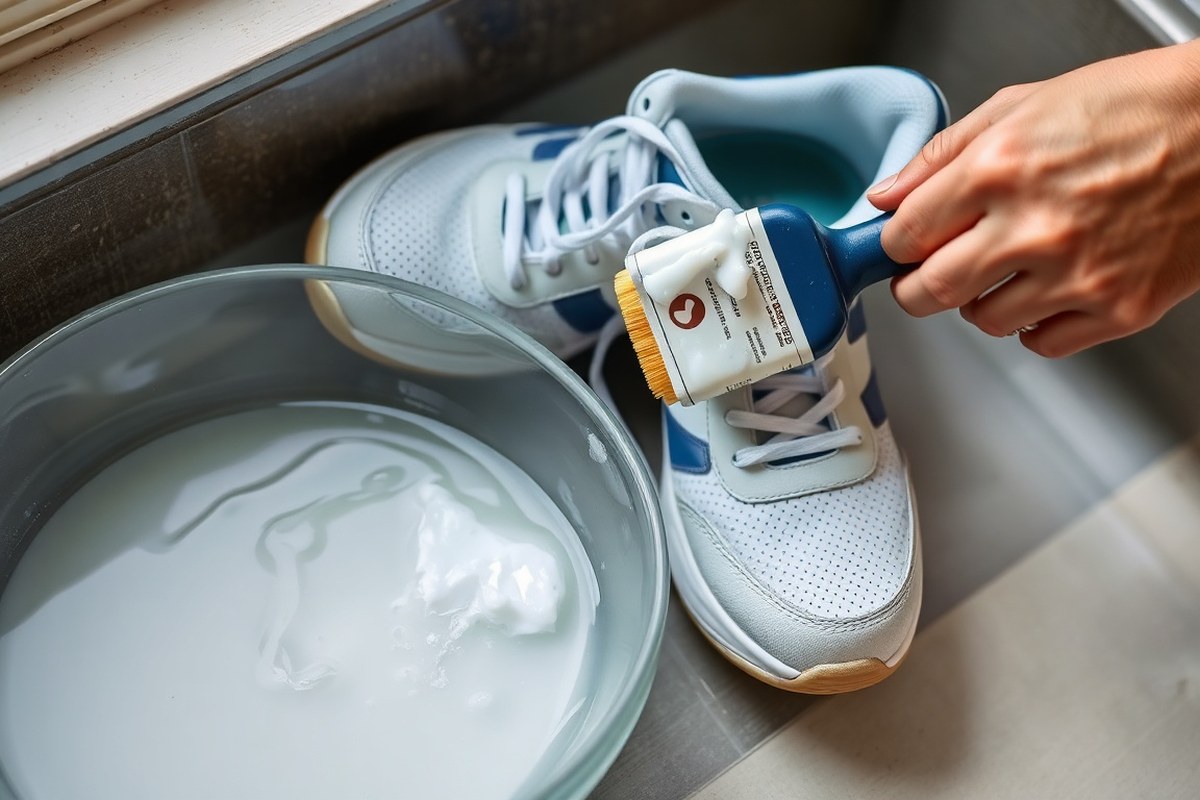
Protect your shoes from damage by hand washing gently using mild detergent and soft tools. Avoid harsh scrubbing that could wear out materials or cause fading. Use a soft brush or an old toothbrush with soft bristles to clean hard-to-reach areas like seams and soles.
For the uppers, dip the brush in warm, soapy water and scrub in circular motions. For soles, clean accumulated dirt with a wet cloth or brush before moving to the uppers. Stuffing the shoes with paper towels or clean rags can help maintain shape and stop water from seeping inside during cleaning.
Rinsing and Drying Preparation
Remove soap residue carefully to avoid leftovers that cause stiffness or attract dirt. Use a clean, damp cloth to wipe off suds, rinsing the cloth often and repeating as needed. Proper rinsing keeps shoes comfortable and extends their life.
Prepare your shoes for drying by stuffing the inside with newspaper or paper towels. This absorbs moisture and supports the shoe shape while drying. Air dry your shoes in a ventilated area; avoid direct heat sources to prevent material damage or shrinking. Allow enough time, usually 24 hours or more, for complete drying before using them again.
- Remove laces and insoles from your sports shoes.
- Wipe the exterior surfaces with disinfecting wipes or a damp cloth to remove loose dirt.
- Soak laces and insoles in warm water mixed with mild detergent while you clean the shoes.
- Stuff your shoes with paper towels or clean rags to maintain their shape.
- Use a soft brush dipped in warm soapy water to gently scrub the uppers and soles.
- Rinse off soap residue using a clean, damp cloth, wiping thoroughly to remove all suds.
- Replace stuffing in your shoes with dry paper towels and air dry them in a well-ventilated area, avoiding direct sunlight or heat.
- Allow at least 24 hours for complete drying before reassembling and wearing.
4. Using a Washing Machine: When and How to Wash Sports Shoes
Machine washing can work for sports shoes made from canvas, nylon, cotton, and polyester, but confirming your shoe’s material and manufacturer guidelines first is essential. Avoid washing leather, suede, or shoes with glued components in the machine to prevent damage or warping. Shoes not labeled safe for machine washing usually suffer from shrinking or material breakdown when exposed to washer agitation and water temperature.
When your sports shoes qualify, select settings that reduce wear and protect both the shoes and your washer. Use a cold water wash with a gentle or delicate cycle that runs about 45 minutes to an hour. Hot water or heavy agitation risks shrinking fabrics and loosening glued parts over time. Skip bleach or harsh detergents; mild laundry soap works best.
- Remove laces and insoles before washing to clean these separately and prevent tangling.
- Place shoes in a mesh garment bag or a pillowcase tied closed to reduce banging inside the washer.
- Add towels or cloth items as cushioning to balance the load and absorb impact.
- Use cold water on a gentle/delicate cycle lasting under an hour.
- Choose a low spin speed or skip spinning to avoid shoe deformation.
- Use mild detergent without bleach or fabric softeners.
- Air dry shoes after washing; never put them in a dryer.
Before washing, remove visible dirt by brushing or wiping because heavy soil can damage both shoe materials and the washing machine. The washing machine won’t be harmed if shoes are secured inside a bag and washed on gentle cycle, but failing to protect your shoes often leads to scuffing, tearing, or stretched shapes. Also, machine washing takes roughly the same time regardless of the shoe type, so plan at least 45 minutes.
Good washing results leave your shoes clean with no torn mesh or softened soles. The mesh bag and cold, gentle cycle protect stitching and adhesives while removing typical grime. Damage shows up as loose threads, shrinking, or weakened soles. Should damage occur, use hand washing next time to help maintain your sports shoes’ lifespan.
5. Drying Sports Shoes Properly to Prevent Damage and Odor
Drying sports shoes correctly typically takes between 12 and 24 hours, depending on the materials and how wet they are. Using direct sunlight or heat sources like a dryer or radiator often causes warping, shrinking, or material damage, so avoid these methods to maintain the shoe’s shape and durability. Instead, air-dry your shoes in a well-ventilated area away from direct sun and heat.
Managing moisture inside your shoes is critical because trapped dampness leads to odors and bacteria buildup. After washing, stuff your shoes with clean paper towels or rags to absorb excess moisture and help preserve their shape. Replace the paper every few hours if the shoes are very wet. For shoes with removable insoles, take them out to dry separately and air out the inside of the shoe overnight.
In cases where the insoles are not removable or shoes retain dampness inside, sprinkle a small amount of baking soda to help absorb moisture and eliminate lingering odors. Overnight application works well for this trick. You can also wipe the inside with a dry cloth at the end of the day and give the shoes a quick sprinkle of baking soda if they feel slightly damp before loosening the laces to encourage airing.
Some materials require special care. Delicate sports shoes with silk, embroidery, or embellishments should be sent to a professional shoe repair and cleaning specialist to avoid damage during drying and cleaning. For durable synthetic materials like Clarino, disinfecting wipes used in hospitals safely sanitize without harming the shoe.
Good drying results are shoes that feel dry to the touch inside and out, maintain their original shape, and show no signs of stiffness or cracking in the material. Failing to dry shoes properly can cause the material to distort, trap moisture leading to bad odors, and encourage bacterial growth, increasing the risk of foot infections or unpleasant smells that linger despite cleaning.
Never place your sports shoes in direct sunlight or near a heat source to dry because this damages the materials and can cause irreversible warping or shrinking.
6. Cleaning and Sanitizing Insoles and Laces Thoroughly
To deep clean and disinfect removable insoles and laces, the main holders of odor and bacteria, start by soaking the insoles in a gentle disinfectant solution, then scrub the laces thoroughly using a mild detergent. These steps help prevent fungal and bacterial growth that cause unpleasant smells and protect your feet from infections. Proper drying after cleaning is important to maintain freshness and avoid damage.
Removing and Soaking Insoles
Always take out the insoles before cleaning to avoid damage to the shoe’s interior. Soaking insoles in a water-based solution helps loosen dirt and kills odor-causing bacteria. For insoles that are glued in, avoid immersion and instead wipe them carefully with a damp cloth to prevent detachment or warping.
- Remove the insoles carefully from the shoes.
- Prepare a soaking solution with warm water (around 90°F or 32°C) and a cup of white vinegar or 2 tablespoons of baking soda for deodorizing and disinfecting.
- Submerge the insoles fully in the mixture for 10 to 15 minutes, gently swishing every few minutes to break up dirt.
- Use a soft brush or cloth to scrub any remaining stains or dirt gently.
- Rinse the insoles with clean water to remove the disinfecting agents.
This method disinfects and freshens the insoles without damaging materials like foam or fabric. Vinegar is effective against bacteria, while baking soda neutralizes odors.
Scrubbing and Rinsing Laces
Laces trap sweat and dirt, so cleaning them thoroughly reduces shoe odor significantly. Hand washing with a mild detergent is the safest method to avoid weakening the fibers. Avoid using bleach on colored or synthetic laces to prevent damage or discoloration.
- Remove laces from the shoes.
- Fill a bowl with warm water and add a small amount of gentle laundry detergent.
- Soak the laces for 10 minutes to loosen dirt and oils.
- Agitate and scrub the laces with your fingers or a soft brush to remove grime.
- Rinse them well under cool running water until no soap residue remains.
For stubborn odors, sprinkle baking soda on damp laces and let them sit for 15 minutes before rinsing. This helps eliminate bacterial buildup responsible for smells.
Drying Insoles and Laces Properly
Drying insoles and laces thoroughly prevents microbial growth and maintains their shape. Avoid direct sunlight or hot temperatures that can warp foam or weaken synthetic materials. Always air dry at room temperature in a well-ventilated area.
- Pat insoles gently with a towel to remove excess water after rinsing.
- Place insoles on a flat surface covered with a dry towel in a shaded spot with good airflow.
- Hang or lay laces flat on a towel to air dry without twisting or bunching.
- Allow 12 to 24 hours for complete drying before reinserting insoles or relacing shoes.
Using a fan speeds up drying but keep insoles and laces away from heaters or dryers that can damage materials and reduce lifespan.
7. Removing Tough Stains and Persistent Odors from Sports Shoes
Salt and mud stains on sports shoes can be tough but remove them before they set. For mud, let it dry completely, then knock off the hardened chunks outdoors. Use a damp cloth or a soft brush with mild detergent to wipe away the remaining residue. Salt marks often appear white and can be dissolved with a mixture of one part vinegar to two parts water, dampen a cloth and gently rub the stains, then air dry. Avoid scrubbing leather roughly to prevent damage.
Grease and oil stains require breaking down the oily residue carefully. Sprinkle baking soda or cornstarch on the stain and leave it for 15 to 30 minutes to absorb the grease. Then brush it off before using a small amount of liquid laundry detergent with pH Power Technology, such as ARM & HAMMER™ Deep Clean Stain Formula, to treat the spot. Apply the detergent directly, scrub lightly with a soft toothbrush, then rinse or wipe clean. For synthetic materials, a toner cloth dampened with rubbing alcohol can also help break down oils.
Persistent odors inside sports shoes usually come from bacteria feeding on sweat. Baking soda inside the shoes overnight helps neutralize odors and absorb moisture. For extra deodorizing power, sprinkling a few drops of tea tree oil inside your shoes can reduce bacteria and add a fresh scent. A natural spray mix of tea tree oil, eucalyptus, and vinegar also helps sanitize and deodorize when sprayed inside and left to dry. Commercial odor removers like Clorox™ FreshGuard™ Laundry Odor Remover used as a detergent additive can eliminate stubborn smells in fabric shoes.
- Dry brush off dried mud and dirt before washing
- Use a vinegar-water mix for salt stains on fabric and leather
- Absorb grease with baking soda or cornstarch, then use liquid detergent with micro-scrubbers
- Apply baking soda or tea tree oil inside shoes overnight for odor control
- Spray natural antifungal solutions to kill odor-causing bacteria
- Use Magic Erasers to remove scuffs from rubber soles
- Wipe off oil stains with rubbing alcohol carefully on synthetic materials
Tough stains may need repeated treatment, especially on fabric or leather. Complete drying after cleaning prevents mildew or new odors. Cost varies by product: baking soda is inexpensive at under $1 for a box, while branded detergents and odor removers run between $5 and $15. Expect the best results after a full drying cycle of 24 hours in a well-ventilated area; trapped dampness causes odors to return.
8. Safe Disinfectant Options and Sanitizing Technologies for Shoes
Chemical disinfectants such as vinegar and essential oils help cut down bacteria and molds in sports shoes. Vinegar can destroy as much as 99% of bacteria and 82% of mold types responsible for foot infections and bad smells. Tea tree and lavender oils combat bacteria while adding a pleasant smell. These natural remedies cost less and apply simply by spraying or soaking in a diluted mix. Despite this, they might not remove all germs like some commercial products.
Commercial disinfectant sprays that contain antifungal agents can target shoe fungi specifically, preventing athlete’s foot and shoe rot. These sprays generally work quickly and are made for shoe materials, but they often contain chemicals that might irritate sensitive skin or damage some shoe fabrics if used repeatedly.
Ultraviolet (UV) sanitizers use UV-C light to kill bacteria, molds, and viruses on shoe surfaces by damaging their DNA. These devices typically require 10 to 30 minutes of exposure per shoe and cost between $50 and $200, depending on size and features. UV sanitizers don’t require chemicals or moisture, reducing wear on materials. Safety precautions include avoiding direct skin or eye exposure to the UV light during use.
Machine washing your sports shoes removes about 90% to 99% of bacteria by combining detergent and agitation at warm temperatures (around 40°C to 60°C). This method stands out for deep bacterial reduction but risks damaging shoe structure or adhesives if used too often or on delicate materials. The following table compares these common disinfectant types based on their effectiveness, costs, convenience, and safety considerations when sanitizing sports shoes:
| Disinfectant Type | Bacteria/Mold Kill Rate | Approximate Cost | Application Time | Pros | Cons | Safety Notes |
|---|---|---|---|---|---|---|
| Vinegar (Natural) | Up to 99% bacteria, 82% mold | Low (under $1 per use) | 15-20 minutes soak or spray dry | Natural, inexpensive, pleasant odor with oils | May not kill all pathogens; strong smell | Avoid direct skin contact with undiluted vinegar |
| Essential Oils (Tea Tree, Lavender) | Moderate antibacterial effect | Moderate ($5-$10 per application bottle) | Spray and air dry, 20+ minutes | Natural, fragrance, antifungal properties | Potential allergies; inconsistent kill rates | Test small skin area for irritation |
| Commercial Disinfectant Spray | High, targets fungi and bacteria | $10-$20 per bottle | Minutes to apply and dry | Fast action, designed for shoes | Possible chemical irritation; repeated use risks damage | Use in ventilated area; follow label instructions |
| UV Shoe Sanitizer | High (kills bacteria, molds, viruses) | $50-$200 for device | 10-30 minutes per shoe | No chemicals; gentle on materials | Costly; needs power; must avoid skin/eye exposure | Do not look directly at UV light while operating |
| Machine Washing | 90-99% bacterial reduction | Low (water, detergent cost) | 30-60 minutes wash/dry | Deep clean; effective bacterial kill | Can damage shoes; not suitable for all materials | Remove insoles/laces; follow shoe care labels |
Always allow your shoes to dry completely after disinfecting to prevent moisture buildup that encourages bacterial growth.
Different disinfectants suit varying needs: for daily freshness, natural sprays work well, while UV sanitizers offer chemical-free deep sanitation between uses. Combining methods, such as washing followed by a disinfectant spray or UV treatment, achieves better overall hygiene. Avoid prolonged moisture and chemical overuse to protect the shoe material and maintain comfort.
Step-by-Step Action Plan for Cleaning and Sanitizing Your Sports Shoes
Follow these steps to keep your sports shoes clean, odor-free, and in good condition while protecting their materials effectively.
- Before your workout: Remove and set aside the insoles and laces for separate cleaning. This prevents dirt and bacteria from spreading during the shoe wash.
- After each session: Wipe down your shoes with a damp cloth to remove surface dirt and allow them to air out in a well-ventilated space. This reduces moisture buildup that causes odor.
- Once a week: Hand wash your shoes using a mild detergent and soft brush, focusing on problem areas. Rinse thoroughly to avoid soap residue that can irritate skin.
- Every two weeks: Deep clean insoles and laces by soaking them in a water and vinegar or baking soda solution for 30 minutes, then rinse and air dry. This controls odor-causing bacteria effectively.
- Monthly: Check your shoes for tough stains or persistent odors. Use specialized stain removers or odor-fighting sprays safely according to product instructions.
- Drying time: After washing, dry shoes and components at room temperature away from direct sunlight or heat sources to prevent damage and maintain shape.
- Regular disinfecting: Use a safe disinfectant spray or UV sanitizing device meant for footwear on dry shoes every few weeks to maintain hygiene without harming material.
Frequently Asked Questions
How to Sanitize Shoes Without Ruining Them?
Use a disinfectant safe for your shoe’s material to avoid damage. Always test a small area first to prevent discoloration or weakening of adhesives. Avoid harsh chemicals and excessive moisture to keep soles and foam intact.
How to Clean and Sanitize Running Shoes?
Hand wash with mild detergent and disinfectant targeted for shoe materials. Remove insoles and laces first, then air dry away from direct heat. This keeps your shoes fresh while preventing damage and odor buildup.
What Kills Bacteria in Your Shoes?
Disinfectants containing alcohol or antimicrobial agents effectively kill bacteria inside shoes. Using a product designed for sports gear removes odor-causing microbes without harming materials. Proper drying afterward reduces bacteria growth.
What Is the Best Way to Deep Clean Sport Shoes?
Hand washing with a soft brush and specialized detergent reaches tough dirt without damaging shoes. Focus on insoles and seams where bacteria hide. This method balances thorough cleaning with safe care for all materials.
Can You Sanitize Shoes in a Microwave?
No, microwaving can melt shoe parts and create fire risks. Use appropriate disinfectants and avoid heat sources that may damage shoes or cause injury.
Is It Safe to Use Bleach on Sports Shoes?
Bleach can ruin fabric, color, and adhesives in many sports shoes. Use bleach sparingly, only on white parts if the label permits, and prefer milder cleaners and disinfectants for regular use.
Before You Go
Maintaining clean and sanitized sports shoes extends their life and helps prevent foot infections or odors. Start by addressing one cleaning step at a time, such as hand washing your shoes this week. Regular attention to cleaning and drying will keep your gear comfortable and ready for peak performance.