How Do You Get Rid of Underarm Stains: 8 Proven Methods That Work
To get rid of underarm stains, pre-treat the area with a baking soda paste or hydrogen peroxide solution, let it soak for 10 to 30 minutes, then wash as usual without heat. Avoid putting stained clothing in the dryer until stains are fully removed to prevent setting. These methods work safely on common fabrics and offer effective stain removal without harsh chemicals.
This information helps homeowners and renters tackle yellow or white underarm marks on shirts using household ingredients and proper techniques. You’ll learn proven ways to remove fresh or set-in stains, how underarm stains form, and how to protect your clothes while cleaning.
Key Takeaways
- Apply a paste of baking soda and warm water to underarm stains and let it sit for 15 minutes to overnight before laundering.
- Use 3% hydrogen peroxide on white sweat-stained clothing, rubbing it in and soaking for at least 10 minutes before washing.
- Scrub underarm stains gently with a nailbrush or toothbrush after applying the cleaning solution for better stain penetration.
- Pre-treat stains with enzyme cleaners for at least 30 minutes to effectively break down protein-based sweat marks.
- Never put stained clothes in the dryer before fully removing underarm stains to avoid heat setting the discoloration.
- Check if your deodorant contains aluminum, as it reacts with sweat to form stubborn yellow stains on fabrics.
1. Effective Methods to Remove Underarm Stains Safely
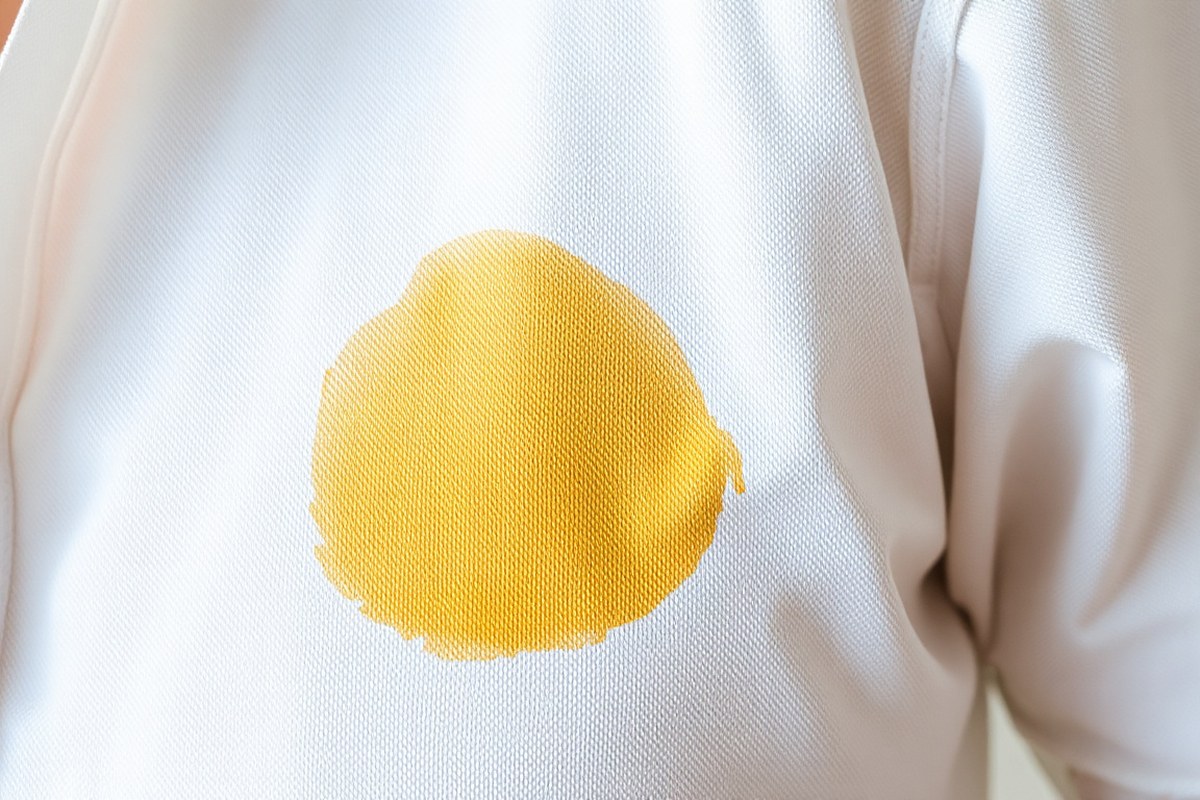
Removing underarm stains effectively depends on the type of fabric and the stain’s age, but proven household methods usually involve common ingredients like baking soda, hydrogen peroxide, and white vinegar. These ingredients react with sweat and deodorant residues to break down the stain without damaging the fabric when used correctly. Soaking and pre-treating for the right amount of time before washing improves results. Commercial enzyme cleaners also work well by breaking down proteins in stains, especially when allowed to sit for at least 30 minutes. Here is a reliable step-by-step method for removing underarm stains from white cotton shirts using household ingredients. For colored fabrics, a vinegar-based solution is recommended to avoid fading:
- Mix the stain remover: Combine 2 tablespoons each of baking soda, hydrogen peroxide, and water in a small bowl, stirring until you form a thick paste.
- Apply the paste: Spread the mixture generously on the stained area using a soft cloth or your fingers. This ensures the solution penetrates the fabric fibers.
- Let it sit: Allow the paste to sit on the stain for 20 to 30 minutes. This wait time is critical for the peroxide to work on breaking down the stain molecules without harming the shirt.
- Rinse thoroughly: After soaking, rinse the treated area with cold water to remove the paste and loosened stain particles.
- Wash as usual: Wash the garment on the warmest setting safe for the fabric with your regular detergent. Using warm water improve stain removal but check the care label first.
- Check before drying: Inspect the stain after washing. Apply the treatment again on any leftover stain before putting the clothing in the dryer, since heat may permanently fix the stain.
For colored shirts, create an equal-parts solution of white distilled vinegar and water. Dab the mixture onto the stain then let it soak for 10 to 15 minutes. Rinse with cold water and wash as usual. Vinegar helps break down underarm stains on colors without the risk of bleach-related fading.
Commercial products such as enzyme-based cleaners can be sprayed or applied directly to the stain. Following label directions, pre-treat for at least 30 minutes before laundering. These products are designed to target proteins in sweat and deodorant and can be a good alternative when household remedies fall short.
Common mistakes include letting stains sit too long before treatment or drying stained clothes, which makes stains tougher to remove. Applying stain treatments promptly and allowing them the recommended soak time gives the best chance of complete removal.
2. What Causes Underarm Stains and Why They Happen
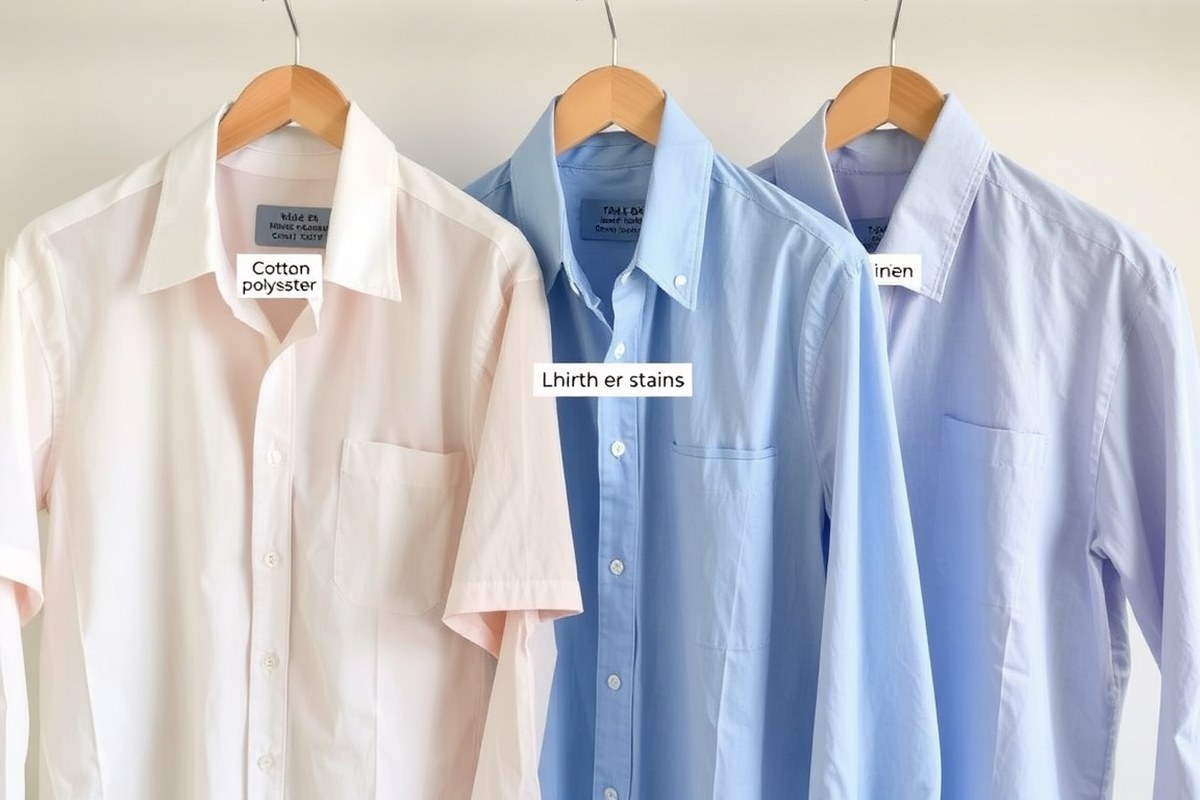
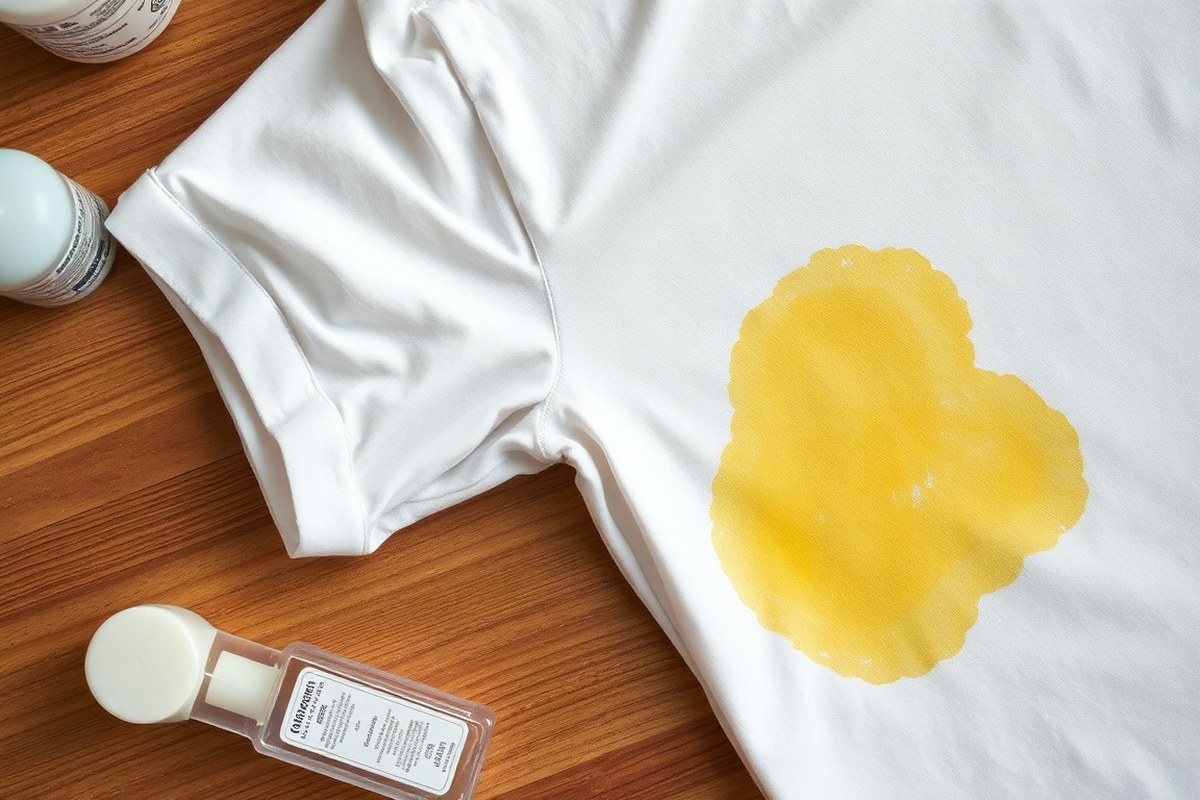
Underarm stains mostly happen because of a chemical reaction between your sweat, deodorant ingredients, and the fabric of your clothing. Sweat itself contains proteins and salts that soak into the fabric. Most antiperspirants contain aluminum compounds that mix with these sweat components, causing those yellowish stains commonly seen on white shirts. This reaction creates a discoloration that sets into the fibers and becomes harder to remove over time.
Deodorants and antiperspirants contribute in two main ways. First, the aluminum compounds form a bond with sweat proteins, producing the yellow stains. Second, some deodorants leave a white residue from ingredients that don’t dissolve completely. These white crusty marks appear on dark clothing and are different from the yellow stains caused by sweat but just as visible. The buildup of deodorant residue and bacteria in the armpit area can also add to the staining process.
Fabric type plays a significant role in how visible and stubborn underarm stains become. Natural fibers like cotton absorb and release moisture easily, so sweat and deodorant can penetrate quickly but may also rinse out more efficiently with prompt washing. Synthetic fabrics such as polyester trap sweat and deodorant within their fibers, making stains tougher to remove because they don’t release moisture as easily. Stains on light or white fabrics usually stand out more, particularly the yellow stains, while dark fabrics might show more of the deodorant’s white residue.
How the components interact matters a lot for stain removal. Once sweat and deodorant mix and dry on the fabric, heat from washing or drying often sets the stain deeper. Washing clothes with regular detergent as soon as you take them off helps prevent sweat, bacteria, and deodorant chemicals from settling in. Letting clothes sit without washing allows these substances to bond strongly to the fabric, making stains difficult to get out.
Switching to an aluminum-free deodorant can reduce stain formation because it removes the chemical that reacts with sweat. Choosing breathable fabrics helps reduce sweat buildup, lowering the chance for stains. Some laundry detergents may leave residues that interact poorly with sweat or deodorant, contributing to stiffness or stains, so the type of detergent can affect results.
To avoid stubborn stains, wash your shirts with detergent right after wearing them to stop sweat and deodorant from setting into the fabric.
3. How to Remove Stubborn and Old Set-In Stains
Old and set-in underarm stains can often be reduced significantly or removed completely, though they may need repeated treatment and some patience. More stubborn stains respond best to stronger cleaning agents like white vinegar soaks and a baking soda plus hydrogen peroxide paste. Applying treatments in stages and allowing enough time for them to work improves results without damaging your clothing.
Soaking in Vinegar Solutions
White vinegar helps break down deodorant buildup and sweat residue that cause set-in stains, especially on natural fabrics like cotton and linen. Vinegar also balances pH to loosen stains gently without harsh chemicals that might weaken fibers.
For older stains, soaking your garment in a diluted white vinegar solution can loosen grime before washing. Avoid soaking synthetics or delicate fabrics too long as vinegar may affect the finish or elasticity.
- Mix a soak solution using 2 parts cool water to 1 part distilled white vinegar.
- Submerge the stained underarm areas completely in the solution.
- Let the garment soak for 30 minutes to 1 hour; for stubborn stains, extend to 2 hours but avoid prolonged soaking that weakens fibers.
- Rinse thoroughly with cold water to remove vinegar residue.
- Wash according to fabric care instructions, ideally using a detergent boost recommended for stained clothes.
Applying Concentrated Baking Soda and Peroxide Paste
A paste of baking soda and hydrogen peroxide forms a powerful compound that breaks down protein-aluminum bonds in deodorant stains. This method suits white or light-colored cotton and linen fabrics but risks fading on synthetic or colored textiles.
This paste clings to the fabric to clean not only the stain but also the waxy buildup left by antiperspirants. Leaving it on long enough is key to breaking the tough bonds causing old stains.
- Mix two parts baking soda with one part 3% hydrogen peroxide and one part water at room temperature in a small bowl, creating a thick paste.
- Apply the paste generously to the underarm stain area using a sponge, toothbrush, or your fingers.
- Let the paste sit on the stain for 45 to 60 minutes, allowing it to penetrate fully.
- Rinse the treated area with cold water, removing as much paste as possible.
- Launder the garment on a cold or gentle cycle using your regular laundry detergent.
- Repeat treatment if the stain remains, but watch for fabric wear or color fading after multiple applications.
Using Commercial Stain Removers Safely
Enzyme-based stain removers offer a strong but fabric-friendly option for old underarm stains and work across most materials including synthetics and wool. These products target protein and grease components common in sweat stains.
Always choose a remover suited for your fabric type and follow label instructions closely to avoid damage. Some removers may require soaking the garment or applying before washing.
- Select an enzyme-based stain remover appropriate for your fabric (check if it’s safe for colors or delicate items).
- Apply the remover directly to the stained underarm area as per the product instructions.
- Allow the product to work for the recommended time, usually 15 to 30 minutes.
- For tougher stains, soak the garment in water mixed with the stain remover if indicated.
- Wash the garment using the usual detergent cycle, preferably with cold water to protect fabric fibers.
- Check the stain before drying; repeat treatment if necessary since heat from drying can set stains permanently.
4. Safe Use of Hydrogen Peroxide and Bleach Alternatives
Hydrogen peroxide is an effective option for removing underarm stains from white clothing. A 3% hydrogen peroxide solution can lift sweat stains and neutralize odors without damaging most white fabrics. It is important to test a small, hidden area first to make sure your fabric is color-safe. Avoid using hydrogen peroxide on colored fabrics unless the spot-test confirms it won’t cause fading.
Chlorine bleach is not a safe choice for underarm stains on most garments, especially those with protein-based yellow stains from sweat. Chlorine bleach can actually worsen yellowing and damage fibers. Instead, oxygen-based bleach serves as a safer alternative for whites. Mixing equal parts oxygen bleach and household ammonia can improve stain removal power for stubborn yellow armpit stains, but this method demands careful handling and spot-testing. Here is a helpful table that outlines safe stain removal options, their best uses, and important tips:
| Cleaning Agent | Best Use | Application Tips |
|---|---|---|
| 3% Hydrogen Peroxide | Whites; fresh and set-in sweat stains | Spot-test on white fabric; apply directly to stain and let sit 10-15 minutes; rinse before washing |
| Chlorine Bleach | Not recommended for underarm stains | Can worsen yellow stains; avoid unless garment care label explicitly allows it |
| Oxygen-Based Bleach | Whites and colorfast fabrics with tough sweat stains | Use according to package directions; soak garment in solution; combine with detergent for best results |
| Oxygen Bleach + Household Ammonia | Heavily yellowed armpit areas on white fabrics | Use equal parts; soak garment in mixture with detergent; rinse thoroughly; avoid mixing with chlorine bleach |
To apply hydrogen peroxide safely, lay your stained shirt on a flat surface, pour a small amount of 3% hydrogen peroxide directly on the stain, and allow it to sit for 10 to 15 minutes. Then rinse with cold water before washing as usual. Do not dry the shirt in a dryer until the stain is fully removed, because heat can set it permanently.
Oxygen bleach, often labeled as “color-safe bleach,” typically costs between $5 and $10 for a container sufficient to treat multiple loads. It works best when dissolved in warm water and combined with laundry detergent for soaking. For seriously set-in stains, adding household ammonia in equal parts can boost effectiveness but increases the risk of fabric damage if not carefully rinsed. Always wear gloves and ensure good ventilation when using ammonia-based mixtures.
5. Natural Remedies and Household Ingredients That Work
Natural ingredients like white vinegar, lemon juice, baking soda, and salt work well to remove underarm stains safely and affordably. They break down sweat residues and discoloration without harsh chemicals. Using these household items in simple recipes can refresh your clothes while protecting fabric integrity, especially when you follow specific steps and tailor the methods to fabric type and stain severity.
White Vinegar Soak Method
White vinegar is effective at breaking down protein-based sweat stains, making it ideal for colored and white fabrics that cannot handle bleach. Diluting vinegar avoids damaging fibers while loosening stains before washing.
Use a soak with a solution of one part white distilled vinegar to two parts water for best results. This method is gentle enough for most clothes but always test on an inconspicuous spot first. Soaking for 30 minutes softens stains, allowing normal washing to remove them more easily.
- Fill a basin or sink with enough warm water to cover the stained area.
- Add one part white distilled vinegar and two parts water, mixing well.
- Submerge the underarm stained section into the solution.
- Allow the garment to soak for 30 minutes at room temperature.
- Remove the garment from the soak and gently rub the stained fabric to loosen any residue.
- Wash the garment immediately using your regular laundry detergent on the warmest safe setting.
- Check the stain before drying; repeat soaking if needed, as drying can set leftover stains.
Test vinegar on a hidden area first to avoid color fading, especially on bright or delicate fabrics.
Lemon Juice and Sunlight Technique
Lemon juice contains natural acids that bleach and clear underarm stains when combined with sunlight. This technique works well on white or light-colored cotton clothing. The sunlight acts as a natural brightener, intensifying the stain-lifting power of the lemon juice without chemicals.
The process includes applying pure lemon juice directly on the stain, gently rubbing it in, and laying the clothing in direct sun for 1 to 2 hours. This is an inexpensive, chemical-free approach with minimal risk of damage to sturdy garments.
- Squeeze fresh lemon juice on the underarm stained area until it is saturated.
- Rub the fabric together gently to distribute the lemon juice evenly on the stain.
- Lay the garment flat in direct sunlight outdoors or near a bright window for 1 to 2 hours.
- Rinse the garment under cold water to remove lemon residue.
- Launder as usual with mild detergent.
- Repeat the process if the stain remains visible before drying.
Use caution with lemon juice on colored fabrics, as the acid and sun can cause fading or discoloration.
Baking Soda and Salt Paste Recipe
A paste combining baking soda, salt, and hydrogen peroxide creates a powerful natural stain remover. Baking soda and salt act as gentle abrasives and deodorisers, while hydrogen peroxide breaks down tough sweat stains through its mild bleaching effect. This option suits durable white fabrics but should be used sparingly on colors due to the peroxide.
Mix half a cup of baking soda with one tablespoon each of salt and hydrogen peroxide. Apply the paste to the underarm stain and let it sit for 30 minutes before washing. The abrasive action lifts stains while the peroxide works to brighten fabric safely.
- Combine ½ cup baking soda, 1 tablespoon salt, and 1 tablespoon hydrogen peroxide in a bowl.
- Mix thoroughly to form a thick paste.
- Spread the paste over the underarm stain, ensuring full coverage.
- Let the paste sit on the fabric for 30 minutes at room temperature.
- Rinse the paste off under cold water, gently rubbing if necessary.
- Wash the garment with mild detergent on a warm setting suitable for the fabric.
- Inspect the stain before drying; repeat if needed to avoid setting the stain with heat.
Avoid using this paste on delicate or dark-colored fabrics to prevent bleaching or fabric damage.
6. Preventing Underarm Stains: Tips and Best Practices
Reducing underarm stains starts with the right deodorant and fabric choices. Deodorants labeled antiperspirants that control sweat can lower moisture and protein buildup, which often react and cause stains. Apply antiperspirant only to clean, dry skin and let it dry completely before putting on clothes. This helps prevent transfer to the fabric and decreases stain chances.
Clothing fabrics also matter because sweat and bacteria interact differently depending on breathability and moisture-wicking properties. Cotton and linen are better choices for daily wear as they allow air circulation and reduce sweat accumulation. Polyester traps heat and moisture, increasing sweat stains and odor risk. Wearing moisture-wicking undershirts can add a barrier for better stain control.
Heat plays a key role in setting stains. Avoid drying stained clothes in the dryer before treating stains, as high temperatures can make residue bind permanently to fibers. Air drying or line drying clothing after washing helps prevent stains from becoming permanent. Washing clothes promptly after sweating also stops bacteria and deodorant buildup that leads to discoloration.
- Apply antiperspirant to dry skin and wait 5 minutes before dressing
- Choose cotton or linen shirts for better breathability and stain resistance
- Wear an undershirt to absorb sweat and deodorant residue
- Wash shirts soon after use to avoid protein buildup on fabric
- Use a good laundry detergent formulated to tackle sweat and oils
- Skip fabric softeners and dryer sheets to prevent residue buildup
- Air-dry clothes to avoid heat setting any residual stains
Using laundry detergents designed for sweat and oil removal gives clothes a better chance at staying fresh and stain-free. These detergents provide the agitation and enzymes necessary to break down protein and deodorant residue. Avoid fabric softeners or dryer sheets because they leave a film that traps oils and dirt, worsening stains over time.
Consistent laundry habits paired with proper fabric and deodorant choices help reduce how often you deal with underarm stains. Small routines like washing clothes promptly and air drying them after each wear create the best environment to keep those fabric areas looking clean longer.
7. Choosing the Right Method for Different Fabrics and Colors
Choosing the right method for removing underarm stains depends heavily on the fabric type and the color of the clothing. Cotton, silk, and synthetic fibers react differently to cleaning agents, so selecting a suitable stain remover is essential to avoid damaging your garment while effectively lifting the stain. Testing a small hidden area of the fabric before full treatment can prevent unwanted fading or damage.
For cotton fabrics, especially white cotton, a two-step process involving pre-treatment and soaking works well. This approach can tackle older, set-in stains effectively. White cotton shirts can often tolerate stronger agents like hydrogen peroxide, but it’s important to avoid using such bleach alternatives on colored or delicate fabrics without testing first. Colored shirts require gentler methods to preserve their hues.
| Fabric Type | Recommended Stain Removal Method | Use of Hydrogen Peroxide | Precautions |
|---|---|---|---|
| Cotton (White) | Two-step method: apply stain remover, soak 30 min to overnight | Yes, safe for white cotton | Avoid hot water to prevent further discoloration |
| Cotton (Colored) | Pre-treat with stain remover for colors, vinegar solution (1:1 vinegar to water) | No, can bleach colors | Test in an inconspicuous spot; use cold water |
| Synthetics | Gentle stain remover or detergent for delicate fabrics | Usually no, may cause damage or color loss | Test fabric for colorfastness first; avoid harsh chemicals |
| Silk and Delicates | Mild detergent or specialized gentle stain remover | No, risks damage | Spot test and use cold water only |
Before applying any stain remover or treatment to the underarm area, test the product on a hidden seam or inside hem. Apply a small amount, wait 10 to 15 minutes, rinse, then assess for color change or fabric damage. If the fabric reacts negatively, select a milder method. This test costs only a few seconds and can save the garment from irreversible harm.
For colored fabrics, avoid peroxide. Instead, pre-treat the stain with a detergent designed specifically for colorfastness, or use a diluted vinegar solution (mix equal parts distilled white vinegar and water). Let the solution sit on the stain for about 30 minutes before washing in cold water. This protects fabric dyes while addressing discoloration caused by sweat and deodorant buildup.
Choosing the best stain removal process means balancing effectiveness against fabric safety. White cotton tolerates stronger treatments and prolonged soaking. Colored or synthetic fabrics need gentler, tested options to prevent worsening the stain or causing color loss. Testing fabric type and colorfastness saves time and avoids costly clothing damage.
8. Common Mistakes and How to Fix Them When Removing Stains
Common mistakes in removing underarm stains include using heat too early, scrubbing too harshly, or applying stain removers unevenly. Catching these errors quickly helps prevent damage to fabric and keeps stains from setting permanently. Understanding exactly what to do, and avoid, improves your chances of a clean shirt without wasting product or wear.
Avoiding Heat During Treatment
Heat is one of the biggest enemies when trying to remove underarm stains. Using hot water or placing the garment in a dryer before the stain is fully gone can cause it to set permanently. The high temperatures react with proteins and chemicals in sweat stains, locking them into the fabric fibers.
To prevent this, always wash stained items in cold or lukewarm water first. After treatment, air-dry or drip-dry the garment at room temperature. Avoid ironing directly over the stain as well.
- Use cold or lukewarm water to wash the stained area
- Skip the dryer until stains are completely removed
- Air-dry shirts in a well-ventilated area
- Do not iron on stained sections
- Check the stain when the garment is fully dry before deciding on re-treatment
Never put a garment in the dryer with any visible stain; heat can turn it into a permanent mark.
Proper Application and Timing
Uneven application of stain removers or rinsing them off too soon lowers their effectiveness. Using a soft-bristled brush to lightly scrub the underarm area helps break up residues, making removal easier. Adhere closely to product instructions for timing, as most stain removers perform best when left on for 15 to 30 minutes prior to laundering.
Rushing the process or over-saturating fabric can cause damage or spread the stain. Test stain removers on a hidden part of the fabric before full application, especially on colored shirts, to avoid discoloration.
- Apply stain remover evenly on the entire underarm area
- Use a soft brush to work the solution into fabric gently
- Let the product sit according to instructions (usually 15-30 minutes)
- Rinse or wash with cold water after treatment
- Repeat only if stain remains, avoiding overuse
What to Do If Stains Persist
When stains worsen or don’t fade, stop using harsh chemicals or heat. Instead, rinse the area thoroughly and apply a different gentle treatment, such as an enzymatic cleaner or oxygen-based stain remover. Sometimes repeating the treatment a few times with cold water washes between helps break down the stain more effectively.
For persistent stains, soaking the shirt overnight in a diluted solution made of water and stain remover can be a practical step. Avoid bleach on colored fabrics or delicate materials because it can cause damage or uneven fading.
- Rinse garment thoroughly if stain worsens
- Try a different mild stain remover or enzymatic cleaner
- Soak shirts overnight in water with a small amount of cleaner
- Repeat cold water washing cycles before drying
- Consult clothing care labels before switching products
Stains that don’t fade after multiple treatments might require professional cleaning to prevent additional damage to your clothing.
Step-by-Step Action Plan to Remove Underarm Stains
Follow these steps to tackle underarm stains effectively and keep your clothes looking clean without damage.
- Before you start: Identify the fabric and color of the garment to pick the safest stain removal method.
- Day 1: Pre-treat the stain with a mix of liquid detergent and water, allowing it to sit for 15 minutes; this loosens fresh stains.
- Day 1: Apply hydrogen peroxide solution (3%) if fabric is white or colorfast; test on a hidden spot first to avoid discoloration.
- Day 1: For colored fabrics, use a stain remover designed for colors or try a paste of baking soda and water; rinse thoroughly after 30 minutes.
- Day 2: Wash the garment in cold water with your regular detergent to prevent setting the stain; check stain before drying.
- After washing: Air dry the garment; avoid the dryer since heat can set remaining stains.
- After 2 weeks: For old or set-in stains still visible, repeat pre-treatment and consider soaking the garment overnight in a solution of water and oxygen-based bleach.
- Ongoing: Use underarm shields or deodorant designed for minimal staining to prevent future buildup.
Frequently Asked Questions
Why Do Pit Stains Happen?
Pit stains happen when sweat mixes with deodorant ingredients and fabrics, causing yellow discoloration. These stains often result from aluminum compounds reacting with sweat proteins, which leads to that lingering yellow mark on clothing.
Can Dry Cleaning Remove Stains?
Dry cleaning can remove some underarm stains but may not always eliminate yellow sweat marks. It is more effective on oil-based stains, so severe or set-in underarm stains might need additional treatment before dry cleaning.
Will Hydrogen Peroxide Remove Stains?
Yes, hydrogen peroxide can remove underarm stains, especially when combined with baking soda and water. This mixture breaks down sweat and deodorant buildup safely on white fabrics while deodorizing the area.
Can You Remove Old Set-In Stains?
Old set-in underarm stains can be removed using a paste of hydrogen peroxide and baking soda left on the spot for at least 10 minutes before washing. This treatment helps break down tough, yellowed sweat marks but may require repeated applications.
What Causes the Yellow Color in Underarm Stains?
The yellow color comes from a chemical reaction between sweat, deodorant ingredients like aluminum, and fabric fibers. This reaction produces stubborn stains that often worsen when exposed to heat, such as in dryers.
Is It Safe to Use Bleach on Underarm Stains?
Bleach can remove some underarm stains but risks damaging fabrics or causing color loss. It’s safer to use oxygen-based bleach alternatives and always test on a small hidden area first.
Final Thoughts
Removing underarm stains takes patience and the right approach for your specific fabric. Start with gentle treatments and test any product on a small area before full use. Your next step should be to inspect your clothes regularly for early stains and treat them promptly to maintain their appearance and longevity.