How to Wash Gym Shoes Safely: A Complete Guide with Proven Tips
You can wash gym shoes safely at home either by using a washing machine or hand washing, depending on the shoe material and condition. Proper preparation, the right cleaning products, and careful drying will protect your shoes and keep them in good shape longer. This advice suits gym users and fitness enthusiasts aiming to clean their gym shoes effectively without causing damage.
This article explains precise methods to wash your gym shoes, including when to machine wash or hand wash, steps to prepare your shoes, and tips for drying and removing odors. You will also learn how to avoid common mistakes and decide when your shoes need repair or replacement.
Key Takeaways
- Remove insoles and laces before washing to clean each part thoroughly and prevent damage.
- Machine wash gym shoes on a gentle cycle using cold water and mild detergent for safe cleaning.
- Hand wash delicate gym shoes with a soft brush and gentle soap to protect the materials.
- Let gym shoes dry naturally, away from direct heat, for 24 to 48 hours to avoid warping.
- Use baking soda or specialized sprays to eliminate persistent odors from gym shoes effectively.
- Repair detached soles promptly with shoe glue and allow 24 hours for proper bonding before use.
Can You Wash Gym Shoes in a Washing Machine?
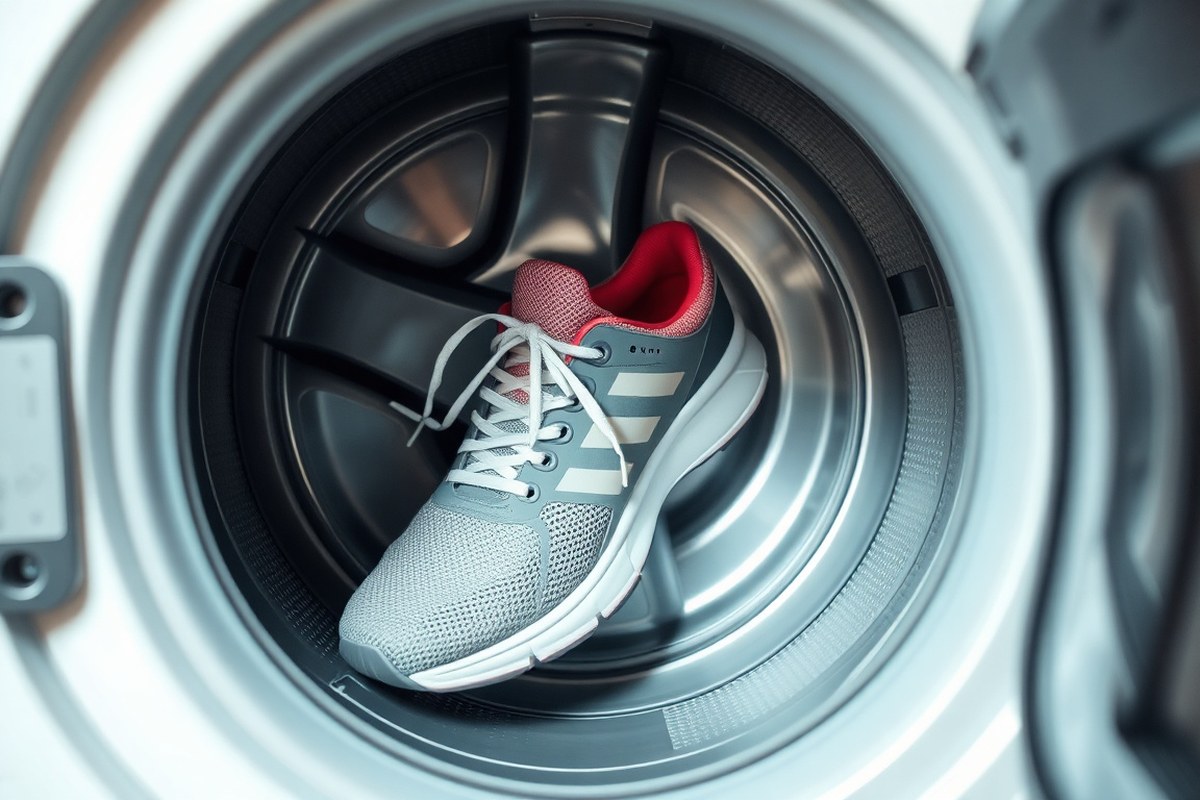
Yes, you can wash most gym shoes in a washing machine safely, but it depends on the shoe material and construction. Fabric, mesh, and synthetic materials usually hold up well, while leather, suede, or shoes with glued parts can suffer damage or warping. Using a gentle cycle with cold or warm water helps minimize wear and tear. Protect your shoes by placing them inside a mesh laundry bag and washing them alongside a few towels to balance the load and reduce impact. Avoid the dryer because heat from it can warp or shrink your shoes; air drying is best. Follow these steps to machine wash your gym shoes without causing damage and to keep them fresh for your workouts.
- Check the shoe material: Confirm your gym shoes are made from fabric, synthetic mesh, or other washable materials. Avoid washing if they contain leather, suede, or delicate glued parts.
- Remove components: Take out the laces and insoles to clean separately and reduce tangling or damage during washing.
- Pre-clean: Brush off loose dirt and debris. Spot clean stubborn stains with mild soap and water before using the machine.
- Place shoes in a mesh laundry bag: This protects them from getting banged around inside the washer.
- Load towels into the washer: Add 2, 3 old towels to cushion the shoes and evenly distribute the weight in the drum.
- Use mild detergent and select the gentle cycle: Set the water temperature to cold or warm (not hot) to avoid damaging materials or weakening glue.
- Remove promptly: Take shoes out immediately after the cycle to prevent prolonged moisture exposure.
- Air dry your shoes: Stuff them with paper towels or newspaper to maintain shape and let them dry naturally away from direct heat or sunlight, which can cause shrinkage or warping.
Machine washing is convenient and can remove odors and sweat buildup effectively. However, always verify shoe care labels or manufacturer advice first to avoid voiding warranties or damaging your shoes. Frequent washing can shorten shoe lifespan, so limit machine washes to when your gym shoes are heavily soiled or smelly rather than after every workout.
How to Hand Wash Gym Shoes for Delicate Materials

Hand washing gym shoes made from leather, suede, or delicate textiles protects their material integrity while effectively cleaning. Using mild soaps and gentle techniques prevents damage such as cracking, fading, or fabric distortion. This careful approach keeps your shoes looking fresh without the risks that come with machine washing.
Gathering the Right Supplies
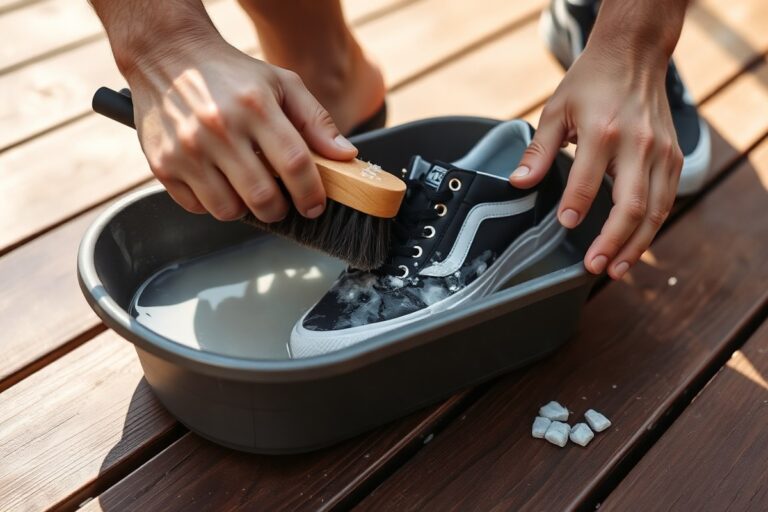
Collecting appropriate cleaning tools and products is important before you start. Choose a mild liquid soap or a cleaner specifically designed for leather or suede to avoid harsh chemicals. Use soft brushes or microfiber cloths to protect the delicate surfaces of your shoes. You will need a basin or sink, lukewarm water (around 90°F or 32°C), a gentle cleaner, a soft-bristled brush or microfiber cloth, a clean towel, and optionally, a suede brush or eraser for suede spots.
Cleaning Steps for Delicate Shoes
Follow these steps carefully to clean your gym shoes by hand without risking damage.
- Remove the laces and insoles to clean separately, reducing moisture exposure to sensitive parts.
- Brush off loose dirt gently with a dry soft-bristled brush or cloth. Use a suede brush if you are cleaning suede areas.
- Mix a small amount (about one teaspoon) of mild liquid soap in a basin filled with lukewarm water.
- Dip the cloth or soft brush into the soapy water, wring out excess liquid to avoid oversaturating your shoes.
- Wipe the shoes carefully, focusing on stained or soiled spots. For stubborn stains on suede, gently rub with a suede eraser, avoiding water where possible.
- Rinse the cloth in clean water, wring it well, and wipe away any soap residue.
- Pat dry the shoes gently with a towel to remove excess moisture.
- Air dry in a well-ventilated area away from direct heat or sunlight, which can damage leather and suede.
Use only a small amount of water and soap, too much moisture can warp or stain delicate materials like leather and suede.
Drying Hand-Washed Shoes Safely
Proper drying preserves the shoe’s shape and texture. After cleaning, place your shoes on a dry towel in a shaded, ventilated spot. Avoid direct sunlight, radiators, or hair dryers, as these can cause leather to crack and fade or suede to stiffen.
Remove the insoles and let them air dry separately. You can stuff the shoes with crumpled paper towels to absorb moisture and maintain their form. Changing the paper every few hours helps speed drying without causing stiffness or odor.
Preparing Gym Shoes for Washing: Remove, Clean, and Protect
Preparing your gym shoes properly before washing helps protect their shape and materials. Remove laces and insoles, knock off loose dirt, and pretreat stains to get the best cleaning results. These steps prevent damage and help detergents reach dirt more effectively.
Removing Laces and Insoles
Always take out both the laces and insoles before washing your gym shoes. Dirt tends to collect around the eyelets where laces sit, which can trap grime and affect washing quality. Taking out insoles the night before washing allows them to air out and dry faster after cleaning. This also lets you clean them separately and more thoroughly without risking damage to the shoe’s interior structure.
Take out the laces entirely and keep them aside. Clean them by hand or place them inside a mesh laundry bag and run through the washing machine. Gently remove the insoles and clean them with a cloth soaked in a mix of one cup warm water and one tablespoon baking soda. Allow the insoles to dry completely before putting them back in your shoes.
Brushing Off Loose Dirt
Knocking off loose dirt from the outside and inside of your gym shoes before washing prevents dirt from settling into the fabrics or clogging washing machine filters. Use a dry brush or an old toothbrush to get into crevices like the outsole grooves and stitch lines. For interior dirt and debris, vacuuming with a brush attachment helps remove particles trapped deep inside.
Rinse the outside with cool water to loosen any stuck-on grime, but avoid soaking shoes until stains are treated. This pre-rinse step reduces the amount of dirt floating freely during washing, which can affect overall cleanliness.
- Tap soles together to shake off large clumps of mud
- Use a stiff-bristled brush on the outsole and midsole
- Vacuum inside shoes with brush attachment to remove loose dirt
- Rinse shoes under cool running water if heavily soiled
- Remove debris from eyelets and tongue areas thoroughly
These efforts save time during the washing process and protect your shoes from extra wear caused by abrasive dirt particles.
Pre-Treating Stains for Best Results
Treat stubborn stains by applying a stain remover or a small amount of laundry detergent right on the spot before washing. This helps break down dirt and sweat stains from tough workouts or trail runs. Use a soft brush or cloth to work the detergent into the stain, then leave it for 10 to 15 minutes before cleaning the shoes.
For ingrained dirt or marks on fabric uppers, a baking soda paste (made by mixing baking soda and water) can also help lift stains when rubbed gently. Avoid using bleach or harsh chemicals that can discolor or damage shoe materials. Doing this pretreatment protects delicate components like mesh or synthetic leather and results in a more thorough clean without extra washing cycles.
Best Cleaning Products and Tools for Gym Shoes
Use a mild detergent when washing your gym shoes to avoid damaging the materials. Choose a gentle liquid detergent without bleach, especially for shoes with mesh or fabric parts. For white gym shoes, you can try a mixture of baking soda and mild soap first because baking soda effectively removes odors while safely cleaning the surface.
Baking soda also works well as a natural deodorizer. To use it, sprinkle baking soda generously inside your gym shoes when you’re not wearing them. Leave it overnight or for at least several hours to absorb moisture and smells. For insoles, take them out and place them in a sealed container or box filled with baking soda for the same amount of time. This helps tackle deeper odors that washing might not fully remove.
Bleach should be used with caution. Though it can brighten white gym shoes, it may harm some fabrics and adhesives, causing yellowing or weakening over time. It’s better to avoid bleach unless the shoe’s label explicitly states it is safe. Instead, stick to baking soda and mild soap for a safer clean and odor control.
Using the right tools improve cleaning efficiency. A soft-bristle brush or an old toothbrush works best for scrubbing away dirt and stains without causing damage. Avoid stiff brushes that can tear fabric or mesh. For stain removal, work gently with a paste of baking soda and water or a small amount of mild detergent, then rinse thoroughly. Here is a quick reference table with cleaning products and tools tailored for gym shoes:
| Product/Tool | Purpose | How to Use | Cost Estimate | Effectiveness & Notes |
|---|---|---|---|---|
| Mild Liquid Detergent | General washing | Use normal laundry amount in hand or machine wash | $5, $10 per bottle | Safe for most materials; avoids damage or fading |
| Baking Soda | Odor removal | Sprinkle inside shoes or insoles, let sit 6+ hours | Under $1 for a box | Natural deodorizer, low risk for all shoe types |
| Soft-Bristle Brush | Cleaning dirt and stains | Gently scrub shoes after applying detergent or paste | $3, $7 each | Prevents damage to fabrics and mesh |
| White Vinegar | Odor elimination | Dilute with water, apply with cloth, air dry | $2, $5 per bottle | Good alternative odor remover, avoid on delicate leather |
| Bleach (with caution) | Whitening white shoes | Dilute heavily, test spot first, rinse well | $3, $6 | May damage fabric; not recommended unless label permits |
Using common household items like baking soda and white vinegar offers a cost-effective and gentle way to freshen gym shoes without harsh chemicals. Soft brushes help clean without tearing mesh or fabric. Avoid bleach on most shoes unless you have confirmed it’s safe, as damage can be permanent and costly to repair.
How to Dry Gym Shoes Safely and Effectively
Drying gym shoes safely takes time and care to avoid damage. It usually takes about 12 to 24 hours for gym shoes to air dry completely, depending on material and humidity. Using proper drying methods helps maintain the shoe’s shape and performance.
Ideal Air-Drying Conditions
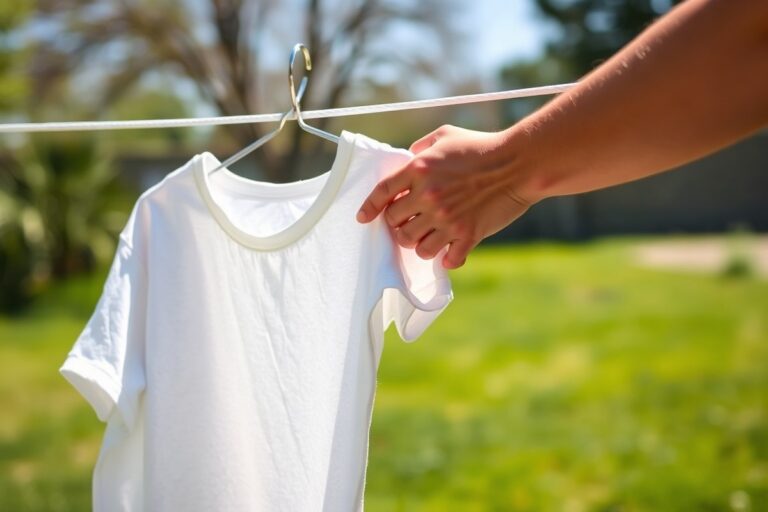
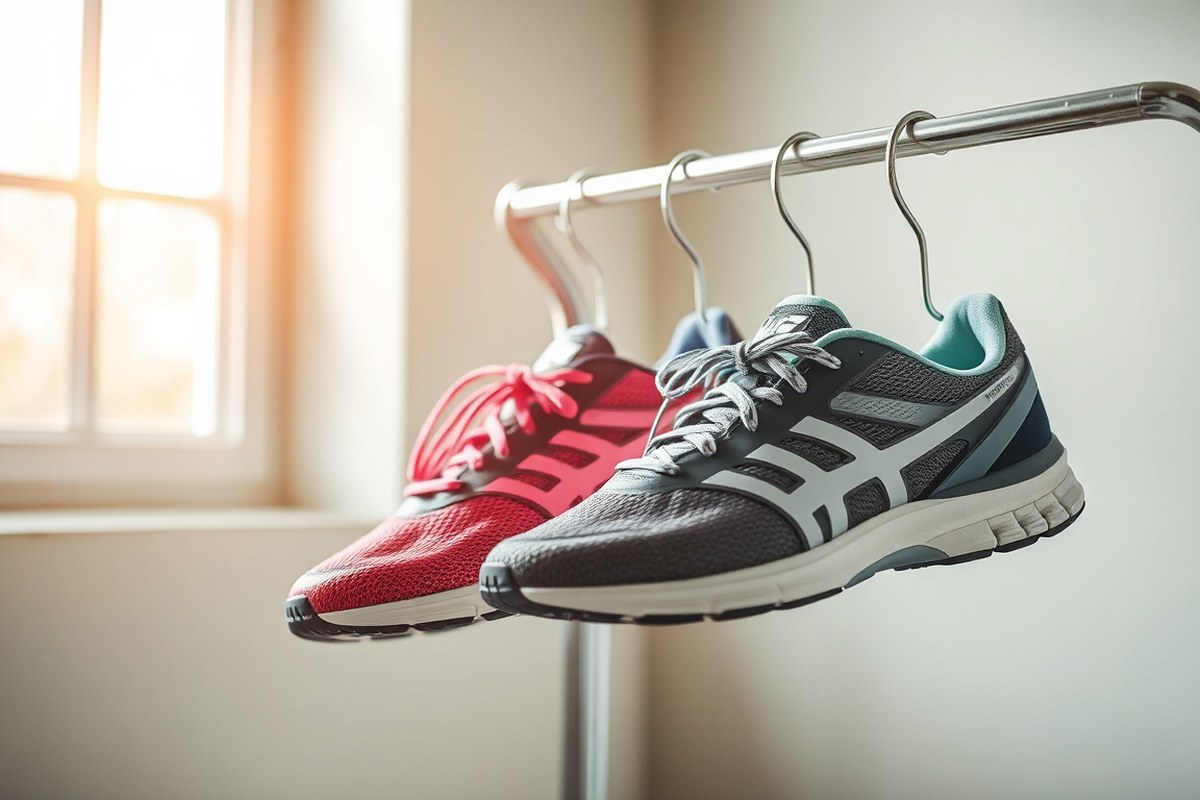
Air drying gym shoes in a well-ventilated space at room temperature is best. Keeping the shoes away from direct sunlight prevents materials from shrinking or fading. Place shoes somewhere that allows air to circulate freely around them, such as on a drying rack or open shelf. Humidity levels affect drying time greatly; in a dry environment, shoes may dry within 12 hours, while high humidity can extend this to 24 hours or more.
Removing insoles and loosening laces can speed up drying by improving airflow inside the shoe. Drying gym shoes indoors on a surface that won’t collect moisture, such as wood or metal, reduces the risk of damage. Avoid damp basements or enclosed spaces that trap moisture and prolong the drying process.
Using Fans and Other Aids
You can use a fan or place shoes near an air vent to shorten drying times to a few hours. A fan helps by increasing airflow, which evaporates moisture faster without adding heat. Putting shoes in front of a dehumidifier also speeds drying by reducing humidity in the surrounding air.
Avoid stuffing shoes too tightly with towels or newspaper, since excessive pressure may deform them. Instead, loosely pack a few sheets of newspaper inside to absorb moisture while maintaining the shoe’s shape. Specialized shoe dryers that blow gentle warm air circulate air without reaching high temperatures, making them a safe option if used according to manufacturer instructions.
Avoiding Damage from Heat and Sunlight
Never put gym shoes in a clothes dryer or near direct heat sources like radiators or space heaters. High temperatures can warp shoe soles, break down adhesives, and cause shrinkage, leading to an ill fit. Direct sunlight can also cause materials and colors to fade, dry out the glue, and shrink the shoe fabric.
Instead of heat, rely on airflow and moderate room temperature to dry shoes safely. If you must use a dryer, only do so with shoes designed for machine drying and follow care labels strictly, otherwise, air drying is the safest method. Proper drying avoids damage and helps your gym shoes last longer while maintaining comfort.
Never put your gym shoes in a clothes dryer or direct sunlight to prevent warping, glue failure, and fading. Air drying with good ventilation is safer and more effective.
Removing Odors and Stubborn Stains from Gym Shoes
Bad smells in gym shoes come from bacteria and sweat trapped inside. To remove odors, start by airing out your shoes thoroughly after each use, ideally in direct sunlight for a few hours. For deeper deodorizing, sprinkle baking soda inside the shoes and leave it overnight to absorb moisture and neutralize smells. Shake out the powder before wearing. Another effective method is using odor-neutralizing sprays specifically designed for footwear, which can reach bacteria lurking in hard-to-clean areas.
Stubborn stains need a targeted approach to avoid damaging your gym shoes. For fabric or mesh shoes, apply a gentle stain remover or a mixture of mild detergent and water directly to the stained area. Let it sit for 10 to 15 minutes before scrubbing lightly with a soft brush or cloth. Avoid harsh chemicals like bleach, which can discolor or weaken materials. For rubber or plastic parts, a magic eraser or diluted white vinegar works well to lift grime without harm.
Essential oils like tea tree or eucalyptus can help deodorize gym shoes naturally due to their antimicrobial properties. Add a few drops to a cotton ball, then place it inside your shoes for several hours or overnight. This method masks odors and reduces bacteria without wetting your shoes. Essential oils are a cost-effective option and provide a fresh scent, but don’t rely on them alone to remove heavy stains or buildup.
- Air out shoes in sunlight for 3, 4 hours after use
- Sprinkle baking soda inside shoes and leave overnight
- Use mild detergent or shoe-specific stain remover for fabric stains
- Scrub gently with a soft brush or cloth on stained spots
- Apply vinegar or magic erasers for rubber or plastic stains
- Use essential oil, dampened cotton balls for deodorizing
- Clean spills immediately to avoid permanent stains and odor
Following these steps helps maintain your gym shoes’ appearance and comfort. Proper odor removal reduces the risk of bacterial growth that can cause foot infections. Stain treatment keeps your shoes looking fresh and can extend their life. Watch for discoloration or fabric damage as signs you may need to adjust cleaning methods. When done correctly, these techniques take about 30 minutes to an hour for treatment and cost less than $10 for basic supplies like baking soda and essential oils.
Common Washing Mistakes and How to Avoid Them
Washing gym shoes incorrectly can lead to shrinking, deformation, and damage that ruins their fit and performance. Shoes often shrink or lose their shape when exposed to high heat or harsh agitation. For example, placing gym shoes in a hot dryer or washing them with a heavy cycle can warp the sole or cause the upper materials to tighten unevenly. To avoid this, wash shoes in cold water and air dry them away from direct heat or sunlight. Heat can cause the glue bonding the sole and upper to fail, leading to sole detachment. If glue failure occurs, use a strong shoe glue designed for athletic shoes and clamp or weight the shoe firmly for at least 24 hours until the glue fully cures.
Color fading happens when shoes are washed with harsh detergents or bleached accidentally. Using mild, color-safe detergents protects the shoe’s appearance. Never use bleach or strong chemical cleaners on gym shoes, especially those with fabric or mesh uppers. Light scrubbing with a soft brush and gentle soap is sufficient for stains, and thorough rinsing prevents soap residue that can dull colors. Avoid machines with agitators, as rough tumbling increases fabric abrasion and accelerates color loss.
One common mistake is washing shoes with leftover dirt or mud still caked on. This can embed grime deeper into the fabric or soak into seams, making stains harder to remove and promoting odor. Remove excess dirt with a soft brush or cloth before washing. Ground-in mud requires soaking shoes briefly in cold water to loosen particles before cleaning. Skipping this step often results in clothes getting dirtier during washing and shoe materials degrading faster.
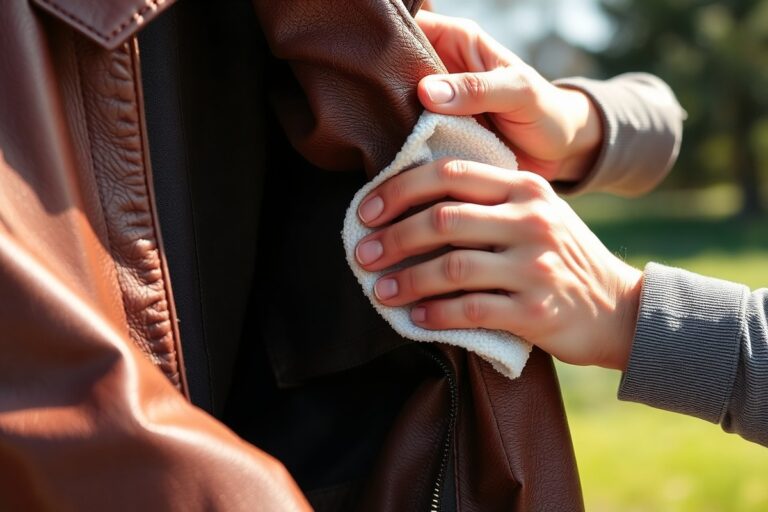
Another key error is ignoring the shoe material. Leather or suede gym shoes should not be submerged in water or cleaned aggressively. Spot clean these materials with specialized leather or suede cleaners and conditioners to maintain flexibility and water resistance. For synthetic or mesh shoes, a gentle hand wash with cold water is best. Avoid washing machines altogether for delicate or glued shoes to prevent stitching damage or sole separation.
Finally, forcing shoes to dry quickly with high heat causes shrinking and stiffness. Air drying at room temperature maintains the shoe’s shape and cushioning. Stuffing shoes with newspaper helps absorb moisture and speeds drying without heat. Avoid direct sunlight or heaters that can warp soles or fade colors. Proper drying takes time, expect 24 to 48 hours for complete drying depending on humidity.
When to Wash, Repair, or Replace Your Gym Shoes
You should wash your gym shoes as needed, typically after about 15 to 20 workouts or when they show visible dirt and odors. Washing too often can wear down materials and adhesives, so focus on cleaning only when performance or hygiene is affected. For example, washing after every use isn’t necessary unless your shoes are particularly dirty or sweaty. Using the 3 shoe rule helps extend shoe lifespan: rotate between three pairs throughout the week to allow each pair to dry properly and reduce wear. This rotation means you wash one pair while using the others, preventing excess moisture buildup that can cause odors or material breakdown.
Running shoes generally last between 300 to 500 miles, which usually translates to about 1 to 2 years of regular use. Beyond this mileage, cushioning and support begin to diminish, increasing injury risk. Tracking your workouts by distance means replacing your gym shoes after about 400 miles to keep performance and protect your feet. For gym users doing various activities, consider a time-based rule: replace shoes every 12 to 18 months, even if mileage is lower, because materials degrade with sweat and repeated stress.
Signs that your shoes need repair include detached soles, broken eyelets, or damaged insoles that affect fit and comfort. Minor issues like loose stitching or worn laces can be fixed at home or by a professional, extending your shoe’s life at a low cost, usually under $20. Shoe repair specialists with decades of experience, such as Carroll’s, recommend addressing small damages promptly to avoid complete replacement. When midsole cushioning is compressed or outsole tread is smooth, it’s better to replace the shoes than repair them, since the core support system is compromised and cannot be restored by cleaning or patching.
Washing should accompany regular inspection. After cleaning, use a checklist to assess wear: check for heel wear, midsole compression, outsole tread depth, upper tears, and comfort during movement. When two or more areas show serious wear or you experience discomfort, it’s time to replace your shoes. Washing removes dirt that can mask damage but doesn’t restore worn support or stability. Avoid washing shoes that are already structurally compromised, as water and detergents may accelerate material breakdown.
Never continue using gym shoes with flattened cushioning or severely worn soles, as this raises injury risk regardless of how clean they look.
Step-by-Step Action Plan for Washing Your Gym Shoes
Follow these steps to clean your gym shoes safely and keep them in good shape for your workouts.
- Before your next workout: Remove loose dirt and debris using a soft brush or cloth to prevent damage during washing.
- Right after exercising: Take out the insoles and laces for separate cleaning to reduce odor buildup; this also helps you clean hard-to-reach areas.
- Once a week: Hand wash shoes made of delicate materials using mild soap and a soft brush, checking for looseness or wear to avoid damage.
- Every two to four weeks: If your shoes are machine-washable, place them in a mesh bag and wash on a gentle cycle with cold water to avoid shrinking or warping.
- After washing: Stuff shoes with paper towels and air dry away from direct heat or sunlight, checking that they dry evenly to maintain shape.
- Monthly: Treat shoes with odor removers like baking soda or activated charcoal to keep them fresh between washes.
- When you notice: Inspect shoes for excessive wear, loose parts, or persistent odors; replace or repair as needed to protect your feet and performance.
Frequently Asked Questions
Can I Put My Tennis Shoes in the Washer?
Yes, you can put tennis shoes in the washer if the material allows it. Remove laces and insoles first, use a gentle cycle, and air dry afterward to protect their shape and durability.
What Is the 3 Shoe Rule?
The 3 shoe rule means rotating among three pairs of shoes to extend their lifespan and reduce odor buildup. Alternating your gym shoes helps them dry fully and prevents excessive wear.
What Removes Dirt from Shoes?
Dirt can be removed using a soft brush or cloth with mild soap and water. For tough grime, rinse off excess dirt outside before washing to avoid clogging your washer.
Is 30 Degrees Too Hot to Wash Trainers?
No, 30 degrees Celsius is generally safe and gentle enough for washing gym shoes. Higher temperatures may damage fabrics and glue, so choose cold or warm water settings.
How Often Should I Wash My Gym Shoes?
Wash your gym shoes every few weeks or when they start to smell or look dirty. Frequent washing can wear them out faster, so balance cleanliness with shoe longevity.
Can I Use Detergent Instead of Soap to Wash Gym Shoes?
Yes, mild detergent works well for gym shoes and removes odors effectively. Avoid harsh detergents that can damage materials or irritate your skin.
The Bottom Line
Cleaning your gym shoes carefully protects their materials and helps extend their life. Start by removing dirt and separating parts before any wash. As a next step, choose the cleaning method that fits your shoe type and stick to drying steps that preserve their shape.