How to Get Underarm Stains Out: 8 Effective Methods That Work Fast
To get underarm stains out quickly and effectively, treat the fabric before washing by applying a paste of baking soda and warm water or soaking it in a vinegar solution. Avoid drying stained clothes in the dryer until the stain is fully removed to prevent it from setting. These methods work well on common fabrics and help restore your clothing’s appearance without harsh chemicals.
This advice is for anyone dealing with yellowish or white underarm marks caused by sweat and deodorant. You’ll find practical steps to remove stains fast using household items, plus tips on protecting your clothes from future damage.
Key Takeaways
- Mix baking soda with warm water to form a thick paste, spread it over the stains, and allow it to sit for 15 minutes or up to overnight before washing.
- Soak clothes in a mixture of water and white vinegar for 20 to 30 minutes to break down sweat stains effectively.
- Use 3% hydrogen peroxide cautiously on white fabrics to lighten stubborn sweat stains without damaging the material.
- Pre-treat stains with enzyme cleaners for at least 30 minutes for better removal of protein-lipid deodorant buildup.
- Mix Tide Ultra Oxi Powder with warm water to soak dark or black shirts and lift underarm stains safely.
- Do not use heat from dryers until stains are completely removed to avoid baking them into fibers permanently.
1. How to Remove Underarm Stains Quickly and Effectively
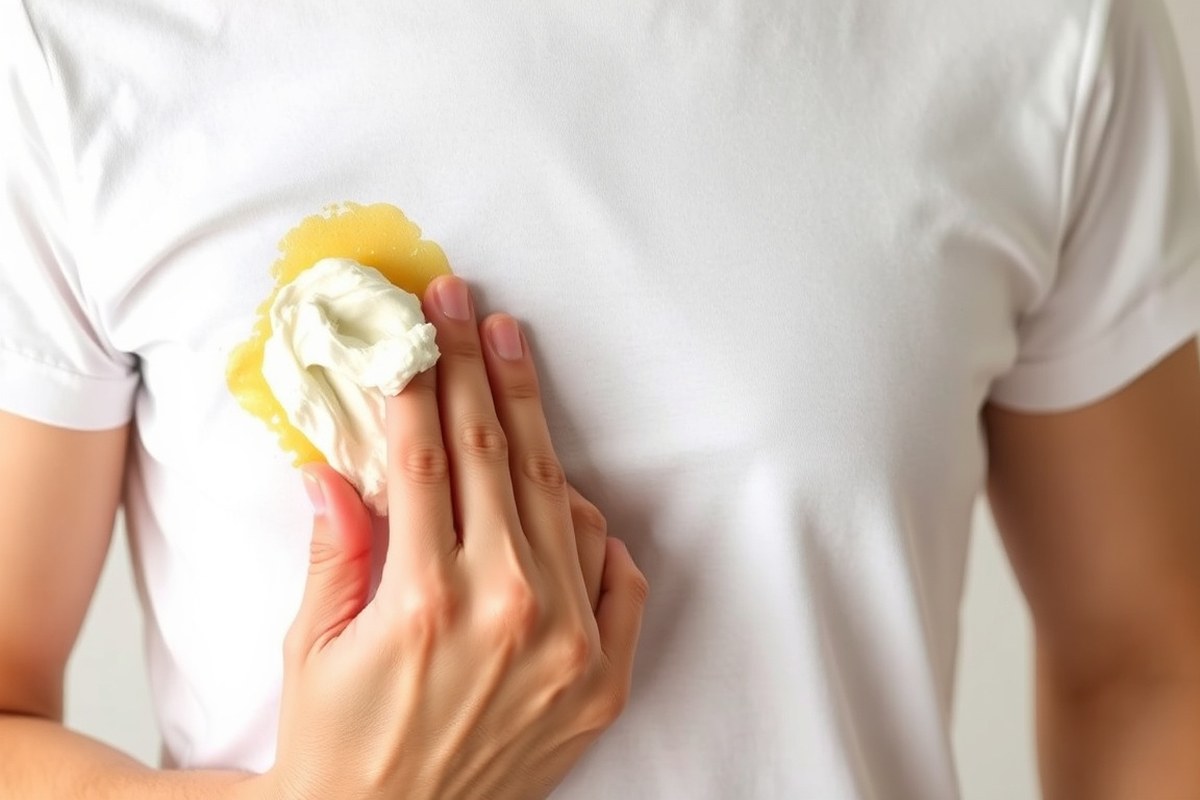
The easiest way to get underarm stains out at home involves using a simple paste or solution that breaks down sweat and deodorant buildup. Applying the treatment directly on the stain and letting it sit for around 30 minutes activates natural cleaning agents and loosens the discoloration. Using common household items like lemon juice, baking soda, or gentle detergents allows you to treat the stain effectively without harsh chemicals.
For best results, you’ll want to clean the stained area with a soft brush or cloth after the treatment so the paste or solution can penetrate the fabric fibers. Water temperature matters too; warm water helps dissolve residues better but avoid hot water on delicate fabrics to prevent damage. Always check the care label first and test any paste on a hidden area to confirm it won’t affect fabric color.
- Dampen the stained area with warm water to loosen surface dirt and prepare the fabric.
- Mix 3 tablespoons of baking soda with an adequate amount of water to form a spreadable paste, or use a natural bleaching option made by combining equal amounts of fresh lemon juice and warm water.
- Apply the paste or solution directly onto the underarm stain using a clean cloth or an old toothbrush for gentle scrubbing.
- Let the treatment sit for 30 minutes at room temperature. For stubborn or older stains, you can extend this to 1 hour or overnight in a shaded area.
- Gently scrub the stain with a soft nylon brush or toothbrush to work the cleanser into the fabric fibers without fraying.
- Rinse thoroughly with warm water to remove the paste and loosened stain particles.
- Launder the garment as usual, following care label instructions, using a regular detergent.
- Check before drying to ensure the stain is gone, since heat from dryers can set residual stains permanently.
This method typically costs just a few cents per application if you already have baking soda or lemon juice at home. Results usually show a visible reduction in staining on white or light-colored shirts. Avoid harsh scrubbing, as excessive friction can weaken fabric fibers or cause pilling. Stubborn stains that don’t come out after the first try should be treated again using the same method before moving on to other stain removal options or seeking professional cleaning.
2. Why Do Underarm Stains Happen and What Causes Them?
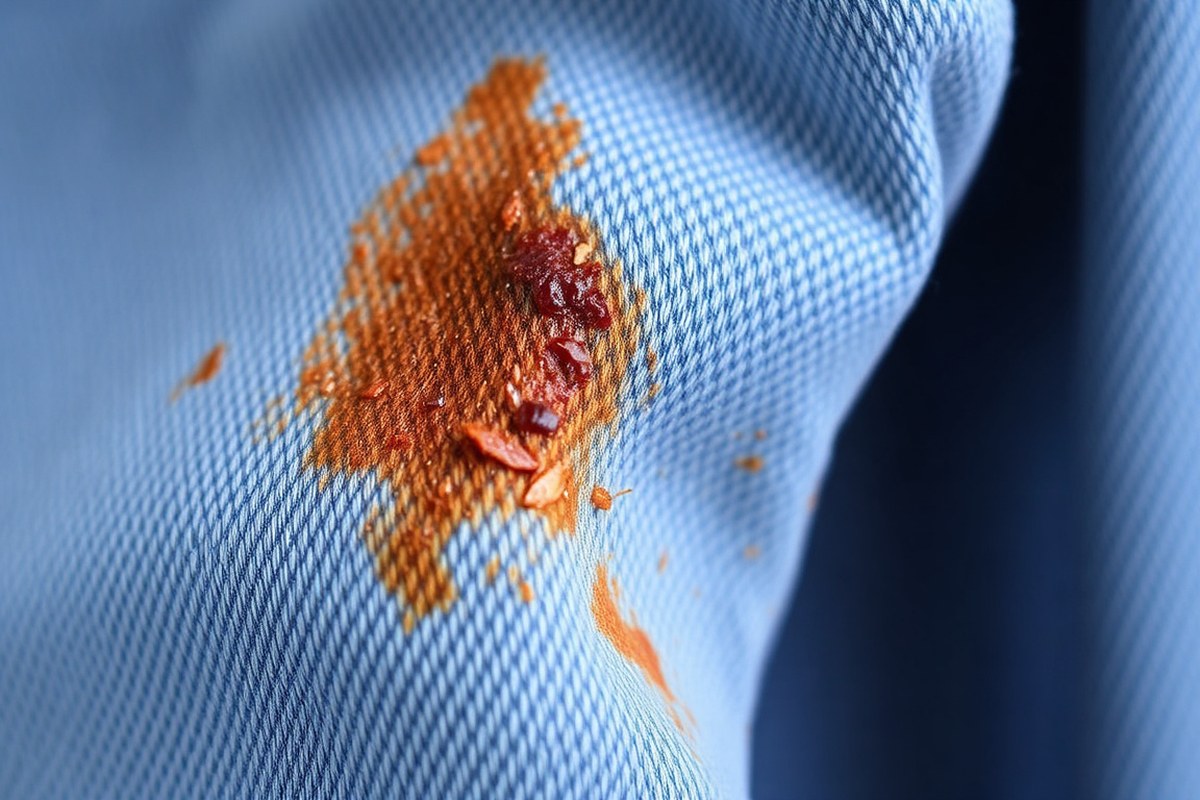
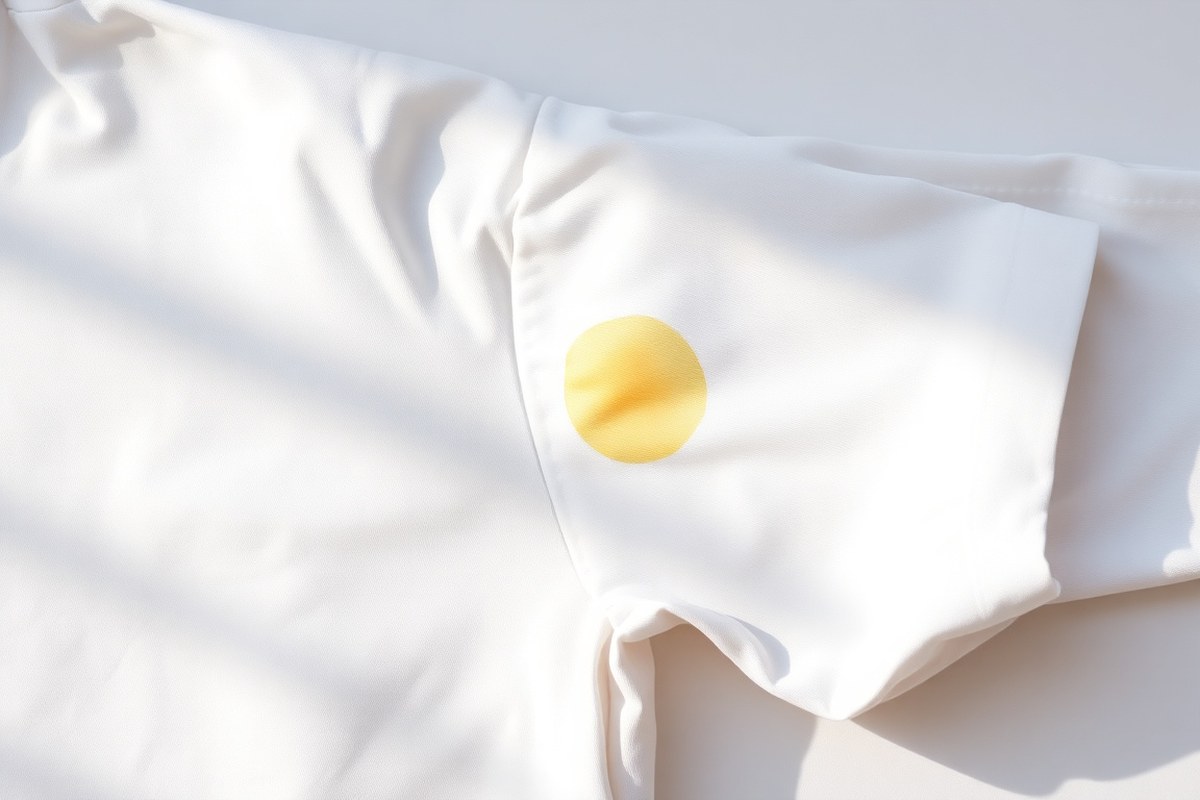
Underarm stains mainly occur due to a chemical reaction between your sweat and ingredients in deodorants, especially those containing aluminum compounds like aluminum zirconium or aluminum chloride. Sweat is composed of water, salts, proteins, and oils. When aluminum-based antiperspirants mix with the proteins and salts in sweat, they create a yellowish residue that binds tightly to fabric fibers. This residue oxidizes over time, causing the characteristic yellow or dark stains commonly seen on white or light-coloured shirts.
Aluminum molecules in antiperspirants are designed to plug sweat glands and reduce sweating by forming a temporary gel. However, some of these molecules transfer onto your clothing when you move your arms. They bond with sweat’s proteins and salts, forming a buildup that penetrates the fibers of the fabric. This buildup makes stains more difficult to remove with regular washing because it embeds deep rather than sitting on the surface of the material.
Deodorant residues also affect dark-coloured fabrics differently. While yellowing is less visible on dark clothes, deodorants often leave behind white crusty marks caused by undissolved ingredients. These white residues contrast with the fabric’s color, making them quite noticeable. Both yellow sweat stains on light fabrics and white deodorant marks on darker fabrics result from the chemical interactions between sweat, aluminum compounds, and fabric fibers.
Heat plays a significant role in worsening these stains. High temperatures from dryers or ironing cause the aluminum-sweat complex to bind more firmly to the fabric fibers through oxidation. Once set by heat, these stains can become permanent and much harder to treat. It is best to air-dry shirts and check for remaining stains before using a dryer. Treating stains promptly and avoiding the dryer until the stain is removed helps prevent permanent damage.
Fabric type can influence stain formation too. Natural fibres like cotton tend to absorb sweat and deodorant residues more readily than synthetic fabrics. This absorption increases the chance of yellowing, especially under regular antiperspirant use. Blends or synthetics might repel some moisture but can still hold residues that cause stains or odors. Knowing your fabric type helps in choosing effective stain treatments and understanding why certain clothes stain faster or more noticeably.
Avoid putting clothes with underarm stains in the dryer before fully treating them; the heat can set stains permanently, making removal much harder.
3. Choosing the Right Treatment for Different Fabrics and Stains
Matching stain removal methods to fabric types and stain severity is essential to avoid damaging your clothes while effectively removing underarm stains. Different fabrics like cotton, polyester, or wool need specific treatments, and older or set-in stains often require stronger or repeated approaches. Following fabric-safe recommendations and understanding what to avoid helps ensure stain removal without harm.
Safe Methods for Cotton and Linen
Cotton and linen, as natural fibers, tolerate various household treatments better than synthetic materials. A diluted white vinegar soak works well for both fabrics, helping break down sweat and deodorant buildup without harsh chemicals. For cotton, applying a baking soda paste gently lifts stains and deodorizes. Linen also responds well to vinegar but avoid prolonged soaking to prevent fiber weakening.
Both fabrics do not fare well with chlorine bleach on colored items, as bleach can cause fading or fabric damage. Hot water should be avoided before stain treatment because it can set stains permanently. Instead, use cool to lukewarm water to rinse before applying any cleaning agents.
Treatments Suitable for Synthetics and Delicates
Synthetic fabrics like polyester and delicate materials such as silk or wool require gentler care to prevent damage or fading. White vinegar soaks or enzyme-based cleaners are effective on synthetics without harsher chemicals like hydrogen peroxide, which can fade dyed fabrics. Delicate fibers benefit from cold-water hand soaks, avoiding hot water and vigorous scrubbing.
Hydrogen peroxide is best reserved for white cotton fabrics, as it poses a high risk of yellowing or color loss on synthetic or colored shirts. Dish soap diluted in water can gently clean synthetics without stripping dyes or weakening the fabric.
Handling Old, Set-In, or Tough Stains
Older or dried underarm stains usually need longer treatment. Soaking cotton shirts overnight in a baking soda or vinegar solution can loosen deeply set stains. A two-step process involving pretreating with white vinegar followed by an enzyme cleaner can be particularly effective for white cotton clothes with yellowish stains. Always rinse with cool water before washing to prevent staining fibers more deeply.
Delicate and synthetic fabrics should avoid prolonged soaking and repeated harsh treatments. Instead, use mild enzyme detergents and spot-treat gently, repeating if necessary. For stubborn stains, professional cleaning services offer customized enzyme treatments and temperature-controlled removal that protect fabric integrity.
| Fabric | Recommended Remedy | What to Avoid |
|---|---|---|
| Cotton | Soak your garment in white vinegar for 30 minutes before applying a baking soda paste or enzyme cleaner to tackle tough underarm stains. | Chlorine bleach on colored cotton, hot water before stain treatment |
| Linen | Mix two parts water with one part white vinegar to create a diluted solution for soaking your fabric to help remove stains. | Chlorine bleach, prolonged soaking, hot water |
| Polyester and synthetics | White vinegar soak, enzyme-based cleaner, diluted dish soap | Hydrogen peroxide on colored fabrics, chlorine bleach |
| Wool | Cold-water hand soak | Hot water, harsh chemicals |
This table shows key options for common fabrics to help you select the safest and most effective treatment. Stains on natural fibers allow for stronger home remedies, while synthetics and delicates require gentler methods or professional care to avoid fabric damage.
4. Natural and Household Remedies That Effectively Remove Stains
Natural and household remedies like baking soda, white vinegar, and lemon juice can effectively remove underarm stains when used correctly. These solutions break down the proteins and oils that cause discoloration. Applying them as pastes or soaking solutions for anywhere between 15 minutes and one hour often yields visible improvements, though very set-in stains might require repeated treatments or commercial products.
Baking Soda Paste and Its Use
Making a baking soda paste is a common and effective method to lift underarm stains. Use about ½ cup of baking soda mixed with 2 to 3 tablespoons of warm water to form a thick paste. For extra cleaning power, add 1 tablespoon of salt or hydrogen peroxide, but keep in mind hydrogen peroxide should be tested on fabric color first as it may bleach some materials.
After mixing, spread the paste directly over the stained underarm area using a spoon or your fingers. For best results, gently rub it in with a soft toothbrush to help the baking soda penetrate the fibers. Leave the paste on for at least 15 minutes; if the stain is stubborn, you can let it sit overnight before washing as usual.
This method works well because baking soda neutralizes odor and loosens the buildup of sweat and deodorant residues. It is also inexpensive and widely available, costing just a few cents per treatment. However, avoid scrubbing vigorously to prevent damaging delicate fabrics.
White Vinegar Soak Instructions
White vinegar is another natural option that effectively dissolves sweat stain proteins and deodorant buildup. To soak stained garments, mix one part white vinegar with two parts water in a basin or sink large enough to submerge the underarm area or entire shirt.
Immerse the stained section completely and allow it to soak for 30 minutes to one hour. This soaking time helps break down the stain without harsh chemicals. After soaking, rinse the garment well and launder as usual. For tougher stains, follow up by applying a baking soda paste and washing again.
Because vinegar is acidic, it acts as a gentle bleach alternative safe for most colors and fabrics. It is also inexpensive, usually under $1 per quart. Avoid using vinegar on delicate fabrics like silk or wool, as it may cause damage.
Lemon Juice Application and Sun-Drying
Lemon juice contains natural acids that lighten stains and brighten fabric. Mix equal parts fresh lemon juice and water to create a spray or soak solution. Apply this mixture directly to the stained area, or soak the garment for 15 to 30 minutes.
For added stain removal power, create a paste from equal parts lemon juice and salt. Rub this paste onto the stain gently before rinsing. After treating with lemon juice or the paste, place the garment in direct sunlight to dry. The sun’s natural bleaching effect helps further fade the stain.
Be cautious when using lemon juice on colored fabrics, especially dark ones, as it can cause fading. Testing on a small, hidden spot first is recommended. This method is low cost and effective for fresh or light stains but may be less successful on older, deeply set stains.
- Apply baking soda paste for 15 minutes or overnight for persistent stains
- Soak garments in 1:2 vinegar-to-water solution for 30 to 60 minutes
- Mix lemon juice with salt to form a paste for direct stain application
- Use a soft toothbrush to gently rub in baking soda or lemon paste for better penetration
- Sun-dry lemon-treated clothes to improve stain fading
- Test natural solutions on fabric inconspicuously to avoid discoloration
- Repeat treatments may be necessary for very set-in or old stains
5. How Hydrogen Peroxide and Chemical Products Remove Sweat Stains
Hydrogen peroxide can effectively remove yellow underarm stains caused by sweat and deodorant buildup. Mixing it with baking soda or dish soap improve its stain-fighting ability. Commercial enzyme cleaners work well by breaking down protein-based stains and should be applied before washing for the best effect.
Using 3% Hydrogen Peroxide Safely
Use a 3% hydrogen peroxide solution, available for about $1 to $3 per bottle at most drugstores. This concentration is strong enough to break down yellow stains but safe for most washable fabrics if handled properly. Always test on a hidden area first to check for colorfastness since hydrogen peroxide can bleach some dyes.
Put hydrogen peroxide right on the stain and allow it to rest for 10 to 30 minutes before washing. Don’t leave it on too long or soak delicate materials to avoid harm. Use cold water to wash the garment after treating to keep fibers safe and stop the stain from settling.
Combining Hydrogen Peroxide with Dish Soap or Baking Soda
Mixing hydrogen peroxide with baking soda or dish soap creates a paste that targets both the yellow stain and the waxy residue antiperspirants leave behind. Baking soda acts as a mild abrasive and deodorizer, while dish soap helps break down oils and residues.
One effective recipe mixes 1 part 3% hydrogen peroxide, 2 parts baking soda, and a small squirt of dish soap for a thick paste. Another option is 1 part Dawn dish soap to 2 parts hydrogen peroxide for a liquid cleaner. Use room-temperature water when mixing pastes with baking soda to maintain consistency.
- Prepare the cleaning paste by combining 2 tablespoons baking soda, 1 tablespoon 3% hydrogen peroxide, and a teaspoon of dish soap in a small bowl.
- Apply the paste generously to the yellowed underarm area, covering the entire stain.
- Rub gently with your fingers or a soft brush to work the mixture into the fabric.
- Let it sit for 45 to 60 minutes at room temperature to break down protein-aluminum bonds in deodorants.
- Rinse thoroughly with cold water to remove the paste and loosened stain debris.
- Wash the garment in a cold machine cycle using your regular detergent.
- Air dry to check if the stain is fully removed since dryer heat can set remaining stains.
Always test cleaning mixtures on a hidden seam first to avoid harming your garment’s color or fabric.
Applying Enzyme-Based Cleaners for Best Results
Commercial enzyme cleaners target the protein components of sweat stains and are generally safe for various fabrics. These products break down substances that regular detergents may not fully remove.
Apply enzyme cleaners directly to the stain and let them sit for at least 30 minutes before washing. This pre-treatment time allows enzymes to digest the stain efficiently. Follow the product instructions regarding temperature; enzyme cleaners often work best in cold to warm water.
For persistent or older stains, reapply the enzyme cleaner and extend the soaking time up to an hour. Avoid using bleach alongside enzymes, as it can deactivate them.
6. Preventing Underarm Stains and Odors from Coming Back
Switching to an aluminum-free deodorant can significantly reduce the chance of underarm stains because aluminum compounds react with sweat to create yellow residue on fabrics. Choosing deodorants without these ingredients helps prevent this chemical buildup. Alongside that, wearing breathable fabrics like cotton or moisture-wicking blends lets sweat evaporate more easily, keeping both your skin and clothes drier and less prone to stains.
How you wash your clothes plays a major role in avoiding stains. Using a good-quality detergent that cleans thoroughly prevents residue from settling into fabric fibers. Aim to wash shirts and tops as soon as you take them off, especially if you’ve been sweating. Prompt washing stops sweat and deodorant from setting and forming tough stains and odors. Washing in warm water, around 104 to 113 °F (40 to 45 °C), helps break down oils and proteins that cause staining, but always check your garment’s label to avoid damage.
In some cases, adding a fabric rinse product designed to remove buildup can improve results. Soaking sweaty garments overnight in a textile rinse helps lift accumulated residues that a regular wash alone might miss. This process keeps clothes looking fresh and reduces odor retention. To further reduce odor and prevent stains, establish these habits:
- Use antibacterial soap when showering to minimize bacteria that cause odor and staining.
- Wash workout clothes immediately after use to avoid sweat setting in.
- Apply deodorant only when your skin is dry to reduce excess product transfer.
- Avoid heavy layering of deodorant and antiperspirant products to limit residue buildup.
- Turn clothes inside out before washing to better target armpit areas.
- Air dry clothes when possible; high heat from dryers can set stains.
- For stubborn buildup, pre-treat armpit areas with natural mild abrasives like lemon juice or salt before washing.
Practicing regular hygiene and laundry care steps keeps underarm stains and odors at bay. Over time, these actions reduce the chances of buildup turning into permanent, difficult-to-remove stains. Maintaining these routines costs little beyond routine detergent and occasional fabric rinse products but helps extend your clothing’s life and keeps them smelling fresh longer.
7. Common Mistakes When Removing Underarm Stains and How to Fix Them
Drying a stained shirt in a dryer can permanently set underarm stains. The high heat, especially above 104°F (40°C), causes the aluminum-protein compounds from sweat and deodorants to chemically bake into the fabric fibers, making the stain much harder to remove. Air drying is your best option until the stain is completely gone, preventing this “heat-set” trap.
Using harsh chemicals such as chlorine bleach can also make stains worse or damage your clothing. Bleach may cause permanent discoloration, especially on colored or delicate fabrics, and can weaken fibers. Alkalis or strong solvents that are not fabric-safe might set the stain deeper or cause unwanted fabric degradation. Always check the fabric care label first to know what cleaning agents are safe.
You’ve made mistakes like drying a stained shirt in the dryer or using bleach the wrong way, but don’t give up. Rinse the garment thoroughly with cool water to dilute chemicals and break the stain’s hold. Then soak the item overnight in a fabric rinse product designed for tough stains, such as Tide Clean Boost Fabric Rinse. Avoid putting it in a dryer afterward, air dry to see if the treatment loosens the stain. Common errors that worsen underarm stains and how to fix them include:
- Drying stained clothes in the dryer instead of air drying, always let shirts air dry until stains are removed.
- Using bleach or harsh chemicals on non-white or delicate fabrics, choose a stain remover safe for your fabric type.
- Not pretreating stains before washing, apply stain remover directly to the underarm area, not to the whole shirt.
- Ignoring fabric care labels, always follow specific washing instructions to avoid damage.
- Using hot water or high dryer temperatures, opt for cool or warm water and skip the dryer.
- Not rinsing thoroughly before soaking, additional residue can prevent stain removal.
- Assuming all stains can be treated the same way, different fabrics and stains need tailored methods.
Correcting stained clothes involves spotting the affected area inside out, using a suitable stain remover, and soaking if necessary. For instance, rinsing in cool water, then applying a non-bleach enzymatic pretreatment, followed by an overnight soak in a fabric rinse product, can help lift ingrained residues. After treatment, air drying prevents further setting. Stains that remain require repeating the process instead of turning to harsh chemicals or heat.
8. When to Seek Professional Help for Tough Underarm Stains
Underarm stains on delicate or structured garments often need professional attention. For silk, wool, or fabrics marked “dry clean only,” do not try home treatments. These materials can shrink, distort, or lose color when exposed to typical household stain removers or water. Wedding gowns, suits, and high-end shirts also fall into this category due to their construction and fabric sensitivity. In such cases, professional cleaning services offer specialized methods safe for these textiles.
You should also consider professional help when the stain is old, deeply set, or resistant to multiple home treatments. Repeated attempts using oxygen-based bleach or gentle detergents over two or three washes may not remove the stain, which then could need chemical solvents and mechanical extraction available through commercial equipment. Professionals use advanced technologies that loosen stains gently without damaging the fiber, unlike home scrubbing that can harm fabric texture and color.
Expect professional stain removal to cost more than home efforts, typically ranging from $10 to $30 per garment, with higher fees for complex items like wedding dresses or suits. This cost covers labor, specialized cleaning agents, and equipment. Timing usually requires a few days for treatment and drying, depending on the shop’s workload. Good results mean the stain disappears or becomes barely visible without compromising fabric integrity. However, no service guarantees complete removal because some stains alter fabric chemically over time.
A simple way to decide if you need professional cleaning is to check the garment’s care label for “dry clean only,” the fabric type, and the stain’s age or persistence. Avoid home soaking or scrubbing on delicate or structured clothes, and don’t use heat sources like dryers until after professional treatment, as heat sets stains and odors permanently.
Never put stained delicate fabrics in the dryer before consulting a professional, as heat can permanently set stains and damage the fabric.
Consulting a trusted dry cleaner or a specialized stain removal service ensures your treasured clothes receive safe and effective treatment. Look for cleaners with good reviews and transparency about their methods and pricing. Some offer stain analysis and customized care, enabling you to ask questions and get an informed cost estimate. This upfront communication helps manage expectations and avoid surprises related to delicate garment care and difficult stains.
Step-by-Step Action Plan for Removing Underarm Stains
Follow these steps to tackle underarm stains effectively while protecting your clothes.
- Before you start: Identify the fabric type and stain severity to choose the right treatment and avoid damage.
- Day 1: Pre-treat the stain by applying a paste of baking soda and water or a natural stain remover. Let it sit 30 minutes, then rinse with cold water. The stain should look visibly lighter.
- Day 2: If the stain remains, apply hydrogen peroxide (for whites or colorfast fabrics) or a commercial enzyme-based cleaner. Let it work for 15 minutes, then wash as usual with cold water.
- Day 3: Check the garment before drying. If the stain still shows, repeat treatment but do not dry the item to avoid setting the stain permanently.
- After washing: Air dry the garment to prevent heat from setting any faint remaining stains. Confirm the stain is gone completely when the fabric is dry.
- Ongoing care: Use antiperspirants sparingly and allow them to dry before dressing. Regularly wash clothes soon after use to reduce buildup.
Frequently Asked Questions
Will Hydrogen Peroxide Remove Stains?
Yes, hydrogen peroxide can remove underarm stains by breaking down the proteins and oils causing them. Combining it with baking soda and dish soap creates a paste that tackles both stains and antiperspirant buildup effectively.
Can You Remove Old Set-In Stains?
Old, set-in underarm stains can often be removed, but they require stronger treatments and more time. Using a paste of hydrogen peroxide, baking soda, and dish soap and letting it sit can help lift stubborn stains before washing.
Can Dry Cleaning Remove Stains?
Dry cleaning may help with some underarm stains, especially oil-based ones, but it’s not always effective for sweat or deodorant stains. Inform your cleaner about the stains so they can treat them properly before the process.
Does Dawn Dish Soap Remove Armpit Stains?
Dawn dish soap helps break down oily buildup in underarm stains but works best combined with hydrogen peroxide for full stain removal. Use a mix of one part dish soap and two parts hydrogen peroxide for better results.
How Long Should I Soak Clothes to Remove Underarm Stains?
Soak clothes for at least 30 minutes in a suitable solution like white vinegar for cotton, but avoid prolonged soaking that weakens fibers, especially with linen.
Can I Use Bleach to Remove Underarm Stains?
Avoid chlorine bleach on colored fabrics and use it cautiously on whites only, as it can damage fibers and cause fading if not handled properly.
Key Points to Remember
Effectively removing underarm stains depends on tackling them promptly and using treatments suited to your fabric. Taking care to avoid heat until stains disappear helps prevent permanent marks. Start treating your clothes today following the steps laid out, and you’ll keep them looking fresh longer.