What Does Perm Press Mean on Washer and Dryer? A Complete Guide That Really Helps
Permanent press on a washer and dryer means a setting designed to reduce wrinkles and protect wrinkle-resistant garments during cleaning. It uses medium heat and moderate agitation to clean clothes gently while preserving their smooth finish. This setting is ideal for synthetic fabrics, blends, and casual wear treated to resist wrinkles.
This explanation suits homeowners and renters curious about laundry settings to better care for their clothes. You’ll learn how permanent press cycles work, their fabric compatibility, and how they differ from other cycles to save you time and keep your clothes looking their best.
Key Takeaways
- Permanent press uses medium heat around 85-105°F and gentle agitation to clean clothes without excess wear.
- The cycle usually lasts about 30 minutes with a cool-down phase to reduce wrinkles.
- Best suited for synthetic fabrics, blends, and wrinkle-resistant clothing, but not for heavy towels or delicate items.
- Permanent press reduces ironing time by incorporating slower agitation and a warm wash temperature.
- It provides a balance between the vigorous normal cycle and the gentle delicate cycle.
- Avoid mixing heavy or delicate fabrics on permanent press to prevent damage or inadequate cleaning.
What Does Permanent Press Mean on a Washing Machine?
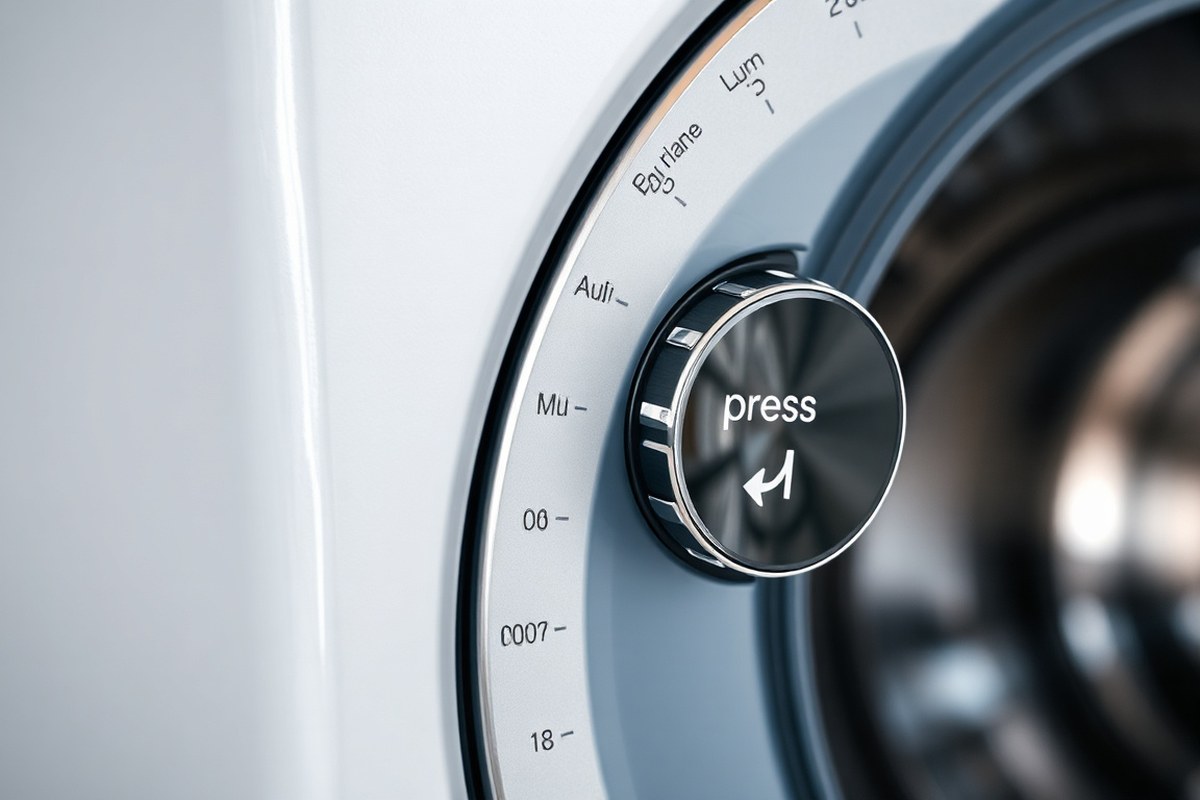
The Permanent Press cycle on a washing machine is a wash setting designed to clean clothes gently while reducing wrinkles. It uses a warm water temperature, usually between 85 and 105 degrees Fahrenheit, combined with a slower spin speed. This cycle is ideal for synthetic fibers and blended fabrics that need thorough cleaning without harsh agitation, helping the clothes keep their shape and look smoother after washing.
This cycle matters because it balances cleaning power with garment care. By washing at moderate warmth and spinning slower, the cycle prevents excessive creasing and fabric damage that can happen with regular or heavy-duty cycles. The slower spin reduces stress on seams and fibers, which lowers the chance of wrinkles forming. This means you spend less time ironing or steaming the clothes afterward.
The washer gently agitates the clothes just enough to clean out dirt but not so much that it damages or wrinkles them. The cycle generally includes a cool-down or a reduced spin phase at the end to further prevent wrinkles setting in. This program is often recommended for dress shirts, slacks, and other clothes labeled as permanent press or wrinkle-resistant on their care tags.
Sometimes, the Permanent Press cycle can appear under different names on various machines. Labels such as “Perm Press,” “Wrinkle Care,” or “Easy Care” often refer to this same setting. These alternate names still provide the same core function, a warm wash with a gentler spin designed to prevent wrinkles and maintain fabric quality.
Using the Permanent Press cycle requires selecting it on your machine’s control panel, usually alongside other cycles like normal or delicate. It typically costs no more in water or electricity than standard cycles, but the gentler agitation and moderately warm water help extend the life of your garments. Washing mixed fabric loads on this setting is a good way to clean garments effectively without risking damage.
Good results show up as clothes that feel clean but come out with fewer wrinkles and less bunching. If clothes still look overly wrinkled or stiff after a Permanent Press wash, the spin cycle may be too fast or the load size might be off balance. Overloading the machine or using too hot water on permanent press items can cause the cycle to lose effectiveness, leading to more wrinkles instead of fewer.
How the Permanent Press Cycle Works in Washing Machines
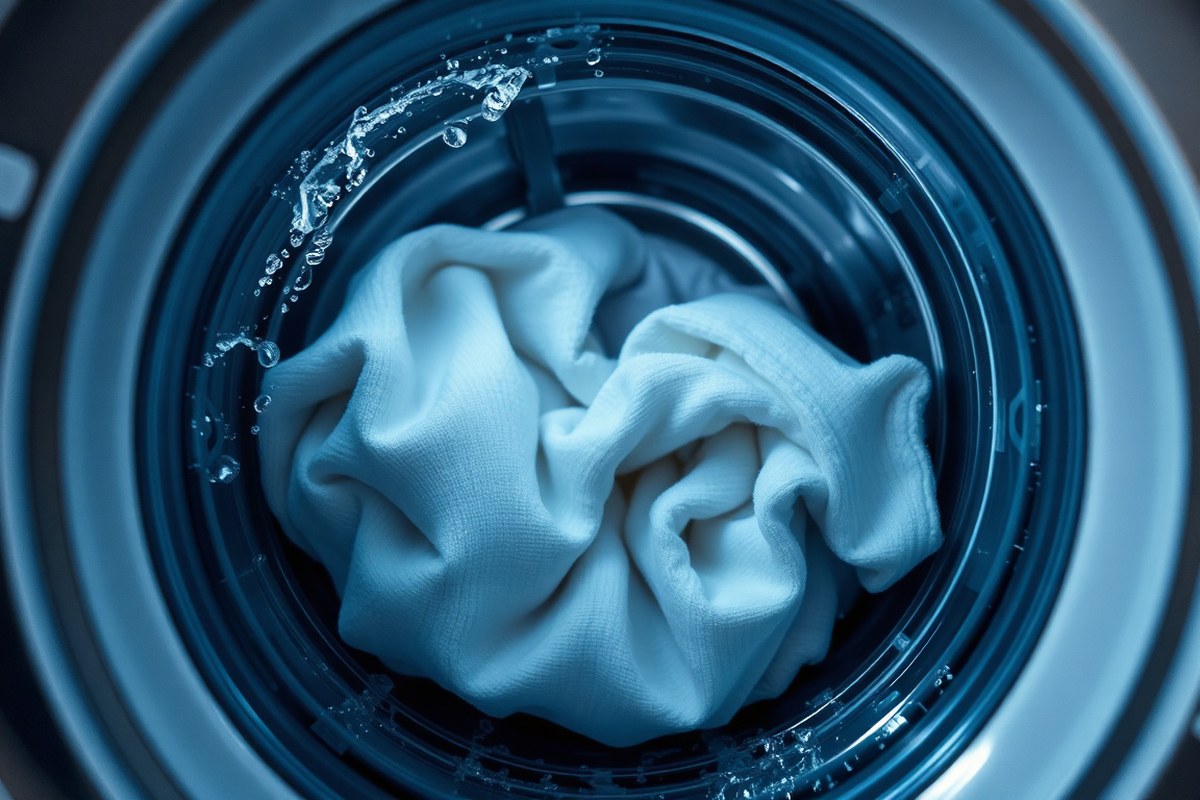
The Permanent Press cycle cleans clothes using a warm wash, gentler agitation, slower spin speeds, and a cool-down phase at the end. This combination reduces wrinkles and protects synthetic and blended fabrics. The cycle carefully balances temperatures and mechanical action to maintain your clothes’ appearance.
Wash Temperature and Agitation Level
The Permanent Press cycle typically uses medium heat during the wash, usually warm water around 90°F to 110°F (32°C to 43°C). This temperature is hot enough to clean clothes well without causing damage or excessive shrinkage to wrinkle-prone fabrics. Agitation is moderate and gentler than normal cycles, which helps avoid stretching or wearing down fibers. This gentle washing action is ideal for synthetic materials and blends marked “permanent press.” It prevents overexertion on these fabrics, preserving texture and colour while effectively removing dirt and oils.
Spin Speed and Drying Impact
Spin speeds on the Permanent Press cycle are slower than regular or heavy-duty settings. The slower spin, generally less than 800 revolutions per minute (RPM), retains some moisture in the garments to reduce creasing. High-speed spins can create tight wrinkles that are difficult to remove, so a moderate spin is optimal.
The drying aspect of this cycle uses lower heat settings to avoid shrinkage and reduce fabric stress. Together, the controlled spin and gentler drying settings help keep clothes looking smooth and fresh, saving you time on ironing.
| Feature | Permanent Press Cycle |
|---|---|
| Wash Temperature | 90°F to 110°F (32°C to 43°C) |
| Agitation Level | Moderate / Gentle |
| Spin Speed | Up to 800 RPM (slow) |
| Dry Heat | Low temperature |
| Cool-Down Phase | Yes, included |
Cool-Down Phase Explained
The cool-down phase is a unique feature of the Permanent Press cycle designed to gradually lower the temperature at the end of the washing or drying process. Instead of stopping abruptly, the machine continues tumbling the clothes with cool or no heat for several minutes. This prevents wrinkles from setting in as clothes adjust to normal room temperature.
By incorporating this phase, fabrics are less likely to come out stiff or heavily wrinkled. It provides a buffer period that relaxes the fibers before you remove them, reducing the need for extra ironing or pressing and extending garment lifespan. Follow these steps to use the Permanent Press cycle effectively:
- Sort your clothes, selecting mainly wrinkle-prone synthetics or blended fabrics.
- Load your washing machine without overfilling to allow proper tumbling.
- Select the Permanent Press or equivalent cycle on your washer.
- Ensure the temperature setting is on warm wash with cool or warm rinse.
- Start the wash, which will use moderate agitation and a gentle spin speed.
- Allow the cycle to complete, including the cool-down phase at the end.
- Promptly remove clothes to prevent wrinkles from re-forming.
Tip: Avoid combining heavy towels or bedding with permanent press items; heavier loads can prevent proper tumbling and reduce wrinkle prevention.
Fabric Types and Garments Best Suited for Permanent Press
Permanent press is best for washing fabrics that tend to wrinkle easily but need some durability, such as polyester, rayon, and various cotton blends. These fabrics handle the medium heat and cool-down rinse of the permanent press cycle well, which helps reduce creases while protecting the garment’s shape. Garments labeled “permanent press” or “wrinkle-resistant” often include synthetic fibers combined with cotton, making this cycle a smart choice.
Polyester, nylon, rayon, and cotton-polyester blends are typical examples of fabrics you should wash on permanent press. These materials benefit from the moderate heat setting, which minimizes shrinkage and color fading compared to the higher heat of a normal cotton cycle. For example, many work shirts, uniforms, and casual blouses fall into this category. Also, synthetic fabrics like acrylic or spandex that are prone to heat damage do well with the gentler permanent press cycle.
- Polyester and nylon garments, such as dress shirts and lightweight jackets
- Cotton-polyester blends like casual blouses and work uniforms
- Rayon fabrics including certain dresses and lightweight pants
- Wrinkle-resistant and permanent press labeled clothing items
- Delicate but moderately durable synthetics, such as spandex blends
It’s important to avoid using the permanent press cycle for very delicate or fragile fabrics like lace, silk, or heavy cotton towels. Delicate cycles with lower heat and more gentle agitation suit lightweight knits and lingerie better. Thick, sturdy items such as towels, jeans, and heavy cotton sheets generally require the normal cycle for thorough cleaning and durability. Washing these heavier items on permanent press could leave them damp or insufficiently cleaned because the cycle is shorter and runs at a lower temperature.
Sorting clothes by fabric type, color, and care label recommendations before loading helps you get the best outcome from the permanent press cycle. Using detergents formulated for synthetic or blended fabrics can also reduce risk of pilling or fabric damage. Following your garment’s care instructions and applying the permanent press cycle to appropriate fabric types preserves texture, shape, and color, which saves effort on ironing and garment maintenance over time.
Differences Between Permanent Press, Delicate, and Normal Cycles
Choosing the right washing machine cycle depends on fabric type, heat sensitivity, and how much agitation the clothes can handle. Permanent Press differs from Delicate and Normal cycles mainly in heat level, agitation speed, and spin duration. Permanent Press uses medium heat combined with a cool-down period to prevent wrinkling, while Normal cycles run hotter and shorter, and Delicate cycles use the lowest heat and slowest spin to protect fragile items.
Permanent Press cycles typically take around 30 minutes, featuring slower agitation than Normal but faster than Delicate, plus a longer spin. Normal cycles clean thoroughly and quickly but can stress fabrics due to higher heat and vigorous action. Delicate cycles are gentlest, using slow-speed spin and lower heat to protect items like lace or wool. This makes Permanent Press ideal for synthetic blends that tolerate some heat but risk damage or warping at Normal cycle temperatures.
| Cycle | Heat Level | Agitation | Spin Speed | Cycle Duration | Best For |
|---|---|---|---|---|---|
| Permanent Press | Medium heat with cool-down | Moderate, slower than Normal | Longer spin than Normal and Delicate | ~30 minutes | Synthetic blends, wrinkle-prone fabrics |
| Delicate | Low heat or cold | Slow, gentle agitation | Slowest spin speed | Varies, generally longer | Fragile fabrics like lace, wool |
| Normal | High heat | Strong, vigorous agitation | Standard spin speed | Shorter than Permanent Press | Durable cottons, heavily soiled items |
Decide on the cycle by matching fabric care requirements and wrinkle prevention needs. Use Normal for sturdy cottons with heavier soil, where stronger agitation and heat remove dirt efficiently. Turn to Permanent Press for mixed fabric loads or synthetic items to reduce wrinkles and avoid the heat damage associated with Normal cycles. Choose Delicate when washing fragile items that could stretch, shrink, or break with rough handling.
By selecting the right cycle, you balance cleaning effectiveness with fabric care and energy efficiency. Permanent Press serves as a middle ground, preserving fabric shape and reducing ironing while still delivering a thorough wash in about 30 minutes. Avoid Permanent Press for delicate lace or wool, which need gentler treatment, and steer clear of Normal for fabrics that wrinkle easily or contain synthetics sensitive to high heat.
How Permanent Press Reduces Wrinkles and Ironing Time
The Permanent Press cycle reduces wrinkles primarily by using a combination of warm water washing and a slower, gentler spin cycle to avoid excessive creasing. This cycle also includes a cool-down or cool rinse phase that helps relax the fabric fibers before the clothes are fully dried. The slower spin speed prevents clothes from becoming tightly packed and twisted, which limits the formation of deep wrinkles. By minimizing these stresses on fabric during washing, your garments come out smoother and need less attention to remove wrinkles.
This method does not completely eliminate the need for ironing but significantly reduces the amount of time you spend on it. Permanent Press settings work best on synthetic fibers and blended fabrics that have a wrinkle-resistant chemical finish. These fabrics are treated to hold their shape and smooth texture through repeated washings. For example, many cotton-polyester blends labeled as “permanent press” contain a resin finish that stabilizes the weave and prevents creasing. When you wash these garments on the Permanent Press cycle, you maintain this finish and reduce new wrinkle formation, which can cut your ironing time by roughly half for many items.
The fabric treatment interacts with the Permanent Press cycle by complementing the mechanical and temperature controls with a chemical barrier against wrinkles. Washing permanent press fabrics on regular cycles with high agitation or very hot water can break down these finishes, causing more wrinkles and reducing fabric lifespan. Using warm water (usually around 90°F to 110°F) combined with a gentle spin protects these finishes. After laundering, it is best to remove clothes promptly from the washer and either hang or tumble-dry on a low heat setting to preserve the wrinkle-resistant properties.
Using the Permanent Press cycle efficiently saves both time and energy. Because the cycle reduces wrinkles at the source, you avoid spending extra electricity on ironing or steam pressing. This cycle typically lasts longer than a regular wash, often 45 to 60 minutes, but this time investment pays off with decreased ironing requirements. A good guideline is to separate permanent press garments from heavy cotton or untreated fabrics, as mixing these may reduce the wrinkle-reducing benefits. Treating your laundry loads correctly ensures you maximize wrinkle reduction and fabric longevity.
Keep permanent press clothes slightly damp when transferring them to the dryer and avoid over-drying to maintain wrinkle resistance and reduce ironing time.
Tips and Best Practices for Using the Permanent Press Cycle
To get the best results from the Permanent Press cycle, use cold water with a detergent designed for synthetic fabrics or blends. Keep your load size moderate to allow clothes to move freely, which reduces wrinkles. When drying, choose a low-heat setting and remove items promptly to prevent excess creasing.
Choosing the Right Detergent
Using the right detergent helps protect fabric finish and reduce wrinkles. A liquid detergent formulated for synthetic fibers or permanent press fabrics is ideal. These detergents dissolve well in cold water, which is standard for this cycle, ensuring effective cleaning without damaging clothes.
Avoid using bleach or fabric softeners unless the garment care label explicitly allows it. These additives can affect the fabric’s wrinkle resistance and longevity.
Loading Your Washer and Dryer Correctly
Loading your washer properly can make a big difference in how clothes come out. The Permanent Press cycle works best with a medium-sized load, roughly three-quarters full of your machine’s capacity. Overloading prevents garments from tumbling freely, which often causes more wrinkles and reduces cleaning efficiency. Here is a checklist for an optimal load:
- Sort by fabric type, focusing on synthetics and blends for permanent press
- Avoid mixing heavy items like towels with lighter synthetic garments
- Distribute evenly around the agitator or drum for balanced washing
- Use cold water as recommended for soil level and garment care
- Set the spin speed to medium to avoid fabric stress
Drying Tips to Prevent Wrinkles
Permanent Press garments need a low-heat drying setting to maintain wrinkle resistance and fabric quality. High heat can cause permanent creases and damage synthetic fibers. Dry no more than a medium-sized load per cycle to allow clothes to tumble easily.
After drying finishes, remove clothes immediately to prevent wrinkles from settling in. If your dryer has a “wrinkle release” or “cool down” phase, use it, as it lets clothes relax while cooling. For delicate permanent press items, air drying flat or hanging on padded hangers is a good alternative that helps maintain shape.
Common Mistakes When Using Permanent Press and How to Avoid Them
One common mistake that leads to poor wrinkle control is using water that is too hot. Hot water can cause permanent press fabrics to shrink or lose their shape, which increases wrinkles rather than reducing them. To prevent this, set your washer to use warm or lukewarm water instead of hot. This temperature range cleans effectively while preserving fabric integrity.
Another frequent error is choosing the wrong cycle for your garments. Permanent press cycles are designed for moderately durable, wrinkle-prone clothes that usually have tags stating “permanent press” or “tumble dry medium.” Selecting a heavy-duty or normal cycle on these fabrics stresses the fibers, causing premature wear and deformation. Always match the cycle to the label instructions, which helps maintain wrinkle resistance and extends garment life.
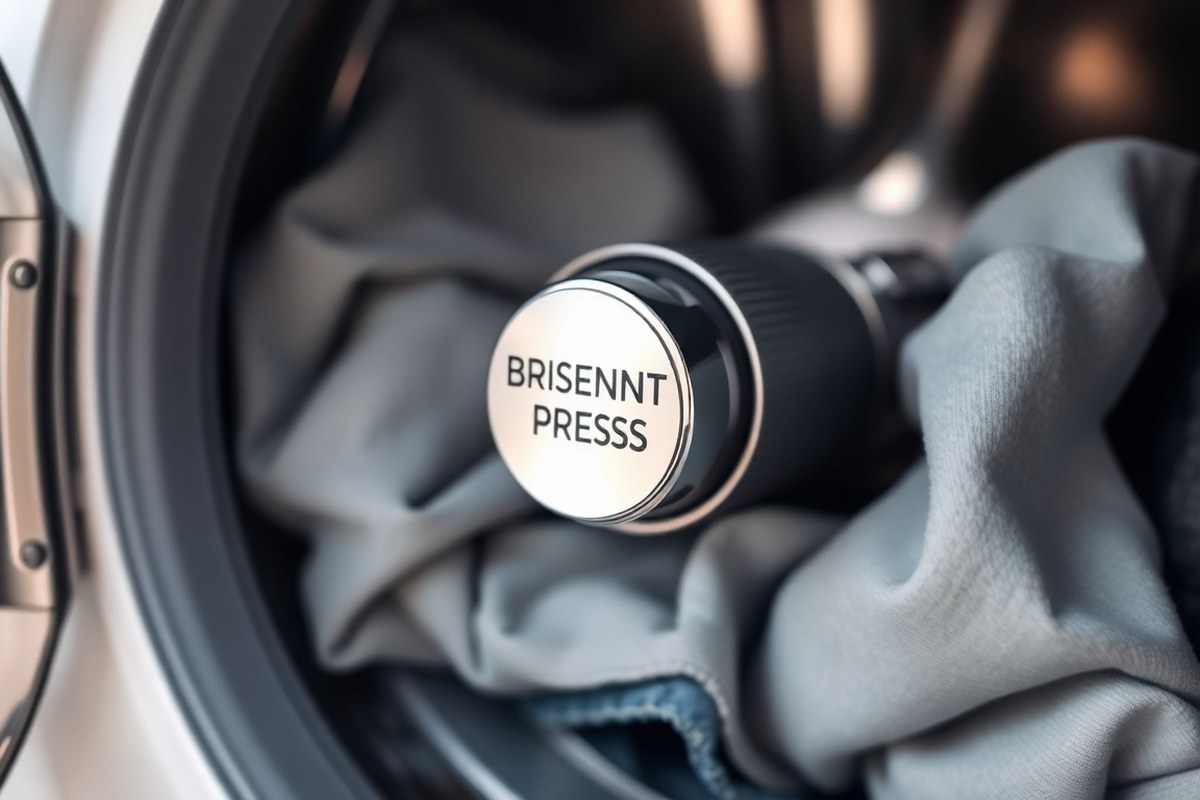
Drying is another area where mistakes happen often. Overdrying permanent press clothes can set wrinkles and increase fabric wear, while underdrying leaves clothes damp and more prone to creasing. Use a dryer’s permanent press or wrinkle-free setting together with a PRESS GUARD function if available, to balance drying time and minimize wrinkles without overdrying. Pay attention to the garment’s recommended drying temperature and cycle.
- Use warm water instead of hot to avoid shrinking and warping.
- Check garment care labels to select the correct permanent press cycle.
- Avoid heavy-duty or normal cycles for permanent press fabrics.
- Use the PRESS GUARD function on your dryer with permanent press.
- Remove clothes promptly after drying to prevent new wrinkles.
- Do not overload the washer or dryer to ensure even cleaning and drying.
- Consider separate washing of heavily stained clothes to avoid compromising wrinkle control.
Overloading your washer or dryer can also reduce effectiveness. When clothes are packed tightly, water and detergent do not circulate freely, leading to less thorough cleaning. This insufficient cleaning may leave stains that cause you to rewash with harsher methods, risking damage. Keeping loads moderate allows permanent press cycles to work as intended.
Lastly, not removing clothes promptly after drying can cause additional wrinkles. Clothes left in the dryer drum cool in a wrinkled state. To avoid this, take garments out as soon as the cycle finishes or use a timed cool-down or tumble feature when possible. These small adjustments help maintain the wrinkle-resistant benefit of permanent press settings.
Understanding Perm Press Dryer Settings and Their Effects
The perm press dryer cycle uses a combination of medium heat followed by a cool-down phase to protect clothes from wrinkles and shrinkage. Unlike in washing, where agitation and spinning are controlled, drying focuses on carefully timed heat and cooling to avoid fabric damage. This method is best for synthetic fibers and blends that wrinkle easily but do not tolerate high heat well.
Heat Levels and Their Impact on Fabrics
The perm press drying cycle applies moderate heat, usually between 120°F and 140°F, lower than the regular cycle’s high heat setting that can reach 160°F or above. This reduced temperature helps prevent synthetic fibers like polyester and blends from melting or weakening. Overheating can cause these fabrics to become misshapen or develop wrinkles that are hard to remove.
The medium heat section encourages moisture evaporation without stressing the fibers, helping control shrinkage that high temperatures typically cause. Toward the end of the cycle, heat tapers off to avoid overdrying, which can also damage fabrics. Compared to the delicate cycle that uses low heat, perm press tolerates a bit more warmth but stays gentler than the normal or heavy-duty cycles.
Cool-Down Phase in Drying
The cool-down phase is a important feature in the perm press drying cycle. After the heating phases, the dryer tumbles the clothes without heat or with very low heat for 5 to 10 minutes. This gradual reduction in temperature prevents sudden fiber contraction, which can cause wrinkles and shrinkage.
This phase also helps set the fabric’s shape so clothes come out less wrinkled and easier to manage. By cooling clothes gradually, the risk of heat damage melts or permanent creases is reduced. Without this cool-down, synthetic blends could come out stiff or overly wrinkled despite the milder heat during the drying phase.
Energy Efficiency Considerations
Running the perm press dryer cycle generally uses less energy than a long high-heat cycle because it avoids prolonged exposure to high temperatures. However, the cool-down phase adds some time to the cycle, leading to a total drying time that can be 10, 20% longer than regular drying.
You can save energy by selecting perm press only when drying wrinkle-prone synthetic blends or mixed fabrics, instead of for heavy cotton items which would need a normal or heavy-duty setting. Removing clothes promptly at cycle end and using sensor drying also minimizes wasted energy. Lower heat means slightly lower electricity use, but the extra tumbling using no heat during cool-down does use some power.
| Dryer Cycle | Heat Level | Cycle Duration | Energy Use | Fabric Suitability |
|---|---|---|---|---|
| Perm Press | Medium with Cool-Down | 45, 60 min | Moderate | Synthetics, Blends |
| Normal | High | 40, 50 min | High | Cottons, Durable fabrics |
| Delicate | Low | 30, 45 min | Low | Silks, Knitwear |
Promptly remove clothes from the dryer to prevent wrinkles from setting as they cool outside the drum.
Step-by-Step Action Plan for Using the Permanent Press Cycle
Follow these steps to make the most of your washing machine’s Permanent Press cycle and keep your clothes wrinkle-free and longer-lasting.
- Before you start: Sort clothes by fabric type, separating permanent press items like polyester blends from delicates and heavy cottons. You’ll know it’s right when you avoid mixing fabrics that need different cycles.
- Load the machine: Place a balanced load of permanent press clothes. Avoid overloading to ensure proper washing and spinning.
- Set the cycle: Select Permanent Press on your washer and match it with the Permanent Press dryer setting if possible. The clothes should feel clean without excessive wrinkles after drying.
- After the wash: Promptly remove clothes from the machine to prevent wrinkles from setting.
- During drying: Use a medium heat setting and remove clothes as soon as the cycle ends or slightly damp to reduce ironing time.
- After drying: Shake out clothes before folding or hanging to smooth out wrinkles successfully.
- Weekly review: Notice if garments look less wrinkled and hold their shape longer, indicating you’re using the cycle correctly.
Frequently Asked Questions
What Does Perm Press Mean on a Washer?
Perm press on a washer means a cycle that uses warm water with medium agitation and slower spin to reduce wrinkles and wear. It’s ideal for synthetic and blend fabrics that need gentle, effective cleaning without harsh treatment.
What Is the Best Cycle to Wash Clothes?
The best cycle depends on fabric type; permanent press works well for everyday clothes and blends, while delicate suits fragile items. Choosing the right cycle protects clothes and keeps them looking good longer.
Will a Perm Press Dryer Shrink Clothes?
A perm press dryer uses medium heat and a cool-down phase, which lowers the risk of shrinking compared to hotter cycles. It’s safer for wrinkle-resistant clothes but avoid on delicate or heat-sensitive fabrics.
Is the Permanent Press the Same as the Delicate Wash Cycle?
Permanent press is not the same as delicate; it uses warmer temperatures and moderate agitation, while delicate cycles are cooler and gentler to protect fragile fabrics.
Can You Use Permanent Press for Towels?
Permanent press isn’t the best choice for towels because it uses lower spin speeds and temperatures, which may not clean heavy towels thoroughly. Use a heavy-duty cycle for better results.
Does Permanent Press Prevent Color Fading?
Permanent press can help reduce color fading by using warm rather than hot water and gentler agitation, which is less harsh on fabrics.
Final Thoughts
The Permanent Press cycle helps reduce wrinkles and protects synthetic and blended fabrics by using moderate agitation and a slower spin. Using it correctly means less ironing and clothes that last longer. Start by sorting your laundry and matching the cycle with your fabric, so you keep garments looking their best with minimal effort.